Generator Runs But No Power Output
⚡ Quick Answer
When a generator engine runs but produces no electricity, it is usually due to a tripped circuit breaker, a loose wire, or a failed capacitor. Start by checking your control panel for tripped breakers and testing the outlet voltage with a multimeter before inspecting the internal components.

What do you want to do?
Most Likely Cause
Loss of Residual Magnetism
If a generator sits idle for a long period, the magnetism required to induce current during startup can dissipate. You can identify this by measuring zero output even when the engine is at full RPM.
Start here — this is the most common reason for this symptom.
Why This Problem Happens
When a generator engine runs but produces no power, the breakdown is almost always electromagnetic rather than mechanical. The generator's rotor spins within the stator, creating a magnetic field that induces an alternating current. If the residual magnetism in the rotor has dissipated during storage, or if the brushes, capacitor, or Automatic Voltage Regulator (AVR) fail, the circuit cannot excite the stator windings to produce voltage. This failure to 'flash' the field means the engine produces mechanical rotation, but the electrical generator head remains inert. In brushless generators, the capacitor often handles the field excitation; if this component fails, the exciter circuit remains open, resulting in zero output. Furthermore, a blown bridge rectifier or burnt stator windings can prevent the build-up of voltage, effectively turning your generator into a very expensive, gas-powered paperweight that simply spins in place without completing the necessary induction cycle.
Common Symptoms
- Engine runs smoothly at governed speed
- No voltage output on the multimeter
- Zero electrical load response when switches are flipped
- Lack of 'hum' or electrical load sound from the generator head
- Status lights on the control panel are dark
Before You Buy Parts
Quick, free inspections — check these first. Most repairs don't actually need replacement parts.
Complete Resource Guide
Complete Generator Troubleshooting & Repair Guide
Repair Overview
1–2 hours
$15–$50
First Checks — Start Here
- 1Check if the circuit breaker on the generator panel has tripped
- 2Ensure all plugged-in appliances are turned on and functioning
- 3Inspect the GFCI outlet reset button for a trip indicator
- 4Verify that the engine is running at the correct RPM
- 5Look for any loose or disconnected wires behind the control panel
Safety Warnings
- !Disconnect the generator from all household loads and turn the main breaker off before flashing to avoid backfeeding the battery.
- !Always discharge the capacitor with an insulated screwdriver across the terminals before handling it to prevent a lethal shock.
- !Ensure the engine is completely cold and the spark plug wire is disconnected to prevent accidental starting during inspection.
- !Only perform electrical checks with the generator turned off and completely disconnected from any power sources.
- !Do not attempt to test live windings while the engine is running; use only static, disconnected tests.
- !Do not bypass the breaker to test output; if the breaker is tripped or faulty, it will not protect your electronics from a surge.
- !Assuming the engine issue is related to fuel when the problem is strictly electrical
- !Neglecting to discharge the capacitor before touching electrical leads
Always disconnect the spark plug, work in a well-ventilated area, and consult a professional if unsure.
Most Likely Causes
Ranked by likelihood — tap each to see diagnosis details.
If a generator sits idle for a long period, the magnetism required to induce current during startup can dissipate. You can identify this by measuring zero output even when the engine is at full RPM.
The AVR manages the output voltage stability; if it fails, it cannot excite the field windings. A burnt smell from the control box or a visibly blackened circuit board is a classic indicator of AVR failure.
🔧 Step-by-Step Fix Guide
Flash the Rotor Field
If the generator has lost residual magnetism, you can 'flash' it using a 12V battery and jumper wires connected briefly to the brush assembly terminals. This re-magnetizes the rotor to initiate the induction process.
Disconnect the generator from all household loads and turn the main breaker off before flashing to avoid backfeeding the battery.
Test the Capacitor
Use a multimeter with a capacitance setting (microfarads/uF) to test the run capacitor against its rated value. If the reading is significantly off or nonexistent, replace the component with one of identical specs.
Always discharge the capacitor with an insulated screwdriver across the terminals before handling it to prevent a lethal shock.
Inspect Carbon Brushes
Remove the end cover on the generator head to expose the brush block. Check the carbon brushes for even wear and ensure they move freely in their holders; if the carbon is less than 1/4 inch, replace the entire block.
Ensure the engine is completely cold and the spark plug wire is disconnected to prevent accidental starting during inspection.
Check AVR Connections
Inspect the wiring harness connected to the AVR for loose spade terminals or melted insulation. Sometimes vibration causes a connector to back out, resulting in a total loss of power output.
Only perform electrical checks with the generator turned off and completely disconnected from any power sources.
Measure Stator/Rotor Resistance
Disconnect the stator leads and use your multimeter set to Ohms to test for continuity. A reading of 'OL' (Open Loop) indicates a broken winding, which usually necessitates a professional rewind or generator head replacement.
Do not attempt to test live windings while the engine is running; use only static, disconnected tests.
Check the Main Circuit Breaker
Even if the generator produces power at the stator, a failed main breaker will prevent that power from reaching your outlets. Check for continuity through the breaker while it is in the ON position.
Do not bypass the breaker to test output; if the breaker is tripped or faulty, it will not protect your electronics from a surge.
What To Test Next
If the breaker and basic checks are fine, the next thing to inspect is the alternator stator and AVR (voltage regulator) for output using a multimeter.
Component Reference

Carburetor & Fuel Intake
The carburetor mixes air and fuel for combustion. A clogged jet or stuck float is the #1 cause of small engine starting and surging problems.

Spark Plug & Ignition System
The spark plug ignites the air-fuel mixture. A fouled plug, wrong gap, or failing ignition coil will prevent the engine from firing.

Electrical & Starting System
The battery, solenoid, and starter motor work together to crank the engine. A weak battery or corroded connection is often mistaken for a fuel or spark problem.

Drive & Cutting System
Belts, pulleys, and clutches transfer engine power to the wheels and cutting deck. A worn or thrown belt is the most common drive-system failure.
Photos for educational reference. Actual parts may vary by make and model.
Common Mistakes to Avoid
Assuming the engine issue is related to fuel when the problem is strictly electrical
Testing for voltage while the generator is still under a household load
Flashing the field with too high a voltage, which can fry the AVR
Replacing the AVR without first checking if the brushes are simply worn out
Neglecting to discharge the capacitor before touching electrical leads
If This Didn't Fix It
Still having trouble? These are the next things to check:
Get the Exact Parts for Your Machine
Tell us your equipment's year, make, and model — we'll search for parts that actually fit, not generic ones.
Finding parts for
Generator runs but
Required Gear
Matched to your Generator runs but — click to find the exact fit on Amazon.
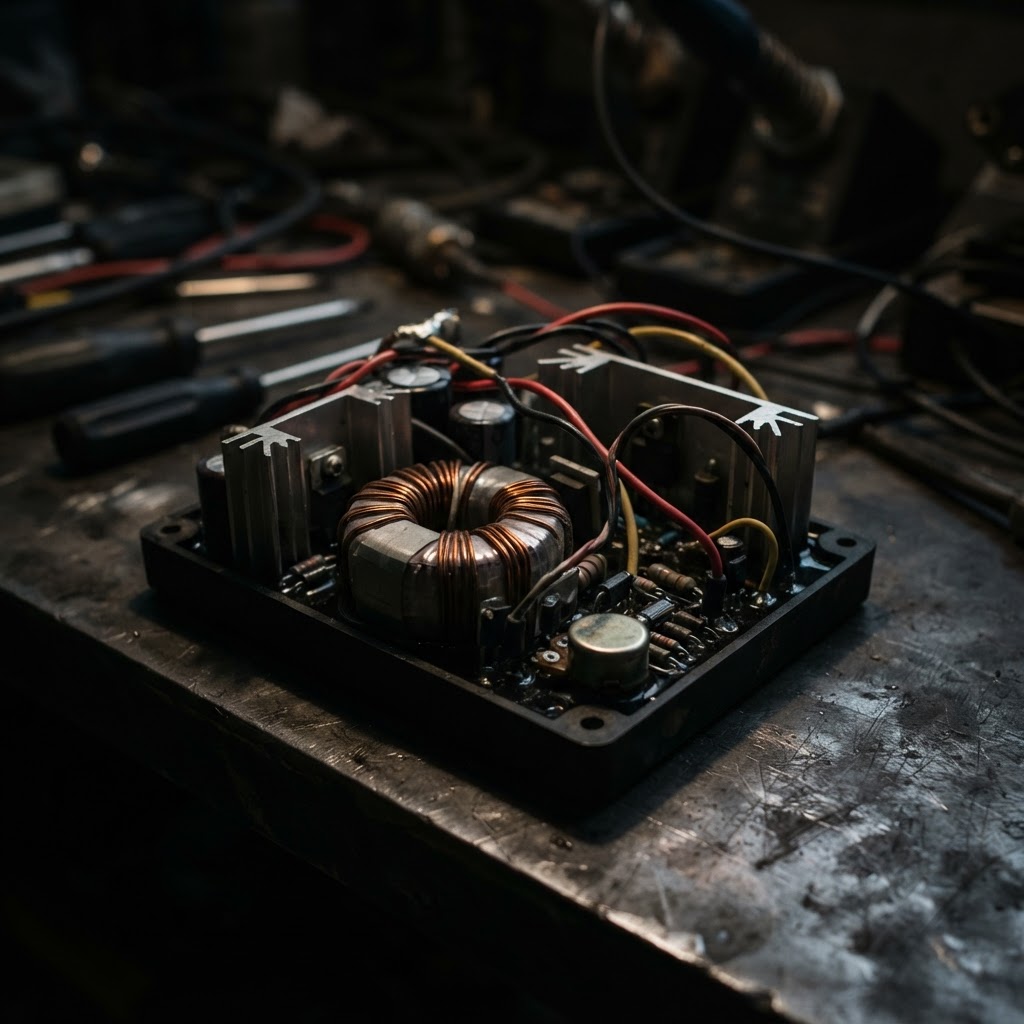
Automatic Voltage Regulator (AVR)
If testing confirms the original unit is faulty or output voltage remains unstable, a model-specific AVR is required to regulate electrical output correctly.
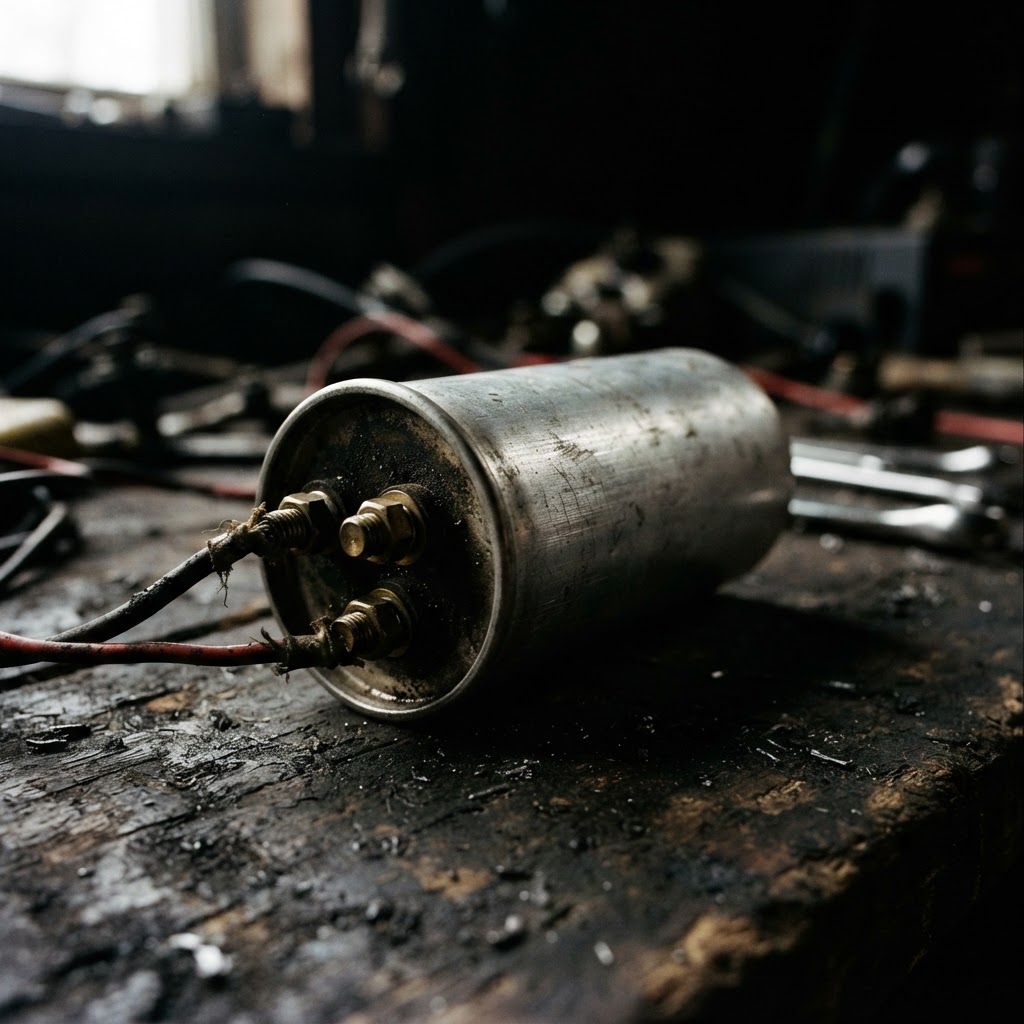
Generator Run Capacitor
A blown or out-of-spec capacitor prevents the generator from maintaining its magnetic field, and replacing it is necessary to restore power output.

Carbon Brush Assembly
Worn or stuck carbon brushes fail to transfer current to the rotor; replacing the assembly ensures a continuous electrical connection for power generation.
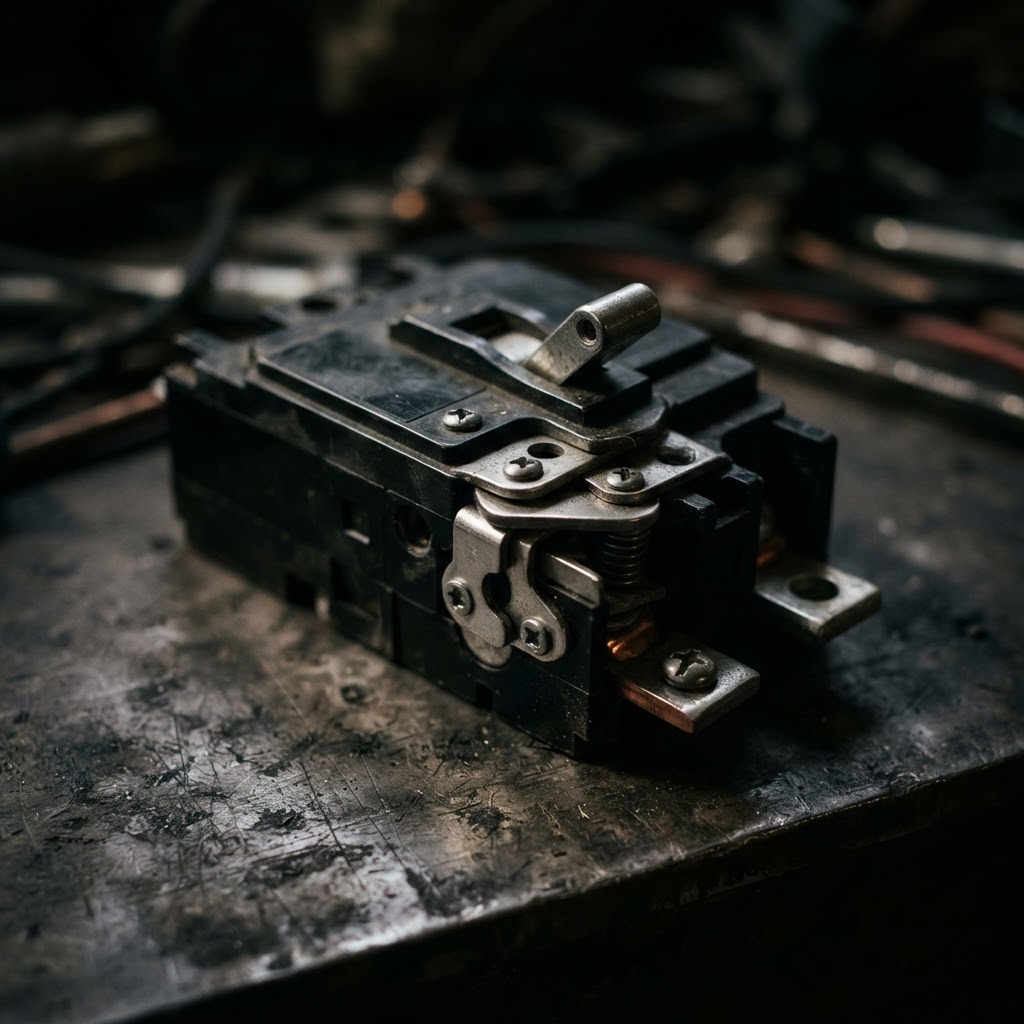
Replacement Main Circuit Breaker
If the breaker is tested and fails to hold continuity under load, it must be replaced to allow power to flow from the generator head to the outlet panel.
Affiliate Disclosure: Lil Engine may earn commissions from qualifying purchases.
Pro Tips from the Community
Real-world fixes from Reddit, YouTube & forums.
"Check the circuit breakers on the panel first because vibration often trips them even if they look like they are in the 'on' position."
Reddit r/Generator"If the generator has been sitting, use a drill to 'flash' the field by applying 12V to the brushes, as the residual magnetism is likely lost."
YouTube comments"Pull the cover off the alternator head and inspect the capacitor for bulging or burnt plastic, as this is the most common point of failure for no output."
DoItYourself.com Forum"Check for loose wires or oxidized spade terminals behind the outlets, as the high vibration environment loosens connections over time."
TractorByNetPrevent This From Coming Back
Run the generator under a moderate load for 15-20 minutes every month to maintain field magnetism
Store the generator in a climate-controlled, dry area to prevent corrosion on slip rings and windings
Use a high-quality fuel stabilizer to prevent engine-related issues that lead to long-term storage neglect
Periodically blow out the generator head with low-pressure compressed air to remove dust and debris
Verify that the cooling fan inside the generator housing is not obstructed, as overheating ruins windings
Prevent This From Happening Again
While you're fixing it, stock up on the maintenance essentials that keep your generators running right.
Fuel Stabilizer
Generators sit unused for months — stabilizer prevents stale fuel issues.
Get on AmazonSpark Plug
Replace yearly so your generator starts instantly in an emergency.
Get on AmazonSmall Engine Oil
Check oil level before each use — low oil shuts down the engine.
Get on AmazonAffiliate Disclosure: Lil Engine may earn commissions from qualifying purchases.
Frequently Asked Questions
You can use a 12V battery to 'flash' the field to restore magnetism, but it is not a jump-start in the automotive sense. Only perform this if you have verified the internal components are otherwise sound.
Video Help
Helpful videos showing these repairs in action.
Share Your Repair
Real-world fixes help everyone. Share what worked and your repair becomes part of Lil Engine's community database.
Related Problems
More Generators GuidesRelated Maintenance Articles
Related Symptoms
Related Searches
Generators Troubleshooting
Did this help?
Your feedback helps improve guides for everyone.