Lawn Mower Bogs Down Under Load — Fuel Starvation & Mechanical Drag Diagnosis
⚡ Quick Answer
When a mower bogs under load, the engine is failing to increase its power output to meet the resistance of the grass, usually due to a restricted main jet in the carburetor or a gummed-up governor linkage. First, ensure the mower deck is clear of debris and the air filter isn't oil-soaked, then focus on cleaning the high-speed fuel circuit. If the engine 'hunts' or surges before dying, it is almost certainly a fuel delivery issue rather than a mechanical failure.
What do you want to do?
Most Likely Cause
Restricted Carburetor Main Jet
Ethanol-blended fuel often leaves gummy deposits in the main jet, preventing the extra fuel flow required for high-load operation. Verify this by observing if the engine runs well at idle but stumbles the moment the deck is engaged.
Start here — this is the most common reason for this symptom.
Why This Problem Happens
When a lawn mower engine bogs down under load, it signifies a failure to compensate for the sudden increase in torque demand. Under normal operation, the governor system detects a drop in engine RPM when the cutting deck hits tall grass and automatically opens the throttle butterfly to increase fuel-air induction. If the engine bogs, it means the system is either physically restricted from delivering that extra energy or is being throttled by an external mechanical resistance. From a fuel perspective, starvation occurs when the main jet in the carburetor cannot transition from idle to wide-open throttle (WOT) flow due to varnished orifices or fuel supply restriction, causing the air-fuel ratio to lean out instantly as load increases. Alternatively, the engine may be physically struggling against excessive drag. This happens if the blade spindle bearings are failing, the deck is clogged with hardened organic debris, or the transmission is experiencing parasitic load losses. The engine physically cannot produce the horsepower required to maintain blade tip speed, forcing the RPMs to plummet until the governor finally forces the throttle wide open to compensate.
Common Symptoms
- Engine RPM fluctuates significantly in tall grass
- Noticeable black or gray smoke during initial engagement
- Spontaneous stalling when entering dense patches of vegetation
- Loud metallic squealing or grinding from the deck area
- Puttering or backfiring sound under load
Before You Buy Parts
Quick, free inspections — check these first. Most repairs don't actually need replacement parts.
Complete Resource Guide
Complete Riding Mowers Troubleshooting Guide
Repair Overview
1–3 hours
$15–$80
First Checks — Start Here
- 1Scrape the mower deck clean of all grass buildup to reduce mechanical drag.
- 2Check air filter for dirt or oil saturation — replace if light doesn't pass through it.
- 3Verify the governor linkage moves freely and isn't bound by grass or a broken spring.
- 4Inspect the spark plug for heavy carbon deposits; gap should be 0.030 inches.
- 5Check fuel for water or 'sour' smell; drain and replace if older than 30 days.
- 6Perform a 'spray test': if the engine recovers when carb cleaner is sprayed into the intake during bogging, the carb is too lean.
Safety Warnings
- !Ensure the fuel line is clamped off before removing the bowl to prevent high-pressure fuel spray.
- !Wear heavy-duty leather gloves to protect against the razor-sharp edges of the mower blades.
- !Block the mower deck securely with jack stands; never rely solely on a hydraulic jack.
- !Be cautious of hot engine components while reaching for the gas cap.
- !Do not start the engine with the air cleaner assembly removed, as this can lead to catastrophic internal engine wear.
- !Adjustments to governor springs should only be done with the engine off to prevent injury from the rotating blower screen.
- !Adjusting the carburetor air-fuel mixture screws without checking for physical obstructions first.
- !Ignoring the fuel filter, assuming that because fuel flows, it is sufficient.
Always disconnect the spark plug, work in a well-ventilated area, and consult a professional if unsure.
Most Likely Causes
Ranked by likelihood — tap each to see diagnosis details.
Ethanol-blended fuel often leaves gummy deposits in the main jet, preventing the extra fuel flow required for high-load operation. Verify this by observing if the engine runs well at idle but stumbles the moment the deck is engaged.
Packed grass clippings under the deck act as a brake, forcing the blades to displace material constantly. Reach under the deck (with the engine off and spark plug disconnected) to check for a thick, compressed mat of organic matter.
🔧 Step-by-Step Fix Guide
Inspect and Clean the Carburetor Main Jet
Remove the carburetor bowl and use a thin wire or specialized jet cleaning tool to clear the orifice in the center nozzle. Flush the passage with aerosol carburetor cleaner to ensure the path is unobstructed.
Ensure the fuel line is clamped off before removing the bowl to prevent high-pressure fuel spray.
Check Blade Spindle Resistance
Remove the deck drive belt and spin each blade spindle by hand. They should spin freely with minimal resistance; if you feel 'notchy' movement or hear metal-on-metal sounds, the bearings must be replaced.
Wear heavy-duty leather gloves to protect against the razor-sharp edges of the mower blades.
Clear the Mower Deck Underside
Use a heavy-duty deck scraper or pressure washer to remove all caked-on grass and mud from under the deck. A clean deck improves airflow and allows the blades to cut without hitting a wall of debris.
Block the mower deck securely with jack stands; never rely solely on a hydraulic jack.
Test for Fuel System Vacuum
Operate the mower until it begins to bog, then immediately loosen the gas cap. If the engine power returns to normal after the vacuum seal is broken, replace the gas cap with an OEM-spec replacement.
Be cautious of hot engine components while reaching for the gas cap.
Replace the Air Filter and Pre-Filter
Standard paper filters should be replaced, not cleaned. Ensure the seal between the filter and the housing is airtight to prevent dirt ingestion.
Do not start the engine with the air cleaner assembly removed, as this can lead to catastrophic internal engine wear.
Check the Governor Linkage
Ensure the linkage between the governor arm and the carburetor throttle shaft is not bent or binding. The spring tension must be firm to allow the system to respond quickly to load changes.
Adjustments to governor springs should only be done with the engine off to prevent injury from the rotating blower screen.
What To Test Next
If the air filter and fuel are good, the next thing to inspect is the carburetor — a partially clogged main jet or a leaking intake gasket is the leading cause of steady surging.
Component Reference

Carburetor & Fuel Intake
The carburetor mixes air and fuel for combustion. A clogged jet or stuck float is the #1 cause of small engine starting and surging problems.

Spark Plug & Ignition System
The spark plug ignites the air-fuel mixture. A fouled plug, wrong gap, or failing ignition coil will prevent the engine from firing.

Oil & Lubrication System
Regular oil changes are critical. Low or dirty oil causes engine wear, overheating, and eventual seizure. Check the dipstick before every season.

Air Filter & Intake
A clogged air filter starves the engine of air, causing rich running, power loss, and hard starting. Inspect and clean or replace it each season.
Photos for educational reference. Actual parts may vary by make and model.
Common Mistakes to Avoid
Adjusting the carburetor air-fuel mixture screws without checking for physical obstructions first.
Using generic oil in the deck spindles instead of high-pressure lithium grease.
Ignoring the fuel filter, assuming that because fuel flows, it is sufficient.
Over-tightening deck belt tensioners, which increases drag on the engine output shaft.
If This Didn't Fix It
Still having trouble? These are the next things to check:
Get the Exact Parts for Your Machine
Tell us your equipment's year, make, and model — we'll search for parts that actually fit, not generic ones.
Finding parts for
lawn mower
Required Gear
Matched to your lawn mower — click to find the exact fit on Amazon.
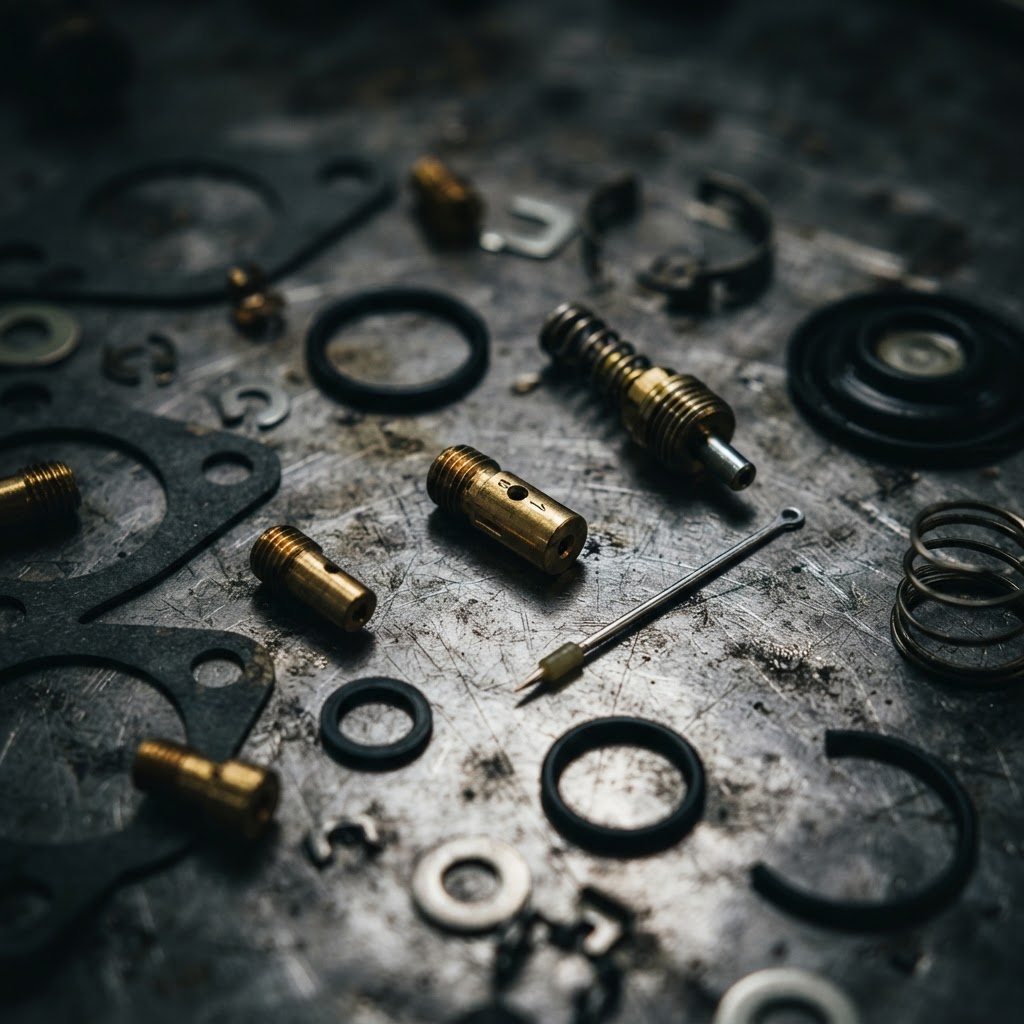
Carburetor Rebuild Kit
This kit provides the necessary internal components, such as a new main jet and gaskets, to resolve internal fuel metering obstructions causing the engine to bog under load.
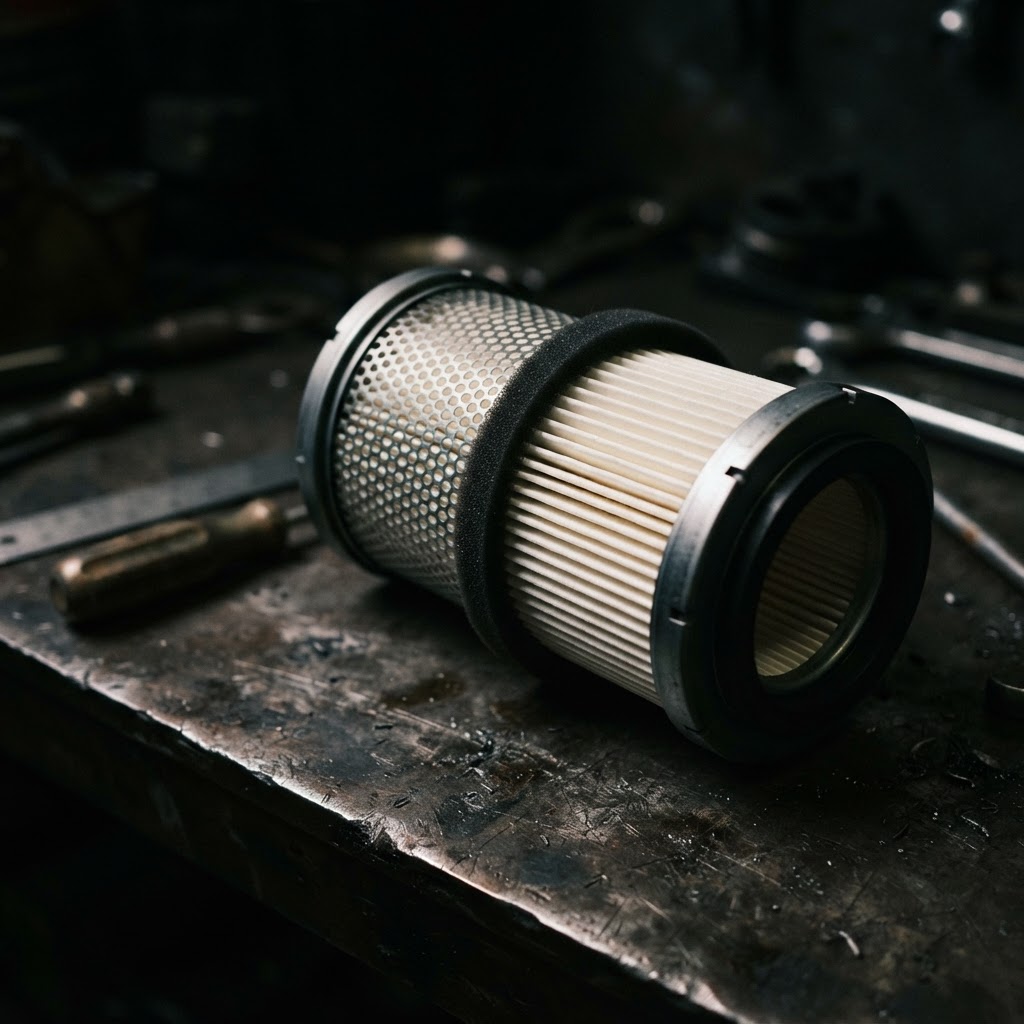
Replacement Air Filter and Pre-Filter
Installing a fresh air filter element eliminates intake flow restrictions that prevent the engine from reaching the required air-to-fuel ratio during high-load cutting conditions.
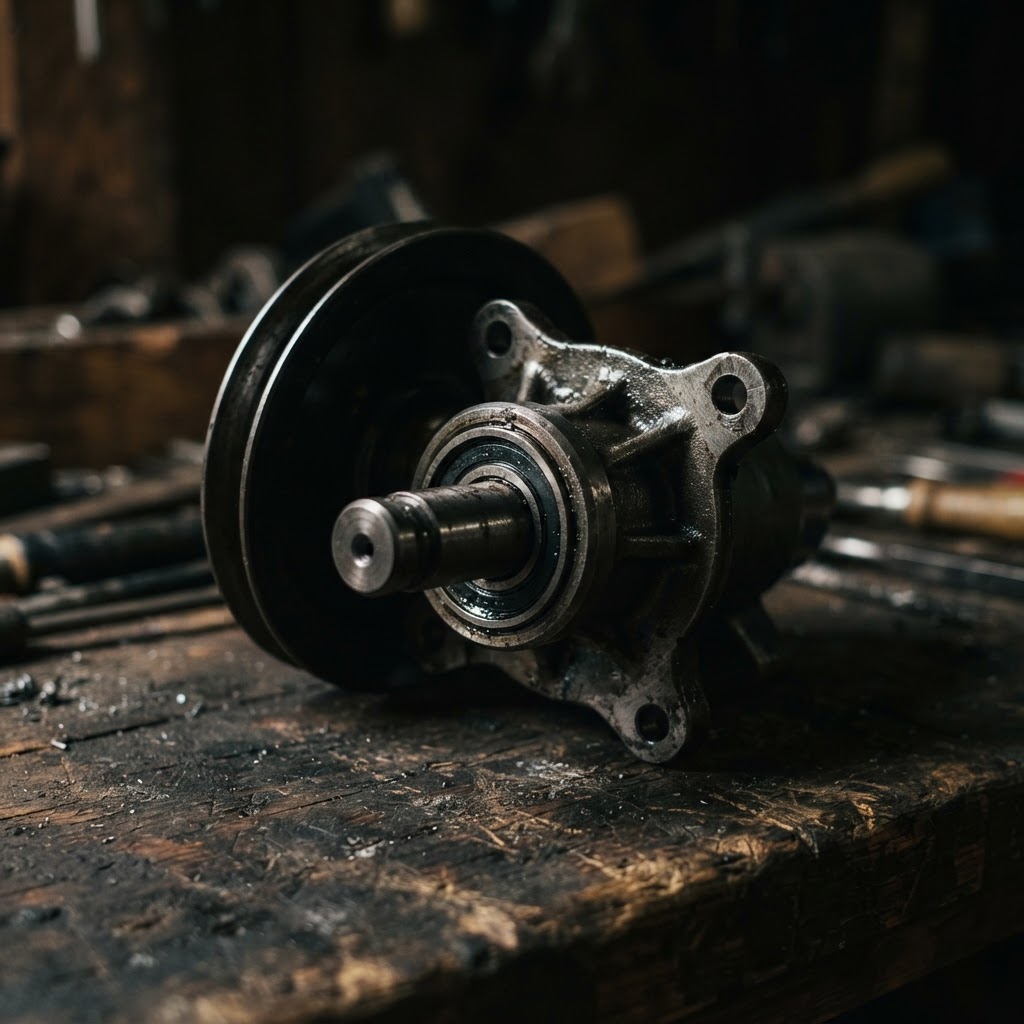
Replacement Blade Spindle Assembly
If troubleshooting reveals excessive drag or bearing failure, replacing the spindle assembly is required to eliminate mechanical resistance that forces the engine to bog.
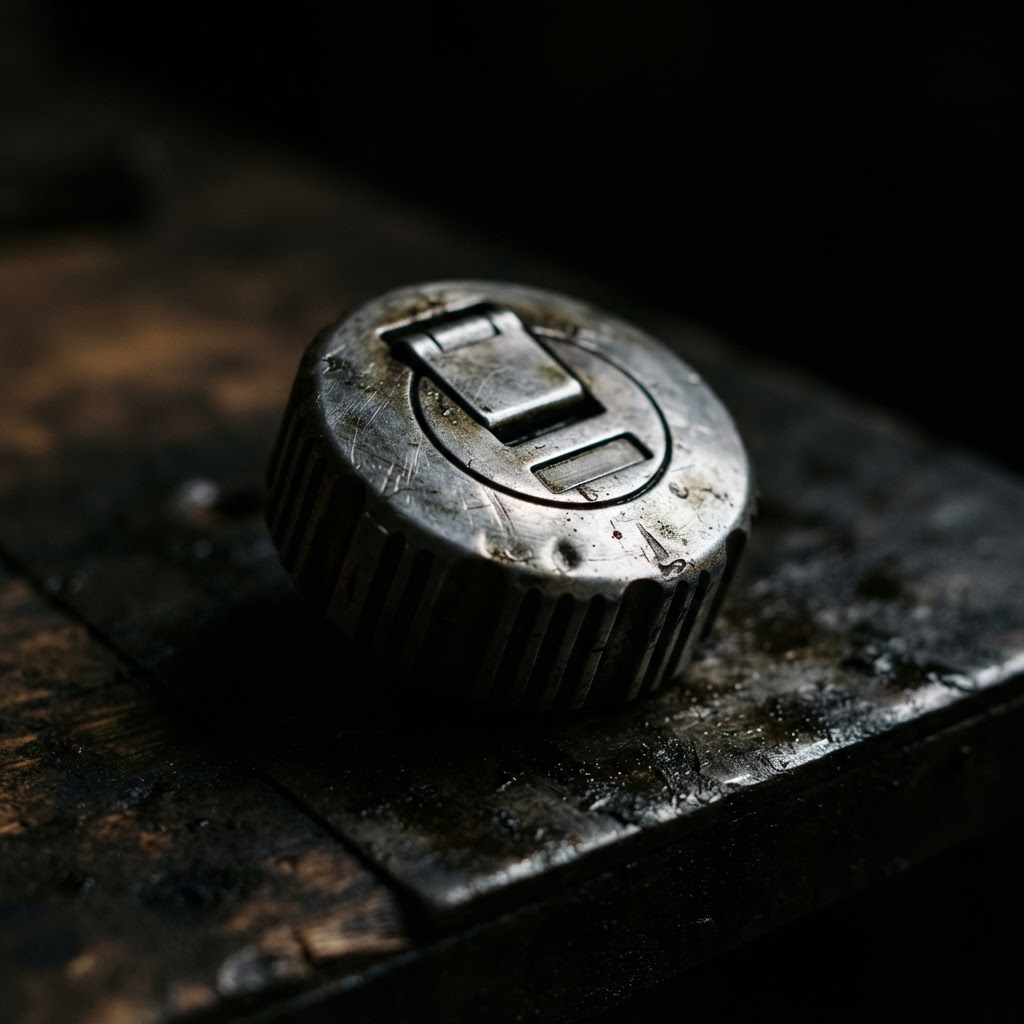
Fuel Tank Cap
The fuel tank cap includes a built-in vent; if this vent is clogged, replacing the cap restores proper atmospheric pressure to the fuel system to ensure consistent fuel delivery.
Affiliate Disclosure: Lil Engine may earn commissions from qualifying purchases.
Pro Tips from the Community
Real-world fixes from Reddit, YouTube & forums.
"Check your fuel cap! If the vent is clogged, it creates a vacuum in the tank. If it bogs, loosen the cap slightly; if it picks back up, you just need a $10 cap."
Reddit r/lawncare"Ninety percent of the time, bogging is just a dirty main jet. You don't even have to take the carb off—just drop the bowl and clean the bolt that holds it on; that bolt IS the jet."
YouTube comments"Look at the governor spring. If it looks stretched or like someone 'adjusted' it with pliers, the engine won't have the tension needed to pull the throttle open against a load."
LawnSite.com ForumPrevent This From Coming Back
Add a fuel stabilizer to every gallon of gasoline to prevent phase separation and varnish.
Perform a mid-season scrape of the deck underside to prevent heavy buildup.
Replace the fuel filter every 50 hours of operation, regardless of appearance.
Sharpen and balance blades every 25 hours to reduce vibration-induced wear on spindles.
Prevent This From Happening Again
While you're fixing it, stock up on the maintenance essentials that keep your riding mowers running right.
Small Engine Oil
Change oil every 50 hours or once per season to prevent engine wear.
Get on AmazonAir Filter
A clogged air filter reduces power and fuel efficiency — replace annually.
Get on AmazonFuel Stabilizer
Keeps fuel fresh during storage, preventing carburetor gumming.
Get on AmazonAffiliate Disclosure: Lil Engine may earn commissions from qualifying purchases.
Frequently Asked Questions
Yes. Dull blades tear grass rather than cutting it, requiring significantly more torque to push through the blade of grass, which translates directly to engine load.
Video Help
Helpful videos showing these repairs in action.
Share Your Repair
Real-world fixes help everyone. Share what worked and your repair becomes part of Lil Engine's community database.
Related Problems
More Riding Mowers GuidesRelated Maintenance Articles
Related Symptoms
Stalling / Dies
No Power
Related Searches
Riding Mowers Troubleshooting
Did this help?
Your feedback helps improve guides for everyone.