Predator 3500 Inverter Generator Starts Then Stalls — Fuel System & Carburetor Diagnosis
⚡ Quick Answer
Surging on a Predator 3500 is almost always a lean fuel condition caused by a partially clogged pilot jet or a restricted fuel tank vent. First, verify the fuel cap vent is set to 'ON' and then clean the microscopic pilot jet located under the black plastic idle screw on top of the carburetor. If the unit dies abruptly after surging, ensure the oil level is exactly at the top thread, as the low-oil sensor is highly sensitive on this 212cc engine.
What do you want to do?
Most Likely Cause
Clogged Low-Speed Idle Jet
The primary cause is sediment buildup in the brass idle jet. Use a high-magnification glass to verify that the orifice is completely clear of light transmission.
Start here — this is the most common reason for this symptom.
Why This Problem Happens
The Predator 3500 inverter generator utilizes a complex electronic throttle control system to manage engine speed based on electrical load. When the engine surges and stalls, it is almost exclusively a manifestation of a lean fuel condition within the carburetor's primary circuit. As the internal passages—specifically the low-speed jet and the emulsion tube—become obstructed by ethanol-blended fuel varnish, the engine struggles to maintain a consistent air-fuel ratio. This creates a feedback loop where the ECU detects a drop in RPM, opens the throttle plate to compensate, but the engine fails to accelerate due to the fuel starvation, eventually leading to a complete stall as the fuel bowl vacuum fluctuates uncontrollably. Furthermore, the sensitive stepper motor controlling the throttle plate may enter a 'hunting' cycle if the idle circuit is partially clogged, as it attempts to find a stable equilibrium that the mechanical fuel system can no longer support.
Common Symptoms
- Cyclical engine rpm fluctuations
- Audible 'hunting' or rhythmic surging before stall
- Immediate stall when eco-throttle is switched on
- Backfiring through the intake during load transition
- Engine requires choke to run even after warmup
Before You Buy Parts
Quick, free inspections — check these first. Most repairs don't actually need replacement parts.
Complete Resource Guide
Complete Generator Troubleshooting & Repair Guide
Repair Overview
1–2 hours
$10–$40
First Checks — Start Here
- 1Verify fuel cap vent is turned to the 'ON' position
- 2Check oil level — must be at the very top of the fill threads (10W-30)
- 3Clean the pilot jet (located under the idle stop screw on the carb)
- 4Inspect the spark arrestor screen on the muffler for carbon buildup
- 5Drain the carburetor bowl to check for water or sediment
- 6Test with a fresh tank of 87+ octane non-ethanol fuel if possible
Safety Warnings
- !Ensure you are in a well-ventilated area away from any ignition sources or open flames.
- !Label your linkages to ensure they are reattached to the correct anchor points.
- !Wear chemical-resistant gloves to protect skin from harsh solvents.
- !Do not lubricate with heavy grease; it attracts dust and causes sticking.
- !Observe polarity if the connector is marked to avoid damaging the coil.
- !Ensure all mounting surfaces are scraped clean of old gasket material.
- !Using steel wire to clean brass jets, which enlarges the orifice
- !Failing to replace the bowl gasket, leading to fuel leaks
- !Reusing old fuel that has already begun to phase separate
- !Ignoring the condition of the fuel filter hidden inside the tank
Always disconnect the spark plug, work in a well-ventilated area, and consult a professional if unsure.
Most Likely Causes
Ranked by likelihood — tap each to see diagnosis details.
The primary cause is sediment buildup in the brass idle jet. Use a high-magnification glass to verify that the orifice is completely clear of light transmission.
Ethanol-based fuels leave a resinous film that hardens over winter storage. This restricts fuel flow through the emulsion tube, causing the lean-running condition.
🔧 Step-by-Step Fix Guide
Drain and Flush Fuel System
Drain the fuel tank entirely and remove the carburetor bowl drain bolt. Use pressurized shop air to blow through the fuel line to dislodge any debris from the petcock.
Ensure you are in a well-ventilated area away from any ignition sources or open flames.
Remove and Disassemble Carburetor
Disconnect the throttle linkage and the fuel solenoid wiring. Carefully remove the carburetor and place it on a clean workbench to prevent losing the small springs or gaskets.
Label your linkages to ensure they are reattached to the correct anchor points.
Deep Clean the Jet and Emulsion Tube
Remove the main jet and the idle jet. Soak the body in professional-grade carburetor cleaner and use a thin copper wire—not a steel needle—to ream the tiny orifices.
Wear chemical-resistant gloves to protect skin from harsh solvents.
Inspect Throttle Linkage and Stepper Motor
Verify the stepper motor moves the throttle plate freely without binding. Clean any oxidation from the linkage pivots with a dry lubricant.
Do not lubricate with heavy grease; it attracts dust and causes sticking.
Test Fuel Solenoid Function
Connect the solenoid to a 12V source to confirm the pin retracts fully. If it hesitates, replace the solenoid as it cannot be internally serviced.
Observe polarity if the connector is marked to avoid damaging the coil.
Verify Gasket Integrity
Replace all gaskets between the air box, carburetor, and engine block. Even a small tear will create a vacuum leak that defeats all cleaning efforts.
Ensure all mounting surfaces are scraped clean of old gasket material.
What To Test Next
If the air filter and fuel are good, the next thing to inspect is the carburetor — a partially clogged main jet or a leaking intake gasket is the leading cause of steady surging.
Component Reference

Carburetor & Fuel Intake
The carburetor mixes air and fuel for combustion. A clogged jet or stuck float is the #1 cause of small engine starting and surging problems.

Spark Plug & Ignition System
The spark plug ignites the air-fuel mixture. A fouled plug, wrong gap, or failing ignition coil will prevent the engine from firing.

Oil & Lubrication System
Regular oil changes are critical. Low or dirty oil causes engine wear, overheating, and eventual seizure. Check the dipstick before every season.

Fuel System
Stale fuel is the most common cause of seasonal starting failures. Fuel breaks down in 30 days, leaving varnish that clogs carburetor jets and fuel filters.
Photos for educational reference. Actual parts may vary by make and model.
Common Mistakes to Avoid
Using steel wire to clean brass jets, which enlarges the orifice
Failing to replace the bowl gasket, leading to fuel leaks
Reusing old fuel that has already begun to phase separate
Ignoring the condition of the fuel filter hidden inside the tank
If This Didn't Fix It
Still having trouble? These are the next things to check:
Get the Exact Parts for Your Machine
Tell us your equipment's year, make, and model — we'll search for parts that actually fit, not generic ones.
Finding parts for
Predator 3500 generator
Required Gear
Matched to your Predator 3500 generator — click to find the exact fit on Amazon.
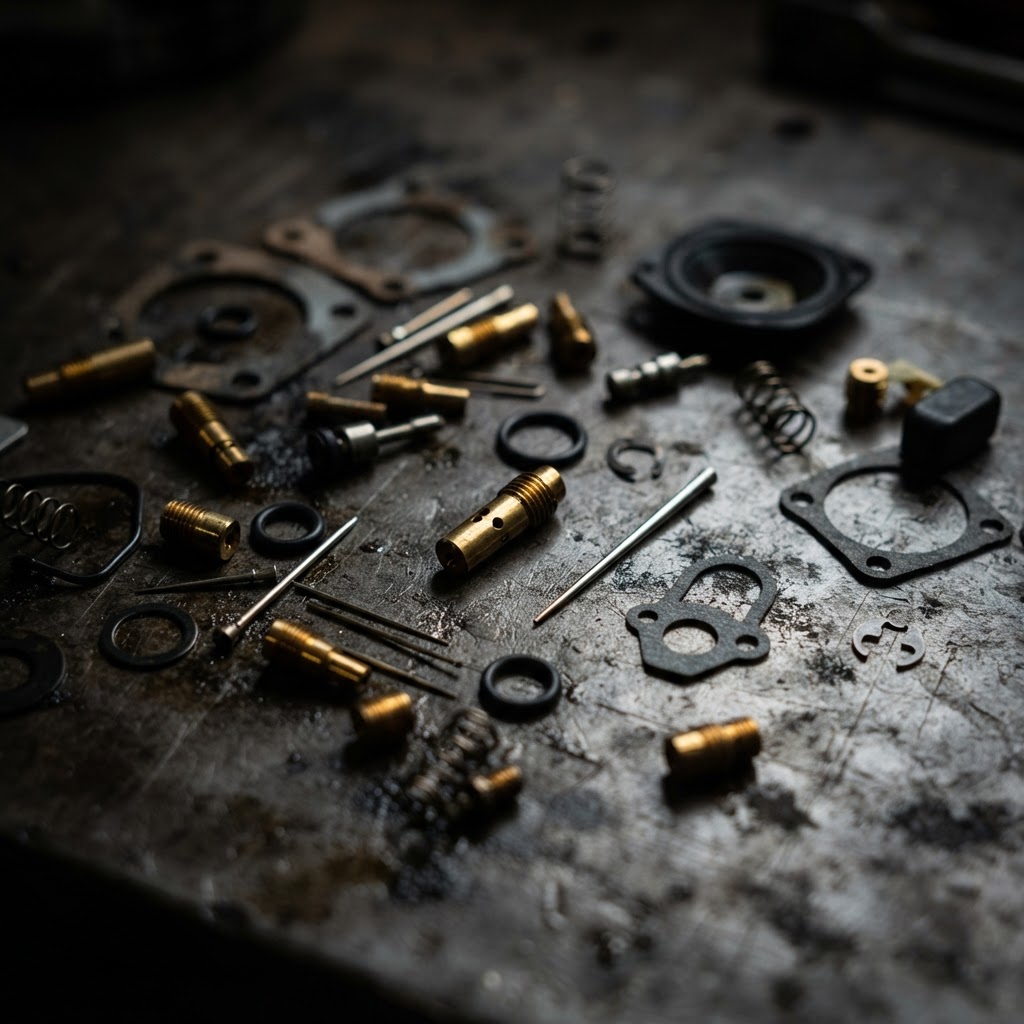
Carburetor Rebuild Kit
This kit contains the necessary gaskets and precision jets required to clear internal obstructions that cause surging and stalling.
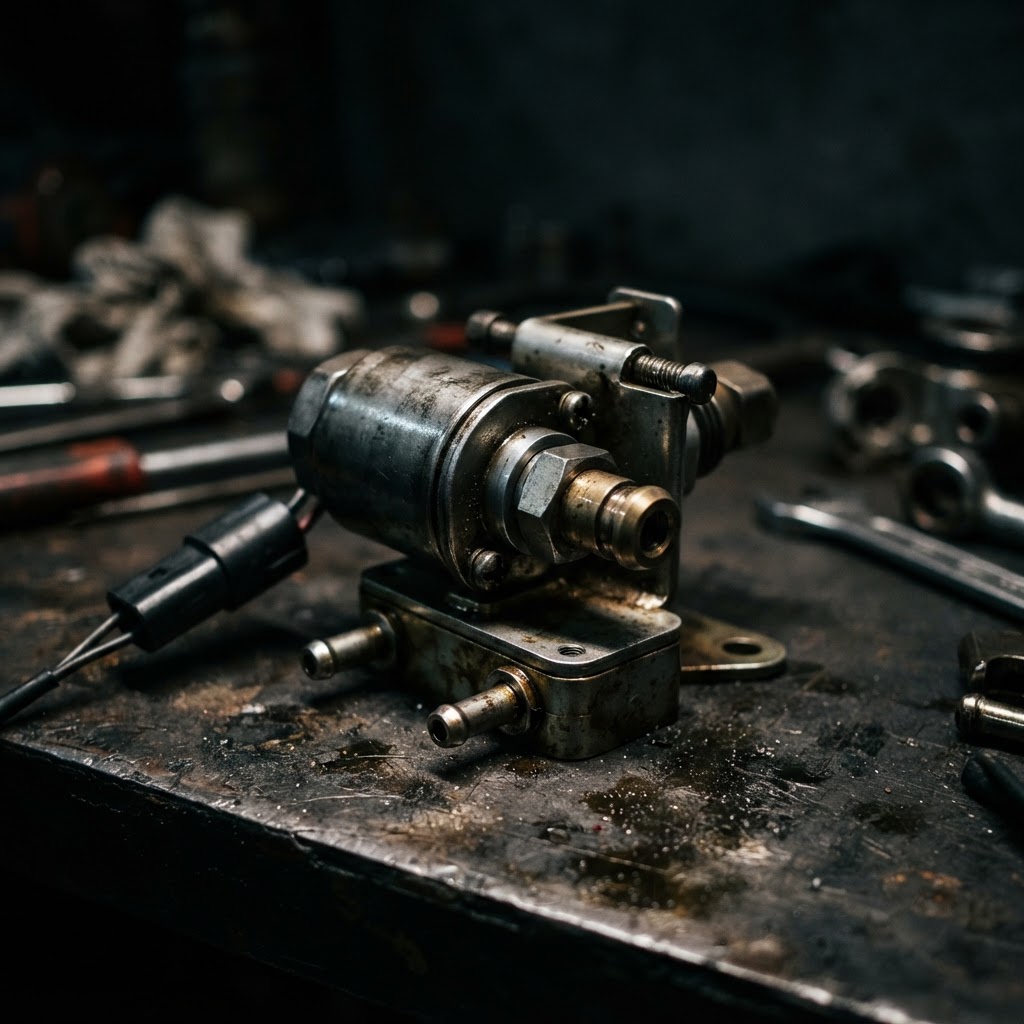
Fuel Solenoid Valve
Replacing a faulty solenoid ensures proper fuel delivery, as internal sticking is a common cause for engines that start but fail to maintain idle.
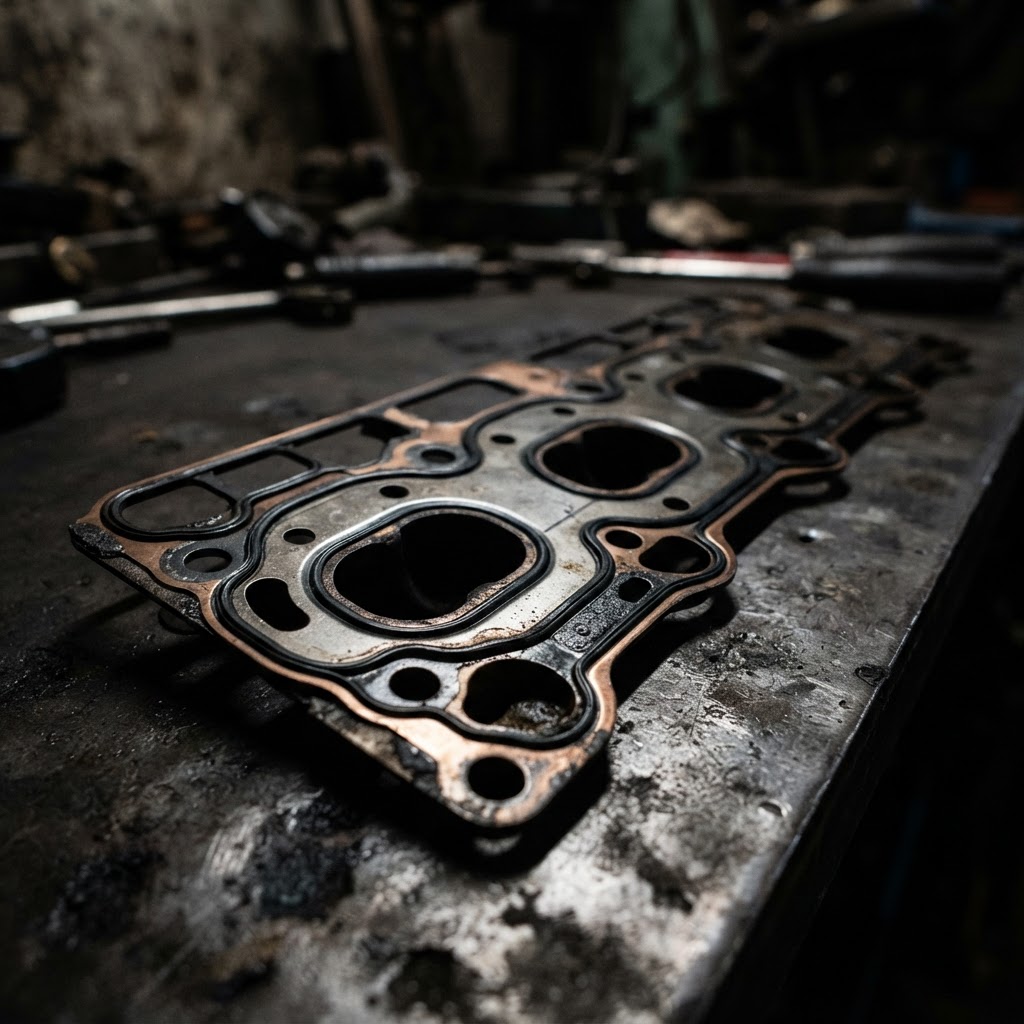
Intake Manifold Gasket
A fresh gasket is essential to seal the manifold and prevent air leaks, which are a primary cause of lean-condition surging.
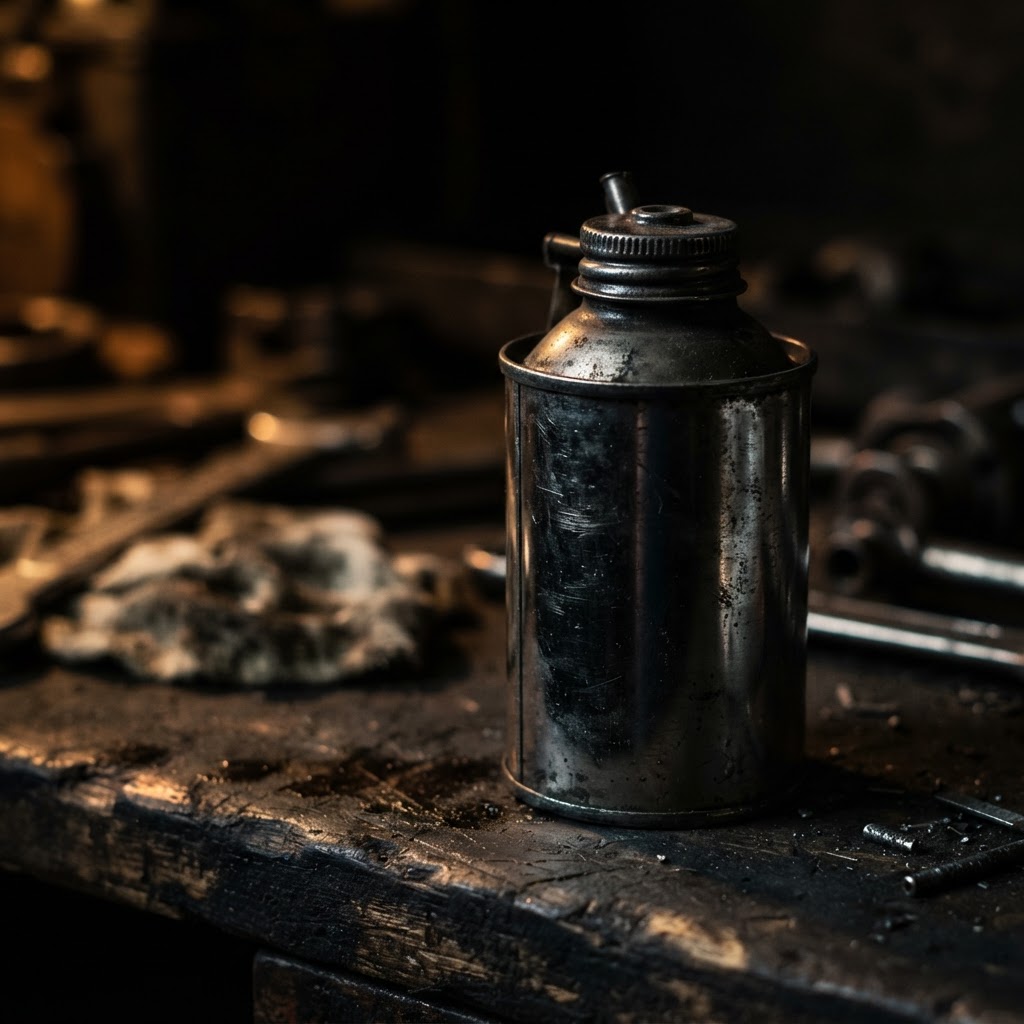
Fuel System Cleaner
This additive helps dissolve residual varnish throughout the fuel lines and tank, preventing re-clogging of the cleaned carburetor jets.
Affiliate Disclosure: Lil Engine may earn commissions from qualifying purchases.
Pro Tips from the Community
Real-world fixes from Reddit, YouTube & forums.
"The black plastic pilot jet on top of the carb is the #1 culprit. You don't even have to take the carb off; just pull the jet out from the top and poke it with a wire."
Reddit r/Generator"Check the rubber fuel line behind the panel; sometimes they kink when the engine vibrates, causing the engine to starve for fuel and surge before dying."
YouTube comments"I've fixed dozens of these by just cleaning the spark arrestor screen. If you run them on Eco mode with no load, they carbon up in less than 50 hours."
LawnSite.com ForumPrevent This From Coming Back
Always use an ethanol-stabilizer, such as Sta-Bil, during every refueling
Run the generator dry by closing the fuel petcock before storage
Exercise the generator under at least 50% load monthly
Replace the fuel line periodically to prevent internal rubber degradation
Prevent This From Happening Again
While you're fixing it, stock up on the maintenance essentials that keep your generators running right.
Fuel Stabilizer
Generators sit unused for months — stabilizer prevents stale fuel issues.
Get on AmazonSpark Plug
Replace yearly so your generator starts instantly in an emergency.
Get on AmazonSmall Engine Oil
Check oil level before each use — low oil shuts down the engine.
Get on AmazonAffiliate Disclosure: Lil Engine may earn commissions from qualifying purchases.
Frequently Asked Questions
Additives are great for maintenance but rarely fix a physical blockage in the idle jet. If the generator is already stalling, mechanical disassembly is required.
Video Help
Helpful videos showing these repairs in action.
Share Your Repair
Real-world fixes help everyone. Share what worked and your repair becomes part of Lil Engine's community database.
Related Problems
More Generators GuidesRelated Maintenance Articles
Related Symptoms
Stalling / Dies
Surging / Hunting
Related Searches
Generators Troubleshooting
Did this help?
Your feedback helps improve guides for everyone.