Chainsaw Bogs Down Under Load — Fuel & Exhaust Diagnosis
⚡ Quick Answer
A chainsaw bogging down under load is almost always a sign of a fuel-to-air imbalance or excessive drag, preventing the engine from reaching peak operating RPM. Common culprits include a partially restricted fuel system, an improperly tuned carburetor, or a dull chain placing excessive stress on the powerhead. By systematically verifying ignition timing, fuel delivery, and mechanical resistance, you can restore full cutting performance.

What do you want to do?
Most Likely Cause
Lean fuel mixture or fuel restriction
When an engine bogs under load, it typically lacks the fuel volume required to maintain power as the throttle opens. This is most often caused by a clogged fuel filter, a partially blocked carburetor jet, or a compromised fuel line causing a lean condition that cannot sustain combustion under stress.
Start here — this is the most common reason for this symptom.
Why This Problem Happens
When a chainsaw bogs under load, it indicates a failure to maintain the required stoichiometric fuel-to-air ratio during high-demand operation. At idle, an engine requires very little energy, but as the chain bites into wood, the governor or operator demands significantly more power. If the fuel delivery system cannot supply the extra volume or if the exhaust port is restricted, the engine will lean out or choke, causing the RPMs to plummet. This is essentially a torque deficit caused by starvation or excessive backpressure. Physically, the carburetor's high-speed circuit is failing to atomize fuel correctly, or the spark arrestor screen is clogged with carbon deposits, preventing the engine from 'breathing' at the higher exhaust scavenging frequencies required for power output. When the engine is under load, the combustion cycle accelerates, and if the pulse port or fuel filter cannot keep pace, the internal cylinder pressure drops and the saw loses its ability to sustain the mechanical resistance of the cutting teeth.
Common Symptoms
- Engine dies immediately upon touching wood
- Noticeable hesitation when squeezing the throttle trigger
- Spark plug tip appears white or chalky indicating lean condition
- Excessive smoke or sluggish acceleration
- Engine surges at high RPM without a load
Before You Buy Parts
Quick, free inspections — check these first. Most repairs don't actually need replacement parts.
Diagnostic Flowchart
Follow this decision tree step-by-step to isolate the problem.
Is the air filter clean and free of debris?
Proceed to fuel system check.
Go to step 2
Clean or replace filter immediately.
Is the spark arrestor screen clear of carbon buildup?
Proceed to carburetor inspection.
Go to step 3
Remove and clean or replace the spark arrestor screen.
Is the fuel line free of cracks and the fuel filter clear of sediment?
Perform carburetor tuning.
Go to step 4
Replace the fuel line and the tank filter.
Does adjusting the high-speed (H) needle improve performance under load?
Engine resolved; monitor for future lean conditions.
Inspect carburetor diaphragms for hardening.
Go to step 5
Is there visible scoring on the piston wall through the exhaust port?
Perform a cylinder leak-down test or rebuild.
Check the impulse line for air leaks.
Complete Resource Guide
The Complete Chainsaw Troubleshooting & Repair Guide
Repair Overview
60-120 minutes
$20-$80
First Checks — Start Here
- 1Check the chain tension for excessive tightness or slack.
- 2Verify the chain is sharp and rakers are properly filed.
- 3Ensure the air filter is clean and not oil-soaked.
- 4Check for stale or low-octane fuel in the tank.
- 5Verify the fuel pickup filter (clunk) is not blocked.
- 6Inspect the spark arrestor screen for heavy carbon buildup.
- 7Confirm the bar groove is free of wood debris.
Safety Warnings
- !Wear safety glasses; carbon particles are sharp and can easily lodge in the eye during cleaning.
- !Drain the fuel tank completely before opening to prevent hazardous spills.
- !Never attempt to patch a fuel line with tape or sealant; always replace the entire hose with new fuel-rated Tygon tubing.
- !Do not lean out the engine too far; a 'screaming' high-pitched tune indicates a dangerously lean mixture that will score the piston.
- !Use only carburetor-specific cleaner and do not leave rubber components soaking for too long.
- !Ensure the spark plug is tight before performing a pressure test to get an accurate reading.
- !Replacing the carburetor before checking the fuel tank filter
- !Using generic fuel line that collapses under vacuum
Always disconnect the spark plug, work in a well-ventilated area, and consult a professional if unsure.
Most Likely Causes
Ranked by likelihood — tap each to see diagnosis details.
Over time, the felt or sintered bronze fuel filter inside the tank collects varnish and debris. As flow demand increases under load, a restricted filter cannot pass enough fuel, causing the engine to starve.
The spark arrestor screen in the muffler collects carbon deposits from oil combustion. A blocked screen increases backpressure, choking the engine when it tries to reach high RPMs during a cut.
🔧 Step-by-Step Fix Guide
Inspect and Clean the Spark Arrestor
Remove the muffler cover and extract the spark arrestor screen. If it is caked with carbon, use a brass wire brush or a torch to burn off the deposits, ensuring the mesh is fully open.
Wear safety glasses; carbon particles are sharp and can easily lodge in the eye during cleaning.
Replace the Fuel Tank Pickup Filter
Use a hook tool to fish the fuel line out of the tank filler neck. Pull the old filter off the line and replace it with an OEM-spec filter to ensure correct porosity and fuel flow.
Drain the fuel tank completely before opening to prevent hazardous spills.
Test for Impulse Line Integrity
Visually inspect the rubber impulse line connecting the cylinder to the carburetor. Flex it to look for fine cracks; if you see any fissures, replace the line entirely, as these leaks are often invisible when the engine is static.
Never attempt to patch a fuel line with tape or sealant; always replace the entire hose with new fuel-rated Tygon tubing.
Perform a Carburetor High-Speed Tuning
With the engine warmed up, set the H needle to the manufacturer's base setting. Listen for the 'four-stroking' sound—the engine should sound slightly raspy at no-load WOT and clear up into a steady scream when the chain touches wood.
Do not lean out the engine too far; a 'screaming' high-pitched tune indicates a dangerously lean mixture that will score the piston.
Check the Carburetor Diaphragms
If the saw still bogs, the metering diaphragm inside the carburetor may be stiff from old fuel. Disassemble the carb using a rebuild kit, ensuring the metering lever height is set exactly to the manufacturer's gauge specification.
Use only carburetor-specific cleaner and do not leave rubber components soaking for too long.
Pressure/Vacuum Test the Crankcase Seals
If fuel delivery is perfect but the bog persists, use a Mityvac hand pump to pull 7-10 PSI of vacuum on the crankcase. If the vacuum bleeds down, you have a failed crankshaft seal causing an air leak.
Ensure the spark plug is tight before performing a pressure test to get an accurate reading.
What To Test Next
If fuel flow is verified as consistent and clean, the next step is to perform a cylinder compression test to ensure internal engine integrity.
Component Reference

Carburetor & Fuel Intake
The carburetor mixes air and fuel for combustion. A clogged jet or stuck float is the #1 cause of small engine starting and surging problems.

Spark Plug & Ignition System
The spark plug ignites the air-fuel mixture. A fouled plug, wrong gap, or failing ignition coil will prevent the engine from firing.

Oil & Lubrication System
Regular oil changes are critical. Low or dirty oil causes engine wear, overheating, and eventual seizure. Check the dipstick before every season.

Air Filter & Intake
A clogged air filter starves the engine of air, causing rich running, power loss, and hard starting. Inspect and clean or replace it each season.
Photos for educational reference. Actual parts may vary by make and model.
Common Mistakes to Avoid
Adjusting the L (Low) screw when the problem is clearly at High RPM
Replacing the carburetor before checking the fuel tank filter
Using generic fuel line that collapses under vacuum
Ignoring the muffler screen and focusing solely on the carb
If This Didn't Fix It
Still having trouble? These are the next things to check:
Get the Exact Parts for Your Machine
Tell us your equipment's year, make, and model — we'll search for parts that actually fit, not generic ones.
Finding parts for
chainsaw
Required Gear
Matched to your chainsaw — click to find the exact fit on Amazon.
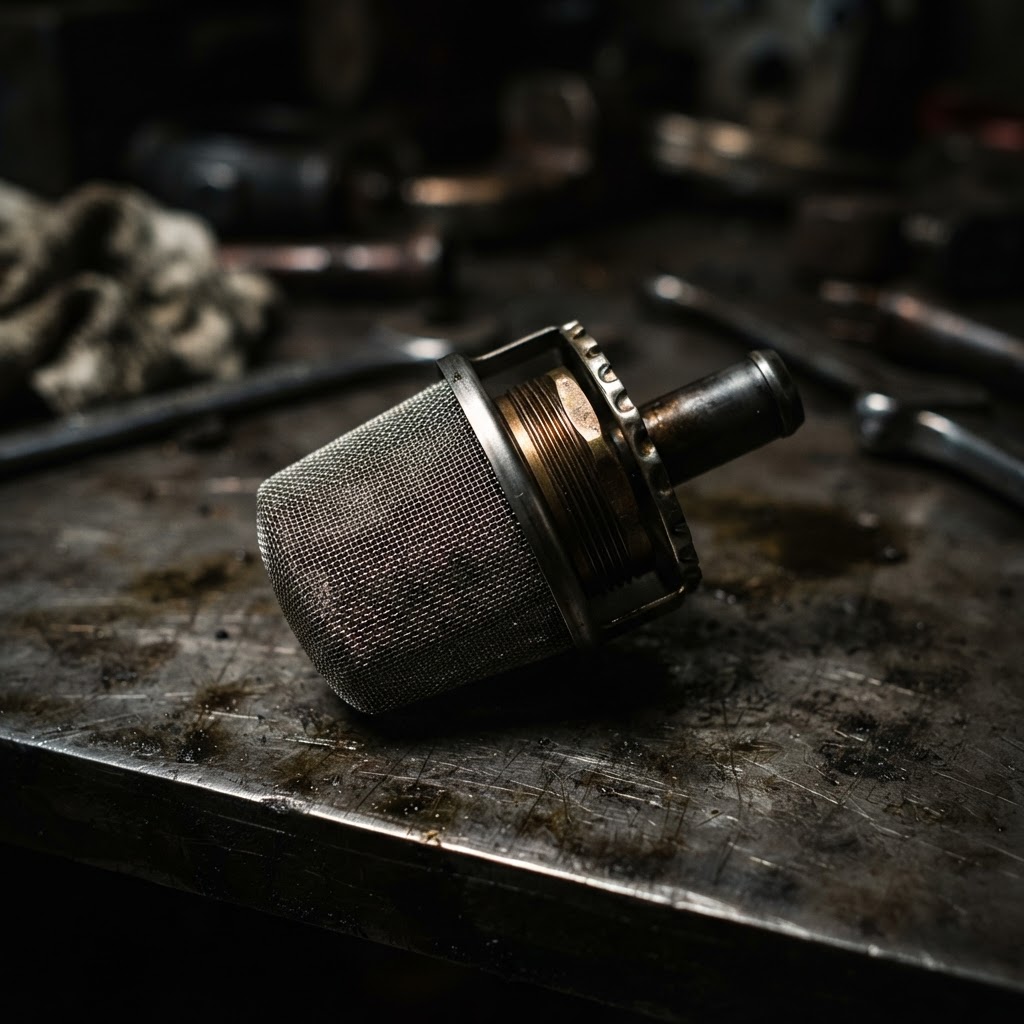
Fuel Tank Pickup Filter
A clogged filter restricts fuel delivery during high-load operation, directly causing the engine to bog down when cutting.

Carburetor Rebuild Kit
This kit includes essential diaphragms and gaskets that degrade over time, which are necessary to restore proper fuel pump function and internal pressure.

Spark Arrestor Screen
Heavy carbon buildup on this screen creates excessive backpressure, effectively choking the engine's exhaust and preventing it from reaching peak RPM under load.
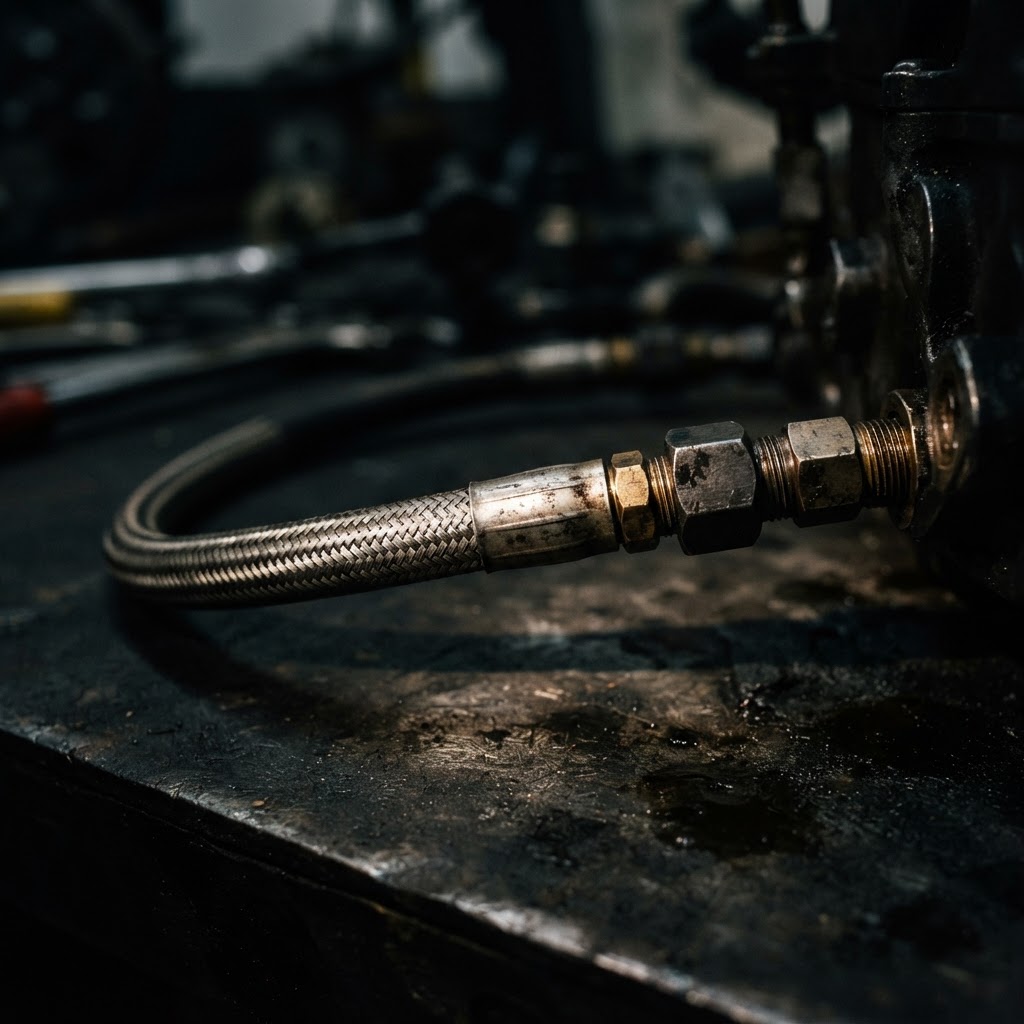
Fuel Impulse Line
If the existing line is cracked or brittle, the carburetor fuel pump will not receive the necessary pressure pulses to maintain consistent fuel flow during acceleration.

Carburetor Intake Boot
This component acts as a seal between the carburetor and cylinder; if it develops cracks or leaks, it causes a lean running condition that results in power loss.
Affiliate Disclosure: Lil Engine may earn commissions from qualifying purchases.
Pro Tips from the Community
Real-world fixes from Reddit, YouTube & forums.
"Check your 'H' screw setting; if the saw sounds like a dirt bike at full throttle (clean scream), it's too lean. You want it to 'burble' or 'four-stroke' slightly until it hits the wood."
ArboristSite Forum"90% of bogging issues I fix in the shop are just carbon-plugged muffler screens. Take it out and burn it off with a torch, and the saw will run like new."
YouTube comments"If the saw runs better with the choke partially on, you definitely have a fuel delivery problem or an air leak lean condition."
Reddit r/chainsawBrand-Specific Notes
Stihl
Stihl saws with M-Tronic systems often bog due to sensor calibration issues rather than traditional carb problems. Always attempt a factory reset of the M-Tronic module before adjusting mechanical components.
Husqvarna
Many Husqvarna models use AutoTune carburetors that adjust automatically; if these bog, it is frequently due to a failing fuel solenoid or air leak at the intake boot.
Echo
Echo chainsaws are sensitive to 'non-ethanol' fuel requirements; the internal metering diaphragms often degrade quickly if treated with high-ethanol gasoline, causing performance drops under load.
Model-Specific Variations
Stihl MS 250
Features a fixed-jet carburetor on many variants which cannot be tuned. If this model bogs, verify the fuel impulse line is not cracked, as it cannot be compensated for via needle adjustment.
Husqvarna 450
Equipped with a tool-less air filter system; ensure the seal between the housing and the carb is tight, as loose tolerances here cause lean bogs.
Echo CS-590
Utilizes a heavy-duty air filter; when this unit bogs, it is almost exclusively due to fine sawdust bypass clogging the primary jet intake.
Cause vs. Symptom Analysis
| Root Cause | Primary Symptom | Diagnostic Tool |
|---|---|---|
| Clogged Fuel Filter | Bogging at Wide Open Throttle | Fuel Flow Tester |
| Air Leak | Erratic Idle & High Speed Bog | Pressure/Vacuum Pump |
| Carboned Muffler | Power Loss Under Heavy Cut | Visual Inspection |
| Lean Mixture | Engine Overheats and Bogs | Tachometer |
Real-World Repair Examples
Situation
Chainsaw would start but bogged down as soon as it hit a log.
Solution
Replaced the hardened fuel pickup line and the clogged fuel tank filter.
Engine returned to full power under load.
Situation
Operator reported power loss during long cuts; muffler was extremely hot.
Solution
Removed the spark arrestor screen and burned off the accumulated carbon deposits.
Exhaust backpressure was reduced, restoring RPM.
Situation
Saw exhibited lean bogging and would not hold a steady idle.
Solution
Replaced the leaking intake manifold boot and adjusted the carburetor mixture screws.
Engine now maintains stable RPM through the cut.
Prevent This From Coming Back
Always use fresh, non-ethanol gasoline mixed with high-quality 2-cycle oil
Store the saw with the fuel system drained if not using for over 30 days
Clean the air filter daily using warm soapy water and compressed air
Replace fuel lines and filters every two seasons as a standard service item
Prevent This From Happening Again
While you're fixing it, stock up on the maintenance essentials that keep your chainsaws running right.
Bar and Chain Oil
Proper bar oil prevents chain overheating and premature wear.
Get on Amazon2-Cycle Oil
Correct fuel-oil mix is critical — use fresh 2-cycle oil every season.
Get on AmazonChainsaw Chain
Keep a sharp spare chain — a dull chain is dangerous and slow.
Get on AmazonAffiliate Disclosure: Lil Engine may earn commissions from qualifying purchases.
Frequently Asked Questions
Yes. While a dull chain is a mechanical cutting issue, it forces the engine to work significantly harder than intended. If your chain isn't throwing large chips, your engine will always feel like it is bogging under load.
Related Questions
Common variations and related questions about this repair.
Why does my chainsaw lose power in the middle of a cut?
This usually indicates the engine is struggling with a fuel-to-air ratio imbalance or restricted exhaust flow. When the chain engages the wood, the increased load requires more fuel, and any restriction prevents the engine from meeting that demand.
Can bad gas cause a chainsaw to bog?
Yes, old fuel can separate or lose its volatility, preventing proper combustion. Additionally, ethanol-blended fuels can absorb moisture, leading to gumming in the carburetor's fine jets.
How do I check if my chainsaw muffler is clogged?
Remove the muffler from the cylinder head and inspect the spark arrestor screen. If it is caked with black, oily carbon, clean it with a wire brush or replace it.
What is an impulse line and why does it cause bogging?
The impulse line delivers pressure pulses from the engine crankcase to the fuel pump diaphragm. If it is cracked, the pump won't move enough fuel to the carb, causing the saw to lean out and bog under load.
Do I need to tune my carburetor if the saw bogs?
Only if there are no air leaks or fuel delivery issues. Carburetor tuning should be the final step; tuning a saw that has a mechanical air leak will only lead to further engine damage.
What is a 'lean' condition in a chainsaw?
A lean condition means there is too much air relative to the amount of fuel in the combustion chamber. This causes the engine to run very hot, potentially melting the piston or causing significant power loss during operation.
Video Help
Helpful videos showing these repairs in action.
Share Your Repair
Real-world fixes help everyone. Share what worked and your repair becomes part of Lil Engine's community database.
Related Problems
More Chainsaws GuidesRelated Maintenance Articles
Related Symptoms
No Power
Carburetor / Fuel Issues
Related Searches
Chainsaws Troubleshooting
Did this help?
Your feedback helps improve guides for everyone.