Lawn Mower Cuts Uneven Or Scalps Lawn
⚡ Quick Answer
An uneven cut is almost always caused by an unlevel mower deck, uneven tire pressure, or dull mower blades. Start by checking your tire pressure and ensuring your mower deck is perfectly level with the ground on a flat surface.
What do you want to do?
Most Likely Cause
Uneven Tire Pressure
If your mower uses pneumatic tires, a difference of even 2-3 PSI can tilt the entire deck chassis. Use a digital pressure gauge to ensure all four tires match the manufacturer's PSI specifications exactly.
Start here — this is the most common reason for this symptom.
Why This Problem Happens
An uneven cut or lawn scalping occurs when the blade plane is no longer parallel to the ground or when the mower deck is physically tilted relative to the cutting surface. Mechanically, this is usually caused by a loss of structural integrity in the deck mounting points, uneven tire pressure, or a deformed blade spindle. When a spindle housing cracks or the deck shell suffers a metal fatigue fracture near the mounting bolts, the blade orbit will wobble, causing one side of the mower to cut lower than the other. Physics dictates that the cutting height is determined by the distance between the blade tip and the ground plane; if that relationship varies as the blade rotates or as the mower moves, you experience rhythmic scalping or localized furrowing.
Furthermore, the rotational balance of the blade plays a massive role. If a blade is bent or improperly balanced, it induces harmonic vibrations that can cause the deck to flex or bounce as it travels over turf, leading to an inconsistent shear across the lawn. In self-propelled units, drivetrain drag on one side can also tilt the chassis, causing the mower to lean into the turn and scalp edges. Achieving a professional cut requires precise leveling of the blade tips against a flat reference surface, ensuring that both the static and dynamic orientation of the cutter remains perfectly horizontal to the deck.
Common Symptoms
- One side of the grass strip is shorter than the other
- Visible ruts or scalped brown patches in the lawn
- Excessive vibration felt through the handle when the blade is engaged
- Mower deck tilted significantly to one side while on flat concrete
- Blades hitting the edge of the mower deck housing
Before You Buy Parts
Quick, free inspections — check these first. Most repairs don't actually need replacement parts.
Complete Resource Guide
Complete Push Mowers Troubleshooting Guide
Repair Overview
20–45 minutes
$0 (usually no parts needed)
First Checks — Start Here
- 1Check and adjust air pressure in all tires to match the manufacturer's manual
- 2Inspect mower blades for chips, bends, or extreme dullness
- 3Park on a level surface to check if the mower deck is hanging evenly
- 4Clean out any grass clippings or debris stuck inside the mower deck housing
Safety Warnings
- !Always disconnect the spark plug wire before reaching under the deck to measure blade height.
- !Do not exceed the maximum PSI listed on the tire sidewall.
- !Wear heavy leather gloves when handling blades as the edges are razor-sharp.
- !Ensure the engine is off and cool before reaching near the spindle assembly.
- !Use jack stands if you need to lift the mower to access the underside adjusters.
- !Apply blue threadlocker to bolt threads to prevent future loosening from engine vibration.
- !Measuring blade height without leveling the mower on a hard, flat surface
- !Replacing only one blade on a multi-blade deck instead of the full set
Always disconnect the spark plug, work in a well-ventilated area, and consult a professional if unsure.
Most Likely Causes
Ranked by likelihood — tap each to see diagnosis details.
If your mower uses pneumatic tires, a difference of even 2-3 PSI can tilt the entire deck chassis. Use a digital pressure gauge to ensure all four tires match the manufacturer's PSI specifications exactly.
Striking rocks or roots can bend a blade tip upward or downward. A bent blade creates an uneven cutting arc; check this by measuring the distance from the blade tip to the ground on both sides of the deck.
🔧 Step-by-Step Fix Guide
Perform a Leveling Check
Place the mower on a perfectly level concrete floor. Measure the distance from the bottom edge of the deck to the floor at all four corners, and verify the blade tip height at both the 3 o'clock and 9 o'clock positions.
Always disconnect the spark plug wire before reaching under the deck to measure blade height.
Check Tire Inflation
Using a quality tire pressure gauge, equalize the PSI in all tires. Verify the manual for the specific mower model, as incorrect pressure is the most common cause of a tilted deck on ride-on mowers.
Do not exceed the maximum PSI listed on the tire sidewall.
Inspect for Bent Blades
Remove the blade and place it on a flat glass surface to check for gaps or twists. A bent blade cannot be safely straightened and must be replaced to prevent vibration damage to the engine crankshaft.
Wear heavy leather gloves when handling blades as the edges are razor-sharp.
Verify Spindle Integrity
Grab the blade and attempt to wiggle it vertically to check for play in the spindle bearings. Any audible clicking or vertical movement indicates a worn bearing or cracked mounting plate that requires a spindle assembly replacement.
Ensure the engine is off and cool before reaching near the spindle assembly.
Adjust Height Adjuster Cams
If your model uses a cam-style height adjustment, check if the plastic or metal cam has worn unevenly. Replace any damaged height adjusters to ensure the deck sits squarely on all four wheels.
Use jack stands if you need to lift the mower to access the underside adjusters.
Tighten Deck Hardware
Use a torque wrench to tighten all deck-to-frame bolts to the manufacturer’s specified torque settings. Check for stress fractures in the metal around the mounting holes which could indicate the deck shell is losing its rigidity.
Apply blue threadlocker to bolt threads to prevent future loosening from engine vibration.
What To Test Next
If the basics check out, verify spark, fuel delivery, and compression in that order — the three essentials of any combustion engine.
Component Reference

Spark Plug & Ignition System
The spark plug ignites the air-fuel mixture. A fouled plug, wrong gap, or failing ignition coil will prevent the engine from firing.

Electrical & Starting System
The battery, solenoid, and starter motor work together to crank the engine. A weak battery or corroded connection is often mistaken for a fuel or spark problem.

Drive & Cutting System
Belts, pulleys, and clutches transfer engine power to the wheels and cutting deck. A worn or thrown belt is the most common drive-system failure.

Engine Internals & Compression
Valves, piston rings, and the head gasket maintain compression. Low compression causes hard starting, power loss, and rough running.
Photos for educational reference. Actual parts may vary by make and model.
Common Mistakes to Avoid
Measuring blade height without leveling the mower on a hard, flat surface
Replacing only one blade on a multi-blade deck instead of the full set
Ignoring tire pressure and assuming a bent deck is the only culprit
Over-tightening hardware to the point of stripping threads in aluminum decks
If This Didn't Fix It
Still having trouble? These are the next things to check:
Get the Exact Parts for Your Machine
Tell us your equipment's year, make, and model — we'll search for parts that actually fit, not generic ones.
Finding parts for
Lawn mower cuts uneven scalping
Required Gear
Matched to your Lawn mower cuts uneven scalping — click to find the exact fit on Amazon.
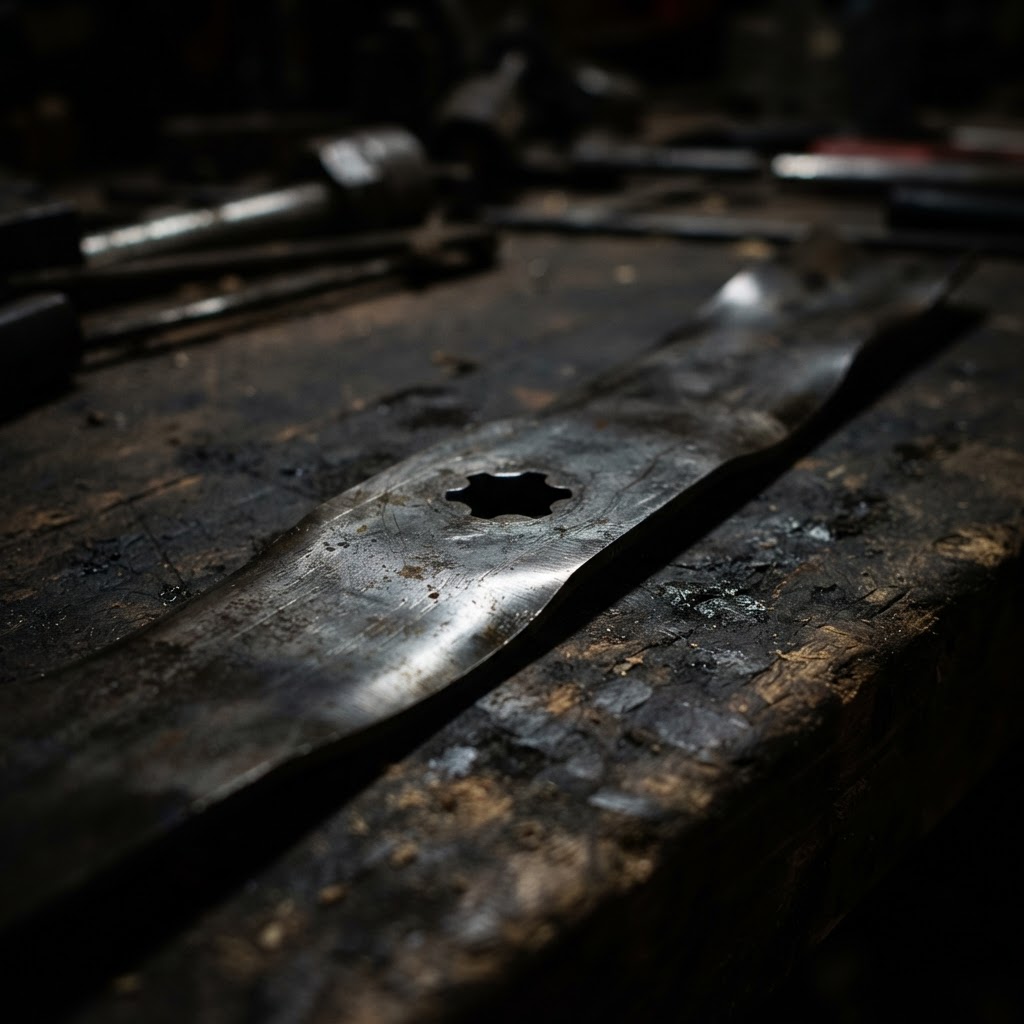
Replacement Mower Blade
If your inspection reveals a bent or damaged blade causing an uneven cut, this is the essential replacement component to restore an even finish.
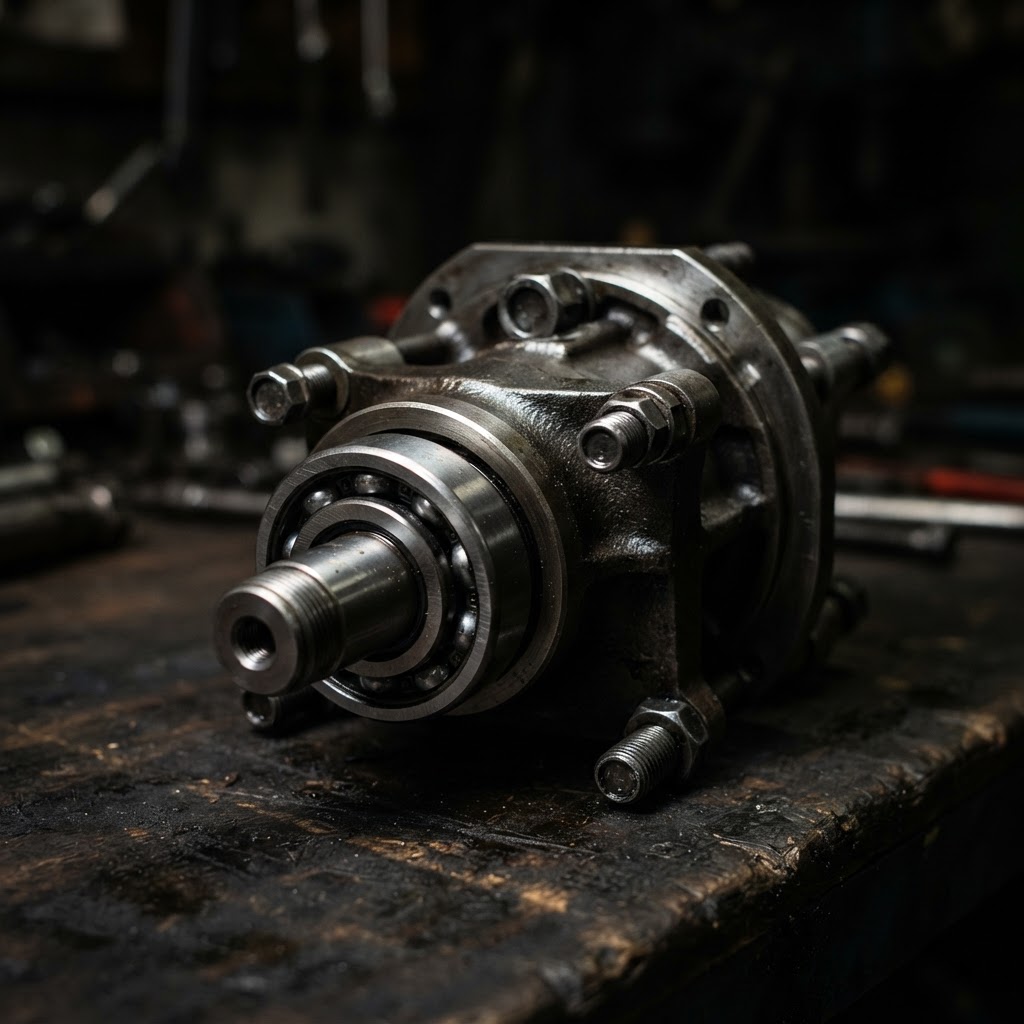
Spindle Housing Assembly
When a spindle housing is found to be damaged or bent, it creates an uneven deck angle that must be corrected by replacing the entire housing unit.

Deck Height Adjuster Linkage
If the existing adjuster mechanism is worn or broken, these specific replacement parts are required to regain proper height control and eliminate scalping.

Mower Deck Mounting Hardware Kit
This kit provides the specific bolts, washers, and bushings necessary to secure a loose mower deck, ensuring the cutting deck remains level during operation.
Affiliate Disclosure: Lil Engine may earn commissions from qualifying purchases.
Pro Tips from the Community
Real-world fixes from Reddit, YouTube & forums.
"Measure the distance from the bottom of the deck to the ground on both sides to ensure your blade level is within an eighth of an inch, as manuals rarely emphasize how easily deck hangers bend."
LawnSite.com Forum"Check your tire pressure first, because even a five PSI difference between your rear tires will tilt the entire deck and cause uneven scalping."
Reddit r/lawncare"If the deck is level but still scalps, check for a bent mower blade spindle, which often hides behind a blade that looks straight but wobbles slightly when rotated by hand."
YouTube comments"Inspect the deck anti-scalp wheels to ensure they are set to the correct hole, as keeping them too low turns them into deck-supports that drag and gouge the turf during turns."
TractorByNetPrevent This From Coming Back
Check tire pressure every time you check the engine oil
Sharpen and balance blades at least twice per mowing season
Clean grass buildup from underneath the deck after every use to prevent corrosion
Inspect spindle bolts for tightness every 25 hours of operation
Prevent This From Happening Again
While you're fixing it, stock up on the maintenance essentials that keep your push mowers running right.
Spark Plug
A fresh spark plug ensures easy starting all season. Replace yearly.
Get on AmazonAir Filter
A clean air filter prevents rich running and hard starts.
Get on AmazonSmall Engine Oil
Fresh 30W oil keeps the engine running cool and clean.
Get on AmazonAffiliate Disclosure: Lil Engine may earn commissions from qualifying purchases.
Frequently Asked Questions
No, never attempt to straighten a bent mower blade. The metal has been compromised and heat-treated; hammering it can cause micro-fractures that lead to the blade shattering during high-speed operation.
Video Help
Helpful videos showing these repairs in action.
Share Your Repair
Real-world fixes help everyone. Share what worked and your repair becomes part of Lil Engine's community database.
Related Problems
More Push Mowers GuidesRelated Maintenance Articles
Related Symptoms
Uneven Cut / Cutting Issues
Related Searches
Push Mowers Troubleshooting
Did this help?
Your feedback helps improve guides for everyone.