Honda GCV160 Lawn Mower Won't Start
⚡ Quick Answer
Most Honda GCV160 starting issues are caused by old fuel clogging the carburetor or a fouled spark plug. Start by checking for fresh gasoline and inspecting the spark plug for carbon buildup or debris.
What do you want to do?
Most Likely Cause
Clogged Pilot Jet
The GCV160 carburetor has a distinct non-removable or restricted pilot jet circuit. If varnish forms here, fuel cannot enter the intake tract at cranking speeds, even if the main jet is clear.
Start here — this is the most common reason for this symptom.
Why This Problem Happens
The Honda GCV160 utilizes a sophisticated overhead cam (OHC) architecture that is highly sensitive to fuel system varnish and air-fuel ratio imbalances. The GCV160 carburetor features an exceptionally small idle jet orifice, which acts as a precision fuel metering device. When ethanol-blended gasoline sits stagnant, it undergoes oxidation, leaving behind a gummy resin that adheres to the brass surfaces of this jet. This obstruction prevents the fuel-air emulsion necessary for a cold start, effectively leaning out the engine to the point of combustion failure.
Simultaneously, the GCV160 ignition system employs a transistorized magneto located under the flywheel. If the air gap between the ignition coil armature and the flywheel magnet exceeds the specified tolerance, the peak output voltage drops significantly. Coupled with a fouled spark plug—common in these engines due to excessive choke usage—the system fails to produce a high-intensity arc capable of jumping the plug gap under compression. When fuel delivery is compromised by restricted jets and spark is weakened by electrical resistance, the engine loses its ability to initiate the cycle, resulting in a no-start condition.
Common Symptoms
- Engine sputters momentarily then quits
- Spark plug appears bone dry after repeated pulling
- Strong odor of old fuel in the tank
- Significant backfiring through the exhaust or intake
- Excessive resistance in the starter recoil
- Black carbon buildup on the spark plug electrode
Before You Buy Parts
Quick, free inspections — check these first. Most repairs don't actually need replacement parts.
Complete Resource Guide
Complete Push Mowers Troubleshooting Guide
Brand Resource Hub
The Ultimate Honda Small Engine Repair & Service Hub
Repair Overview
45–90 minutes
$15–$50
First Checks — Start Here
- 1Check that the fuel tank has fresh, non-ethanol gasoline
- 2Ensure the engine oil level is topped off to the correct mark
- 3Verify the blade or safety bail is fully engaged
- 4Inspect the air filter to ensure it is not clogged with debris
- 5Check for a loose spark plug wire connection
Safety Warnings
- !Disconnect the spark plug wire entirely before servicing the mower deck or engine to prevent accidental activation.
- !Work in a well-ventilated area away from open flames, as gasoline vapors are highly flammable.
- !Do not hold the spark plug wire with bare hands while pulling the recoil; use insulated pliers.
- !Ensure the engine is completely cool before removing air cleaner components to avoid contact with a hot muffler.
- !Take care not to damage the soft brass orifice walls with hard steel tools.
- !Use a flywheel puller; never strike the crankshaft with a hammer as it can warp the precision bearings.
- !Neglecting to replace the carburetor gasket, which leads to vacuum leaks
- !Ignoring the kill-switch wire for internal grounding faults
Always disconnect the spark plug, work in a well-ventilated area, and consult a professional if unsure.
Most Likely Causes
Ranked by likelihood — tap each to see diagnosis details.
The GCV160 carburetor has a distinct non-removable or restricted pilot jet circuit. If varnish forms here, fuel cannot enter the intake tract at cranking speeds, even if the main jet is clear.
Ethanol in pump gas absorbs moisture, leading to phase separation and corrosion of the carburetor bowl's aluminum internal surfaces. This sediment quickly migrates to the tiny apertures in the emulsion tube.
🔧 Step-by-Step Fix Guide
Check and Replace Spark Plug
Remove the BPR6ES plug using a 13/16-inch spark plug socket. Inspect for excessive carbon or electrode erosion and verify the gap is set to 0.028-0.031 inches using a wire-style feeler gauge.
Disconnect the spark plug wire entirely before servicing the mower deck or engine to prevent accidental activation.
Carburetor Bowl Flushing
Locate the 10mm bolt at the base of the carburetor bowl and drain the contents into a container. If you see debris or cloudy fluid, the bowl needs to be removed and the internal passages cleaned with carburetor cleaner and compressed air.
Work in a well-ventilated area away from open flames, as gasoline vapors are highly flammable.
Test Ignition Spark Quality
Use an inline spark tester grounded to the cylinder head bolt. If the light does not flash brightly while pulling the cord, the coil or kill wire is compromised.
Do not hold the spark plug wire with bare hands while pulling the recoil; use insulated pliers.
Verify Choke Flap Operation
Remove the air filter housing and observe the choke plate while moving the throttle lever to the 'Start' position. The plate must be fully closed; if it stays open, adjust the throttle cable at the clamp screw.
Ensure the engine is completely cool before removing air cleaner components to avoid contact with a hot muffler.
Clean Pilot Jet Orifices
Remove the carburetor from the intake manifold and use a piece of fine copper wire or thin monofilament to poke through the pilot jet opening. Flush thoroughly with solvent to remove microscopic blockages.
Take care not to damage the soft brass orifice walls with hard steel tools.
Check Flywheel Key and Timing
If the mower hit a hard object, the flywheel key may have sheared, causing the timing to shift. Remove the blower housing and check that the flywheel keyway aligns perfectly with the crankshaft notch.
Use a flywheel puller; never strike the crankshaft with a hammer as it can warp the precision bearings.
What To Test Next
If fuel delivery checks out, the next thing to inspect is spark — remove the spark plug, ground its threads to the engine block, and crank the engine to look for a visible blue spark.
Component Reference

Carburetor & Fuel Intake
The carburetor mixes air and fuel for combustion. A clogged jet or stuck float is the #1 cause of small engine starting and surging problems.

Spark Plug & Ignition System
The spark plug ignites the air-fuel mixture. A fouled plug, wrong gap, or failing ignition coil will prevent the engine from firing.

Oil & Lubrication System
Regular oil changes are critical. Low or dirty oil causes engine wear, overheating, and eventual seizure. Check the dipstick before every season.

Air Filter & Intake
A clogged air filter starves the engine of air, causing rich running, power loss, and hard starting. Inspect and clean or replace it each season.
Photos for educational reference. Actual parts may vary by make and model.
Common Mistakes to Avoid
Using an automotive-grade cleaner that eats plastic carburetor internal components
Neglecting to replace the carburetor gasket, which leads to vacuum leaks
Over-tightening the carburetor mounting nuts, which warps the flange
Attempting to start the engine without a fully seated air filter element
Ignoring the kill-switch wire for internal grounding faults
If This Didn't Fix It
Still having trouble? These are the next things to check:
Get the Exact Parts for Your Machine
Tell us your equipment's year, make, and model — we'll search for parts that actually fit, not generic ones.
Finding parts for
Honda GCV160 lawn mower
Required Gear
Matched to your Honda GCV160 lawn mower — click to find the exact fit on Amazon.
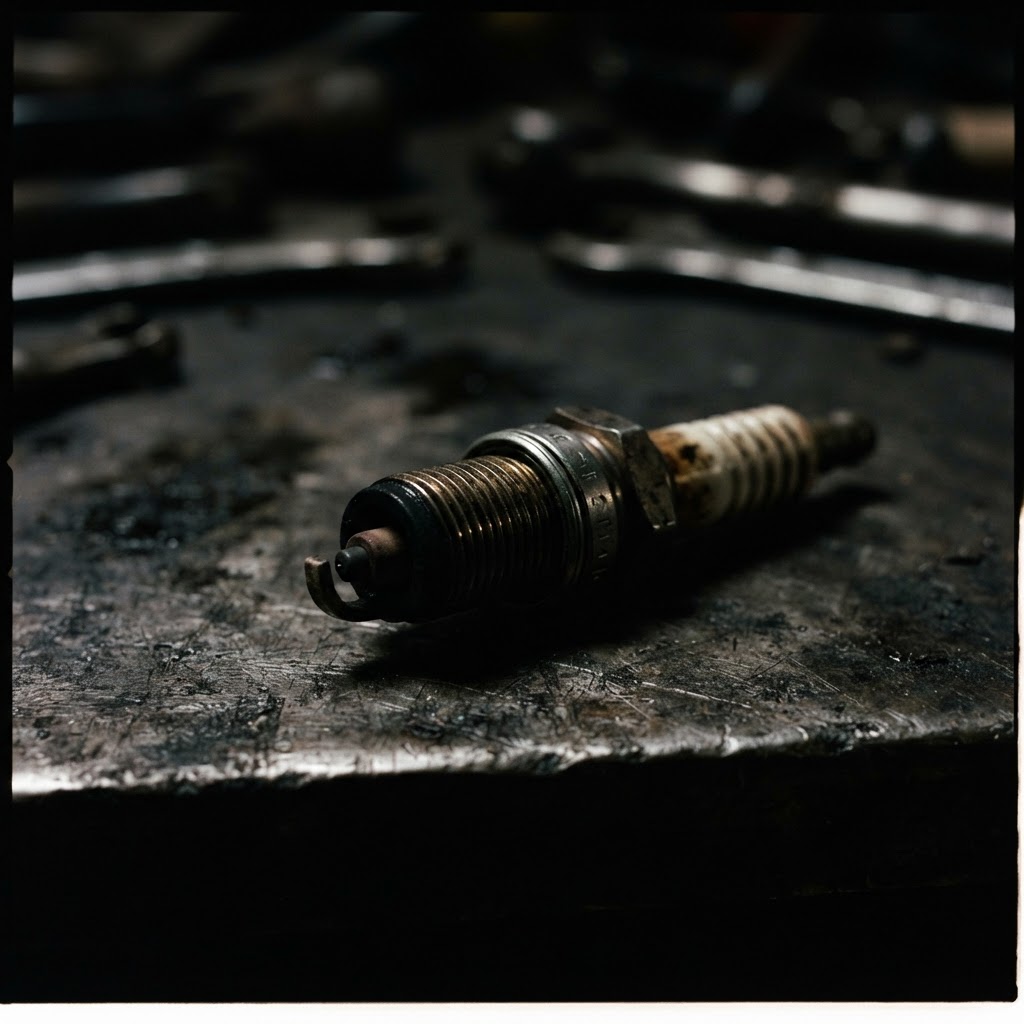
NGK BPR6ES Spark Plug
This is the OEM-specified replacement part to correct a fouled plug that prevents the engine from firing correctly.
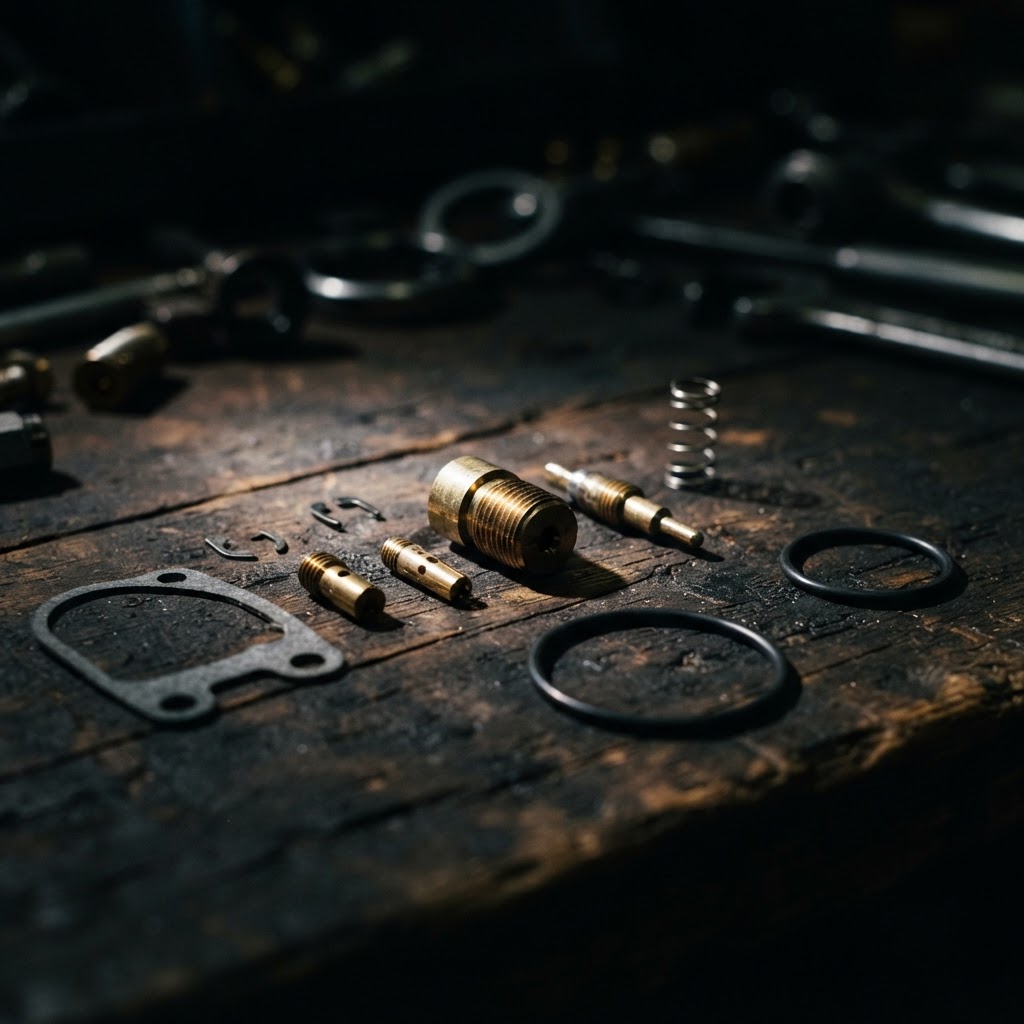
Honda GCV160 Carburetor Rebuild Kit
This kit provides new gaskets and the critical internal components necessary to resolve issues stemming from a clogged pilot jet and stale fuel buildup.
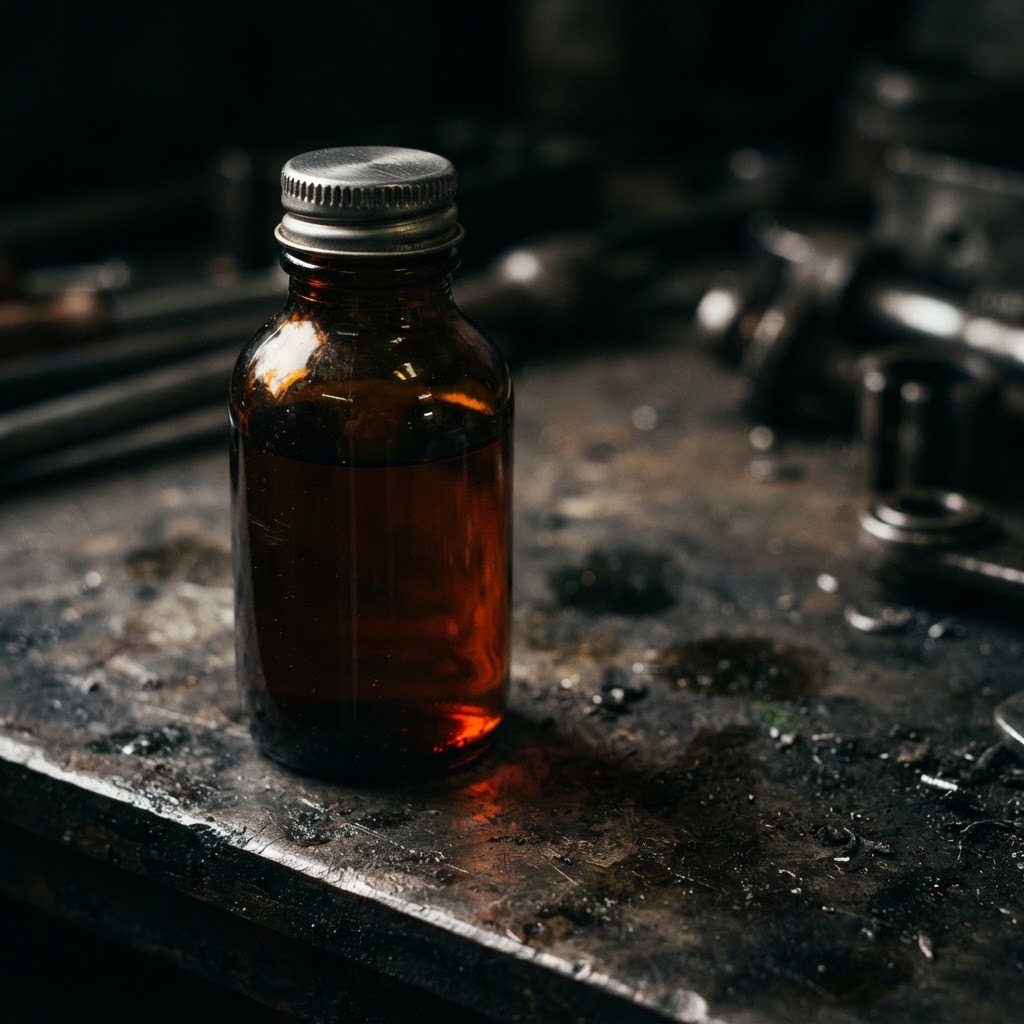
Fuel System Cleaner/Stabilizer
This is a essential consumable to treat existing fuel and clear out minor varnish deposits that often accumulate in the carburetor during storage.
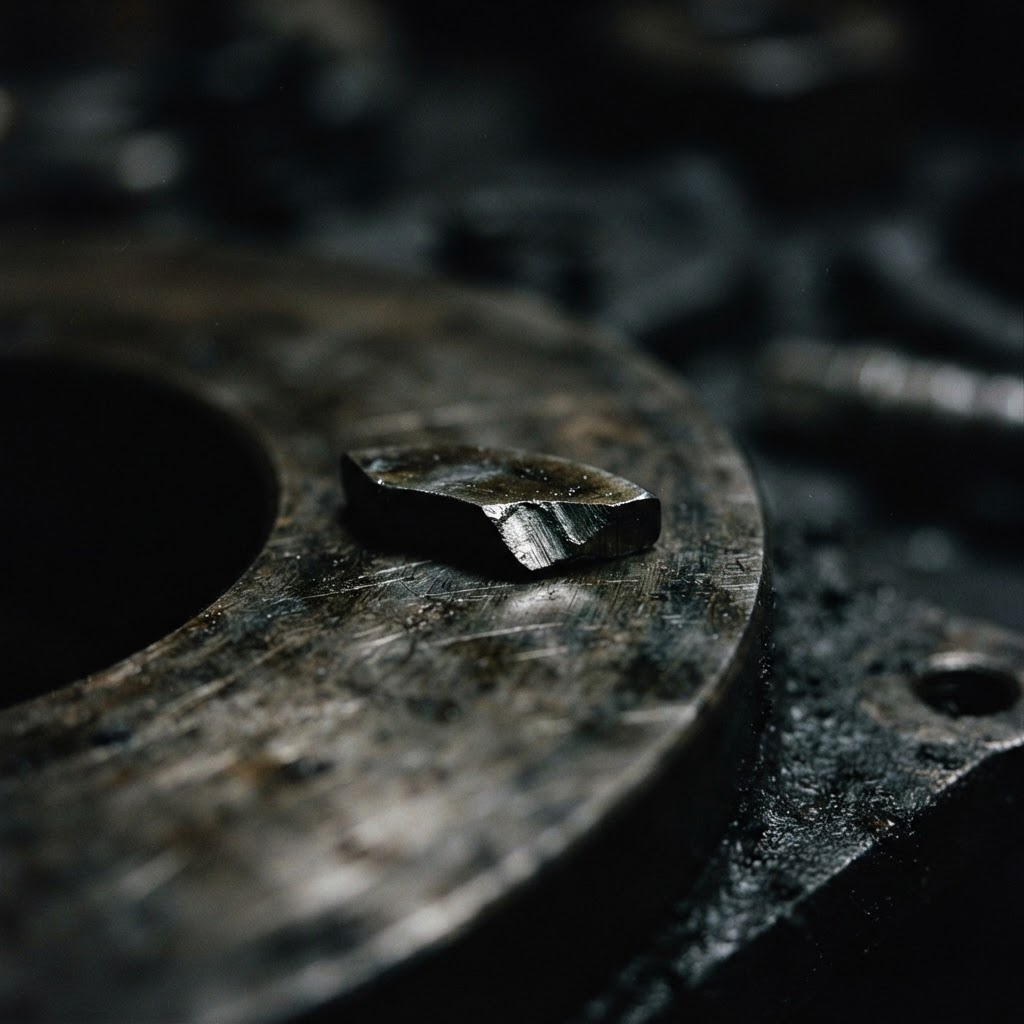
Flywheel Key
This is a sacrificial component that must be replaced if the mower experienced an impact, as it prevents engine timing issues that inhibit starting.
Affiliate Disclosure: Lil Engine may earn commissions from qualifying purchases.
Pro Tips from the Community
Real-world fixes from Reddit, YouTube & forums.
"If it won't start, pull the fuel line at the carb and check for a steady stream, as these GCV160 fuel filters are notorious for invisible clogs."
LawnSite.com Forum"Check that the automatic choke thermostat spring hasn't rusted or snapped, because if that butterfly doesn't close, you'll be pulling the rope until your arm falls off."
YouTube comments"Before tearing the carb apart, verify the oil level isn't overfilled, as Honda's ignition system will often ground out if the crankcase is even slightly pressurized or over-lubed."
Reddit r/smallengines"If the mower sits all winter, don't waste time cleaning the carb; the internal pilot jet is so tiny that once it's varnished, it's cheaper and faster to just swap the whole unit for a twenty-dollar aftermarket replacement."
DoItYourself.comPrevent This From Coming Back
Always use a quality fuel stabilizer like STA-BIL in every gas can
Run the engine until it dies by shutting off the fuel valve at the end of the season
Replace the air filter at least once per season to prevent rich-running conditions
Change the oil with 10W-30 synthetic annually to reduce internal friction
Keep the cooling fins clean of grass clippings to prevent vapor lock in the fuel lines
Prevent This From Happening Again
While you're fixing it, stock up on the maintenance essentials that keep your push mowers running right.
Spark Plug
A fresh spark plug ensures easy starting all season. Replace yearly.
Get on AmazonAir Filter
A clean air filter prevents rich running and hard starts.
Get on AmazonSmall Engine Oil
Fresh 30W oil keeps the engine running cool and clean.
Get on AmazonAffiliate Disclosure: Lil Engine may earn commissions from qualifying purchases.
Frequently Asked Questions
Starter fluid can help diagnose a fuel delivery issue, but it provides no lubrication. Use it sparingly, as the GCV160 has a delicate aluminum cylinder bore that can be damaged by excessive dry friction.
Video Help
Helpful videos showing these repairs in action.
Share Your Repair
Real-world fixes help everyone. Share what worked and your repair becomes part of Lil Engine's community database.
Related Problems
More Push Mowers GuidesRelated Maintenance Articles
Related Symptoms
Won’t Start
Carburetor / Fuel Issues
Related Searches
Honda push mower Guides
Did this help?
Your feedback helps improve guides for everyone.