Push Mower Pull Cord Stuck
⚡ Quick Answer
A stuck pull cord usually indicates that the engine has seized, debris is caught in the blade, or the recoil starter mechanism is jammed. Start by removing the spark plug wire to ensure the mower cannot accidentally start while you inspect the blades and starter assembly.
What do you want to do?
Most Likely Cause
Hydrostatic Lock
Excess fuel or oil has flooded the combustion chamber, preventing the piston from reaching Top Dead Center. Remove the spark plug and attempt to pull the cord; if fuel sprays out, you have confirmed a hydro-lock.
Start here — this is the most common reason for this symptom.
Why This Problem Happens
A stuck pull cord on a push mower is almost always a mechanical interference issue, either within the recoil starter assembly or a hard lock at the crankshaft. When the recoil housing becomes jammed, the spring-loaded pulley mechanism binds, preventing the rope from retracting or extending due to internal debris or structural failure. If the internal spring mechanism is fine, the resistance is typically transferred from the engine itself, signifying a hydraulic lock or a major internal component failure like a sheared woodruff key, connecting rod failure, or a thrown blade bolt hitting the flywheel brake assembly. In a hydrostatic or heavy-duty unit, even a bent crankshaft can manifest as a stuck cord because the flywheel fins may be striking the cooling shroud with every fractional rotation, creating an immovable mechanical stop. Understanding the path of travel from the recoil pulley to the flywheel and the crankshaft is vital, as the engine must be able to complete a rotation for the starter system to function correctly. If the engine cannot move, the starter rope cannot be pulled.
Common Symptoms
- Recoil handle pulls out an inch then hits a hard stop
- Audible metallic clunking sound near the flywheel
- Total resistance when attempting to engage the starter pawls
- Blade is physically unable to rotate by hand
- Sudden stop during previous operation
Before You Buy Parts
Quick, free inspections — check these first. Most repairs don't actually need replacement parts.
Complete Resource Guide
Complete Push Mowers Troubleshooting Guide
Repair Overview
45–90 minutes
$0–$40
First Checks — Start Here
- 1Disconnect the spark plug wire
- 2Check for debris or tall grass wrapped around the blade
- 3Ensure the mower is not tilted with the carburetor facing down
- 4Try rotating the mower blade by hand to check for engine lock
- 5Inspect the starter recoil housing for loose or damaged components
Safety Warnings
- !A mower can start even if the pull cord seems stuck if you happen to clear the obstruction while your hand is near the blade.
- !Ensure the mower is tilted with the carburetor/air filter side facing up to prevent oil from flooding the intake.
- !Be cautious of the recoil spring; it can eject forcefully if the housing is cracked.
- !Stand clear of the spark plug hole, as pressurized oil or fuel may spray out.
- !Do not attempt to bypass the brake system; replace worn cables or springs to maintain safe operation.
- !Only use a torque wrench to retighten the flywheel nut to the manufacturer's specific settings.
Always disconnect the spark plug, work in a well-ventilated area, and consult a professional if unsure.
Most Likely Causes
Ranked by likelihood — tap each to see diagnosis details.
Excess fuel or oil has flooded the combustion chamber, preventing the piston from reaching Top Dead Center. Remove the spark plug and attempt to pull the cord; if fuel sprays out, you have confirmed a hydro-lock.
If the blade hit a rock or stump, the flywheel key may have sheared, causing the flywheel to shift and jam against the ignition coil or housing. Inspect the gap between the coil and flywheel magnets for debris or binding.
🔧 Step-by-Step Fix Guide
Disconnect the Spark Plug Wire
Always disconnect the spark plug wire and tuck it away from the plug terminal to prevent accidental ignition. This is the single most important safety step before attempting any manual engine rotation.
A mower can start even if the pull cord seems stuck if you happen to clear the obstruction while your hand is near the blade.
Verify Blade Rotation
Attempt to rotate the mower blade manually (use thick gloves). If the blade does not turn, the engine internal components are the source of the lock, not the pull cord assembly.
Ensure the mower is tilted with the carburetor/air filter side facing up to prevent oil from flooding the intake.
Remove the Recoil Housing
Unbolt the starter housing from the top of the engine shroud. Inspect for grass buildup, broken starter dogs, or shattered plastic housing components that could jam the pulley.
Be cautious of the recoil spring; it can eject forcefully if the housing is cracked.
Check for Hydrostatic Lock
Remove the spark plug using a 5/8-inch or 13/16-inch spark plug socket. Once removed, attempt to pull the starter cord; if it pulls freely, the engine was hydro-locked.
Stand clear of the spark plug hole, as pressurized oil or fuel may spray out.
Inspect the Flywheel Brake
Trace the cable from the handle to the engine shroud. Observe if the brake spring disengages the metal pad from the flywheel edge when the handle is held down.
Do not attempt to bypass the brake system; replace worn cables or springs to maintain safe operation.
Test the Flywheel for Play
With the recoil housing off, try to wiggle the flywheel. Excessive movement can indicate a sheared key or a loose flywheel nut which may be preventing rotation.
Only use a torque wrench to retighten the flywheel nut to the manufacturer's specific settings.
What To Test Next
If the basics check out, verify spark, fuel delivery, and compression in that order — the three essentials of any combustion engine.
Component Reference

Carburetor & Fuel Intake
The carburetor mixes air and fuel for combustion. A clogged jet or stuck float is the #1 cause of small engine starting and surging problems.

Spark Plug & Ignition System
The spark plug ignites the air-fuel mixture. A fouled plug, wrong gap, or failing ignition coil will prevent the engine from firing.

Oil & Lubrication System
Regular oil changes are critical. Low or dirty oil causes engine wear, overheating, and eventual seizure. Check the dipstick before every season.

Air Filter & Intake
A clogged air filter starves the engine of air, causing rich running, power loss, and hard starting. Inspect and clean or replace it each season.
Photos for educational reference. Actual parts may vary by make and model.
Common Mistakes to Avoid
Forcing the cord with maximum strength, which snaps the internal spring
Ignoring oil levels, leading to catastrophic rod failure
Failing to check for a hydraulic lock before tearing down the engine
Losing the woodruff key during flywheel inspection
Tilting the mower with the carburetor down, causing air filter saturation
If This Didn't Fix It
Still having trouble? These are the next things to check:
Get the Exact Parts for Your Machine
Tell us your equipment's year, make, and model — we'll search for parts that actually fit, not generic ones.
Finding parts for
Push mower pull cord stuck
Required Gear
Matched to your Push mower pull cord stuck — click to find the exact fit on Amazon.

Flywheel Key
If the blade hit an object, the flywheel key often shears to protect the engine, preventing the engine from rotating properly and locking the recoil.
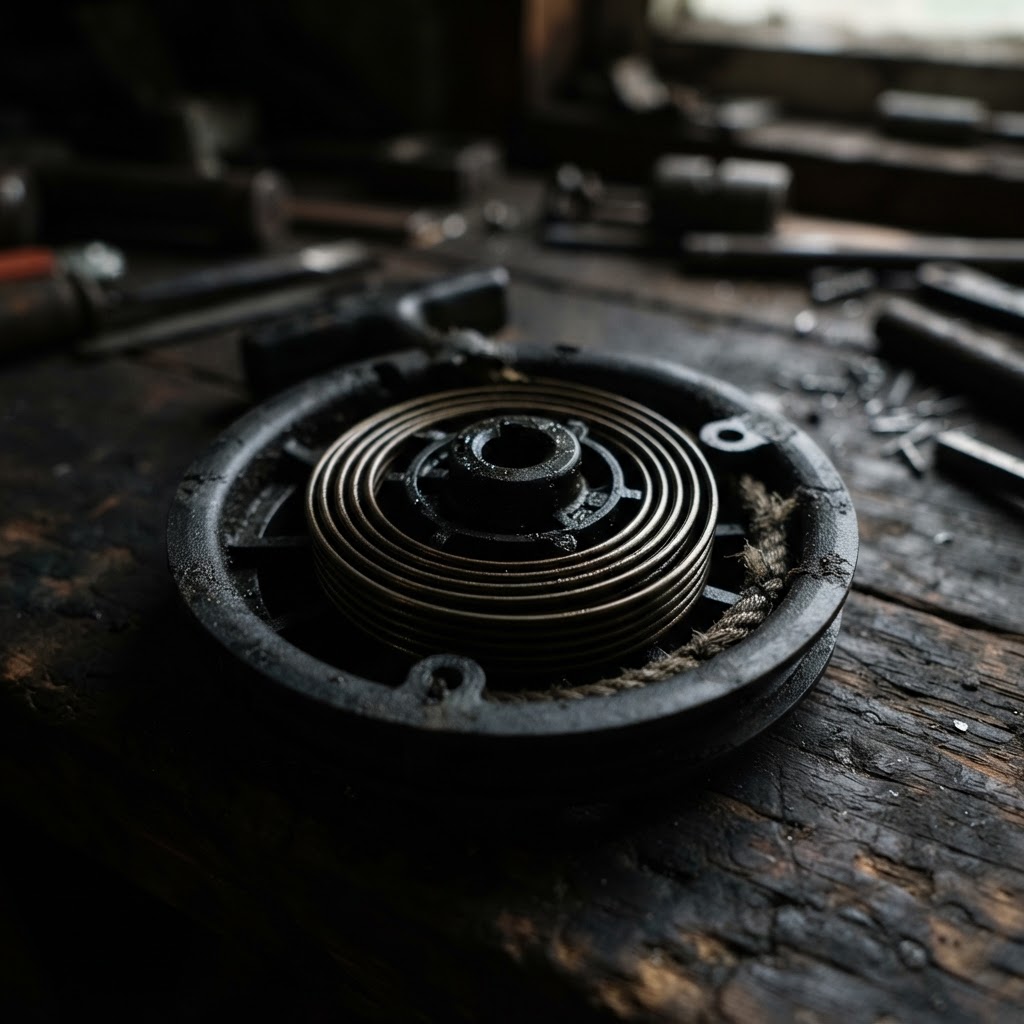
Recoil Starter Assembly
If the internal recoil spring or pulley mechanism has physically failed or seized, the entire housing unit must be replaced to restore smooth cord retraction.
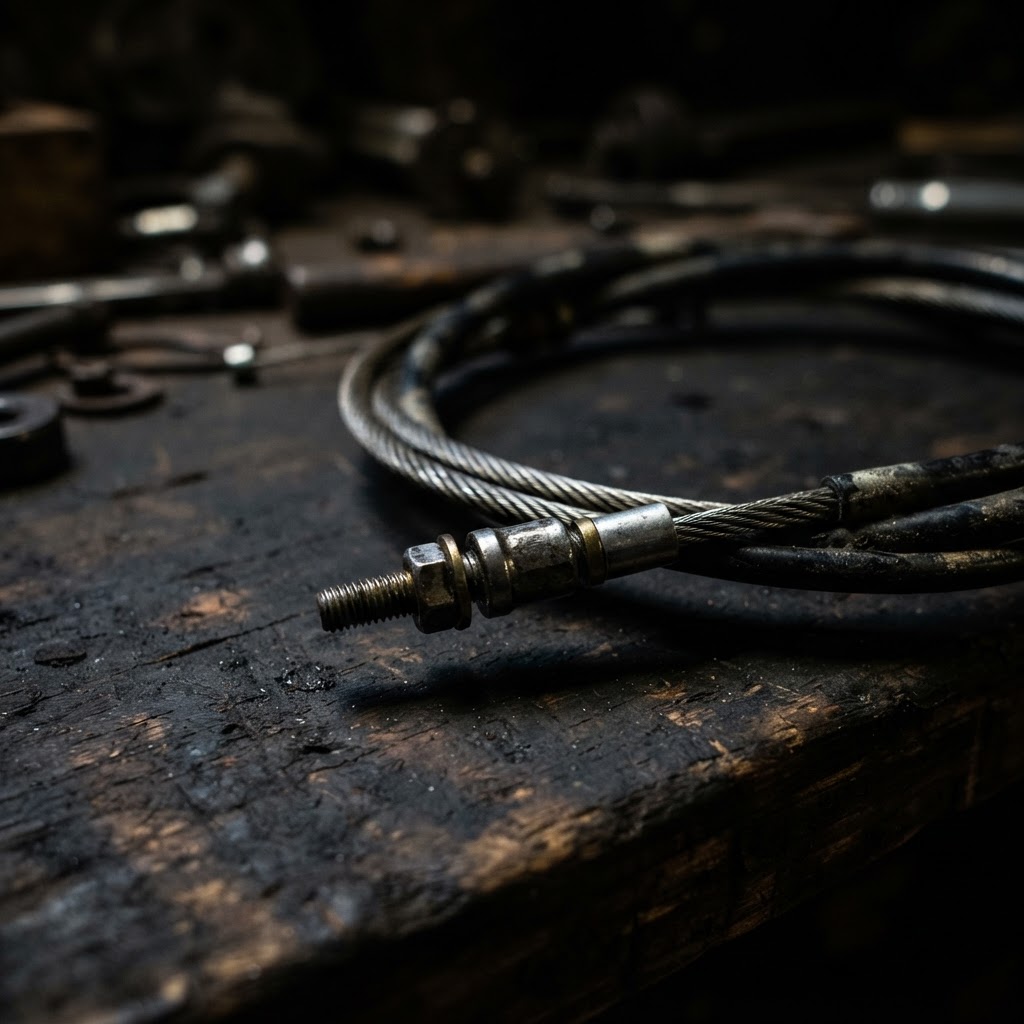
Flywheel Brake Cable
If the brake assembly is failing to release due to a stretched or snapped cable, the flywheel will remain locked in place even when the handle is engaged.
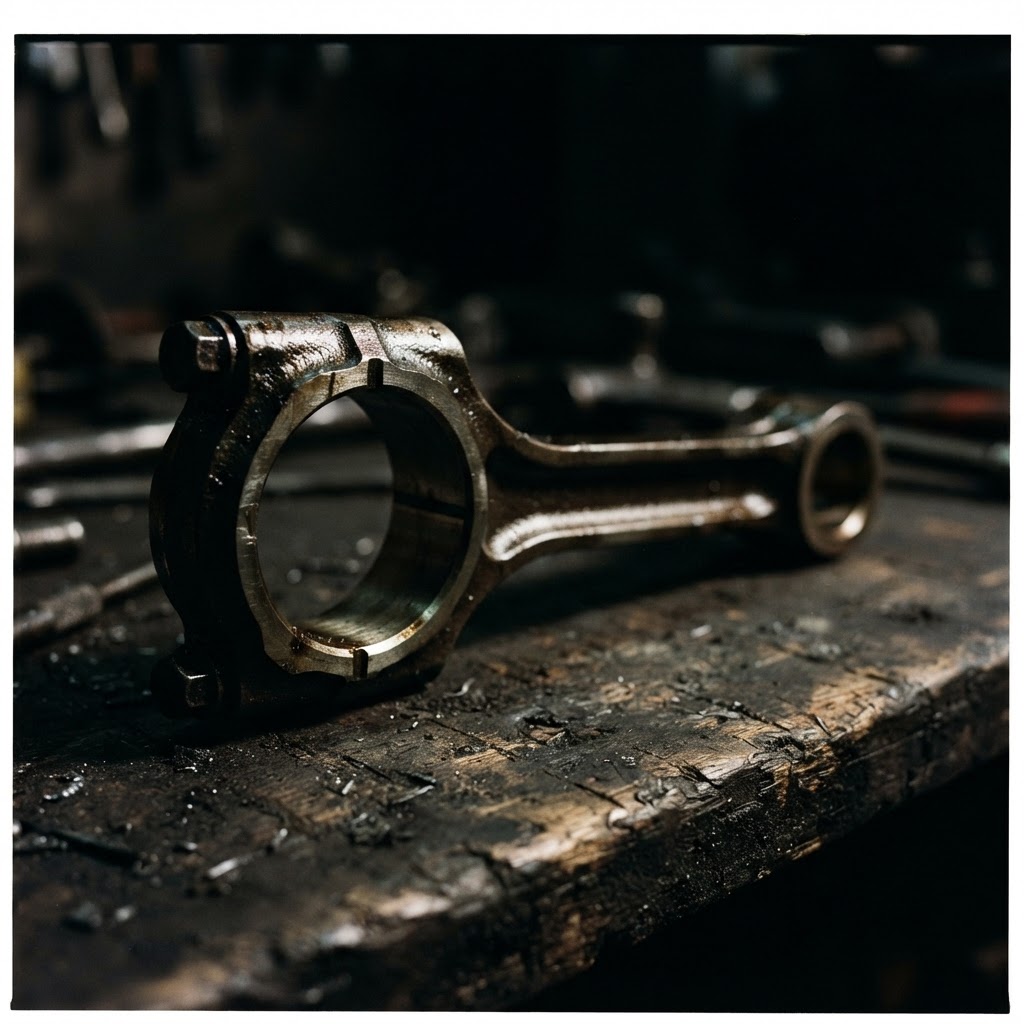
Connecting Rod
If troubleshooting confirms the engine is seized due to internal component failure, the connecting rod is the most frequent wear part requiring replacement to free the crankshaft.
Affiliate Disclosure: Lil Engine may earn commissions from qualifying purchases.
Pro Tips from the Community
Real-world fixes from Reddit, YouTube & forums.
"Pull the spark plug and try to turn the blade by hand; if it’s locked up, you likely have a bent crankshaft or a hydro-locked cylinder from oil leaking into the head."
Reddit r/smallengines"Check for debris wrapped around the flywheel under the engine shroud, as a loose piece of plastic or grass can jam the fan blades instantly."
LawnSite.com Forum"If the blade spins freely but the cord won't pull, pull the starter recoil assembly off and check for a broken spring or plastic debris inside the starter housing."
YouTube comments"Always tip the mower with the carburetor side facing up to prevent oil from flooding the cylinder and causing a false engine lockup."
DoItYourself.comPrevent This From Coming Back
Check engine oil levels before every single use
Clean grass debris from under the engine shroud periodically
Inspect the blade for damage after hitting hard objects
Replace the spark plug every two seasons to prevent hard starting issues
Store the mower in a dry environment to prevent corrosion of the flywheel brake
Prevent This From Happening Again
While you're fixing it, stock up on the maintenance essentials that keep your push mowers running right.
Spark Plug
A fresh spark plug ensures easy starting all season. Replace yearly.
Get on AmazonAir Filter
A clean air filter prevents rich running and hard starts.
Get on AmazonSmall Engine Oil
Fresh 30W oil keeps the engine running cool and clean.
Get on AmazonAffiliate Disclosure: Lil Engine may earn commissions from qualifying purchases.
Frequently Asked Questions
No, pulling harder will likely snap the recoil spring or break the plastic pulley. Always diagnose the root cause of the resistance before applying force.
Video Help
Helpful videos showing these repairs in action.
Share Your Repair
Real-world fixes help everyone. Share what worked and your repair becomes part of Lil Engine's community database.
Related Problems
More Push Mowers GuidesRelated Maintenance Articles
Related Symptoms
Related Searches
Push Mowers Troubleshooting
Did this help?
Your feedback helps improve guides for everyone.