Kawasaki Mower Engine Won't Stay Running
⚡ Quick Answer
The most likely causes for your Kawasaki mower engine not staying running include fuel issues, a clogged carburetor, or ignition problems. Start by checking the fuel supply and inspecting the carburetor for blockages.
What do you want to do?
Most Likely Cause
Clogged Carburetor Main Jet
The main jet in a Kawasaki carburetor is susceptible to ethanol varnish buildup. When the engine attempts to shift from the pilot circuit to the main circuit, the fuel blockage causes the engine to starve and die.
Start here — this is the most common reason for this symptom.
Why This Problem Happens
Kawasaki engines often utilize vacuum-pulse fuel pumps or complex pressurized lubrication systems that rely on consistent engine speed to maintain operational flow. When an engine starts but immediately dies, it usually indicates a failure in the fuel supply continuity or a trip-wire effect from safety interlocks. The fuel system must overcome the resistance of the carburetor needle valve and atmospheric pressure; if the fuel-air mixture becomes too lean—often due to restricted jet passages or a collapsing pulse line—the vacuum signal drops, causing the pump to cease delivery. Consequently, the bowl runs dry or the engine stumbles out of the required air-fuel stoichiometric ratio, leading to immediate stall. Furthermore, Kawasaki engines are highly sensitive to voltage drops within the ignition kill-wire circuit. If the stator output fluctuates or a safety switch intermittently grounds the ignition coil, the spark will terminate precisely as the engine attempts to transition from the enrichment-heavy cold-start cycle to a steady idle. This intersection of fluid dynamics and electrical grounding sensitivity defines the 'start-run-stall' diagnostic challenge.
Common Symptoms
- Engine starts briefly then immediately stalls
- Surging followed by total engine shutdown
- Backfiring through the carburetor intake during shutdown
- Engine dies only when the mower deck is engaged
- Spark plug appears bone-dry after repeated start attempts
Before You Buy Parts
Quick, free inspections — check these first. Most repairs don't actually need replacement parts.
Complete Resource Guide
Complete Push Mowers Troubleshooting Guide
Brand Resource Hub
Kawasaki Small Engine Troubleshooting & Repair Guide
Repair Overview
1–2 hours
$10–$50
First Checks — Start Here
- 1Check fuel level and quality.
- 2Inspect air filter for dirt and debris.
- 3Examine spark plug for damage.
- 4Look for fuel leaks or clogged fuel lines.
- 5Check the carburetor for clogs.
Safety Warnings
- !Wear safety glasses and have a fire extinguisher nearby; ensure no ignition sources are present when handling raw fuel.
- !Do not use excessive force on the delicate brass jets; ensure all gaskets are reseated properly to prevent vacuum leaks.
- !Wait for the engine to cool completely before touching the engine block or crankcase area.
- !The engine will not be able to be turned off with the key if the kill wire is disconnected; pull the spark plug wire to kill the engine in an emergency.
- !Always check for leaks at the fuel cap seal to prevent fuel spills during operation.
- !Keep fingers away from the cooling fins and rotating flywheel screen while the engine is running.
- !Replacing the carburetor before checking the simple fuel tank vent
- !Using low-pressure rubber fuel line that collapses under vacuum
- !Neglecting to replace the float bowl gasket, leading to air ingress
- !Assuming the fuel filter is clean based purely on visual inspection
Always disconnect the spark plug, work in a well-ventilated area, and consult a professional if unsure.
Most Likely Causes
Ranked by likelihood — tap each to see diagnosis details.
The main jet in a Kawasaki carburetor is susceptible to ethanol varnish buildup. When the engine attempts to shift from the pilot circuit to the main circuit, the fuel blockage causes the engine to starve and die.
If the pulse line from the engine crankcase to the fuel pump is cracked or soft, the pump diaphragm will not oscillate correctly. This results in insufficient fuel pressure to keep the carburetor bowl filled under load.
🔧 Step-by-Step Fix Guide
Test for Fuel Flow at the Carburetor Inlet
Disconnect the fuel line at the carburetor and verify a steady stream of fuel when cranking. If the flow is weak, check the fuel filter and the tank fuel shut-off valve for debris.
Wear safety glasses and have a fire extinguisher nearby; ensure no ignition sources are present when handling raw fuel.
Inspect and Clean the Carburetor Jets
Remove the float bowl and use a carburetor cleaning solvent and a thin wire or compressed air to clear the main and pilot jets. Inspect the float needle seat for any debris that prevents fuel flow.
Do not use excessive force on the delicate brass jets; ensure all gaskets are reseated properly to prevent vacuum leaks.
Check the Vacuum Pulse Line
Inspect the rubber hose connecting the fuel pump to the engine crankcase for dry rot or cracks. A single pinhole leak will prevent the pump from cycling, causing an immediate stall after startup.
Wait for the engine to cool completely before touching the engine block or crankcase area.
Verify Ignition System Grounding
Disconnect the black 'kill' wire from the ignition coil and attempt to start the engine. If the engine stays running, the issue is a faulty safety switch or a shorted wire in the chassis harness.
The engine will not be able to be turned off with the key if the kill wire is disconnected; pull the spark plug wire to kill the engine in an emergency.
Clear the Fuel Cap Vent
Remove the fuel cap and attempt to run the engine. If it stays running, the cap vent is obstructed and requires cleaning or replacement.
Always check for leaks at the fuel cap seal to prevent fuel spills during operation.
Check the Governor Sensitivity
Manually manipulate the governor arm while the engine is running to see if the throttle plate responds correctly. If the engine holds speed when you manually hold the linkage, the governor spring likely needs replacement.
Keep fingers away from the cooling fins and rotating flywheel screen while the engine is running.
What To Test Next
If fuel flow is steady, the next thing to inspect is the ignition coil when the engine is hot — a failing coil often fails warm and recovers when cool.
Component Reference

Carburetor & Fuel Intake
The carburetor mixes air and fuel for combustion. A clogged jet or stuck float is the #1 cause of small engine starting and surging problems.

Spark Plug & Ignition System
The spark plug ignites the air-fuel mixture. A fouled plug, wrong gap, or failing ignition coil will prevent the engine from firing.

Oil & Lubrication System
Regular oil changes are critical. Low or dirty oil causes engine wear, overheating, and eventual seizure. Check the dipstick before every season.

Air Filter & Intake
A clogged air filter starves the engine of air, causing rich running, power loss, and hard starting. Inspect and clean or replace it each season.
Photos for educational reference. Actual parts may vary by make and model.
Common Mistakes to Avoid
Replacing the carburetor before checking the simple fuel tank vent
Over-tightening the carburetor mounting bolts and causing an air leak
Using low-pressure rubber fuel line that collapses under vacuum
Neglecting to replace the float bowl gasket, leading to air ingress
Assuming the fuel filter is clean based purely on visual inspection
If This Didn't Fix It
Still having trouble? These are the next things to check:
Get the Exact Parts for Your Machine
Tell us your equipment's year, make, and model — we'll search for parts that actually fit, not generic ones.
Finding parts for
kawasaki mower engine
Required Gear
Matched to your kawasaki mower engine — click to find the exact fit on Amazon.
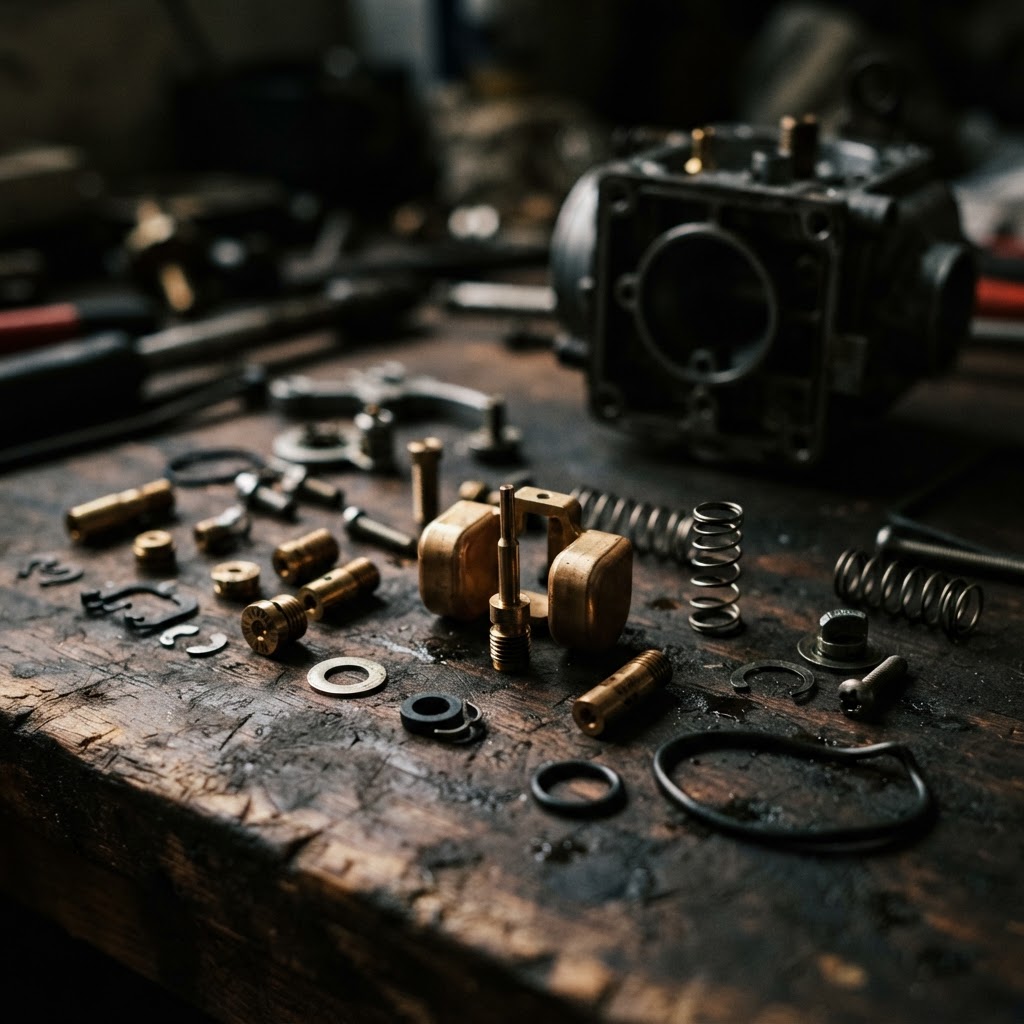
Kawasaki Carburetor Rebuild Kit
This kit provides the specific gaskets, needle valve, and O-rings necessary to restore a carburetor suffering from a clogged main jet.
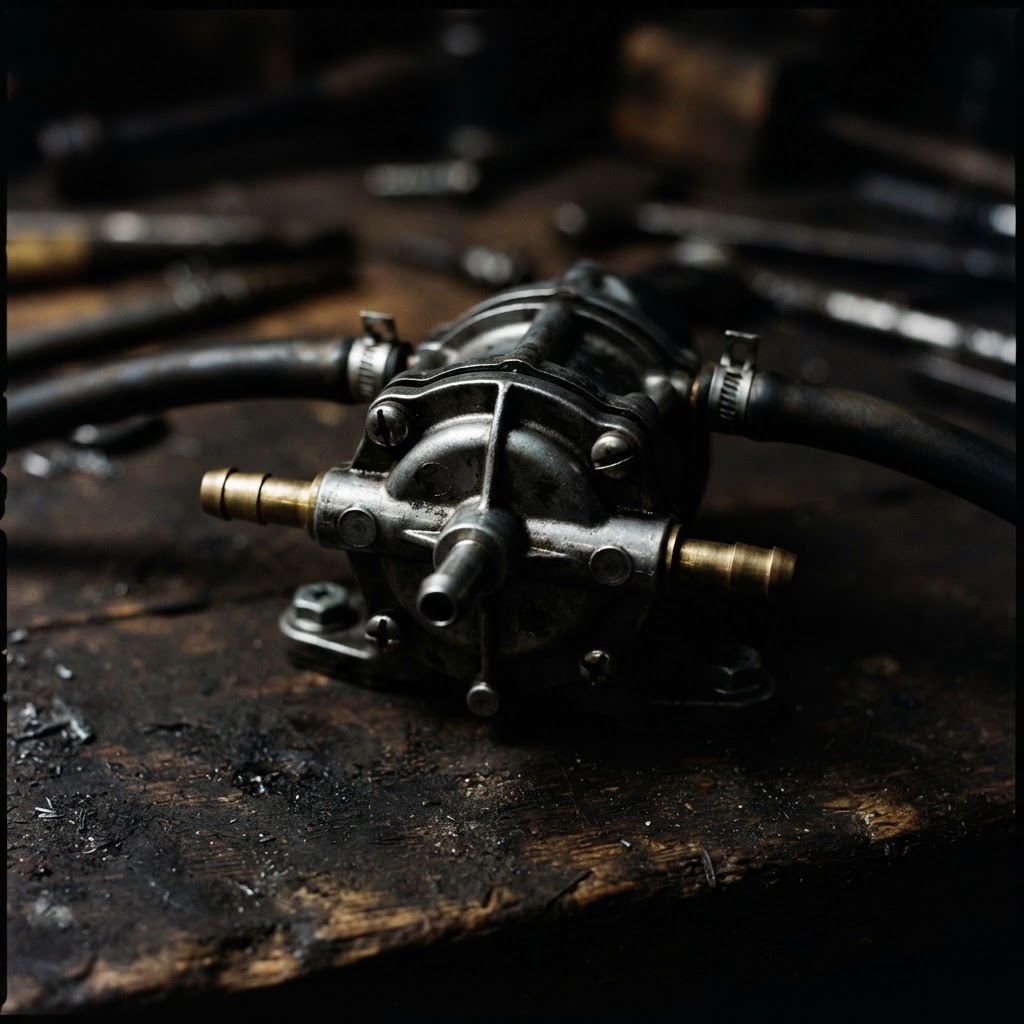
Replacement Fuel Vacuum Pulse Pump
When a pulse-style fuel pump fails internally due to a ruptured diaphragm, it can no longer maintain steady fuel delivery, requiring a complete unit replacement.

Fuel Tank Cap Assembly
If the vent inside the existing cap is permanently obstructed or damaged, replacing the entire cap assembly is the only way to restore proper atmospheric venting to the fuel system.
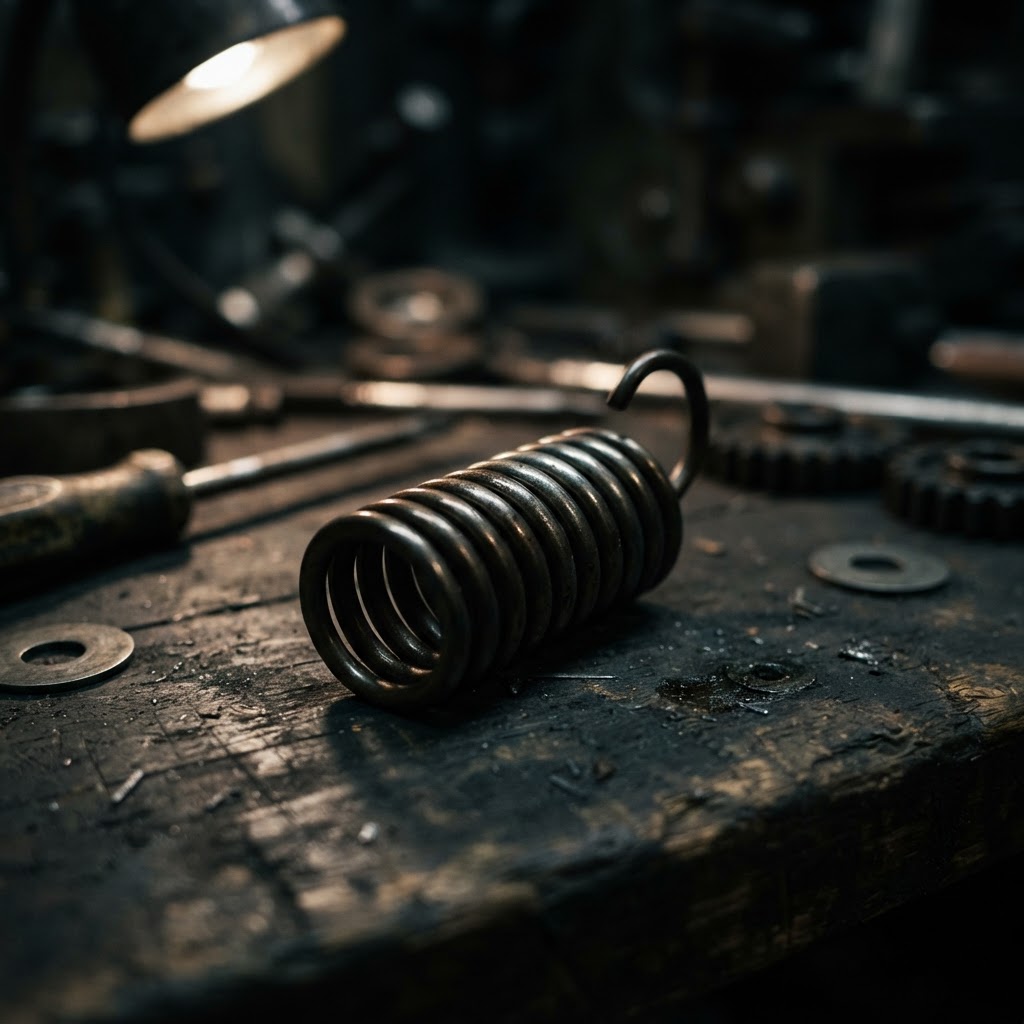
Governor Spring
If the governor linkage remains unresponsive after adjustment, a stretched or fatigued spring is often the culprit preventing the engine from maintaining a consistent running speed.
Affiliate Disclosure: Lil Engine may earn commissions from qualifying purchases.
Pro Tips from the Community
Real-world fixes from Reddit, YouTube & forums.
"Check your fuel filter and replace it if it looks clogged; a clean filter can make a world of difference."
YouTube comments"Inspect the spark plug for wear or carbon buildup; a simple clean or replacement can help with consistent ignition."
LawnSite.com Forum"Make sure the choke is fully opening after starting; if it stays partially closed, it can kill the engine."
Reddit r/lawncare"If the engine runs better with the air filter removed, that's a sign it's clogged; swap it out before diving deeper."
TractorByNet"Check for loose or corroded electrical connections; a bad ground can cause the engine to cut out unexpectedly."
DoItYourself.comPrevent This From Coming Back
Use non-ethanol fuel to prevent the gumming of delicate Kawasaki carburetor passages
Add a high-quality fuel stabilizer during every fill-up to prevent oxidation
Replace the fuel filter every 50 hours of operation, regardless of appearance
Inspect all rubber vacuum and fuel lines annually for signs of hardening or cracking
Keep the cooling fins clean to prevent thermal expansion of the carburetor, which leads to air leaks
Prevent This From Happening Again
While you're fixing it, stock up on the maintenance essentials that keep your push mowers running right.
Spark Plug
A fresh spark plug ensures easy starting all season. Replace yearly.
Get on AmazonAir Filter
A clean air filter prevents rich running and hard starts.
Get on AmazonSmall Engine Oil
Fresh 30W oil keeps the engine running cool and clean.
Get on AmazonAffiliate Disclosure: Lil Engine may earn commissions from qualifying purchases.
Frequently Asked Questions
Rarely. While a severely restricted air filter will cause a rich-running condition and smoke, it typically allows the engine to stay running, albeit poorly, rather than causing an immediate stall.
Video Help
Helpful videos showing these repairs in action.
Share Your Repair
Real-world fixes help everyone. Share what worked and your repair becomes part of Lil Engine's community database.
Related Problems
More Push Mowers GuidesRelated Maintenance Articles
Related Symptoms
Stalling / Dies
Carburetor / Fuel Issues
Related Searches
Kawasaki push mower Guides
Did this help?
Your feedback helps improve guides for everyone.