Toro Zero Turn One Side Not Pulling — Hydrostatic Drive Diagnosis
⚡ Quick Answer
First, verify the bypass/tow lever at the rear of the machine isn't pulled out, which disconnects the drive on that side. Next, inspect the control linkage for a disconnected rod or loose nut and check the drive belt and pulley for a sheared key. If the engine is running and the pulley is spinning but the wheel isn't moving, the system likely needs an air purge or has an internal pump failure.
What do you want to do?
Most Likely Cause
Bypass Valve Engaged
Check the bypass rod located at the rear of the mower. If it is locked in the 'push' position, the transmission internal fluid circuit is bypassed, preventing any drive to the wheel.
Start here — this is the most common reason for this symptom.
Why This Problem Happens
In a Toro zero-turn mower, independent hydrostatic transaxles—usually sourced from Hydro-Gear or Tuff Torq—convert engine power into hydraulic pressure to drive each rear wheel. When one side ceases to pull, it indicates a loss of hydraulic energy transfer, mechanical disconnection, or a breakdown in the control linkage. The system relies on a closed-loop circuit where a variable displacement pump pressurizes fluid to turn a hydraulic motor attached to the wheel hub. If the internal bypass valve is slightly open, fluid recirculates without load, causing the mower to veer or fail to move entirely under weight.
Mechanically, the issue often stems from a severed drive belt, a sheared axle key, or an improperly adjusted control rod that prevents the swashplate inside the pump from shifting into forward or reverse. If the transmission is leaking fluid, pressure drops below the threshold required to overcome the mower's mass, leading to a 'slipping' sensation. Because the steering is strictly differential, one side failing renders the unit useless. Diagnosing this requires isolating whether the fault lies in the motive power delivery (belts and linkages) or internal hydraulic failure, which usually mandates a full transaxle replacement.
Common Symptoms
- Mower veers sharply to one side
- Transmission whining or grinding noise under load
- Loss of drive only when the engine is hot
- Control lever feels mushy with no resistance
- Complete lack of wheel rotation despite engine RPM
Before You Buy Parts
Quick, free inspections — check these first. Most repairs don't actually need replacement parts.
Repair Overview
1–2 hours
$0–$150
First Checks — Start Here
- 1Verify the bypass (tow) lever is fully pushed into the 'Drive' position.
- 2Inspect steering linkage for a disconnected or broken ball joint or cotter pin.
- 3Check the drive belt for slipping or a thrown pulley on the affected side.
- 4Check the wheel hub nut and axle key to ensure they haven't sheared.
- 5Verify hydrostatic fluid levels if your model (e.g., Titan) has a reservoir.
- 6Perform a purge procedure by cycling levers with the rear wheels off the ground.
Safety Warnings
- !Ensure the parking brake is engaged before releasing the bypass valve to prevent rollaway.
- !Remove the ignition key before reaching under the deck to prevent accidental starts.
- !Always use heavy-duty jack stands; never rely solely on a hydraulic floor jack.
- !Keep fingers clear of moving linkage points while the machine is being tested.
- !Allow the transmission to cool for at least one hour before checking the reservoir to prevent burns.
- !Ensure the area is clear of bystanders as the machine will be running at full throttle.
Always disconnect the spark plug, work in a well-ventilated area, and consult a professional if unsure.
Most Likely Causes
Ranked by likelihood — tap each to see diagnosis details.
Check the bypass rod located at the rear of the mower. If it is locked in the 'push' position, the transmission internal fluid circuit is bypassed, preventing any drive to the wheel.
The primary drive belt may be frayed, stretched, or jumping off the transmission input pulley. Inspect the tensioner spring for fatigue to ensure the belt maintains adequate contact with the pump pulley.
🔧 Step-by-Step Fix Guide
Check the Bypass Valve
Locate the metal release lever at the rear of the mower near the transaxle. Ensure it is fully pushed in or locked in the 'drive' position, not the 'neutral/push' position.
Ensure the parking brake is engaged before releasing the bypass valve to prevent rollaway.
Inspect the Main Drive Belt
Verify the belt is properly routed over the engine clutch pulley and both transmission input pulleys. Use a pry bar to check for proper tension from the spring-loaded idler pulley.
Remove the ignition key before reaching under the deck to prevent accidental starts.
Test for Sheared Axle Key
Jack up the rear of the mower and remove the wheel hub cap. Attempt to rotate the tire by hand; if the tire turns while the axle shaft remains stationary, the axle key is sheared.
Always use heavy-duty jack stands; never rely solely on a hydraulic floor jack.
Verify Linkage Movement
Observe the input control arm on the top of the transaxle while moving the steering lever in the cockpit. If the lever moves but the transmission arm does not, replace the linkage rod or tighten the jam nut.
Keep fingers clear of moving linkage points while the machine is being tested.
Check Hydraulic Fluid Levels
If your Toro model uses serviceable Hydro-Gear units, check the expansion tank for fluid levels. Dark, burnt-smelling fluid is a sign of internal transmission failure.
Allow the transmission to cool for at least one hour before checking the reservoir to prevent burns.
Perform a System Purge
With the rear wheels off the ground, move the steering levers full forward and full reverse repeatedly for several minutes. This forces trapped air out of the hydraulic circuit.
Ensure the area is clear of bystanders as the machine will be running at full throttle.
What To Test Next
If the basics check out, verify spark, fuel delivery, and compression in that order — the three essentials of any combustion engine.
Component Reference

Carburetor & Fuel Intake
The carburetor mixes air and fuel for combustion. A clogged jet or stuck float is the #1 cause of small engine starting and surging problems.

Spark Plug & Ignition System
The spark plug ignites the air-fuel mixture. A fouled plug, wrong gap, or failing ignition coil will prevent the engine from firing.

Drive & Cutting System
Belts, pulleys, and clutches transfer engine power to the wheels and cutting deck. A worn or thrown belt is the most common drive-system failure.

Engine Internals & Compression
Valves, piston rings, and the head gasket maintain compression. Low compression causes hard starting, power loss, and rough running.
Photos for educational reference. Actual parts may vary by make and model.
Common Mistakes to Avoid
Replacing the entire transmission before checking the bypass rod
Using generic hydraulic oil instead of 20W-50 or the manufacturer-specified fluid
Ignoring loose steering damper bolts which cause inaccurate tracking
Over-tightening the control rod jam nuts, preventing the swashplate from returning to neutral
Get the Exact Parts for Your Machine
Tell us your equipment's year, make, and model — we'll search for parts that actually fit, not generic ones.
Finding parts for
Toro zero turn one side not pulling
Required Gear
Matched to your Toro zero turn one side not pulling — click to find the exact fit on Amazon.
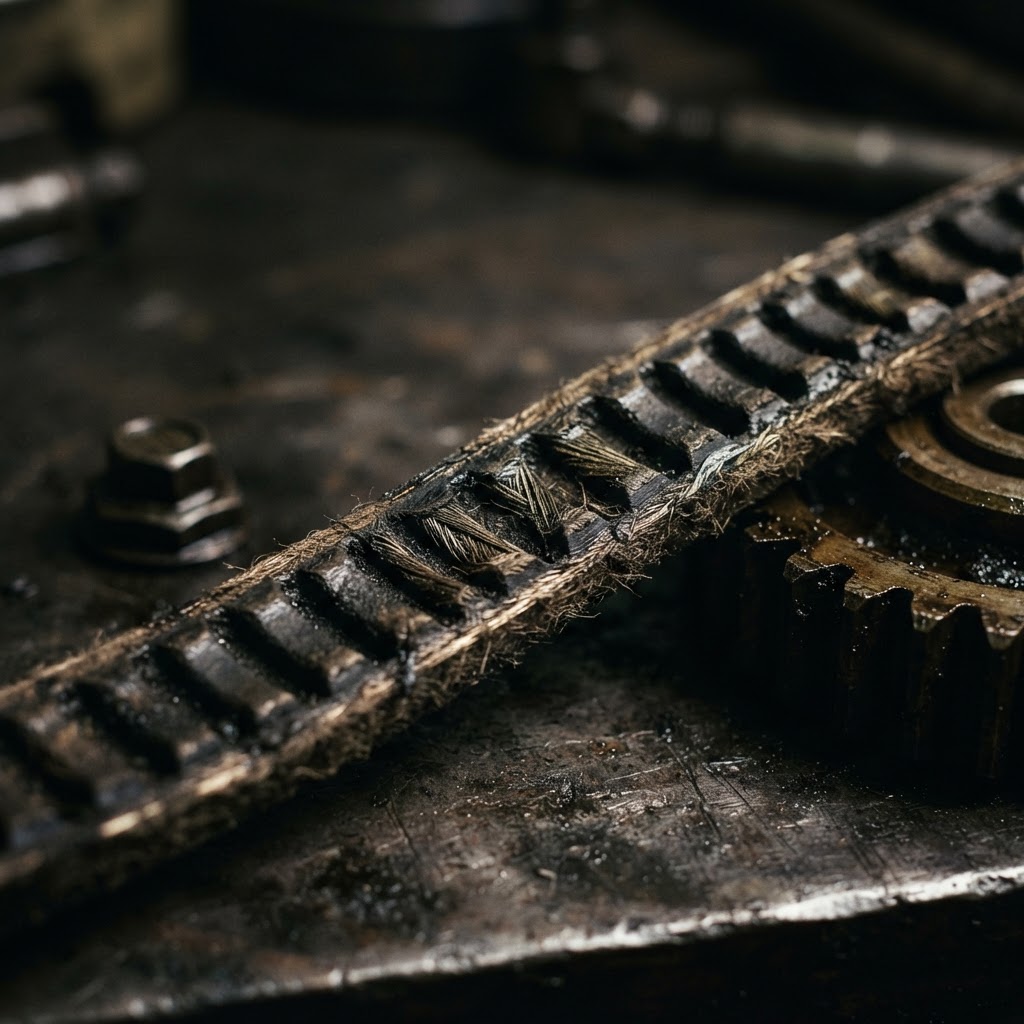
Hydrostatic Drive Belt
If the drive belt has stretched, glazed, or frayed due to heat, it will slip and fail to transfer power to the hydrostatic pump on the affected side.
Hydrostatic Transmission Fluid
Often, internal system air or low fluid levels cause power loss, and a full system flush and fluid replacement are required to restore proper hydraulic pressure.
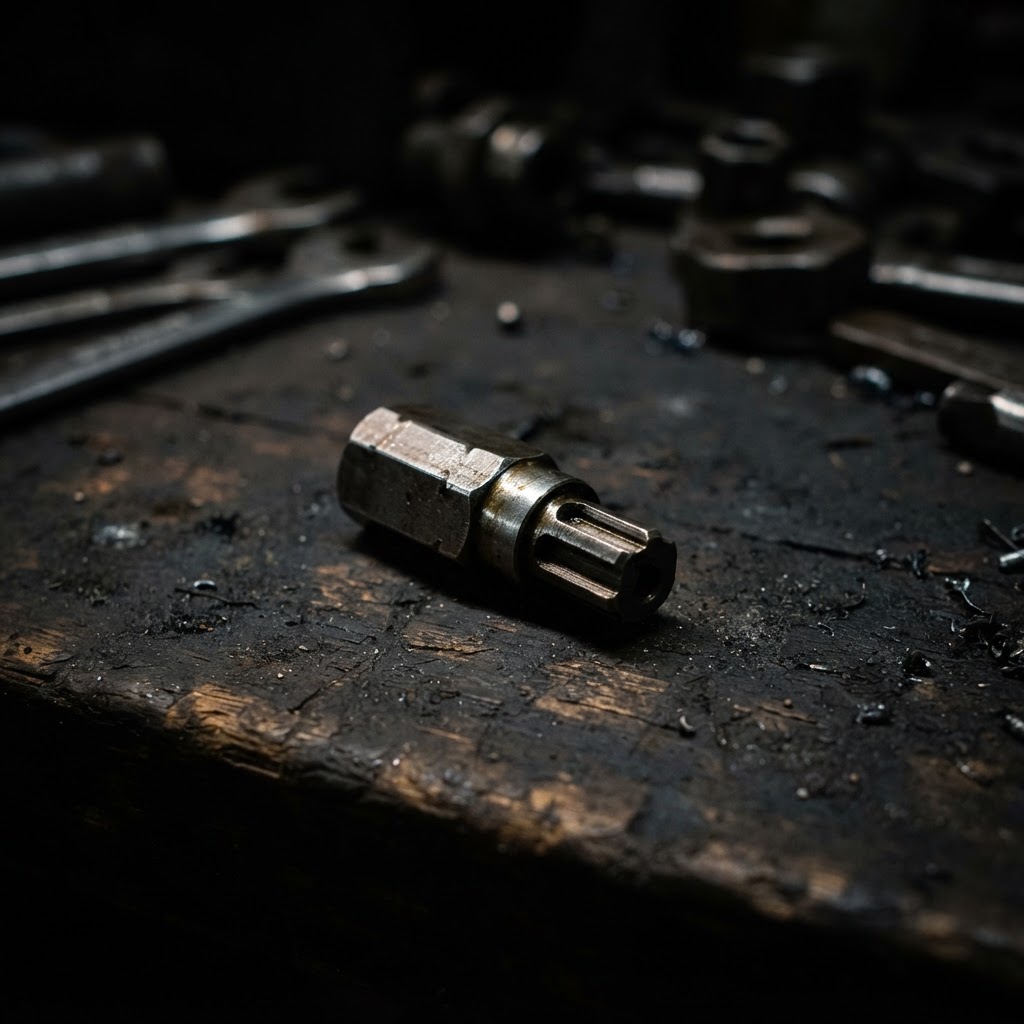
Replacement Axle Key
If the axle key has sheared, the wheel hub will spin independently of the axle, requiring a new hardened key to regain traction and drive engagement.
Hydrostatic Transmission Bypass Valve Kit
If the bypass valve is stuck in the open position due to debris or internal corrosion, it will prevent hydraulic pressure from building, requiring a kit to replace the damaged valve components.
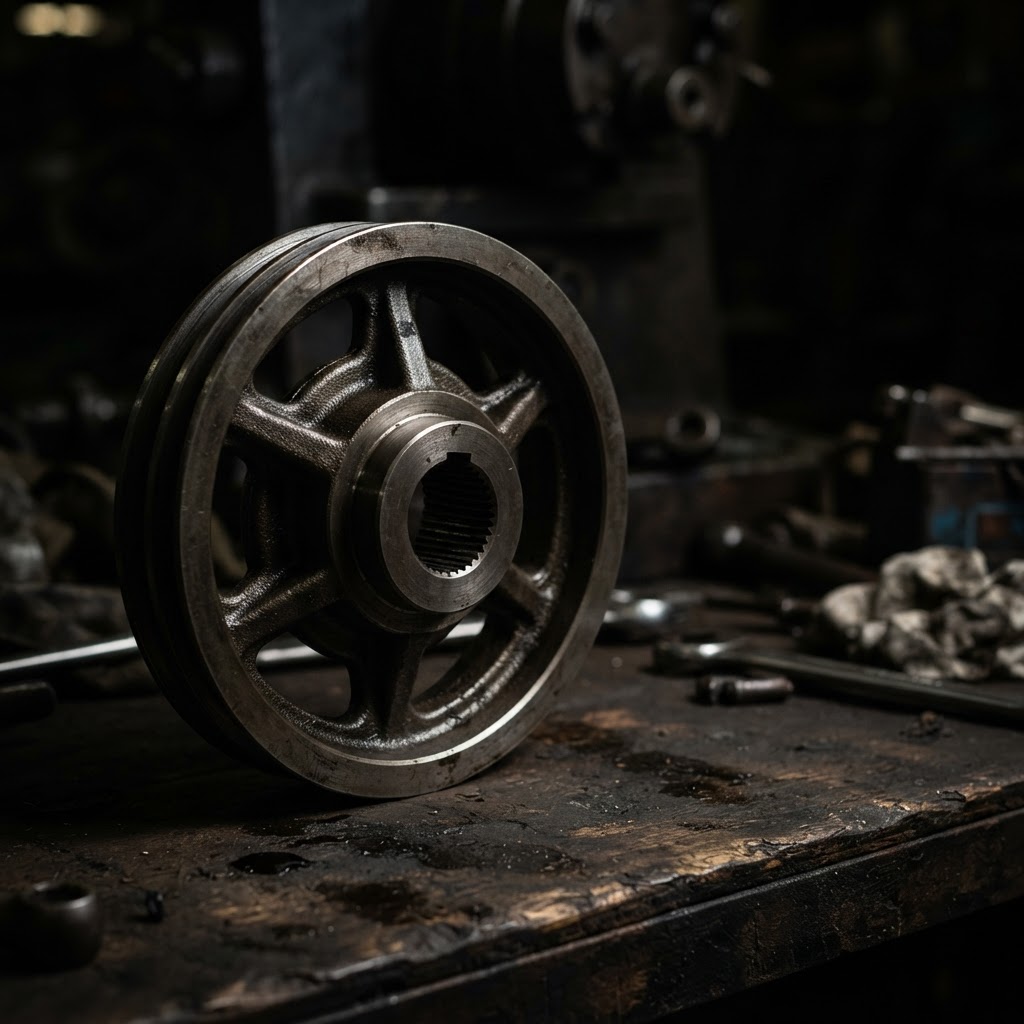
Hydrostatic Pump Drive Pulley
If the pulley shaft or keyway has stripped, it will spin on the shaft without engaging the hydrostatic pump, necessitating a replacement pulley to restore transmission functionality.
Affiliate Disclosure: Lil Engine may earn commissions from qualifying purchases.
Pro Tips from the Community
Real-world fixes from Reddit, YouTube & forums.
"Before assuming the hydro is dead, swap the rear tires. I've seen wheel hubs strip their internal splines on Toros; if the problem moves to the other side, it's just a bad wheel hub."
Reddit r/lawnmowers"Check the cooling fans on top of the hydro pumps. If the plastic blades are broken off, the unit will overheat in 15 minutes and stop pulling on that side."
LawnSite.com Forum"The purge process is key. I had to do it 20 times once after a belt snap before the air finally cleared and the left side started grabbing again."
YouTube commentsPrevent This From Coming Back
Clean debris and grass clippings from the transmission cooling fins every 25 hours
Replace the drive belt every 200 hours regardless of visual appearance
Check and tighten all hub lug nuts monthly to prevent axle key shearing
Change hydrostatic fluid and filters at the intervals specified in your specific Toro manual
Prevent This From Happening Again
While you're fixing it, stock up on the maintenance essentials that keep your zero-turn mowers running right.
Hydrostatic Transmission Fluid
Hydro pumps need fresh fluid to maintain drive power and prevent whine.
Get on AmazonDeck Belt
Keep a spare deck belt — they fail at the worst time mid-mow.
Get on AmazonAir Filter
Replace annually to prevent power loss and rough running.
Get on AmazonAffiliate Disclosure: Lil Engine may earn commissions from qualifying purchases.
Frequently Asked Questions
Most modern Toro transaxles are considered 'sealed for life' and are not meant to be opened. It is almost always more cost-effective to replace the entire unit than to attempt a seal kit repair.
Video Help
Helpful videos showing these repairs in action.
Share Your Repair
Real-world fixes help everyone. Share what worked and your repair becomes part of Lil Engine's community database.
Related Problems
More Zero-Turn Mowers GuidesRelated Maintenance Articles
Did this help?
Your feedback helps improve guides for everyone.