Zero Turn Mower One Side Won't Move
⚡ Quick Answer
When one side of a zero-turn mower fails to move, the issue is typically localized to a hydraulic bypass, a broken drive linkage, or a mechanical drive belt failure. By checking the bypass valves for proper seating and inspecting the drive belt tension, you can differentiate between a simple adjustment issue and a catastrophic hydrostatic pump failure. Most instances are caused by disengaged bypass levers or sheared axle keys, which are repairable with basic mechanical knowledge.

What do you want to do?
Most Likely Cause
Disengaged bypass valve
The most common reason for a single-side drive failure is that the bypass valve lever has been accidentally bumped into the 'push' position, which disengages the hydraulic pump from the transmission. This is the first step because it requires no tools and is frequently overlooked when the mower is moved manually or transported on a trailer.
Start here — this is the most common reason for this symptom.
Why This Problem Happens
A zero-turn mower utilizes an independent hydrostatic transmission for each drive wheel, controlled by a lever or joystick assembly. When one side ceases to move, it indicates a total loss of mechanical torque transfer within that specific drive circuit. This usually stems from a failure in the hydrostatic transaxle, such as a sheared internal axle key, a catastrophic failure of the charge pump, or air trapped within the closed-loop hydraulic circuit preventing fluid pressurization. Unlike traditional transmissions, hydrostatic systems rely on hydraulic oil density and pressure to turn the hydraulic motor; if a bypass valve is inadvertently left open, or a drive belt has snapped, the input shaft will spin, but the output force required to move the mower will be absent. Furthermore, linkage geometry is critical; if the tracking rod or damper attached to the drive arm becomes disconnected or bent, the control valve on the transaxle will never move from the neutral position, effectively locking the wheel in a non-driven state despite the engine running smoothly. The issue is essentially a breakdown in the transfer of rotational kinetic energy from the engine crankshaft through the hydraulic pump to the final drive axle.
Common Symptoms
- Machine pulls severely to one side
- Single drive wheel unresponsive to lever input
- Engine bogs down when engaging the dead side
- Grinding or whining noise from the transaxle
- Loss of ground speed on one side during operation
- Hydraulic fluid leaking near the rear wheel
Before You Buy Parts
Quick, free inspections — check these first. Most repairs don't actually need replacement parts.
Diagnostic Flowchart
Follow this decision tree step-by-step to isolate the problem.
Is the bypass (tow) lever engaged on the side that won't move?
Disengage the bypass lever and re-test.
Proceed to check the drive belt and pulleys.
Go to step 2
Is the drive belt intact and properly tensioned on both pulleys?
Proceed to inspect the hydrostatic transmission linkage.
Go to step 3
Replace the damaged drive belt and verify tensioner spring.
Does the control lever move the linkage connected to the transmission input shaft?
Proceed to check for transmission oil level and leaks.
Go to step 4
Adjust, repair, or replace the linkage rods and bushings.
Are there visible oil leaks around the wheel motor or transmission seals?
Identify the leak source and check for internal pump damage.
Purge the air from the hydraulic system.
Go to step 5
Did the mower move after performing the hydrostatic purge procedure?
The system air lock was the root cause; unit is resolved.
Internal transmission pump failure is likely; consult professional service.
Repair Overview
60-120 minutes
$20-$150
First Checks — Start Here
- 1Check if the bypass release levers are fully pushed in
- 2Inspect drive belt for breakage, fraying, or jumping off pulleys
- 3Verify the parking brake is not stuck in the engaged position
- 4Check tire pressure on the non-moving side for rim bead or flat issues
- 5Inspect the control linkage for disconnected rods or pins
- 6Look under the machine for obvious hydraulic fluid leaks
Safety Warnings
- !Ensure the parking brake is engaged to prevent the mower from rolling when you release the bypass valve.
- !Remove the ignition key to prevent accidental engine start-up while your hands are near the pulleys.
- !Use eye protection while crawling under the unit to avoid falling dirt and debris.
- !Always use jack stands; never rely solely on a hydraulic floor jack while removing a mower wheel.
- !Ensure the mower is securely blocked up and the drive wheels are completely free from the ground.
- !Allow the transaxle to cool before checking, as pressurized hydraulic fluid can cause severe burns.
Always disconnect the spark plug, work in a well-ventilated area, and consult a professional if unsure.
Most Likely Causes
Ranked by likelihood — tap each to see diagnosis details.
Most commercial and residential mowers have a bypass lever at the rear to allow for pushing the mower by hand. If this lever was not fully disengaged, the hydraulic system remains in neutral and the wheel will not receive power.
Zero-turn mowers use a primary drive belt to power the input pulleys of both transmissions. If a belt has snapped or jumped off a pulley, the entire transaxle will be deprived of engine power, causing the wheel to stop completely.
🔧 Step-by-Step Fix Guide
Verify Bypass Valve Position
Locate the bypass control lever on the rear frame of the mower near the transmission. Ensure it is firmly locked in the 'drive' position, as these can sometimes be bumped or partially engaged by debris.
Ensure the parking brake is engaged to prevent the mower from rolling when you release the bypass valve.
Inspect Drive Belt Routing
Look at the main drive belt spanning the pulleys at the back of the mower. Check for fraying, missing sections, or if the belt has slipped out of the pulley groove on the specific side that isn't working.
Remove the ignition key to prevent accidental engine start-up while your hands are near the pulleys.
Examine Linkage and Control Arm
Have an assistant move the drive lever while you observe the connection point on the transaxle. If the lever moves but the transmission input arm does not, check for loose ball joints, bent rods, or missing cotter pins.
Use eye protection while crawling under the unit to avoid falling dirt and debris.
Check Axle Hub and Key
Remove the wheel on the affected side and inspect the hub nut. If the nut is tight but the shaft spins inside the wheel hub, the woodruff key or axle key has likely sheared and requires replacement.
Always use jack stands; never rely solely on a hydraulic floor jack while removing a mower wheel.
Purge Hydraulic System
If the system feels 'mushy' or weak, it may have trapped air. Lift the rear wheels off the ground, start the engine, and cycle the drive levers forward and backward multiple times to bleed trapped air through the reservoir.
Ensure the mower is securely blocked up and the drive wheels are completely free from the ground.
Check Hydraulic Oil Level
Locate the expansion tank reservoir on the transaxle and verify that the oil is within the cold-fill range. Low oil levels can prevent the pump from priming, leading to a total loss of drive on that side.
Allow the transaxle to cool before checking, as pressurized hydraulic fluid can cause severe burns.
What To Test Next
If the bypass valves are correctly engaged and the drive belt is intact, the next logical step is to inspect the control arm linkage to ensure physical input is reaching the transmission.
Component Reference

Carburetor & Fuel Intake
The carburetor mixes air and fuel for combustion. A clogged jet or stuck float is the #1 cause of small engine starting and surging problems.

Spark Plug & Ignition System
The spark plug ignites the air-fuel mixture. A fouled plug, wrong gap, or failing ignition coil will prevent the engine from firing.

Oil & Lubrication System
Regular oil changes are critical. Low or dirty oil causes engine wear, overheating, and eventual seizure. Check the dipstick before every season.

Drive & Cutting System
Belts, pulleys, and clutches transfer engine power to the wheels and cutting deck. A worn or thrown belt is the most common drive-system failure.
Photos for educational reference. Actual parts may vary by make and model.
Common Mistakes to Avoid
Assuming the transmission is dead before checking the bypass valve
Over-tightening the hub nut, which can crack the hub casting
Using generic hydraulic oil instead of manufacturer-recommended 20W-50
Failing to inspect the transmission control linkage for slack before opening the hydraulic system
Get the Exact Parts for Your Machine
Tell us your equipment's year, make, and model — we'll search for parts that actually fit, not generic ones.
Finding parts for
Zero turn mower one side won't move
Required Gear
Matched to your Zero turn mower one side won't move — click to find the exact fit on Amazon.
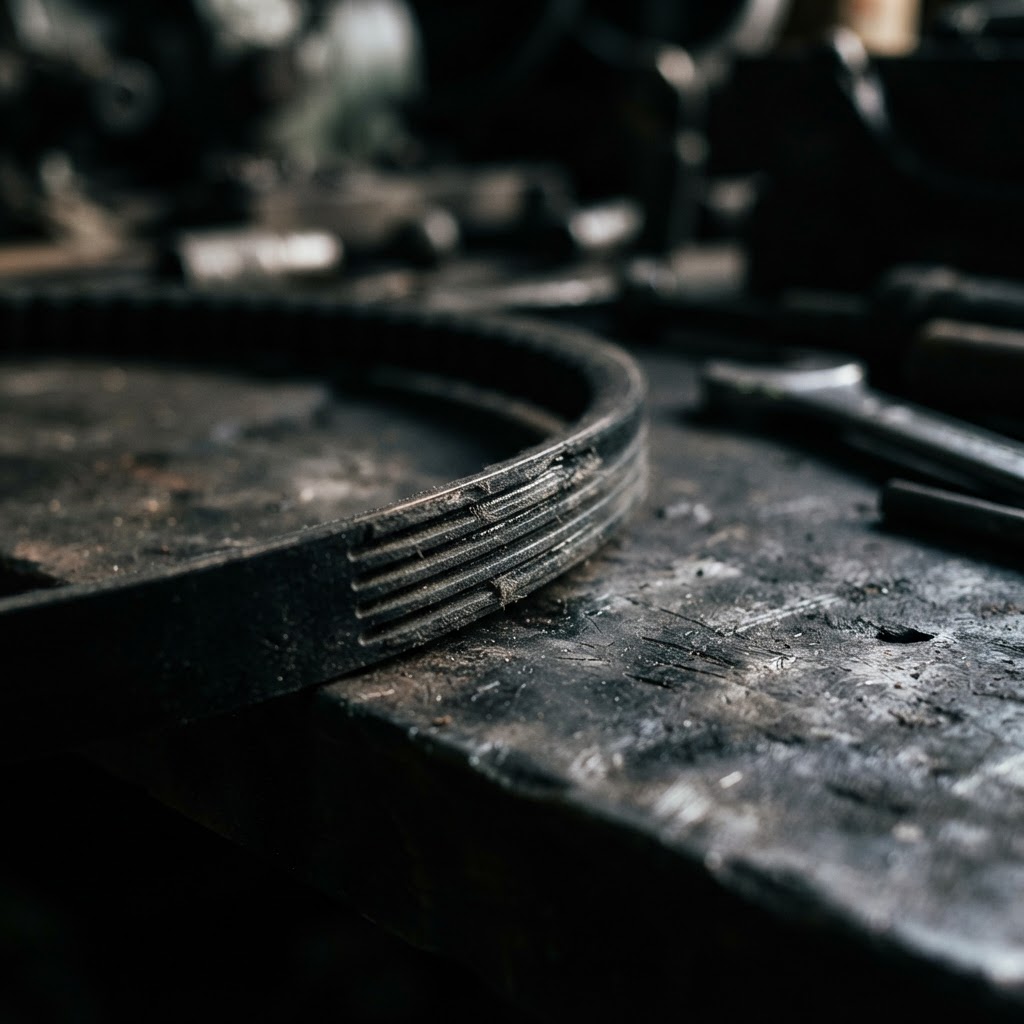
Drive Belt
If inspection reveals the belt is frayed, stretched, or snapped, it must be replaced to restore power transmission from the engine pulley to the hydrostatic transaxles.

Woodruff Key
When a sheared axle key is identified as the cause of wheel slippage, replacing it is necessary to re-establish the mechanical connection between the transmission output shaft and the wheel hub.

Hydrostatic Transmission Fluid
If the diagnostic check indicates low levels or aeration, replacing the oil and purging the system is essential to restore proper hydraulic pressure to the affected drive motor.
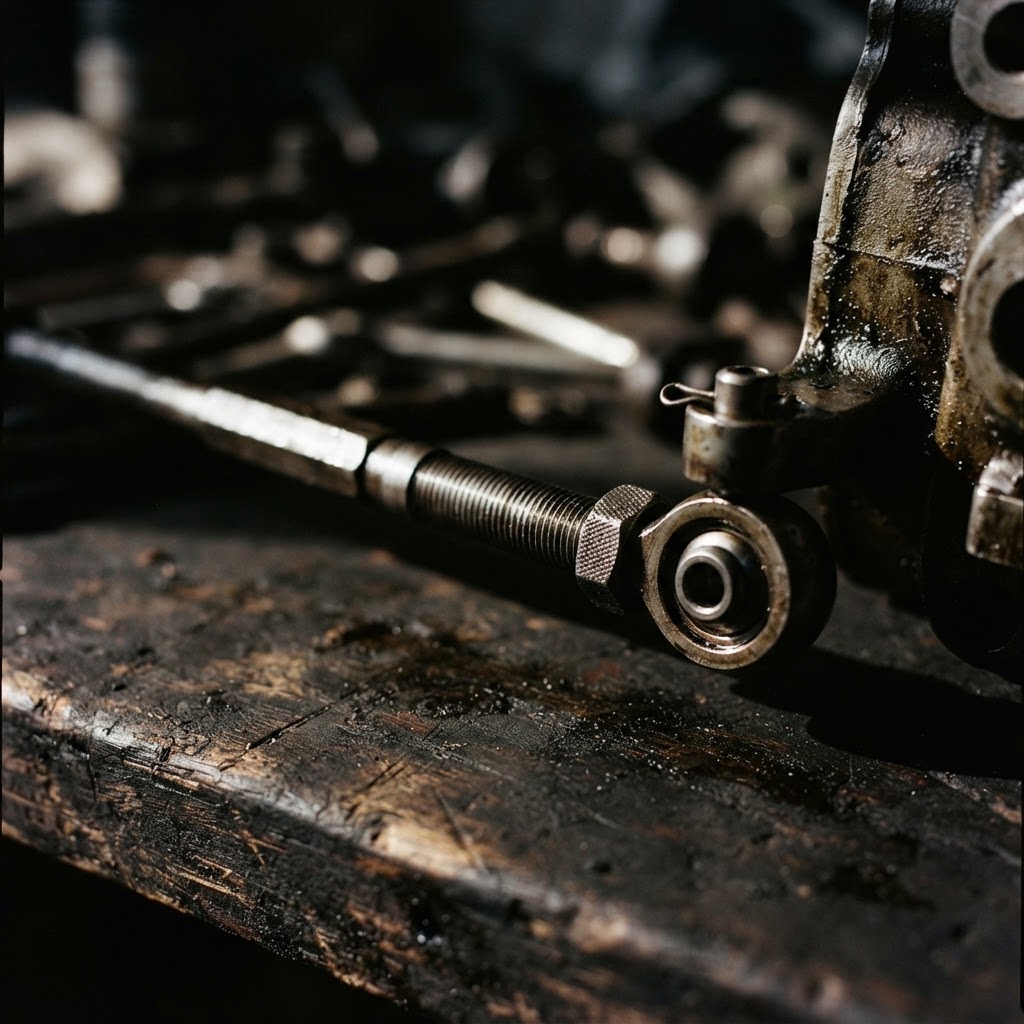
Control Linkage Rod
If the control arm is damaged or bent, replacing the rod restores the correct physical input required to actuate the transmission's pump swash plate for forward and reverse movement.
Affiliate Disclosure: Lil Engine may earn commissions from qualifying purchases.
Pro Tips from the Community
Real-world fixes from Reddit, YouTube & forums.
"Check that the bypass valve lever on the back of the hydrostatic transmission is fully engaged and not stuck in the open position."
LawnSite.com Forum"Inspect the drive linkage for a loose or sheared cotter pin, as these often vibrate out and leave the transmission lever disconnected from the handle."
YouTube comments"If the fluid is low or the belt is slipping on one pump, it will feel like a dead transmission even though the pump is likely still healthy."
Reddit r/smallengines"Purge the air from the hydrostatic transmission by jacking up the rear and running the wheels in both directions for several minutes with the bypass lever open and closed."
TractorByNetBrand-Specific Notes
Scag
Scag mowers often use dual-pump configurations with independent fluid reservoirs. Ensure the individual fill port for the affected side is inspected for low oil levels.
John Deere
Z-Trak models frequently experience linkage slop due to worn dampers. Check for excessive play in the dampener bushings which prevents the transmission from reaching full stroke.
Exmark
Exmark units often feature Hydro-Gear integrated transmissions. If one side fails, check the cooling fan on top of the transmission for debris buildup, which causes thermal shutdown.
Model-Specific Variations
Z-Force S
Uses a steering wheel linkage rather than traditional lap bars. Inspect the rack-and-pinion assembly for mechanical binding if one side is unresponsive.
Residential Z200
Equipped with sealed EZT transmissions that are not serviceable. If these units fail, the entire transaxle must typically be replaced rather than repaired.
Commercial Lazer Z
Utilizes heavy-duty hydraulic hoses and separate pumps. Check for pinched hydraulic lines under the frame rails that can restrict fluid flow to the wheel motor.
Diagnostic Matrix for Transmission Failure
| Symptom | Primary Cause | Difficulty |
|---|---|---|
| No movement | Bypass lever engaged | Easy |
| Sluggish movement | Low hydraulic oil | Medium |
| No movement (engine revs high) | Snapped drive belt | Medium |
| Whining noise | Internal pump failure | Hard |
Real-World Repair Examples
Situation
A customer reported the mower only turned in one direction. Investigation revealed a disconnected dampener rod on the left control assembly.
Solution
I reattached the rod using a new cotter pin and calibrated the tracking.
The mower returned to perfectly straight line travel.
Situation
A mower experienced complete power loss on the right side after heavy use. Oil was found leaking from the input shaft seal.
Solution
I removed the hydrostatic transaxle and replaced the input shaft seal and reservoir cap.
Leakage stopped and hydraulic pressure was restored.
Situation
A user could not get the machine to move despite the engine running. The bypass levers were accidentally left in the open position.
Solution
I reset both bypass valves to the closed operating position and verified engagement.
The mower regained full drive power immediately.
Prevent This From Coming Back
Clean debris from around the cooling fans on the transaxles regularly to prevent overheating
Perform a transmission oil change according to the hour interval specified in your manual
Inspect drive belts for tension and wear at the start of every mowing season
Grease linkage pivot points to prevent seizure and rod bending
Prevent This From Happening Again
While you're fixing it, stock up on the maintenance essentials that keep your zero-turn mowers running right.
Hydrostatic Transmission Fluid
Hydro pumps need fresh fluid to maintain drive power and prevent whine.
Get on AmazonDeck Belt
Keep a spare deck belt — they fail at the worst time mid-mow.
Get on AmazonAir Filter
Replace annually to prevent power loss and rough running.
Get on AmazonAffiliate Disclosure: Lil Engine may earn commissions from qualifying purchases.
Frequently Asked Questions
It is worth checking, but usually, a total loss of movement is caused by a mechanical failure or severe air lock rather than just low fluid. If the fluid is low, look for external leaks at the seals before adding more.
Related Questions
Common variations and related questions about this repair.
Why is my zero turn mower sluggish on one side?
Sluggishness is often caused by air in the hydraulic system or a worn drive belt. Try purging the system by raising the drive wheels and moving the levers through their full range of motion repeatedly.
Can I repair a hydrostatic transmission myself?
Simple issues like linkage adjustments or oil changes are DIY-friendly. However, internal pump or motor repairs require specialized tools and extreme cleanliness to prevent contamination.
What is the bypass lever on a zero turn mower?
The bypass lever is a manual release that allows you to push the mower by hand when the engine is off. If it is not fully engaged, the transmission will not receive power.
How often should I change transmission oil on a zero turn?
Most commercial transmissions require an oil and filter change every 500 to 1,000 hours. Always consult your owner's manual as some entry-level transmissions are considered maintenance-free.
Is a squealing noise a sign of transmission failure?
Squealing is usually caused by a slipping drive belt or a seized pulley bearing. It is rarely the transmission itself unless accompanied by a grinding noise or total loss of power.
How do I purge air from a ZTR transmission?
To purge, unlock the bypass valves, start the engine, and slowly cycle the speed control levers forward and backward 5-6 times. Re-engage the bypass valves and check for normal operation.
Video Help
Helpful videos showing these repairs in action.
Share Your Repair
Real-world fixes help everyone. Share what worked and your repair becomes part of Lil Engine's community database.
Related Problems
More Zero-Turn Mowers GuidesRelated Maintenance Articles
Did this help?
Your feedback helps improve guides for everyone.