Scag Zero Turn Mower Won't Start
⚡ Quick Answer
Most Scag starting issues are caused by a dead battery, safety interlocks, or stale fuel. Start by checking your battery connections and ensuring the parking brake and blade engagement levers are in the correct starting positions.
What do you want to do?
Most Likely Cause
Safety Interlock Failure
Scag mowers require the parking brake to be set and the control levers to be in the outward neutral position to complete the starter circuit. A misadjusted or faulty microswitch on the steering levers will prevent the starter solenoid from receiving voltage.
Start here — this is the most common reason for this symptom.
Why This Problem Happens
A Scag zero-turn mower failing to start is typically a breakdown in one of three critical systems: the safety interlock, the charging/starting circuit, or the fuel delivery path. Scag utilizes a complex array of microswitches—located at the parking brake, steering levers, and PTO engagement switch—designed to complete a ground path to the ignition module or starter solenoid. If any of these mechanical switches fail to close or if vibration has introduced high-resistance corrosion into the Deutsch connectors, the starter solenoid will not receive the 12V trigger signal, resulting in a silent machine. Electrically, Scag units often employ Kohler or Kawasaki engines which rely on a solid-state ignition module; if the safety circuit is bypassed or faulty, it will kill the spark entirely. Mechanically, if the starter engages but the engine won't fire, the failure usually stems from ethanol-induced phase separation in the fuel system. This degrades the fuel over winter, clogging the fine jets in the carburetor or fouling the fuel pump pulse port, preventing the combustion cycle from initiating. Essentially, the mower's brain, the safety system, or the fuel stoichiometry has reached a state that precludes ignition or cranking.
Common Symptoms
- Complete silence upon turning the key
- Single audible click from the starter solenoid
- Engine cranks vigorously but refuses to catch
- Starter motor spins but the engine will not turn over
- Fuel smell or visible leaking around the carburetor throat
Before You Buy Parts
Quick, free inspections — check these first. Most repairs don't actually need replacement parts.
Complete Resource Guide
Ultimate Zero-Turn Mower Troubleshooting & Repair Guide
Brand Resource Hub
Scag Mower Troubleshooting & Repair Hub
Repair Overview
1–3 hours
$20–$150
First Checks — Start Here
- 1Ensure the parking brake is engaged
- 2Check that the PTO (blade engagement) switch is in the OFF position
- 3Verify the battery terminal connections are tight and clean
- 4Check that the fuel shut-off valve is in the open position
- 5Inspect the fuel level in the tank
Safety Warnings
- !Always wear safety glasses; lead-acid batteries can off-gas hydrogen.
- !Ensure the mower is on a flat surface; it will crank even if the safety switches are not engaged.
- !Disconnect the battery negative terminal before probing wire harnesses.
- !Keep all ignition sources away and have a fire extinguisher nearby when handling fuel.
- !Use only carburetor cleaner specifically designed to dissolve varnish.
- !Do not touch the tester while cranking to avoid a high-voltage shock.
- !Assuming the battery is good just because the headlights or dash lights turn on
- !Using a screwdriver to bridge solenoid terminals without verifying neutral safety
- !Cleaning only the fuel filter while ignoring the gummed-up carburetor jets
Always disconnect the spark plug, work in a well-ventilated area, and consult a professional if unsure.
Most Likely Causes
Ranked by likelihood — tap each to see diagnosis details.
Scag mowers require the parking brake to be set and the control levers to be in the outward neutral position to complete the starter circuit. A misadjusted or faulty microswitch on the steering levers will prevent the starter solenoid from receiving voltage.
The starter solenoid on Scag mowers is mounted near the battery; it is highly susceptible to vibration-induced loosening and moisture-related corrosion. Check for a white or green crust on the large copper terminal nuts which prevents sufficient current flow to the starter.
🔧 Step-by-Step Fix Guide
Test Battery Voltage and Connections
Use a digital multimeter set to DC volts to check battery voltage; it must read at least 12.6V. Inspect the positive and negative terminals for corrosion and ensure the connections are tight with a socket set.
Always wear safety glasses; lead-acid batteries can off-gas hydrogen.
Bypass the Starter Solenoid
With the ignition in the 'On' position and the mower in neutral, use an insulated screwdriver to bridge the two large terminals on the solenoid. If the starter engages, the solenoid is likely faulty.
Ensure the mower is on a flat surface; it will crank even if the safety switches are not engaged.
Check the Safety Microswitches
Inspect the switches under the control levers and at the parking brake linkage for loose wires or bent actuators. Use the continuity function on your multimeter to verify that the switch closes when the lever is moved.
Disconnect the battery negative terminal before probing wire harnesses.
Inspect Fuel Quality and Flow
Disconnect the fuel line at the carburetor inlet and turn the fuel valve on to verify a steady flow of gasoline. If flow is weak, check the inline fuel filter for debris or blockage.
Keep all ignition sources away and have a fire extinguisher nearby when handling fuel.
Clean the Carburetor Jet
If fuel is reaching the bowl, remove the carburetor float bowl nut using a wrench. Use a fine piece of wire or compressed air to clean the tiny holes in the main jet, which is located in the center of the brass nut.
Use only carburetor cleaner specifically designed to dissolve varnish.
Test for Ignition Spark
Pull the spark plug wire and attach an inline spark tester between the boot and the plug. Crank the engine and observe if there is a sharp blue spark; no spark indicates a failed coil or a grounded-out kill wire.
Do not touch the tester while cranking to avoid a high-voltage shock.
What To Test Next
If fuel delivery checks out, the next thing to inspect is spark — remove the spark plug, ground its threads to the engine block, and crank the engine to look for a visible blue spark.
Component Reference

Carburetor & Fuel Intake
The carburetor mixes air and fuel for combustion. A clogged jet or stuck float is the #1 cause of small engine starting and surging problems.

Spark Plug & Ignition System
The spark plug ignites the air-fuel mixture. A fouled plug, wrong gap, or failing ignition coil will prevent the engine from firing.

Oil & Lubrication System
Regular oil changes are critical. Low or dirty oil causes engine wear, overheating, and eventual seizure. Check the dipstick before every season.

Air Filter & Intake
A clogged air filter starves the engine of air, causing rich running, power loss, and hard starting. Inspect and clean or replace it each season.
Photos for educational reference. Actual parts may vary by make and model.
Common Mistakes to Avoid
Assuming the battery is good just because the headlights or dash lights turn on
Forgetting to ensure the PTO switch is in the 'Off' position
Using a screwdriver to bridge solenoid terminals without verifying neutral safety
Cleaning only the fuel filter while ignoring the gummed-up carburetor jets
If This Didn't Fix It
Still having trouble? These are the next things to check:
Get the Exact Parts for Your Machine
Tell us your equipment's year, make, and model — we'll search for parts that actually fit, not generic ones.
Finding parts for
Scag zero turn mower
Required Gear
Matched to your Scag zero turn mower — click to find the exact fit on Amazon.
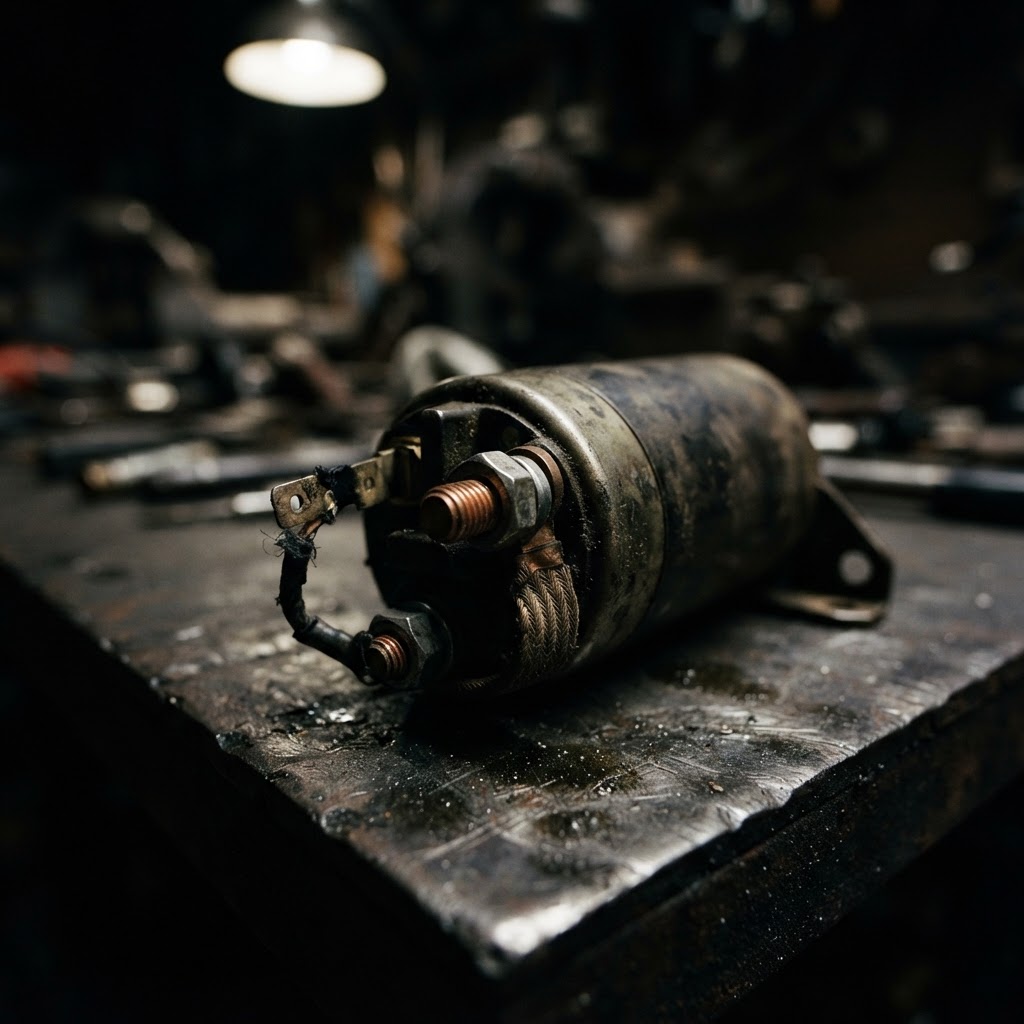
Starter Solenoid
If terminal cleaning fails to restore the circuit, the internal contacts have likely pitted or fused, requiring a direct replacement to engage the starter motor.

Carburetor Rebuild Kit
When stale fuel causes permanent varnish buildup in the jets that cleaning sprays cannot remove, this kit provides the specific gaskets and orifices needed to restore proper fuel flow.
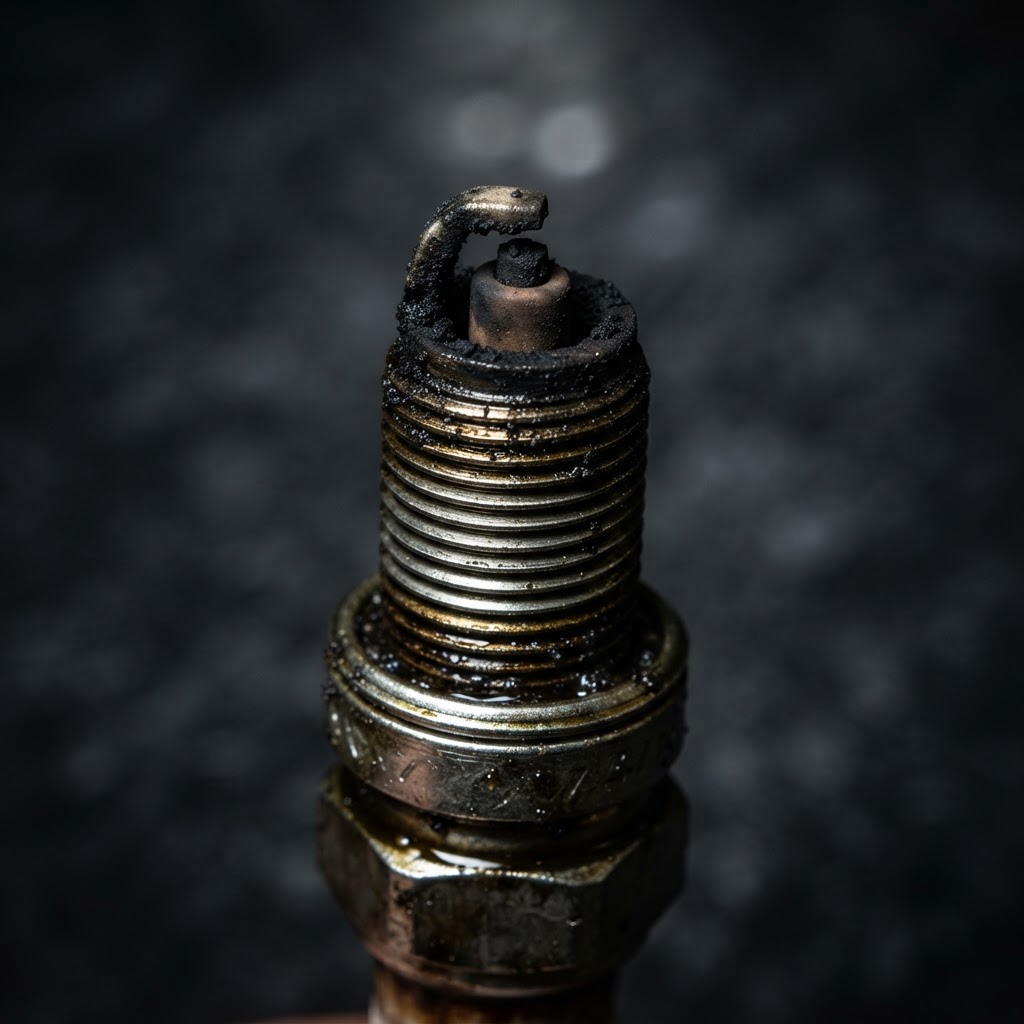
Spark Plug
If testing reveals a lack of spark or if the electrode is heavily carbon-fouled, a new plug is the necessary component to restore the ignition combustion cycle.
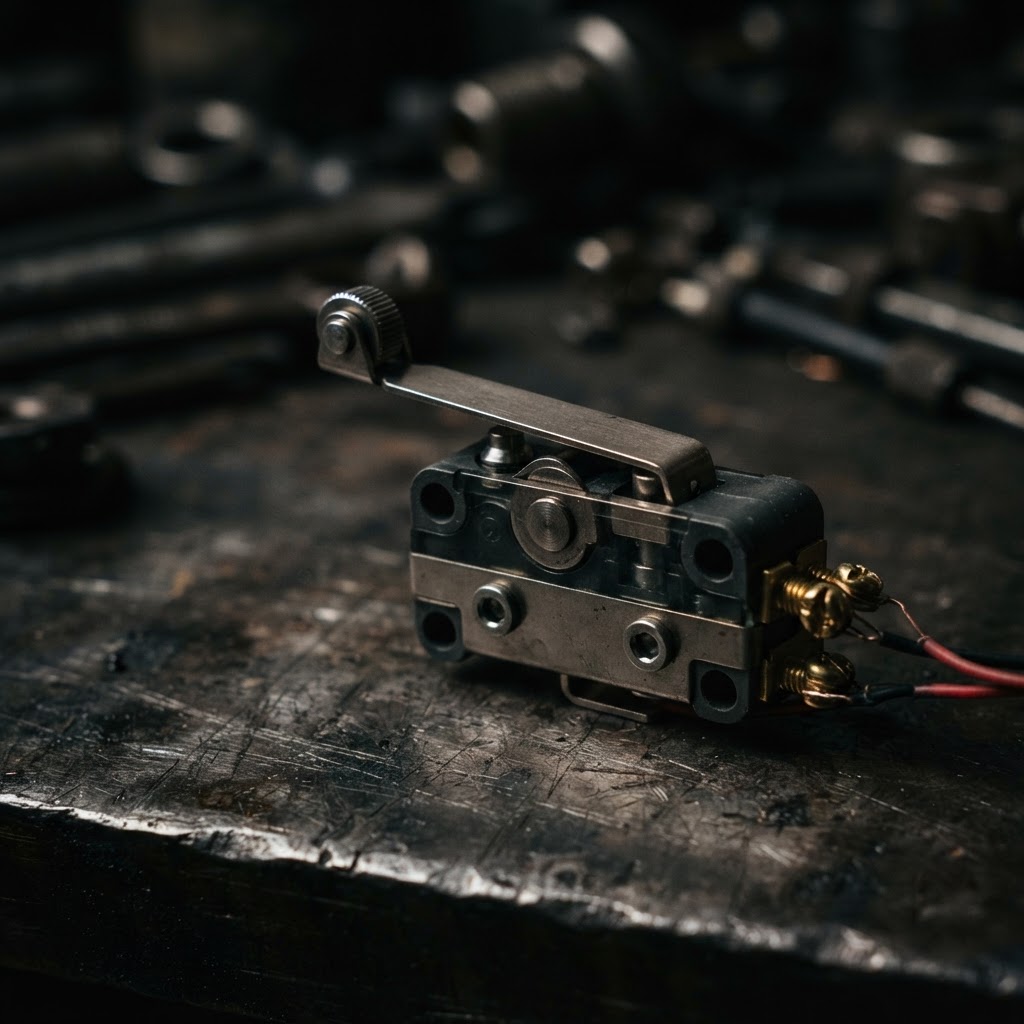
Safety Microswitch
Once a failed safety interlock is identified during testing, this mechanical switch must be replaced to bridge the circuit and allow the engine to receive the ignition signal.
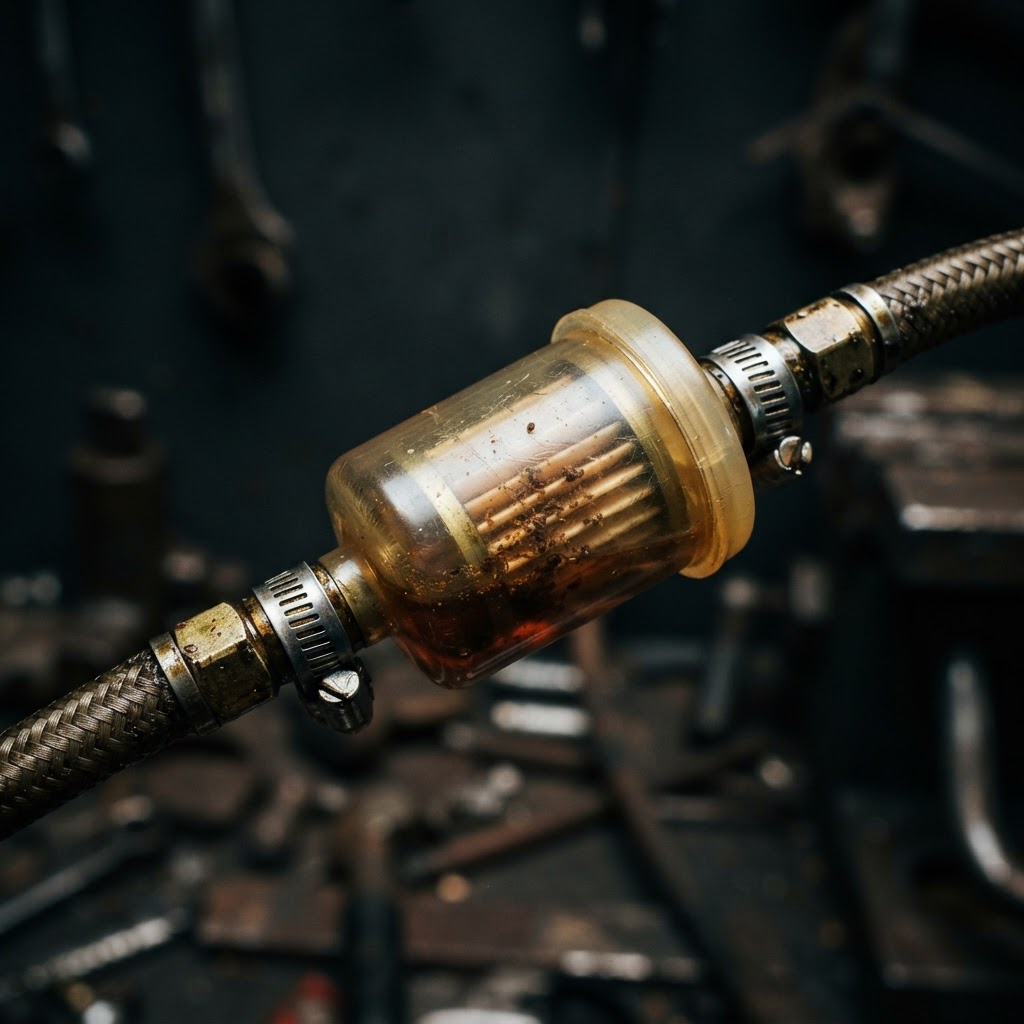
Fuel Filter
If fuel quality is compromised, the existing filter will likely be clogged with debris, necessitating a replacement to ensure clean fuel reaches the newly cleaned carburetor.
Affiliate Disclosure: Lil Engine may earn commissions from qualifying purchases.
Pro Tips from the Community
Real-world fixes from Reddit, YouTube & forums.
"Check your seat safety switch by bypassing it with a jumper wire to rule out a faulty sensor killing the ignition."
LawnSite.com Forum"Spray a small amount of starting fluid directly into the air intake; if it briefly runs, you know you have a fuel delivery issue rather than an electrical one."
Reddit r/smallengines"Inspect the fuse block under the seat for green corrosion or blown fuses, as moisture buildup is a common cause for intermittent starting issues on Scag models."
YouTube comments"If you hear a single click but no crank, tap the starter solenoid with a screwdriver handle while turning the key to see if the internal contacts are stuck."
TractorByNetPrevent This From Coming Back
Always use a fuel stabilizer like Sta-Bil in your gas can
Apply dielectric grease to all electrical harness connectors annually
Keep the battery terminals clean and coated with a protective spray
Run the engine until dry or add stabilizer before long-term storage
Prevent This From Happening Again
While you're fixing it, stock up on the maintenance essentials that keep your zero-turn mowers running right.
Hydrostatic Transmission Fluid
Hydro pumps need fresh fluid to maintain drive power and prevent whine.
Get on AmazonDeck Belt
Keep a spare deck belt — they fail at the worst time mid-mow.
Get on AmazonAir Filter
Replace annually to prevent power loss and rough running.
Get on AmazonAffiliate Disclosure: Lil Engine may earn commissions from qualifying purchases.
Frequently Asked Questions
Yes, a click indicates the solenoid is engaging but the starter motor lacks the amperage to turn the engine. Check your battery charge level and clean the frame-ground cable connection first.
Video Help
Helpful videos showing these repairs in action.
Share Your Repair
Real-world fixes help everyone. Share what worked and your repair becomes part of Lil Engine's community database.
Related Problems
More Zero-Turn Mowers GuidesRelated Maintenance Articles
Related Symptoms
Related Searches
Scag zero turn mower Guides
Did this help?
Your feedback helps improve guides for everyone.