Zero Turn Mower Won't Move
⚡ Quick Answer
Most zero turn mowers won't move because the transmission bypass valves are engaged or the drive belt has slipped or snapped. Start by ensuring your parking brake is disengaged and verifying that the bypass levers are in the 'operate' position.
What do you want to do?
Most Likely Cause
Engaged Bypass Valves
Most commercial mowers have bypass valves to allow for manual pushing. If these are left open, the hydraulic fluid simply circulates in a loop rather than powering the drive motors.
Start here — this is the most common reason for this symptom.
Why This Problem Happens
A zero-turn mower relies on a hydrostatic transmission system where a dedicated pump drives a dedicated wheel motor for each side. When the machine fails to move, it is typically due to a loss of hydraulic pressure or mechanical linkage failure. The system relies on a constant fluid loop between the charge pump and the hydrostatic drive units. If air enters the system, a drive belt snaps, or the bypass valves are left in the open position, the pump cannot create the necessary fluid displacement to turn the hydraulic motors. This loss of 'hydraulic continuity' means the engine might be spinning freely, but that kinetic energy is never transferred to the drive wheels. Furthermore, the hydrostatic system depends on clean, cool oil; heat degradation or internal component wear causes internal slippage, preventing the build-up of the thousands of psi required for movement.
Common Symptoms
- Engine runs but mower remains stationary
- Whining or grinding noise from transmission area
- Bypass levers feel loose or unresponsive
- Hydrostatic drive belt frayed or missing
- Single-side movement only
- Tires spin freely while engine is off but in gear
Before You Buy Parts
Quick, free inspections — check these first. Most repairs don't actually need replacement parts.
Complete Resource Guide
Ultimate Zero-Turn Mower Troubleshooting & Repair Guide
Repair Overview
1–3 hours
$0–$150
First Checks — Start Here
- 1Check that the parking brake is fully released.
- 2Ensure the transmission bypass levers are in the engaged/drive position.
- 3Look underneath the mower to see if the drive belt is still on the pulleys.
- 4Check the oil levels in your hydraulic reservoirs if applicable.
- 5Ensure your motion control levers are pushed outward into the neutral position.
Safety Warnings
- !Ensure the parking brake is set before manipulating these levers.
- !Remove the spark plug wire to prevent accidental engine start.
- !Jack the rear up securely on jack stands, never rely on a floor jack alone.
- !Wear eye protection and keep hands away from rotating drive pulleys.
- !Use an impact wrench for stubborn hub nuts.
- !Use only the manufacturer-specified hydraulic fluid, such as 20W-50 or synthetic trans-axle oil.
Always disconnect the spark plug, work in a well-ventilated area, and consult a professional if unsure.
Most Likely Causes
Ranked by likelihood — tap each to see diagnosis details.
Most commercial mowers have bypass valves to allow for manual pushing. If these are left open, the hydraulic fluid simply circulates in a loop rather than powering the drive motors.
The primary drive belt transfers engine power to the transmission input pulleys. Inspect for dry rotting, glazing, or outright breakage that disconnects the engine from the pumps.
🔧 Step-by-Step Fix Guide
Verify Bypass Lever Position
Locate the bypass levers at the rear of the unit. Ensure they are locked in the 'run' position; sometimes vibration causes them to vibrate partially open.
Ensure the parking brake is set before manipulating these levers.
Inspect Drive Belt Integrity
Use a flashlight to check the main belt routing around the engine pulley and the hydrostatic unit pulleys. Look for shredded rubber or the belt laying loosely in the deck area.
Remove the spark plug wire to prevent accidental engine start.
Check Control Arm Linkages
Move the steering levers forward and back while watching the transmission input arms. If the arm does not move with the lever, reattach the clevis pin or replace the bent rod.
Jack the rear up securely on jack stands, never rely on a floor jack alone.
Purge the Hydraulic System
With the bypass valves closed, lift the rear drive wheels off the ground. Run the engine and cycle the steering levers forward and backward 5-10 times to force air into the reservoir.
Wear eye protection and keep hands away from rotating drive pulleys.
Inspect Axle Hub Keys
Remove the rear wheels and check the axle shaft for a missing keyway. If the wheel nut was loose, the key may have sheared or fallen out of the slot.
Use an impact wrench for stubborn hub nuts.
Verify Transmission Fluid Levels
Check the expansion tank reservoir levels. If the fluid is milky, it indicates water contamination and requires a full system flush.
Use only the manufacturer-specified hydraulic fluid, such as 20W-50 or synthetic trans-axle oil.
What To Test Next
If the basics check out, verify spark, fuel delivery, and compression in that order — the three essentials of any combustion engine.
Component Reference

Spark Plug & Ignition System
The spark plug ignites the air-fuel mixture. A fouled plug, wrong gap, or failing ignition coil will prevent the engine from firing.

Oil & Lubrication System
Regular oil changes are critical. Low or dirty oil causes engine wear, overheating, and eventual seizure. Check the dipstick before every season.

Electrical & Starting System
The battery, solenoid, and starter motor work together to crank the engine. A weak battery or corroded connection is often mistaken for a fuel or spark problem.

Drive & Cutting System
Belts, pulleys, and clutches transfer engine power to the wheels and cutting deck. A worn or thrown belt is the most common drive-system failure.
Photos for educational reference. Actual parts may vary by make and model.
Common Mistakes to Avoid
Using generic hydraulic oil instead of manufacturer-recommended synthetic oil
Over-tightening drive belts which puts excessive strain on pump bearings
Forgetting to release the parking brake before diagnosing movement
Running the engine while checking bypass valves on the ground
If This Didn't Fix It
Still having trouble? These are the next things to check:
Get the Exact Parts for Your Machine
Tell us your equipment's year, make, and model — we'll search for parts that actually fit, not generic ones.
Finding parts for
Zero turn mower won't move
Required Gear
Matched to your Zero turn mower won't move — click to find the exact fit on Amazon.

Hydrostatic Drive Belt
If inspection reveals the original belt is glazed, cracked, or snapped, this is the essential replacement component to restore power transfer from the engine to the transmissions.

Hydrostatic Transmission Fluid
After purging air from the hydraulic system or if levels are low, high-quality transmission fluid specific to your hydrostatic unit is required to maintain proper internal pressure and drive engagement.

Axle Keyway Kit
If the hub is spinning on the shaft, the metal key has likely sheared; replacing this hardened steel component is necessary to lock the wheel hub to the axle drive output.
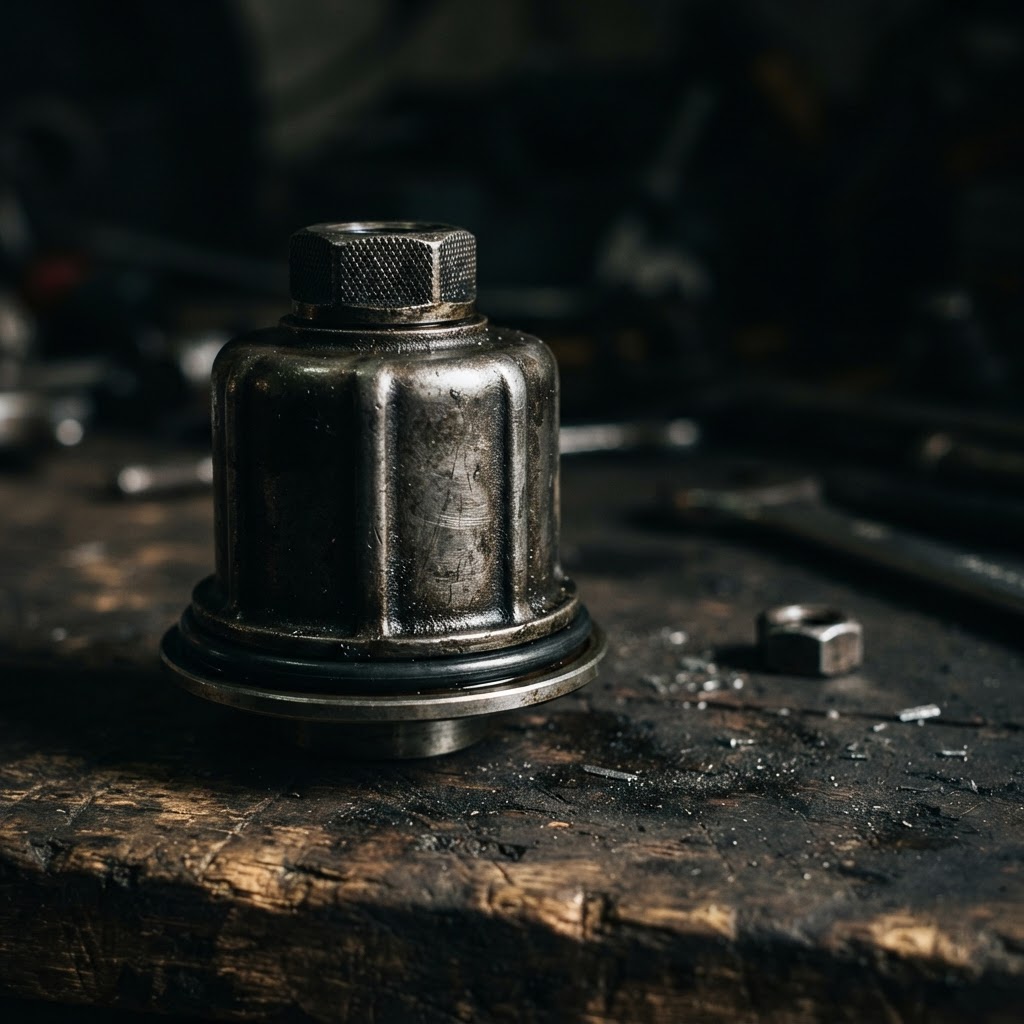
Hydrostatic Transmission Filter
During the purging process, if the fluid appears contaminated or debris is present, installing a fresh filter ensures the internal hydraulic pump remains free of particles that prevent movement.

Control Linkage Bushing Kit
If the control arms feel loose or fail to fully actuate the transmission input levers due to worn connection points, these specific bushings restore the precision movement needed for the mower to engage forward or reverse.
Affiliate Disclosure: Lil Engine may earn commissions from qualifying purchases.
Pro Tips from the Community
Real-world fixes from Reddit, YouTube & forums.
"Always check that the bypass valves on the rear of the transmissions are fully engaged, as they often get bumped while mowing and will leave you with zero drive."
LawnSite.com Forum"If your hydro oil is low or cold, the air pockets will cause the machine to refuse to move; lift the rear tires off the ground and cycle the drive levers forward and back slowly to purge the system."
Reddit r/smallengines"Check the seat safety switch before pulling the transmission, as a loose connection or faulty sensor here will kill the drive signal instantly."
TractorByNet"Verify the drive belt hasn't jumped the pulley; it happens more than you think if a stick or debris jams the tensioner arm."
YouTube commentsPrevent This From Coming Back
Clean debris from cooling fans on top of the transmissions after every mow
Change hydro-oil and filters every 250-500 hours depending on model
Inspect and adjust belt tension twice per season
Lubricate steering linkage pivot points with dry lubricant
Prevent This From Happening Again
While you're fixing it, stock up on the maintenance essentials that keep your zero-turn mowers running right.
Hydrostatic Transmission Fluid
Hydro pumps need fresh fluid to maintain drive power and prevent whine.
Get on AmazonDeck Belt
Keep a spare deck belt — they fail at the worst time mid-mow.
Get on AmazonAir Filter
Replace annually to prevent power loss and rough running.
Get on AmazonAffiliate Disclosure: Lil Engine may earn commissions from qualifying purchases.
Frequently Asked Questions
This is a classic sign of worn internal pump components. As the oil heats up and thins, the internal bypass increases, and the pump loses the ability to maintain pressure.
Video Help
Helpful videos showing these repairs in action.
Share Your Repair
Real-world fixes help everyone. Share what worked and your repair becomes part of Lil Engine's community database.
Related Problems
More Zero-Turn Mowers GuidesRelated Maintenance Articles
Related Symptoms
Related Searches
Zero-Turn Mowers Troubleshooting
Did this help?
Your feedback helps improve guides for everyone.