Ariens Zero Turn Cranks But Won't Start — Fuel & Spark Diagnosis
⚡ Quick Answer
On an Ariens zero turn that cranks but won't fire, the most common culprit is a stuck carburetor fuel solenoid or contaminated fuel. First, listen for a distinct 'click' when you turn the key to the 'On' position; if silent, the solenoid is blocking fuel. Confirm a fuel delivery issue by spraying a 2-second burst of carburetor cleaner into the intake—if the engine briefly roars to life, you must clean the carburetor or replace the fuel solenoid.
What do you want to do?
Most Likely Cause
Stuck Fuel Solenoid
The fuel shut-off solenoid at the bottom of the carburetor bowl fails to retract when the key is turned, preventing fuel from entering the main jet. Test by listening for a faint 'click' sound when the ignition key is switched to the 'On' position.
Start here — this is the most common reason for this symptom.
Why This Problem Happens
When an Ariens zero-turn mower cranks but fails to ignite, the combustion triangle of compression, spark, and fuel/air mixture has been interrupted. Most Ariens units utilize Kawasaki, Kohler, or Briggs & Stratton V-twin engines that rely on precise electronic ignition timing and a clean fuel delivery system. The starting circuit is designed to crank the engine via the starter solenoid and battery, but if the fuel solenoid at the base of the carburetor does not retract or the pulse fuel pump fails to deliver pressurized gas, the cylinders remain dry. Simultaneously, safety interlock switches in the seat, parking brake, or blade engagement lever can sometimes ground out the ignition module, preventing spark even while the starter motor continues to spin. Essentially, the engine's ability to turn over proves the battery and starter are functional, narrowing the failure to an absence of ignition energy or a localized fuel blockage preventing the charge from reaching the combustion chamber. Internal air-fuel imbalances or moisture-damaged ignition coils often manifest this specific 'crank-no-start' condition, requiring a systematic isolation of the fuel path from the vacuum-pulsed pump to the main jet.
Common Symptoms
- Engine turns over at normal cranking speed without firing
- Pungent smell of raw gasoline at the exhaust
- Dry spark plug electrodes after multiple cranking attempts
- Intermittent backfiring during attempted starts
- Loss of ignition spark under compression loads
Before You Buy Parts
Quick, free inspections — check these first. Most repairs don't actually need replacement parts.
Complete Resource Guide
Ultimate Zero-Turn Mower Troubleshooting & Repair Guide
Brand Resource Hub
Ariens Troubleshooting & Repair Guide
Repair Overview
45–90 minutes
$15–$60
First Checks — Start Here
- 1Check fuel level and ensure the shut-off valve is fully open
- 2Listen for the carburetor solenoid 'click' when the key is turned to 'On'
- 3Verify spark using an inline tester (look for a strong blue arc)
- 4Inspect the air filter for heavy debris or oil saturation
- 5Drain the carburetor bowl to check for water or 'sour' smelling fuel
- 6Check that the spark plug gap is set to 0.030 inches
- 7Ensure the oil level is correct (some models have low-oil spark cut-off)
Safety Warnings
- !Keep hands and tools away from moving cooling fan blades while the engine is cranking.
- !Do not over-spray starting fluid, as it lacks internal lubrication and can cause engine knocking.
- !Ensure the mower is on a flat surface with the parking brake engaged before testing electrical components.
- !Wear safety glasses to prevent gasoline spray from contacting your eyes.
- !Use caution when removing the bowl; the gasket may be brittle and require replacement.
- !Only perform this for diagnostic purposes; never leave a mower in a 'bypassed' state for operation.
- !Using old gasoline that has undergone phase separation in the tank.
- !Replacing the spark plugs without checking for proper ignition coil gaps.
- !Attempting to adjust the carburetor before ensuring the fuel solenoid is opening.
- !Ignoring the fuel filter, which can be partially clogged but still pass gravity-fed fuel while failing under pump demand.
Always disconnect the spark plug, work in a well-ventilated area, and consult a professional if unsure.
Most Likely Causes
Ranked by likelihood — tap each to see diagnosis details.
The fuel shut-off solenoid at the bottom of the carburetor bowl fails to retract when the key is turned, preventing fuel from entering the main jet. Test by listening for a faint 'click' sound when the ignition key is switched to the 'On' position.
These engines use a vacuum-pulsed pump that relies on crankcase pressure changes to move fuel. If the diaphragm tears or the impulse line clogs, the engine will crank until the fuel in the carburetor bowl is exhausted, then fail to start.
🔧 Step-by-Step Fix Guide
Verify Spark Integrity
Remove both spark plugs and use an inline spark gap tester to observe the ignition discharge while cranking. A healthy spark should appear bright blue and jump a 1/4-inch gap consistently.
Keep hands and tools away from moving cooling fan blades while the engine is cranking.
Perform a 'Shot of Ether' Test
Remove the air filter and spray a two-second burst of starting fluid into the intake throat, then attempt to start the engine. If the engine fires briefly and dies, you have confirmed a fuel delivery issue rather than a spark failure.
Do not over-spray starting fluid, as it lacks internal lubrication and can cause engine knocking.
Inspect the Fuel Shut-off Solenoid
Locate the solenoid at the base of the carburetor and verify it is receiving 12V DC when the key is on. If it has power but does not click, the solenoid pin is likely seized in the closed position.
Ensure the mower is on a flat surface with the parking brake engaged before testing electrical components.
Test Pulse Fuel Pump Vacuum
Disconnect the fuel line leading to the carburetor and place it into a catch container, then crank the engine briefly. A healthy pump will pulse a steady, consistent stream of fuel; a lack of flow indicates a failed pump or clogged fuel filter.
Wear safety glasses to prevent gasoline spray from contacting your eyes.
Clean Carburetor Main Jet
Remove the carburetor float bowl and use a fine wire or compressed air to clean the brass main jet located in the center stem. Any visible debris in this orifice will prevent fuel from entering the emulsion tube.
Use caution when removing the bowl; the gasket may be brittle and require replacement.
Bypass Safety Switches
If spark is missing, temporarily bridge the seat switch connector to see if the engine regains ignition. This isolates whether a faulty switch is grounding out your ignition module.
Only perform this for diagnostic purposes; never leave a mower in a 'bypassed' state for operation.
What To Test Next
If fuel delivery checks out, the next thing to inspect is spark — remove the spark plug, ground its threads to the engine block, and crank the engine to look for a visible blue spark.
Component Reference

Carburetor & Fuel Intake
The carburetor mixes air and fuel for combustion. A clogged jet or stuck float is the #1 cause of small engine starting and surging problems.

Spark Plug & Ignition System
The spark plug ignites the air-fuel mixture. A fouled plug, wrong gap, or failing ignition coil will prevent the engine from firing.

Oil & Lubrication System
Regular oil changes are critical. Low or dirty oil causes engine wear, overheating, and eventual seizure. Check the dipstick before every season.

Air Filter & Intake
A clogged air filter starves the engine of air, causing rich running, power loss, and hard starting. Inspect and clean or replace it each season.
Photos for educational reference. Actual parts may vary by make and model.
Common Mistakes to Avoid
Using old gasoline that has undergone phase separation in the tank.
Replacing the spark plugs without checking for proper ignition coil gaps.
Attempting to adjust the carburetor before ensuring the fuel solenoid is opening.
Ignoring the fuel filter, which can be partially clogged but still pass gravity-fed fuel while failing under pump demand.
If This Didn't Fix It
Still having trouble? These are the next things to check:
Get the Exact Parts for Your Machine
Tell us your equipment's year, make, and model — we'll search for parts that actually fit, not generic ones.
Finding parts for
Ariens zero turn cranks but
Required Gear
Matched to your Ariens zero turn cranks but — click to find the exact fit on Amazon.

Carburetor Rebuild Kit
This kit provides the essential gaskets, needle, and seat required to clean or replace the main jet and restore proper fuel flow to the engine.
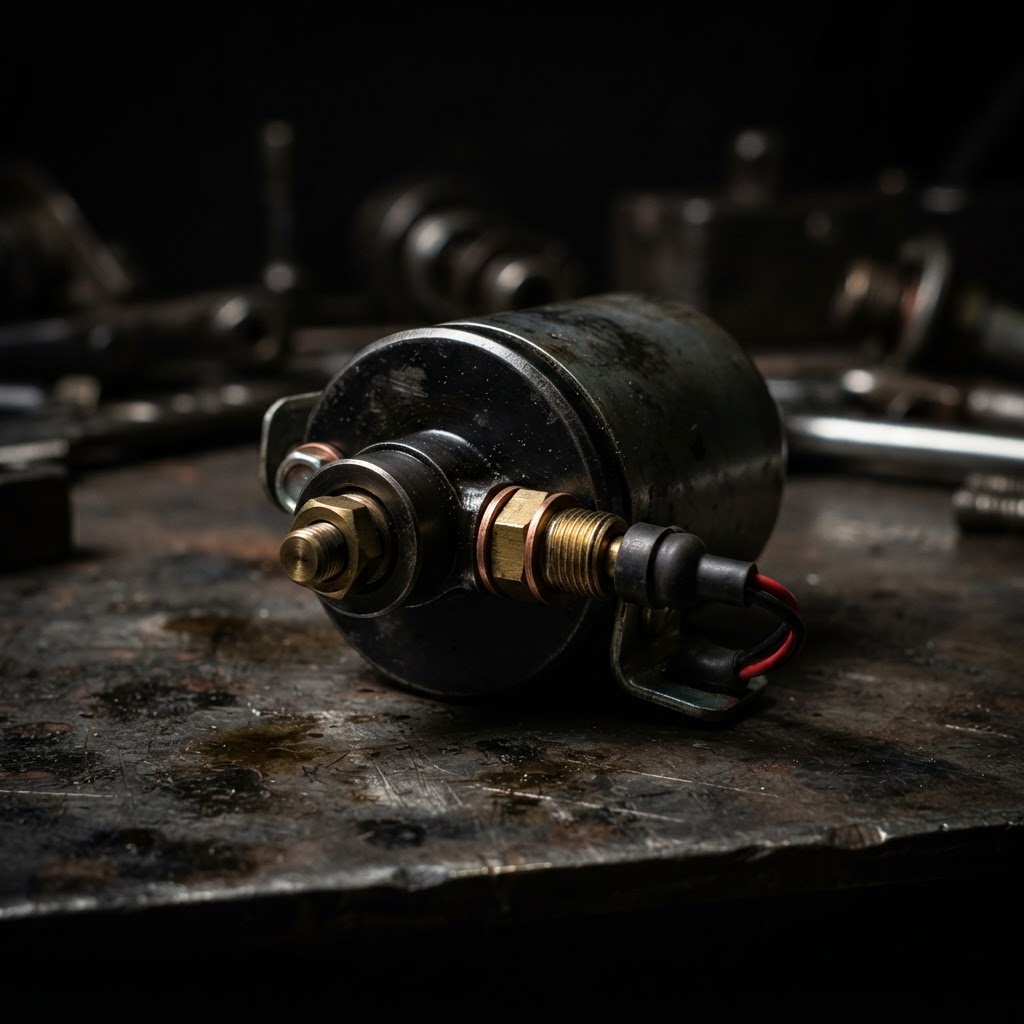
Fuel Shut-off Solenoid
If testing reveals the solenoid is stuck closed, this replacement part is required to allow fuel to enter the carburetor bowl so the engine can start.
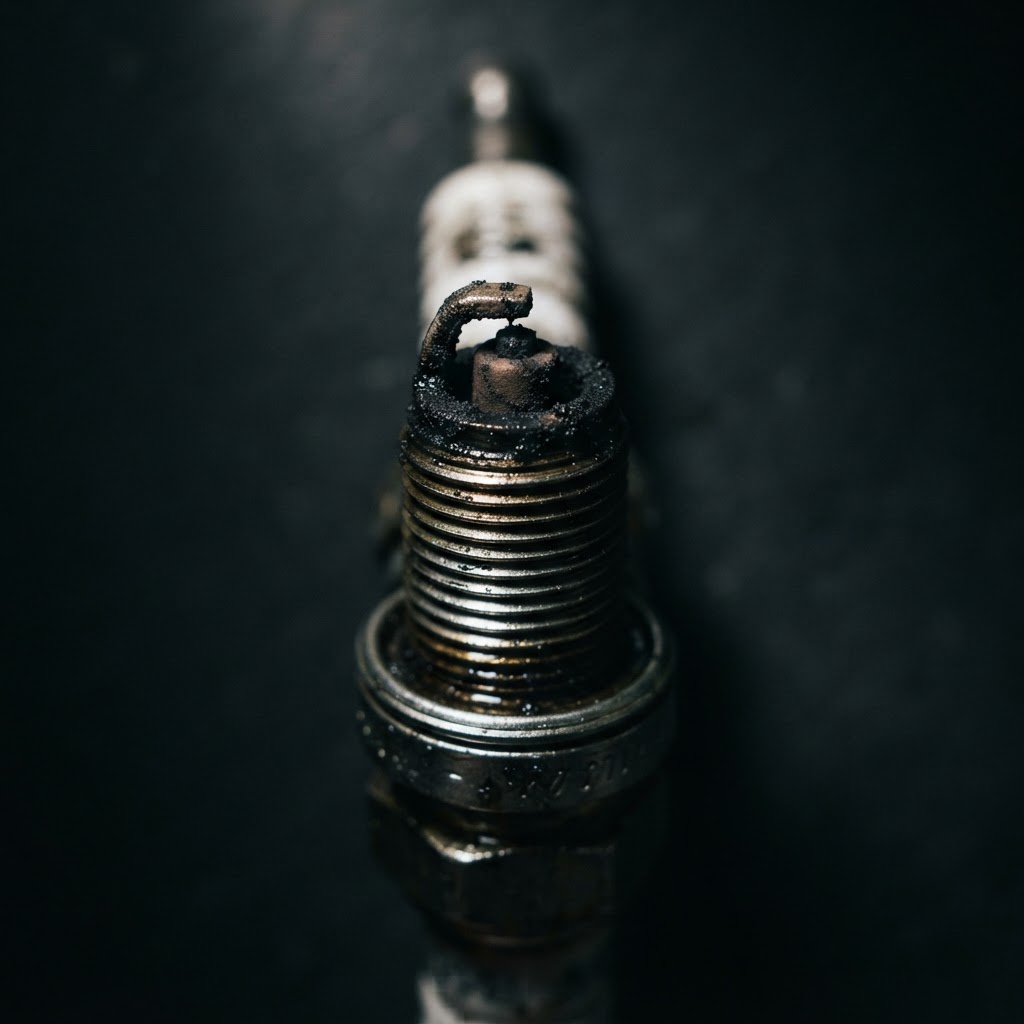
Spark Plug
A fouled or weak plug is a common cause of no-start conditions; replacing it ensures a strong, consistent spark for ignition.
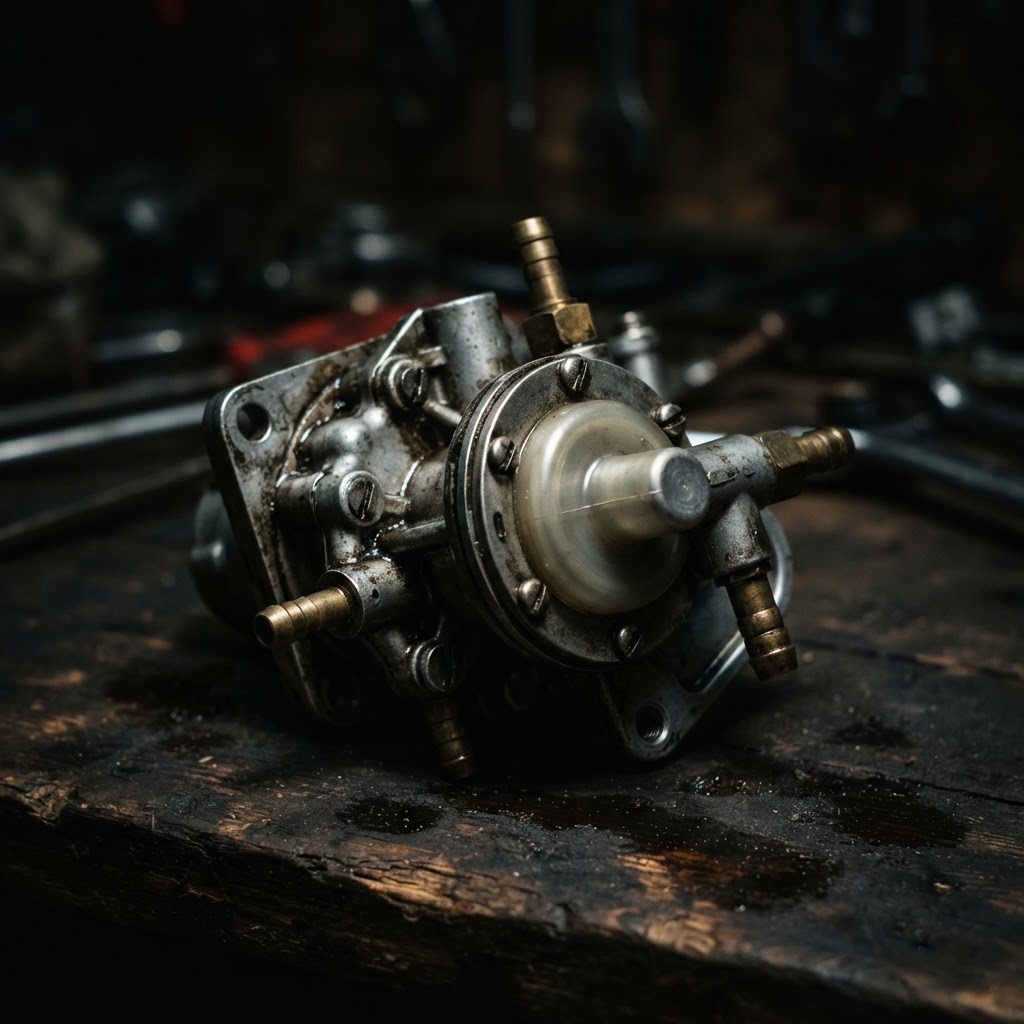
Pulse Fuel Pump
If the vacuum-operated pump fails to deliver fuel from the tank, this replacement is necessary to ensure consistent fuel pressure to the carburetor.
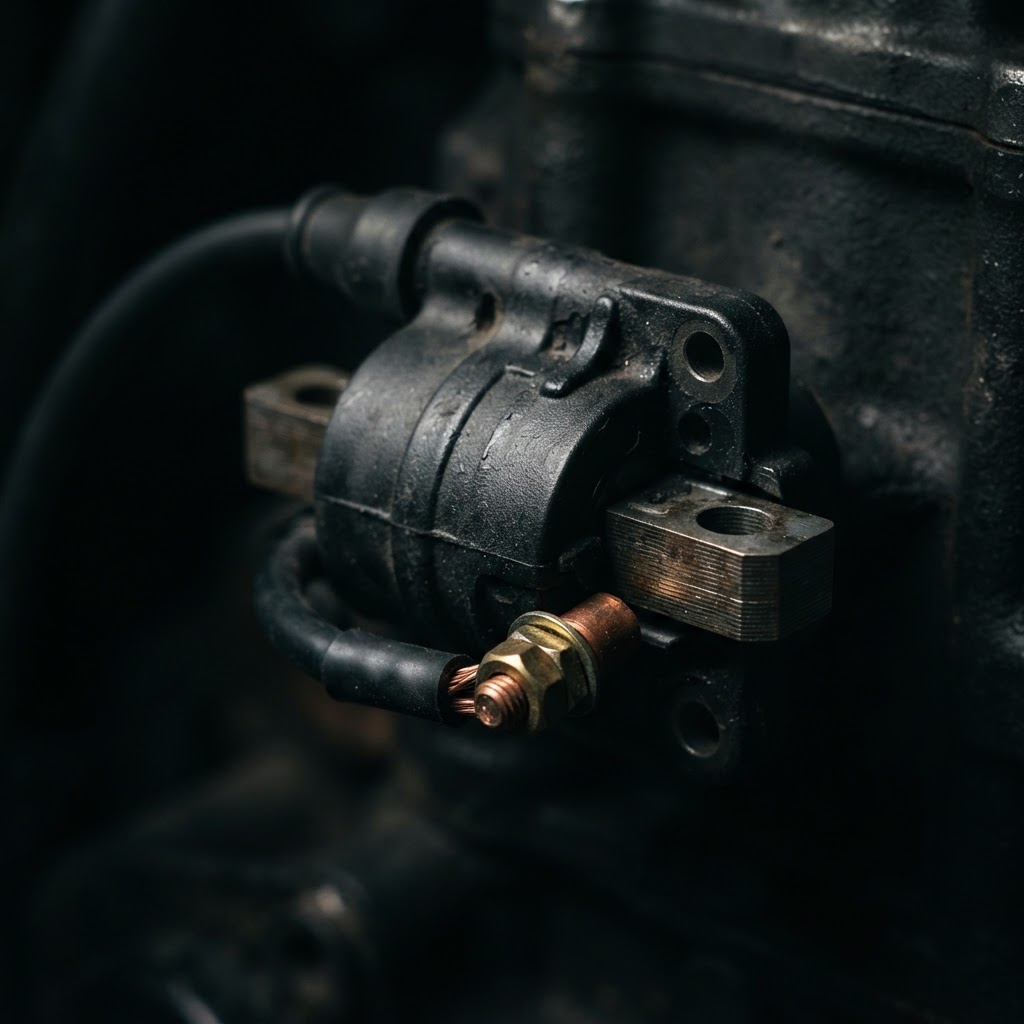
Ignition Coil
If the original coil fails to provide reliable spark to the plug, this replacement is required to restore the electrical firing system.
Affiliate Disclosure: Lil Engine may earn commissions from qualifying purchases.
Pro Tips from the Community
Real-world fixes from Reddit, YouTube & forums.
"Check the 'kill wire' on the ignition coils; on Ariens/Kawasaki setups, the wire can rub against the metal cooling shroud, causing a short that kills spark intermittently."
LawnSite.com Forum"If it won't fire, try tapping the bottom of the carb bowl with the handle of a screwdriver while cranking; sometimes the solenoid plunger just needs a physical jar to drop."
Reddit r/lawncare"Don't forget the fuel cap vent; if the vent is clogged, a vacuum forms in the tank preventing fuel flow. Try starting it with the gas cap loosely fitted."
DoItYourself.com ForumPrevent This From Coming Back
Use a high-quality fuel stabilizer in every tank of gas, especially during off-season storage.
Replace the fuel filter annually to prevent debris from reaching the pulse pump.
Run the engine until the tank is nearly empty before long-term storage to prevent gum buildup.
Periodically inspect all electrical ground straps for corrosion, as poor grounds cause intermittent ignition issues.
Prevent This From Happening Again
While you're fixing it, stock up on the maintenance essentials that keep your zero-turn mowers running right.
Hydrostatic Transmission Fluid
Hydro pumps need fresh fluid to maintain drive power and prevent whine.
Get on AmazonDeck Belt
Keep a spare deck belt — they fail at the worst time mid-mow.
Get on AmazonAir Filter
Replace annually to prevent power loss and rough running.
Get on AmazonAffiliate Disclosure: Lil Engine may earn commissions from qualifying purchases.
Frequently Asked Questions
No, if the solenoid is faulty, it will stay in the closed position even when unplugged. You must replace the solenoid unit if it fails to retract.
Video Help
Helpful videos showing these repairs in action.
Share Your Repair
Real-world fixes help everyone. Share what worked and your repair becomes part of Lil Engine's community database.
Related Problems
More Zero-Turn Mowers GuidesRelated Maintenance Articles
Related Symptoms
Won’t Start
Carburetor / Fuel Issues
Related Searches
Ariens zero turn mower Guides
Did this help?
Your feedback helps improve guides for everyone.