Zero Turn Engine Will Turn Over But Not Start
⚡ Quick Answer
If your zero-turn mower engine cranks but fails to fire, the problem almost always boils down to a lack of fuel, spark, or compression. Most common failures originate from stale fuel clogging the carburetor jetting, a faulty ignition safety interlock, or a fouled spark plug. Methodical diagnostic testing of the fuel delivery system followed by an ignition spark test will identify the root cause within minutes.

What do you want to do?
Most Likely Cause
Old or degraded fuel
Modern gasoline begins to break down and oxidize in as little as 30 days, which can clog the fine passages inside the carburetor jets. Since the engine is turning over, the electrical system is likely functional, making a fuel delivery issue due to stale gas the most common reason for a no-start condition in equipment that has sat for a period of time.
Start here — this is the most common reason for this symptom.
Why This Problem Happens
When a zero-turn engine cranks but refuses to fire, it indicates a failure in the combustion triad: spark, fuel, or compression. In zero-turn applications, complex electrical safety interlock systems often stand between the ignition switch and the engine's control module. Even if the starter motor engages, a faulted seat switch, blade engagement (PTO) sensor, or parking brake micro-switch can interrupt the ignition circuit, preventing the spark plug from firing while still allowing the solenoid to power the starter. Physically, the engine is physically turning, but the lack of an ignition pulse or fuel delivery keeps the piston stroke from becoming a power stroke. Modern V-twin engines found in commercial zero-turns also rely heavily on clean fuel paths through tight carburetor jets or solenoid-operated fuel shut-offs. If the fuel solenoid fails to actuate due to a blown fuse or bad ground, the cylinder remains starved regardless of how fast the starter spins the crankshaft. Furthermore, if the valve lash on overhead valve (OHV) engines is out of tolerance due to wear or a loose rocker arm, the engine may lose compression during the intake stroke, preventing the air-fuel mixture from igniting. Addressing this requires isolating the electrical interruption from the mechanical fuel restriction.
Common Symptoms
- Engine cranks at normal speed but never catches
- No visible spark at the plug tester gap
- Dry spark plug tip after repeated cranking
- Fuel solenoid 'click' absent when turning key to RUN
- Backfiring or popping during intermittent cranking
Before You Buy Parts
Quick, free inspections — check these first. Most repairs don't actually need replacement parts.
Diagnostic Flowchart
Follow this decision tree step-by-step to isolate the problem.
Is there spark at the spark plug wire?
Proceed to fuel system inspection
Go to step 2
Check safety switches and ignition coil
Go to step 3
Is the fuel reaching the cylinder?
Inspect compression and timing
Go to step 4
Clean carburetor or replace fuel filter
Go to step 5
Are the seat or parking brake safety switches bypassed?
Check ignition module gap
Engage brake and ensure seat is occupied
Is compression above 60 PSI?
Check valve lash clearance
Inspect head gasket or piston rings
Is the carburetor solenoid clicking when key is turned?
Check for jet blockage
Test solenoid voltage
Complete Resource Guide
Ultimate Zero-Turn Mower Troubleshooting & Repair Guide
Repair Overview
60-120 minutes
$20-$80
First Checks — Start Here
- 1Verify the fuel shut-off valve is in the open position
- 2Check for sufficient fuel in the tank and add fresh stabilizer-treated fuel if needed
- 3Ensure both drive levers are in the neutral, outward-locked position
- 4Check that the PTO clutch switch is in the 'OFF' position
- 5Confirm the parking brake is engaged if required by the model
- 6Inspect the spark plug wire connection for a loose or corroded boot
- 7Check the battery voltage to ensure the starter has enough amperage to reach necessary crank RPM
Safety Warnings
- !Keep hands and tools away from the flywheel and cooling fins to avoid injury.
- !Ensure the parking brake is engaged to prevent accidental movement.
- !Do not jumper or bypass safety interlock switches; replace faulty switches to keep all operator protections intact.
- !Have a container ready to catch gasoline and work in a well-ventilated area away from sparks.
- !The engine will not turn off with the key if you do this; have a plan to choke it out.
- !Ensure the engine is completely cool before attempting to remove the valve cover.
- !Ignoring the fuel solenoid 'click' test and assuming the carburetor is the problem
- !Using a screwdriver to test spark, which can damage sensitive electronic ignition modules
- !Neglecting to check the fuel cap vent, which creates a vacuum in the tank
Always disconnect the spark plug, work in a well-ventilated area, and consult a professional if unsure.
Most Likely Causes
Ranked by likelihood — tap each to see diagnosis details.
Located at the base of the carburetor bowl, this electromagnetic valve requires 12V to open. If it fails or the coil is burnt out, fuel is physically blocked from entering the main jet.
Zero-turns have multiple micro-switches in the start circuit, such as the PTO, seat, and steering neutral positions. A failed relay can prevent the ignition coil from receiving the necessary signal to trigger a spark.
🔧 Step-by-Step Fix Guide
Test for Spark
Use an inline spark tester between the ignition wire and the plug. Crank the engine; if you do not see a bright blue spark, the ignition system is compromised.
Keep hands and tools away from the flywheel and cooling fins to avoid injury.
Verify Fuel Solenoid Operation
Turn the ignition to the 'ON' position and listen for a distinct click at the base of the carburetor. If no click is heard, use a multimeter to verify 12V at the solenoid wire plug.
Ensure the parking brake is engaged to prevent accidental movement.
Test Safety Interlock Switches for Continuity
Back-probe the PTO, seat, and steering-neutral switches with a multimeter set to ohms. Each switch should read near-zero resistance (closed) in its actuated state and open (OL) when released. A switch that stays open when it should be closed is your ignition interrupt point and must be replaced.
Do not jumper or bypass safety interlock switches; replace faulty switches to keep all operator protections intact.
Check Fuel Delivery
Disconnect the fuel line at the carburetor inlet and turn the fuel petcock on to check for free-flowing fuel. If fuel doesn't pour out, the issue lies in the tank, fuel filter, or fuel pump.
Have a container ready to catch gasoline and work in a well-ventilated area away from sparks.
Inspect Kill Wire
Disconnect the small black wire leading to the ignition coil from the wiring harness. If the engine starts with this wire disconnected, the fault lies in your ignition switch or safety relay circuit.
The engine will not turn off with the key if you do this; have a plan to choke it out.
Adjust Valve Lash
Remove the valve cover and use a feeler gauge to verify intake and exhaust clearance per your engine manual. Tight or loose valves prevent proper compression cycles.
Ensure the engine is completely cool before attempting to remove the valve cover.
What To Test Next
If you have confirmed fresh fuel is reaching the carburetor, the next logical step is to test for a strong, consistent spark at the spark plug.
Component Reference

Carburetor & Fuel Intake
The carburetor mixes air and fuel for combustion. A clogged jet or stuck float is the #1 cause of small engine starting and surging problems.

Spark Plug & Ignition System
The spark plug ignites the air-fuel mixture. A fouled plug, wrong gap, or failing ignition coil will prevent the engine from firing.

Oil & Lubrication System
Regular oil changes are critical. Low or dirty oil causes engine wear, overheating, and eventual seizure. Check the dipstick before every season.

Air Filter & Intake
A clogged air filter starves the engine of air, causing rich running, power loss, and hard starting. Inspect and clean or replace it each season.
Photos for educational reference. Actual parts may vary by make and model.
Common Mistakes to Avoid
Replacing the starter motor when the problem is actually ignition-related
Ignoring the fuel solenoid 'click' test and assuming the carburetor is the problem
Using a screwdriver to test spark, which can damage sensitive electronic ignition modules
Over-tightening carburetor mounting bolts leading to vacuum leaks
Neglecting to check the fuel cap vent, which creates a vacuum in the tank
If This Didn't Fix It
Still having trouble? These are the next things to check:
Get the Exact Parts for Your Machine
Tell us your equipment's year, make, and model — we'll search for parts that actually fit, not generic ones.
Finding parts for
zero turn engine will
Required Gear
Matched to your zero turn engine will — click to find the exact fit on Amazon.
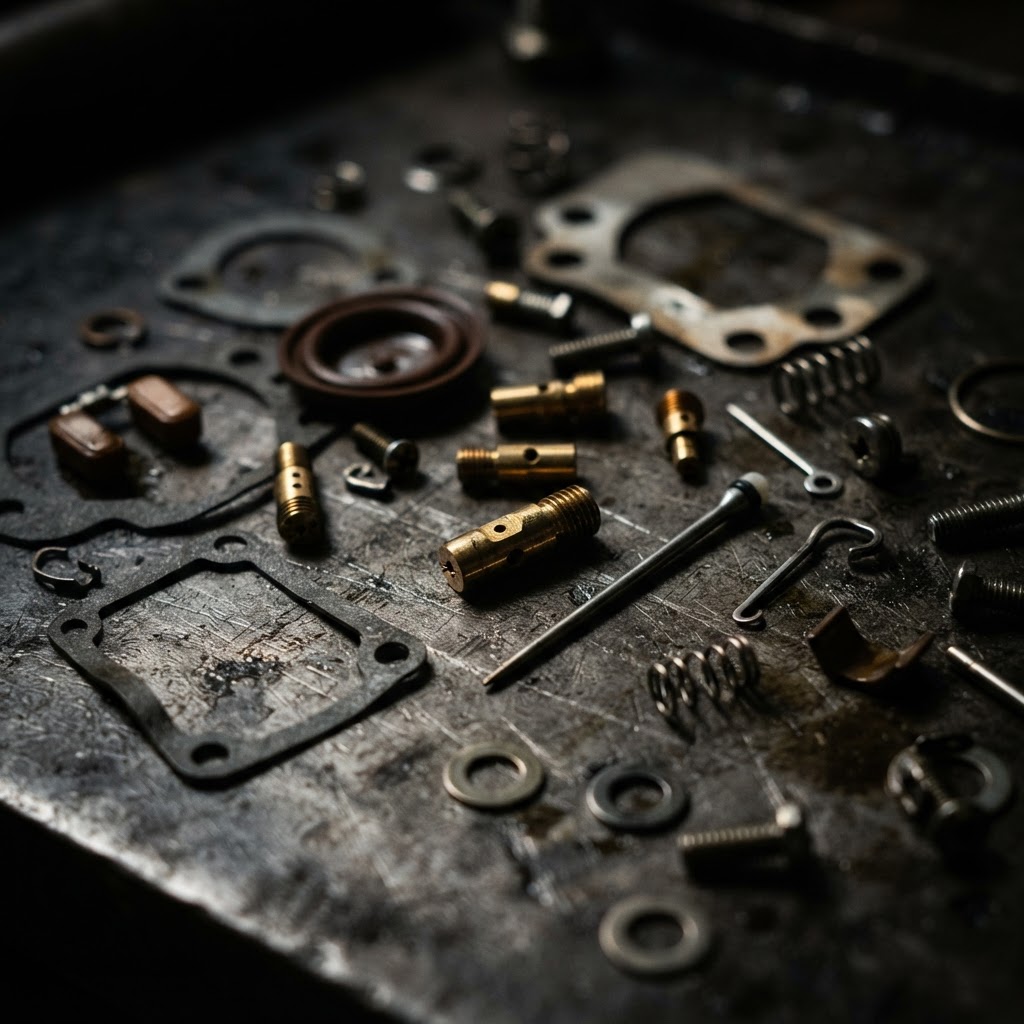
Carburetor Rebuild Kit
Used to replace clogged jets and clean the internal passages that prevent fuel delivery to the engine.
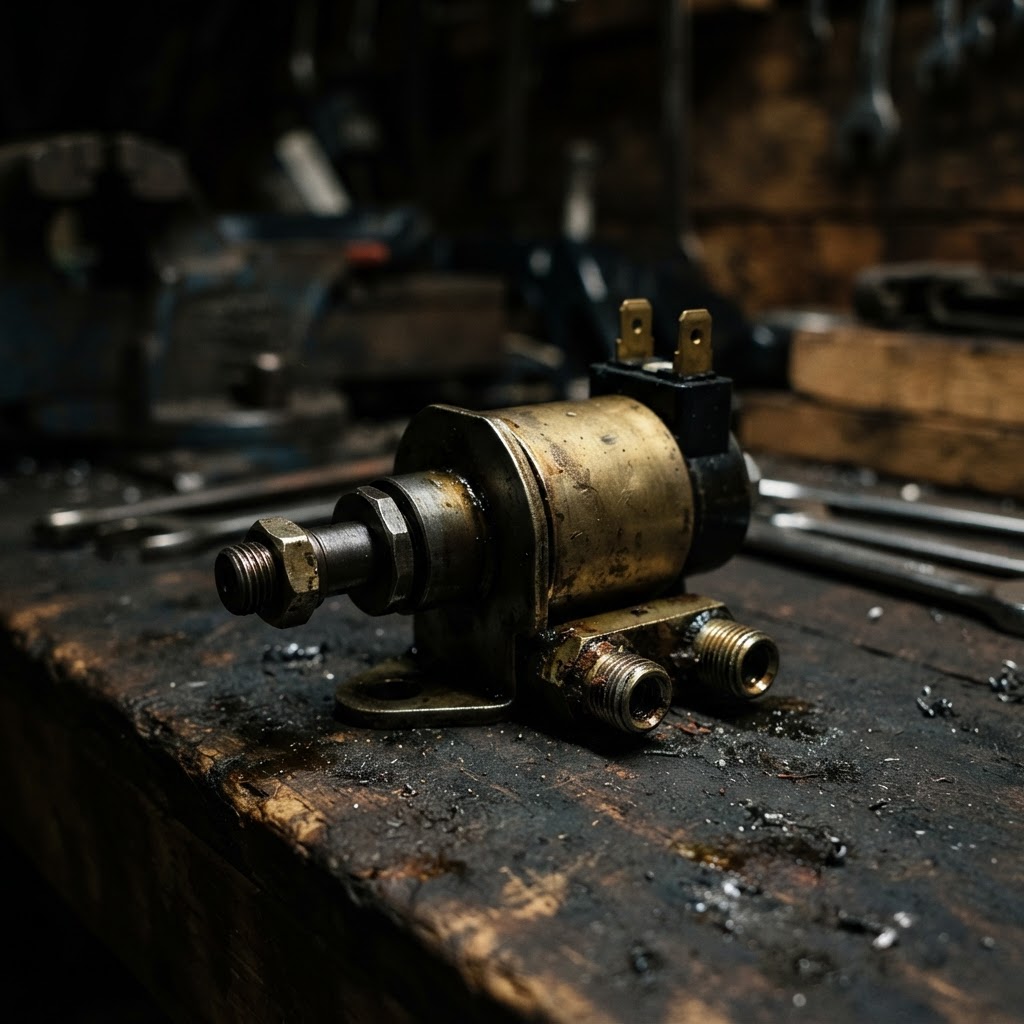
Fuel Solenoid
Required to replace a failed solenoid that is blocking fuel from reaching the carburetor bowl despite the engine turning over.
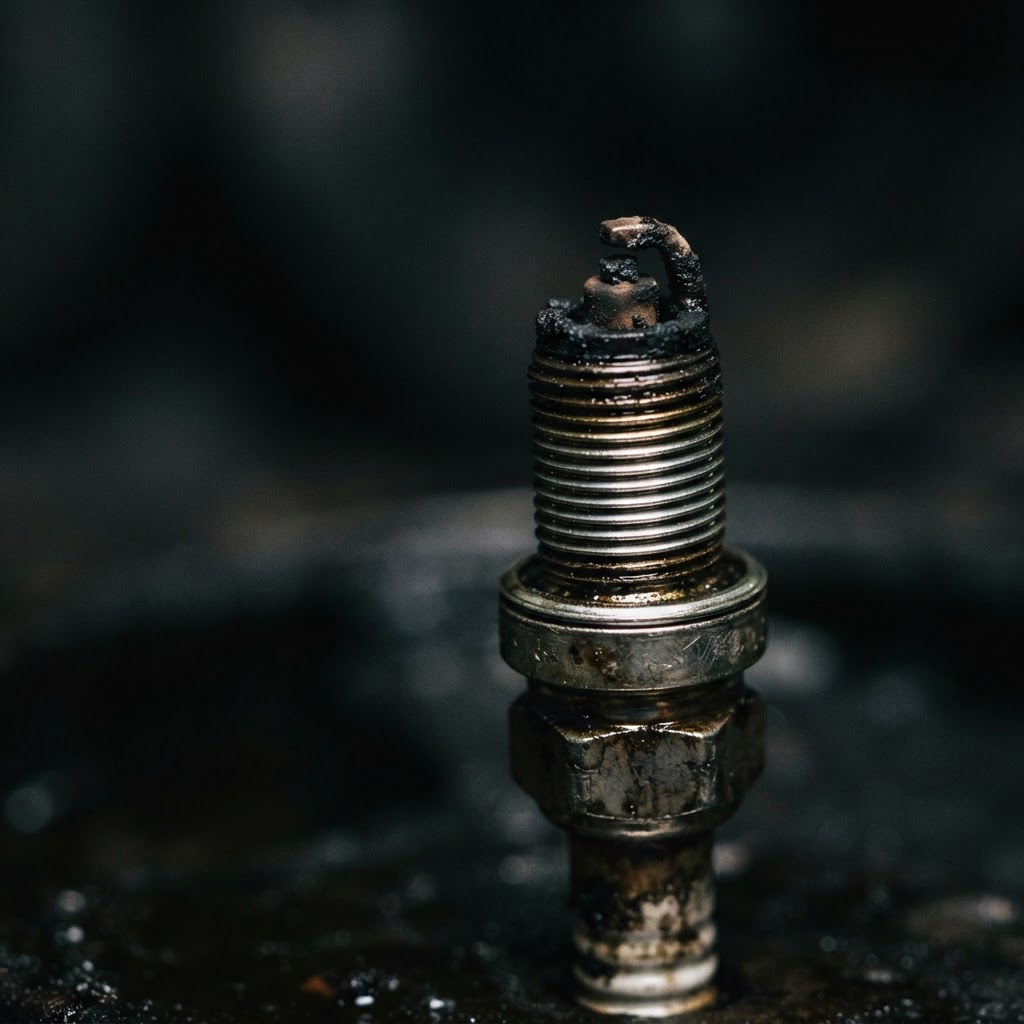
Spark Plug
Necessary to ensure a strong, consistent ignition spark if the original plug is fouled or has failed due to ignition system issues.
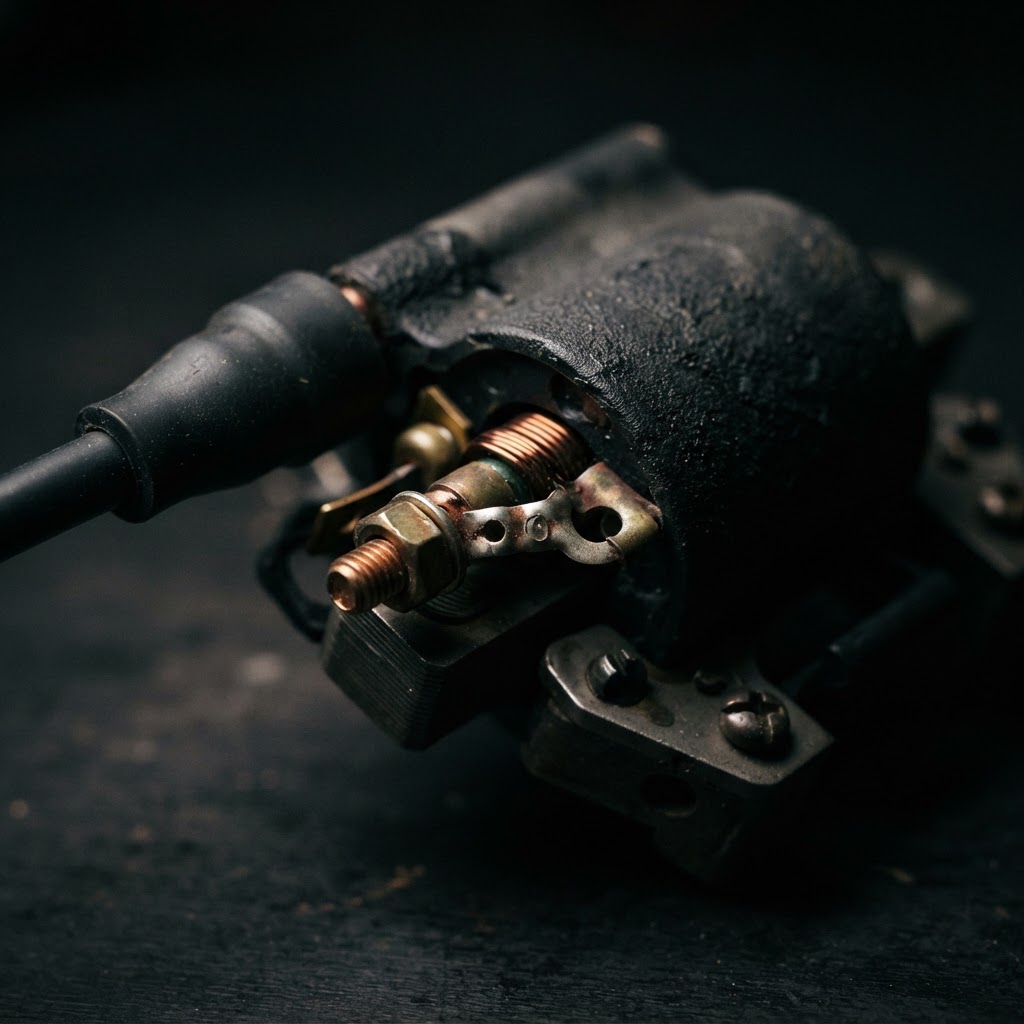
Ignition Coil
Needed if the current coil cannot maintain a proper air gap or has internally failed, preventing spark delivery to the combustion chamber.
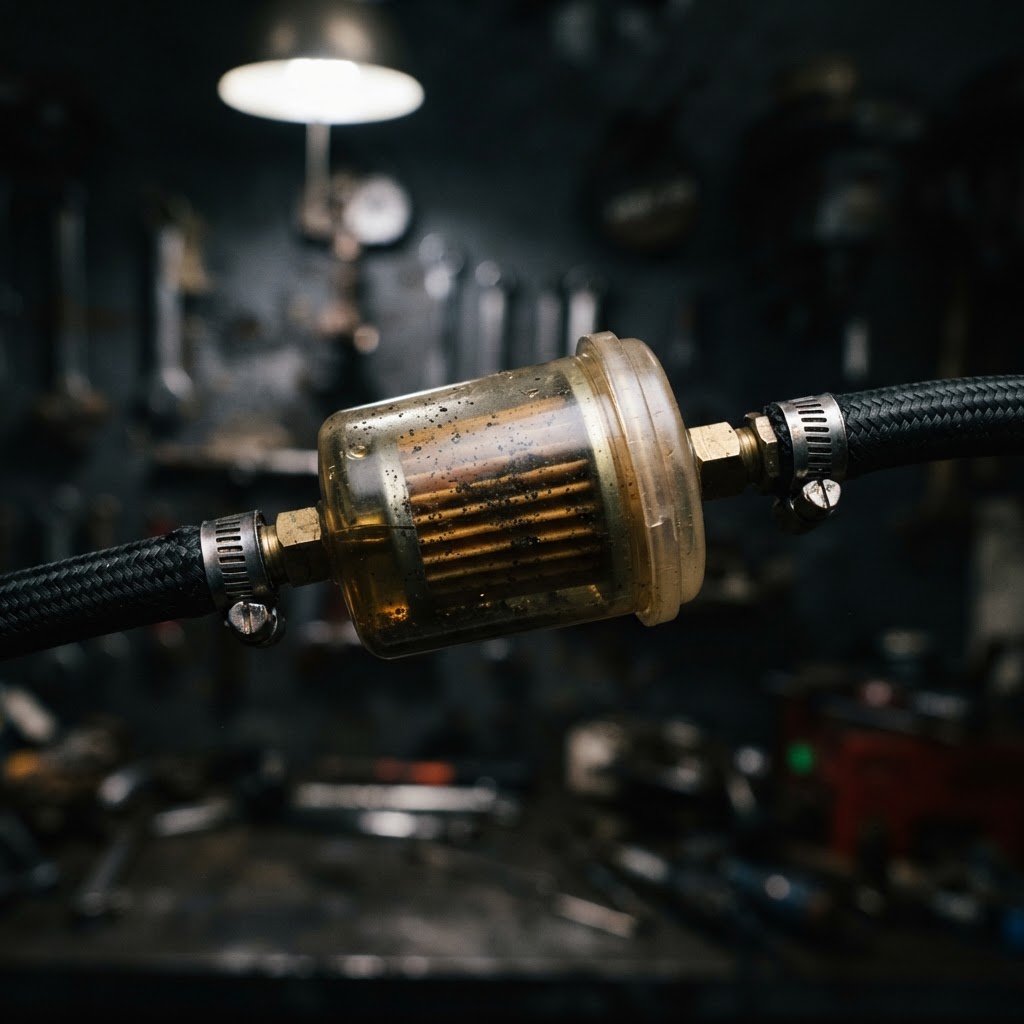
Fuel Filter
Essential to replace if contamination is suspected in the fuel system which has likely compromised the engine's ability to draw clean fuel for startup.
Affiliate Disclosure: Lil Engine may earn commissions from qualifying purchases.
Pro Tips from the Community
Real-world fixes from Reddit, YouTube & forums.
"Check the safety interlock switches — I’ve found they’re often the culprit when a zero turn won’t start despite turning over."
LawnSite.com Forum"Bypass the fuel shutoff solenoid temporarily; if it starts, you know where the problem lies."
TractorByNet"Make sure the battery is fully charged; low volts can turn the engine but not provide the spark necessary to start."
Reddit r/lawncare"Inspect the spark plug for wear or carbon fouling; a quick swap can save you a headache if it’s the issue."
YouTube comments"Listen for fuel pump activity — you should hear a 'whirr' when the key is turned; no sound means it might be time for a new pump."
DoItYourself.comBrand-Specific Notes
Kohler
Kohler Command engines often suffer from faulty fuel shut-off solenoids located at the base of the carburetor. If the engine cranks but won't catch, test for 12V at the solenoid terminal.
Briggs & Stratton
Intek V-Twin engines are prone to valve clearance issues which cause a decompression mechanism to fail. If the engine turns over slowly or hits a hard spot, check the rocker arm gap immediately.
Kawasaki
Kawasaki FR series engines have sensitive pulse-style fuel pumps. Ensure the vacuum hose from the crankcase to the pump is not cracked or kinked, as this prevents fuel delivery.
Model-Specific Variations
Briggs Intek V-Twin
Utilizes a single carburetor feeding two cylinders. Because the intake manifold is long, pooled fuel can cause flooding if the float needle is leaking.
Kawasaki FS600V
Equipped with an electronic ignition system that requires a clean air gap between the coil and the flywheel magnets. Debris buildup here is a common cause of weak spark.
Kohler 7000 Series
Features an integrated oil pressure switch that may kill ignition if the oil level is critically low. Always check the dipstick before diagnosing internal engine components.
Troubleshooting Matrix: No Start Conditions
| Symptom | Primary Suspect | Diagnostic Tool |
|---|---|---|
| Backfiring during crank | Timing/Sheared Key | Flywheel puller |
| No spark at plug | Ignition Coil/Module | Spark tester |
| Fuel smell at exhaust | Flooded Carburetor | Carburetor cleaner |
| Slow cranking speed | Battery/Starter | Multimeter |
Real-World Repair Examples
Situation
A Kohler engine was cranking well but refused to start. Fuel was present in the tank, but the spark plug remained dry after repeated attempts.
Solution
We disassembled the carburetor and found the main jet was obstructed by ethanol residue. After an ultrasonic cleaning, the engine fired immediately.
The engine runs smoothly with full power.
Situation
A customer reported that their Briggs V-Twin would crank but hit a compression lock, slowing down the starter motor significantly.
Solution
The intake valve lash was found to be at zero, preventing the compression release mechanism from engaging. We adjusted the lash to 0.004 inches.
Starter speed returned to normal and the engine starts instantly.
Prevent This From Coming Back
Use a fuel stabilizer in every gallon of gas, even for short-term storage
Replace the fuel filter at the start of every season to prevent sediment buildup
Periodically blow out the cooling fins and coil area with compressed air to clear debris
Apply dielectric grease to electrical connectors to prevent corrosion-induced interlock failure
Check and adjust valve lash every 200 operating hours to maintain compression
Prevent This From Happening Again
While you're fixing it, stock up on the maintenance essentials that keep your zero-turn mowers running right.
Hydrostatic Transmission Fluid
Hydro pumps need fresh fluid to maintain drive power and prevent whine.
Get on AmazonDeck Belt
Keep a spare deck belt — they fail at the worst time mid-mow.
Get on AmazonAir Filter
Replace annually to prevent power loss and rough running.
Get on AmazonAffiliate Disclosure: Lil Engine may earn commissions from qualifying purchases.
Frequently Asked Questions
Yes, but use it sparingly. If the engine fires briefly, you have confirmed an ignition and compression system, and the issue is definitely fuel-related.
Related Questions
Common variations and related questions about this repair.
Why does my zero turn mower backfire when I try to start it?
Backfiring during cranking often indicates a sheared flywheel key which disrupts ignition timing. It can also be caused by excessive fuel pooling in the muffler due to a leaky carburetor needle.
Can bad gas prevent a zero turn from starting?
Yes, gasoline older than 30 days can degrade and lose its combustibility, especially in engines with small jets. Drain the fuel tank and carburetor bowl and replace with fresh ethanol-free fuel.
Does a blown head gasket prevent the engine from starting?
Yes, a blown head gasket causes a loss of compression between the combustion chamber and the crankcase or cooling fins. This results in an engine that lacks the internal pressure required to pull fuel into the cylinder.
How do I check for spark on a lawn mower?
Use an inline spark tester connected between the plug wire and the spark plug. If no light appears during cranking, the ignition coil or a kill wire is likely grounding the spark.
Why is my spark plug wet with gas?
A wet spark plug indicates a 'flooded' condition where too much fuel is entering the combustion chamber. This is usually caused by a stuck carburetor float or a blocked air filter restricting airflow.
What is the role of the fuel solenoid?
The fuel solenoid acts as a needle valve that shuts off the flow of fuel when the ignition is turned off to prevent engine run-on. If it fails in the closed position, no fuel enters the engine.
Video Help
Helpful videos showing these repairs in action.
Share Your Repair
Real-world fixes help everyone. Share what worked and your repair becomes part of Lil Engine's community database.
Related Problems
More Zero-Turn Mowers GuidesRelated Maintenance Articles
Related Symptoms
Won’t Start
Carburetor / Fuel Issues
Related Searches
Zero-Turn Mowers Troubleshooting
Did this help?
Your feedback helps improve guides for everyone.