Zero Turn Mower Belt Keeps Coming Off
⚡ Quick Answer
A belt that keeps coming off a zero-turn mower usually indicates misalignment or wear in the pulley system. Start by checking the belt tension, inspecting the pulleys for any signs of damage, and ensuring the belt routing is correct.
What do you want to do?
Most Likely Cause
Worn or Seized Tensioner Pivot
The tensioner arm must pivot freely to compensate for belt stretch. If the bushing is rusted or packed with debris, the tensioner cannot follow the belt, leading to slack and eventual derailment.
Start here — this is the most common reason for this symptom.
Why This Problem Happens
A mower belt remains seated through a precise combination of constant spring tension and strict alignment across the spindle pulleys and drive sheave. When a belt repeatedly dislodges, it is almost always due to the loss of consistent harmonic tension or a deviation in the plane of rotation. If the tensioner arm pivot bushing has seized or the spring has lost its calibrated pull, the belt develops slack during high-load scenarios—such as engaging the deck or hitting thick grass—allowing it to oscillate and jump the pulley rim. Additionally, if a spindle bearing experiences radial play, the pulley tilts slightly under load. This tilt creates a wedge effect that forces the belt off its intended path, effectively acting like a ramp that guides the belt into the air. Understanding that belts are designed to operate under specific geometric constraints is key; any mechanical looseness anywhere in the drivetrain multiplies the vibration, turning a minor misalignment into a repeated derailment.
Common Symptoms
- Belt edges showing uneven fraying or rubber shredding
- High-pitched squealing under load before detachment
- Black rubber residue deposits on the deck shell
- Belt found resting on top of the spindle pulley instead of the groove
- Significant vertical movement or 'wobble' in spindle shafts
Before You Buy Parts
Quick, free inspections — check these first. Most repairs don't actually need replacement parts.
Complete Resource Guide
Ultimate Zero-Turn Mower Troubleshooting & Repair Guide
Repair Overview
1–2 hours
$20–$150
First Checks — Start Here
- 1Check for proper belt alignment.
- 2Inspect pulleys for wear or damage.
- 3Ensure the belt is properly tensioned.
- 4Verify correct belt routing according to the manual.
Safety Warnings
- !Ensure the spark plug wires are disconnected to prevent accidental engine start.
- !Wear mechanics gloves as pulley edges can be razor sharp.
- !Never perform alignment checks while the engine is running or the PTO is engaged.
- !Use eye protection while cleaning debris from pulleys with compressed air.
- !Avoid using tools to force the belt onto the final pulley, as this can stretch the belt cords prematurely.
- !Ensure the mower is securely blocked up using jack stands before reaching underneath.
- !Reusing a belt that has already been twisted or burned
Always disconnect the spark plug, work in a well-ventilated area, and consult a professional if unsure.
Most Likely Causes
Ranked by likelihood — tap each to see diagnosis details.
The tensioner arm must pivot freely to compensate for belt stretch. If the bushing is rusted or packed with debris, the tensioner cannot follow the belt, leading to slack and eventual derailment.
Excessive radial play in a spindle shaft allows the pulley to tilt during blade engagement. Check for this by attempting to wiggle the pulley perpendicular to the shaft; any movement confirms a bearing failure.
🔧 Step-by-Step Fix Guide
Inspect Tensioner Geometry
Remove the belt and manually move the tensioner arm through its full range. It should move smoothly without binding and snap back with significant force when released.
Ensure the spark plug wires are disconnected to prevent accidental engine start.
Check Spindle Radial Play
Grab each pulley firmly and attempt to move it side-to-side. If there is noticeable clicking or movement, the spindle bearings or housing are compromised and require replacement.
Wear mechanics gloves as pulley edges can be razor sharp.
Verify Pulley Alignment
Use a straightedge across the top of all deck pulleys to ensure they share the same plane. If one pulley sits lower or tilted, inspect the spindle mounting hardware for loose bolts or a cracked deck plate.
Never perform alignment checks while the engine is running or the PTO is engaged.
Evaluate Pulley Condition
Inspect the inner walls of the pulleys for pitting, rust, or deformation. Any abrasive surface will overheat and degrade the belt, causing it to stretch and slip off.
Use eye protection while cleaning debris from pulleys with compressed air.
Replace with OEM Spec Belt
Purchase the exact part number listed in your owner's manual. Aftermarket belts often lack the specific aramid fiber reinforcement required for the high-torque, sharp-bend conditions of a zero-turn deck.
Avoid using tools to force the belt onto the final pulley, as this can stretch the belt cords prematurely.
Clear Deck Debris
Thoroughly clean the deck of dried clippings and dirt. Buildup can interfere with the tensioner travel and heat up the belt, leading to softening and derailment.
Ensure the mower is securely blocked up using jack stands before reaching underneath.
What To Test Next
If the basics check out, verify spark, fuel delivery, and compression in that order — the three essentials of any combustion engine.
Component Reference

Spark Plug & Ignition System
The spark plug ignites the air-fuel mixture. A fouled plug, wrong gap, or failing ignition coil will prevent the engine from firing.

Electrical & Starting System
The battery, solenoid, and starter motor work together to crank the engine. A weak battery or corroded connection is often mistaken for a fuel or spark problem.

Drive & Cutting System
Belts, pulleys, and clutches transfer engine power to the wheels and cutting deck. A worn or thrown belt is the most common drive-system failure.

Engine Internals & Compression
Valves, piston rings, and the head gasket maintain compression. Low compression causes hard starting, power loss, and rough running.
Photos for educational reference. Actual parts may vary by make and model.
Common Mistakes to Avoid
Tightening the belt too much, which kills bearings
Installing the belt inside-out or skipping a guide pin
Ignoring slight spindle play thinking it will 'get by'
Reusing a belt that has already been twisted or burned
If This Didn't Fix It
Still having trouble? These are the next things to check:
Get the Exact Parts for Your Machine
Tell us your equipment's year, make, and model — we'll search for parts that actually fit, not generic ones.
Finding parts for
zero turn mower belt
Required Gear
Matched to your zero turn mower belt — click to find the exact fit on Amazon.

OEM Replacement Mower Deck Belt
Correct tension and friction rely on the specific length and compound of an OEM belt; using a non-spec belt is the leading cause of premature slipping and belt ejection.

Mower Deck Tensioner Assembly
If the tensioner pivot is seized or the spring has lost its calibrated tension, the belt will lack the necessary pressure to stay seated in the pulley grooves during operation.
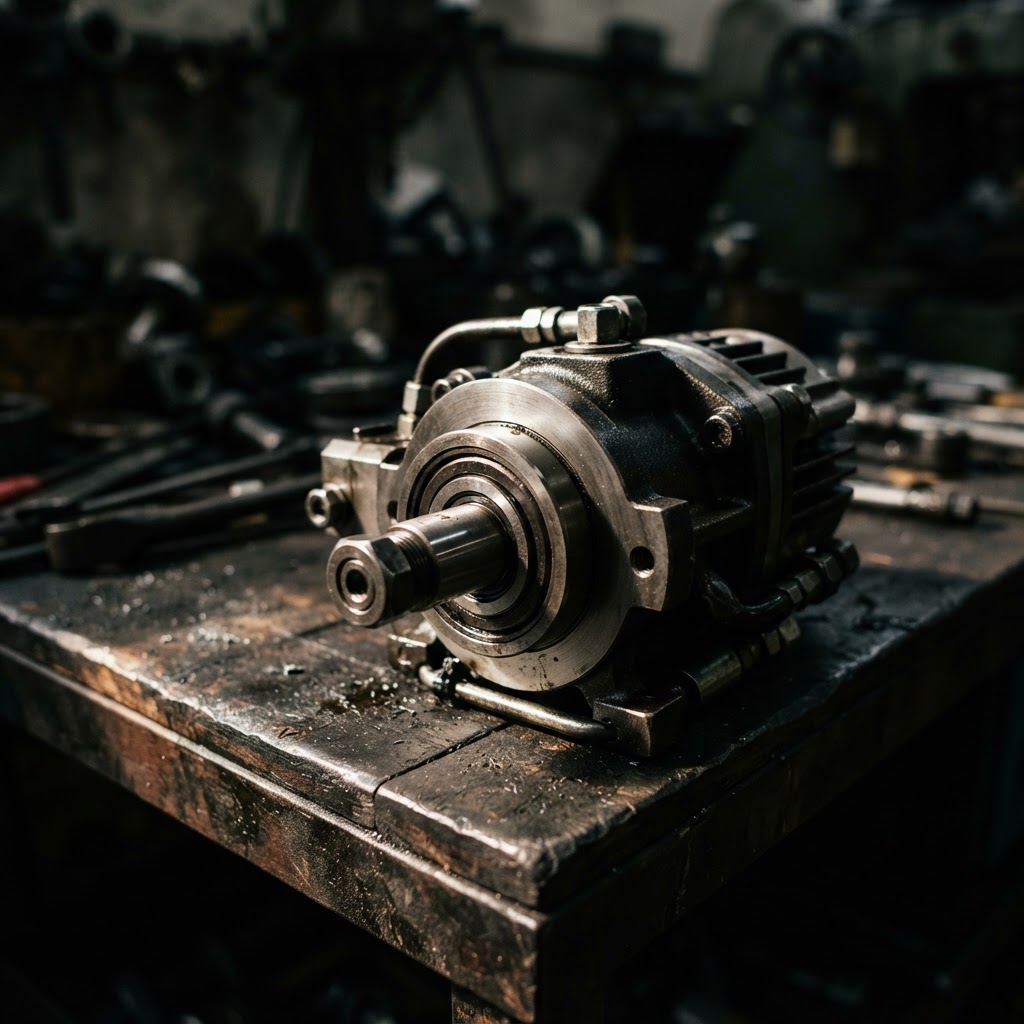
Spindle Assembly
Failed spindle bearings cause the pulley to wobble or tilt under load, creating the misalignment required for the belt to climb off the pulley flange.

Replacement Deck Pulley
A bent, dented, or worn-out pulley flange acts as a ramp that allows the belt to ride out of its groove during high-torque engagement or sharp turns.
Affiliate Disclosure: Lil Engine may earn commissions from qualifying purchases.
Pro Tips from the Community
Real-world fixes from Reddit, YouTube & forums.
"Check the idler pulley for wear; a bad bearing can throw the belt off."
Reddit r/lawncare"Ensure the belt tension is correct; if it's too loose, it will pop off under load."
YouTube comments"Inspect the pulleys for alignment; misalignment can cause the belt to jump off easily."
LawnSite.com Forum"Replace any frayed or worn belts, they can lose grip and lead to consistent problems."
TractorByNetPrevent This From Coming Back
Check tensioner pivot point lubrication every 50 hours
Clean the deck top-side after every heavy mowing session
Inspect belt wear patterns and tension every 100 hours
Replace spindle grease if your mower has zerk fittings
Prevent This From Happening Again
While you're fixing it, stock up on the maintenance essentials that keep your zero-turn mowers running right.
Hydrostatic Transmission Fluid
Hydro pumps need fresh fluid to maintain drive power and prevent whine.
Get on AmazonDeck Belt
Keep a spare deck belt — they fail at the worst time mid-mow.
Get on AmazonAir Filter
Replace annually to prevent power loss and rough running.
Get on AmazonAffiliate Disclosure: Lil Engine may earn commissions from qualifying purchases.
Frequently Asked Questions
No. A shorter belt will put extreme load on your engine output shaft and spindle bearings, likely causing a catastrophic component failure rather than fixing the tension issue.
Video Help
Helpful videos showing these repairs in action.
Share Your Repair
Real-world fixes help everyone. Share what worked and your repair becomes part of Lil Engine's community database.
Related Problems
More Zero-Turn Mowers GuidesRelated Maintenance Articles
Related Searches
Zero-Turn Mowers Troubleshooting
Did this help?
Your feedback helps improve guides for everyone.