Zero Turn Mower Bolts Too Tight
⚡ Quick Answer
The most common causes for tight blade bolts on zero turn mowers include neglected maintenance, rust, or improper assembly. Begin by applying penetrating oil and give it time to work before attempting to loosen the bolts again.
What do you want to do?
Most Likely Cause
Extended Thermal Exposure
Continuous heating and cooling cycles cause the metal threads to expand and lock. This expansion is often followed by cooling that draws moisture into the threads, leading to micro-corrosion.
Start here — this is the most common reason for this symptom.
Why This Problem Happens
Zero-turn mower spindle bolts often become nearly impossible to remove due to a combination of mechanical vibration, thermal cycling, and high-torque fatigue. As the mower operates, the blade spindle assembly generates constant harmonic vibrations that accelerate the 'work-hardening' of the metal threads. Simultaneously, the heat generated by friction and the engine environment causes the bolt and the spindle shaft to expand and contract at different rates, effectively 'seizing' the threads together on a microscopic level. Furthermore, the immense centrifugal force exerted on the blade creates a self-tightening effect during operation. When the blade strikes an object, the sudden resistance forces the bolt further into the spindle shaft threads. Over several seasons of operation, debris, grass clippings, and moisture infiltrate the bolt head and threads, causing oxidation that acts like a chemical adhesive. This accumulation of environmental contaminants, paired with the sheer torque applied during factory installation, creates a mechanical bond that exceeds the leverage capacity of standard hand tools, often requiring high-impact pneumatic or hydraulic force to break the static friction threshold.
Common Symptoms
- Bolt head rounding under high torque
- Socket slipping or failing to seat fully
- Breaker bar flexing without bolt movement
- Spindle shaft rotating despite blade blocking
- Visible rust or corrosion around bolt flange
Before You Buy Parts
Quick, free inspections — check these first. Most repairs don't actually need replacement parts.
Complete Resource Guide
Ultimate Zero-Turn Mower Troubleshooting & Repair Guide
Repair Overview
30–60 minutes
$0 (usually no parts needed)
First Checks — Start Here
- 1Ensure mower is on a stable surface
- 2Apply penetrating oil to the bolts
- 3Try using a breaker bar for leverage
- 4Avoid direct heat to prevent damage
- 5Check for rust or debris in the threads
Safety Warnings
- !Ensure the mower is turned off, the key is removed, and the spark plug wire is disconnected before applying chemicals.
- !Do not use your hands or feet to hold the blade; the blade is sharp and the sudden release of a bolt can cause severe lacerations.
- !Wear safety glasses to protect against potential debris or metal shards if a bolt snaps.
- !Keep your body clear of the immediate vicinity in case the bolt snaps under sudden force.
- !Be mindful of fuel lines and dry grass debris near the deck; have a fire extinguisher nearby when using open flames.
- !Ensure the mower is stable on jack stands or a professional lift, not just a simple car jack.
- !Failing to block the blade properly, causing the whole spindle to spin
Always disconnect the spark plug, work in a well-ventilated area, and consult a professional if unsure.
Most Likely Causes
Ranked by likelihood — tap each to see diagnosis details.
Continuous heating and cooling cycles cause the metal threads to expand and lock. This expansion is often followed by cooling that draws moisture into the threads, leading to micro-corrosion.
The rotational direction of the spindle often mirrors the tightening direction of the bolt. Under load, the inertia of the heavy steel blade naturally encourages the bolt to drive deeper into the spindle shaft.
🔧 Step-by-Step Fix Guide
Deep Penetrating Oil Application
Liberally spray the thread area with a high-quality penetrating oil like PB Blaster or Kroil. Let it soak for at least one hour to allow the solvent to break the chemical bond of the rust.
Ensure the mower is turned off, the key is removed, and the spark plug wire is disconnected before applying chemicals.
Blocking the Blade Correctly
Use a 4x4 block of wood jammed between the blade tip and the mower deck wall. This prevents the spindle from rotating, allowing all your torque to be applied directly to the bolt head.
Do not use your hands or feet to hold the blade; the blade is sharp and the sudden release of a bolt can cause severe lacerations.
Using a 6-Point Impact Socket
Only use a 6-point impact socket to prevent rounding the bolt corners. A 12-point socket will distribute force unevenly and likely shear the bolt head off entirely.
Wear safety glasses to protect against potential debris or metal shards if a bolt snaps.
Apply Controlled Percussive Force
An impact wrench is superior to a manual breaker bar for this task. The rapid, vibrating pulses of an impact driver effectively break the friction bond without applying constant twisting stress.
Keep your body clear of the immediate vicinity in case the bolt snaps under sudden force.
Thermal Shock Treatment
If the bolt still will not budge, apply heat to the bolt head using a propane torch for 30-60 seconds. The expansion caused by the heat can break the rust seal; allow it to cool slightly before attempting to turn it.
Be mindful of fuel lines and dry grass debris near the deck; have a fire extinguisher nearby when using open flames.
Using a Long-Handle Breaker Bar
If an impact tool is unavailable, use a 24-inch or 30-inch breaker bar for maximum leverage. Apply steady, increasing pressure rather than quick jerks to avoid snapping the bolt shank.
Ensure the mower is stable on jack stands or a professional lift, not just a simple car jack.
What To Test Next
If the basics check out, verify spark, fuel delivery, and compression in that order — the three essentials of any combustion engine.
Component Reference

Spark Plug & Ignition System
The spark plug ignites the air-fuel mixture. A fouled plug, wrong gap, or failing ignition coil will prevent the engine from firing.

Oil & Lubrication System
Regular oil changes are critical. Low or dirty oil causes engine wear, overheating, and eventual seizure. Check the dipstick before every season.

Fuel System
Stale fuel is the most common cause of seasonal starting failures. Fuel breaks down in 30 days, leaving varnish that clogs carburetor jets and fuel filters.

Drive & Cutting System
Belts, pulleys, and clutches transfer engine power to the wheels and cutting deck. A worn or thrown belt is the most common drive-system failure.
Photos for educational reference. Actual parts may vary by make and model.
Common Mistakes to Avoid
Using 12-point sockets that round off bolt heads
Failing to block the blade properly, causing the whole spindle to spin
Using open-end wrenches that provide no leverage
Ignoring the torque specification during re-installation, leading to the same problem next season
Applying heat to the spindle housing rather than just the bolt head
If This Didn't Fix It
Still having trouble? These are the next things to check:
Get the Exact Parts for Your Machine
Tell us your equipment's year, make, and model — we'll search for parts that actually fit, not generic ones.
Finding parts for
zero turn mower blades will not come off because bolt is too tight
Required Gear
Matched to your zero turn mower blades will not come off because bolt is too tight — click to find the exact fit on Amazon.
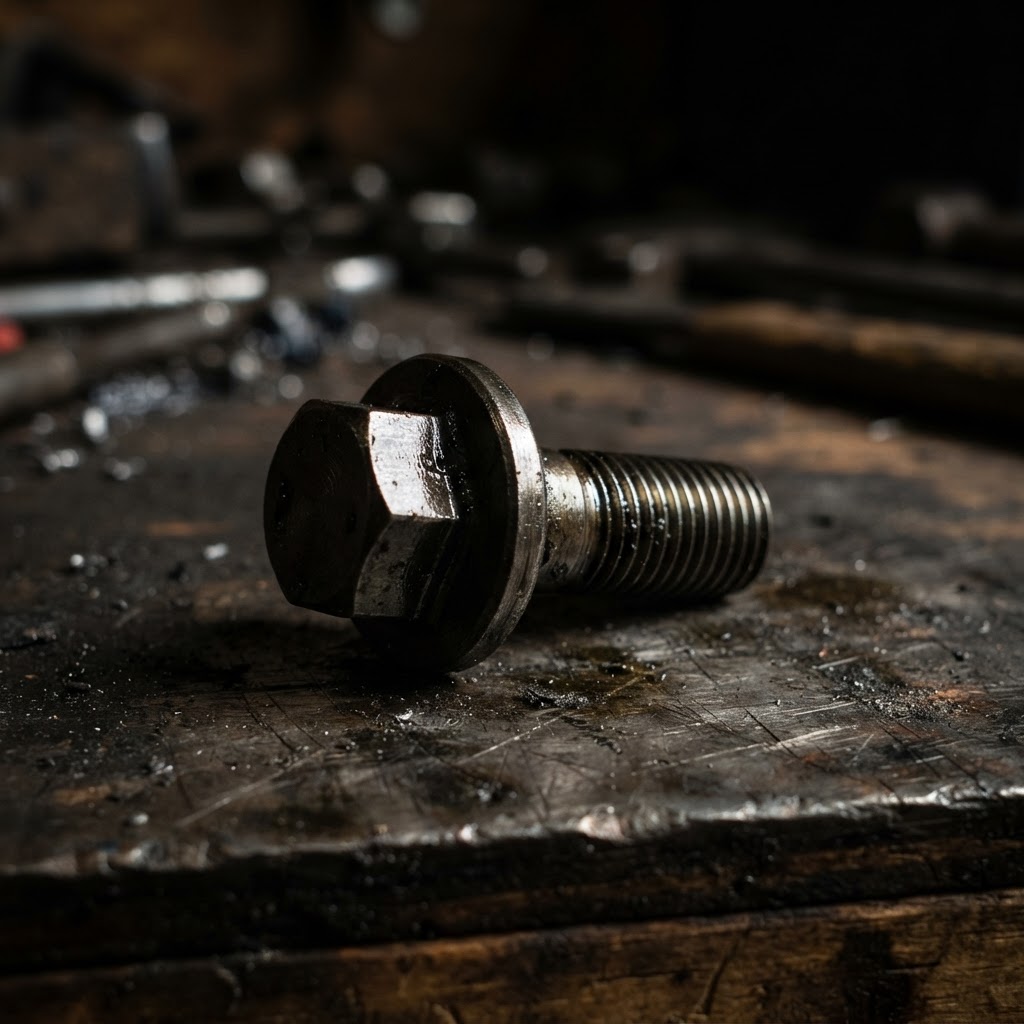
Replacement Mower Blade Spindle Bolt
Since the bolt was subjected to extreme torque and potential heat, the threads are likely deformed or damaged, making it unsafe to reuse.

High-Strength Threadlocker
Once the seized bolt is removed, this ensures the new bolt is properly secured against vibration without the excessive self-tightening effect that caused the original issue.

Professional-Grade Penetrating Catalyst
A high-end chemical agent is essential to break down years of oxidation and debris accumulation within the spindle threads during the soaking process.

Anti-Seize Lubricant
Applying this to the threads of the new bolt will prevent future oxidation and ensure the fastener can be removed easily during the next maintenance interval.
Affiliate Disclosure: Lil Engine may earn commissions from qualifying purchases.
Pro Tips from the Community
Real-world fixes from Reddit, YouTube & forums.
"Try using a breaker bar with a long pipe for extra leverage on that stubborn bolt."
YouTube comments"Heat the bolt with a heat gun to break the seal from rust or debris before attempting to unscrew it."
LawnSite.com Forum"Use penetrating oil and let it soak for at least 30 minutes — it'll work wonders on those tough bolts."
Reddit r/lawncare"If you have a second person, get them to hold the blade while you break the bolt loose — stability is key!"
TractorByNet"If all else fails, consider an impact wrench; it can deliver the torque needed to loosen even the most stubborn bolts."
DoItYourself.comPrevent This From Coming Back
Apply a thin layer of anti-seize compound to the bolt threads before re-installing
Clean the spindle area thoroughly after every mowing session to prevent debris buildup
Use a torque wrench to tighten bolts to manufacturer specs instead of 'guesstimating'
Periodically remove and re-install blade bolts once per season to prevent long-term seizing
Inspect the bolt threads for wear or galling every time the blades are sharpened
Prevent This From Happening Again
While you're fixing it, stock up on the maintenance essentials that keep your zero-turn mowers running right.
Hydrostatic Transmission Fluid
Hydro pumps need fresh fluid to maintain drive power and prevent whine.
Get on AmazonDeck Belt
Keep a spare deck belt — they fail at the worst time mid-mow.
Get on AmazonAir Filter
Replace annually to prevent power loss and rough running.
Get on AmazonAffiliate Disclosure: Lil Engine may earn commissions from qualifying purchases.
Frequently Asked Questions
Yes, a high-torque electric impact wrench is often more effective than a hand tool. Look for one with at least 300 lb-ft of breakaway torque.
Video Help
Helpful videos showing these repairs in action.
Share Your Repair
Real-world fixes help everyone. Share what worked and your repair becomes part of Lil Engine's community database.
Related Problems
More Zero-Turn Mowers GuidesRelated Maintenance Articles
Related Searches
Zero-Turn Mowers Troubleshooting
Did this help?
Your feedback helps improve guides for everyone.