Inverter Generator Won't Idle Down
⚡ Quick Answer
When an inverter generator fails to idle down, it is usually due to a dirty carburetor, a stuck throttle linkage, or a faulty eco-throttle sensor. Start by cleaning the carburetor and checking for any debris preventing the throttle plate from moving freely.
What do you want to do?
Most Likely Cause
Stepper Motor Failure
The stepper motor responsible for adjusting the carburetor throttle plate may have a stripped internal gear or burnt-out windings. Inspect the motor housing for signs of overheating and ensure the linkage is not physically jammed.
Start here — this is the most common reason for this symptom.
Why This Problem Happens
Inverter generators utilize a Permanent Magnet Alternator (PMA) to produce high-voltage AC current, which is then converted to DC and re-inverted to precise 120V/60Hz AC via an Inverter Module. The 'Eco-Mode' or smart throttle feature relies on a closed-loop feedback system where the Inverter Module communicates with the Electronic Throttle Control (ETC) stepper motor. When the load drops, the inverter detects a shift in current draw and signals the stepper motor to decrease the butterfly valve angle at the carburetor to save fuel and reduce noise. If this communication loop is broken, the engine remains at a locked, high-RPM state, unable to receive or process the load-sensing feedback. Physical failure often stems from the stepper motor's inability to mechanically actuate the throttle linkage or a corrupted signal from the control board, leaving the engine in a permanent 'max power' setting regardless of electrical load.
Common Symptoms
- Engine stays at wide-open throttle despite no load
- Complete loss of Eco-Mode functionality
- Inconsistent voltage output or fluctuating frequency
- Significant fuel consumption increase
- Visible high-RPM hunt or oscillation
Before You Buy Parts
Quick, free inspections — check these first. Most repairs don't actually need replacement parts.
Complete Resource Guide
Complete Generator Troubleshooting & Repair Guide
Repair Overview
1–2 hours
$0–$50
First Checks — Start Here
- 1Verify the Eco-Mode switch is actually turned on.
- 2Check for physical obstructions around the throttle linkage.
- 3Ensure the air filter is clean and properly seated.
- 4Inspect the spark plug for heavy carbon buildup.
- 5Try running a fuel system cleaner through the tank.
Safety Warnings
- !Ensure the spark plug wire is disconnected before manually manipulating the throttle linkage.
- !Do not probe the board side of the connector while the unit is powered on.
- !Unplug the unit from all power sources and ground the capacitor before servicing electronics.
- !Always wear safety glasses to prevent chemical spray-back.
- !Exercise caution; this area is near high-voltage output cables.
- !Ensure you have the battery leads safely tucked away to prevent accidental contact.
- !Replacing the inverter board before checking the stepper motor wires
- !Ignoring the ground wire connections when troubleshooting sensor errors
- !Forgetting to disconnect the spark plug while manipulating the linkage
Always disconnect the spark plug, work in a well-ventilated area, and consult a professional if unsure.
Most Likely Causes
Ranked by likelihood — tap each to see diagnosis details.
The stepper motor responsible for adjusting the carburetor throttle plate may have a stripped internal gear or burnt-out windings. Inspect the motor housing for signs of overheating and ensure the linkage is not physically jammed.
The wiring harness between the main inverter control board and the stepper motor is prone to vibration-induced fretting or terminal corrosion. Use a multimeter to check for continuity across all four pins of the stepper motor connector.
🔧 Step-by-Step Fix Guide
Inspect Throttle Linkage
Manually move the throttle linkage back and forth to ensure there is zero binding. If the linkage feels gritty or sticks, clean it with electrical contact cleaner and apply a light dry PTFE lubricant.
Ensure the spark plug wire is disconnected before manually manipulating the throttle linkage.
Test Stepper Motor Resistance
Disconnect the stepper motor wire harness and measure the resistance across the coil pairs using a digital multimeter. Compare these readings against your specific manufacturer's service manual specifications.
Do not probe the board side of the connector while the unit is powered on.
Verify Wiring Harness Continuity
Check for breaks in the four-wire harness running from the inverter unit to the motor. Vibration often causes wires to fray at the crimp points near the engine block.
Unplug the unit from all power sources and ground the capacitor before servicing electronics.
Clean Carburetor Butterfly
Carbon buildup around the butterfly valve can cause the throttle to hang. Use a soft rag and carburetor cleaner to wipe the internal bore of the throttle body.
Always wear safety glasses to prevent chemical spray-back.
Check Current Transformer (CT) Sensor
Locate the ring-style CT sensor around the output lead and ensure the plug is firmly seated in the inverter board. A loose connection here is a common culprit for failed load sensing.
Exercise caution; this area is near high-voltage output cables.
Perform System Hard Reset
Disconnect the starting battery and wait 10 minutes to drain the inverter's internal capacitors. This can sometimes clear a 'latched' error state in the processor logic.
Ensure you have the battery leads safely tucked away to prevent accidental contact.
What To Test Next
If the basics check out, verify spark, fuel delivery, and compression in that order — the three essentials of any combustion engine.
Component Reference

Carburetor & Fuel Intake
The carburetor mixes air and fuel for combustion. A clogged jet or stuck float is the #1 cause of small engine starting and surging problems.

Spark Plug & Ignition System
The spark plug ignites the air-fuel mixture. A fouled plug, wrong gap, or failing ignition coil will prevent the engine from firing.

Oil & Lubrication System
Regular oil changes are critical. Low or dirty oil causes engine wear, overheating, and eventual seizure. Check the dipstick before every season.

Air Filter & Intake
A clogged air filter starves the engine of air, causing rich running, power loss, and hard starting. Inspect and clean or replace it each season.
Photos for educational reference. Actual parts may vary by make and model.
Common Mistakes to Avoid
Lubricating the throttle linkage with thick oil that attracts dust
Replacing the inverter board before checking the stepper motor wires
Ignoring the ground wire connections when troubleshooting sensor errors
Forgetting to disconnect the spark plug while manipulating the linkage
If This Didn't Fix It
Still having trouble? These are the next things to check:
Get the Exact Parts for Your Machine
Tell us your equipment's year, make, and model — we'll search for parts that actually fit, not generic ones.
Finding parts for
Inverter generator
Required Gear
Matched to your Inverter generator — click to find the exact fit on Amazon.
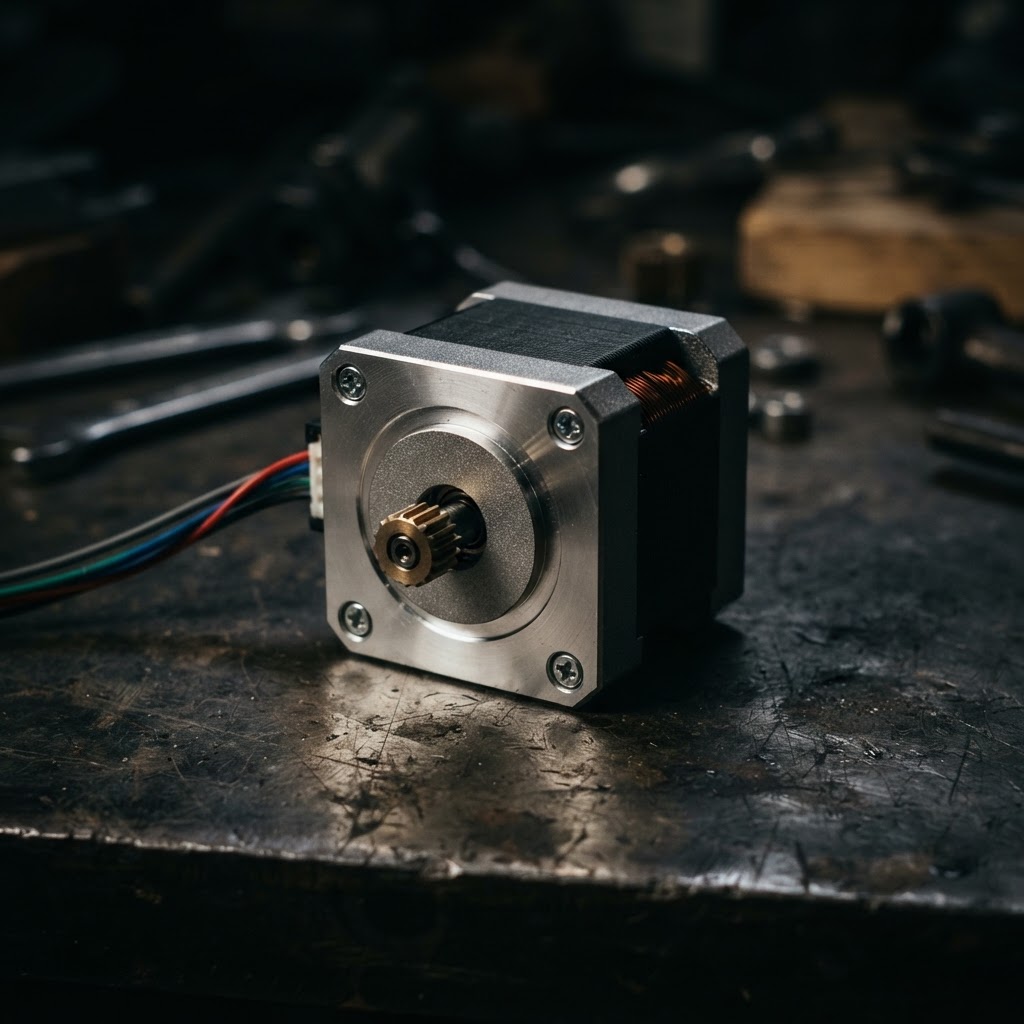
Stepper Motor
If the internal motor windings have failed or the gear mechanism is stripped, the throttle cannot be commanded to return to idle position.
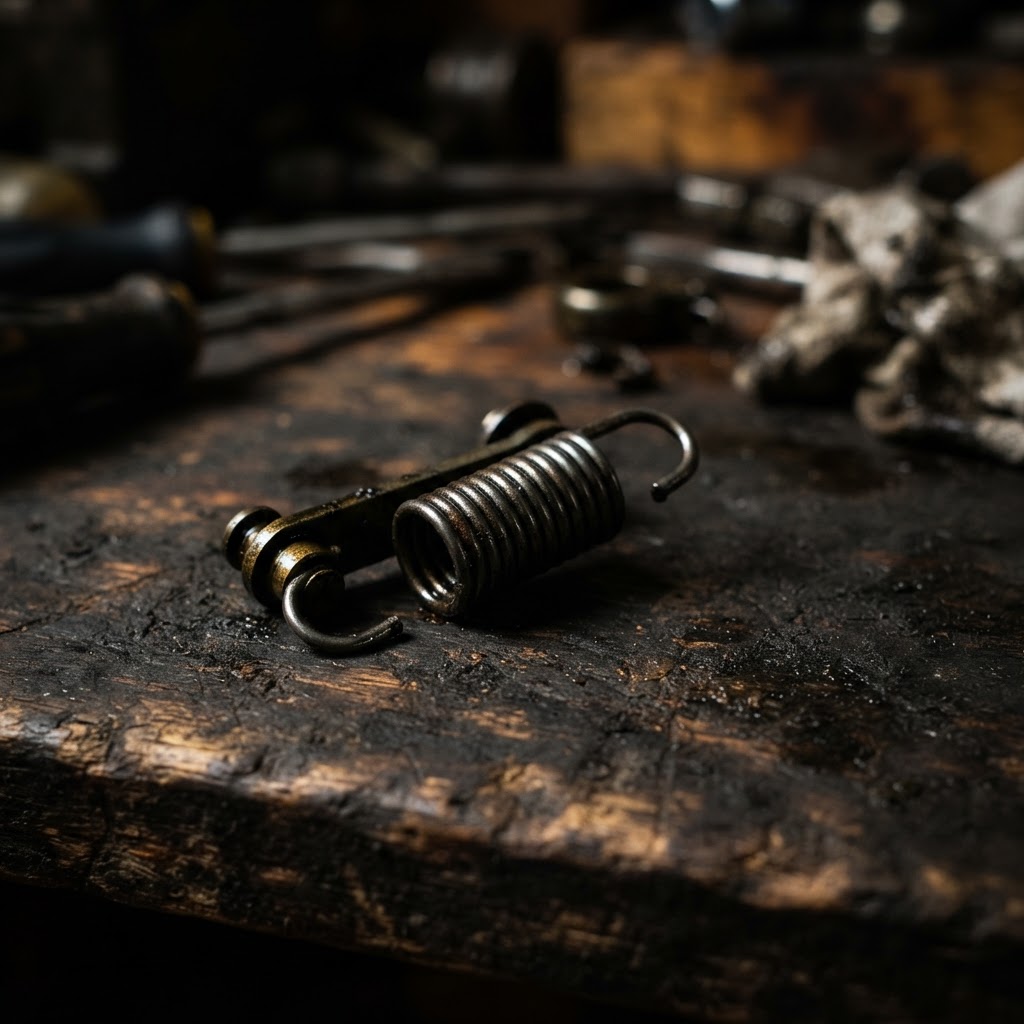
Carburetor Linkage Spring
A stretched or broken return spring prevents the butterfly valve from closing fully, which keeps the engine speed locked at a higher RPM.
Inverter Control Board
When internal logic circuits or triacs fail, the board may lose the ability to pulse the stepper motor, requiring a full module replacement.
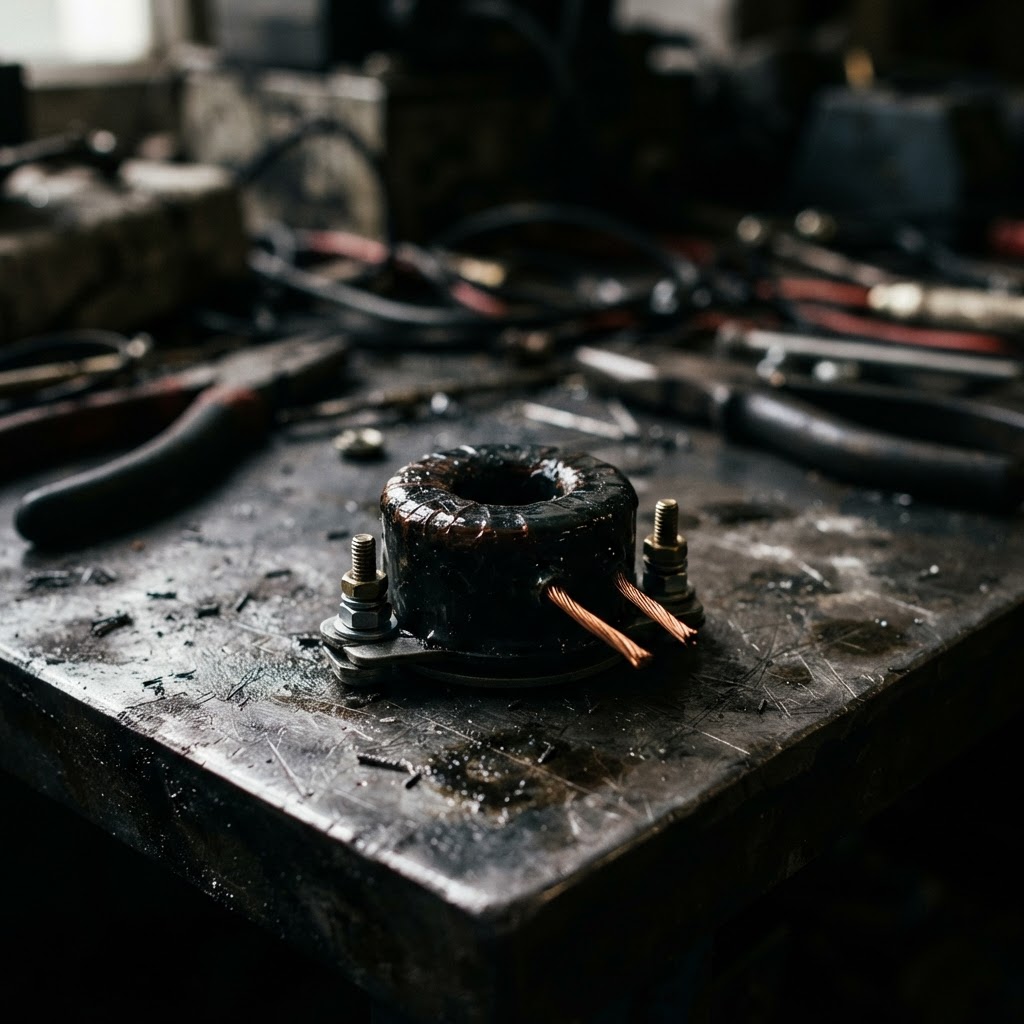
Current Transformer Sensor
If the CT sensor sends a false high-load signal to the ECU, the controller will keep the engine at top speed regardless of actual electrical demand.
Electrical Contact Cleaner
Specifically formulated to remove oxidation from the inverter board harness pins, which is necessary to restore communication between the sensor and control module.
Affiliate Disclosure: Lil Engine may earn commissions from qualifying purchases.
Pro Tips from the Community
Real-world fixes from Reddit, YouTube & forums.
"Check for a stuck stepper motor linkage; if the throttle plate can't fully close because of gunk or a stiff spring, the inverter won't drop to idle."
Reddit r/smallengines"Verify your eco-mode switch isn't corroded or internally bypassed, as it’s the primary command for the throttle actuator to reduce RPMs."
DoItYourself.com Forum"If the carburetor idle circuit is clogged with varnish, the engine will hunt or stay locked at high RPM to compensate for the lean condition."
YouTube comments"Inspect the throttle servo connection for loose pins or damaged wiring, as a lost signal from the inverter board will leave the throttle stuck wide open."
TractorByNetPrevent This From Coming Back
Regularly use fuel stabilizer to prevent gummy carburetor deposits
Keep the generator chassis clean to prevent vibration-induced harness chafing
Test the Eco-Mode switch periodically to ensure the circuit is not seized
Store the generator in a climate-controlled area to prevent circuit board corrosion
Prevent This From Happening Again
While you're fixing it, stock up on the maintenance essentials that keep your generators running right.
Fuel Stabilizer
Generators sit unused for months — stabilizer prevents stale fuel issues.
Get on AmazonSpark Plug
Replace yearly so your generator starts instantly in an emergency.
Get on AmazonSmall Engine Oil
Check oil level before each use — low oil shuts down the engine.
Get on AmazonAffiliate Disclosure: Lil Engine may earn commissions from qualifying purchases.
Frequently Asked Questions
Generally, no. A dirty air filter will cause the engine to hunt or stall under load, but it will not prevent the stepper motor from attempting to idle down.
Video Help
Helpful videos showing these repairs in action.
Share Your Repair
Real-world fixes help everyone. Share what worked and your repair becomes part of Lil Engine's community database.
Related Problems
More Generators GuidesRelated Maintenance Articles
Related Symptoms
Related Searches
Generators Troubleshooting
Did this help?
Your feedback helps improve guides for everyone.