Lawn Mower Starts Then Stalls — Fuel System & Carburetor Diagnosis
⚡ Quick Answer
When a mower starts then stalls, the issue is almost always a restriction in the fuel delivery system or a lean condition caused by an air leak. Most often, the carburetor's main jet is partially clogged with ethanol varnish, providing enough fuel to fire the engine but not enough to sustain a load. You should first verify fuel flow from the tank and then inspect the carburetor bowl and main jet for debris or a sticking fuel shut-off solenoid.
What do you want to do?
Most Likely Cause
Clogged Main Jet
Fuel varnish builds up inside the tiny orifice of the main jet, restricting the flow of gasoline after the primer charge is spent. You can identify this by removing the carburetor bowl and inspecting the jet for clear daylight transmission.
Start here — this is the most common reason for this symptom.
Why This Problem Happens
When a lawn mower starts and immediately stalls, it typically indicates a mismatch between the engine's initial combustion cycle and its transition into a sustained idle. The engine fires successfully because the primer bulb or the choke mechanism has introduced a momentary, fuel-rich charge sufficient for ignition. However, once the initial charge is exhausted, the engine requires a consistent, metered flow of fuel through the carburetor's main jet. If the main jet is restricted by varnish or sediment, the engine experiences a 'lean stall' because it can no longer draw enough fuel to maintain combustion velocity. Furthermore, if a fuel line or vacuum leak is present, the air-to-fuel ratio shifts toward extreme lean conditions, which immediately kills the combustion flame. This failure is a classic breakdown of steady-state fuel atomization, where the carburetor fails to transition from the enrichment circuit used for cold starting to the primary fuel circuit required for running under its own power.
Common Symptoms
- Engine starts on first pull but dies after 2-5 seconds
- Running engine surges before stalling completely
- Backfiring through the carburetor throat upon shutdown
- Engine runs only with the choke lever partially engaged
- Spark plug appears bone-dry after repeated stall attempts
Before You Buy Parts
Quick, free inspections — check these first. Most repairs don't actually need replacement parts.
Complete Resource Guide
Complete Riding Mowers Troubleshooting Guide
Repair Overview
1–2 hours
$15–$50
First Checks — Start Here
- 1Loosen the gas cap to check for a clogged vent (vacuum lock)
- 2Verify fresh fuel is in the tank (smell for a 'sour' or varnish odor)
- 3Check for steady fuel flow from the line when disconnected from the carb
- 4Inspect the carburetor main jet (located in the bowl nut) for clogs
- 5Test for 12V at the fuel solenoid if the engine has a battery
- 6Check intake manifold bolts and gaskets for looseness or cracks
Safety Warnings
- !Ensure you are in a well-ventilated area away from open flames and keep a fire extinguisher nearby.
- !Place a rag under the carburetor to catch spilled fuel to prevent accidental ignition.
- !Disconnect the spark plug wire to prevent the mower from starting accidentally during disassembly.
- !Do not use excessive air pressure as it may damage the internal check valve mechanism.
- !Ensure the engine is completely cool before touching the crankcase area.
- !Use an insulated plug wire remover to avoid electric shocks.
- !Replacing the fuel filter but failing to clear the old sediment out of the fuel line
- !Assuming the fuel is good just because it is stored in a gas can
- !Ignoring the fuel tank's internal debris which will immediately re-clog a clean carburetor
Always disconnect the spark plug, work in a well-ventilated area, and consult a professional if unsure.
Most Likely Causes
Ranked by likelihood — tap each to see diagnosis details.
Fuel varnish builds up inside the tiny orifice of the main jet, restricting the flow of gasoline after the primer charge is spent. You can identify this by removing the carburetor bowl and inspecting the jet for clear daylight transmission.
On riding mowers, a failing pulse-style fuel pump may move enough fuel to prime the filter but lack the consistent pressure to keep the carburetor bowl full. Test this by ensuring the vacuum line from the crankcase is tight and free of cracks.
🔧 Step-by-Step Fix Guide
Verify Fuel Flow
Disconnect the fuel line at the carburetor inlet and drain into a container to ensure a steady stream of gas. If the flow is a trickle, work backward to the tank to locate the restriction.
Ensure you are in a well-ventilated area away from open flames and keep a fire extinguisher nearby.
Clean the Carburetor Bowl and Float
Remove the bowl nut and bowl to inspect for debris, water, or sediment. Use a thin piece of copper wire to gently clear the center jet orifice, as this is the primary path for fuel delivery.
Place a rag under the carburetor to catch spilled fuel to prevent accidental ignition.
Inspect Carburetor Mounting Gaskets
Remove the carburetor assembly and check the integrity of the gaskets between the carb, spacer, and intake manifold. If they are brittle or torn, they will draw air and cause the engine to stall immediately.
Disconnect the spark plug wire to prevent the mower from starting accidentally during disassembly.
Check the Fuel Tank Cap Vent
Check the cap for a small hole or one-way check valve that allows air into the tank. If it is obstructed by dust or dried grass, clean it with compressed air or replace the cap entirely.
Do not use excessive air pressure as it may damage the internal check valve mechanism.
Test the Vacuum Pulse Line
On riding mowers, inspect the vacuum hose running from the engine crankcase to the fuel pump. A cracked hose will result in insufficient fuel pump actuation and subsequent stalling.
Ensure the engine is completely cool before touching the crankcase area.
Verify Spark Plug Condition
Remove the plug with a 5/8-inch or 13/16-inch plug socket to check for carbon fouling or a weak spark. A plug that is fouled may fire once during the compression stroke but fail to sustain combustion under load.
Use an insulated plug wire remover to avoid electric shocks.
What To Test Next
If the fittings are dry, the next thing to inspect is the pump seal or gasket surface for weepage, then pressure-test the suspect circuit.
Component Reference

Carburetor & Fuel Intake
The carburetor mixes air and fuel for combustion. A clogged jet or stuck float is the #1 cause of small engine starting and surging problems.

Spark Plug & Ignition System
The spark plug ignites the air-fuel mixture. A fouled plug, wrong gap, or failing ignition coil will prevent the engine from firing.

Oil & Lubrication System
Regular oil changes are critical. Low or dirty oil causes engine wear, overheating, and eventual seizure. Check the dipstick before every season.

Air Filter & Intake
A clogged air filter starves the engine of air, causing rich running, power loss, and hard starting. Inspect and clean or replace it each season.
Photos for educational reference. Actual parts may vary by make and model.
Common Mistakes to Avoid
Using carburetor cleaner without removing the plastic components that can melt
Replacing the fuel filter but failing to clear the old sediment out of the fuel line
Assuming the fuel is good just because it is stored in a gas can
Over-tightening the carburetor bowl nut, which can strip the threads on the brass jet
Ignoring the fuel tank's internal debris which will immediately re-clog a clean carburetor
If This Didn't Fix It
Still having trouble? These are the next things to check:
Get the Exact Parts for Your Machine
Tell us your equipment's year, make, and model — we'll search for parts that actually fit, not generic ones.
Finding parts for
lawn mower
Required Gear
Matched to your lawn mower — click to find the exact fit on Amazon.
Carburetor Rebuild Kit
This kit provides the essential gaskets, needles, and seats required to address internal blockages in the main jet and potential vacuum leaks at the mounting interface.
In-line Fuel Filter
Replacing the filter ensures that contaminants do not continue to reach the carburetor bowl, preventing immediate re-clogging after the internal cleaning process.
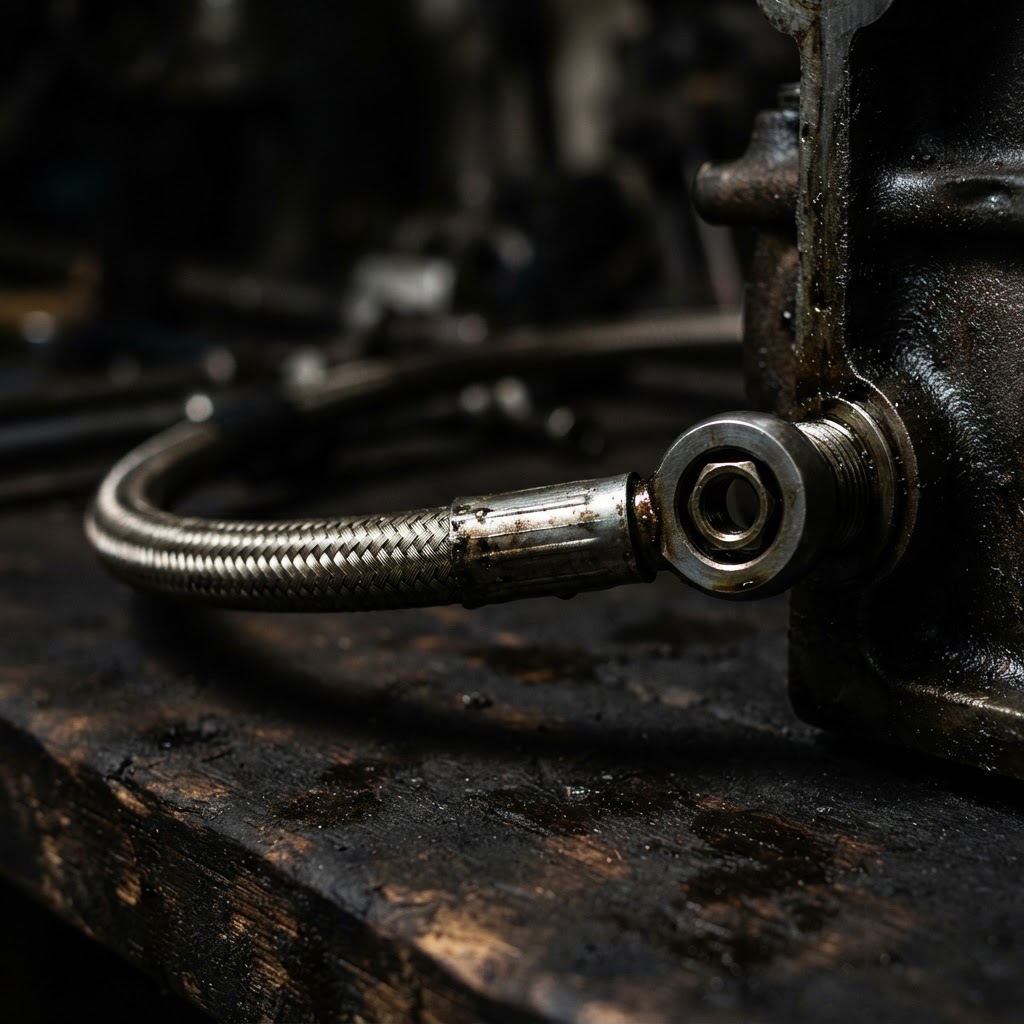
Fuel Pump Pulse Line
Cracked or hardened pulse lines are a common failure point that prevents the pump from delivering consistent fuel pressure, leading to the engine stalling shortly after startup.
Replacement Fuel Cap
If the original cap vent is permanently obstructed, installing a new cap is the only way to restore the atmospheric pressure needed for gravity-fed or pump-assisted fuel flow.
Affiliate Disclosure: Lil Engine may earn commissions from qualifying purchases.
Pro Tips from the Community
Real-world fixes from Reddit, YouTube & forums.
"If the mower stays running while you're pumping the primer bulb, the problem is 100% inside the carburetor fuel circuit, not the ignition."
Reddit r/lawncare"Check the fuel line for internal collapse; sometimes the outer shell looks fine but the inner lining has failed, acting like a one-way valve that shuts off fuel flow."
LawnSite.com Forum"On Honda GCV engines, the auto-choke linkage can get bound up with dust; if the choke doesn't open fully after the engine warms up, it will flood and stall."
YouTube commentsPrevent This From Coming Back
Add a high-quality fuel stabilizer to your gas can every time you fill it
Replace the fuel filter annually regardless of appearance
Run the engine until the carburetor is dry before long-term storage
Keep the fuel tank clean and wipe the area around the filler cap before opening
Use non-ethanol fuel if possible to prevent varnish buildup in the carburetor jets
Prevent This From Happening Again
While you're fixing it, stock up on the maintenance essentials that keep your riding mowers running right.
Small Engine Oil
Change oil every 50 hours or once per season to prevent engine wear.
Get on AmazonAir Filter
A clogged air filter reduces power and fuel efficiency — replace annually.
Get on AmazonFuel Stabilizer
Keeps fuel fresh during storage, preventing carburetor gumming.
Get on AmazonAffiliate Disclosure: Lil Engine may earn commissions from qualifying purchases.
Frequently Asked Questions
Generally, no. Low oil levels may trigger a low-oil sensor on some riding mowers, which will kill the engine immediately, but this is a safety shutdown rather than a fuel-starvation issue.
Video Help
Helpful videos showing these repairs in action.
Share Your Repair
Real-world fixes help everyone. Share what worked and your repair becomes part of Lil Engine's community database.
Related Problems
More Riding Mowers GuidesRelated Maintenance Articles
Related Symptoms
Related Searches
Riding Mowers Troubleshooting
Did this help?
Your feedback helps improve guides for everyone.