Poulan Chainsaw Chain Won't Spin — Mechanical Clutch & Brake Diagnosis
⚡ Quick Answer
If your Poulan chainsaw engine runs but the chain won't spin, the most common culprit is an engaged or seized chain brake; ensure the front guard is pulled back toward the handle until it clicks. If the brake is off, the issue is likely a glazed centrifugal clutch, a broken clutch spring, or a drive sprocket that has been worn down or packed with debris. Always check the guide bar rails for 'mushrooming' or physical damage that could be pinching the chain drive links.
What do you want to do?
Most Likely Cause
Engaged or Jammed Chain Brake
The chain brake band remains clamped around the clutch drum. Visually inspect if the hand guard is fully pushed forward or if debris has jammed the internal linkage.
Start here — this is the most common reason for this symptom.
Why This Problem Happens
A Poulan chainsaw utilizes a centrifugal clutch mechanism to engage the drive sprocket. As engine RPM increases, clutch shoes are thrown outward against the clutch drum by centrifugal force, overcoming the tension of the garter springs. When the engine idles, these shoes retract, allowing the drum to remain stationary. If the chain fails to spin, the primary failure mode is either a mechanical decoupling of this clutch assembly or an external blockage of the drive system. This is frequently exacerbated by the chain brake mechanism, which acts as a physical band-type brake around the clutch drum; if the linkage is tripped or the spring is broken, the brake remains locked, preventing the drum from rotating regardless of engine speed. Alternatively, worn-out clutch springs fail to exert enough force to keep the shoes retracted at low speed but can also snap or lose tension, preventing the clutch from biting into the drum walls effectively to transfer kinetic energy.
Common Symptoms
- Engine revs freely without chain movement
- Burning smell or smoke coming from the clutch cover area
- Chain is physically frozen even with the engine off
- Visible friction heat discoloration on the clutch drum
- Chain brake lever feels loose or won't click into position
Before You Buy Parts
Quick, free inspections — check these first. Most repairs don't actually need replacement parts.
Complete Resource Guide
The Complete Chainsaw Troubleshooting & Repair Guide
Brand Resource Hub
Poulan Equipment Troubleshooting & Repair Guide
Repair Overview
30–45 minutes
$15–$40
First Checks — Start Here
- 1Verify the chain brake handle is pulled back in the 'Disengaged' position
- 2Check chain tension—it should be snug but pull freely by hand
- 3Remove the sprocket cover and clear out packed sawdust and oil
- 4Inspect the drive sprocket for deep wear grooves or damage
- 5Examine the clutch drum for heat discoloration or glazing
- 6Ensure the guide bar rails are not pinched or filled with debris
Safety Warnings
- !Always ensure the spark plug wire is disconnected before touching any internal drive components.
- !Wear puncture-resistant gloves as the clutch drum and chain can have sharp metal burrs.
- !Do not attempt to stretch existing springs; they must be replaced if fatigued.
- !Wear safety glasses to prevent eye injury from flying debris.
- !Excessive grease can attract more dirt, so use it sparingly.
- !Verify the chain drive links match the pitch of the sprocket exactly.
Always disconnect the spark plug, work in a well-ventilated area, and consult a professional if unsure.
Most Likely Causes
Ranked by likelihood — tap each to see diagnosis details.
The chain brake band remains clamped around the clutch drum. Visually inspect if the hand guard is fully pushed forward or if debris has jammed the internal linkage.
Weakened garter springs prevent the clutch shoes from expanding against the drum. You can identify this by removing the clutch cover and observing if the shoes look loose or disconnected.
🔧 Step-by-Step Fix Guide
Test the Chain Brake Mechanism
Pull the hand guard toward the rear handle to disengage the brake. If the chain remains tight, remove the side cover and verify the brake band is expanding properly.
Always ensure the spark plug wire is disconnected before touching any internal drive components.
Remove and Inspect the Clutch Drum
Use a T-handle wrench to remove the bar nuts and cover. Pull the drum off the crankshaft, inspecting the needle bearing and the interior drum wall for wear.
Wear puncture-resistant gloves as the clutch drum and chain can have sharp metal burrs.
Check the Clutch Shoe Expansion
Use a pair of needle-nose pliers to gently test the tension of the garter springs. If the clutch shoes flop around loosely, the springs have lost their temper or snapped.
Do not attempt to stretch existing springs; they must be replaced if fatigued.
Clean the Clutch Housing
Use compressed air and a stiff nylon brush to remove packed sawdust and oil. Debris often creates a 'mechanical fuse' that prevents components from engaging.
Wear safety glasses to prevent eye injury from flying debris.
Lubricate the Needle Bearing
Apply a small dab of high-temp lithium grease to the needle bearing. Ensure no grease gets onto the clutch shoes, as this will cause slippage.
Excessive grease can attract more dirt, so use it sparingly.
Inspect the Sprocket Teeth
Look for rounded or heavily gouged teeth on the spur sprocket. If the teeth are worn, they will fail to drive the chain links effectively.
Verify the chain drive links match the pitch of the sprocket exactly.
What To Test Next
If the basics check out, verify spark, fuel delivery, and compression in that order — the three essentials of any combustion engine.
Component Reference

Carburetor & Fuel Intake
The carburetor mixes air and fuel for combustion. A clogged jet or stuck float is the #1 cause of small engine starting and surging problems.

Spark Plug & Ignition System
The spark plug ignites the air-fuel mixture. A fouled plug, wrong gap, or failing ignition coil will prevent the engine from firing.

Oil & Lubrication System
Regular oil changes are critical. Low or dirty oil causes engine wear, overheating, and eventual seizure. Check the dipstick before every season.

Electrical & Starting System
The battery, solenoid, and starter motor work together to crank the engine. A weak battery or corroded connection is often mistaken for a fuel or spark problem.
Photos for educational reference. Actual parts may vary by make and model.
Common Mistakes to Avoid
Applying grease directly to the clutch shoes
Forcing the chain to spin with a screwdriver while the brake is engaged
Reassembling the clutch drum without seating the needle bearing correctly
Ignoring the condition of the brake band while focusing only on the clutch
If This Didn't Fix It
Still having trouble? These are the next things to check:
Get the Exact Parts for Your Machine
Tell us your equipment's year, make, and model — we'll search for parts that actually fit, not generic ones.
Finding parts for
Poulan chainsaw chain
Required Gear
Matched to your Poulan chainsaw chain — click to find the exact fit on Amazon.
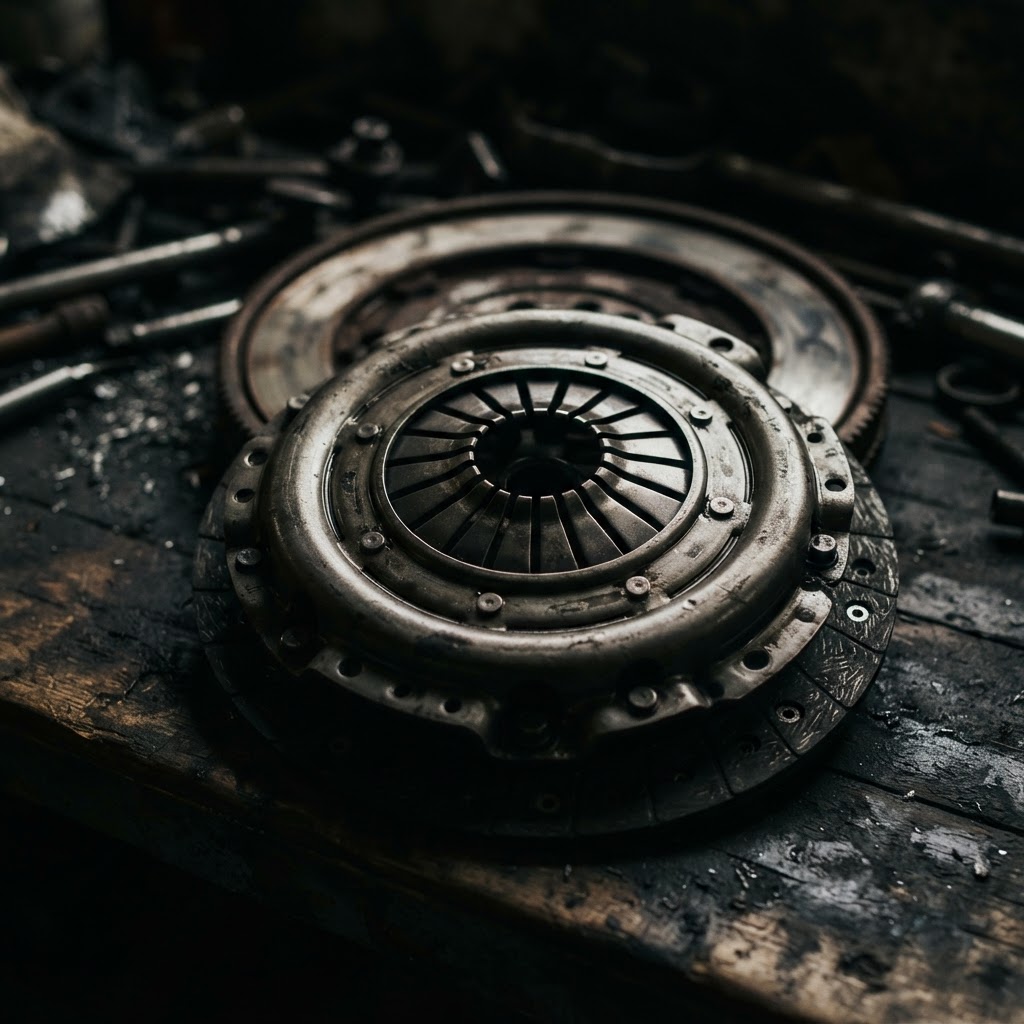
Clutch Assembly
If the clutch shoes are glazed, worn, or the springs have lost tension, the entire assembly must be replaced to ensure proper engagement with the drum at operating RPMs.
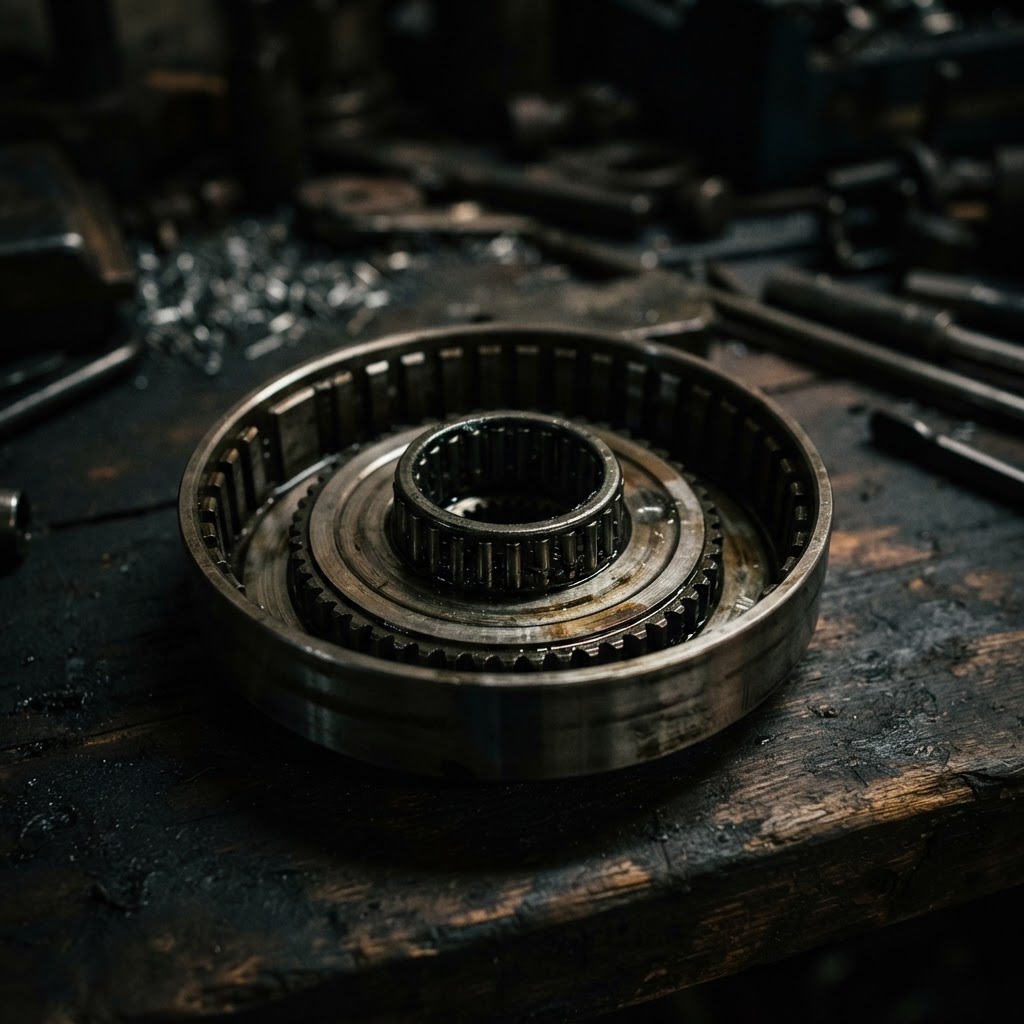
Clutch Drum and Needle Bearing Kit
The needle bearing often fails or seizes due to heat and lack of lubrication; replacing it alongside the drum prevents premature wear and ensures the sprocket rotates freely.
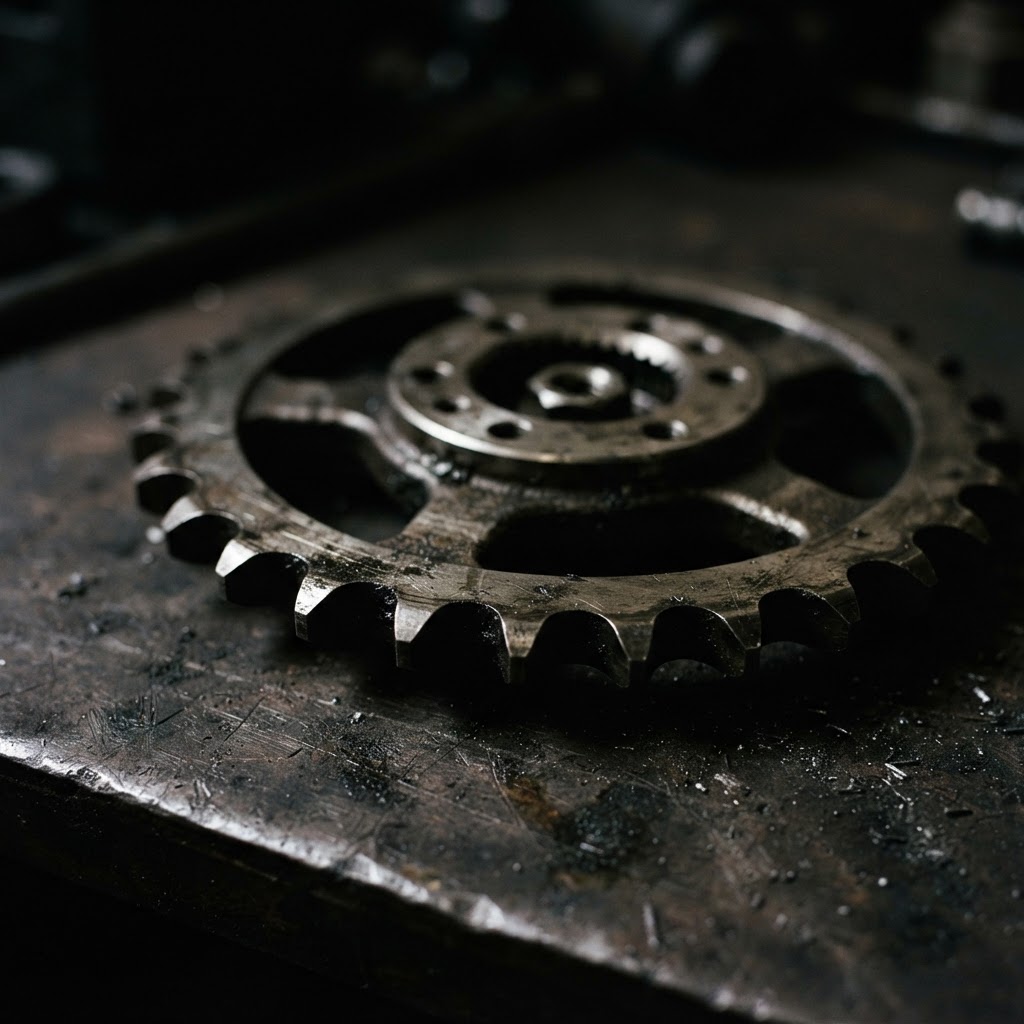
Drive Sprocket
Deep grooves or severe wear on the sprocket teeth can prevent the chain drive links from seating properly, leading to binding or a total failure to move the chain.
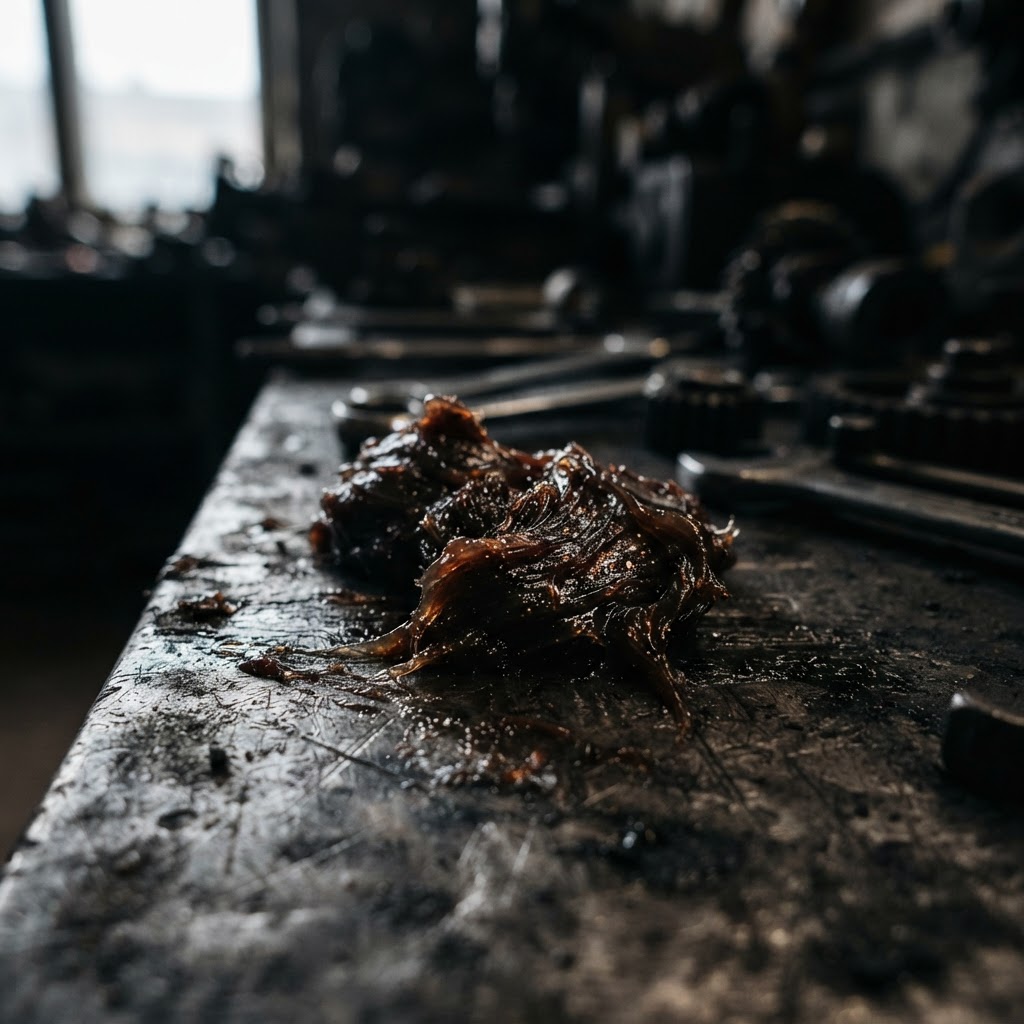
High-Temperature Clutch Grease
Specialized high-temperature lubricant is required for the needle bearing inside the clutch drum to prevent friction-induced failure and overheating during operation.
Affiliate Disclosure: Lil Engine may earn commissions from qualifying purchases.
Pro Tips from the Community
Real-world fixes from Reddit, YouTube & forums.
"If you took the sprocket cover off with the brake engaged, you'll need to use a wrench to turn the brake cam clockwise to release the tension so it fits back on."
YouTube comments"Check the needle bearing that sits under the clutch drum; if it's dry or seized, the chain might spin at idle or lock up entirely. Grease it once a season."
ArboristSite.com Forum"I once thought my clutch was shot, but it turned out the bar oil hole was clogged, causing the chain to overheat and seize in the bar. Always poke out that hole!"
Reddit r/chainsawPrevent This From Coming Back
Clean the sprocket area after every fuel fill-up
Regularly lubricate the needle bearing behind the clutch drum
Check for proper chain tension before every operation
Inspect the chain brake for smooth actuation weekly
Prevent This From Happening Again
While you're fixing it, stock up on the maintenance essentials that keep your chainsaws running right.
Bar and Chain Oil
Proper bar oil prevents chain overheating and premature wear.
Get on Amazon2-Cycle Oil
Correct fuel-oil mix is critical — use fresh 2-cycle oil every season.
Get on AmazonChainsaw Chain
Keep a sharp spare chain — a dull chain is dangerous and slow.
Get on AmazonAffiliate Disclosure: Lil Engine may earn commissions from qualifying purchases.
Frequently Asked Questions
No. If your Poulan chain spins at idle, your idle RPM is too high, or your clutch springs are broken. Adjust the idle screw or replace the springs.
Video Help
Helpful videos showing these repairs in action.
Share Your Repair
Real-world fixes help everyone. Share what worked and your repair becomes part of Lil Engine's community database.
Related Problems
More Chainsaws GuidesRelated Maintenance Articles
Related Searches
Poulan chainsaw Guides
Did this help?
Your feedback helps improve guides for everyone.