Stihl Chainsaw Just Will Not Start
⚡ Quick Answer
If your Stihl chainsaw won't start, the most common causes include a faulty spark plug, clogged fuel lines, or stale fuel. Start by checking the spark plug for damage and ensuring the fuel system is clean and primed.

What do you want to do?
Most Likely Cause
Degraded Fuel System
Ethanol-blended fuel left sitting in the carburetor causes internal diaphragms and gaskets to harden or warp. Check the condition of the fuel pickup body and the pulse port in the carburetor for clogs.
Start here — this is the most common reason for this symptom.
Why This Problem Happens
A Stihl chainsaw fails to start when the precise triumvirate of compression, ignition, and combustion is disrupted. Stihl engines are high-performance two-strokes, relying on a crankcase-compression design where the piston travel simultaneously pulls fuel into the crankcase and compresses the charge above. If the impulse line is cracked, the carburetor diaphragm cannot pulse fuel to the metering needle, resulting in a starvation event. Simultaneously, these saws utilize high-tension ignition systems that rely on the flywheel magnets passing the ignition module at high speeds. If the air gap is incorrect or the coil has suffered heat-induced breakdown, the spark energy will be insufficient to jump the plug gap under the high-pressure conditions inside the cylinder. Finally, mechanical failure often stems from carbon scoring on the piston skirt or ring sticking due to poor oil mixing, which bleeds off cylinder pressure and prevents the vacuum required to draw fuel from the tank. Without these mechanical, fuel, and electrical systems synchronized, the engine remains inert.
Common Symptoms
- Dry spark plug after multiple pulls
- Flooded engine with raw fuel leaking from muffler
- Absence of blue spark on ignition tester
- Low resistance during starter rope pull
- Pop or kickback during initial pulls
- Heavy varnish smell from the fuel tank
Before You Buy Parts
Quick, free inspections — check these first. Most repairs don't actually need replacement parts.
Complete Resource Guide
The Complete Chainsaw Troubleshooting & Repair Guide
Brand Resource Hub
Stihl Troubleshooting & Repair Guide
Repair Overview
45–90 minutes
$5–$40
First Checks — Start Here
- 1Check the spark plug for damage or wear.
- 2Inspect the fuel lines for cracks or blockages.
- 3Ensure the fuel is fresh and properly mixed.
- 4Verify that the choke is set correctly when starting.
- 5Check if the battery (if applicable) is charged.
Safety Warnings
- !Ensure the kill switch is in the 'Run' position and keep fingers away from the spark tester lead while pulling.
- !Release the decompression valve if equipped on your model before testing to avoid erroneous results.
- !Capture any leaking fuel with a rag to prevent fire hazards during disassembly.
- !Do not smoke or use open flames near the open fuel tank.
- !Be gentle with old rubber lines as they may shatter under pressure.
- !Disconnect the spark plug wire entirely before performing electrical continuity tests.
- !Replacing the spark plug without checking for actual spark source
- !Using generic fuel line instead of Stihl-specific Viton-rated hose
Always disconnect the spark plug, work in a well-ventilated area, and consult a professional if unsure.
Most Likely Causes
Ranked by likelihood — tap each to see diagnosis details.
Ethanol-blended fuel left sitting in the carburetor causes internal diaphragms and gaskets to harden or warp. Check the condition of the fuel pickup body and the pulse port in the carburetor for clogs.
The electronic module can fail internally due to extreme heat cycles common in Stihl engines. Use an adjustable spark gap tester to verify a strong, bright blue arc at the tip.
🔧 Step-by-Step Fix Guide
Perform a Spark Test
Connect an adjustable ignition tester to the spark plug wire and ground it against the engine block. Set the gap to 0.020 inches and pull the starter cord vigorously to look for a crisp blue spark.
Ensure the kill switch is in the 'Run' position and keep fingers away from the spark tester lead while pulling.
Verify Cylinder Compression
Thread a compression gauge into the spark plug hole and pull the starter rope at least six times. A healthy Stihl engine should typically register between 120 and 150 PSI; readings below 90 PSI suggest internal wear.
Release the decompression valve if equipped on your model before testing to avoid erroneous results.
Inspect Carburetor Diaphragms
Remove the air filter housing and carb assembly to inspect the metering and pump diaphragms. If the material feels stiff or brittle, it is failing to pump fuel correctly.
Capture any leaking fuel with a rag to prevent fire hazards during disassembly.
Check Fuel Line and Filter
Extract the fuel pickup body from the tank using a small hook and ensure it is not clogged with debris. Inspect the fuel line routing to ensure no kinks or cracks are present that would cause air intake.
Do not smoke or use open flames near the open fuel tank.
Evaluate Crankcase Impulse Port
Check the rubber impulse tube that connects the carburetor to the crankcase. If this hose is cracked, the engine will fail to 'pulse' the fuel pump, causing a no-start condition.
Be gentle with old rubber lines as they may shatter under pressure.
Examine the Kill Wire
Trace the wire from the ignition coil to the handle control switch to check for damaged insulation. A pinched or bare wire touching the metal chassis will kill the ignition spark immediately.
Disconnect the spark plug wire entirely before performing electrical continuity tests.
What To Test Next
If fuel delivery checks out, the next thing to inspect is spark — remove the spark plug, ground its threads to the engine block, and crank the engine to look for a visible blue spark.
Component Reference

Carburetor & Fuel Intake
The carburetor mixes air and fuel for combustion. A clogged jet or stuck float is the #1 cause of small engine starting and surging problems.

Spark Plug & Ignition System
The spark plug ignites the air-fuel mixture. A fouled plug, wrong gap, or failing ignition coil will prevent the engine from firing.

Oil & Lubrication System
Regular oil changes are critical. Low or dirty oil causes engine wear, overheating, and eventual seizure. Check the dipstick before every season.

Air Filter & Intake
A clogged air filter starves the engine of air, causing rich running, power loss, and hard starting. Inspect and clean or replace it each season.
Photos for educational reference. Actual parts may vary by make and model.
Common Mistakes to Avoid
Replacing the spark plug without checking for actual spark source
Using generic fuel line instead of Stihl-specific Viton-rated hose
Over-tightening the carburetor mounting nuts leading to manifold cracks
Ignoring the muffler screen, which can be carbon-fouled and prevent exhaust flow
Testing compression with the throttle plate closed
If This Didn't Fix It
Still having trouble? These are the next things to check:
Get the Exact Parts for Your Machine
Tell us your equipment's year, make, and model — we'll search for parts that actually fit, not generic ones.
Finding parts for
stihl chainsaw just will
Required Gear
Matched to your stihl chainsaw just will — click to find the exact fit on Amazon.
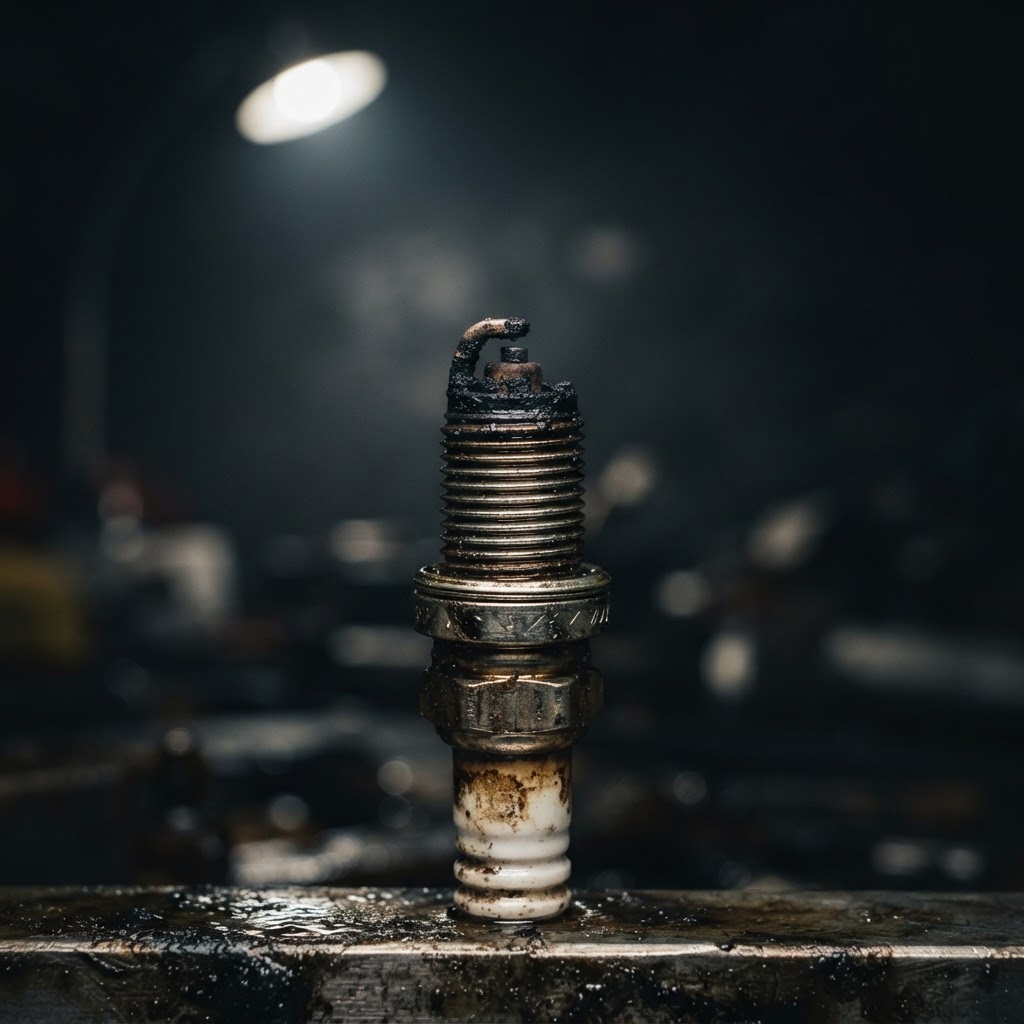
Spark Plug
Replacing the spark plug is the first logical step if the spark test reveals a weak or non-existent spark, ensuring reliable ignition.
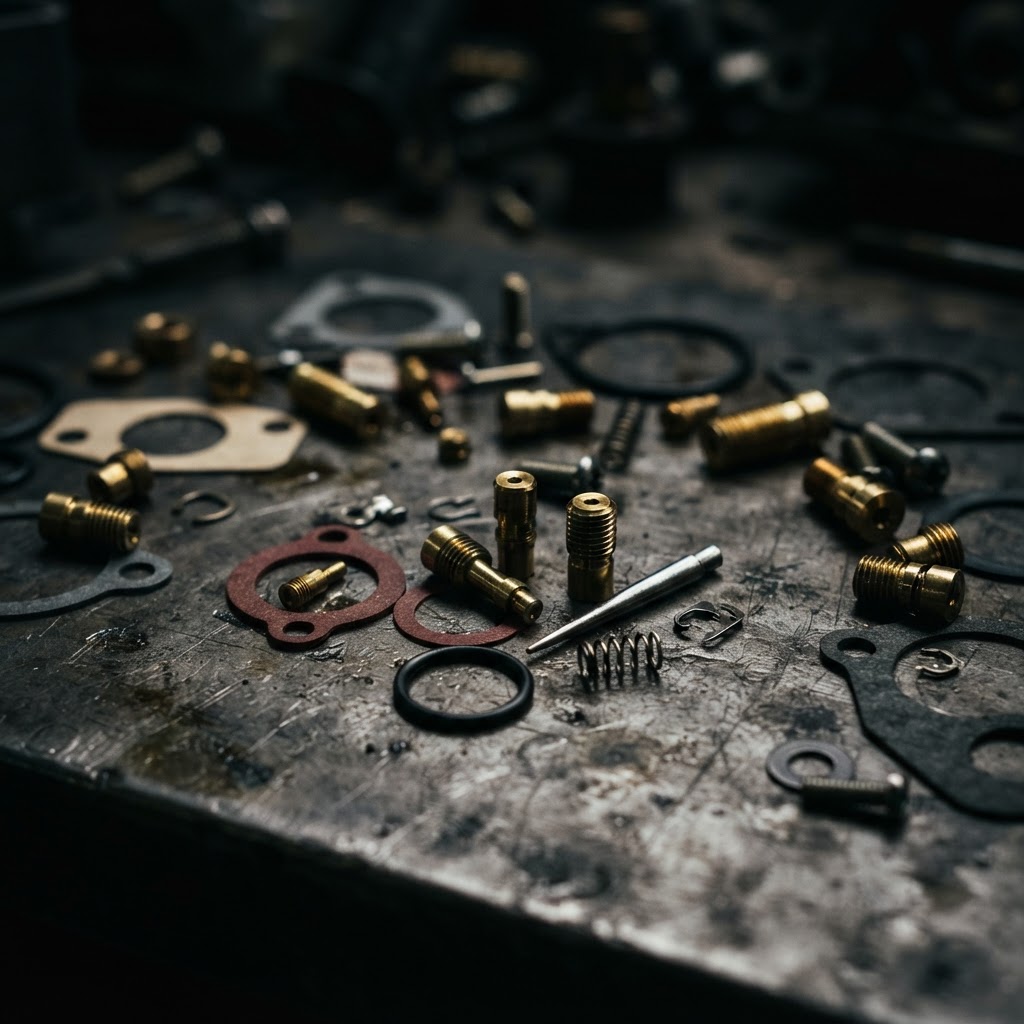
Carburetor Rebuild Kit
This kit replaces the hardened diaphragms and gaskets often caused by degraded fuel, which is necessary to restore proper fuel delivery and engine starting.
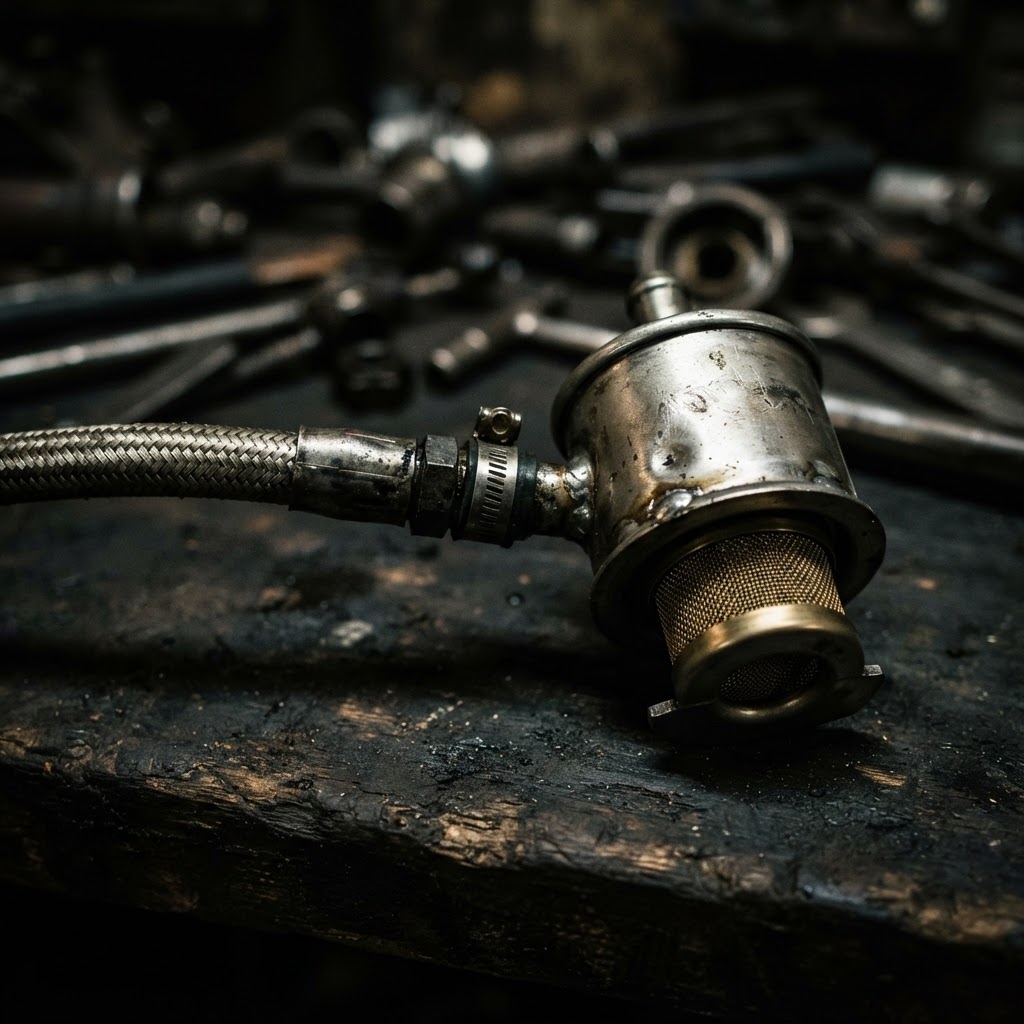
Fuel Line and Pickup Filter
Old fuel lines frequently crack or lose flexibility, leading to air leaks or fuel starvation that prevent the engine from starting.
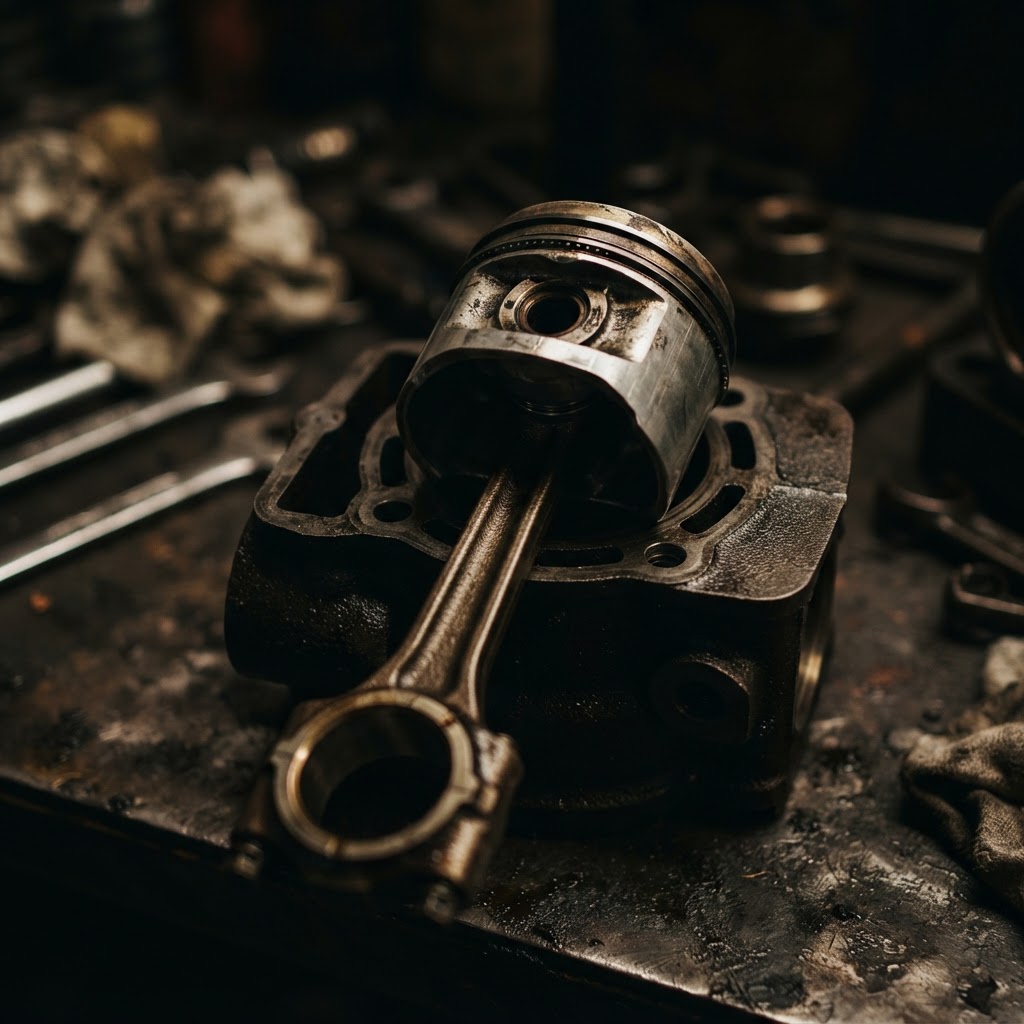
Piston and Cylinder Assembly
If the verification process shows internal scoring or lack of compression, this complete assembly is required to restore the engine's vacuum and power.
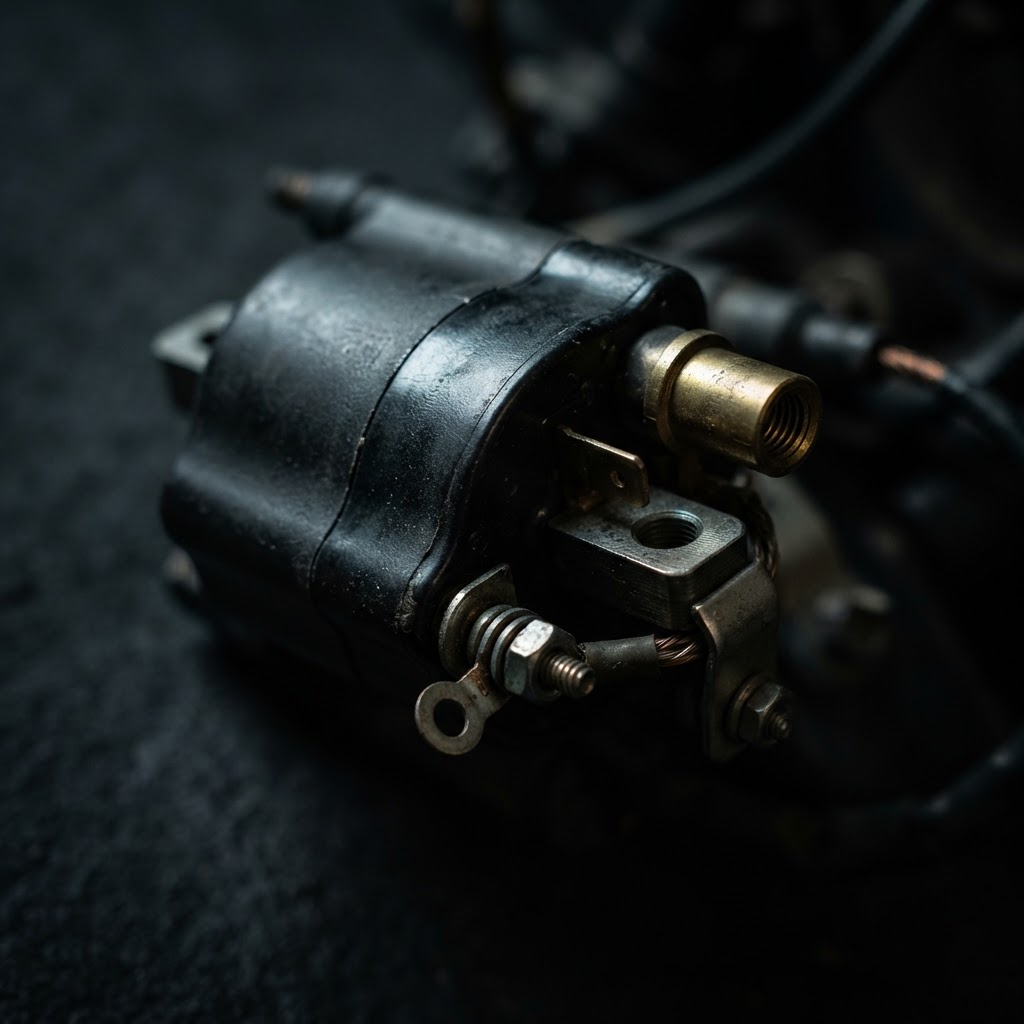
Ignition Coil
If the ignition system fails the spark test despite a new plug, the coil is the specific electrical component that must be replaced to generate the high voltage needed for combustion.
Affiliate Disclosure: Lil Engine may earn commissions from qualifying purchases.
Pro Tips from the Community
Real-world fixes from Reddit, YouTube & forums.
"Check the spark plug for wear or fouling — if it's black and sooty, replace it and that could be your issue."
YouTube comments"Ensure the fuel is fresh and mixed correctly — old gas can cause starting issues, so always use fresh mix when troubleshooting."
LawnSite.com Forum"Inspect the air filter — a clogged filter can choke off air flow, preventing the saw from starting, so clean or replace it if necessary."
TractorByNet"Take a close look at the fuel lines for cracks or leaks — even small issues can disrupt fuel delivery to the engine."
Reddit r/lawncarePrevent This From Coming Back
Use only high-quality synthetic 2-cycle oil mixed at the correct 50:1 ratio
Switch to alkylate-based pre-mixed fuel to avoid ethanol degradation
Clean the cooling fins on the cylinder head annually to prevent heat-related seizure
Replace fuel and air filters every season regardless of visible appearance
Empty the fuel tank before long-term storage
Prevent This From Happening Again
While you're fixing it, stock up on the maintenance essentials that keep your chainsaws running right.
Bar and Chain Oil
Proper bar oil prevents chain overheating and premature wear.
Get on Amazon2-Cycle Oil
Correct fuel-oil mix is critical — use fresh 2-cycle oil every season.
Get on AmazonChainsaw Chain
Keep a sharp spare chain — a dull chain is dangerous and slow.
Get on AmazonAffiliate Disclosure: Lil Engine may earn commissions from qualifying purchases.
Frequently Asked Questions
Starting fluid is highly discouraged because it lacks lubrication and can cause immediate piston seizure in 2-cycle engines. If the saw will not run on standard fuel mix, it needs mechanical repair rather than a chemical band-aid.
Video Help
Helpful videos showing these repairs in action.
Share Your Repair
Real-world fixes help everyone. Share what worked and your repair becomes part of Lil Engine's community database.
Related Problems
More Chainsaws GuidesRelated Maintenance Articles
Related Symptoms
Won’t Start
Related Searches
Stihl chainsaw Guides
Did this help?
Your feedback helps improve guides for everyone.