Poulan Chainsaw Chain Won't Move — Mechanical / Drive System Diagnosis
⚡ Quick Answer
If your Poulan chainsaw engine runs but the chain won't move, the most common cause is an engaged chain brake—pull the hand guard back toward the handle until it clicks. If the brake is off, the issue is typically wood debris packed under the clutch cover or a damaged centrifugal clutch. Remove the clutch cover to inspect for a broken clutch spring or a worn-out drive sprocket that has 'pinched' the chain links.
What do you want to do?
Most Likely Cause
Seized Clutch Drum Needle Bearing
The needle bearing sits behind the clutch drum and requires regular greasing. If it runs dry, the metal heats up and welds to the crankshaft, preventing the drum from spinning entirely.
Start here — this is the most common reason for this symptom.
Why This Problem Happens
When a Poulan chainsaw chain fails to rotate, the fault lies within the power transmission chain starting at the centrifugal clutch. This system relies on two weighted clutch shoes held by springs; as the engine reaches a specific RPM, centrifugal force overcomes the spring tension, causing the shoes to expand and frictionally engage the clutch drum. If the chain is locked, it is usually because the clutch drum bearing has seized due to heat-soak and lack of lubrication, or the clutch springs have snapped, preventing the clutch shoes from retracting and jamming the drum rotation. Alternatively, if the engine revs freely but the chain stays static, the clutch shoes are likely worn down to the metal or the spring has lost its temper, preventing sufficient torque transfer to the sprocket. Physically, the mechanical linkage between the power unit and the cutting chain has been interrupted or physically impeded by a seizure, failing to convert the engine's rotational kinetic energy into linear chain speed.
Common Symptoms
- Engine revs high but chain does not move
- Clutch cover area emits burning rubber or metallic smell
- Visible bluing on the clutch drum surface
- Clutch drum will not rotate manually with chain brake disengaged
- Sprocket teeth show uneven or extreme wear
Before You Buy Parts
Quick, free inspections — check these first. Most repairs don't actually need replacement parts.
Complete Resource Guide
The Complete Chainsaw Troubleshooting & Repair Guide
Brand Resource Hub
Poulan Equipment Troubleshooting & Repair Guide
Repair Overview
45–90 minutes
$15–$50
First Checks — Start Here
- 1Pull the front hand guard back toward the handle to disengage the chain brake.
- 2Verify the chain is not over-tensioned; you should be able to lift it slightly off the bar.
- 3Remove the clutch cover and clean out packed sawdust and oil sludge.
- 4Check the guide bar rails for 'pinched' spots or burrs using a flat file.
- 5Inspect the drive sprocket for deep grooves that may be trapping the chain drive links.
- 6Ensure the chain is installed with the cutters facing the correct direction (forward on top).
Safety Warnings
- !Always disconnect the spark plug wire before working near the drive sprocket.
- !Wear safety glasses; compressed sawdust can be hazardous to eyes.
- !Ensure the engine is completely cool before touching the metal clutch area.
- !Do not force the drum with tools; if it is stuck, it requires disassembly.
- !Piston stops must be installed correctly to prevent damage to the cylinder wall.
- !Use only lithium-based high-temperature grease; standard oil will burn off instantly.
Always disconnect the spark plug, work in a well-ventilated area, and consult a professional if unsure.
Most Likely Causes
Ranked by likelihood — tap each to see diagnosis details.
The needle bearing sits behind the clutch drum and requires regular greasing. If it runs dry, the metal heats up and welds to the crankshaft, preventing the drum from spinning entirely.
Poulan clutch springs hold the shoes inward at idle. If a spring snaps, a clutch shoe can expand prematurely or wedge itself against the drum housing, locking the mechanism.
🔧 Step-by-Step Fix Guide
Verify Chain Brake Status
Pull the handguard fully toward the rear handle to ensure the brake is disengaged. If the chain still won't turn by hand, the brake band may be physically stuck to the drum.
Always disconnect the spark plug wire before working near the drive sprocket.
Remove Side Cover and Clean
Unscrew the bar nuts and remove the side cover to inspect for impacted wood debris. Clean the area around the sprocket and bar groove using a flat-head screwdriver.
Wear safety glasses; compressed sawdust can be hazardous to eyes.
Inspect Sprocket Condition
Check the rim sprocket or spur sprocket for excessive 'grooving' or missing teeth. If the chain drive links are bottoming out, the sprocket must be replaced.
Ensure the engine is completely cool before touching the metal clutch area.
Test Clutch Drum Rotation
With the chain off the bar, rotate the clutch drum by hand. It should spin freely with a slight resistance from the engine compression; if it feels gritty or won't turn, the needle bearing is likely seized.
Do not force the drum with tools; if it is stuck, it requires disassembly.
Check Clutch Shoes and Springs
Use a piston stop and a clutch removal tool to take off the clutch assembly. Inspect the springs for tension and the shoes for thinning or gouging.
Piston stops must be installed correctly to prevent damage to the cylinder wall.
Lubricate Needle Bearing
If the drum is intact, clean the needle bearing with solvent and apply high-temperature grease. Reinstall the drum and ensure it spins smoothly on the crankshaft stub.
Use only lithium-based high-temperature grease; standard oil will burn off instantly.
What To Test Next
If the basics check out, verify spark, fuel delivery, and compression in that order — the three essentials of any combustion engine.
Component Reference

Carburetor & Fuel Intake
The carburetor mixes air and fuel for combustion. A clogged jet or stuck float is the #1 cause of small engine starting and surging problems.

Spark Plug & Ignition System
The spark plug ignites the air-fuel mixture. A fouled plug, wrong gap, or failing ignition coil will prevent the engine from firing.

Oil & Lubrication System
Regular oil changes are critical. Low or dirty oil causes engine wear, overheating, and eventual seizure. Check the dipstick before every season.

Drive & Cutting System
Belts, pulleys, and clutches transfer engine power to the wheels and cutting deck. A worn or thrown belt is the most common drive-system failure.
Photos for educational reference. Actual parts may vary by make and model.
Common Mistakes to Avoid
Using regular grease instead of high-temp bearing grease
Forcing the chain brake into position without checking the internal spring
Ignoring chain tension, which puts excessive load on the clutch
Replacing the clutch without checking if the needle bearing is the actual failure point
If This Didn't Fix It
Still having trouble? These are the next things to check:
Get the Exact Parts for Your Machine
Tell us your equipment's year, make, and model — we'll search for parts that actually fit, not generic ones.
Finding parts for
Poulan chainsaw chain won't move
Required Gear
Matched to your Poulan chainsaw chain won't move — click to find the exact fit on Amazon.
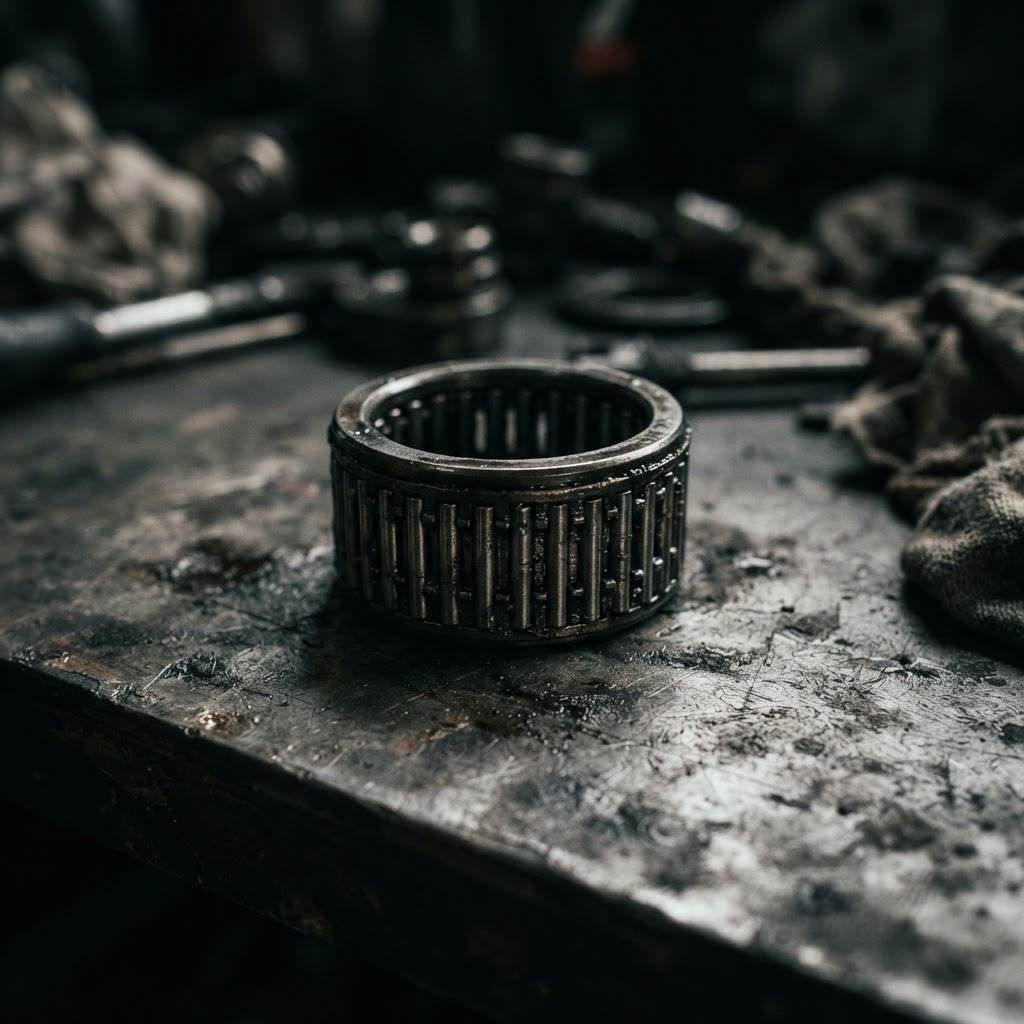
Clutch Drum Needle Bearing
If the needle bearing has seized or worn out, the clutch drum will not rotate freely, preventing the chain from moving even when the engine is revving.
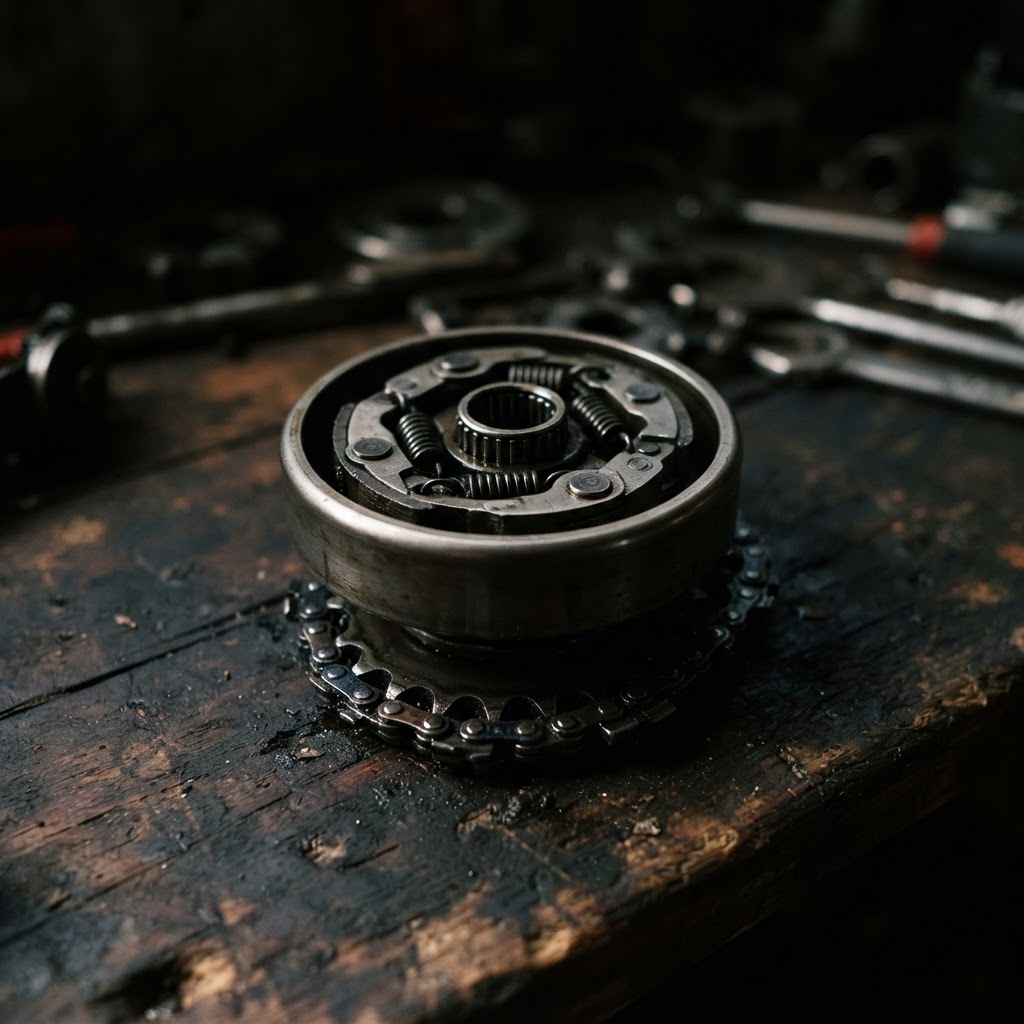
Chainsaw Clutch Assembly
This replacement assembly is necessary if the clutch springs have snapped or the clutch shoes have worn down, preventing the clutch from engaging the drum at higher speeds.
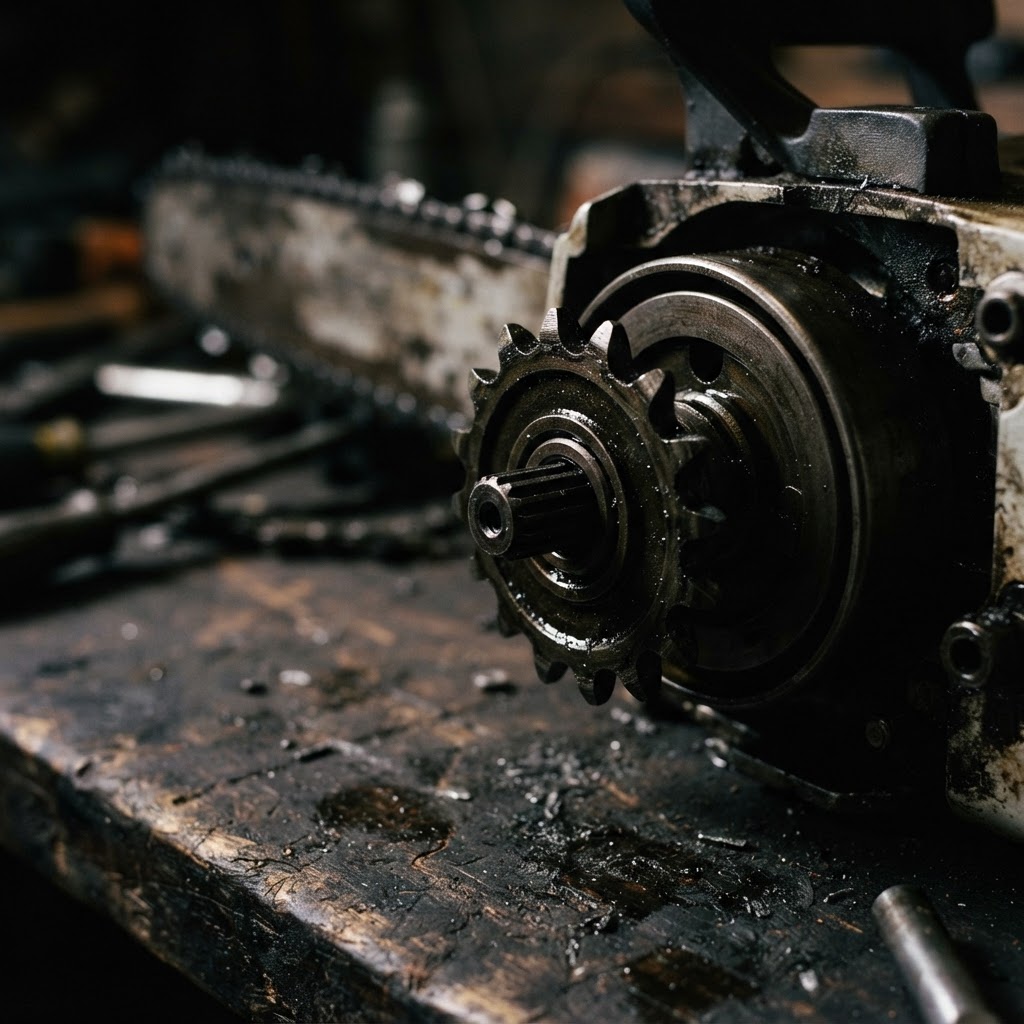
Chainsaw Drive Sprocket
Excessive wear or deep grooving on the sprocket teeth can bind the chain or prevent it from seating correctly, leading to a failure in drive power delivery.
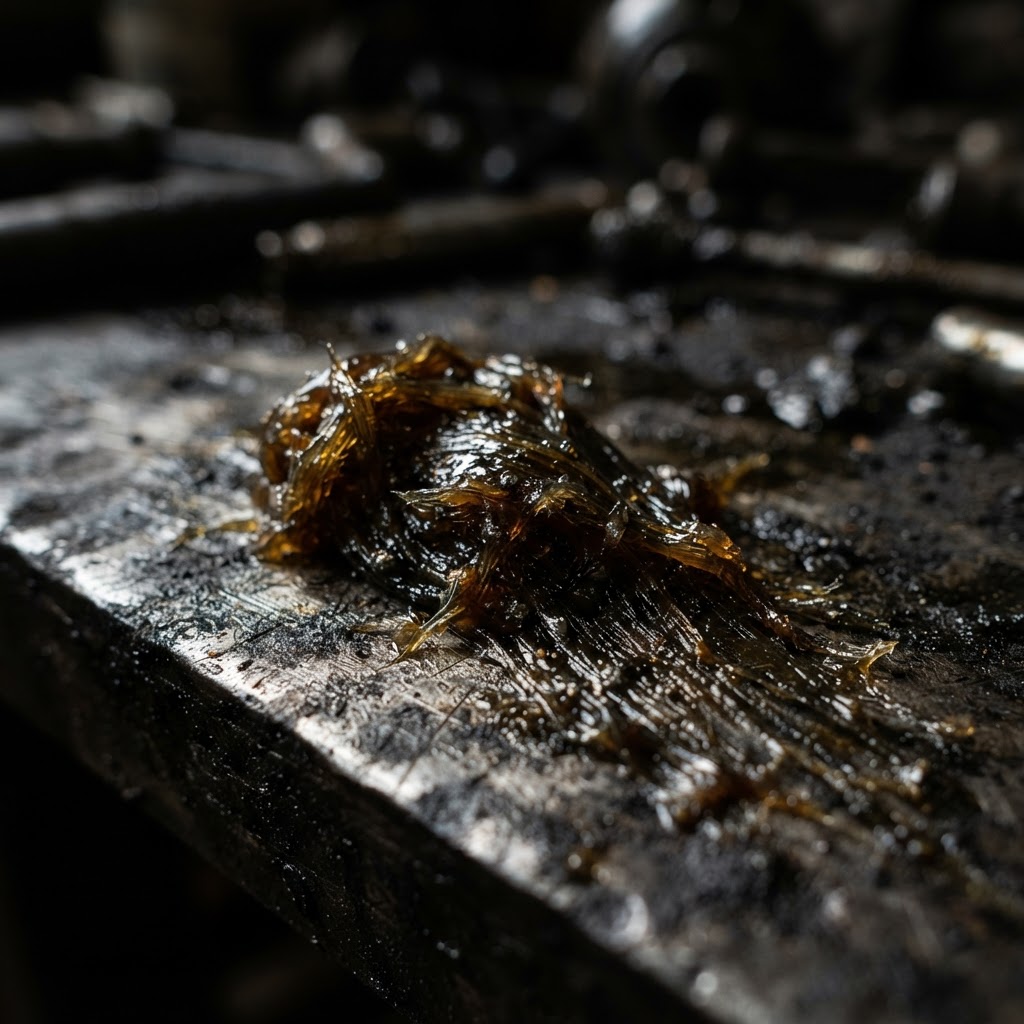
High-Temperature Lithium Grease
Applying this specific lubricant to the clutch drum needle bearing is critical for heat dissipation and preventing the bearing from seizing again under load.
Affiliate Disclosure: Lil Engine may earn commissions from qualifying purchases.
Pro Tips from the Community
Real-world fixes from Reddit, YouTube & forums.
"Check the 'hidden' brake screw on Poulan Pro models; sometimes the plastic housing melts from running with the brake on, which permanently traps the brake band."
Arboristsite.com"If the chain is stuck, don't keep revving it or you'll smoke the clutch and potentially melt the plastic oiler drive gear located behind the clutch."
YouTube comments"I've seen many Poulans where the bar nuts were overtightened, slightly crushing the thin metal clutch cover against the drum, stopping it from spinning."
Reddit r/chainsawPrevent This From Coming Back
Grease the needle bearing every 20-30 hours of operation
Keep the drive case free of packed sawdust after every use
Check chain tension frequently to avoid heat build-up
Use sharp chains to reduce the load on the clutch assembly
Prevent This From Happening Again
While you're fixing it, stock up on the maintenance essentials that keep your chainsaws running right.
Bar and Chain Oil
Proper bar oil prevents chain overheating and premature wear.
Get on Amazon2-Cycle Oil
Correct fuel-oil mix is critical — use fresh 2-cycle oil every season.
Get on AmazonChainsaw Chain
Keep a sharp spare chain — a dull chain is dangerous and slow.
Get on AmazonAffiliate Disclosure: Lil Engine may earn commissions from qualifying purchases.
Frequently Asked Questions
No. If the needle bearing has seized, oil will not penetrate the heat-welded metal. The drum must be removed and the bearing inspected or replaced.
Video Help
Helpful videos showing these repairs in action.
Share Your Repair
Real-world fixes help everyone. Share what worked and your repair becomes part of Lil Engine's community database.
Related Problems
More Chainsaws GuidesRelated Maintenance Articles
Related Symptoms
Related Searches
Poulan chainsaw Guides
Did this help?
Your feedback helps improve guides for everyone.