Poulan Pro Chainsaw Won't Start
⚡ Quick Answer
The most common reasons a Poulan Pro chainsaw won't start are stale fuel, a fouled spark plug, or a clogged air filter. Start by checking for fresh fuel in the tank and ensuring the ignition switch is in the 'on' position before moving to more involved maintenance.
What do you want to do?
Most Likely Cause
Stale Fuel and Varnish
Ethanol in pump gas attracts moisture, causing phase separation that gums up the fine needle valve and jets in the Zama carburetor. Inspect the fuel filter for discoloration or debris to confirm if the internal fuel system is compromised.
Start here — this is the most common reason for this symptom.
Why This Problem Happens
Poulan Pro chainsaws, particularly those utilizing the proprietary Purge and Primer system, rely on a delicate equilibrium of fuel atomization, crankcase compression, and ignition timing. Failure to start often stems from the degradation of the Zama or Walbro carburetor's internal diaphragm, which becomes stiff from ethanol-blended gasoline, preventing the pump mechanism from overcoming the engine's vacuum pulses. This leads to a lean condition where the cylinder fails to receive a combustible mixture, or conversely, a flooded state where the diaphragm is stuck open.
Simultaneously, the ignition system on these Poulan units utilizes a solid-state electronic module that must trigger exactly at the BTDC (Before Top Dead Center) position. If the air gap between the ignition coil armature and the flywheel magnet has drifted beyond the 0.010-0.015 inch specification, the induced voltage becomes insufficient to fire the Champion or NGK spark plug under the pressure of compression. The combination of old fuel varnish blocking the low-speed idle circuits and a weakened spark is the most common mechanical breakdown mechanism for these specific engines.
Common Symptoms
- Dry or fouled spark plug electrodes
- Zero response when pulling the starter rope
- Engine kicks back against the recoil starter
- Strong smell of raw gasoline indicating flooding
- Intermittent firing when using starting fluid
Before You Buy Parts
Quick, free inspections — check these first. Most repairs don't actually need replacement parts.
Complete Resource Guide
The Complete Chainsaw Troubleshooting & Repair Guide
Brand Resource Hub
Poulan Equipment Troubleshooting & Repair Guide
Repair Overview
1–2 hours
$15–$50
First Checks — Start Here
- 1Check that the fuel tank is full of fresh, mixed 2-cycle gas
- 2Ensure the ignition switch or 'on/off' toggle is set to the ON position
- 3Engage the choke fully if the engine is cold
- 4Check that the spark plug wire is pushed firmly onto the plug
- 5Confirm the chain brake is disengaged to avoid drag
Safety Warnings
- !Hold the spark plug wire using insulated needle-nose pliers to avoid receiving a high-voltage electrical shock during the test.
- !Work in a well-ventilated area away from any open flames or hot surfaces, as raw fuel vapor is highly flammable.
- !Do not use metal wire to poke through the carburetor jets as this will damage the precision-machined orifices.
- !Always ensure the spark plug wire is disconnected before adjusting the ignition coil to prevent accidental engine rotation.
- !Be careful when handling the intake components, as the thin gaskets can easily tear during disassembly.
- !Make sure the throttle trigger is held in the wide-open position during the compression test to ensure accurate readings.
- !Using old gasoline that is more than 30 days old
Always disconnect the spark plug, work in a well-ventilated area, and consult a professional if unsure.
Most Likely Causes
Ranked by likelihood — tap each to see diagnosis details.
Ethanol in pump gas attracts moisture, causing phase separation that gums up the fine needle valve and jets in the Zama carburetor. Inspect the fuel filter for discoloration or debris to confirm if the internal fuel system is compromised.
Vibration can cause the mounting bolts of the ignition module to loosen, widening the air gap between the module and flywheel. Use a plastic feeler gauge to verify if the gap is within the 0.010-0.012 inch range; a gap that is too wide prevents the coil from generating a hot spark.
🔧 Step-by-Step Fix Guide
Perform a Spark Test
Remove the spark plug and reconnect it to the high-tension lead, grounding the plug threads against the cylinder head. Pull the recoil starter firmly and observe the spark quality; a bright blue spark is required, whereas a faint yellow or orange spark indicates a failing coil or module.
Hold the spark plug wire using insulated needle-nose pliers to avoid receiving a high-voltage electrical shock during the test.
Verify Fuel Delivery and Primer System
Ensure the fuel tank is venting properly by loosening the cap and observing if the primer bulb fills with fuel when pressed. If the bulb remains collapsed or empty, check the fuel lines inside the tank for hardening or detachment from the filter.
Work in a well-ventilated area away from any open flames or hot surfaces, as raw fuel vapor is highly flammable.
Carburetor Adjustment and Cleaning
Locate the 'H' and 'L' mixture adjustment screws on the carburetor body. If the chainsaw has sat for a long period, remove the carburetor and clean it with professional-grade carburetor cleaner to clear out the idle and main discharge ports.
Do not use metal wire to poke through the carburetor jets as this will damage the precision-machined orifices.
Inspect the Air Gap
Loosen the two screws holding the ignition coil and insert a plastic feeler gauge between the coil legs and the flywheel magnets. Press the coil firmly against the gauge, tighten the screws, and then remove the gauge.
Always ensure the spark plug wire is disconnected before adjusting the ignition coil to prevent accidental engine rotation.
Inspect Intake Manifold and Gaskets
Look for signs of oil leakage around the intake block assembly, which indicates a failed gasket. A leak here allows unmetered air into the combustion chamber, causing a severe lean condition that prevents the engine from starting.
Be careful when handling the intake components, as the thin gaskets can easily tear during disassembly.
Test Cylinder Compression
Thread a compression tester into the spark plug hole and pull the starter cord until the gauge needle stops climbing. A healthy Poulan Pro engine should show at least 100-110 PSI; anything significantly lower indicates worn rings or a scored piston.
Make sure the throttle trigger is held in the wide-open position during the compression test to ensure accurate readings.
What To Test Next
If fuel delivery checks out, the next thing to inspect is spark — remove the spark plug, ground its threads to the engine block, and crank the engine to look for a visible blue spark.
Component Reference

Carburetor & Fuel Intake
The carburetor mixes air and fuel for combustion. A clogged jet or stuck float is the #1 cause of small engine starting and surging problems.

Spark Plug & Ignition System
The spark plug ignites the air-fuel mixture. A fouled plug, wrong gap, or failing ignition coil will prevent the engine from firing.

Oil & Lubrication System
Regular oil changes are critical. Low or dirty oil causes engine wear, overheating, and eventual seizure. Check the dipstick before every season.

Air Filter & Intake
A clogged air filter starves the engine of air, causing rich running, power loss, and hard starting. Inspect and clean or replace it each season.
Photos for educational reference. Actual parts may vary by make and model.
Common Mistakes to Avoid
Using old gasoline that is more than 30 days old
Over-priming the engine and flooding the crankcase
Adjusting carburetor screws without an inductive tachometer
Using non-synthetic or incorrect mix ratio oil for the 2-cycle engine
If This Didn't Fix It
Still having trouble? These are the next things to check:
Get the Exact Parts for Your Machine
Tell us your equipment's year, make, and model — we'll search for parts that actually fit, not generic ones.
Finding parts for
Poulan Pro chainsaw
Required Gear
Matched to your Poulan Pro chainsaw — click to find the exact fit on Amazon.

Carburetor Rebuild Kit
This kit includes essential diaphragms, gaskets, and internal needles required to remove varnish and restore proper fuel flow, which is necessary if the carburetor is clogged from stale fuel.
Replacement Fuel Line and Filter Set
Old fuel lines often become brittle or crack on these units, leading to air leaks and failure to draw fuel, while the filter is a primary point of obstruction for fuel delivery.
Spark Plug
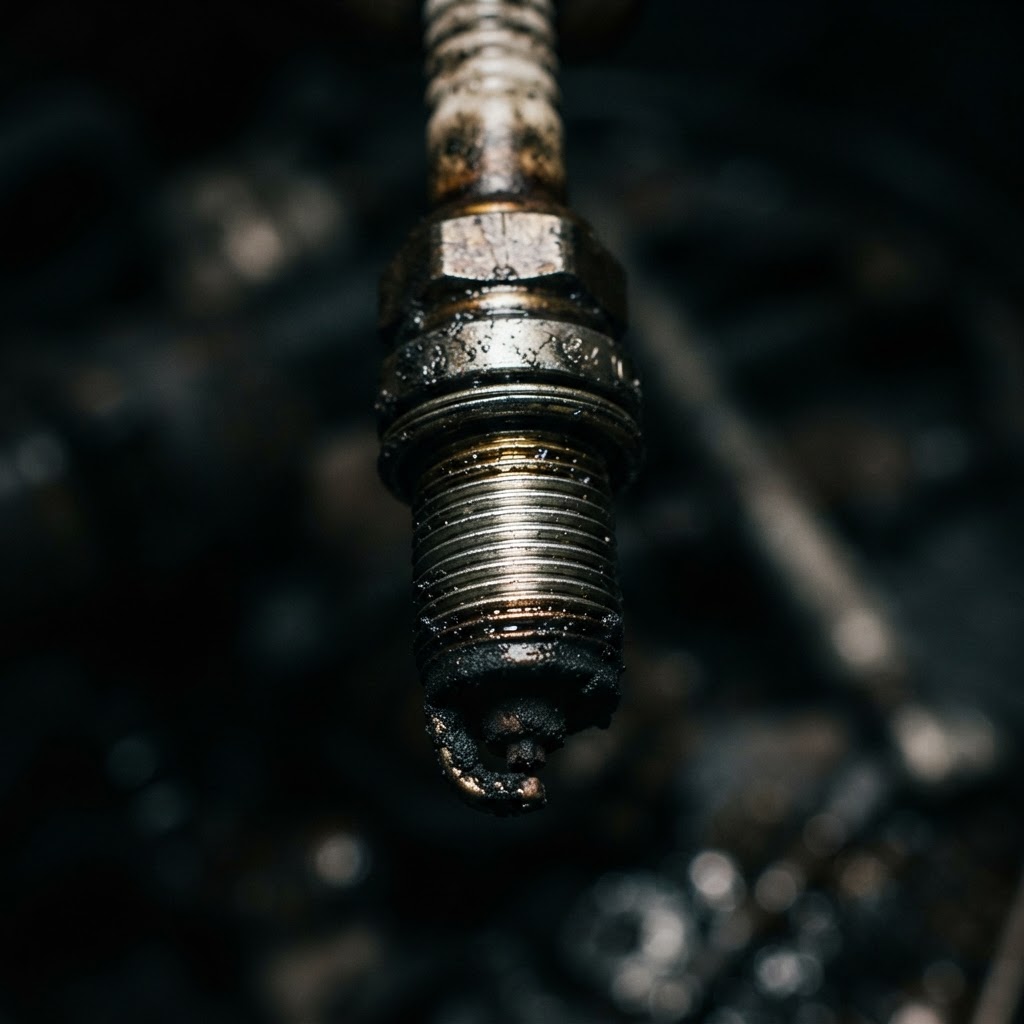
A fresh spark plug ensures a clean, strong arc and eliminates issues caused by carbon bridging or fouled electrodes, which are common culprits preventing ignition.
Intake Manifold Gasket
If the carburetor or manifold was removed to check for impulse channel blockages, this gasket must be replaced to ensure an airtight seal, as even a tiny leak will prevent the engine from starting.
Affiliate Disclosure: Lil Engine may earn commissions from qualifying purchases.
Pro Tips from the Community
Real-world fixes from Reddit, YouTube & forums.
"Pull the spark plug and hold it against the cylinder head while cranking to verify a bright blue spark; if it's yellow or non-existent, check your kill switch wiring or ignition module first."
Reddit r/smallengines"Before tearing the carb apart, verify the pulse line isn't cracked or detached, as these saws won't pump fuel if that vacuum line is leaking."
LawnSite.com Forum"Check for a clogged fuel tank vent by loosening the gas cap while trying to start; if it fires up, your vent is blocked and creating a vacuum lock."
DoItYourself.com"Replace that ethanol-degraded fuel line inside the tank first, as they often turn into mush and fail to pull fuel long before the carburetor actually dies."
YouTube commentsPrevent This From Coming Back
Use 91+ octane ethanol-free gasoline mixed with high-quality synthetic 2-cycle oil
Replace the fuel filter and air filter annually
Drain the fuel tank completely before long-term storage
Inspect the spark plug for electrode wear every 50 hours of use
Prevent This From Happening Again
While you're fixing it, stock up on the maintenance essentials that keep your chainsaws running right.
Bar and Chain Oil
Proper bar oil prevents chain overheating and premature wear.
Get on Amazon2-Cycle Oil
Correct fuel-oil mix is critical — use fresh 2-cycle oil every season.
Get on AmazonChainsaw Chain
Keep a sharp spare chain — a dull chain is dangerous and slow.
Get on AmazonAffiliate Disclosure: Lil Engine may earn commissions from qualifying purchases.
Frequently Asked Questions
Starting fluid is extremely harsh on 2-cycle engines because it lacks lubrication, which can cause instant piston scuffing. It should only be used as a last-resort diagnostic tool to confirm if the issue is fuel-related, never as a regular starting aid.
Video Help
Helpful videos showing these repairs in action.
Share Your Repair
Real-world fixes help everyone. Share what worked and your repair becomes part of Lil Engine's community database.
Related Problems
More Chainsaws GuidesRelated Maintenance Articles
Related Symptoms
Won’t Start
Related Searches
Poulan chainsaw Guides
Did this help?
Your feedback helps improve guides for everyone.