Pressure Washer Has No Pressure
⚡ Quick Answer
The most likely causes of a pressure washer having no pressure include a faulty pump, clogged nozzles, or air in the system. Start by checking for clogged nozzles and ensure that the pump is functioning correctly.

What do you want to do?
Most Likely Cause
Clogged Inlet Screen
Sediment or mineral buildup on the garden hose connection screen restricts water flow. Without sufficient water volume (GPM), the pump cavitates and cannot build pressure.
Start here — this is the most common reason for this symptom.
Why This Problem Happens
A pressure washer creates high-pressure water streams by using an engine to drive a reciprocating plunger pump. Water is drawn into a chamber, pressurized by the plunger's stroke, and forced through a high-velocity nozzle. Loss of pressure usually stems from a breakdown in this displacement cycle: either water is prevented from entering the system, air is being pulled in through a leak, or the seal and valve architecture that maintains the pressurized environment has failed. If the pump cannot build a sustained internal hydraulic load, the velocity required for effective cleaning vanishes, resulting in a weak flow that mimics standard garden hose pressure. This usually involves a mechanical failure of the check valves or a restriction in the inlet supply line which causes cavitation, effectively turning the pump into a high-speed aeration chamber rather than a hydraulic intensifier. The internal bypass system or an unloader valve stuck in the 'open' position also causes the pump to circulate water internally rather than discharging it to the wand, preventing pressure accumulation.
Common Symptoms
- Weak water output resembling standard tap pressure
- Pulsating or surging spray patterns
- Engine stalling when the trigger is engaged
- Excessive vibration or rattling in the pump housing
- Water leaking or dripping from the underside of the pump head
Before You Buy Parts
Quick, free inspections — check these first. Most repairs don't actually need replacement parts.
Complete Resource Guide
Ultimate Pressure Washer Troubleshooting & Repair Guide
Repair Overview
45–90 minutes
$0–$50
First Checks — Start Here
- 1Check for clogged nozzles.
- 2Inspect water supply hose for kinks.
- 3Verify that the pressure washer is primed.
- 4Ensure no air in the pump. Q
Safety Warnings
- !Ensure the water source is turned off and the system is fully depressurized before disconnecting lines.
- !Do not run the pump dry as this will permanently score the pistons and seals in under 60 seconds.
- !Exercise extreme caution when loosening the unloader cap, as internal springs are often under high tension.
- !Never point the wand at skin or bystanders; high-pressure fluid injection injuries are medical emergencies.
- !Use an impact driver to remove housing bolts to prevent stripping the soft aluminum casing.
- !Always wear safety glasses when working on pressurized hydraulic components.
Always disconnect the spark plug, work in a well-ventilated area, and consult a professional if unsure.
Most Likely Causes
Ranked by likelihood — tap each to see diagnosis details.
Sediment or mineral buildup on the garden hose connection screen restricts water flow. Without sufficient water volume (GPM), the pump cavitates and cannot build pressure.
The unloader valve regulates pressure and bypasses flow when the trigger is released. If it is stuck open due to debris, the water recirculates internally rather than being forced out of the pump head.
🔧 Step-by-Step Fix Guide
Inspect and Clean Inlet Screen
Remove the garden hose and unscrew the plastic or metal screen filter from the inlet. Use a pick or compressed air to clear debris and flush with clean water.
Ensure the water source is turned off and the system is fully depressurized before disconnecting lines.
Verify Garden Hose Volume
Check if your water source provides the GPM (gallons per minute) required by your unit's manual. A kinked hose or low home water pressure will cause pump cavitation.
Do not run the pump dry as this will permanently score the pistons and seals in under 60 seconds.
Test the Unloader Valve
Locate the unloader valve (usually under a spring-loaded knob). If the unit has an adjustable knob, turn it clockwise to see if pressure increases; if not, disassemble, clean, and inspect the O-rings for damage.
Exercise extreme caution when loosening the unloader cap, as internal springs are often under high tension.
Check Nozzle Tip
Inspect the spray nozzle for physical obstruction. A clogged or damaged orifice can alter the pressure profile or cause backpressure that affects pump performance.
Never point the wand at skin or bystanders; high-pressure fluid injection injuries are medical emergencies.
Inspect Pump Check Valves
Access the pump head by removing the mounting bolts. Inspect each valve for stuck debris or cracks, and replace them as a set if one is compromised.
Use an impact driver to remove housing bolts to prevent stripping the soft aluminum casing.
Evaluate Plunger Seals
Check for oil leaking from the pump bottom or water leaking from the weep holes. This indicates worn seal kits that require disassembly and replacement.
Always wear safety glasses when working on pressurized hydraulic components.
What To Test Next
If the basics check out, verify spark, fuel delivery, and compression in that order — the three essentials of any combustion engine.
Component Reference

Carburetor & Fuel Intake
The carburetor mixes air and fuel for combustion. A clogged jet or stuck float is the #1 cause of small engine starting and surging problems.

Oil & Lubrication System
Regular oil changes are critical. Low or dirty oil causes engine wear, overheating, and eventual seizure. Check the dipstick before every season.

Air Filter & Intake
A clogged air filter starves the engine of air, causing rich running, power loss, and hard starting. Inspect and clean or replace it each season.

Drive & Cutting System
Belts, pulleys, and clutches transfer engine power to the wheels and cutting deck. A worn or thrown belt is the most common drive-system failure.
Photos for educational reference. Actual parts may vary by make and model.
Common Mistakes to Avoid
Running the pressure washer without water, causing immediate seal damage
Tightening the unloader valve knob until it snaps the internal spring
Ignoring small water leaks, which escalate into total pump failure
Using incompatible O-rings during seal replacements
Forgetting to winterize the pump, leading to cracked housings from ice expansion
If This Didn't Fix It
Still having trouble? These are the next things to check:
Get the Exact Parts for Your Machine
Tell us your equipment's year, make, and model — we'll search for parts that actually fit, not generic ones.
Finding parts for
pressure washer has no pressure
Required Gear
Matched to your pressure washer has no pressure — click to find the exact fit on Amazon.
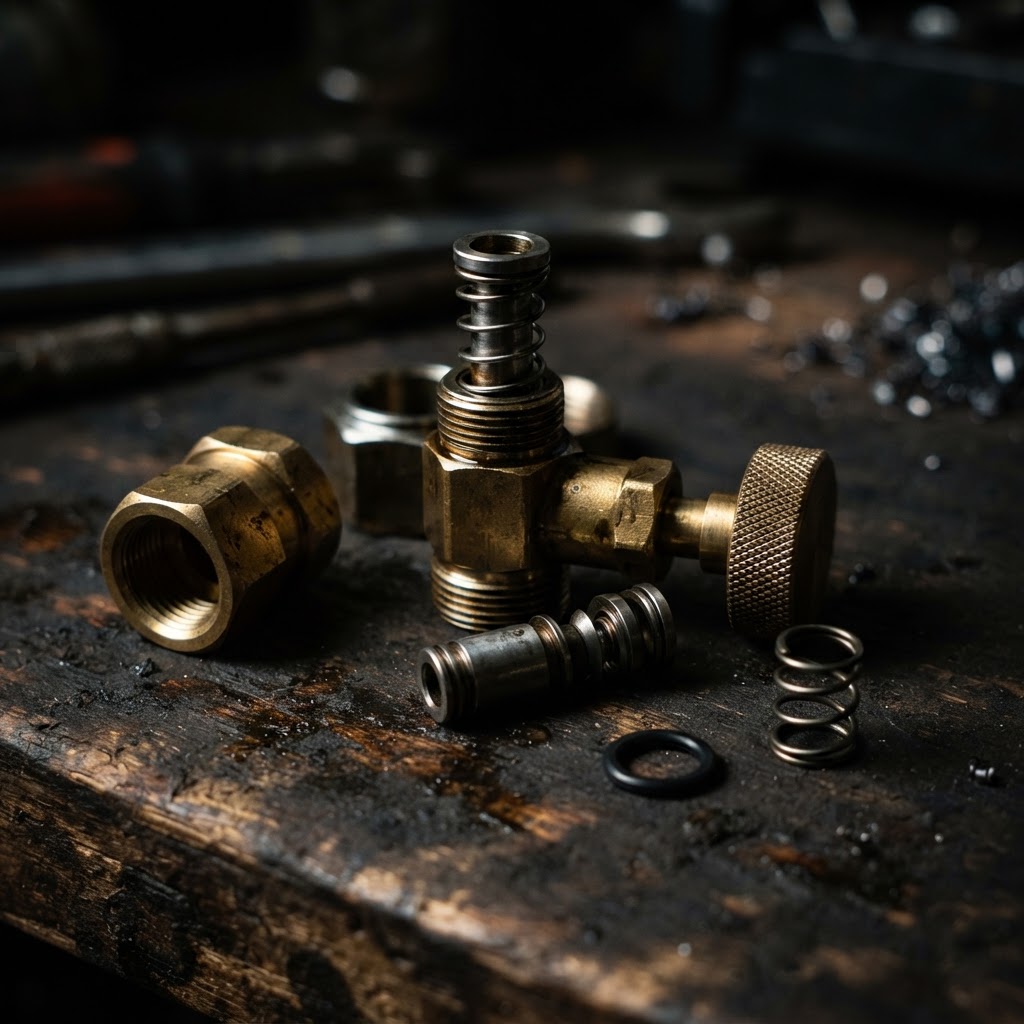
Pressure Washer Pump Unloader Valve Kit
If the unloader valve is sticking or failed, it will bypass pressure internally and prevent the system from building necessary operating pressure.
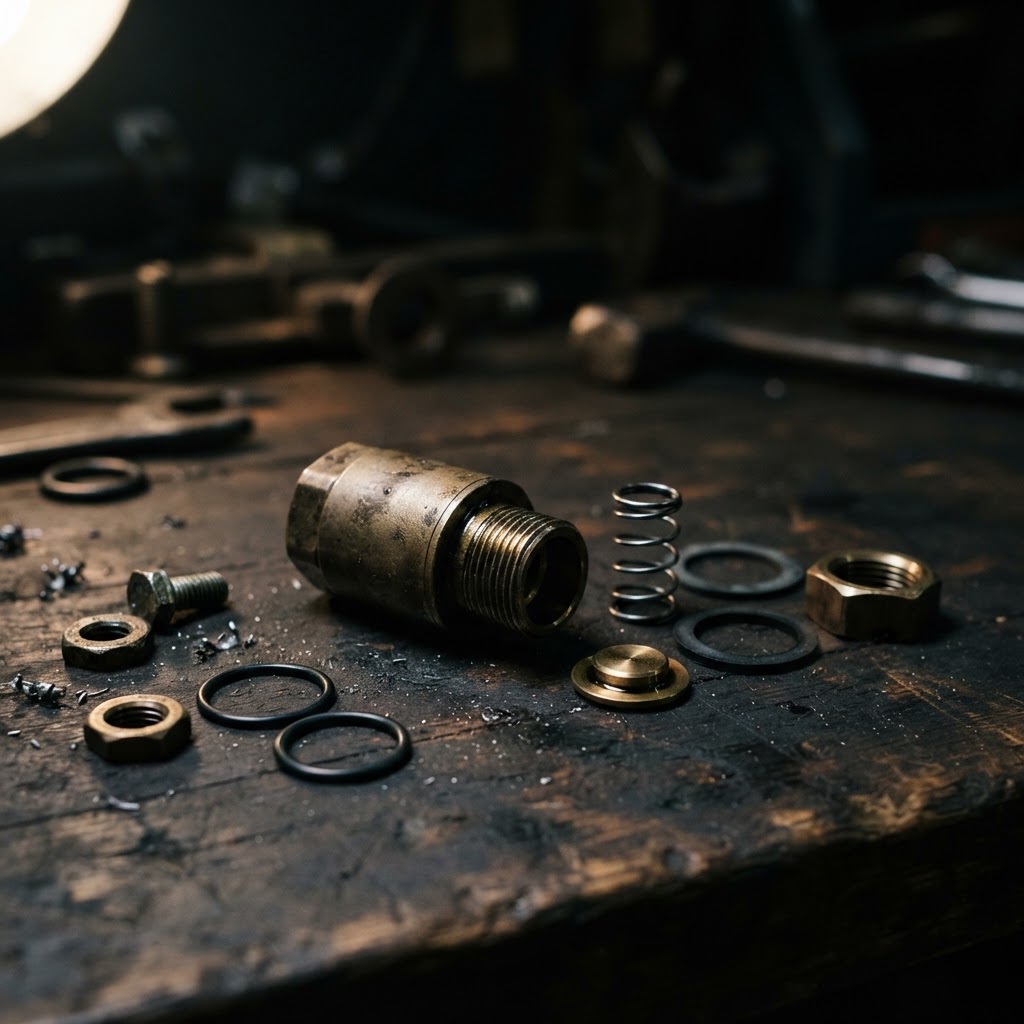
Pump Check Valve Replacement Kit
Worn or cracked check valves prevent the pump from maintaining pressure and are a common cause of weak output.
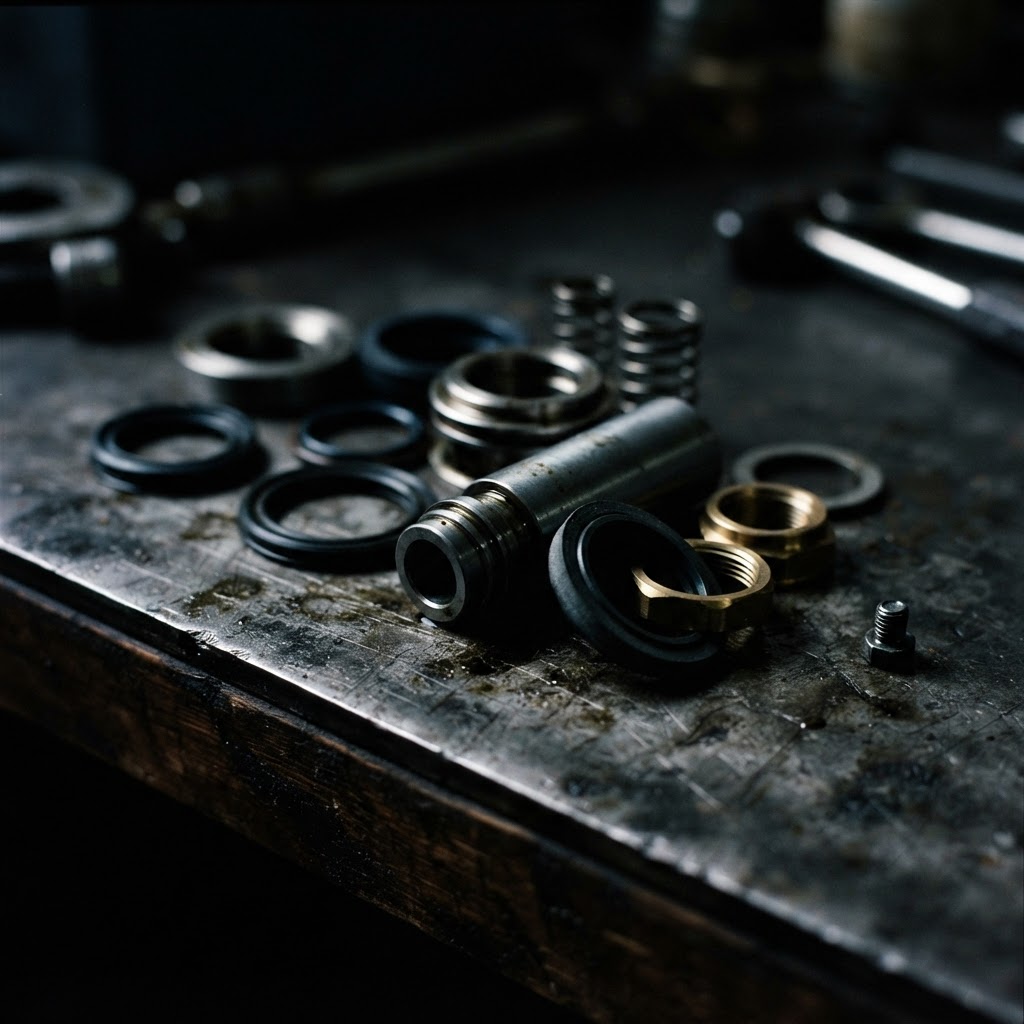
High-Pressure Plunger Seal Kit
When internal pump seals are worn, the system loses hydraulic pressure, necessitating a complete seal replacement to restore the washer's performance.
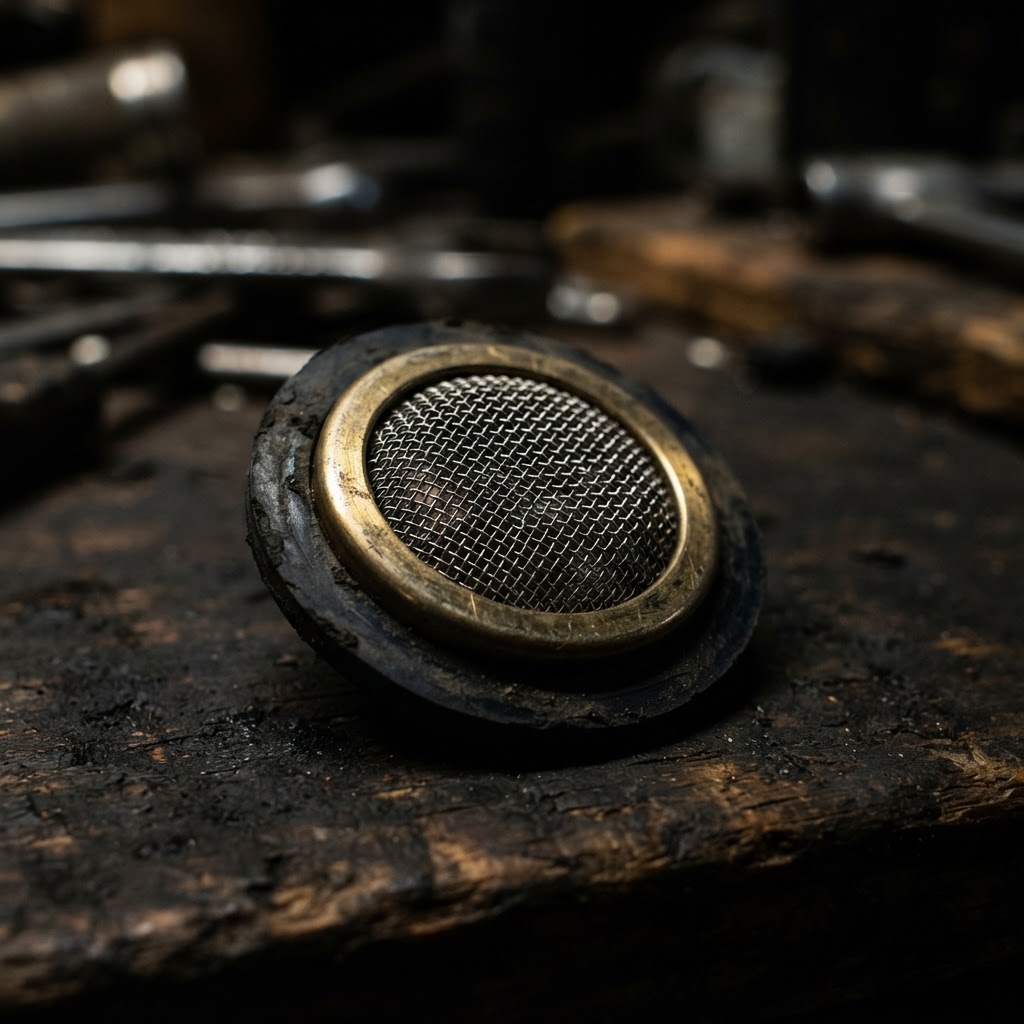
Garden Hose Inlet Screen/Filter
A damaged or clogged inlet screen restricts water flow at the source, starving the pump and preventing it from generating proper output pressure.
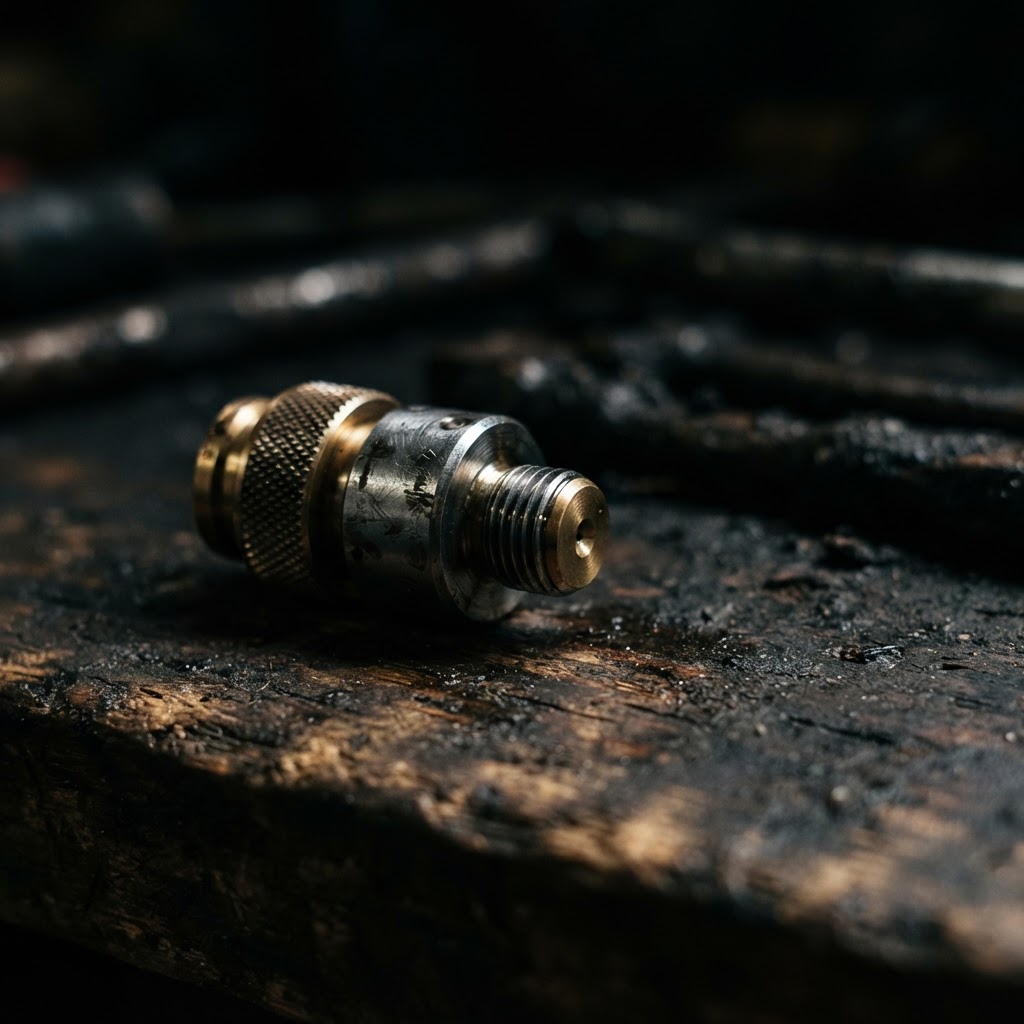
Pressure Washer Nozzle Tip
A worn or damaged nozzle orifice often causes a drop in backpressure, making the system appear as though it has no pressure when the pump is actually functioning.
Affiliate Disclosure: Lil Engine may earn commissions from qualifying purchases.
Pro Tips from the Community
Real-world fixes from Reddit, YouTube & forums.
"Check the unloader valve — a stuck valve can trigger no pressure when the trigger is pulled."
Reddit r/lawncare"Inspect the hose for kinks or cracks; even tiny ones can choke the flow and reduce pressure."
YouTube comments"Make sure the inlet filter is clean; debris can block water entry and starve the system."
LawnSite.com Forum"If you're using a quick-connect nozzle, pull it out and inspect for clogs — even small blockages can cause huge issues."
TractorByNet"Sometimes the pressure gauge itself can fail; swap it with a known good one to rule it out."
DoItYourself.comPrevent This From Coming Back
Use a high-quality inline water filter on the inlet connection
Flush the system with a pump saver or antifreeze solution before seasonal storage
Check and change pump oil every 50 to 100 hours of operation
Always disconnect the water source when the unit is not in active use
Avoid running the machine for more than 2 minutes in bypass mode (trigger released)
Prevent This From Happening Again
While you're fixing it, stock up on the maintenance essentials that keep your pressure washers running right.
Pressure Washer Pump Oil
Pump oil degrades — change annually to prevent pump failure.
Get on AmazonPressure Washer Nozzle Set
Worn nozzles lose pressure — a fresh set restores cleaning power.
Get on AmazonFuel Stabilizer
Prevents carb gumming during seasonal storage.
Get on AmazonAffiliate Disclosure: Lil Engine may earn commissions from qualifying purchases.
Frequently Asked Questions
Yes, but ensure it does not enter the pump intake. Over-applying tape can cause particles to lodge in the check valves.
Video Help
Helpful videos showing these repairs in action.
Share Your Repair
Real-world fixes help everyone. Share what worked and your repair becomes part of Lil Engine's community database.
Related Problems
More Pressure Washers GuidesRelated Maintenance Articles
Related Searches
Pressure Washers Troubleshooting
Did this help?
Your feedback helps improve guides for everyone.