Simpson Pressure Washer Cranks But Won't Start — Fuel & Spark Diagnosis
⚡ Quick Answer
This guide covers Simpson pressure washers that pull over or crank freely but won't fire. If the engine won't crank at all — the pull rope is locked solid or the electric starter doesn't spin — that's a different problem (often fuel hydrolocking the cylinder or a seized pump), not what's covered here. When it cranks but won't catch, the cause is almost always one of three things, in order: stale fuel that has gummed up the carburetor's tiny pilot jet, no spark from a failed ignition coil or sheared flywheel key, or a tripped low-oil sensor grounding out the ignition. Simpson pairs its pumps with several different engines — Honda GX/GC, Kohler, and Briggs & Stratton are the most common — so confirm which engine is on your unit before ordering parts. Start with fresh fuel and a spark test before opening the carburetor.

What do you want to do?
Most Likely Cause
Old or degraded fuel
Modern ethanol-blended gasoline begins to break down in as little as 30 days, causing gum and varnish deposits that clog the tiny passages inside the carburetor jet. This prevents the engine from receiving the precise air-fuel mixture required to ignite, which is the primary reason pressure washers left sitting between seasons fail to start.
Start here — this is the most common reason for this symptom.
Why This Problem Happens
A Simpson pressure washer failing to start while cranking typically indicates a breakdown in the basic combustion triangle: fuel delivery, spark timing, or compression integrity. Simpson units often utilize Honda GX or GC series engines which feature precision-engineered carburetors with very small pilot jets. Over time, ethanol-blended fuel evaporates and leaves behind resinous deposits that clog these micro-passages, preventing the engine from drawing the necessary air-fuel mixture during the intake stroke. Without the correct stoichiometry, the engine cannot sustain a combustion event even if it attempts to fire.
Simultaneously, the ignition system—often a transistorized magneto—must deliver a high-voltage pulse precisely as the piston nears top dead center. If the flywheel key has sheared due to a sudden hydraulic lock or impact, the ignition timing becomes retarded or advanced significantly, preventing the spark from jumping the plug gap at the moment of peak cylinder pressure. Furthermore, a faulty oil alert sensor or a malfunctioning run/stop switch can intermittently ground the ignition circuit, resulting in a weak spark that is insufficient to ignite the compressed fuel charge under load.
Common Symptoms
- Engine cranks vigorously but shows no signs of ignition
- Spark plug tip is dry despite multiple pulls
- Strong odor of old varnish inside the fuel tank
- Backfiring through the air intake assembly
- Intermittent 'kickback' when pulling the recoil starter
Before You Buy Parts
Quick, free inspections — check these first. Most repairs don't actually need replacement parts.
Diagnostic Flowchart
Follow this decision tree step-by-step to isolate the problem.
Is there fresh, high-quality fuel in the tank?
Proceed to spark check.
Go to step 2
Drain old fuel, clean tank, and add fresh fuel.
Go to step 2
Does the spark plug produce a strong blue spark?
Proceed to fuel delivery check.
Go to step 3
Replace spark plug or inspect ignition coil gap.
Go to step 4
Is fuel flowing from the tank to the carburetor?
Check carburetor for internal clogs.
Go to step 5
Inspect fuel lines and filter for blockages.
Go to step 5
Does the engine start with a shot of starter fluid?
Clean or rebuild the carburetor.
Check engine compression/valves.
Is the oil level sufficient for the sensor to allow start?
Engine should start; check choke operation.
Top off oil to the 'Full' mark.
Complete Resource Guide
Ultimate Pressure Washer Troubleshooting & Repair Guide
Repair Overview
60-90 minutes
$10-$50
First Checks — Start Here
- 1Check oil level (low oil sensors prevent ignition)
- 2Verify fuel tank has fresh gasoline
- 3Ensure fuel shut-off valve is in the open position
- 4Toggle the On/Off switch to verify electrical contact
- 5Check spark plug wire for a firm, audible click
- 6Ensure the choke is fully closed for cold starts
- 7Verify the trigger on the spray gun is squeezed while pulling the starter rope
Safety Warnings
- !Perform this test outdoors in a well-ventilated area to avoid fire hazards from spilled gasoline.
- !Keep the spark tester away from the open spark plug hole to prevent igniting any fuel vapors in the cylinder.
- !Never defeat the low-oil shutdown system to start the engine. It exists to prevent catastrophic engine seizure from oil loss.
- !Wear safety glasses to prevent high-pressure solvent spray from contacting your eyes.
- !Never attempt to pry the flywheel off with a screwdriver; use a proper harmonic balancer puller to prevent damaging the crankshaft.
- !Ensure the piston is at Top Dead Center on the compression stroke before checking valve lash.
- !Using a multimeter to test a coil, which is ineffective; always use an inductive spark tester.
- !Spraying starting fluid as a permanent fix instead of diagnosing the real fuel problem — use it only as a brief, one-time diagnostic check, never as an ongoing starting aid.
- !Ignoring the specific gravity of old fuel, which loses its volatility in as little as 30 days.
Always disconnect the spark plug, work in a well-ventilated area, and consult a professional if unsure.
Most Likely Causes
Ranked by likelihood — tap each to see diagnosis details.
Stale fuel creates lacquer deposits that block the tiny apertures in the carburetor jet. Remove the float bowl and use a wire cleaning tool to ensure the jet is clear of obstructions.
If the recoil starter felt a sudden jerk, the soft metal key on the crankshaft might have sheared, throwing the ignition timing out of sync. Inspect the flywheel keyway alignment to verify it is intact.
🔧 Step-by-Step Fix Guide
Verify Fuel Flow at the Carburetor
Disconnect the fuel line at the carburetor inlet and drain into a container. If the stream is not steady and strong, the issue lies in the fuel tank, petcock, or inline filter — not the carburetor. Stale fuel is the single most common cause of a Simpson engine that cranks but won't fire, so confirm fresh fuel is actually reaching the carb before going further.
Perform this test outdoors in a well-ventilated area to avoid fire hazards from spilled gasoline.
Test for Spark Using a Spark Tester
Use an inline spark gap tester inserted between the plug boot and the plug to confirm the ignition coil is firing. If the light does not flicker, your coil or stop-switch circuit is faulty. This is safer and more reliable than laying the plug against the block.
Keep the spark tester away from the open spark plug hole to prevent igniting any fuel vapors in the cylinder.
Check the Oil Level and Low-Oil Sensor Circuit
Honda GX/GC, Kohler, and Briggs engines on Simpson units all use a low-oil shutdown sensor that grounds out the ignition when oil is low, so a false trigger will kill the spark. First, check the oil on a level surface with the dipstick wiped and re-inserted — do not just eyeball it. If the unit is sitting on even a slight incline, the float can read low even when the oil is actually full. If oil is genuinely low, fill it to the full mark and retest. If the oil is correct and the machine is level, inspect the sensor wiring and connector near the engine block for obvious damage, corrosion, or a lead that is shorted to the engine ground. The exact electrical test (resistance or continuity pass/fail values) for the low-oil shutdown circuit varies by engine family and is not specified here — follow the engine manufacturer's service procedure for testing the low-oil shutdown circuit on your specific Honda, Kohler, or Briggs model. Do not disconnect, jumper, or disable the sensor to force the engine to run; if the sensor is confirmed faulty, replace it.
Never defeat the low-oil shutdown system to start the engine. It exists to prevent catastrophic engine seizure from oil loss.
Clear the Carburetor Pilot Jet
Drain the float bowl and remove the bolt at the bottom. Use a carburetor cleaning wire to clear the pilot jet passage without enlarging the orifice, then flush with aerosol carburetor cleaner. This is the fix when fuel flow to the carb is good but the engine still won't fire because the tiny pilot jet is gummed shut by stale-fuel varnish.
Wear safety glasses to prevent high-pressure solvent spray from contacting your eyes.
Inspect the Flywheel Key
Remove the recoil housing and loosen the flywheel nut. Check the keyway for signs of misalignment — a sheared key throws ignition timing out of sync so the spark fires at the wrong point in the stroke. A sheared key often follows a sudden jerk or kickback on the recoil starter.
Never attempt to pry the flywheel off with a screwdriver; use a proper harmonic balancer puller to prevent damaging the crankshaft.
Check Valve Clearance
If the valves are too tight, they may stay slightly open, causing a loss of cylinder pressure. Use feeler gauges to set the intake and exhaust clearances to the manufacturer's specification for your engine (Honda and Kohler use different specs — confirm yours). This is the most involved check and is only needed when fuel, spark, and the carburetor have all been confirmed good.
Ensure the piston is at Top Dead Center on the compression stroke before checking valve lash.
What To Test Next
If you have confirmed fresh fuel is flowing to the carburetor but the engine still refuses to run, the next logical step is to test for a strong, consistent spark at the spark plug.
Component Reference

Carburetor & Fuel Intake
The carburetor mixes air and fuel for combustion. A clogged jet or stuck float is the #1 cause of small engine starting and surging problems.

Spark Plug & Ignition System
The spark plug ignites the air-fuel mixture. A fouled plug, wrong gap, or failing ignition coil will prevent the engine from firing.

Oil & Lubrication System
Regular oil changes are critical. Low or dirty oil causes engine wear, overheating, and eventual seizure. Check the dipstick before every season.

Air Filter & Intake
A clogged air filter starves the engine of air, causing rich running, power loss, and hard starting. Inspect and clean or replace it each season.
Photos for educational reference. Actual parts may vary by make and model.
Common Mistakes to Avoid
Using a multimeter to test a coil, which is ineffective; always use an inductive spark tester.
Spraying starting fluid as a permanent fix instead of diagnosing the real fuel problem — use it only as a brief, one-time diagnostic check, never as an ongoing starting aid.
Removing the carburetor without documenting the linkage spring positions.
Ignoring the specific gravity of old fuel, which loses its volatility in as little as 30 days.
If This Didn't Fix It
Still having trouble? These are the next things to check:
Get the Exact Parts for Your Machine
Tell us your equipment's year, make, and model — we'll search for parts that actually fit, not generic ones.
Finding parts for
Simpson pressure washer
Required Gear
Matched to your Simpson pressure washer — click to find the exact fit on Amazon.
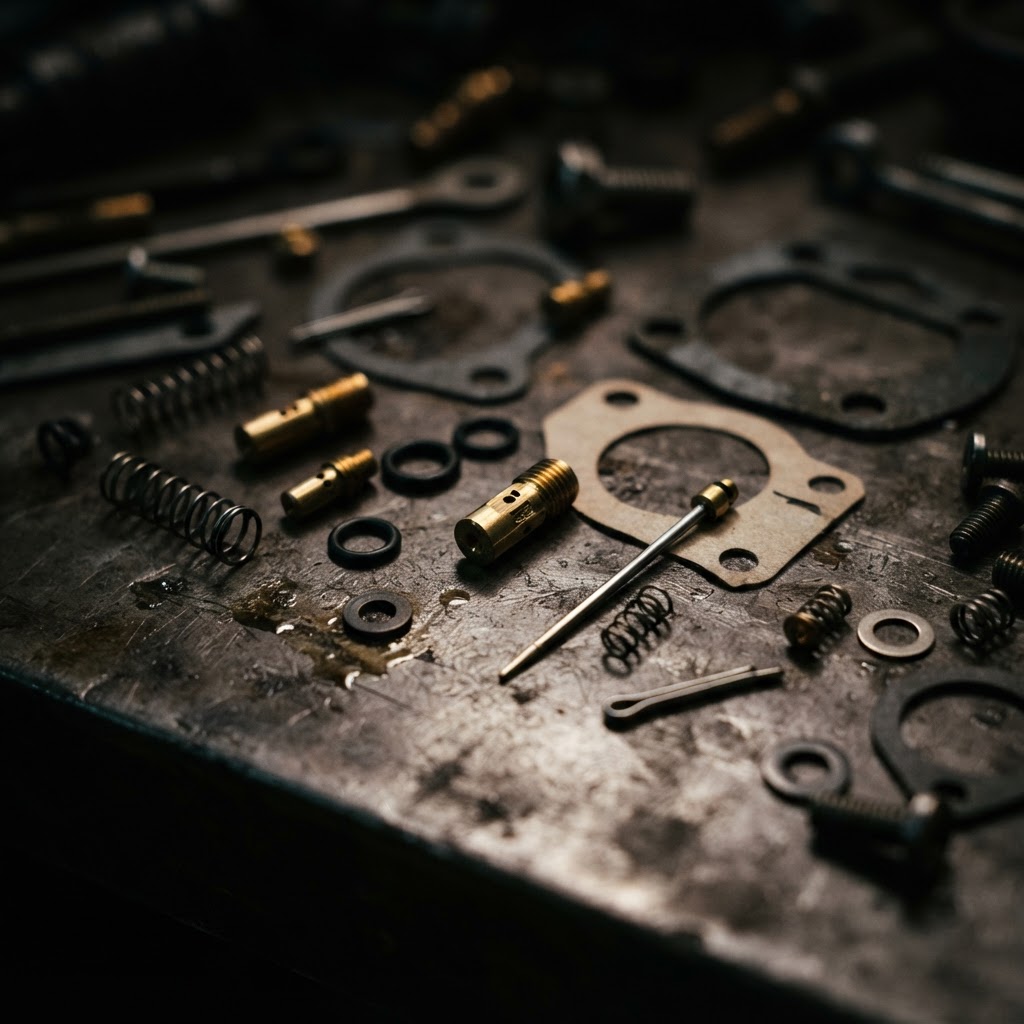
Carburetor Rebuild Kit
This kit contains the necessary gaskets and precision jets required to clear obstructions in the pilot jet system caused by stale fuel varnish.

Flywheel Key
If the flywheel key is sheared, it prevents the spark from firing at the correct timing interval, requiring an exact replacement to restore engine combustion.
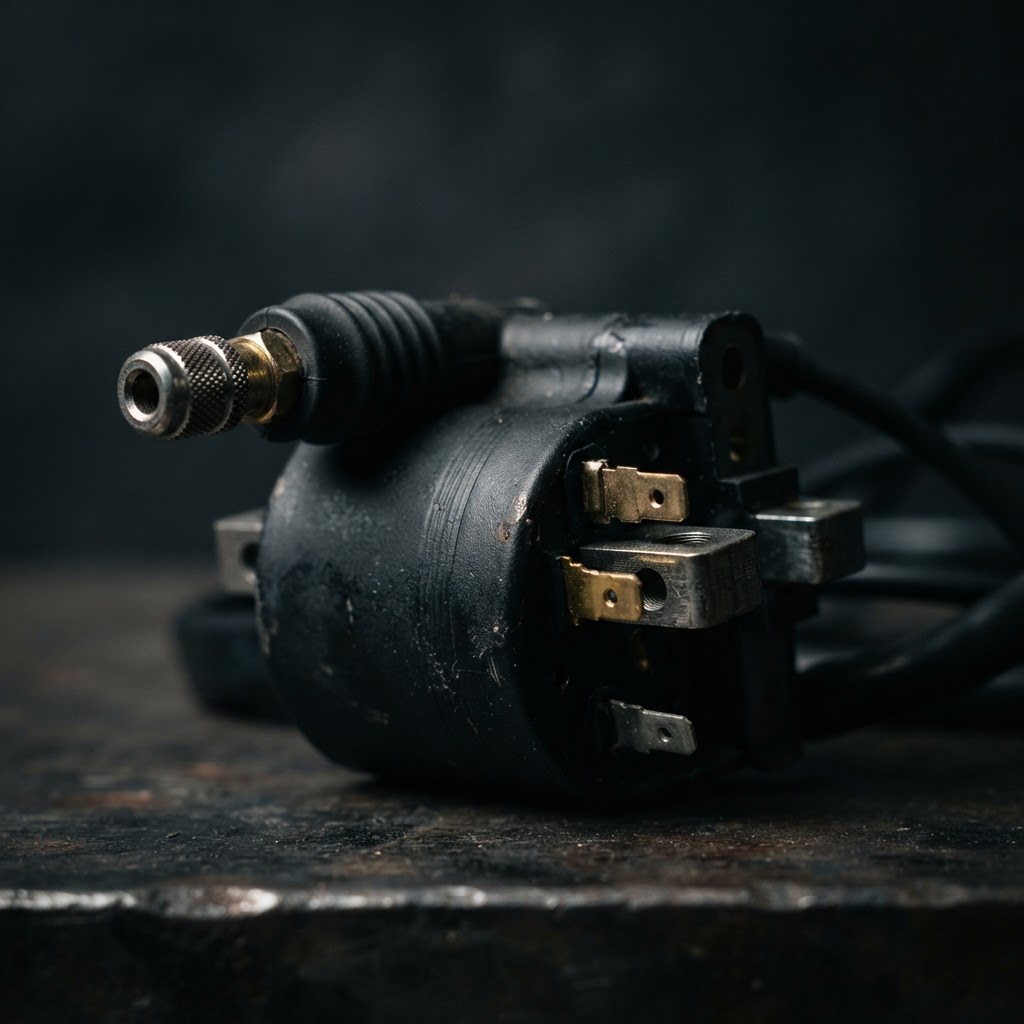
Ignition Coil
If the spark tester confirms no ignition pulse, a new ignition coil is required to provide the high-voltage energy necessary to fire the spark plug.
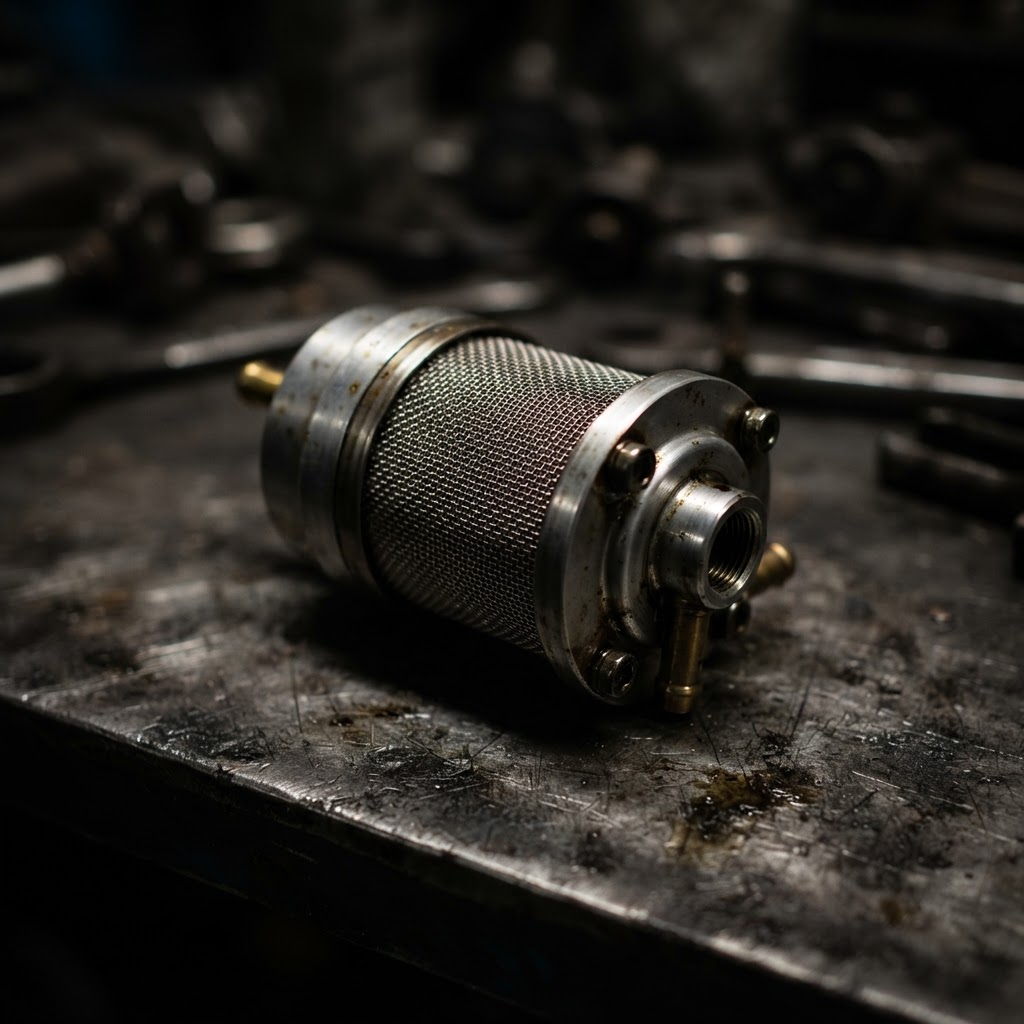
Fuel Tank Filter
If the fuel flow verification shows restricted output, replacing the in-tank filter is essential to prevent debris from re-clogging the carburetor.
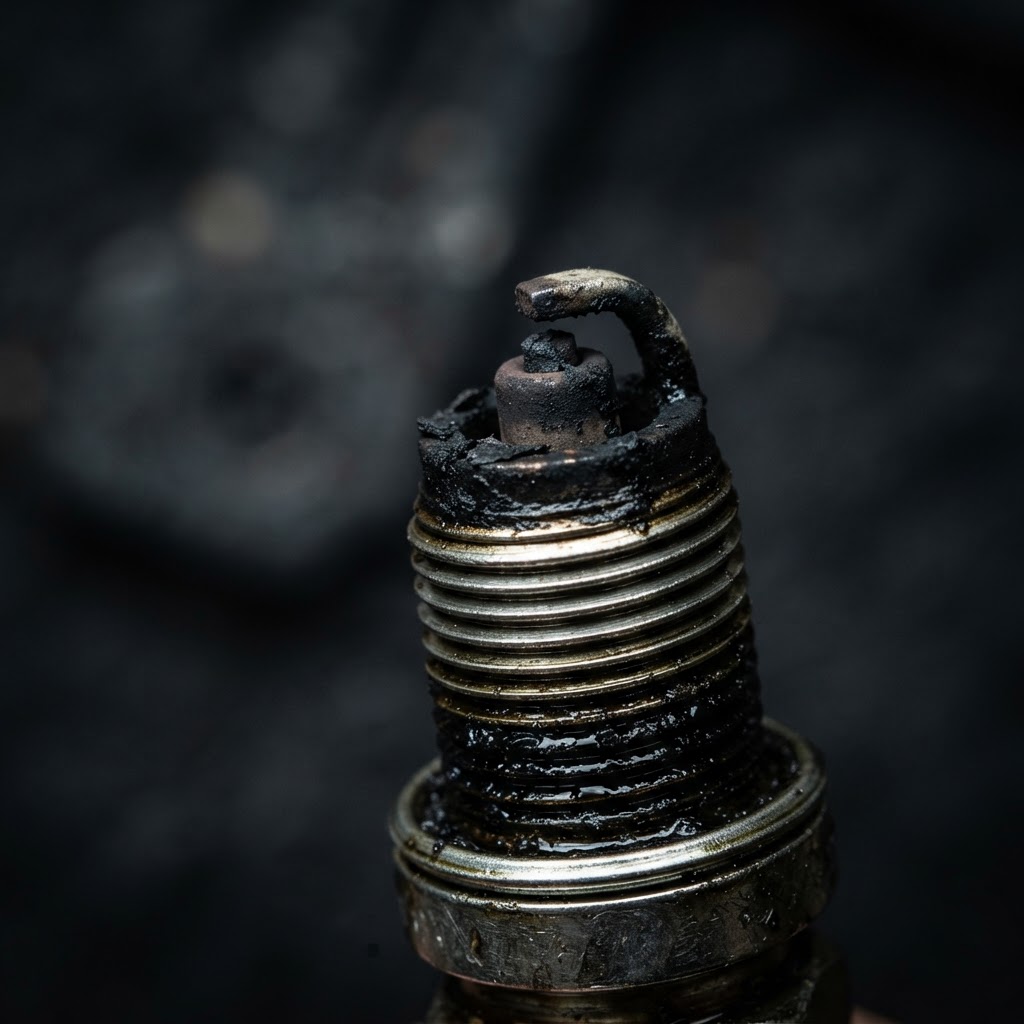
Spark Plug
A fouled or damaged spark plug is a common outcome of troubleshooting fuel and ignition issues and should be replaced to ensure consistent starting.
Affiliate Disclosure: Lil Engine may earn commissions from qualifying purchases.
Pro Tips from the Community
Real-world fixes from Reddit, YouTube & forums.
"Most people think their engine is seized, but it's just 'pressure locked.' Always hold the wand trigger in while pulling the cord; it makes it 10x easier to pull."
YouTube comments"If it only runs on choke, your pilot jet is clogged. It's that little plastic/brass piece under the idle screw. Clean it with a wire from a wire brush."
Reddit r/pressurewashing"Simpson units are very picky about oil levels. If you're on a slight hill, the low oil sensor will kill the spark. Level it out or add two ounces of oil."
TractorByNet ForumBrand-Specific Notes
Honda
Honda engines on Simpson units often feature a low-oil shutdown sensor. If the unit is on a slight incline, the sensor will prevent the engine from sparking even if the oil level appears normal.
Briggs & Stratton
Briggs engines commonly suffer from sticky fuel inlet needles in the carburetor due to ethanol. This prevents the float bowl from filling even if the line is clear.
Kohler
Kohler engines typically use a slightly different ignition coil air gap specification compared to Honda. Always ensure you are using a feeler gauge rather than guessing the gap size.
Model-Specific Variations
Honda GX200
Features a complex mechanical governor linkage that can get stuck in the 'closed' position. Ensure the linkage moves freely before troubleshooting the spark.
Briggs Intek
Uses a paper-style air filter that restricts airflow significantly if damp. Always remove the air filter assembly to test if it starts without restriction.
Simpson MegaShot
Often paired with Kohler Courage engines which have a specific fuel pump pulse line. If the line is cracked, the engine will crank but fail to pull fuel.
Primary Starting Failure Modes
| Symptom | Primary Cause | Difficulty Level | Repair Tool |
|---|---|---|---|
| No Spark | Fouled Plug | Easy | Spark Tester |
| No Fuel Flow | Clogged Jet | Moderate | Carb Cleaner |
| Backfiring | Timing/Valve | Hard | Feeler Gauge |
| Engine Locks | Hydrolock | Moderate | Socket Wrench |
Real-World Repair Examples
Situation
Customer complained the Honda GX200 engine would crank forever but not fire. Upon inspection, the spark plug was dry, indicating no fuel reaching the chamber.
Solution
We disassembled the carburetor bowl and found the main jet was completely clogged with varnish. We soaked it in ultrasonic cleaner and replaced the jet.
The unit started on the second pull.
Situation
A Simpson washer with a Briggs engine showed signs of spark, but the recoil felt extremely heavy and erratic.
Solution
We checked the oil and found it was overfilled with fuel, indicating a failed needle valve. We changed the oil and replaced the carburetor assembly.
Engine compression returned to normal and started immediately.
Prevent This From Coming Back
Add a high-quality fuel stabilizer to your gas can every time you purchase fuel.
Run the engine until the carburetor is dry before long-term storage.
Replace the spark plug annually to ensure consistent electrode gap and clean firing.
Change the engine oil every 50 hours of operation to keep the oil alert sensor functioning properly.
Prevent This From Happening Again
While you're fixing it, stock up on the maintenance essentials that keep your pressure washers running right.
Pressure Washer Pump Oil
Pump oil degrades — change annually to prevent pump failure.
Get on AmazonPressure Washer Nozzle Set
Worn nozzles lose pressure — a fresh set restores cleaning power.
Get on AmazonFuel Stabilizer
Prevents carb gumming during seasonal storage.
Get on AmazonAffiliate Disclosure: Lil Engine may earn commissions from qualifying purchases.
Frequently Asked Questions
Yes. Modern E10 or E15 fuel absorbs moisture and gums up tiny carburetor passages quickly, rendering the engine unable to pull fuel into the cylinder.
Related Questions
Common variations and related questions about this repair.
Why does my Simpson pressure washer turn over but not catch?
This is almost always a failure of either the ignition system or the fuel supply. Check for a spark first, then verify if the carburetor is receiving and processing fuel.
Can bad gas prevent a pressure washer from starting?
Absolutely. Modern ethanol-blended fuels break down in as little as 30 days, creating a gummy varnish that blocks the tiny orifices inside your carburetor.
How do I check if my pressure washer has a spark?
Use an inline spark tester inserted between the plug boot and the plug — it is safer and more reliable than laying the plug against the block. If you must use the plug-against-block method, do it well away from the open spark plug hole and any spilled fuel so the spark cannot ignite fuel vapors.
Should I use starter fluid on a small engine?
Only as a brief, one-time diagnostic to confirm a fuel problem — a short one-second burst tells you the engine will run if fuel is supplied. Do not use it as a permanent solution: it lacks lubrication and can damage the cylinder walls, and never spray it near an open fuel source or a removed spark plug.
What is 'hydrolock' in a pressure washer?
Hydrolock occurs when fuel leaks into the cylinder while the machine is stored. Because fluid cannot be compressed, the piston hits a wall, preventing the engine from rotating — this is a no-crank condition, not the cranks-but-won't-fire problem covered on this page.
How often should I clean the carburetor?
If you use non-ethanol fuel and add a stabilizer, you may never need to clean it. If the machine sits for more than 3 months, expect to clean it annually.
Video Help
Helpful videos showing these repairs in action.
Share Your Repair
Real-world fixes help everyone. Share what worked and your repair becomes part of Lil Engine's community database.
Related Problems
More Pressure Washers GuidesRelated Maintenance Articles
Related Symptoms
Won’t Start
Carburetor / Fuel Issues
Related Searches
Pressure Washers Troubleshooting
Did this help?
Your feedback helps improve guides for everyone.