Pressure Washer Surging
⚡ Quick Answer
A surging pressure washer is most often caused by a restricted fuel flow or air entering the system, frequently due to a clogged carburetor or a dirty air filter. Start by checking your air filter and trying a fuel system cleaner to see if the idle stabilizes before moving to more involved repairs.
What do you want to do?
Most Likely Cause
Partially Clogged Main Jet
Varnish buildup from ethanol-blended fuel often restricts the high-speed jet in the carburetor. This causes a lean condition where the engine starves for fuel under load, triggering the governor to open the throttle and resulting in a surge.
Start here — this is the most common reason for this symptom.
Why This Problem Happens
Pressure washer surging, often referred to as 'hunting,' occurs when the engine or pump experiences a rhythmic oscillation in speed or pressure. Mechanically, this is usually a fuel-air ratio instability. As the governor compensates for a momentary drop in engine RPM—often caused by a lean fuel condition—it opens the throttle, causing a surge in power. If the fuel supply is restricted, such as by a varnish-clogged carburetor jet or a failing diaphragm in a fuel pump, the engine cannot maintain a steady state under load, leading to a repetitive cycle of acceleration and hesitation. Hydraulically, surging can also stem from air trapped in the high-pressure circuit. Because water is incompressible and air is not, a trapped pocket of air will compress and expand under pump pressure, causing the unloader valve to chatter and the output pressure to fluctuate rapidly. This cycle repeats indefinitely as the trapped air moves through the valve body, preventing the pump from achieving a steady output flow and forcing the engine to hunt for a consistent load requirement.
Common Symptoms
- Engine RPM fluctuates rhythmically at idle or under load
- High-pressure output pulses or 'spits' instead of a constant stream
- Unloader valve makes a clicking or chattering noise
- Visible hesitation in spray pattern
- Engine stalling when the spray trigger is pulled
Before You Buy Parts
Quick, free inspections — check these first. Most repairs don't actually need replacement parts.
Complete Resource Guide
Ultimate Pressure Washer Troubleshooting & Repair Guide
Repair Overview
1–2 hours
$10–$40
First Checks — Start Here
- 1Check that the fuel tank has fresh, non-ethanol gasoline.
- 2Inspect the air filter for dirt, debris, or oil saturation.
- 3Ensure the water supply hose is not kinked or restricted.
- 4Verify that all water connections are tight and leak-free.
- 5Add a small amount of carburetor cleaner to the fuel tank.
Safety Warnings
- !Always wear safety glasses as high-pressure water can cause severe skin lacerations.
- !Ensure the engine is completely cool and the spark plug wire is disconnected before removing the carburetor.
- !Be cautious, as some unloader assemblies are under spring tension and may eject parts upon removal.
- !Avoid bending the governor arm, as this can permanently alter engine timing and output.
- !Handle gasoline only in well-ventilated areas away from any sources of ignition.
- !Use extreme caution when using flammable starting fluid around a running engine.
- !Adjusting the high-speed mixture screw without diagnosing fuel quality
- !Using old, ethanol-heavy fuel that creates varnish deposits
Always disconnect the spark plug, work in a well-ventilated area, and consult a professional if unsure.
Most Likely Causes
Ranked by likelihood — tap each to see diagnosis details.
Varnish buildup from ethanol-blended fuel often restricts the high-speed jet in the carburetor. This causes a lean condition where the engine starves for fuel under load, triggering the governor to open the throttle and resulting in a surge.
Air pockets trapped in the water inlet or pump head cause the unloader valve to cycle prematurely. If the water supply is interrupted or the inlet screen is blocked, the pump draws air, leading to inconsistent pressure output.
🔧 Step-by-Step Fix Guide
Bleed the Pump System
Attach your garden hose, turn on the water, and pull the spray trigger without starting the engine. Allow water to run for 60 seconds until a steady, bubble-free stream flows from the nozzle to ensure all air is purged from the pump.
Always wear safety glasses as high-pressure water can cause severe skin lacerations.
Clean the Carburetor Main Jet
Remove the carburetor bowl and use a thin copper wire or a jet cleaning tool to clear debris from the main jet opening. Inspect the float needle and seat for signs of wear that could cause inconsistent fuel bowl levels.
Ensure the engine is completely cool and the spark plug wire is disconnected before removing the carburetor.
Service the Unloader Valve
Remove the unloader assembly and inspect the O-rings for cuts or flattening. If the valve is seized, clean it with carburetor cleaner, ensuring the internal spring has proper tension and the piston moves freely.
Be cautious, as some unloader assemblies are under spring tension and may eject parts upon removal.
Verify Governor Spring Tension
Inspect the governor spring for signs of stretching or deformation. If the spring is loose, the engine will fail to stabilize, so compare it against factory specifications or a known-good unit.
Avoid bending the governor arm, as this can permanently alter engine timing and output.
Replace the Fuel Filter
Check the fuel tank outlet or the inline fuel filter for debris. Even a slight discoloration in the filter indicates it is time to replace it, as fuel flow is critical for preventing lean-surge conditions.
Handle gasoline only in well-ventilated areas away from any sources of ignition.
Check Intake Manifold Gaskets
An air leak between the carburetor and engine block creates a lean condition that causes surging. Spray a small amount of starting fluid near the gasket seams; if the engine speed increases, you have identified an air leak.
Use extreme caution when using flammable starting fluid around a running engine.
What To Test Next
If the air filter and fuel are good, the next thing to inspect is the carburetor — a partially clogged main jet or a leaking intake gasket is the leading cause of steady surging.
Component Reference

Carburetor & Fuel Intake
The carburetor mixes air and fuel for combustion. A clogged jet or stuck float is the #1 cause of small engine starting and surging problems.

Spark Plug & Ignition System
The spark plug ignites the air-fuel mixture. A fouled plug, wrong gap, or failing ignition coil will prevent the engine from firing.

Oil & Lubrication System
Regular oil changes are critical. Low or dirty oil causes engine wear, overheating, and eventual seizure. Check the dipstick before every season.

Air Filter & Intake
A clogged air filter starves the engine of air, causing rich running, power loss, and hard starting. Inspect and clean or replace it each season.
Photos for educational reference. Actual parts may vary by make and model.
Common Mistakes to Avoid
Adjusting the high-speed mixture screw without diagnosing fuel quality
Running the pressure washer without water, causing pump cavitation
Ignoring the condition of the inlet water filter screen
Using old, ethanol-heavy fuel that creates varnish deposits
Over-tightening the unloader valve adjustment knob
If This Didn't Fix It
Still having trouble? These are the next things to check:
Get the Exact Parts for Your Machine
Tell us your equipment's year, make, and model — we'll search for parts that actually fit, not generic ones.
Finding parts for
Pressure washer
Required Gear
Matched to your Pressure washer — click to find the exact fit on Amazon.
Carburetor Rebuild Kit
This kit provides the necessary precision gaskets and jets to resolve a partially clogged main jet, which is a primary cause of engine surging.
In-line Fuel Filter
Replacing the filter is critical when troubleshooting fuel flow restrictions that cause the engine to lean out and surge under load.
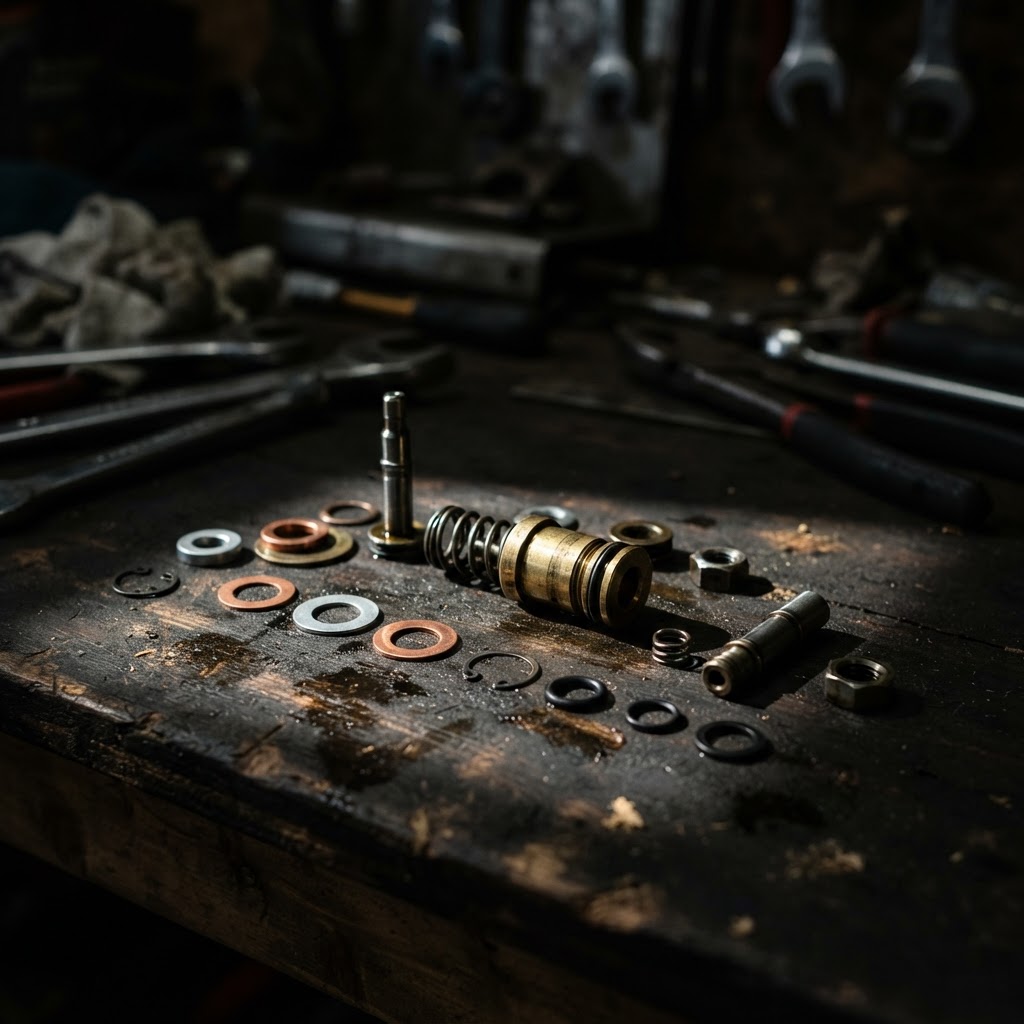
Unloader Valve Repair Kit
If the unloader valve is faulty, it will cause inconsistent water pressure and pump load, leading directly to the surging sensation experienced at the spray wand.
Intake Manifold Gasket
A damaged or hardened intake gasket allows air leaks that lean out the fuel mixture, forcing the governor to hunt and causing the surging engine RPMs.
Governor Spring
If the existing spring has lost its tension, it will fail to maintain steady throttle plate positioning, resulting in the erratic surging behavior described in the guide.
Affiliate Disclosure: Lil Engine may earn commissions from qualifying purchases.
Pro Tips from the Community
Real-world fixes from Reddit, YouTube & forums.
"If the engine surges at idle but smooths out under load, the pilot jet is almost certainly clogged with varnish and needs a soak in ultrasonic cleaner."
LawnSite.com Forum"Check for air leaks at the carburetor gasket or intake manifold; even a pinhole leak will lean out the mixture and cause that rhythmic hunting surge."
Reddit r/smallengines"Most surging isn't mechanical—it's a dirty main jet; take the bowl off and run a thin copper wire through the jet to physically clear the blockage."
YouTube comments"Verify your fuel cap vent isn't clogged, because if the tank can't pull air, the vacuum lock will starve the carb and trigger surging."
DoItYourself.comPrevent This From Coming Back
Use a fuel stabilizer like Sta-Bil in every tank of gasoline
Flush the pump with a pump saver solution before long-term storage
Clean the water inlet screen before every use to ensure maximum flow
Replace the spark plug annually to ensure consistent combustion
Store the unit in a climate-controlled environment to prevent moisture-induced corrosion
Prevent This From Happening Again
While you're fixing it, stock up on the maintenance essentials that keep your pressure washers running right.
Pressure Washer Pump Oil
Pump oil degrades — change annually to prevent pump failure.
Get on AmazonPressure Washer Nozzle Set
Worn nozzles lose pressure — a fresh set restores cleaning power.
Get on AmazonFuel Stabilizer
Prevents carb gumming during seasonal storage.
Get on AmazonAffiliate Disclosure: Lil Engine may earn commissions from qualifying purchases.
Frequently Asked Questions
No, adjusting the throttle screw will not fix an underlying fuel restriction or air leak. You must address the cause of the lean condition first to avoid engine damage.
Video Help
Helpful videos showing these repairs in action.
Share Your Repair
Real-world fixes help everyone. Share what worked and your repair becomes part of Lil Engine's community database.
Related Problems
More Pressure Washers GuidesRelated Maintenance Articles
Related Symptoms
Surging / Hunting
Related Searches
Pressure Washers Troubleshooting
Did this help?
Your feedback helps improve guides for everyone.