Dewalt Pressure Washer Won't Start
⚡ Quick Answer
Most starting issues are caused by old gasoline, a dirty carburetor, or a fouled spark plug. Start by checking your fuel levels and ensuring the engine switch is in the correct position before moving to deeper engine components.
What do you want to do?
Most Likely Cause
Stale Gasoline/Varnish Buildup
Ethanol in pump gas breaks down and leaves gummy residues that clog the carburetor's jet. Identify this by draining the float bowl and checking for a pungent, sour odor or discoloration of the fuel.
Start here — this is the most common reason for this symptom.
Why This Problem Happens
A Dewalt pressure washer failing to start usually stems from the degradation of ethanol-blended gasoline, which leaves behind varnish and gum deposits in the sensitive passages of the Honda or Dewalt-branded OHV engine's carburetor. These deposits obstruct the pilot jet and main nozzle, preventing the engine from drawing the precise air-fuel mixture required for combustion. When the engine sits for extended periods, this fuel also attracts moisture, leading to internal corrosion of the float needle and seat, effectively choking off the fuel supply entirely from the bowl.
Simultaneously, the ignition system relies on a high-voltage spark generated by the magneto as the flywheel passes the ignition coil. If the kill switch, oil level sensor, or ignition module has failed—or if the spark plug gap has fouled due to carbon buildup—the combustion cycle cannot initiate. Because pressure washers operate under high vibration, electrical connections often work loose, interrupting the safety interlock circuit that disables ignition when the oil pressure or level is insufficient, rendering the unit unresponsive even with a full tank of fresh fuel.
Common Symptoms
- Engine cranks but will not fire
- Pops and sputters before stalling
- Starter cord resists pulling due to seized pump
- Spark plug appears black and fouled
- No audible spark when grounded to cylinder head
Before You Buy Parts
Quick, free inspections — check these first. Most repairs don't actually need replacement parts.
Complete Resource Guide
Ultimate Pressure Washer Troubleshooting & Repair Guide
Repair Overview
45–90 minutes
$0–$50
First Checks — Start Here
- 1Ensure the fuel shut-off valve is in the ON position
- 2Check that the gas tank has fresh, non-ethanol fuel
- 3Verify the engine oil level is at the full mark
- 4Make sure the spark plug wire is pushed firmly onto the plug
- 5Check for a dirty or clogged air filter
Safety Warnings
- !Ensure the nozzle is pointed at the ground away from feet before pulling the trigger.
- !Use insulated pliers to hold the plug to avoid an electrical shock.
- !Work in a well-ventilated area to prevent gasoline fume inhalation.
- !Do not run the engine long-term with the sensor disconnected as it risks internal damage.
- !Dispose of old fuel at a certified hazardous waste collection site.
- !Never run the engine without a filter as dirt ingestion can destroy cylinder walls.
- !Using gasoline containing ethanol without a stabilizer
- !Forgetting to switch the fuel valve to the 'ON' position
Always disconnect the spark plug, work in a well-ventilated area, and consult a professional if unsure.
Most Likely Causes
Ranked by likelihood — tap each to see diagnosis details.
Ethanol in pump gas breaks down and leaves gummy residues that clog the carburetor's jet. Identify this by draining the float bowl and checking for a pungent, sour odor or discoloration of the fuel.
Residual pressure in the pump assembly prevents the engine from cranking. Check this by pulling the trigger on the wand while pulling the starter rope; if it starts, the pump is locked.
🔧 Step-by-Step Fix Guide
Relieve Pump Pressure
Always pull the trigger on the spray wand while pulling the recoil starter to ensure the pump isn't fighting against trapped pressure. This is a common point of resistance for high-pressure pumps.
Ensure the nozzle is pointed at the ground away from feet before pulling the trigger.
Verify Spark Integrity
Remove the spark plug and reconnect the ignition wire. Hold the metal base of the plug against a clean, unpainted engine bolt and pull the starter cord to watch for a bright blue spark.
Use insulated pliers to hold the plug to avoid an electrical shock.
Clear the Carburetor Jet
Remove the carburetor float bowl using a 10mm socket. Use a fine-gauge wire or specialized jet cleaning tool to clear the central main jet, ensuring light passes through the orifice.
Work in a well-ventilated area to prevent gasoline fume inhalation.
Check Oil Sensor Continuity
Locate the single wire leading from the oil alert sensor near the crankcase and unplug it. If the engine starts with this wire disconnected, the sensor is faulty and must be replaced.
Do not run the engine long-term with the sensor disconnected as it risks internal damage.
Flush the Fuel System
Drain all old gasoline from the tank and fuel lines. Refill with fresh, ethanol-free gasoline mixed with a fuel stabilizer to prevent future breakdown.
Dispose of old fuel at a certified hazardous waste collection site.
Inspect the Air Filter
Remove the air filter housing and check the element for oil saturation or heavy dust buildup. A choked filter prevents the engine from drawing enough air to fire.
Never run the engine without a filter as dirt ingestion can destroy cylinder walls.
What To Test Next
If fuel delivery checks out, the next thing to inspect is spark — remove the spark plug, ground its threads to the engine block, and crank the engine to look for a visible blue spark.
Component Reference

Carburetor & Fuel Intake
The carburetor mixes air and fuel for combustion. A clogged jet or stuck float is the #1 cause of small engine starting and surging problems.

Spark Plug & Ignition System
The spark plug ignites the air-fuel mixture. A fouled plug, wrong gap, or failing ignition coil will prevent the engine from firing.

Oil & Lubrication System
Regular oil changes are critical. Low or dirty oil causes engine wear, overheating, and eventual seizure. Check the dipstick before every season.

Air Filter & Intake
A clogged air filter starves the engine of air, causing rich running, power loss, and hard starting. Inspect and clean or replace it each season.
Photos for educational reference. Actual parts may vary by make and model.
Common Mistakes to Avoid
Using gasoline containing ethanol without a stabilizer
Attempting to start the engine with the garden hose supply turned off
Ignoring the 'Low Oil' sensor logic
Over-tightening the carburetor bowl nut and cracking the seal
Forgetting to switch the fuel valve to the 'ON' position
If This Didn't Fix It
Still having trouble? These are the next things to check:
Get the Exact Parts for Your Machine
Tell us your equipment's year, make, and model — we'll search for parts that actually fit, not generic ones.
Finding parts for
Dewalt pressure washer
Required Gear
Matched to your Dewalt pressure washer — click to find the exact fit on Amazon.
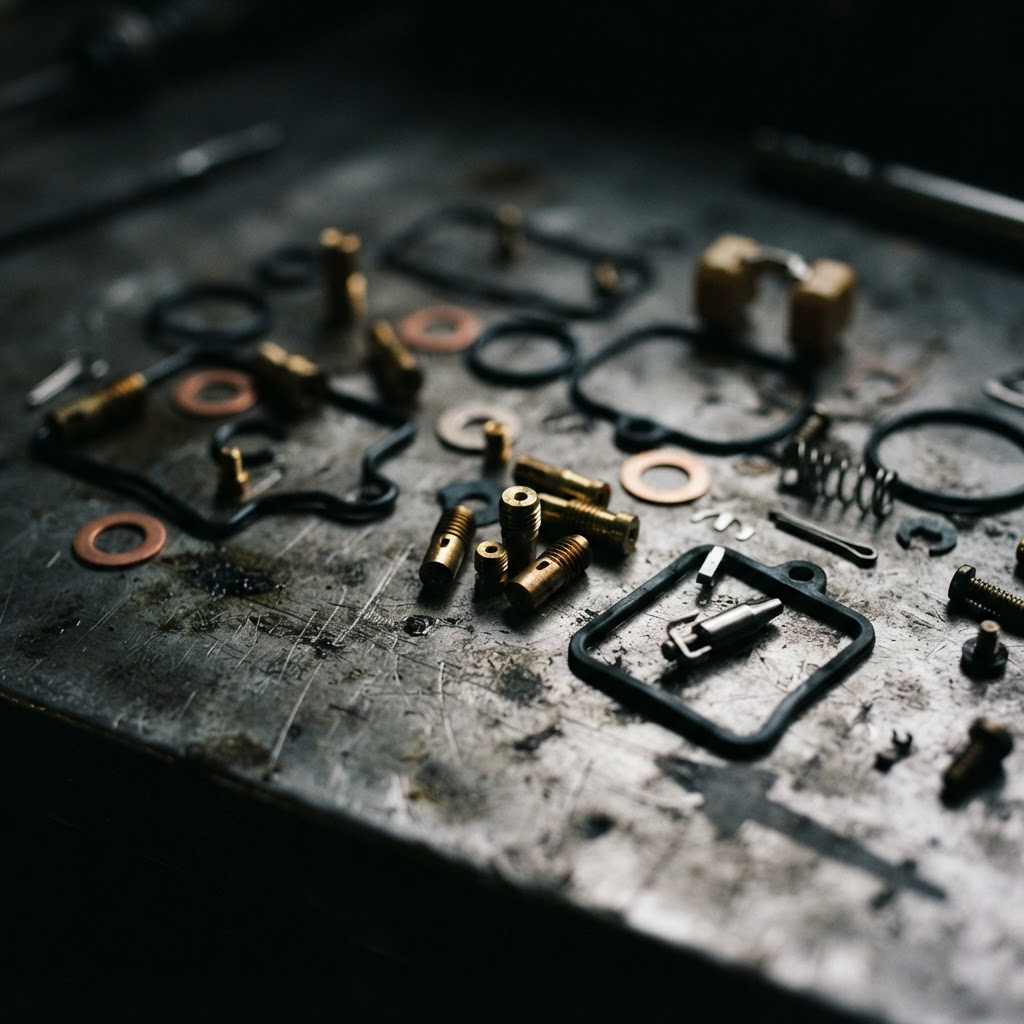
Carburetor Rebuild Kit
Used to replace clogged jets and internal gaskets that cause engine failure due to stale gasoline and varnish buildup.
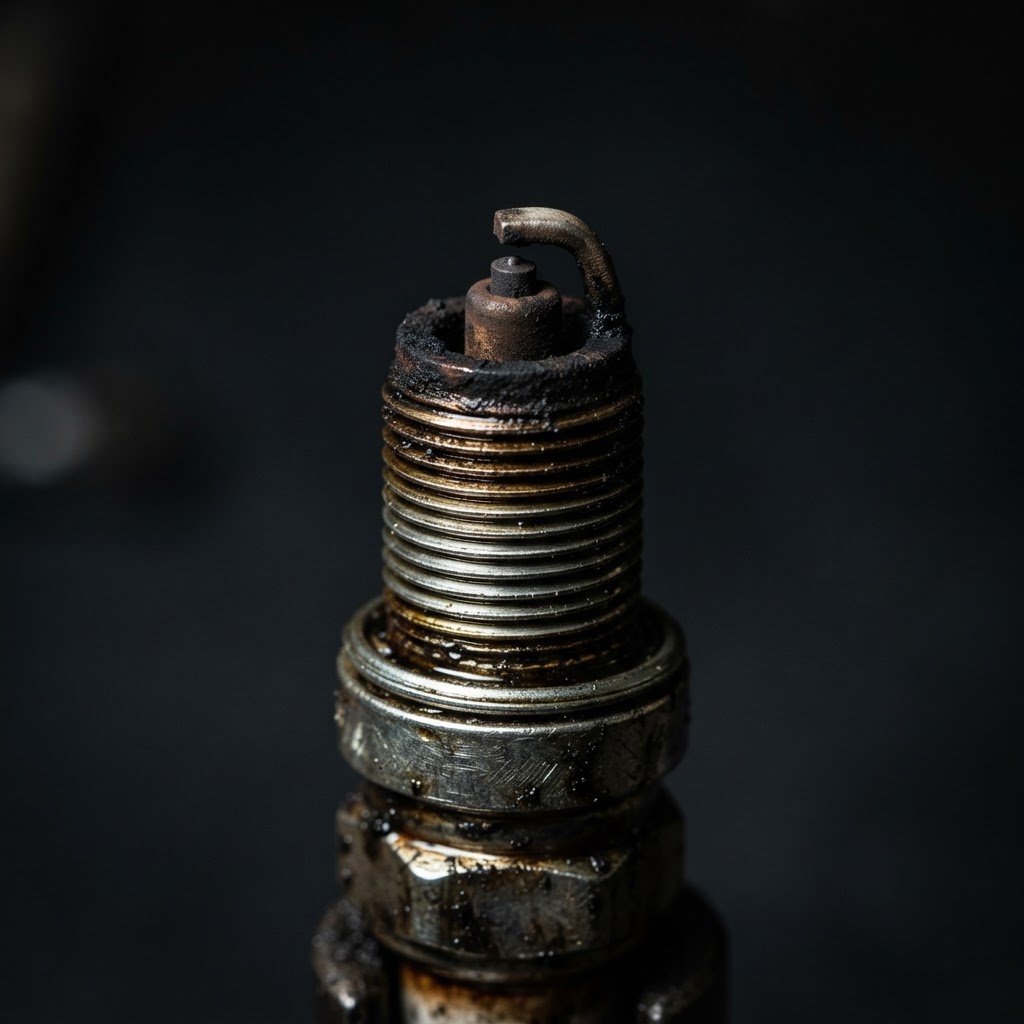
Spark Plug
Replacing a fouled plug restores proper ignition timing and intensity, which is essential after diagnosing poor combustion in pressure washer engines.
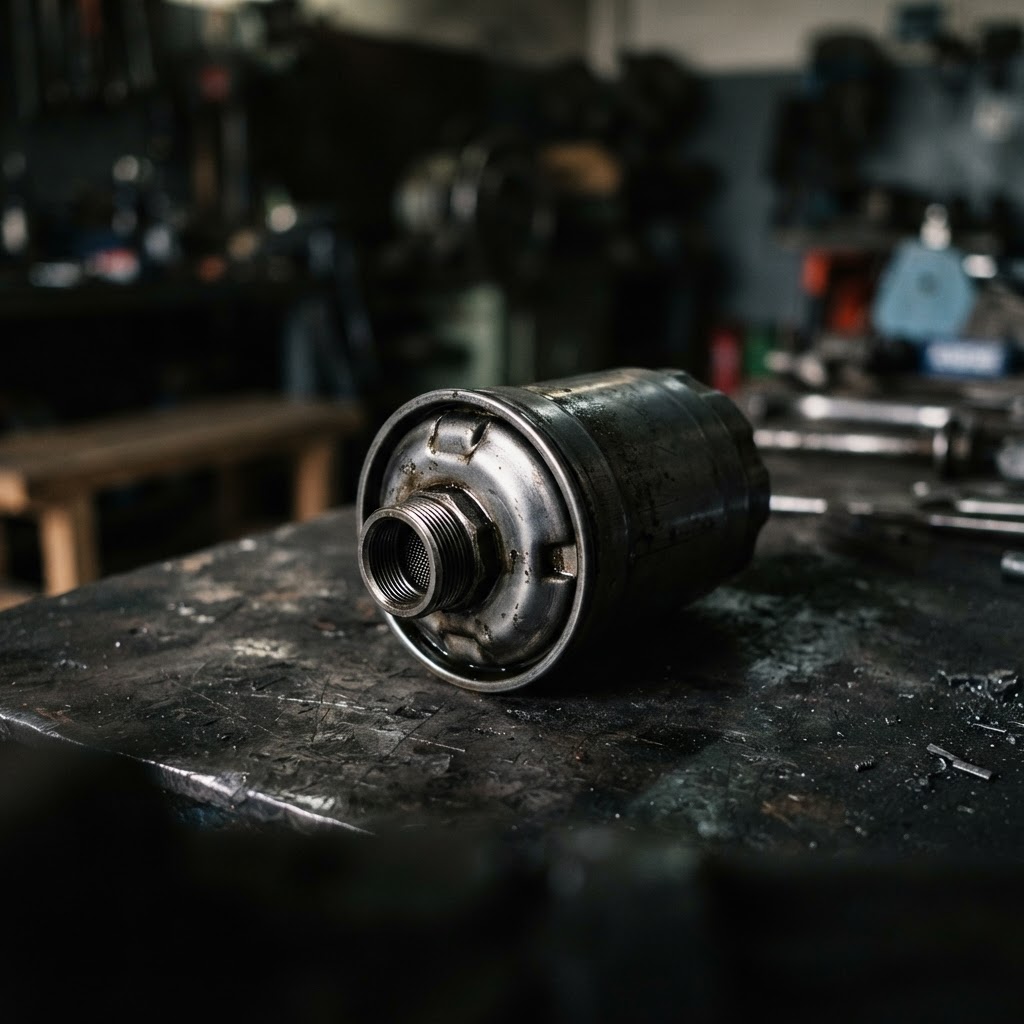
Fuel Tank Filter
This component is frequently restricted by debris, and replacing it ensures consistent, clean fuel delivery to the carburetor.
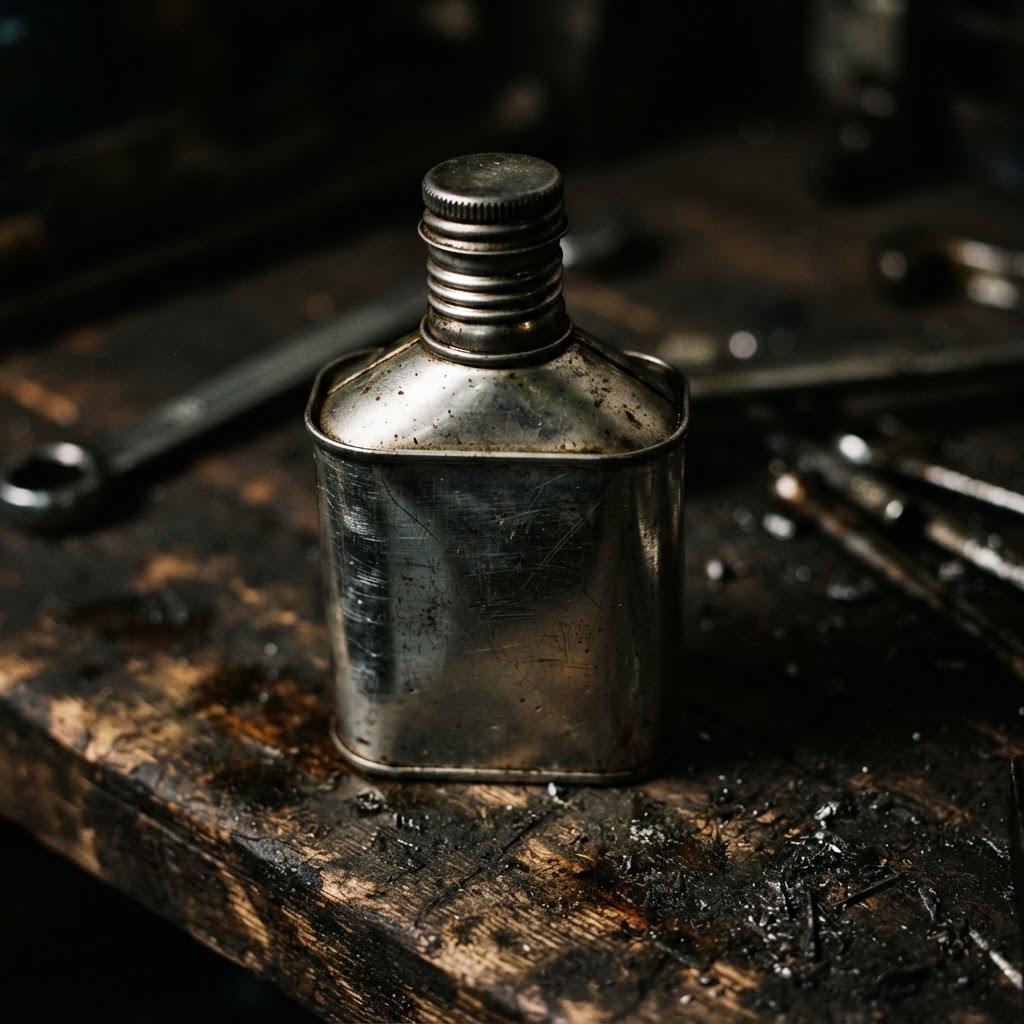
Fuel Stabilizer/System Cleaner
A chemical additive is necessary to break down existing varnish in the fuel system and protect the engine from future degradation caused by ethanol-blended gasoline.
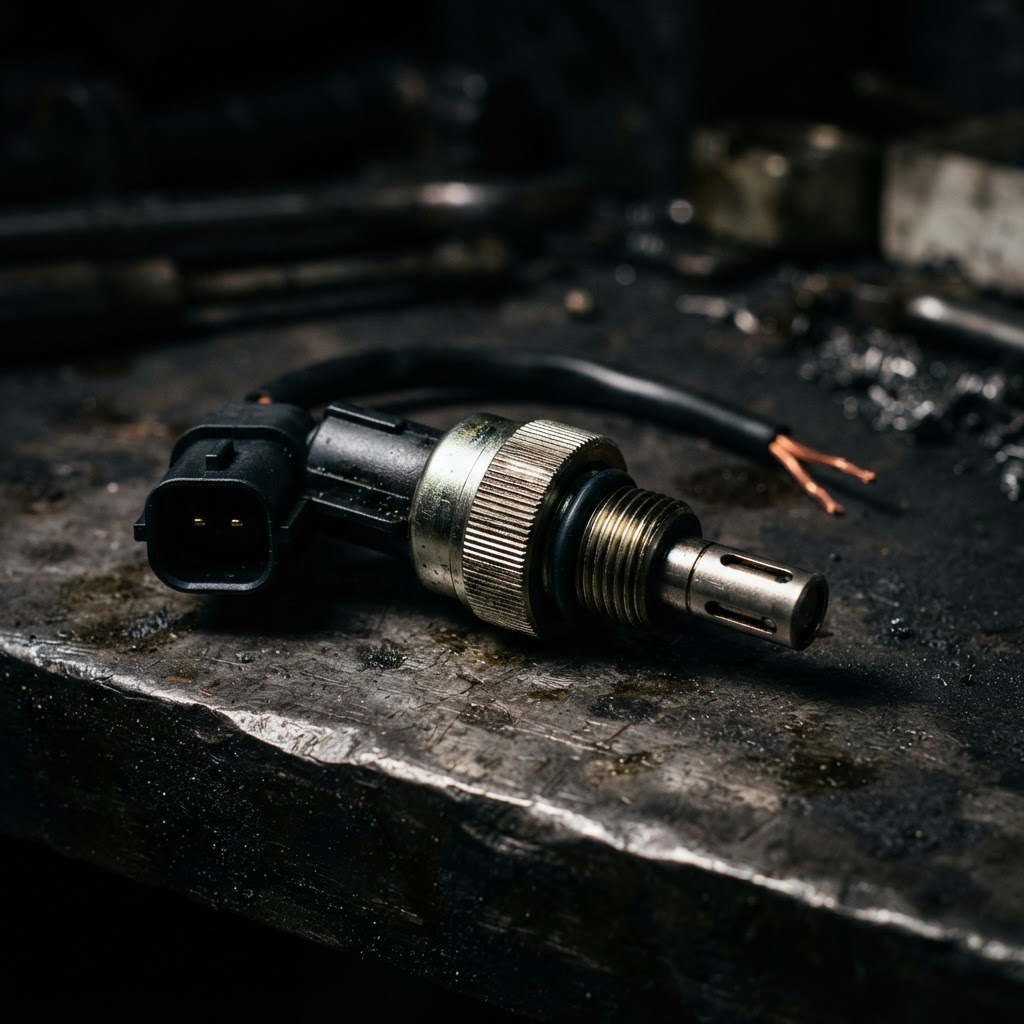
Replacement Oil Level Sensor
If the current sensor has failed with open or shorted continuity, it must be replaced to bypass the safety kill signal preventing the engine from starting.
Affiliate Disclosure: Lil Engine may earn commissions from qualifying purchases.
Pro Tips from the Community
Real-world fixes from Reddit, YouTube & forums.
"Check the thermal relief valve on the pump; if it's blown out, the pump is locked up and preventing the engine from turning over."
Reddit r/smallengines"Always squeeze the spray gun trigger while pulling the starter cord to relieve backpressure in the pump."
DoItYourself.com Forum"If it fires on starting fluid but dies immediately, your pilot jet is clogged from ethanol-laden fuel sitting over the winter."
YouTube comments"Double check that the low oil sensor isn't triggered; even a slightly tilted machine can trip the kill switch."
LawnSite.com ForumPrevent This From Coming Back
Use a fuel stabilizer every time you fill the gas can
Perform a 'dry run' by shutting off the fuel valve and letting the engine run until it stalls before seasonal storage
Change engine oil every 50 hours of operation
Inspect the spark plug for electrode wear annually
Prevent This From Happening Again
While you're fixing it, stock up on the maintenance essentials that keep your pressure washers running right.
Pressure Washer Pump Oil
Pump oil degrades — change annually to prevent pump failure.
Get on AmazonPressure Washer Nozzle Set
Worn nozzles lose pressure — a fresh set restores cleaning power.
Get on AmazonFuel Stabilizer
Prevents carb gumming during seasonal storage.
Get on AmazonAffiliate Disclosure: Lil Engine may earn commissions from qualifying purchases.
Frequently Asked Questions
Absolutely not. E85 ethanol content is far too high and will dissolve fuel lines and damage the carburetor gaskets within minutes.
Video Help
Helpful videos showing these repairs in action.
Share Your Repair
Real-world fixes help everyone. Share what worked and your repair becomes part of Lil Engine's community database.
Related Problems
More Pressure Washers GuidesRelated Maintenance Articles
Related Symptoms
Won’t Start
Carburetor / Fuel Issues
Related Searches
Pressure Washers Troubleshooting
Did this help?
Your feedback helps improve guides for everyone.