Stihl Chainsaw Starts Then Dies
⚡ Quick Answer
When a Stihl chainsaw starts and then immediately dies, it is most often due to a fuel supply issue or a clogged air filter. Start by checking your fuel quality and cleaning the air intake system to restore proper engine function.
What do you want to do?
Most Likely Cause
Clogged Tank Vent
If the vent is plugged, the fuel tank creates a vacuum that fights the fuel pump's ability to pull gas. You can verify this by loosening the fuel cap slightly; if the saw runs longer, the vent is restricted.
Start here — this is the most common reason for this symptom.
Why This Problem Happens
When a Stihl chainsaw starts and immediately dies, the engine is likely achieving an initial ignition burst from the fuel priming bulb or a brief draw of fuel, but it cannot sustain combustion due to a breakdown in the air-fuel ratio or an ignition failure. This is often caused by an intake leak—specifically a compromised impulse line or a cracked intake boot—which prevents the crankcase from generating the necessary vacuum pulses to drive the Zama or Walbro carburetor diaphragm pump. Once the initial charge is exhausted, the fuel flow ceases because the pump mechanism fails to cycle effectively against the atmosphere. Alternatively, the issue can stem from a restrictive fuel path where a degraded fuel line or a clogged tank vent creates a vacuum lock, preventing consistent fuel delivery. In electronic M-Tronic or Carburetor-controlled models, a failing solenoid or improper high-speed needle adjustment can also prevent the engine from transitioning from the idle circuit to the main circuit, causing it to stall under load or immediately after the cold-start enrichment is disengaged. Understanding this requires recognizing that the engine requires a perfect balance of compression, spark, and pulse-driven fuel delivery; the 'start-then-die' sequence is the signature of a fuel delivery failure or a pneumatic leak that kills the vacuum circuit.
Common Symptoms
- Engine starts on choke then dies immediately when shifted to run
- Engine runs for 3-5 seconds then cuts out abruptly
- Spark plug appears dry after repeated starting attempts
- Engine runs momentarily if fuel is poured directly into the intake
- Erratic idling followed by immediate stall
Before You Buy Parts
Quick, free inspections — check these first. Most repairs don't actually need replacement parts.
Complete Resource Guide
The Complete Chainsaw Troubleshooting & Repair Guide
Brand Resource Hub
Stihl Troubleshooting & Repair Guide
Repair Overview
1–2 hours
$10–$50
First Checks — Start Here
- 1Check that the fuel tank has fresh, properly mixed gasoline.
- 2Inspect the air filter for heavy dust or oil buildup.
- 3Ensure the fuel cap is venting correctly by loosening it briefly.
- 4Verify the spark plug wire is pushed firmly onto the terminal.
- 5Check for any blockages in the exhaust port or spark arrestor.
Safety Warnings
- !Always ensure the ignition switch is off and the chain brake is engaged before pressurized testing.
- !Do not attempt to drill or modify the vent; use only genuine Stihl replacement parts.
- !Fuel is highly flammable; clean the area around the tank cap before opening to prevent debris entry.
- !Do not lose the tiny check valve or springs; keep all parts in a clean tray during disassembly.
- !Wear insulated gloves; the high-tension lead can deliver a significant electrical shock.
- !The muffler may be extremely hot if the engine has been running; allow it to cool completely before removal.
- !Using generic automotive fuel line which is not compatible with Stihl synthetic blend oil
- !Forgetting to replace the gasket between the carburetor and intake boot
- !Testing for spark by holding the plug to the cylinder with bare fingers
Always disconnect the spark plug, work in a well-ventilated area, and consult a professional if unsure.
Most Likely Causes
Ranked by likelihood — tap each to see diagnosis details.
If the vent is plugged, the fuel tank creates a vacuum that fights the fuel pump's ability to pull gas. You can verify this by loosening the fuel cap slightly; if the saw runs longer, the vent is restricted.
The rubber boot between the cylinder and carburetor can develop hairline cracks, causing a lean condition that kills the engine. Spray a small amount of carb cleaner near the boot while idling to check for a change in RPM.
🔧 Step-by-Step Fix Guide
Perform a Pressure/Vacuum Test
Use a Mityvac hand pump attached to the intake manifold to verify the crankcase holds pressure. If the gauge needle drops, you have a seal leak that is starving the pump of necessary pulse strength.
Always ensure the ignition switch is off and the chain brake is engaged before pressurized testing.
Check Fuel Tank Venting
Locate the vent plug—often a small white or black check valve on the top of the tank—and ensure air can pass through it. If it is restricted, replace the unit rather than trying to clean it.
Do not attempt to drill or modify the vent; use only genuine Stihl replacement parts.
Replace Fuel Lines and Filter
Remove the fuel pickup and replace the line using Tygon fuel tubing, ensuring the filter is seated properly at the bottom of the tank. Ensure the line is not kinked when re-inserting it into the tank cavity.
Fuel is highly flammable; clean the area around the tank cap before opening to prevent debris entry.
Inspect and Clean the Carburetor
Disassemble the Zama/Walbro carburetor and clean it in an ultrasonic cleaner or with carb spray. Replace the diaphragm and gasket kit to ensure proper pump cycle elasticity.
Do not lose the tiny check valve or springs; keep all parts in a clean tray during disassembly.
Test the Ignition Coil
Use an inductive timing light or a spark tester to see if the spark cuts out the moment the engine gains speed. If the spark stops while the flywheel is turning, the coil is failing thermally.
Wear insulated gloves; the high-tension lead can deliver a significant electrical shock.
Verify Spark Arrestor Screen
Remove the muffler outlet cover and inspect the spark arrestor screen for heavy carbon soot. If the engine cannot exhale, it will stall out as backpressure builds up.
The muffler may be extremely hot if the engine has been running; allow it to cool completely before removal.
What To Test Next
If fuel flow is steady, the next thing to inspect is the ignition coil when the engine is hot — a failing coil often fails warm and recovers when cool.
Component Reference

Carburetor & Fuel Intake
The carburetor mixes air and fuel for combustion. A clogged jet or stuck float is the #1 cause of small engine starting and surging problems.

Spark Plug & Ignition System
The spark plug ignites the air-fuel mixture. A fouled plug, wrong gap, or failing ignition coil will prevent the engine from firing.

Oil & Lubrication System
Regular oil changes are critical. Low or dirty oil causes engine wear, overheating, and eventual seizure. Check the dipstick before every season.

Air Filter & Intake
A clogged air filter starves the engine of air, causing rich running, power loss, and hard starting. Inspect and clean or replace it each season.
Photos for educational reference. Actual parts may vary by make and model.
Common Mistakes to Avoid
Adjusting the High/Low screws on the carburetor before fixing air leaks
Using generic automotive fuel line which is not compatible with Stihl synthetic blend oil
Forgetting to replace the gasket between the carburetor and intake boot
Testing for spark by holding the plug to the cylinder with bare fingers
If This Didn't Fix It
Still having trouble? These are the next things to check:
Get the Exact Parts for Your Machine
Tell us your equipment's year, make, and model — we'll search for parts that actually fit, not generic ones.
Finding parts for
Stihl chainsaw
Required Gear
Matched to your Stihl chainsaw — click to find the exact fit on Amazon.
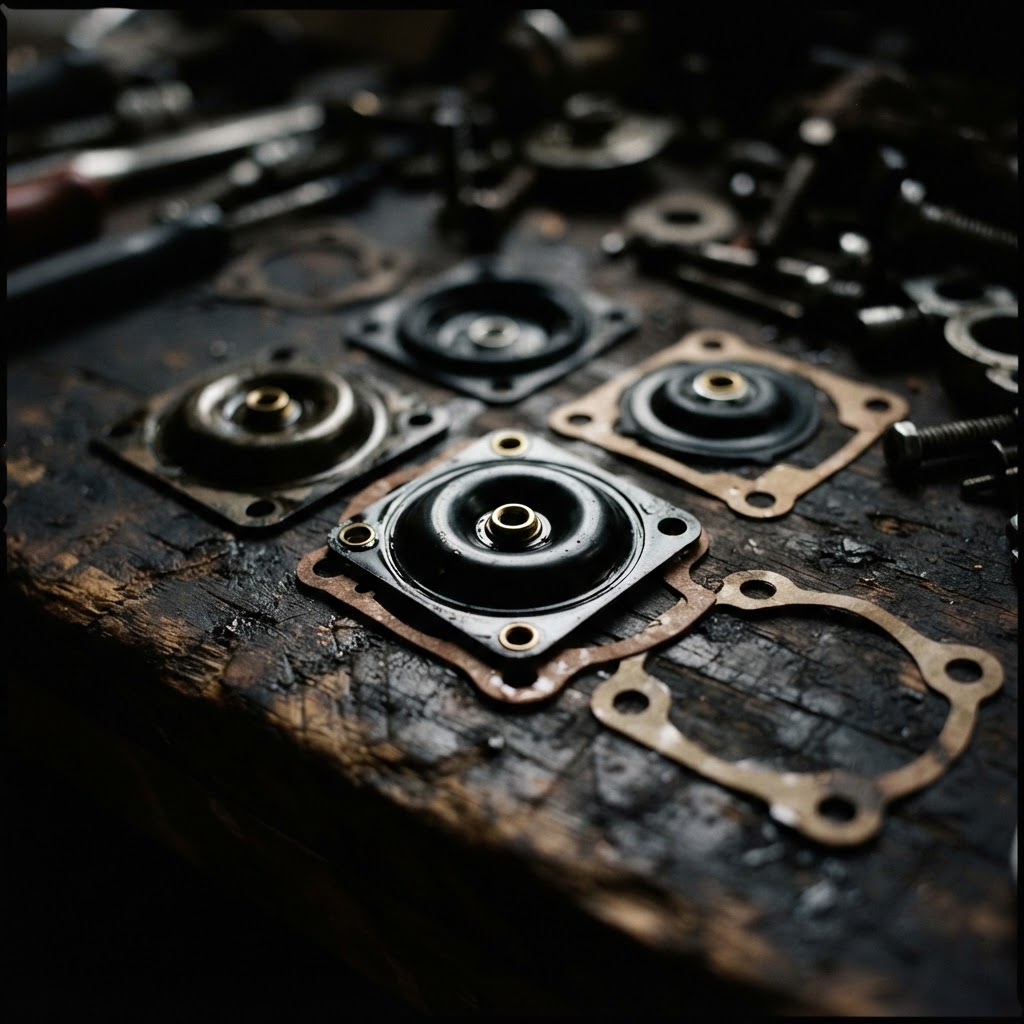
Stihl Carburetor Diaphragm and Gasket Kit
Old or stiff diaphragms fail to pump fuel consistently, which is the primary cause for a chainsaw starting and then immediately stalling under load.
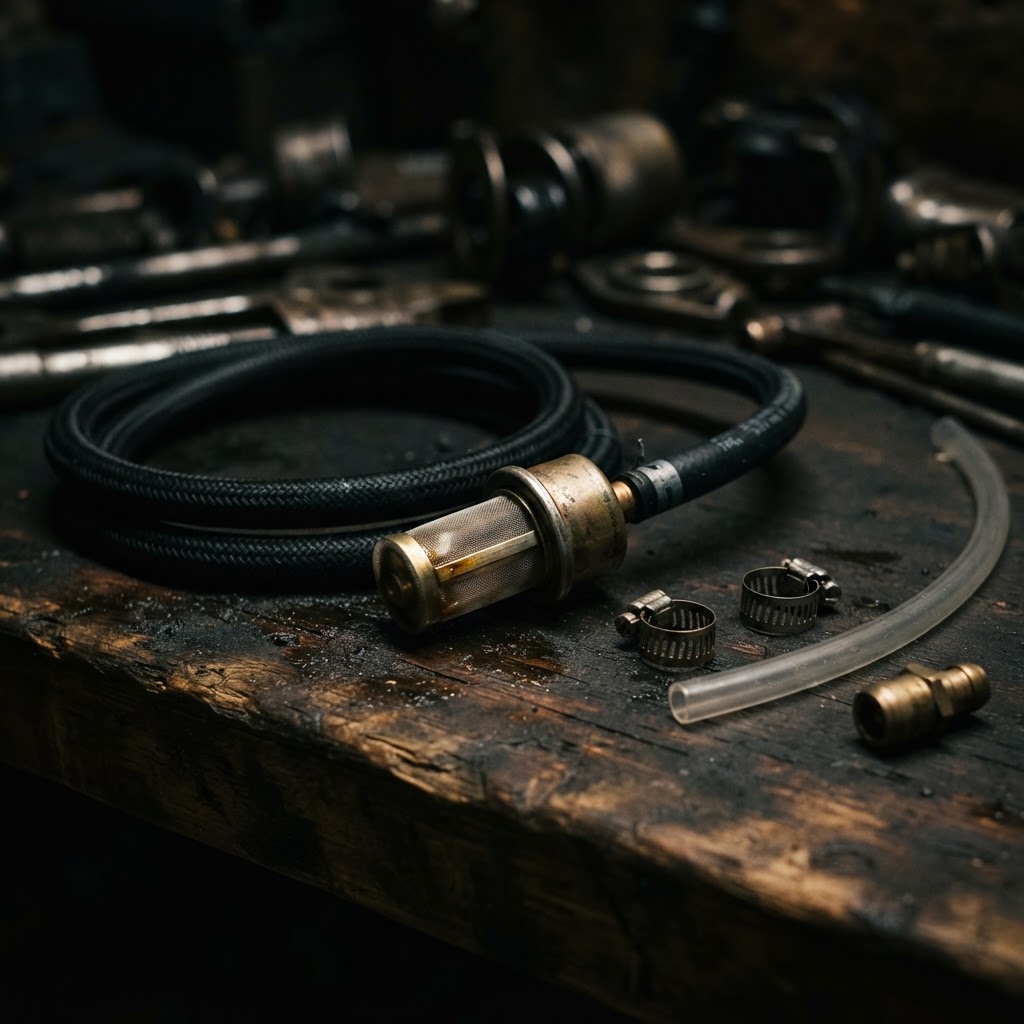
Fuel Line and Pickup Filter Replacement Kit
Degraded fuel lines often develop pinhole cracks that cause air leaks, and a clogged pickup filter starves the engine of fuel once it begins to draw a demand.
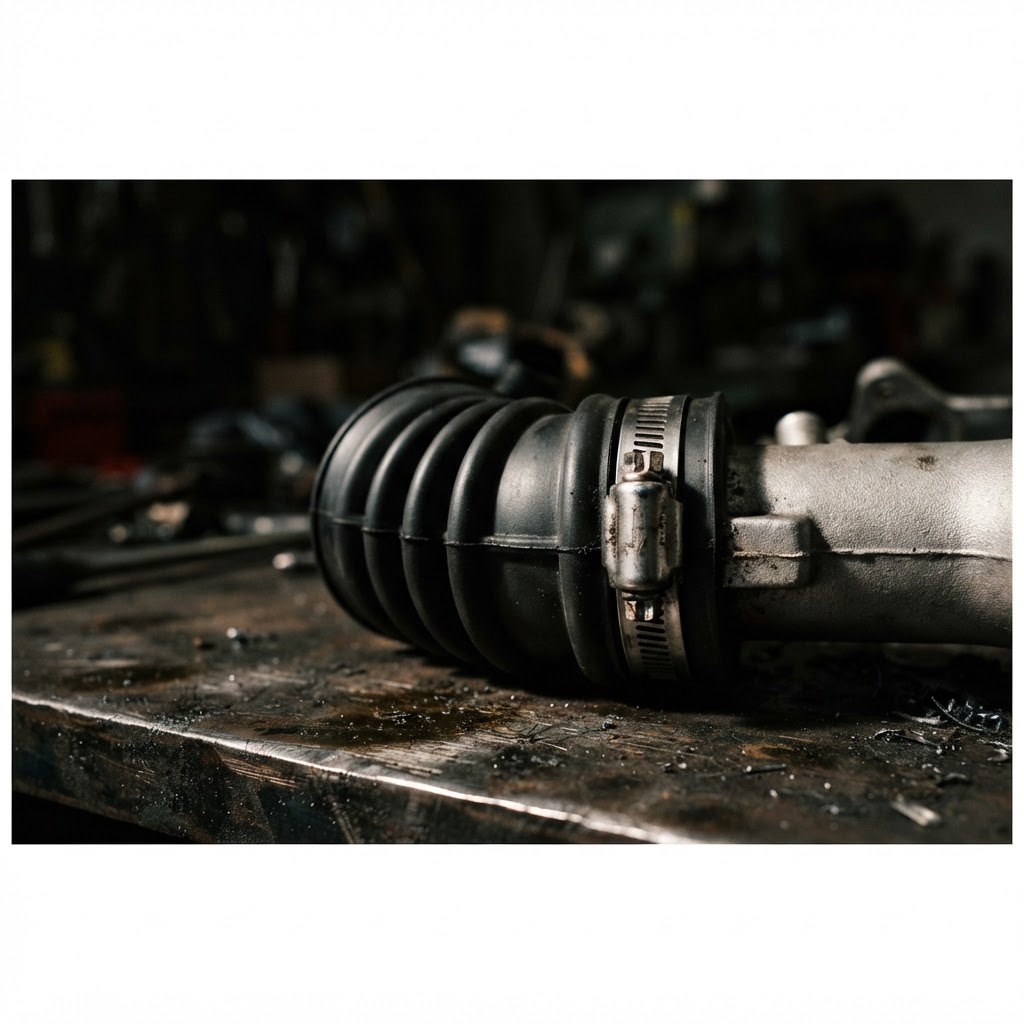
Replacement Intake Boot
A cracked or dry-rotted intake boot creates an air leak that disrupts the air-fuel mixture ratio, leading to the engine cutting out shortly after start-up.
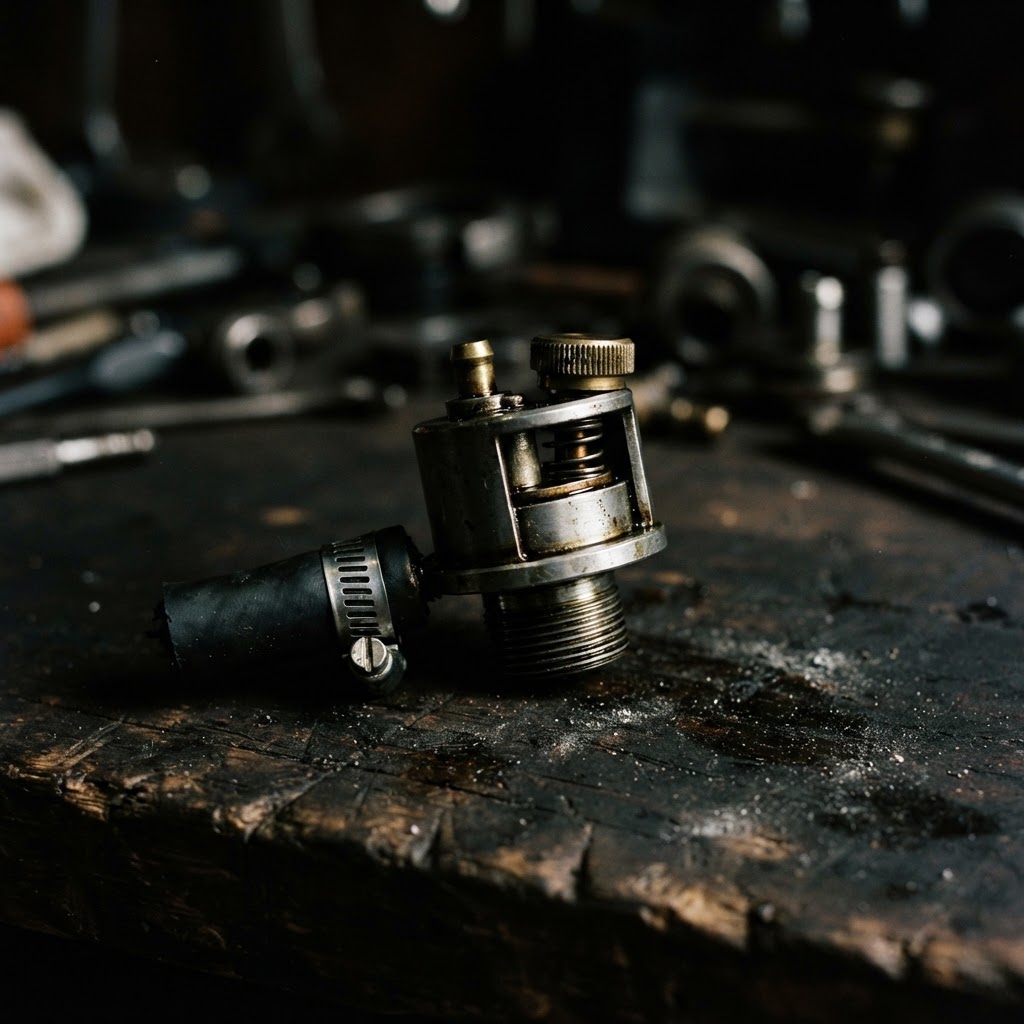
Fuel Tank Vent Valve
If the tank vent is clogged, a vacuum builds up inside the tank, preventing the fuel from flowing to the carburetor, which causes the engine to die.
Affiliate Disclosure: Lil Engine may earn commissions from qualifying purchases.
Pro Tips from the Community
Real-world fixes from Reddit, YouTube & forums.
"Check the fuel tank vent first because if it's clogged, the engine will create a vacuum and starve itself of fuel after a few seconds of running."
Arboristsite.com"Pull the spark arrestor screen out of the muffler because a carbon-clogged screen will cause the engine to choke and stall as soon as it tries to build RPMs."
Reddit r/stihl"If it runs on choke but dies when you flip it to run, your carburetor's low-speed jet is likely gummed up or the diaphragm has lost its flexibility."
LawnSite.com Forum"Inspect the fuel line for tiny pinhole leaks or cracks, as a compromised line will pull air instead of fuel once the engine warms up slightly."
YouTube commentsPrevent This From Coming Back
Drain fuel from the tank if the saw will be stored for more than 30 days
Use only high-quality ethanol-free fuel or Stihl MotoMix
Replace the fuel filter and air filter annually regardless of appearance
Clean the cooling fins regularly to prevent internal heat soak which damages coils
Prevent This From Happening Again
While you're fixing it, stock up on the maintenance essentials that keep your chainsaws running right.
Bar and Chain Oil
Proper bar oil prevents chain overheating and premature wear.
Get on Amazon2-Cycle Oil
Correct fuel-oil mix is critical — use fresh 2-cycle oil every season.
Get on AmazonChainsaw Chain
Keep a sharp spare chain — a dull chain is dangerous and slow.
Get on AmazonAffiliate Disclosure: Lil Engine may earn commissions from qualifying purchases.
Frequently Asked Questions
No. If a saw starts then dies, it is almost always a mechanical failure like an air leak or fuel restriction. Adjusting the carburetor will usually just mask the underlying issue and lead to engine damage.
Video Help
Helpful videos showing these repairs in action.
Share Your Repair
Real-world fixes help everyone. Share what worked and your repair becomes part of Lil Engine's community database.
Related Problems
More Chainsaws GuidesRelated Symptoms
Related Searches
Stihl chainsaw Guides
Did this help?
Your feedback helps improve guides for everyone.