Stihl Weed Eater Won't Stay Running
⚡ Quick Answer
A Stihl weed eater that won't stay running is typically suffering from a disrupted fuel-air ratio, usually caused by a restricted fuel filter, a clogged carburetor, or a vacuum leak. These engines rely on precise pulse-pressure to drive the fuel pump; if the air intake or fuel delivery is compromised, the engine will die under load or at idle. Start by verifying fuel quality and checking the spark arrestor, as these represent the most common points of failure in two-cycle equipment.

What do you want to do?
Most Likely Cause
Old or degraded fuel
Stihl engines utilize small-passage carburetors that are extremely sensitive to ethanol-blended fuels. When fuel sits, it degrades and leaves behind varnish that clogs the internal metering screen and jets, preventing the engine from sustaining a proper air-fuel mixture.
Start here — this is the most common reason for this symptom.
Why This Problem Happens
Stihl engines rely on precise fuel-to-air ratios and crankcase compression to operate efficiently. When a unit starts but fails to stay running, it typically points to a failure in the Zama or Walbro carburetor's ability to maintain a steady vacuum impulse or a lack of fuel pressure. Over time, the ethanol in pump gasoline degrades the internal fuel lines and the delicate diaphragms within the carburetor. This causes a 'lean' condition where the engine cannot sustain combustion because the air-to-fuel ratio exceeds the stoichiometric limit required for steady idling, resulting in the engine stalling immediately after the initial cold-start charge is consumed.
Furthermore, Stihl two-stroke engines utilize a sealed crankcase to pump the fuel-air mixture into the combustion chamber. If the intake manifold gaskets or the crankshaft seals dry out and crack, the engine suffers an air leak. This compromises the pulse signal required to operate the carburetor's fuel pump. Without a consistent pulse, the carburetor cannot pull fuel from the tank, and the engine loses power as soon as the initial fuel in the high-speed circuit is exhausted. This is a progressive failure that starts with poor idle quality and culminates in total running failure.
Common Symptoms
- Engine stalls when throttle is released
- Needs full choke to keep running
- Excessive surging at high RPM
- Bogging down under cutting load
- Fuel spitting back out of the carburetor intake
Before You Buy Parts
Quick, free inspections — check these first. Most repairs don't actually need replacement parts.
Diagnostic Flowchart
Follow this decision tree step-by-step to isolate the problem.
Is the fuel tank full of fresh, correctly mixed 2-cycle fuel?
Check fuel filter for clogging.
Go to step 2
Drain old fuel and refill with 50:1 mix.
Go to step 2
Is the air filter clean and free of debris?
Proceed to spark check.
Go to step 3
Clean or replace air filter.
Go to step 3
Is the spark plug electrode clean and gap set correctly?
Check fuel lines for cracks.
Go to step 4
Replace or clean the spark plug.
Go to step 4
Are fuel lines soft and flexible without air leaks?
Inspect carburetor for diaphragm failure.
Go to step 5
Replace fuel lines and primer bulb.
Does the carburetor needle seat correctly under pressure?
Check muffler for spark arrestor carbon buildup.
Rebuild or replace carburetor.
Complete Resource Guide
Complete Weed Eaters Troubleshooting & Repair Guide
Brand Resource Hub
Stihl Troubleshooting & Repair Guide
Repair Overview
60-120 minutes
$10-$50
First Checks — Start Here
- 1Verify the fuel tank contains fresh, ethanol-free gasoline mixed at the correct 50:1 ratio.
- 2Ensure the fuel cap vent is not clogged by loosening it slightly while running.
- 3Inspect the air filter element for heavy dirt or oil saturation and clean or replace it.
- 4Check the spark plug wire for a loose connection at the terminal.
- 5Depress the fuel primer bulb to see if fuel returns to the tank; if empty, suspect a supply issue.
- 6Inspect the spark arrestor screen for heavy carbon buildup.
Safety Warnings
- !Wear safety glasses and ensure the engine is cool to avoid burns from the exhaust port.
- !Always work in a well-ventilated area away from open flames.
- !Be careful when removing the gasket as it may be stuck to the carburetor body.
- !Do not overtighten mounting screws as you may strip the plastic threads in the cylinder.
- !Never use metal wires to probe jets, as this will resize them and ruin the calibration.
- !Have a rag ready to catch any fuel spray if pressure has built up.
- !Neglecting to replace the fuel filter along with lines
- !Using old gasoline that has degraded to varnish
Always disconnect the spark plug, work in a well-ventilated area, and consult a professional if unsure.
Most Likely Causes
Ranked by likelihood — tap each to see diagnosis details.
The tiny inlet screen inside the carburetor filters out debris but is susceptible to varnish buildup. If flow is restricted, the engine will start on the prime bulb's initial pressure but die as soon as the internal reservoir empties.
Stihl fuel lines often crack at the tank grommet or the carburetor connection. These micro-cracks pull air instead of fuel, causing a lean stall that worsens as the engine heats up.
🔧 Step-by-Step Fix Guide
Test for Spark Arrestor Restriction
Remove the muffler cover and pull the spark arrestor screen out with needle-nose pliers. Attempt to start the unit; if it stays running, clean the screen with a torch or replace it.
Wear safety glasses and ensure the engine is cool to avoid burns from the exhaust port.
Verify Fuel System Integrity
Use a Mityvac pressure tester on the fuel lines to check for air leaks. Replace lines that appear yellowed, brittle, or cracked, especially at the entry point of the fuel tank.
Always work in a well-ventilated area away from open flames.
Inspect Carburetor Diaphragms
Remove the carburetor and open the bottom plate. If the rubber diaphragms are stiff or crinkled, they must be replaced using an OEM-spec Stihl repair kit.
Be careful when removing the gasket as it may be stuck to the carburetor body.
Check Intake Manifold Gaskets
Remove the air filter housing and check for loose bolts on the carburetor mounting flange. If there is visible oil residue around the mating surface, the gasket is leaking and requires replacement.
Do not overtighten mounting screws as you may strip the plastic threads in the cylinder.
Clean Carburetor Passages
Use an ultrasonic cleaner or high-pressure carburetor cleaner to blow out the internal jets. Ensure the low-speed and high-speed passages are unobstructed.
Never use metal wires to probe jets, as this will resize them and ruin the calibration.
Verify Tank Venting
If the engine dies, immediately open the fuel cap. If you hear a vacuum hiss and the engine runs better afterward, the tank vent is clogged and needs cleaning or replacement.
Have a rag ready to catch any fuel spray if pressure has built up.
What To Test Next
If fresh fuel and a clear fuel system do not solve the issue, the next logical step is to test the ignition system for a weak or intermittent spark.
Component Reference

Carburetor & Fuel Intake
The carburetor mixes air and fuel for combustion. A clogged jet or stuck float is the #1 cause of small engine starting and surging problems.

Spark Plug & Ignition System
The spark plug ignites the air-fuel mixture. A fouled plug, wrong gap, or failing ignition coil will prevent the engine from firing.

Oil & Lubrication System
Regular oil changes are critical. Low or dirty oil causes engine wear, overheating, and eventual seizure. Check the dipstick before every season.

Air Filter & Intake
A clogged air filter starves the engine of air, causing rich running, power loss, and hard starting. Inspect and clean or replace it each season.
Photos for educational reference. Actual parts may vary by make and model.
Common Mistakes to Avoid
Using generic aftermarket carburetors instead of Zama/Walbro OEM
Neglecting to replace the fuel filter along with lines
Adjusting the carburetor H and L needles before fixing vacuum leaks
Using old gasoline that has degraded to varnish
Over-tightening the carburetor mounting screws and cracking the manifold
If This Didn't Fix It
Still having trouble? These are the next things to check:
Get the Exact Parts for Your Machine
Tell us your equipment's year, make, and model — we'll search for parts that actually fit, not generic ones.
Finding parts for
stihl weed eater
Required Gear
Matched to your stihl weed eater — click to find the exact fit on Amazon.
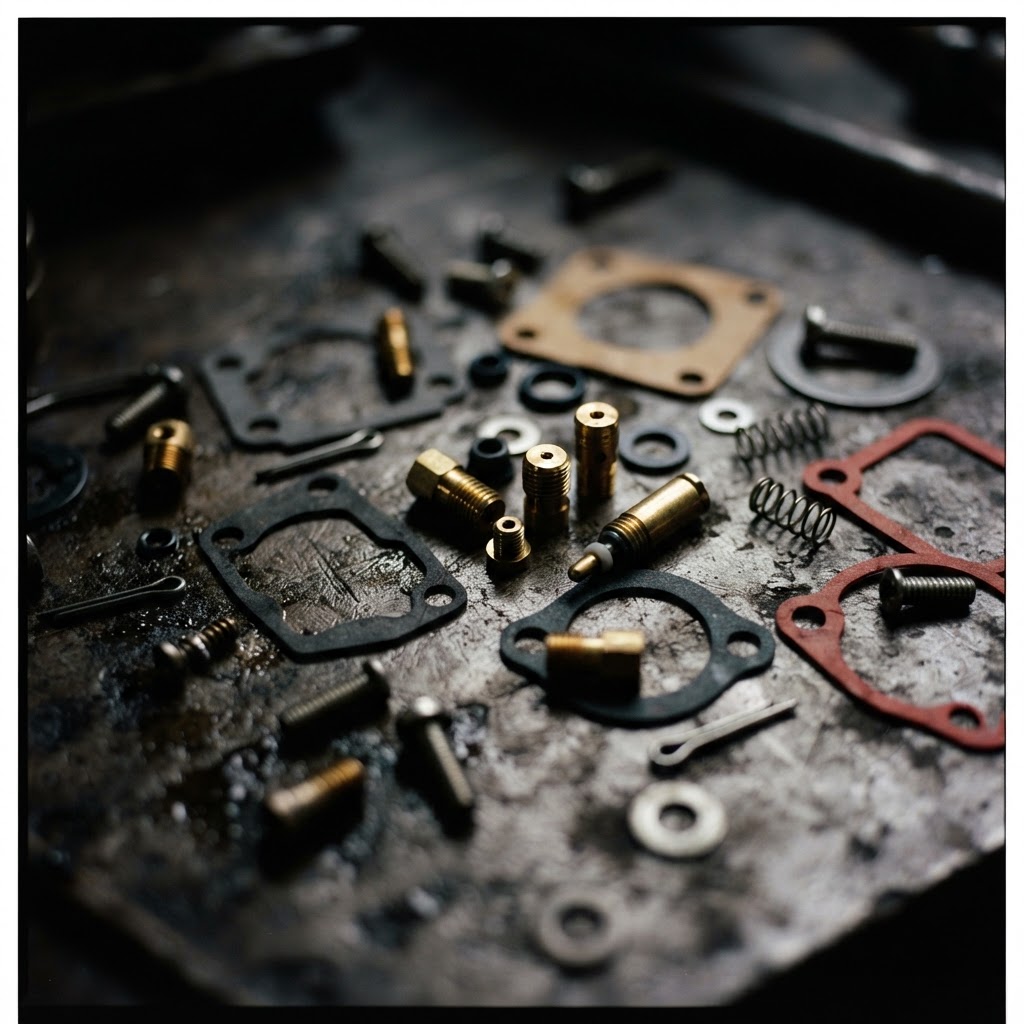
Carburetor Rebuild Kit
This kit contains the essential metering diaphragms, gaskets, and internal screens required to restore fuel delivery if the internal components have hardened or clogged.
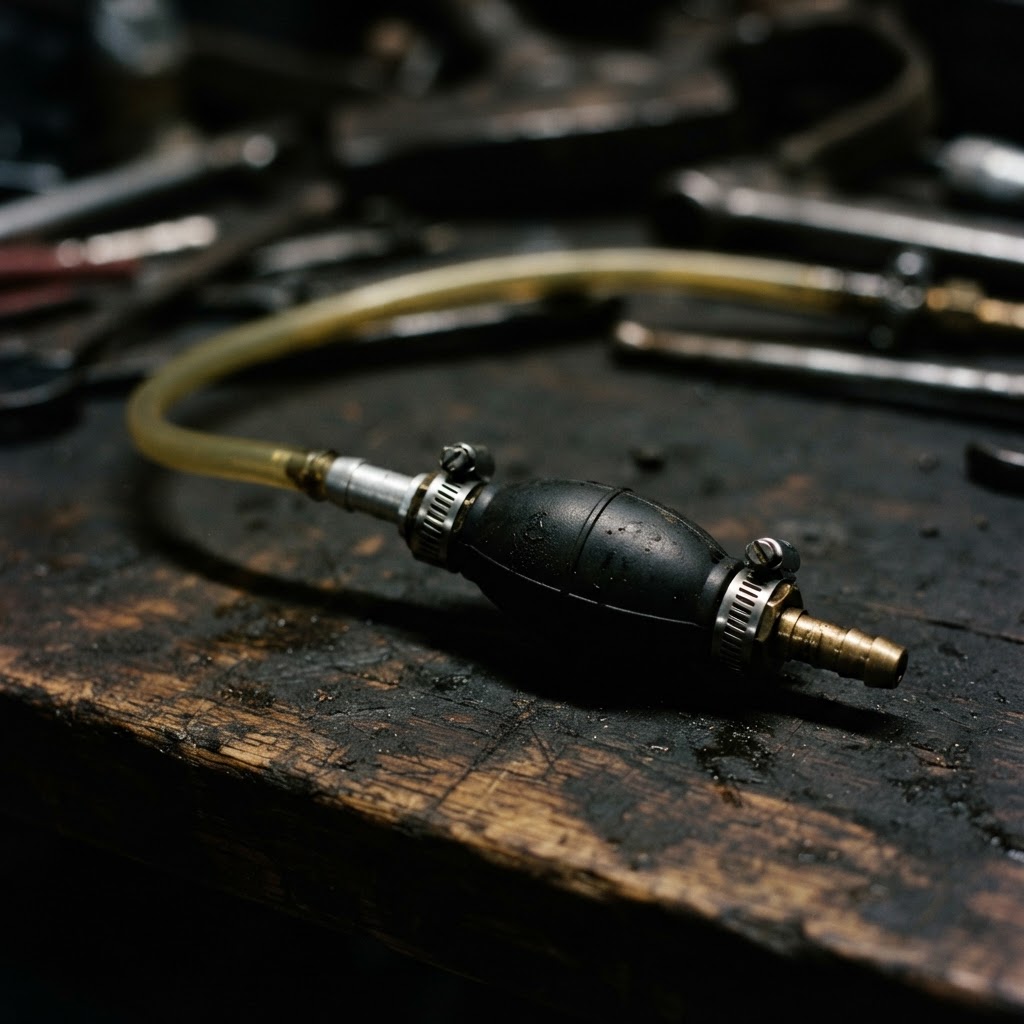
Fuel Line and Primer Bulb Kit
Since the fuel lines on Stihl trimmers harden over time and cause air leaks, replacing these lines and the primer bulb is necessary to restore proper fuel flow and engine performance.
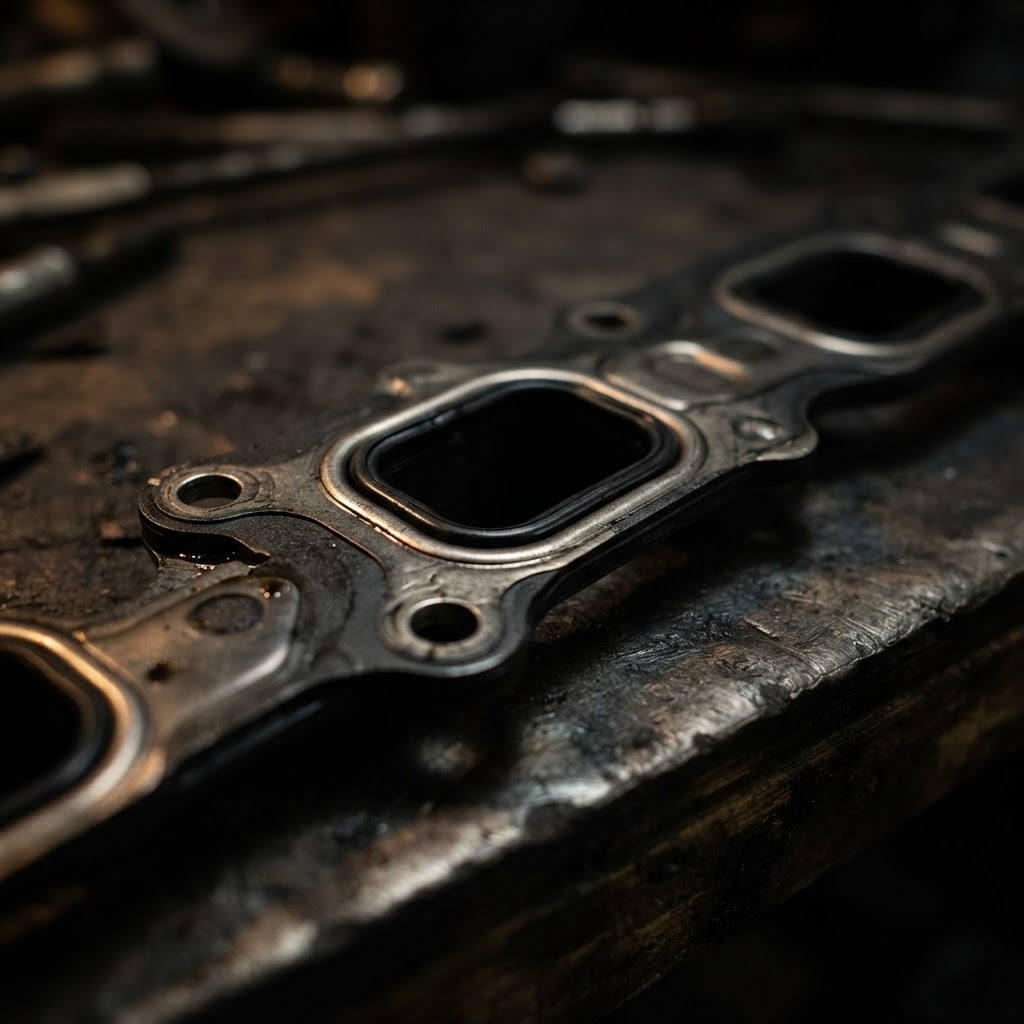
Intake Manifold Gasket
Replacing the intake manifold gasket is required to eliminate vacuum leaks between the carburetor and cylinder, which is a common cause for an engine that fails to stay running.
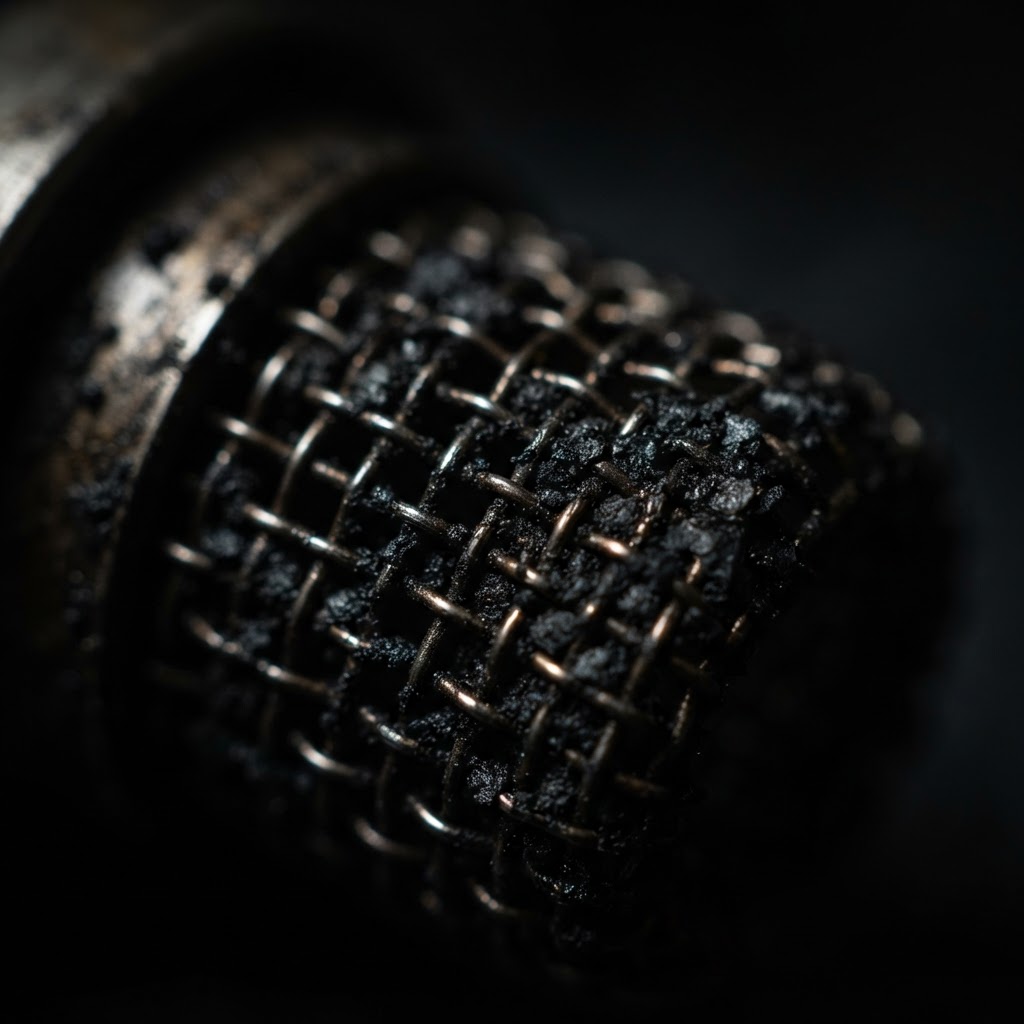
Spark Arrestor Screen
Carbon buildup on this fine mesh screen restricts exhaust flow, and replacing it is the only way to resolve backpressure issues that cause stalling.
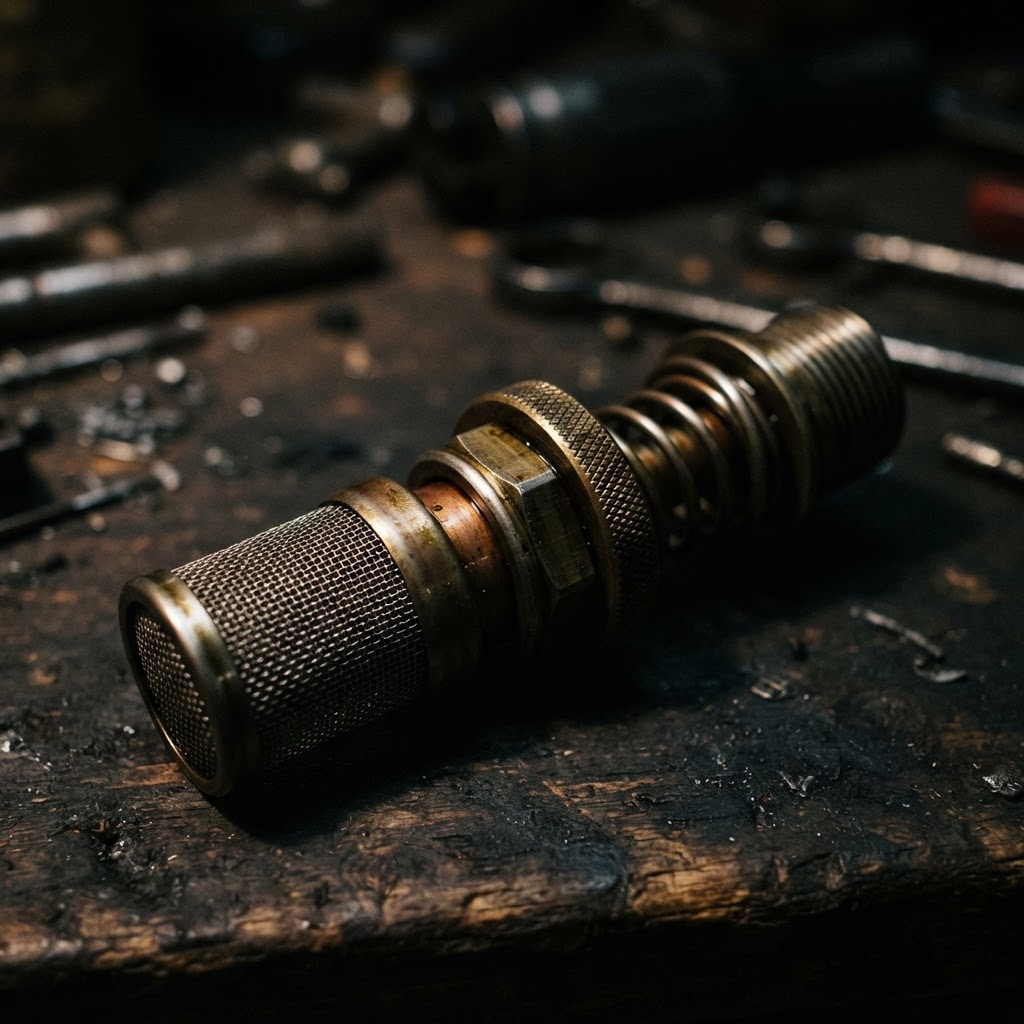
Fuel Tank Vent/Pick-up Filter
Replacing the fuel pickup filter ensures the carburetor receives a consistent, sediment-free supply of fuel, while a fresh tank vent prevents the vacuum lock that causes engine stalling.
Affiliate Disclosure: Lil Engine may earn commissions from qualifying purchases.
Pro Tips from the Community
Real-world fixes from Reddit, YouTube & forums.
"Check for a clogged fuel filter — a little dirt can cause big problems."
YouTube comments"Inspect the primer bulb; if it doesn’t refill after pressing, it might be the issue."
Reddit r/lawncare"Verify the fuel line for cracks — even tiny ones can cause air leaks and stalls."
LawnSite.com Forum"Make sure the air filter isn’t dirty; a quick clean can restore airflow and performance."
TractorByNet"If it’s a two-stroke, mix your fuel fresh; old mix can degrade and cause issues."
DoItYourself.comBrand-Specific Notes
Stihl
Stihl engines are highly sensitive to fuel quality due to tight internal tolerances. Using ethanol-blended fuel left over winter often causes the carburetor diaphragms to harden or swell, preventing the engine from idling.
Husqvarna
Many Husqvarna models feature a proprietary air purging system that is susceptible to hairline cracks. Check the purge bulb housing if the unit fails to pull fuel into the carburetor.
Echo
Echo units often suffer from carbon buildup in the exhaust port. If the unit starts but dies under load, check the spark arrestor screen which can become completely choked with soot.
Model-Specific Variations
Stihl FS 56 RC-E
Equipped with Easy2Start spring-assist. Engine stalling is often linked to a failing ignition coil that loses spark when reaching specific operating temperatures.
Stihl FS 94 R
Features a specialized throttle trigger for instant response. High-speed stalling is typically caused by a restricted fuel tank vent rather than the carburetor itself.
Stihl KM 131 R
This 4-MIX engine requires precise valve lash adjustments. If it won't stay running, inspect the valve clearance as the intake valve can tighten significantly over time.
Stalling Cause Analysis
| Symptom | Primary Suspect | Fix Difficulty |
|---|---|---|
| Dies at idle | Low speed needle adjustment | Easy |
| Dies under full load | Clogged fuel filter | Easy |
| Hard restart when hot | Ignition coil failure | Moderate |
| Sputters then quits | Air leak in intake boot | Hard |
Real-World Repair Examples
Situation
A Stihl FS 55 would start on choke but immediately die when the trigger was pulled. The fuel lines looked fine externally.
Solution
Removed the carburetor and found the internal check valve was blocked by gummed fuel residue. Replaced the carburetor kit entirely.
Unit runs perfectly at all throttle positions.
Situation
Customer reported their trimmer would run for 10 minutes then shut off and refuse to restart until cooled down.
Solution
Tested the ignition coil with an inline spark tester and observed the spark vanishing as the coil reached operating temperature.
Replaced the ignition module; the unit no longer shuts down during use.
Situation
Engine runs but surges constantly and eventually stalls at idle.
Solution
Found a cracked pulse line causing an air leak into the crankcase. Replaced the pulse line and reset the idle air mixture screw.
Stable idle restored.
Prevent This From Coming Back
Use high-quality synthetic 2-cycle oil mixed at 50:1
Switch to ethanol-free fuel to prevent diaphragm degradation
Drain fuel tanks completely if storing for more than 30 days
Clean the air filter every 10 hours of operation
Replace the fuel pickup filter annually regardless of appearance
Prevent This From Happening Again
While you're fixing it, stock up on the maintenance essentials that keep your weed eaters running right.
Trimmer Line/String
Quality trimmer line breaks less and cuts cleaner.
Get on Amazon2-Cycle Oil
Fresh fuel mix prevents carb diaphragm hardening and starting issues.
Get on AmazonSpark Arrestor Screen
A clogged spark arrestor causes power loss — clean or replace it.
Get on AmazonAffiliate Disclosure: Lil Engine may earn commissions from qualifying purchases.
Frequently Asked Questions
Only adjust these after verifying the engine has no air leaks and the fuel system is clean. If you turn them blindly, you risk leaning out the engine and scoring the cylinder.
Related Questions
Common variations and related questions about this repair.
Why does my Stihl trimmer run with the choke on but die when I turn it off?
This is a classic sign of a lean fuel condition, usually caused by a dirty carburetor or an air leak. The choke restricts air, allowing the engine to compensate for the insufficient fuel flow.
Can bad gas cause a Stihl weed eater to stall?
Yes, ethanol fuel attracts moisture which leads to phase separation and corrosion within the carburetor. Using high-quality alkylate fuel is recommended to prevent these issues.
How do I test for an air leak in a 2-cycle engine?
You can perform a crankcase pressure test using a vacuum/pressure pump kit. If the engine cannot hold 6-8 PSI, there is a leak in the seals, gaskets, or lines.
Is it worth rebuilding a Stihl carburetor?
For most modern Stihl models, replacing the entire carburetor is often more cost-effective than a rebuild. OEM carburetors are relatively affordable and resolve internal wear issues that kits cannot fix.
Does a clogged muffler cause stalling?
Absolutely, especially if the engine runs for a few minutes before dying. A clogged spark arrestor prevents the engine from exhausting properly, causing it to suffocate on its own exhaust.
What is the 4-MIX engine and why does it stall?
The Stihl 4-MIX engine is a hybrid 4-stroke that uses oil-mixed fuel. It is prone to valve clearance issues and excessive carbon buildup in the exhaust ports, which leads to overheating and stalling.
Video Help
Helpful videos showing these repairs in action.
Share Your Repair
Real-world fixes help everyone. Share what worked and your repair becomes part of Lil Engine's community database.
Related Problems
More Weed Eaters GuidesRelated Maintenance Articles
Related Symptoms
Stalling / Dies
Oil or Fuel Leak
Carburetor / Fuel Issues
Related Searches
Stihl weed eater Guides
Did this help?
Your feedback helps improve guides for everyone.