Weed Eater Starts Then Dies
⚡ Quick Answer
When a weed eater starts and then quickly dies, it is usually struggling to get fuel or air. The most likely culprits are old fuel clogging the carburetor or a dirty air filter choking the engine.

What do you want to do?
Most Likely Cause
Clogged Fuel Pickup Filter
The sintered bronze or felt filter inside the tank becomes saturated with varnish or debris over time. If the filter is restricted, the fuel pump cannot pull sufficient volume to keep the engine running past the prime cycle.
Start here — this is the most common reason for this symptom.
Why This Problem Happens
A two-stroke weed eater that starts and immediately dies usually indicates a fuel starvation issue or an air-to-fuel ratio imbalance occurring the moment the load or air demand shifts. When you pull the starter rope, the engine fires on the initial prime, but once the engine cycles to draw its own fuel, it fails to maintain combustion. This is frequently due to a ruptured metering diaphragm in the carburetor or a restricted fuel pickup filter, which prevents the engine from sustaining a consistent fuel flow under vacuum pressure. As soon as the initial prime is burned, the venturi effect cannot draw fuel from the tank, causing the engine to starve and die. Alternatively, a clogged spark arrestor creates excessive backpressure, preventing the engine from cycling exhaust gases effectively. Without proper scavenging, the fresh air-fuel charge cannot enter the combustion chamber, killing the engine once the initial 'puff' of combustion concludes. Understanding this transition from prime-based firing to sustained fuel-pump suction is the key to diagnosing the failure point.
Common Symptoms
- Engine fires for 2-3 seconds then stops
- Running engine dies when throttle is pressed
- Primer bulb remains empty or fails to return
- Wet or fouled spark plug after repeated attempts
- Noticeable bogging before total shutdown
Before You Buy Parts
Quick, free inspections — check these first. Most repairs don't actually need replacement parts.
Complete Resource Guide
Complete Weed Eaters Troubleshooting & Repair Guide
Repair Overview
45–90 minutes
$15–$50
First Checks — Start Here
- 1Check that the fuel tank has fresh, properly mixed gas.
- 2Inspect the air filter for dirt or debris.
- 3Ensure the gas cap vent is not clogged.
- 4Check the spark plug for heavy carbon buildup.
- 5Verify the primer bulb is filling with fuel.
Safety Warnings
- !Keep face away from the fuel cap area to avoid potential fuel spray if the tank is under pressure.
- !The muffler will be extremely hot; ensure the unit has cooled for at least 30 minutes before touching.
- !Drain fuel completely into an approved container before disconnecting fuel lines.
- !Wear safety glasses, as carburetor cleaner can spray back unexpectedly during pressurized flushing.
- !Keep starting fluid away from hot engine components and open flames.
- !Do not over-torque the spark plug during installation to avoid stripping the aluminum cylinder threads.
- !Using old gasoline that has gone stale or separated
- !Replacing the carburetor without first testing the fuel lines for leaks
- !Ignoring the fuel tank vent, which is the most common cause of vacuum lock
- !Applying sealant to carburetor gaskets, which can block the tiny pulse holes
Always disconnect the spark plug, work in a well-ventilated area, and consult a professional if unsure.
Most Likely Causes
Ranked by likelihood — tap each to see diagnosis details.
The sintered bronze or felt filter inside the tank becomes saturated with varnish or debris over time. If the filter is restricted, the fuel pump cannot pull sufficient volume to keep the engine running past the prime cycle.
The Zama or Walbro carburetor relies on a thin diaphragm to regulate fuel flow via pressure pulses. If the rubber hardens due to ethanol fuel exposure, it stops oscillating, effectively cutting off the fuel supply once the initial prime is spent.
🔧 Step-by-Step Fix Guide
Verify Fuel System Pulse
Ensure the fuel tank is venting properly by loosening the cap slightly and attempting a start. If the engine stays running, replace the tank vent assembly.
Keep face away from the fuel cap area to avoid potential fuel spray if the tank is under pressure.
Inspect Spark Arrestor Screen
Remove the muffler cover and pull out the wire mesh screen located at the exhaust port. Heat it with a propane torch until carbon turns to ash, or replace it if it is heavily clogged.
The muffler will be extremely hot; ensure the unit has cooled for at least 30 minutes before touching.
Test Fuel Pickup Line
Use long-reach needle-nose pliers to fish the fuel filter out of the tank. If the fuel line is soft, brittle, or yellowed, replace the entire line with Tygon-grade fuel line to ensure a vacuum-tight seal.
Drain fuel completely into an approved container before disconnecting fuel lines.
Clean Carburetor Diaphragms
Remove the carburetor and disassemble the metering side to inspect the diaphragm for stiffness or holes. Use a small amount of aerosol carburetor cleaner to flush the internal check valves, ensuring no debris blocks the circuits.
Wear safety glasses, as carburetor cleaner can spray back unexpectedly during pressurized flushing.
Perform Pressure Test on Intake
Apply a light spray of starting fluid around the base of the carburetor and intake flange while the engine is running. If the RPM changes, you have a vacuum leak and must replace the intake gasket.
Keep starting fluid away from hot engine components and open flames.
Check Spark Plug Condition
Remove the spark plug and inspect the electrode for excessive carbon fouling. If the plug is black and wet, replace it with the exact heat-range match recommended in your manual.
Do not over-torque the spark plug during installation to avoid stripping the aluminum cylinder threads.
What To Test Next
If fuel flow is steady, the next thing to inspect is the ignition coil when the engine is hot — a failing coil often fails warm and recovers when cool.
Component Reference

Carburetor & Fuel Intake
The carburetor mixes air and fuel for combustion. A clogged jet or stuck float is the #1 cause of small engine starting and surging problems.

Spark Plug & Ignition System
The spark plug ignites the air-fuel mixture. A fouled plug, wrong gap, or failing ignition coil will prevent the engine from firing.

Oil & Lubrication System
Regular oil changes are critical. Low or dirty oil causes engine wear, overheating, and eventual seizure. Check the dipstick before every season.

Air Filter & Intake
A clogged air filter starves the engine of air, causing rich running, power loss, and hard starting. Inspect and clean or replace it each season.
Photos for educational reference. Actual parts may vary by make and model.
Common Mistakes to Avoid
Using old gasoline that has gone stale or separated
Over-tightening the carburetor mounting bolts and cracking the plastic intake
Replacing the carburetor without first testing the fuel lines for leaks
Ignoring the fuel tank vent, which is the most common cause of vacuum lock
Applying sealant to carburetor gaskets, which can block the tiny pulse holes
If This Didn't Fix It
Still having trouble? These are the next things to check:
Get the Exact Parts for Your Machine
Tell us your equipment's year, make, and model — we'll search for parts that actually fit, not generic ones.
Finding parts for
Weed eater
Required Gear
Matched to your Weed eater — click to find the exact fit on Amazon.
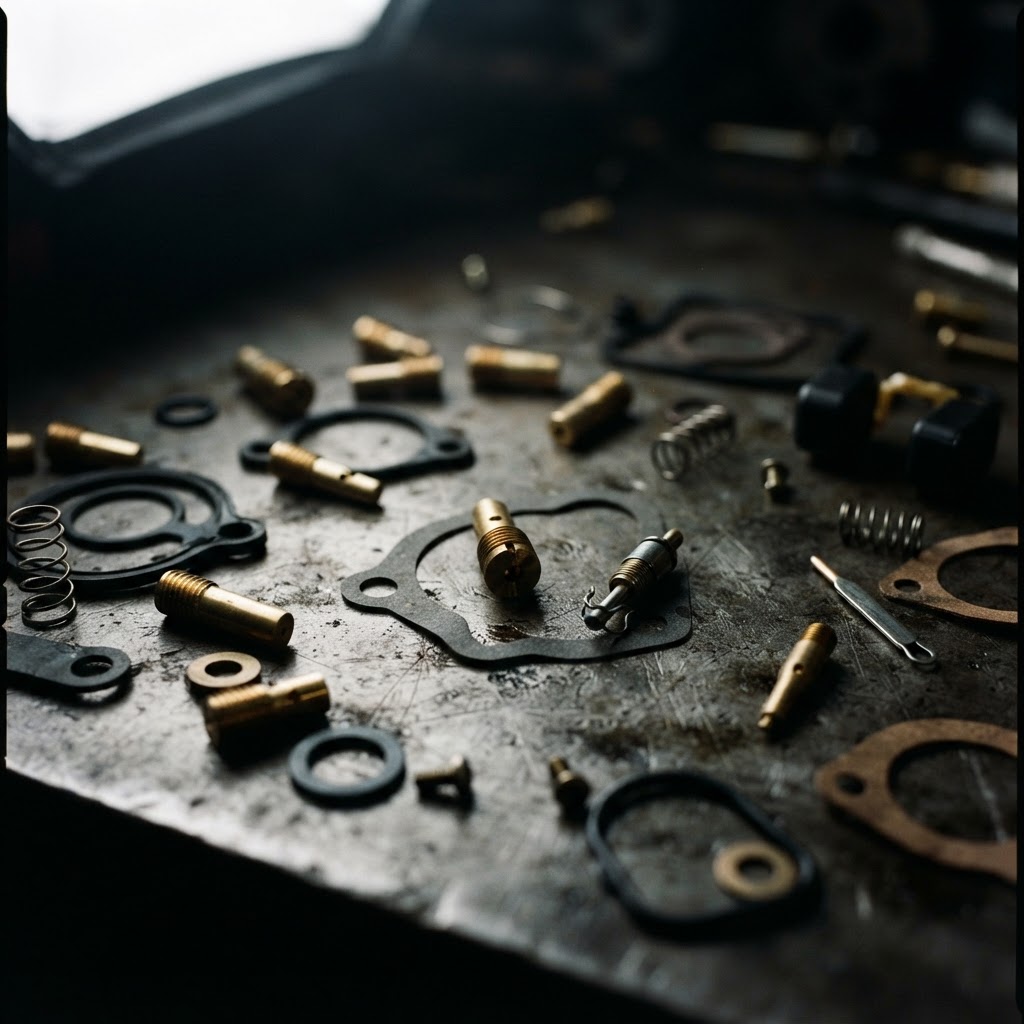
Carburetor Rebuild Kit
This kit contains the essential metering diaphragms and gaskets required to replace hardened components that cause the engine to stall shortly after starting.
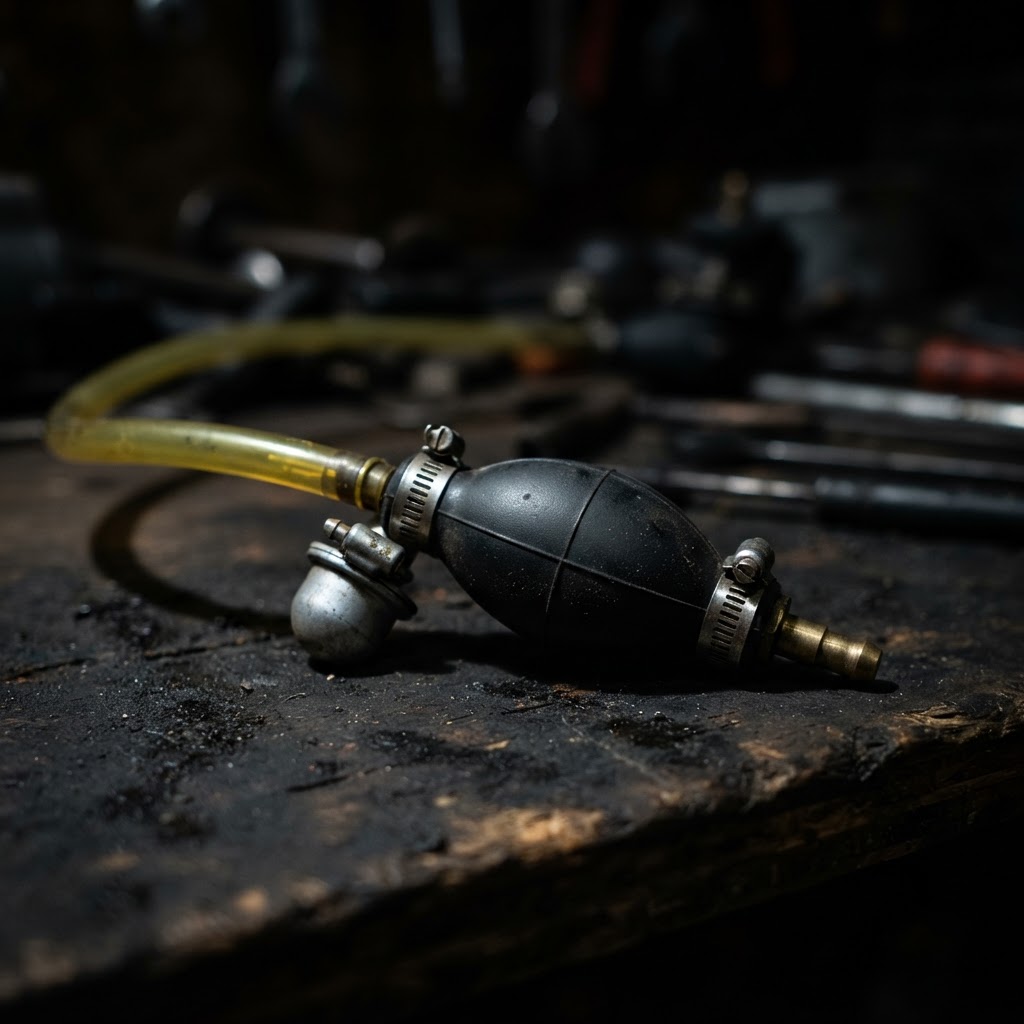
Fuel Line and Primer Bulb Kit
Degraded, brittle, or cracked fuel lines frequently introduce air into the fuel system, requiring a full replacement to restore consistent fuel delivery.
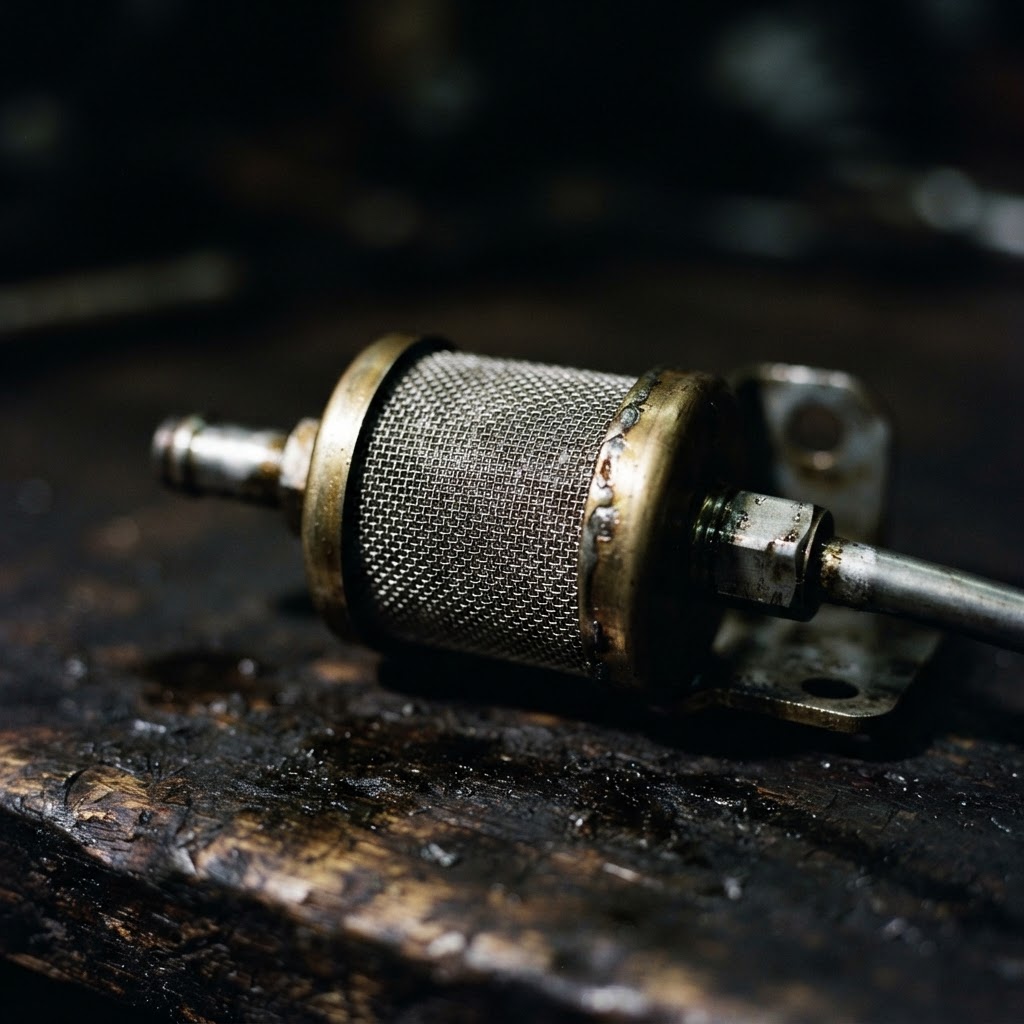
Fuel Pickup Filter
A clogged filter prevents sufficient fuel from reaching the engine at operating speed; replacing it ensures the fuel system is not restricted by debris.
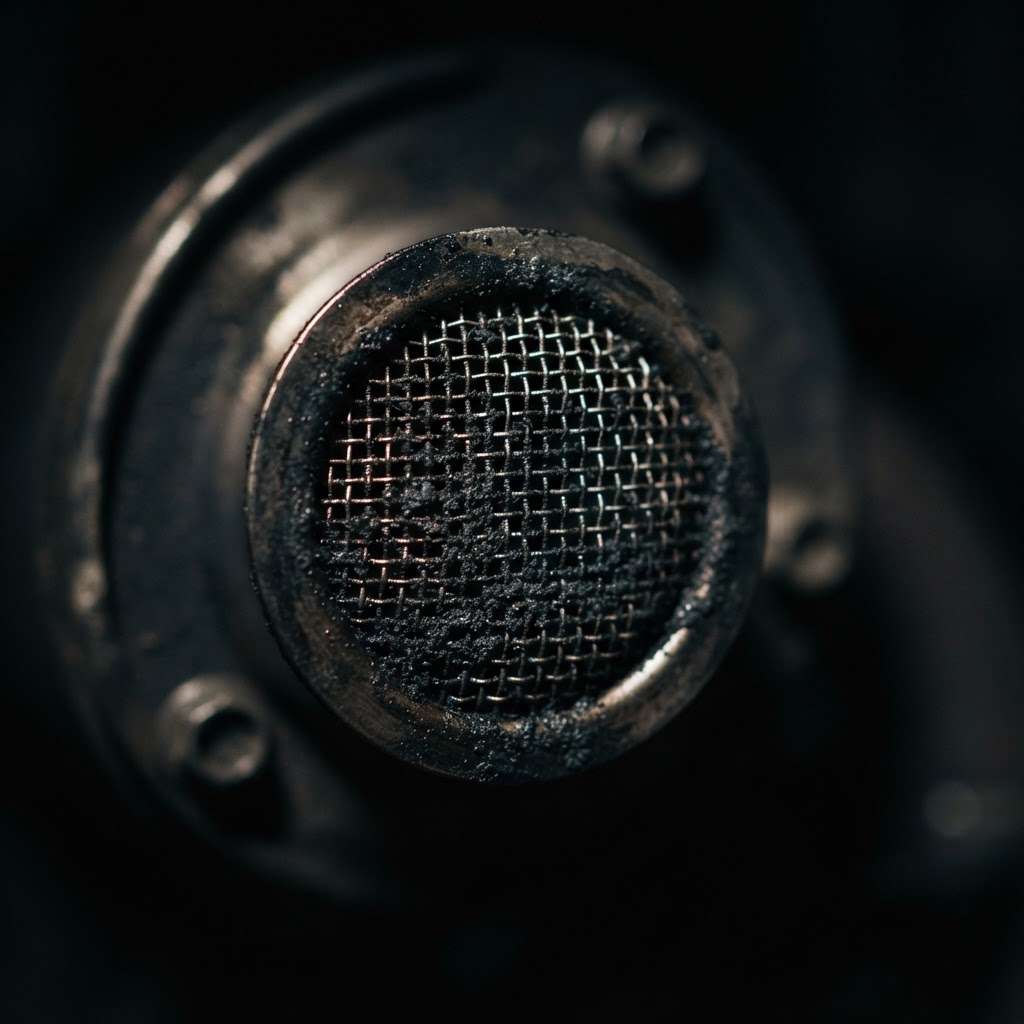
Spark Arrestor Screen
If the existing screen is heavily carbon-fouled, it causes excessive backpressure that kills the engine after it warms up and begins to exhaust.
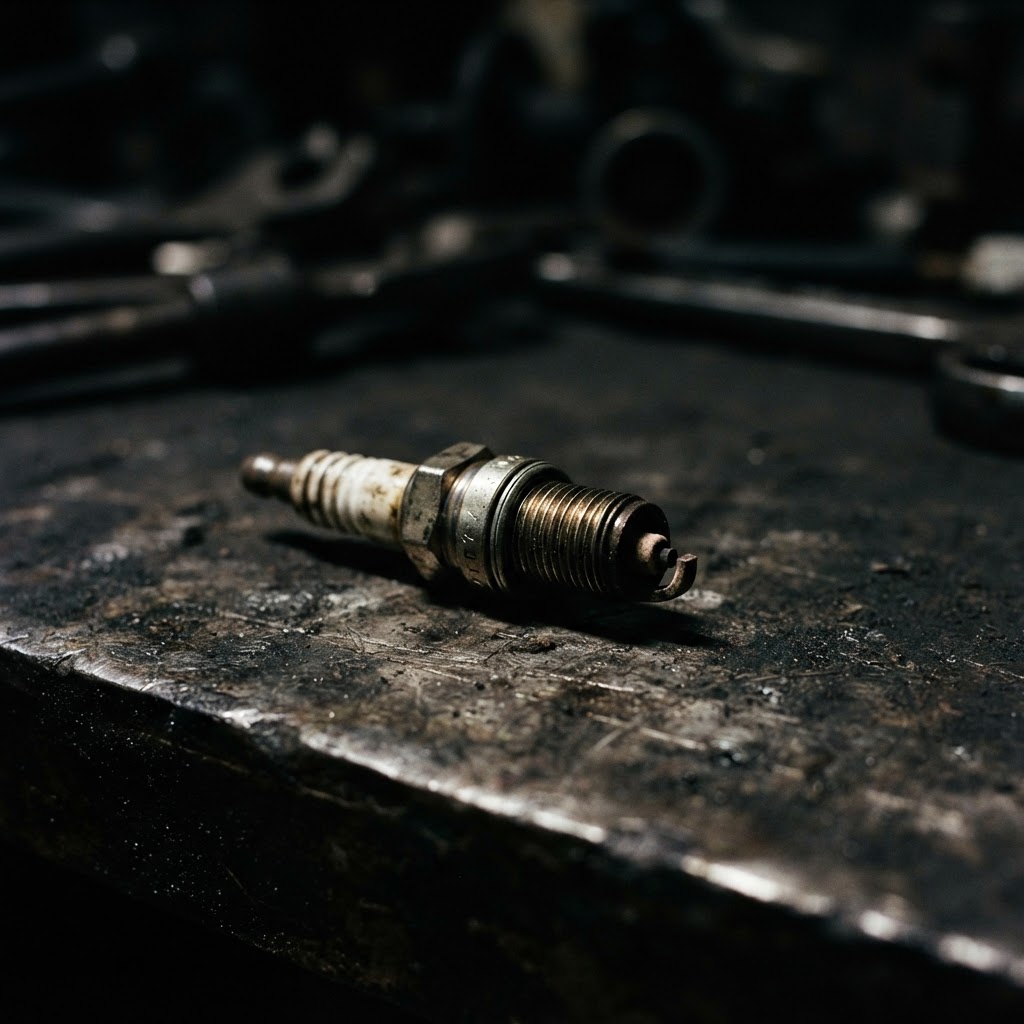
Small Engine Spark Plug
Replacing the plug is necessary if the engine is stalling due to a fouled or weak electrode that can no longer maintain combustion under load.
Affiliate Disclosure: Lil Engine may earn commissions from qualifying purchases.
Pro Tips from the Community
Real-world fixes from Reddit, YouTube & forums.
"If it starts and dies, check the fuel tank vent; if the tank is pulling a vacuum, the fuel won't flow to the carb."
Reddit r/smallengines"Check the fuel pickup line inside the tank, as they often crack or rot and start sucking air before the fuel level hits the filter."
LawnSite.com Forum"Inspect the spark arrestor screen in the muffler; if it's clogged with carbon, the engine can't breathe and will choke out after a few seconds."
DoItYourself.com"Spray a small amount of mixed gas directly into the carb throat; if it runs longer, you have a fuel delivery issue, not an ignition problem."
YouTube commentsPrevent This From Coming Back
Use high-quality synthetic 2-cycle oil to minimize carbon buildup in the muffler
Add a fuel stabilizer to all stored gasoline to prevent varnish accumulation
Replace the fuel filter and fuel lines every two seasons as a standard service interval
Keep the air filter clean to prevent the carburetor from running overly rich
Run the engine dry or use a fuel additive if storing the unit for more than 30 days
Prevent This From Happening Again
While you're fixing it, stock up on the maintenance essentials that keep your weed eaters running right.
Trimmer Line/String
Quality trimmer line breaks less and cuts cleaner.
Get on Amazon2-Cycle Oil
Fresh fuel mix prevents carb diaphragm hardening and starting issues.
Get on AmazonSpark Arrestor Screen
A clogged spark arrestor causes power loss — clean or replace it.
Get on AmazonAffiliate Disclosure: Lil Engine may earn commissions from qualifying purchases.
Frequently Asked Questions
No, adjusting the carburetor needles will not compensate for a mechanical failure like a stiff diaphragm or air leak. Always perform a physical inspection of fuel lines and gaskets before touching the tuning screws.
Video Help
Helpful videos showing these repairs in action.
Share Your Repair
Real-world fixes help everyone. Share what worked and your repair becomes part of Lil Engine's community database.
Related Problems
More Weed Eaters GuidesRelated Maintenance Articles
Related Symptoms
Stalling / Dies
Carburetor / Fuel Issues
Related Searches
Weed Eaters Troubleshooting
Did this help?
Your feedback helps improve guides for everyone.