Chainsaw Chain Won't Turn
⚡ Quick Answer
A chainsaw chain that won't turn is most commonly caused by an engaged chain brake, a lack of bar oil, or a damaged clutch assembly. Start by ensuring the chain brake is disengaged and checking that the chain is properly tensioned and lubricated.
What do you want to do?
Most Likely Cause
Engaged Chain Brake
The chain brake lever is frequently pushed forward accidentally, creating a physical barrier to the clutch drum. Always verify the handguard is pulled fully back toward the operator handle.
Start here — this is the most common reason for this symptom.
Why This Problem Happens
A chainsaw chain's inability to move is almost always a result of a mechanical disconnect within the power transmission system. In a standard two-stroke chainsaw, the engine crankshaft spins a centrifugal clutch assembly consisting of weighted shoes and tension springs. When the engine reaches a specific RPM, centrifugal force overcomes the spring tension, causing the shoes to expand and engage the clutch drum. If the chain fails to move, the failure point lies either in the clutch drum, the drive sprocket, or a catastrophic binding within the guide bar rail. Physically, the chain relies on the drive sprocket teeth meshing with the drive links. If the clutch drum is seized, the drive links are pinched by burrs on the guide bar, or the chain brake mechanism is physically locked, the kinetic energy from the engine cannot be converted into the linear motion required for the cutter teeth to travel. Essentially, the interface between the power source and the cutting apparatus has been interrupted, either through mechanical jamming or an failure of the friction-based engagement system.
Common Symptoms
- Engine revs freely but chain remains stationary
- Audible squealing sound when the throttle is engaged
- Visible smoke originating from the clutch cover area
- Clutch drum is hot to the touch immediately after running
- Chain is physically frozen and cannot be rotated by hand
Before You Buy Parts
Quick, free inspections — check these first. Most repairs don't actually need replacement parts.
Complete Resource Guide
The Complete Chainsaw Troubleshooting & Repair Guide
Repair Overview
45–90 minutes
$0–$50
First Checks — Start Here
- 1Disengage the chain brake handle
- 2Check the chain tension
- 3Inspect the bar for debris or wood chips
- 4Ensure the drive links are seated in the bar groove
- 5Check the oil reservoir level
Safety Warnings
- !Ensure the ignition switch is in the OFF position before touching the chain.
- !Watch for sharp cutters; always wear cut-resistant gloves.
- !Do not attempt to file sprocket teeth; replace them if worn.
- !Do not use standard multi-purpose grease; it will melt under engine heat.
- !Always wear safety glasses when filing hardened steel to avoid metal shards.
- !Clutch removal requires a piston stop tool; do not jam the flywheel with a screwdriver.
Always disconnect the spark plug, work in a well-ventilated area, and consult a professional if unsure.
Most Likely Causes
Ranked by likelihood — tap each to see diagnosis details.
The chain brake lever is frequently pushed forward accidentally, creating a physical barrier to the clutch drum. Always verify the handguard is pulled fully back toward the operator handle.
The needle bearing behind the clutch drum requires consistent lubrication. If it runs dry, it can weld itself to the crankshaft, preventing the drum from rotating even when the engine is spinning.
🔧 Step-by-Step Fix Guide
Disengage the Chain Brake
Pull the front handguard firmly toward the rear handle until you hear or feel a positive 'click'. Attempt to rotate the chain by hand with gloves on to confirm it moves freely.
Ensure the ignition switch is in the OFF position before touching the chain.
Remove the Clutch Cover
Unscrew the bar nuts and remove the side cover. Use a flathead screwdriver or a dental pick to clear all sawdust and resin from the sprocket area.
Watch for sharp cutters; always wear cut-resistant gloves.
Inspect the Drive Sprocket
Check for deep wear grooves in the sprocket teeth. If the teeth are worn into a hook shape, they can fail to drive the chain links effectively.
Do not attempt to file sprocket teeth; replace them if worn.
Check the Clutch Drum Bearing
Slide the clutch drum off the crankshaft and inspect the needle bearing. If it is blue or dry, clean it with solvent and repack it with high-temp grease.
Do not use standard multi-purpose grease; it will melt under engine heat.
Examine the Guide Bar Rails
Run a rail dresser file along the top of the guide bar to remove mushroomed steel. Ensure the bar groove is clean and the chain drive links have clearance to move.
Always wear safety glasses when filing hardened steel to avoid metal shards.
Verify Clutch Shoe Integrity
Inspect the clutch shoes for cracks or missing spring tensioners. If the clutch does not expand evenly, it will slip or seize within the drum.
Clutch removal requires a piston stop tool; do not jam the flywheel with a screwdriver.
What To Test Next
If the basics check out, verify spark, fuel delivery, and compression in that order — the three essentials of any combustion engine.
Component Reference

Carburetor & Fuel Intake
The carburetor mixes air and fuel for combustion. A clogged jet or stuck float is the #1 cause of small engine starting and surging problems.

Spark Plug & Ignition System
The spark plug ignites the air-fuel mixture. A fouled plug, wrong gap, or failing ignition coil will prevent the engine from firing.

Oil & Lubrication System
Regular oil changes are critical. Low or dirty oil causes engine wear, overheating, and eventual seizure. Check the dipstick before every season.

Drive & Cutting System
Belts, pulleys, and clutches transfer engine power to the wheels and cutting deck. A worn or thrown belt is the most common drive-system failure.
Photos for educational reference. Actual parts may vary by make and model.
Common Mistakes to Avoid
Forgetting to release the chain brake before troubleshooting internal components
Lubricating the clutch drum with standard WD-40, which attracts dirt
Over-tightening the chain tension, which causes binding in the bar rails
Attempting to force the engine to rev higher when a jam is suspected, causing heat damage to the crankshaft seals
If This Didn't Fix It
Still having trouble? These are the next things to check:
Get the Exact Parts for Your Machine
Tell us your equipment's year, make, and model — we'll search for parts that actually fit, not generic ones.
Finding parts for
Chainsaw chain won't turn
Required Gear
Matched to your Chainsaw chain won't turn — click to find the exact fit on Amazon.
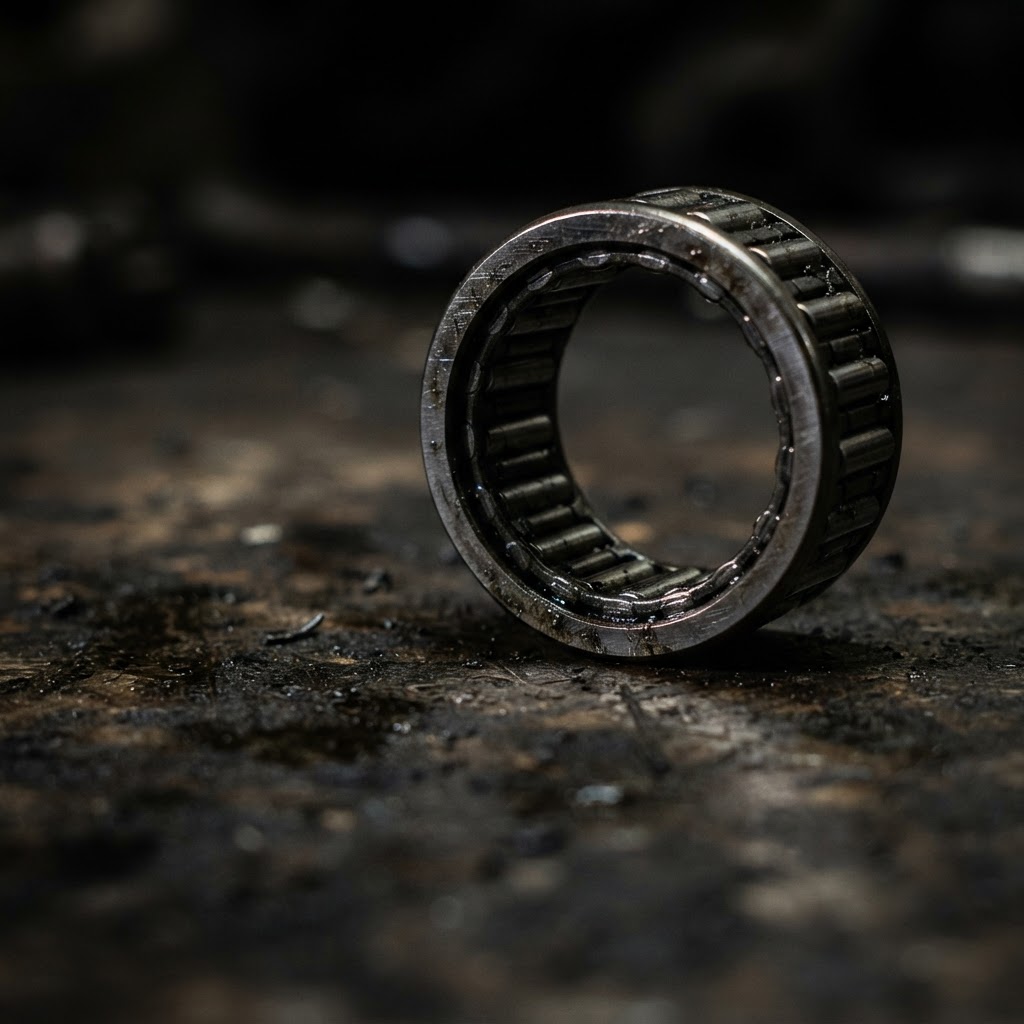
Clutch Drum Needle Bearing
If the original bearing has seized due to lack of lubrication or debris ingestion, replacing it is necessary to allow the drum to rotate freely on the crankshaft.
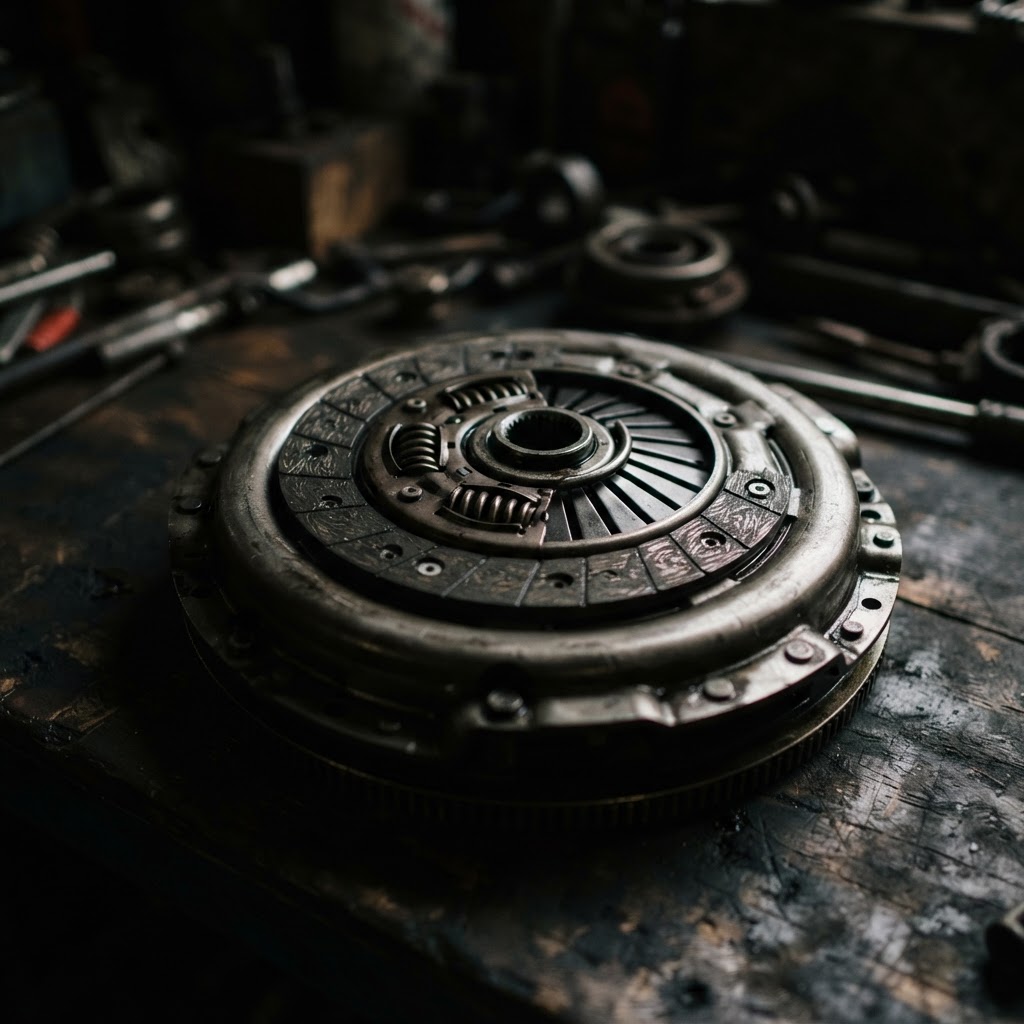
Replacement Clutch Assembly
When the clutch springs break or the clutch shoes become worn and stuck, the entire assembly must be replaced to ensure the drive sprocket engages and disengages properly.
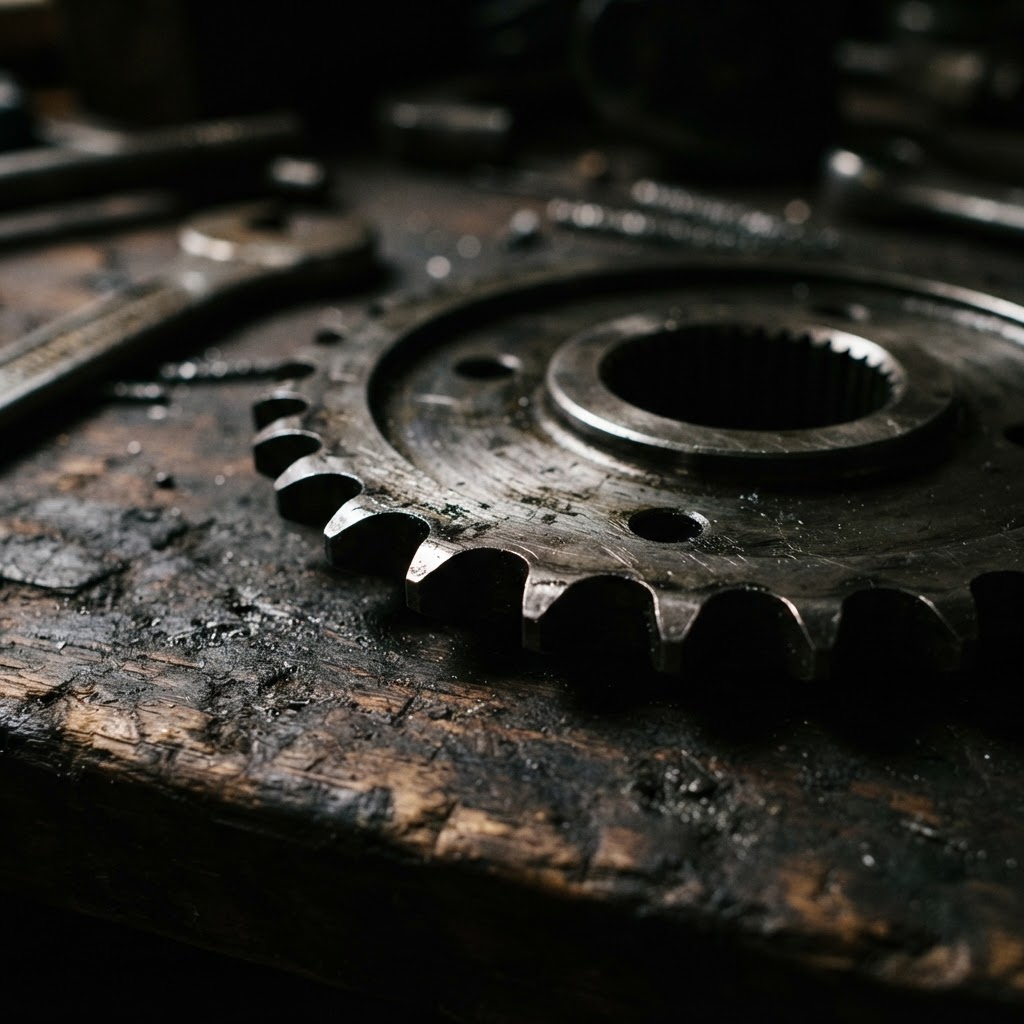
Drive Sprocket Rim
A deeply worn sprocket rim can cause the chain to bind or skip, leading to the impression that the chain is stuck even when the engine is running.
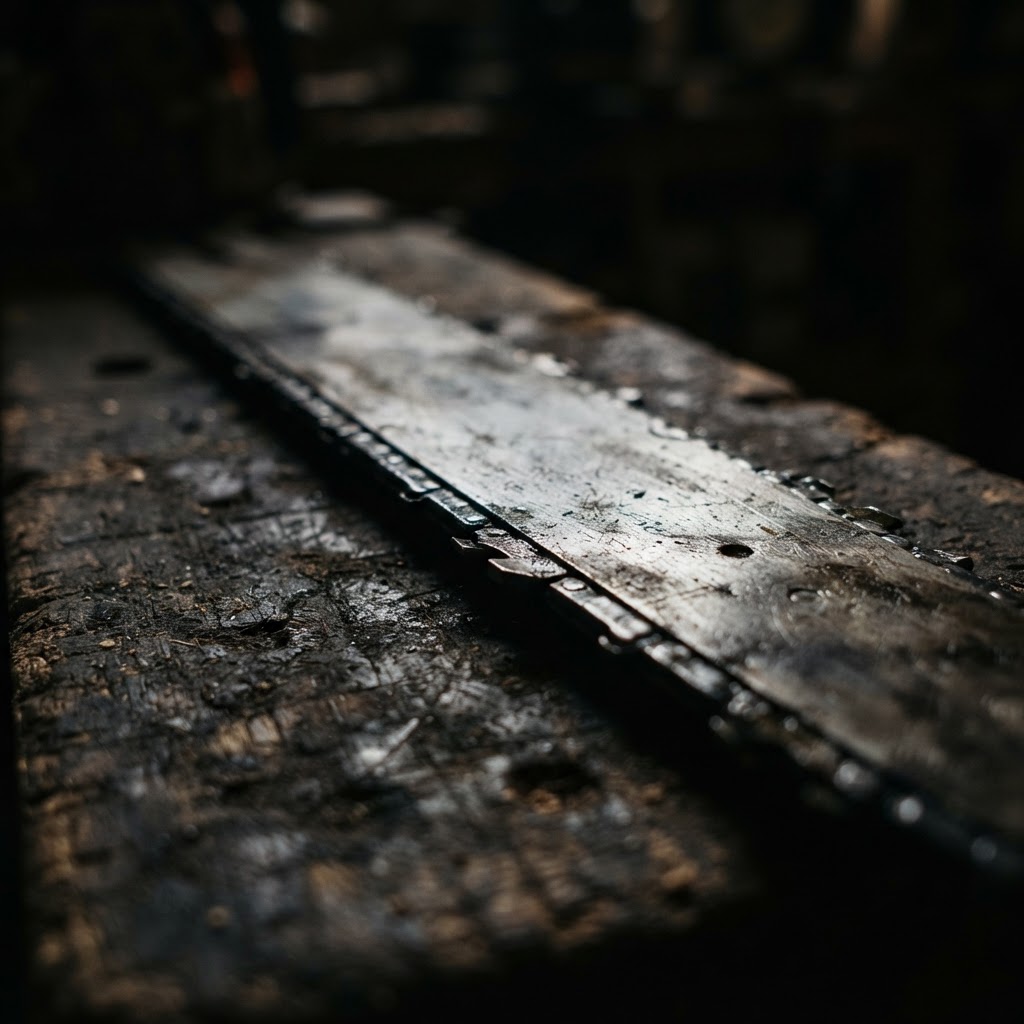
Chainsaw Guide Bar
If the rails have been pinched or heavily damaged during the chain stoppage, the bar must be replaced to prevent the new chain from binding again.
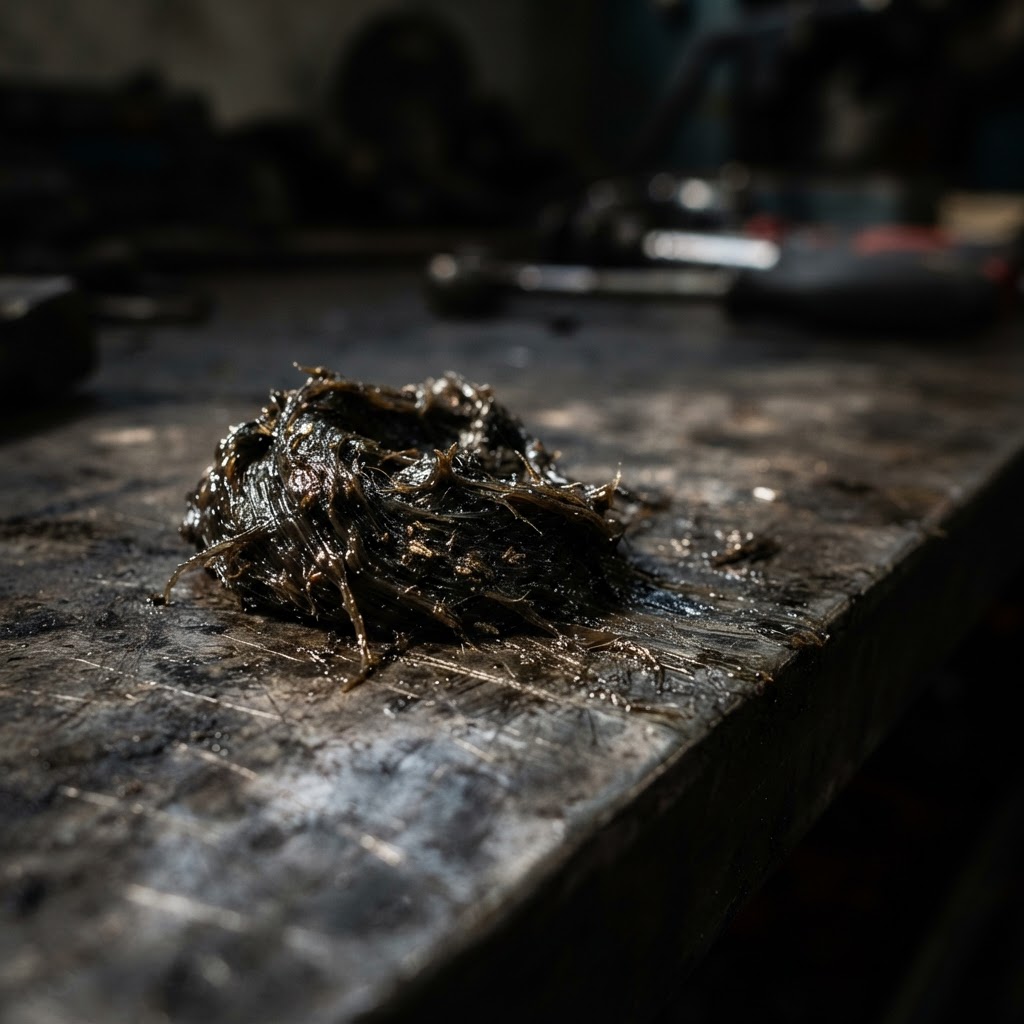
High-Temperature Clutch Grease
This specific lubricant is essential for the needle bearing to prevent future seizure and overheating under the high-friction conditions of the clutch housing.
Affiliate Disclosure: Lil Engine may earn commissions from qualifying purchases.
Pro Tips from the Community
Real-world fixes from Reddit, YouTube & forums.
"Check the chain brake first because it's the number one cause of a locked chain that everyone overlooks when they're frustrated."
Reddit r/Chainsaw"Pull the side cover and clear the packed sawdust and pitch from the oil port and clutch area, as debris buildup often jams the sprocket."
Arboristsite.com"If the engine revs but the chain stays still, check if your clutch springs have snapped and are engaging the drum prematurely or binding the assembly."
YouTube comments"Ensure your bar rails aren't pinched or burred from hitting rocks, which can create enough drag to stop a chain dead even if the clutch is fine."
DoItYourself.com ForumPrevent This From Coming Back
Clean the sprocket area and bar groove after every tank of fuel
Grease the needle bearing every time you rotate or flip the guide bar
Check for proper chain tension; it should be snug but pullable by hand
Use only high-quality bar and chain oil to prevent sap accumulation
Prevent This From Happening Again
While you're fixing it, stock up on the maintenance essentials that keep your chainsaws running right.
Bar and Chain Oil
Proper bar oil prevents chain overheating and premature wear.
Get on Amazon2-Cycle Oil
Correct fuel-oil mix is critical — use fresh 2-cycle oil every season.
Get on AmazonChainsaw Chain
Keep a sharp spare chain — a dull chain is dangerous and slow.
Get on AmazonAffiliate Disclosure: Lil Engine may earn commissions from qualifying purchases.
Frequently Asked Questions
Absolutely not. Always test chain movement by hand with the engine ignition off and the spark plug wire disconnected.
Video Help
Helpful videos showing these repairs in action.
Share Your Repair
Real-world fixes help everyone. Share what worked and your repair becomes part of Lil Engine's community database.
Related Problems
More Chainsaws GuidesRelated Maintenance Articles
Related Searches
Chainsaws Troubleshooting
Did this help?
Your feedback helps improve guides for everyone.