Chainsaw Starts Then Dies
⚡ Quick Answer
When a Stihl chainsaw starts and then dies, it is often due to fuel issues, a dirty air filter, or a malfunctioning ignition system. First, check the fuel, air filter, and spark plug to ensure they're not causing the problem.

What do you want to do?
Most Likely Cause
Clogged Fuel Tank Vent
A blocked tank vent creates a vacuum inside the fuel reservoir as gas is pulled out. This prevents the carburetor from drawing fuel, causing the engine to stall once the remaining line pressure is exhausted.
Start here — this is the most common reason for this symptom.
Why This Problem Happens
A chainsaw that starts and immediately dies usually indicates a failure in the air-fuel ratio maintenance or an ignition timing issue that cannot sustain combustion after the initial prime burns off. When you pull the starter rope, the choke setting provides a rich mixture that allows for a momentary ignition event. Once the engine hits a 'pop' or runs for two to three seconds, the transition from the startup circuit to the idle or low-speed jet circuit fails. This is frequently due to a vacuum leak, a restricted fuel pickup, or a failing carburetor diaphragm that loses its ability to pump fuel once the initial priming pressure dissipates. Alternatively, if the ignition coil has an internal heat-sensitive short, it may provide enough energy to fire the initial charge but loses spark intensity as the coil windings expand and break the circuit internally. This creates a scenario where the engine has sufficient compression and spark for a split second, but lacks the sustained fuel delivery or continuous electrical signal required to maintain idle rpm, leading to an immediate stall.
Common Symptoms
- Engine starts briefly on choke then dies
- Stalls instantly when moving throttle from choke to run
- Engine runs only while keeping the primer bulb depressed
- Significant bogging under slight load before shutdown
- Spark plug is dry immediately after stalling
Before You Buy Parts
Quick, free inspections — check these first. Most repairs don't actually need replacement parts.
Complete Resource Guide
The Complete Chainsaw Troubleshooting & Repair Guide
Repair Overview
1–2 hours
$10–$50
First Checks — Start Here
- 1Check the fuel for freshness and proper mix
- 2Inspect the air filter for dirt and obstructions
- 3Examine the spark plug for wear or damage
- 4Ensure the fuel line is not blocked or leaking
- 5Look for loose electrical connections
Safety Warnings
- !Ensure you are in a well-ventilated area away from open flames while testing with an open fuel tank.
- !Drain all fuel into an approved container before disconnecting lines to prevent fire hazards.
- !Do not exceed 10 PSI, as you may rupture delicate internal diaphragms.
- !Wear safety glasses, as carbon deposits can be brittle and spray into the eyes.
- !Avoid excessive spraying to prevent potential flash fires near the hot muffler.
- !Keep fingers away from the spark plug wire to avoid a high-voltage electrical shock.
- !Adjusting the High/Low needles on the carburetor without verifying the fuel supply is clean.
- !Using old gas that has already phase-separated, rendering it useless for combustion.
- !Ignoring the impulse line, which must be airtight to actuate the carburetor fuel pump.
Always disconnect the spark plug, work in a well-ventilated area, and consult a professional if unsure.
Most Likely Causes
Ranked by likelihood — tap each to see diagnosis details.
A blocked tank vent creates a vacuum inside the fuel reservoir as gas is pulled out. This prevents the carburetor from drawing fuel, causing the engine to stall once the remaining line pressure is exhausted.
The metering diaphragm in the carburetor hardens over time, failing to flex and move the fuel needle. This restricts the flow of fuel from the pump side to the intake venturi after the initial prime.
🔧 Step-by-Step Fix Guide
Check the Fuel Tank Vent
Open the fuel cap and try to start the saw; if it continues to run, your vent is clogged. Locate the vent, often a small duckbill valve or sintered brass plug, and clean or replace it.
Ensure you are in a well-ventilated area away from open flames while testing with an open fuel tank.
Inspect the Fuel Pickup Line
Use a hooked wire to fish the fuel filter out of the tank. If the line is yellow and brittle, it likely has micro-cracks that suck air; replace the fuel lines and the filter to ensure a solid fuel column.
Drain all fuel into an approved container before disconnecting lines to prevent fire hazards.
Perform a Pressure Test on the Carburetor
Use a Mityvac hand pump connected to the fuel inlet to ensure the carburetor holds 7-10 PSI. If it drops quickly, the internal needle seat or gaskets are leaking.
Do not exceed 10 PSI, as you may rupture delicate internal diaphragms.
Clean the Spark Arrestor
Remove the muffler cover and pull out the wire mesh screen. If it is plugged with carbon, hit it with a wire brush or a propane torch to burn off the deposits until it is see-through.
Wear safety glasses, as carbon deposits can be brittle and spray into the eyes.
Check Intake Manifold Integrity
Spray a small amount of starting fluid or WD-40 around the carburetor mounting base while attempting to start the engine. If the idle changes or the engine revs, you have a leaking gasket or boot that needs replacement.
Avoid excessive spraying to prevent potential flash fires near the hot muffler.
Test Ignition Coil Spark
Use an adjustable spark gap tester to check for a strong blue spark. A yellow or weak spark indicates a failing coil that must be replaced.
Keep fingers away from the spark plug wire to avoid a high-voltage electrical shock.
What To Test Next
If fuel flow is steady, the next thing to inspect is the ignition coil when the engine is hot — a failing coil often fails warm and recovers when cool.
Component Reference

Carburetor & Fuel Intake
The carburetor mixes air and fuel for combustion. A clogged jet or stuck float is the #1 cause of small engine starting and surging problems.

Spark Plug & Ignition System
The spark plug ignites the air-fuel mixture. A fouled plug, wrong gap, or failing ignition coil will prevent the engine from firing.

Oil & Lubrication System
Regular oil changes are critical. Low or dirty oil causes engine wear, overheating, and eventual seizure. Check the dipstick before every season.

Air Filter & Intake
A clogged air filter starves the engine of air, causing rich running, power loss, and hard starting. Inspect and clean or replace it each season.
Photos for educational reference. Actual parts may vary by make and model.
Common Mistakes to Avoid
Replacing the carburetor before checking for vacuum leaks at the intake boot.
Adjusting the High/Low needles on the carburetor without verifying the fuel supply is clean.
Using old gas that has already phase-separated, rendering it useless for combustion.
Ignoring the impulse line, which must be airtight to actuate the carburetor fuel pump.
Over-tightening carburetor mounting screws, which can warp the plastic manifold.
If This Didn't Fix It
Still having trouble? These are the next things to check:
Get the Exact Parts for Your Machine
Tell us your equipment's year, make, and model — we'll search for parts that actually fit, not generic ones.
Finding parts for
chainsaw
Required Gear
Matched to your chainsaw — click to find the exact fit on Amazon.
Carburetor Rebuild Kit
This kit contains the new diaphragms and gaskets required to replace the stiff, hardened components that fail to pump fuel consistently, causing the engine to stall.
Replacement Fuel Pickup Line
Old fuel lines often crack or become porous over time, allowing air into the fuel system which causes the engine to lean out and die shortly after starting.
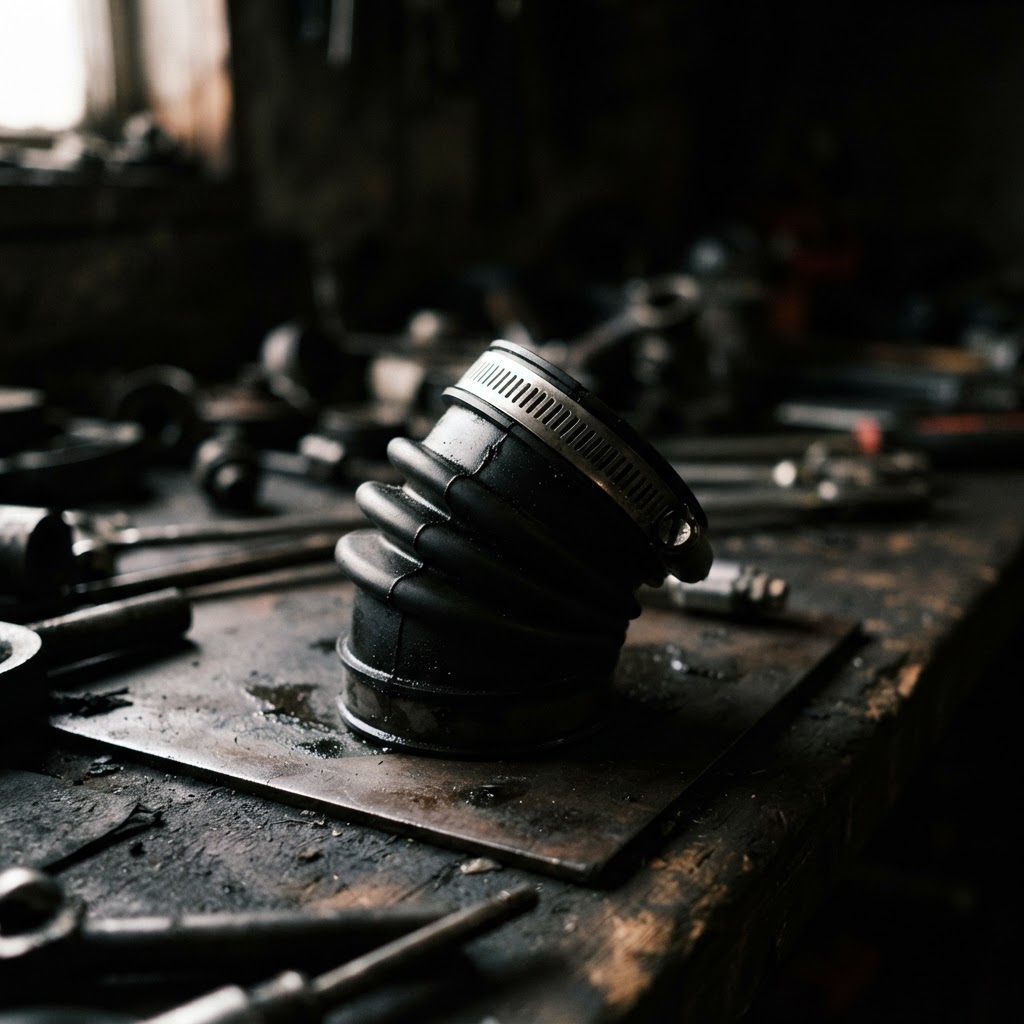
Intake Manifold Boot
If the existing manifold has developed microscopic cracks or failed seals, this replacement restores the airtight seal necessary to maintain proper fuel-air mixture.
Fuel Tank Vent/Check Valve
A clogged tank vent creates a vacuum that prevents fuel from reaching the carburetor, and replacing it is the only way to ensure steady fuel flow during operation.
Ignition Coil
If the coil fails once it warms up due to internal insulation breakdown, replacing the unit is the only way to maintain a consistent spark and keep the engine running.
Affiliate Disclosure: Lil Engine may earn commissions from qualifying purchases.
Pro Tips from the Community
Real-world fixes from Reddit, YouTube & forums.
"Check the fuel line for cracks or leaks; even the smallest break can prevent it from staying on."
YouTube comments"Inspect the spark plug; if it's fouled or damaged, it won’t keep the engine running."
LawnSite.com Forum"Make sure your choke is functioning correctly—too much or too little can cause it to stall out."
Reddit r/lawncare"Sometimes the fuel filter clogs; replace it if it hasn't been changed in a while to ensure steady fuel flow."
DoItYourself.comPrevent This From Coming Back
Always use ethanol-free fuel to prevent carburetor diaphragm deterioration.
Replace the fuel filter and fuel line every 100 hours of operation.
Clean the air filter after every use to prevent excessive engine strain.
Store the saw with an empty fuel tank or fuel stabilizer added during the off-season.
Periodically check and clean the muffler cooling fins to ensure proper engine temperature regulation.
Prevent This From Happening Again
While you're fixing it, stock up on the maintenance essentials that keep your chainsaws running right.
Bar and Chain Oil
Proper bar oil prevents chain overheating and premature wear.
Get on Amazon2-Cycle Oil
Correct fuel-oil mix is critical — use fresh 2-cycle oil every season.
Get on AmazonChainsaw Chain
Keep a sharp spare chain — a dull chain is dangerous and slow.
Get on AmazonAffiliate Disclosure: Lil Engine may earn commissions from qualifying purchases.
Frequently Asked Questions
No. Increasing the idle speed will not resolve the underlying fuel delivery or air leak issue and may cause the chain to spin dangerously at idle.
Video Help
Helpful videos showing these repairs in action.
Share Your Repair
Real-world fixes help everyone. Share what worked and your repair becomes part of Lil Engine's community database.
Related Problems
More Chainsaws GuidesRelated Symptoms
Stalling / Dies
Carburetor / Fuel Issues
Related Searches
Chainsaws Troubleshooting
Did this help?
Your feedback helps improve guides for everyone.