Electric Pressure Washer Dead — No Response or Cycling Issues
⚡ Quick Answer
If your electric pressure washer is completely dead, first test the GFCI plug reset button and verify power at the outlet. If the unit cycles (starts/stops) while the trigger is released, you have a downstream water leak in the gun, hose, or pump seals causing a pressure drop. Always disconnect power before inspecting internal components to avoid electrical shock.
What do you want to do?
Most Likely Cause
Tripped GFCI or Blown Fuse
The integrated GFCI plug on most electric pressure washers is designed to trip during electrical faults. Press the reset button on the plug; if it won't stay set, there is a short in the motor or cord. Verify the wall outlet has power using a multimeter to rule out a tripped house breaker.
Start here — this is the most common reason for this symptom.
Before You Buy Parts
Quick, free inspections — check these first. Most repairs don't actually need replacement parts.
Complete Resource Guide
Complete Small Engines Troubleshooting Guide
Repair Overview
30–60 minutes
$0–$20
First Checks — Start Here
- 1Press the 'Reset' button on the GFCI power cord plug.
- 2Verify 120V AC power at the wall outlet using a multimeter.
- 3Check for water leaks at the hose, spray gun, and pump connections.
- 4Purge air from the pump by running water through the system without the wand attached.
- 5Inspect the spray nozzle for clogs that could trigger internal pressure spikes.
Safety Warnings
- !Never touch electrical components with wet hands or while the unit is plugged in.
- !Wear safety glasses to protect against high-pressure water spray.
- !Ensure the machine is unplugged before inspecting internal pump seals.
- !Do not look directly into the nozzle while the water supply is on.
- !Only perform this step if you are comfortable working with high-voltage electrical components.
- !Ignoring the GFCI reset button and assuming the motor is burnt out.
Always disconnect the spark plug, work in a well-ventilated area, and consult a professional if unsure.
Most Likely Causes
Ranked by likelihood — tap each to see diagnosis details.
The integrated GFCI plug on most electric pressure washers is designed to trip during electrical faults. Press the reset button on the plug; if it won't stay set, there is a short in the motor or cord. Verify the wall outlet has power using a multimeter to rule out a tripped house breaker.
If the motor cycles on and off while the trigger is released, the pump is losing pressure. Inspect the high-pressure hose, gun connections, and O-rings for drips. Even a small pinhole leak will cause the internal pressure switch to think the trigger is being pulled.
🔧 Step-by-Step Fix Guide
Electrical Safety & Power Verification
Unplug the unit and inspect the power cord for cuts or exposed wires. Use a multimeter to check for 120V at the outlet. If the GFCI plug is warm or smells like ozone, it has failed internally and must be replaced.
Never touch electrical components with wet hands or while the unit is plugged in.
Purge Air from System
Connect the garden hose and turn on the water supply. Squeeze the trigger on the spray gun (without the wand attached) until a steady stream of water flows without sputtering. This ensures the pump is fully primed.
Wear safety glasses to protect against high-pressure water spray.
Inspect for Downstream Leaks
With the machine off but water supply on, look for any moisture at the hose couplings, gun trigger, or pump head. A leak here causes the pressure to drop, forcing the motor to cycle repeatedly. Replace O-rings or the spray gun if leaks are found.
Ensure the machine is unplugged before inspecting internal pump seals.
Check Nozzle for Obstructions
A partially clogged nozzle creates backpressure that can cause the motor to surge or stall. Use a small wire or nozzle cleaning tool to clear debris from the spray tip. Ensure you are using the correct nozzle size for your machine's GPM rating.
Do not look directly into the nozzle while the water supply is on.
Test Internal Pressure Switch
If the motor is dead, remove the outer casing to access the pressure switch. Use a multimeter to check for continuity when the trigger is pulled. If the switch does not close the circuit, it is faulty and requires replacement.
Only perform this step if you are comfortable working with high-voltage electrical components.
What To Test Next
If the fittings are dry, the next thing to inspect is the pump seal or gasket surface for weepage, then pressure-test the suspect circuit.
Component Reference

Carburetor & Fuel Intake
The carburetor mixes air and fuel for combustion. A clogged jet or stuck float is the #1 cause of small engine starting and surging problems.

Spark Plug & Ignition System
The spark plug ignites the air-fuel mixture. A fouled plug, wrong gap, or failing ignition coil will prevent the engine from firing.

Electrical & Starting System
The battery, solenoid, and starter motor work together to crank the engine. A weak battery or corroded connection is often mistaken for a fuel or spark problem.

Drive & Cutting System
Belts, pulleys, and clutches transfer engine power to the wheels and cutting deck. A worn or thrown belt is the most common drive-system failure.
Photos for educational reference. Actual parts may vary by make and model.
Common Mistakes to Avoid
Adjusting the unloader valve to hide a leak instead of fixing the leak itself.
Running the pressure washer without water, which destroys the pump seals in seconds.
Ignoring the GFCI reset button and assuming the motor is burnt out.
If This Didn't Fix It
Still having trouble? These are the next things to check:
Get the Exact Parts for Your Machine
Tell us your equipment's year, make, and model — we'll search for parts that actually fit, not generic ones.
Finding parts for
electric power washes
Required Gear
Matched to your electric power washes — click to find the exact fit on Amazon.
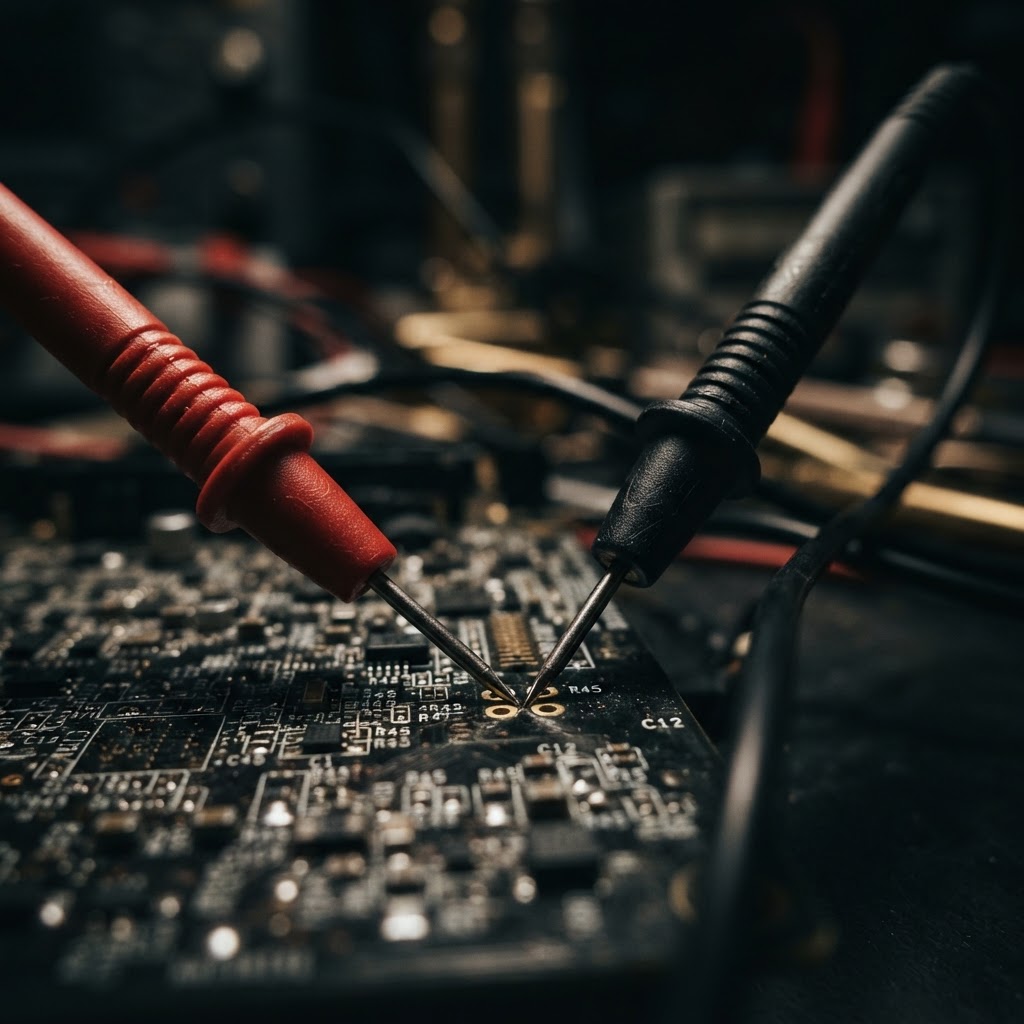
Multimeter
Essential for verifying 120V power at the outlet and testing continuity of the pressure switch. Look for a model with a clear digital display and alligator clip leads.
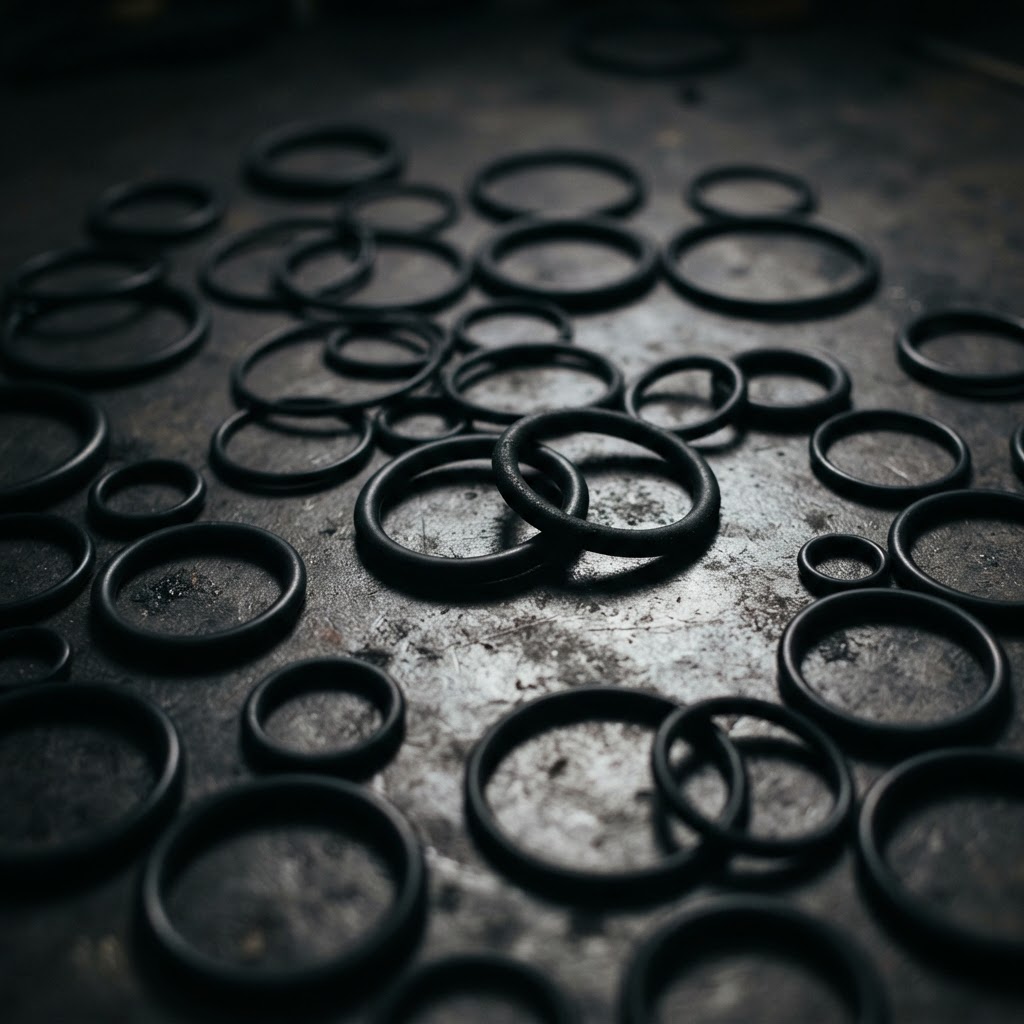
O-Ring Kit
Most pressure washer leaks are caused by worn rubber O-rings in the hose or wand connections. Buy a universal metric O-ring kit to ensure you have the correct size for your specific fittings.
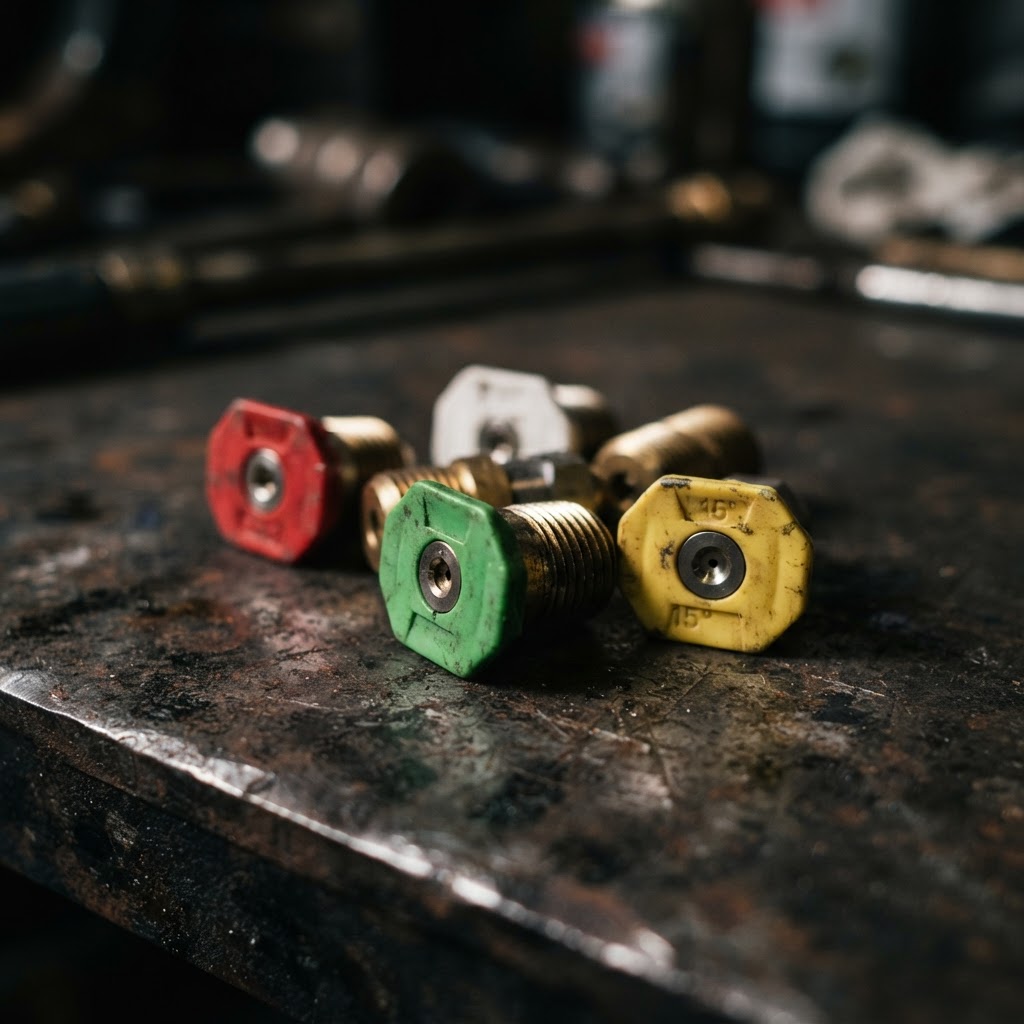
Pressure Washer Nozzle Set
Clogged nozzles cause backpressure and surging. A new set ensures proper flow and prevents the motor from working harder than necessary.
Safety Glasses
High-pressure water can cause serious eye injury from debris or chemical backsplash. Always wear ANSI-rated eye protection when testing or operating the unit.
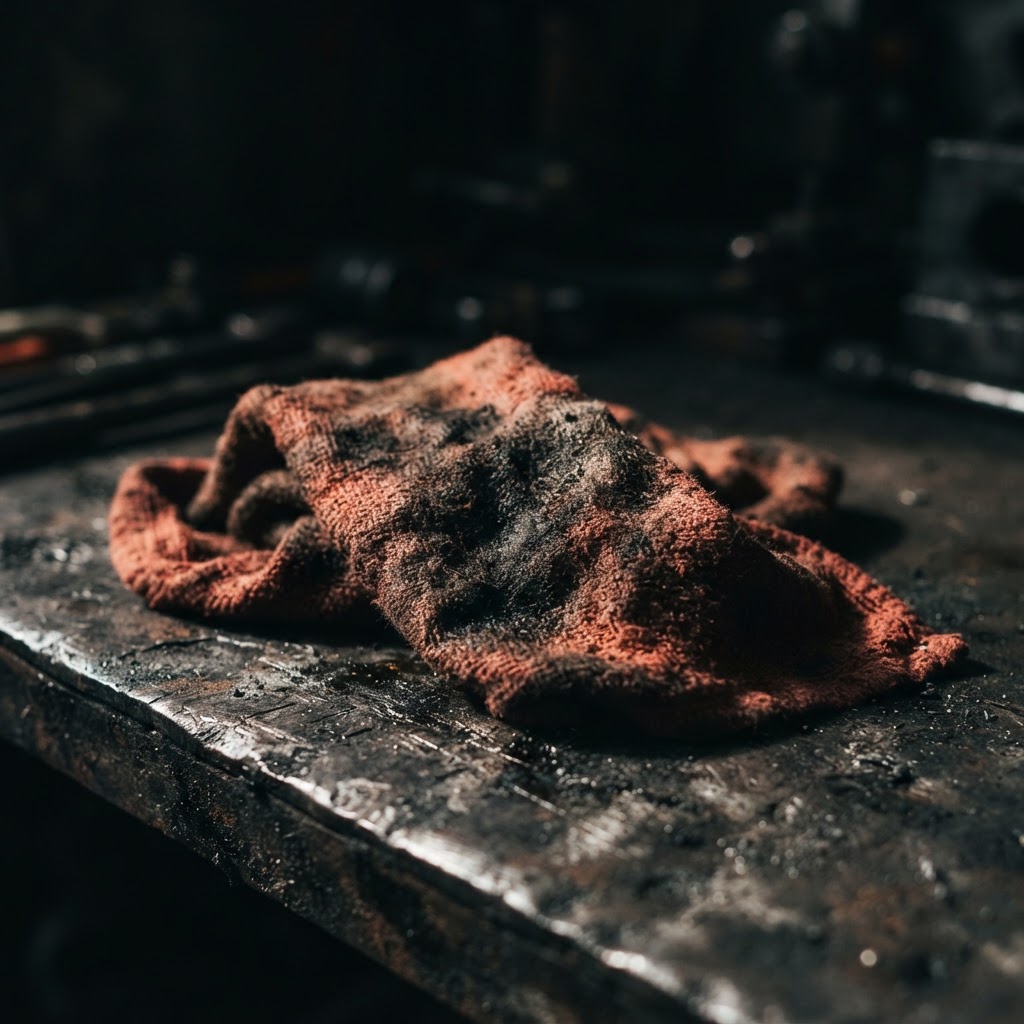
Shop Towels
Necessary for cleaning up water spills and keeping electrical connections dry during diagnosis. High-absorbency blue shop towels are preferred for mechanical work.
Affiliate Disclosure: Lil Engine may earn commissions from qualifying purchases.
Pro Tips from the Community
Real-world fixes from Reddit, YouTube & forums.
"If your pressure washer is surging, check the garden hose connection at the machine; if it's not tight, it sucks air and causes the pump to hunt."
Reddit r/AutoDetailing"Always store your electric pressure washer in a climate-controlled area; freezing water inside the pump will crack the housing and cause permanent leaks."
DoItYourself.com Forum"If the motor hums but won't spin, the pump might be seized from mineral buildup; try manually turning the pump shaft if accessible."
YouTube commentsPrevent This From Coming Back
Always purge air from the pump before turning the power on.
Use a water filter on the inlet to prevent sediment from clogging the pump valves.
Drain all water from the pump before storing in freezing temperatures.
Check and tighten all hose connections before every use.
Prevent This From Happening Again
While you're fixing it, stock up on the maintenance essentials that keep your small engines running right.
Spark Plug
The cheapest, fastest fix for most small engine starting problems.
Get on AmazonCarburetor Cleaner
Cleaning the carb is the #1 fix for surging and stalling engines.
Get on AmazonFuel Stabilizer
Prevents the stale fuel problems that cause most seasonal no-starts.
Get on AmazonAffiliate Disclosure: Lil Engine may earn commissions from qualifying purchases.
Frequently Asked Questions
This is caused by a pressure leak in the system, which makes the pressure switch think you've pulled the trigger. Check your hose, gun, and pump seals for drips.
Video Help
Helpful videos showing these repairs in action.
Share Your Repair
Real-world fixes help everyone. Share what worked and your repair becomes part of Lil Engine's community database.
Related Problems
More Small Engines GuidesRelated Maintenance Articles
Related Symptoms
Oil or Fuel Leak
Related Searches
Small Engines Troubleshooting
Did this help?
Your feedback helps improve guides for everyone.