Honda Foreman 500 Cranks But Won't Start — Fuel & Spark Diagnosis
⚡ Quick Answer
First, verify the kill switch is in the 'Run' position and check for a strong blue spark using a gap tester set to 1/4 inch. If spark is present, ensure the fuel pump (on EFI models) primes for 2 seconds or the carburetor bowl has fresh fuel. On Honda TRX500 engines, the most common 'hidden' cause for a no-start condition is tight intake valves preventing cold compression; verify clearance is exactly .006 inches.
What do you want to do?
Most Likely Cause
Failed Crankshaft Position (CKP) Sensor
The CKP sensor sends the timing signal to the ECU to fire the spark plug. If the sensor is coated in metallic debris or has an internal coil failure, the ECU will not trigger the ignition coil, resulting in no spark.
Start here — this is the most common reason for this symptom.
Why This Problem Happens
The Honda Foreman 500 utilizes a longitudinal engine layout where the crankshaft runs parallel to the frame, requiring a specific ignition timing and fuel delivery sequence to maintain consistent combustion. When an engine cranks but fails to fire, the underlying issue is typically an interruption in the 'fire-triangle'—specifically the disruption of the CDI (Capacitor Discharge Ignition) timing signal or a failure in the pressurized fuel injection system. In electronic fuel-injected (EFI) models, the ECU relies on the Crankshaft Position (CKP) sensor to determine piston top-dead-center; if this sensor fails or gathers metal shavings from the flywheel, the spark timing becomes erratic or non-existent, preventing combustion even if the engine turns over at sufficient RPM. On carburetor models, the pilot jet is prone to lacquer buildup from ethanol-blended gasoline, which restricts fuel flow during the critical cold-start enrichment phase. Mechanically, since the Foreman 500 features a tight-tolerance valve train, any significant deviation in valve lash—particularly an overly tight exhaust valve—will bleed off compression during the cranking cycle, preventing the engine from reaching the necessary internal temperatures to ignite the fuel-air charge.
Common Symptoms
- Strong cranking sound with no combustion
- Backfiring through the exhaust or intake
- Strong odor of raw fuel from the exhaust pipe
- Tachometer or neutral light flickering during crank
- Engine 'kicks back' against the starter motor
Before You Buy Parts
Quick, free inspections — check these first. Most repairs don't actually need replacement parts.
Complete Resource Guide
Complete Small Engines Troubleshooting Guide
Brand Resource Hub
The Ultimate Honda Small Engine Repair & Service Hub
Repair Overview
1–3 hours
$10–$100
First Checks — Start Here
- 1Verify the handlebar kill switch is in the center 'Run' position.
- 2Check for a strong blue spark using an NGK BKR5E-11 or equivalent plug.
- 3Confirm fuel delivery by loosening the carb drain screw or listening for the EFI pump hum.
- 4Inspect the airbox for rodent nests or a fuel-soaked air filter element.
- 5Try a 'clear flood' start: hold throttle wide open while cranking to clear excess fuel.
- 6Test compression—should be 70-90 PSI with the decompressor or 150+ PSI without.
Safety Warnings
- !Hold the plug wire with insulated pliers to avoid a high-voltage shock.
- !Ensure you are in a well-ventilated area away from any open flames.
- !Do not pierce the wires with probes; back-probe the connector terminals instead.
- !Ensure the engine is completely cold (room temperature) before adjusting valves.
- !Do not spray starting fluid while the engine is cranking as it can cause a flash fire.
- !Lead-acid batteries emit explosive gases; verify no sparks are near the battery terminals.
- !Using a spark tester that isn't properly grounded
- !Replacing the fuel pump without checking the fuel pump relay first
- !Over-tightening the spark plug and stripping the aluminum cylinder head threads
Always disconnect the spark plug, work in a well-ventilated area, and consult a professional if unsure.
Most Likely Causes
Ranked by likelihood — tap each to see diagnosis details.
The CKP sensor sends the timing signal to the ECU to fire the spark plug. If the sensor is coated in metallic debris or has an internal coil failure, the ECU will not trigger the ignition coil, resulting in no spark.
On EFI Foreman models, if the fuel pump doesn't prime for two seconds when the key is turned on, the pressure is insufficient to open the injector. Test this by listening for a high-pitched whine under the fuel tank.
🔧 Step-by-Step Fix Guide
Verify Spark at the Plug
Remove the spark plug, reattach the wire, and ground the threads against the cylinder head. Crank the engine and observe for a crisp, blue spark; a yellow or non-existent spark indicates a coil, CDI, or sensor issue.
Hold the plug wire with insulated pliers to avoid a high-voltage shock.
Check Fuel Pressure/Prime
Turn the ignition to 'ON' and listen for the fuel pump hum. If silent, check the fuel pump relay in the fuse block or use a multimeter to verify 12V power at the fuel pump connector.
Ensure you are in a well-ventilated area away from any open flames.
Inspect CKP Sensor Resistance
Locate the CKP sensor connector near the engine case. Use a digital multimeter to measure the resistance against factory specifications; an 'open' reading indicates a failed internal coil.
Do not pierce the wires with probes; back-probe the connector terminals instead.
Adjust Valve Lash
Remove the valve inspection covers on the cylinder head. Use a feeler gauge to ensure the exhaust valve is within the specified cold-engine clearance range; adjust as necessary using the rocker arm adjuster screw.
Ensure the engine is completely cold (room temperature) before adjusting valves.
Check for Vacuum Leaks
Inspect the rubber intake boot between the throttle body/carburetor and the engine. Cracks or loose clamps allow unmetered air to enter, leaning out the mixture to a point where the engine cannot fire.
Do not spray starting fluid while the engine is cranking as it can cause a flash fire.
Test Battery Load
Even if the engine cranks, a voltage drop below 10V during the start cycle will prevent the ECU from functioning properly. Use a carbon pile load tester to ensure the battery can hold a load under stress.
Lead-acid batteries emit explosive gases; verify no sparks are near the battery terminals.
What To Test Next
If fuel delivery checks out, the next thing to inspect is spark — remove the spark plug, ground its threads to the engine block, and crank the engine to look for a visible blue spark.
Component Reference

Carburetor & Fuel Intake
The carburetor mixes air and fuel for combustion. A clogged jet or stuck float is the #1 cause of small engine starting and surging problems.

Spark Plug & Ignition System
The spark plug ignites the air-fuel mixture. A fouled plug, wrong gap, or failing ignition coil will prevent the engine from firing.

Oil & Lubrication System
Regular oil changes are critical. Low or dirty oil causes engine wear, overheating, and eventual seizure. Check the dipstick before every season.

Air Filter & Intake
A clogged air filter starves the engine of air, causing rich running, power loss, and hard starting. Inspect and clean or replace it each season.
Photos for educational reference. Actual parts may vary by make and model.
Common Mistakes to Avoid
Using a spark tester that isn't properly grounded
Adjusting valves while the engine is still warm
Replacing the fuel pump without checking the fuel pump relay first
Over-tightening the spark plug and stripping the aluminum cylinder head threads
If This Didn't Fix It
Still having trouble? These are the next things to check:
Get the Exact Parts for Your Machine
Tell us your equipment's year, make, and model — we'll search for parts that actually fit, not generic ones.
Finding parts for
Honda Foreman 500
Required Gear
Matched to your Honda Foreman 500 — click to find the exact fit on Amazon.
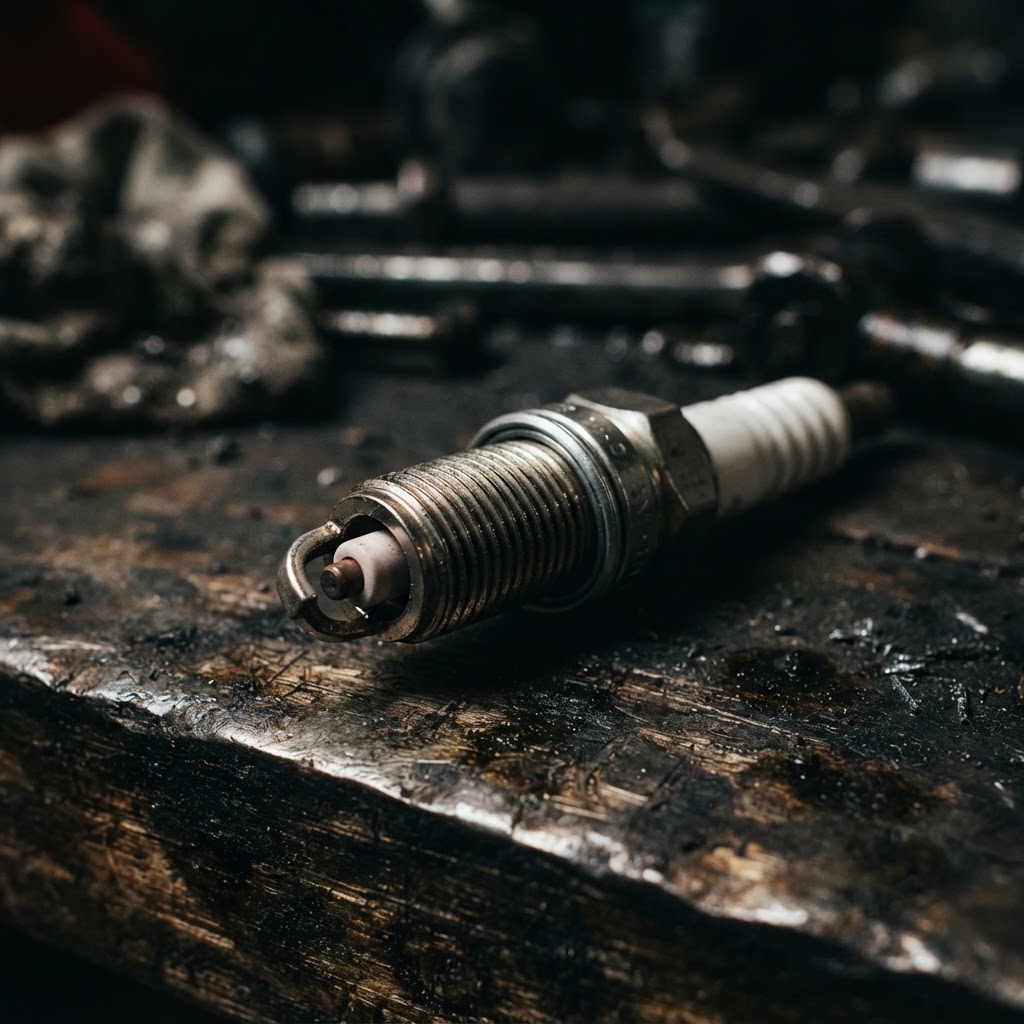
NGK Spark Plug
If your troubleshooting confirms a lack of spark, a fresh, correctly gapped spark plug is the first and most cost-effective replacement part to rule out a fouled ignition source.
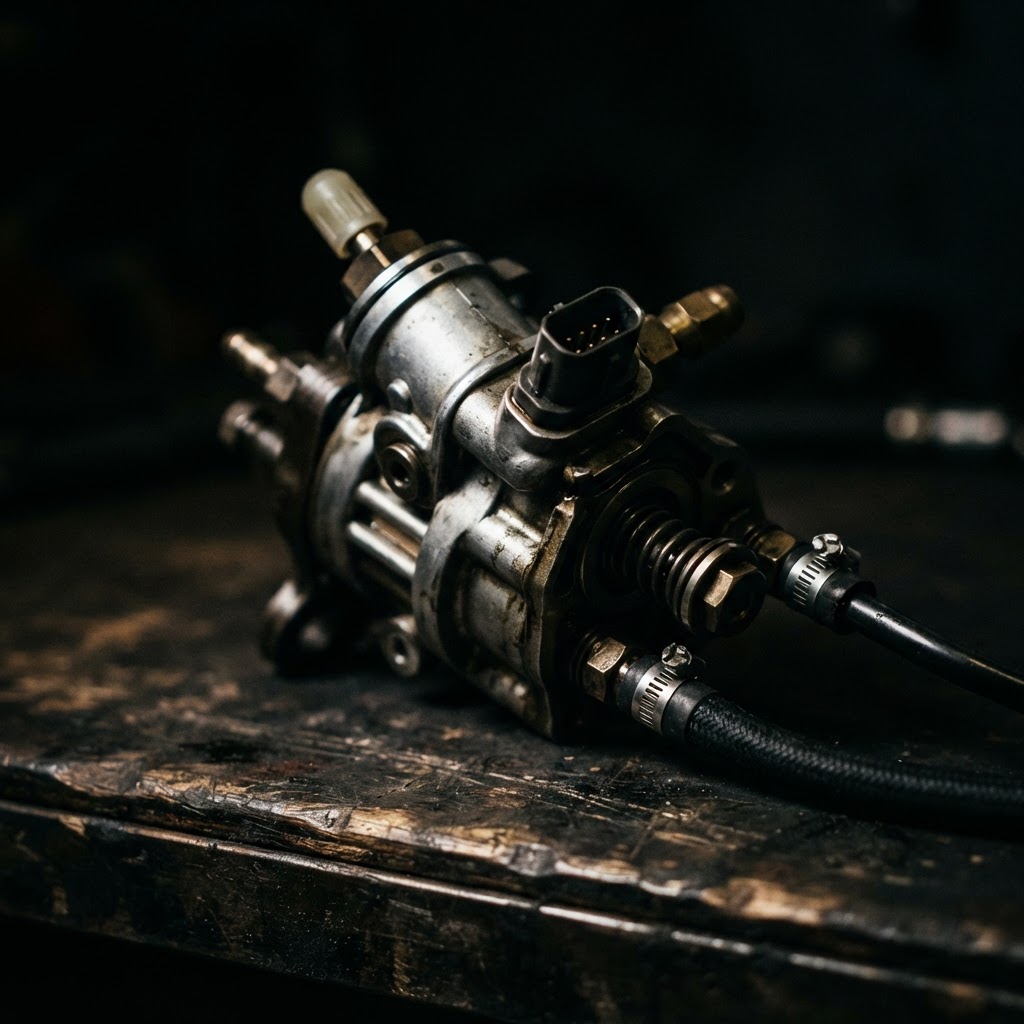
Fuel Pump Assembly
If testing reveals the fuel pump fails to prime or maintain proper pressure, the entire pump unit must be replaced to restore the fuel delivery necessary for starting.
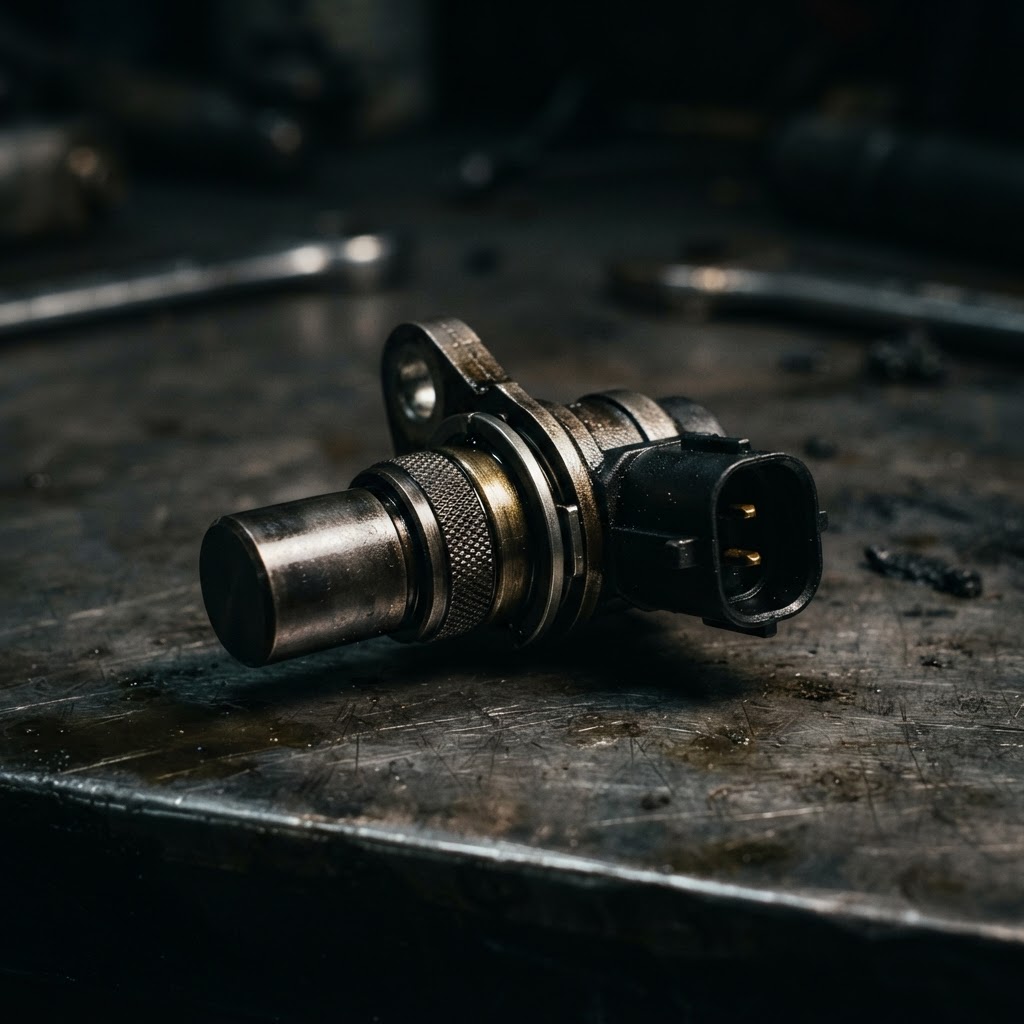
Crankshaft Position Sensor
Since the CKP sensor is critical for engine timing, replacing a faulty unit is required if the resistance tests fall outside of the factory service manual specifications.
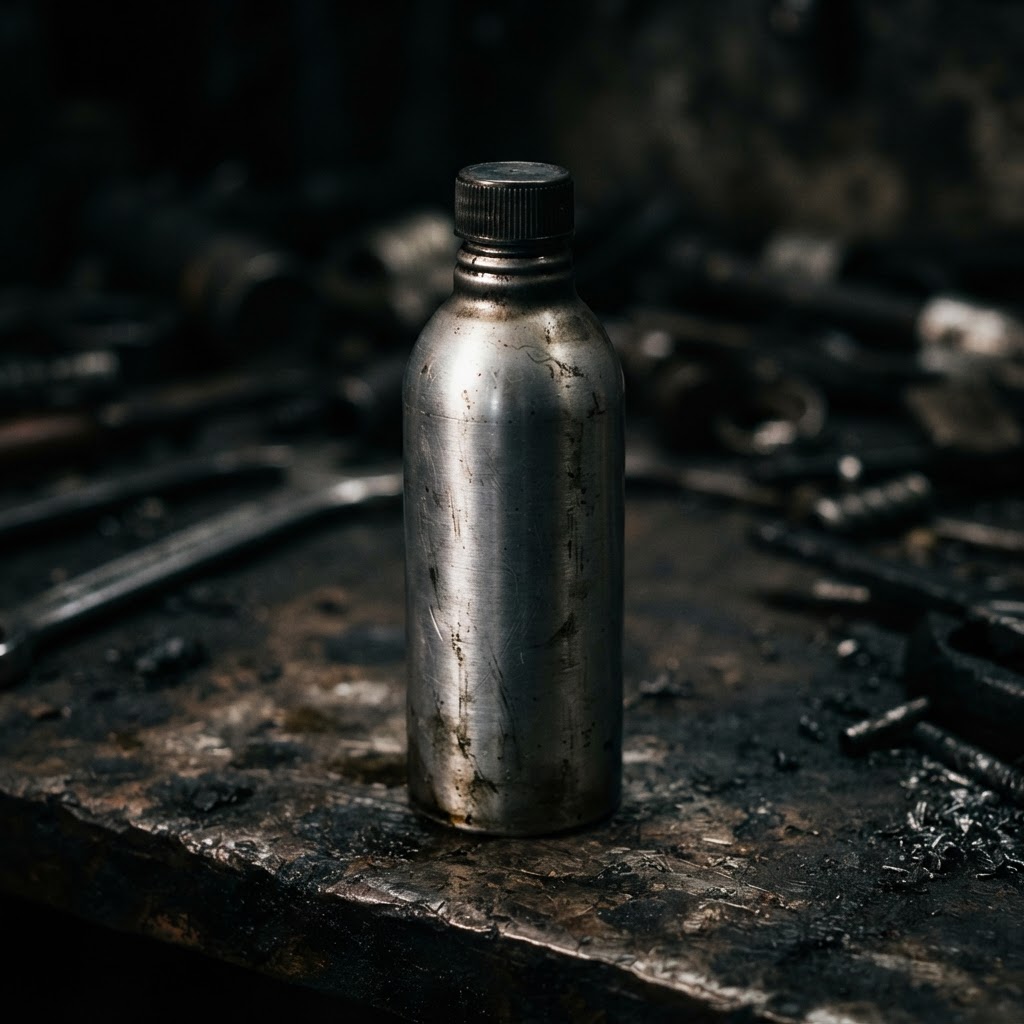
Fuel Injector Cleaner/Treatment
If the fuel has been sitting for an extended period, this consumable helps dissolve gum and varnish deposits within the injector, which is often the cause of a no-start condition after fuel degradation.
Affiliate Disclosure: Lil Engine may earn commissions from qualifying purchases.
Pro Tips from the Community
Real-world fixes from Reddit, YouTube & forums.
"If your Honda Foreman won't start cold but fires right up when you jump it or use a pull-start, your intake valves are almost certainly too tight."
HondaForeman.com Forum"Check the wiring harness near the steering stem; the wires for the ignition and kill switch often rub through and ground out, killing your spark."
Reddit r/ATV"The fuel pump on EFI Hondas is very sensitive to sitting; if you don't hear the hum when you turn the key, try tapping the fuel tank with a rubber mallet to 'wake up' a stuck pump."
YouTube commentsPrevent This From Coming Back
Use non-ethanol fuel with a high-quality stabilizer during storage
Change the engine oil and filter every 100 hours or 600 miles
Inspect and clean the battery terminals for corrosion annually
Periodically check the air intake box for debris or rodent nests
Prevent This From Happening Again
While you're fixing it, stock up on the maintenance essentials that keep your small engines running right.
Spark Plug
The cheapest, fastest fix for most small engine starting problems.
Get on AmazonCarburetor Cleaner
Cleaning the carb is the #1 fix for surging and stalling engines.
Get on AmazonFuel Stabilizer
Prevents the stale fuel problems that cause most seasonal no-starts.
Get on AmazonAffiliate Disclosure: Lil Engine may earn commissions from qualifying purchases.
Frequently Asked Questions
This usually indicates the engine is 'flooded,' meaning there is too much fuel and not enough air or spark to ignite it. You may need to hold the throttle wide open while cranking to clear the combustion chamber.
Video Help
Helpful videos showing these repairs in action.
Share Your Repair
Real-world fixes help everyone. Share what worked and your repair becomes part of Lil Engine's community database.
Related Problems
More Small Engines GuidesRelated Maintenance Articles
Related Symptoms
Won’t Start
Carburetor / Fuel Issues
Related Searches
Honda small engine Guides
Did this help?
Your feedback helps improve guides for everyone.