Kohler 7000 Series Engine Surging
⚡ Quick Answer
Engine surging is almost always caused by a restricted fuel flow or a dirty carburetor. Start by checking your fuel quality and replacing the fuel filter before attempting to clean or replace the carburetor.
What do you want to do?
Most Likely Cause
Clogged Pilot Jet
The pilot jet in these Kohler carburetors is extremely small and susceptible to varnish from stale fuel. A partial blockage prevents sufficient fuel flow at low throttle, forcing the governor to hunt.
Start here — this is the most common reason for this symptom.
Why This Problem Happens
Surging in the Kohler 7000 Series (KT715-KT745) is fundamentally a hunt for stoichiometric balance caused by a fuel-to-air ratio disruption. The governor system constantly monitors engine RPM; when the engine leans out due to a restriction in the carburetor's internal circuits—specifically the low-speed idle circuit or the main jet—the RPM drops. The governor responds by opening the throttle plate to compensate, which injects more air, further leaning the mixture until the engine eventually over-revs, causing the governor to snap the throttle back. This creates the rhythmic 'hunt' cycle typical of these vertical-shaft engines. Because these engines utilize precise fixed-jet carburetors to meet EPA emissions standards, they have very little margin for error. Small deposits of ethanol-blended fuel varnish within the micro-passages or a minute air leak at the intake gasket can throw the vacuum signal off balance, causing the governor linkage to oscillate wildly as it struggles to maintain a steady state under varying load conditions.
Common Symptoms
- Rhythmic rising and falling of engine RPM
- Engine stalling when transitioning to high throttle
- Visible oscillation of the governor linkage rod
- Erratic behavior at idle but steady under heavy load
- Backfiring through the muffler during speed changes
Before You Buy Parts
Quick, free inspections — check these first. Most repairs don't actually need replacement parts.
Complete Resource Guide
Complete Small Engines Troubleshooting Guide
Brand Resource Hub
Kohler Small Engine Repair & Troubleshooting Guide
Repair Overview
1–2 hours
$20–$60
First Checks — Start Here
- 1Check fuel level and gas freshness
- 2Inspect the air filter for clogs
- 3Verify the fuel cap vent is not blocked
- 4Check for loose linkage springs
- 5Examine the fuel line for kinks
Safety Warnings
- !Keep all ignition sources away and perform this in a well-ventilated area to avoid flash fire risks.
- !Wear safety goggles to protect eyes from high-pressure solvent backsplash.
- !Do not over-tighten the mounting bolts, as you can crack the phenolic spacer.
- !Ensure the spark plug wire is disconnected before performing linkage adjustments to prevent accidental starts.
- !Disconnect the battery before testing electrical components to prevent short circuits.
- !Do not attempt to drill or modify the cap; replace it if it is faulty.
- !Using wire brushes that damage the delicate brass surfaces inside the carb
- !Ignoring the fuel filter, which can restrict flow despite looking clean
Always disconnect the spark plug, work in a well-ventilated area, and consult a professional if unsure.
Most Likely Causes
Ranked by likelihood — tap each to see diagnosis details.
The pilot jet in these Kohler carburetors is extremely small and susceptible to varnish from stale fuel. A partial blockage prevents sufficient fuel flow at low throttle, forcing the governor to hunt.
The phenolic spacer and gaskets between the carburetor and cylinder head can warp or dry out. This creates a vacuum leak that bypasses the carburetor's metering, leaning out the air-fuel mixture.
🔧 Step-by-Step Fix Guide
Perform a Propane Leak Test
With the engine running at a surge, spray a small amount of unlit propane or carburetor cleaner around the intake manifold gaskets. If the engine idle smooths out momentarily, you have confirmed a vacuum leak.
Keep all ignition sources away and perform this in a well-ventilated area to avoid flash fire risks.
Clean Carburetor Passages
Remove the carburetor and float bowl. Use a high-quality aerosol carburetor cleaner and a small strand of copper wire to carefully probe the pilot jet and emulsion tube holes.
Wear safety goggles to protect eyes from high-pressure solvent backsplash.
Inspect and Replace Gaskets
Replace the intake gaskets and the carburetor mounting gasket. Ensure the mating surfaces on the engine block and cylinder head are perfectly flat and free of old gasket material.
Do not over-tighten the mounting bolts, as you can crack the phenolic spacer.
Verify Governor Static Adjustment
Loosen the governor arm nut, rotate the shaft fully in the direction of the wide-open throttle, and tighten the nut while holding the arm in the corresponding position. This resets the baseline linkage geometry.
Ensure the spark plug wire is disconnected before performing linkage adjustments to prevent accidental starts.
Check Fuel Solenoid Operation
Test the fuel shut-off solenoid at the base of the carburetor by applying 12V DC power. Listen for a distinct click; if it does not click or moves sluggishly, it may be restricting fuel flow.
Disconnect the battery before testing electrical components to prevent short circuits.
Clear the Tank Vent
Ensure the fuel cap is venting properly. A blocked vent creates a vacuum in the tank, limiting fuel flow to the carburetor bowl and mimicking a lean surge condition.
Do not attempt to drill or modify the cap; replace it if it is faulty.
What To Test Next
If the air filter and fuel are good, the next thing to inspect is the carburetor — a partially clogged main jet or a leaking intake gasket is the leading cause of steady surging.
Component Reference

Carburetor & Fuel Intake
The carburetor mixes air and fuel for combustion. A clogged jet or stuck float is the #1 cause of small engine starting and surging problems.

Spark Plug & Ignition System
The spark plug ignites the air-fuel mixture. A fouled plug, wrong gap, or failing ignition coil will prevent the engine from firing.

Air Filter & Intake
A clogged air filter starves the engine of air, causing rich running, power loss, and hard starting. Inspect and clean or replace it each season.

Fuel System
Stale fuel is the most common cause of seasonal starting failures. Fuel breaks down in 30 days, leaving varnish that clogs carburetor jets and fuel filters.
Photos for educational reference. Actual parts may vary by make and model.
Common Mistakes to Avoid
Replacing the carburetor before checking for intake manifold vacuum leaks
Using wire brushes that damage the delicate brass surfaces inside the carb
Over-tightening the carburetor mounting nuts, causing manifold warpage
Ignoring the fuel filter, which can restrict flow despite looking clean
If This Didn't Fix It
Still having trouble? These are the next things to check:
Get the Exact Parts for Your Machine
Tell us your equipment's year, make, and model — we'll search for parts that actually fit, not generic ones.
Finding parts for
Kohler 7000 series engine
Required Gear
Matched to your Kohler 7000 series engine — click to find the exact fit on Amazon.
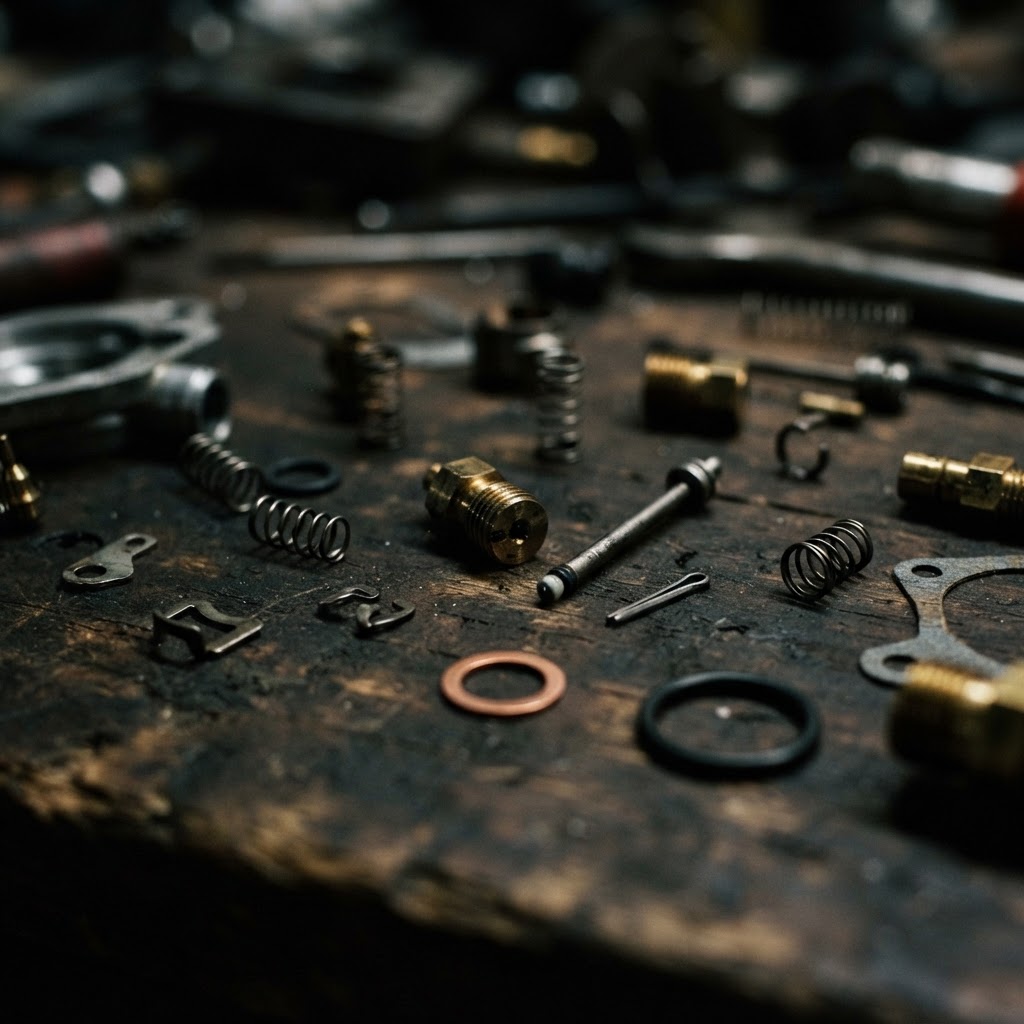
Kohler Carburetor Rebuild Kit
This kit provides the essential gaskets, o-rings, and internal components required to address clogged pilot or main jets that cause engine surging.
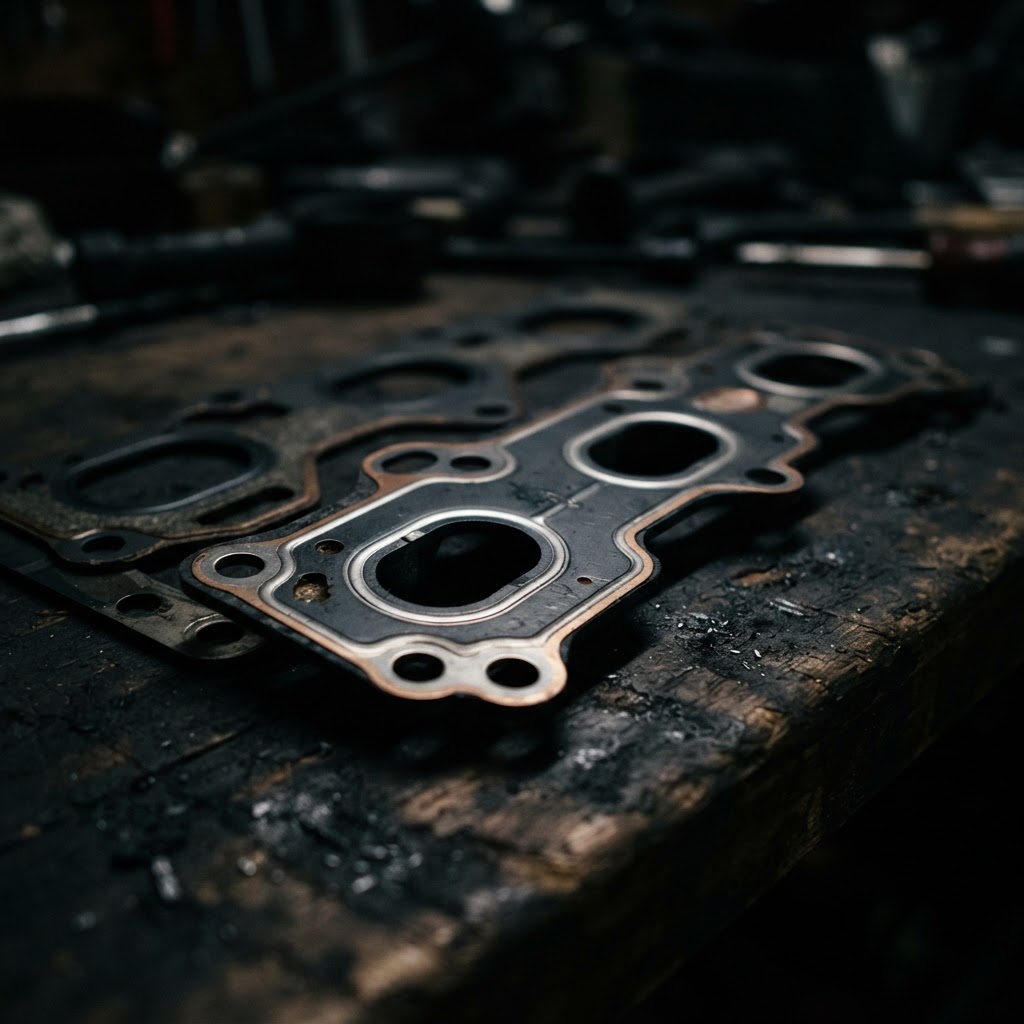
Intake Manifold Gasket Set
Replacement gaskets are critical to eliminating air leaks identified during the propane leak test, which are a primary cause of lean-burn surging.
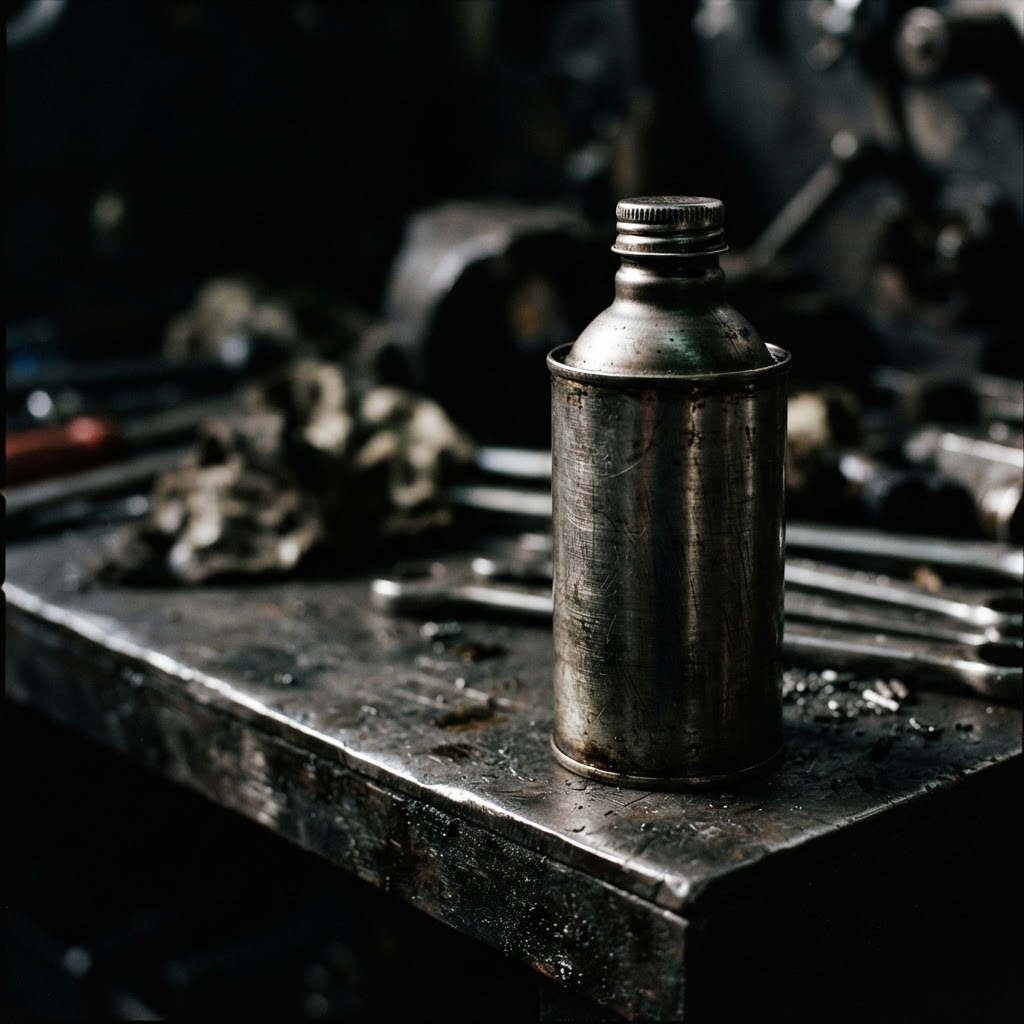
Fuel System Cleaner and Stabilizer
This additive helps dissolve residual varnish and moisture contamination within the carburetor passages, potentially resolving minor obstructions without needing a full mechanical cleaning.
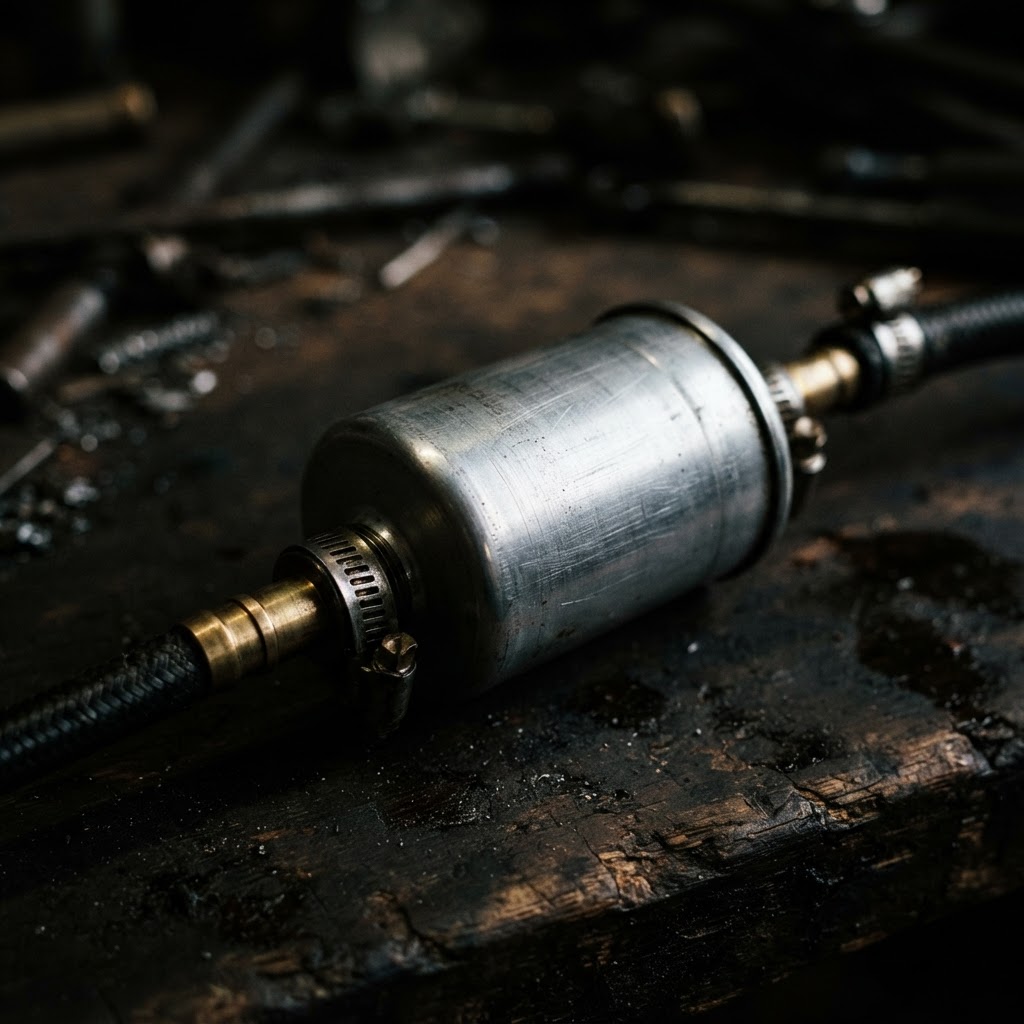
In-line Fuel Filter
Installing a fresh filter ensures that debris or moisture from the tank does not immediately re-contaminate the newly cleaned carburetor jets.
Affiliate Disclosure: Lil Engine may earn commissions from qualifying purchases.
Pro Tips from the Community
Real-world fixes from Reddit, YouTube & forums.
"If your 7000 series is surging, pull the carburetor solenoid first because a partially clogged jet is almost always the culprit rather than a bad electrical connection."
LawnSite.com Forum"Don't bother trying to clean the non-adjustable carburetor jets; just spend the thirty bucks on an OEM replacement because the internal passages are too small to clear with wires or spray."
YouTube comments"Check the intake manifold gaskets for air leaks by spraying a little starting fluid around the mounting bolts while it's idling; if the RPMs change, you have a vacuum leak causing the surge."
Reddit r/smallengines"Always inspect the fuel line for tiny cracks that pull in air before blaming the carb, as these Kohler engines are notorious for surging when the fuel pump draws air instead of solid gas."
TractorByNetPrevent This From Coming Back
Always use a fuel stabilizer in every can of gasoline for E10 fuel
Drain the carburetor float bowl if the machine will sit idle for more than 30 days
Replace the fuel filter every 50 hours of operation
Clean debris from the cooling fins to prevent heat-soak related fuel issues
Prevent This From Happening Again
While you're fixing it, stock up on the maintenance essentials that keep your small engines running right.
Spark Plug
The cheapest, fastest fix for most small engine starting problems.
Get on AmazonCarburetor Cleaner
Cleaning the carb is the #1 fix for surging and stalling engines.
Get on AmazonFuel Stabilizer
Prevents the stale fuel problems that cause most seasonal no-starts.
Get on AmazonAffiliate Disclosure: Lil Engine may earn commissions from qualifying purchases.
Frequently Asked Questions
No, most Kohler 7000 Series carburetors are 'non-adjustable' by design to meet EPA standards. If it is surging, it is almost certainly a restriction or a leak rather than a tuning issue.
Video Help
Helpful videos showing these repairs in action.
Share Your Repair
Real-world fixes help everyone. Share what worked and your repair becomes part of Lil Engine's community database.
Related Problems
More Small Engines GuidesRelated Maintenance Articles
Related Symptoms
Surging / Hunting
Carburetor / Fuel Issues
Related Searches
Kohler small engine Guides
Did this help?
Your feedback helps improve guides for everyone.