Lawn Mower Surging Up And Down
⚡ Quick Answer
A surging engine is almost always caused by a restricted fuel flow or an air leak, which forces the engine to hunt for a steady RPM. Start by replacing old fuel, cleaning the carburetor, and checking for air leaks around the intake gasket.
What do you want to do?
Most Likely Cause
Clogged Main Jet
The main jet is the precision-drilled orifice at the bottom of the carburetor bowl. Deposits from stale gasoline create microscopic blockages, preventing fuel flow during high-demand operation.
Start here — this is the most common reason for this symptom.
Why This Problem Happens
Surging is the rhythmic oscillation of engine RPM, caused by the governor fighting a fuel-starved condition. In a small engine, the governor is a mechanical feedback loop designed to maintain a set engine speed under varying loads. When the fuel delivery system—specifically the carburetor jets or emulsion tube—becomes partially obstructed by varnish or debris, the engine begins to lean out. As the mixture becomes too thin, the RPM drops, causing the governor vane or centrifugal weights to move, effectively opening the throttle to compensate. This extra air intake increases the vacuum signal at the venturi, temporarily pulling enough fuel to spike the RPM above the set speed. The governor then snaps the throttle shut to correct the overspeed, and the cycle repeats indefinitely, creating the 'hunting' or 'surging' sound.
Common Symptoms
- Rhythmic pulsing of engine RPM
- Engine hunts for idle even under no load
- Visible movement of the governor linkage arm
- Engine stalls when throttle is pushed to high
- Backfiring through the intake during surges
Before You Buy Parts
Quick, free inspections — check these first. Most repairs don't actually need replacement parts.
Complete Resource Guide
Complete Push Mowers Troubleshooting Guide
Repair Overview
45–90 minutes
$10–$50
First Checks — Start Here
- 1Check the fuel tank for old or contaminated gasoline
- 2Inspect the air filter for dirt or debris clogging airflow
- 3Verify the fuel cap vent is not plugged
- 4Look for loose bolts around the carburetor mounting area
- 5Check the engine oil level to ensure proper operation
Safety Warnings
- !Always perform fuel work in a well-ventilated area away from open flames or sparks.
- !Place a rag under the carburetor to catch the residual gasoline to prevent it from soaking into the deck paint.
- !Wear safety glasses; aerosol cleaners can easily splash back into your eyes under high pressure.
- !Ensure the engine is completely cool before removing intake components to prevent burns.
- !Disconnect the spark plug wire to prevent accidental engine rotation while working on the linkages.
- !Do not run the engine without the air filter during testing as it introduces debris into the combustion chamber.
- !Replacing the entire carburetor without cleaning the fuel tank first.
- !Ignoring the condition of the intake manifold gaskets.
- !Adjusting the governor spring tension to stop the surge instead of fixing the fuel issue.
- !Assuming the spark plug is the culprit when the problem is strictly fuel-related.
Always disconnect the spark plug, work in a well-ventilated area, and consult a professional if unsure.
Most Likely Causes
Ranked by likelihood — tap each to see diagnosis details.
The main jet is the precision-drilled orifice at the bottom of the carburetor bowl. Deposits from stale gasoline create microscopic blockages, preventing fuel flow during high-demand operation.
The emulsion tube contains tiny air bleed holes that aerate the fuel before it enters the venturi. If these side ports are gummed up, the fuel does not atomize correctly, causing a lean condition that triggers surging.
🔧 Step-by-Step Fix Guide
Fuel System Flush
Drain the tank completely and verify if the fuel is contaminated. Use fresh, non-ethanol fuel with a stabilizer to ensure the system is getting clean, combustible energy.
Always perform fuel work in a well-ventilated area away from open flames or sparks.
Carburetor Bowl Removal
Remove the bolt securing the fuel bowl to the bottom of the carburetor using a 1/2-inch or 10mm socket. Inspect the interior for white, chalky residue or brown varnish that indicates internal blockages.
Place a rag under the carburetor to catch the residual gasoline to prevent it from soaking into the deck paint.
Main Jet and Emulsion Tube Cleaning
Use a specialized carburetor cleaning wire set to gently clear the tiny holes in the emulsion tube and the center orifice of the main jet. Follow up with a liberal spray of aerosol carburetor cleaner through all passages.
Wear safety glasses; aerosol cleaners can easily splash back into your eyes under high pressure.
Intake Gasket Inspection
Remove the carburetor mounting nuts and pull the unit away from the intake manifold. Check the paper gaskets for tears or compression; replace them if they are not perfectly flat to prevent vacuum leaks.
Ensure the engine is completely cool before removing intake components to prevent burns.
Linkage and Governor Check
Check that the throttle linkage moves freely without binding. Manually move the governor arm to ensure there is no friction or mechanical resistance in the pivot point.
Disconnect the spark plug wire to prevent accidental engine rotation while working on the linkages.
Check Air Filter Element
A severely clogged air filter can sometimes mimic surging symptoms by restricting air flow, though it usually causes a rich condition. Ensure the element is clean or replaced to eliminate it as a variable.
Do not run the engine without the air filter during testing as it introduces debris into the combustion chamber.
What To Test Next
If the air filter and fuel are good, the next thing to inspect is the carburetor — a partially clogged main jet or a leaking intake gasket is the leading cause of steady surging.
Component Reference

Carburetor & Fuel Intake
The carburetor mixes air and fuel for combustion. A clogged jet or stuck float is the #1 cause of small engine starting and surging problems.

Spark Plug & Ignition System
The spark plug ignites the air-fuel mixture. A fouled plug, wrong gap, or failing ignition coil will prevent the engine from firing.

Oil & Lubrication System
Regular oil changes are critical. Low or dirty oil causes engine wear, overheating, and eventual seizure. Check the dipstick before every season.

Air Filter & Intake
A clogged air filter starves the engine of air, causing rich running, power loss, and hard starting. Inspect and clean or replace it each season.
Photos for educational reference. Actual parts may vary by make and model.
Common Mistakes to Avoid
Replacing the entire carburetor without cleaning the fuel tank first.
Using a steel needle to clean jet holes, which can change the orifice size and ruin the carburetor.
Ignoring the condition of the intake manifold gaskets.
Adjusting the governor spring tension to stop the surge instead of fixing the fuel issue.
Assuming the spark plug is the culprit when the problem is strictly fuel-related.
If This Didn't Fix It
Still having trouble? These are the next things to check:
Get the Exact Parts for Your Machine
Tell us your equipment's year, make, and model — we'll search for parts that actually fit, not generic ones.
Finding parts for
Lawn mower
Required Gear
Matched to your Lawn mower — click to find the exact fit on Amazon.
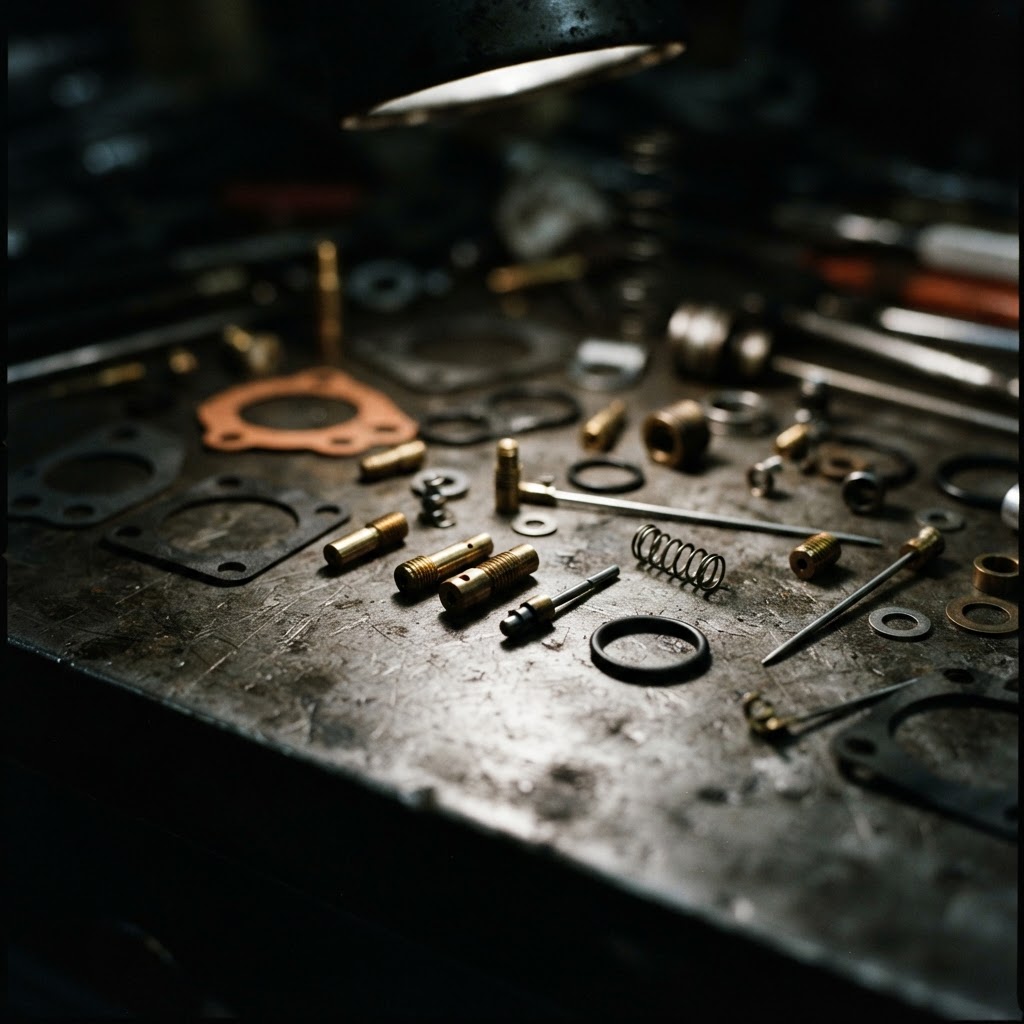
Carburetor Rebuild Kit
This kit provides new gaskets, O-rings, and needle valves essential for sealing intake leaks and replacing components damaged by stale fuel varnish.

Governor Spring
Fatigue in the original spring causes the engine to hunt for RPMs; a fresh spring restores the tension required for stable governing and consistent engine speed.
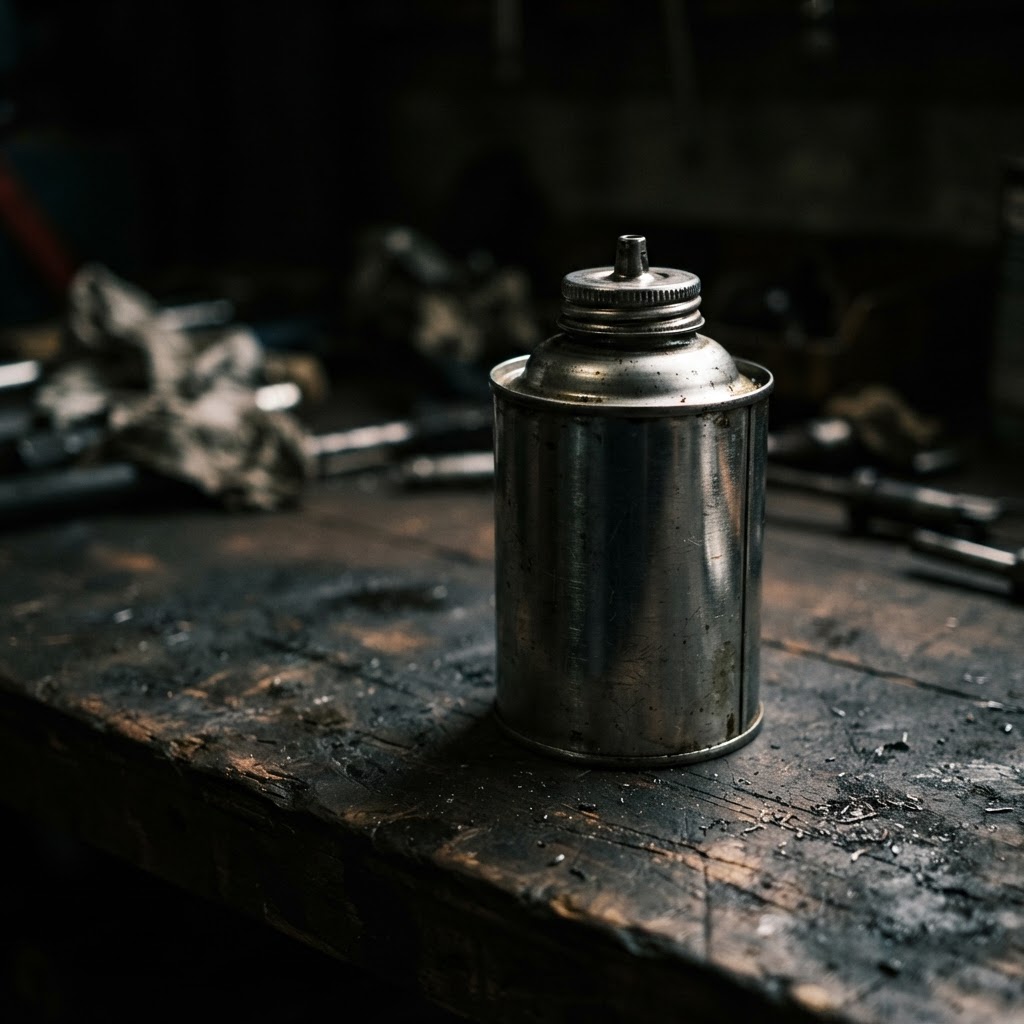
Fuel System Cleaner/Additives
These additives help break down remaining microscopic deposits in the main jet and emulsion tube that physical cleaning alone might miss.
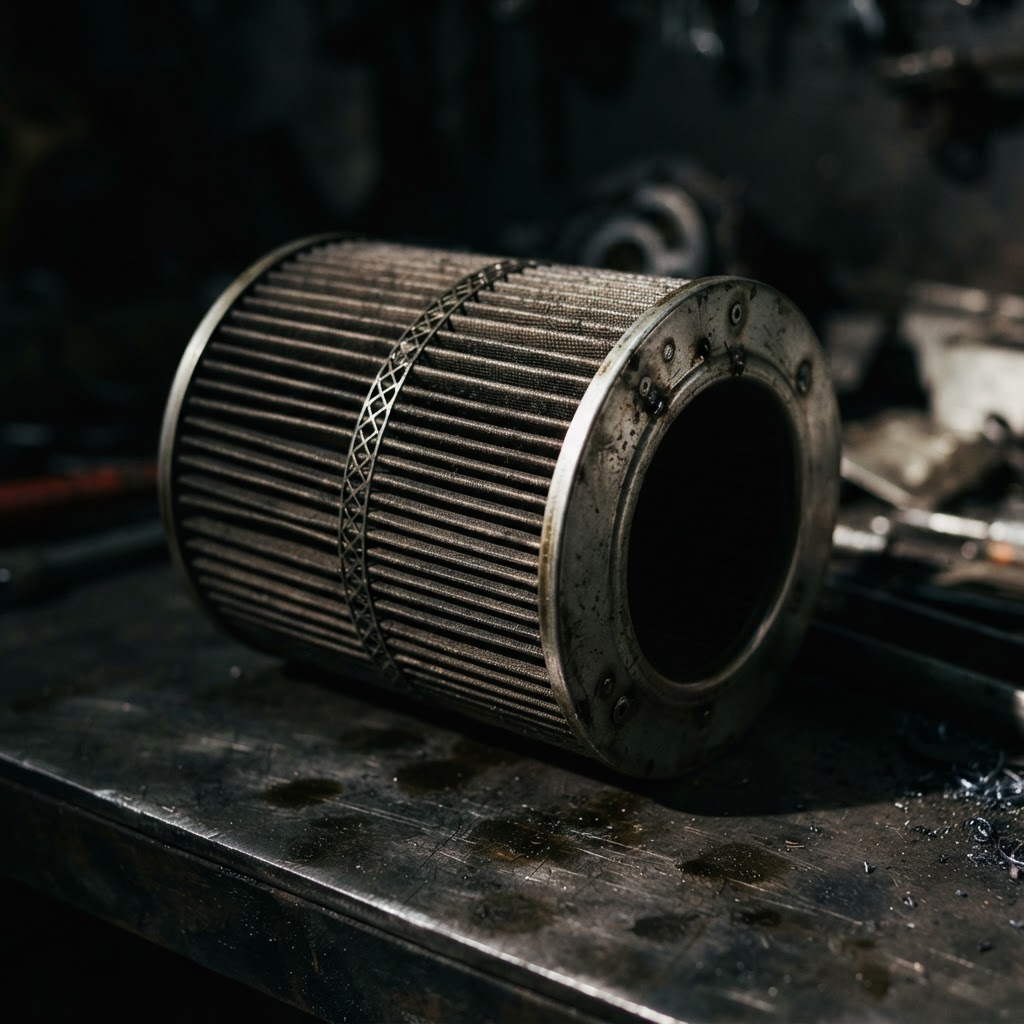
Air Filter Element
A clogged air filter restricts airflow, which exacerbates surging issues caused by an improperly balanced fuel-to-air mixture in the carburetor.
Affiliate Disclosure: Lil Engine may earn commissions from qualifying purchases.
Pro Tips from the Community
Real-world fixes from Reddit, YouTube & forums.
"If the mower surges, replace the fuel cap first because a clogged vent creates a vacuum that starves the engine of gas."
Reddit r/smallengines"Before rebuilding the carb, drain the bowl and spray high-quality cleaner directly into the jet to clear common gunk buildup."
LawnSite.com Forum"Check your intake manifold gaskets for air leaks by spraying starter fluid around the mounting base while it idles; if the RPM jumps, you found your air leak."
DoItYourself.com"Nine times out of ten a surging mower just needs a new ethanol-free gas supply and a fresh spark plug."
YouTube commentsPrevent This From Coming Back
Use high-quality fuel stabilizer in every gas can throughout the season.
Run the engine dry or use a fuel shut-off valve at the end of the season.
Replace the fuel filter annually if the mower is equipped with an external inline filter.
Store the mower in a dry environment to prevent condensation in the fuel tank.
Prevent This From Happening Again
While you're fixing it, stock up on the maintenance essentials that keep your push mowers running right.
Spark Plug
A fresh spark plug ensures easy starting all season. Replace yearly.
Get on AmazonAir Filter
A clean air filter prevents rich running and hard starts.
Get on AmazonSmall Engine Oil
Fresh 30W oil keeps the engine running cool and clean.
Get on AmazonAffiliate Disclosure: Lil Engine may earn commissions from qualifying purchases.
Frequently Asked Questions
No, adjusting the idle screw will not fix a lean condition caused by clogged internal jets. Surging is an internal delivery problem, not a throttle setting issue.
Video Help
Helpful videos showing these repairs in action.
Share Your Repair
Real-world fixes help everyone. Share what worked and your repair becomes part of Lil Engine's community database.
Related Problems
More Push Mowers GuidesRelated Maintenance Articles
Related Symptoms
Oil or Fuel Leak
Surging / Hunting
Carburetor / Fuel Issues
Related Searches
Push Mowers Troubleshooting
Did this help?
Your feedback helps improve guides for everyone.