Lawn Mower Smoking Black Smoke
⚡ Quick Answer
Black smoke from a lawn mower indicates that the engine is burning too much fuel, a condition known as running rich. This is most commonly caused by a clogged air filter restricting oxygen or a faulty carburetor that is flooding the engine with too much gas.
What do you want to do?
Most Likely Cause
Restricted Air Cleaner
A heavily soiled paper element or oil-saturated foam filter prevents the engine from drawing adequate air. This restricted flow creates a rich mixture because the carburetor is forced to draw fuel through the main jet without the necessary volume of air.
Start here — this is the most common reason for this symptom.
Why This Problem Happens
Black smoke from a lawn mower exhaust is a definitive indicator of an excessively rich fuel-to-air mixture, meaning the engine is burning too much fuel relative to the available oxygen. In a small engine, the carburetor acts as the metering device; when this balance is disrupted, the unburnt hydrocarbons exit the exhaust port as soot-laden smoke. This process often stems from a restriction in the air intake circuit—such as a clogged air filter—which creates a vacuum that pulls excess fuel from the jets, or from a mechanical failure in the carburetor itself, such as a sticking needle valve or a saturated float that fails to regulate the fuel bowl level effectively. As the engine consumes this fuel-rich mixture, combustion temperatures drop, causing heavy carbon deposits to accumulate on the spark plug and internal cylinder walls. If left uncorrected, this cycle not only wastes fuel and kills performance but can lead to bore wash, where raw gasoline strips the cylinder wall of protective oil, leading to catastrophic piston ring and cylinder wall scoring.
Common Symptoms
- Heavy black soot exiting the muffler
- Foul-smelling exhaust fumes similar to raw gasoline
- Engine surging or hunting at idle
- Spark plug tip fouled with dry, velvety black carbon
- Noticeable loss of engine power under load
Before You Buy Parts
Quick, free inspections — check these first. Most repairs don't actually need replacement parts.
Complete Resource Guide
Complete Push Mowers Troubleshooting Guide
Repair Overview
45–90 minutes
$10–$50
First Checks — Start Here
- 1Check and replace a dirty or oil-soaked air filter
- 2Inspect the spark plug for heavy carbon buildup
- 3Check the carburetor choke to ensure it is not stuck in the closed position
- 4Verify the fuel quality and ensure it is not old or contaminated
- 5Check for any loose fuel line connections
Safety Warnings
- !Ensure the engine is cool to the touch to prevent burns.
- !Disconnect the spark plug wire to prevent accidental starting during manual manipulation.
- !Wear safety glasses, as pressurized cleaner can spray back.
- !Be careful with the small float pin; it is easily lost in grass or shop debris.
- !Do not overtighten when reinstalling to avoid stripping the aluminum cylinder head threads.
- !Dispose of old gasoline properly at an authorized recycling center.
- !Ignoring the fuel shut-off solenoid if equipped, which may be leaking internally.
- !Using aggressive metal picks to clean jets, which changes the factory fuel metering diameter.
- !Neglecting to replace the float bowl gasket, which leads to fuel leaks after reassembly.
Always disconnect the spark plug, work in a well-ventilated area, and consult a professional if unsure.
Most Likely Causes
Ranked by likelihood — tap each to see diagnosis details.
A heavily soiled paper element or oil-saturated foam filter prevents the engine from drawing adequate air. This restricted flow creates a rich mixture because the carburetor is forced to draw fuel through the main jet without the necessary volume of air.
If the float is punctured or the needle valve is obstructed by debris, the carburetor bowl overfills. This forces excess fuel through the emulsifier tube and into the combustion chamber, regardless of throttle position.
🔧 Step-by-Step Fix Guide
Perform Air Intake Inspection
Remove the air filter cover and pull the element. Hold the filter up to a light source; if you cannot see light through the pores, replace it immediately, as cleaning a saturated paper element is impossible.
Ensure the engine is cool to the touch to prevent burns.
Inspect the Choke Linkage
Move the throttle control lever from 'Choke' to 'Run' and watch the carburetor butterfly valve. Ensure the plate fully opens to a horizontal position; if it stays angled, the linkage requires adjustment or lubrication.
Disconnect the spark plug wire to prevent accidental starting during manual manipulation.
Remove and Clean the Carburetor Bowl
Place a catch pan under the mower, remove the bolt at the base of the carburetor float bowl, and inspect for sediment or water. Use a carburetor cleaner spray to clear the main jet hole in the center of the brass nut.
Wear safety glasses, as pressurized cleaner can spray back.
Check the Float and Needle Valve
Remove the float pin and float; check for fuel inside the plastic float or debris on the needle tip. Replace the needle if the rubber tip appears grooved or damaged.
Be careful with the small float pin; it is easily lost in grass or shop debris.
Inspect the Spark Plug
Remove the spark plug with a 5/8-inch socket. If the electrode is coated in dry, black carbon, replace it, as it will misfire and cause erratic running.
Do not overtighten when reinstalling to avoid stripping the aluminum cylinder head threads.
Verify Fuel Quality
Drain the fuel tank and carburetor bowl into a container to look for phase separation or water. Old fuel can gum up the needle, so replace with fresh 87-octane non-ethanol fuel.
Dispose of old gasoline properly at an authorized recycling center.
What To Test Next
If the oil level is correct and not fuel-diluted, the next thing to inspect is the valve stem seals and piston rings for wear, starting with a compression test.
Component Reference

Carburetor & Fuel Intake
The carburetor mixes air and fuel for combustion. A clogged jet or stuck float is the #1 cause of small engine starting and surging problems.

Spark Plug & Ignition System
The spark plug ignites the air-fuel mixture. A fouled plug, wrong gap, or failing ignition coil will prevent the engine from firing.

Oil & Lubrication System
Regular oil changes are critical. Low or dirty oil causes engine wear, overheating, and eventual seizure. Check the dipstick before every season.

Air Filter & Intake
A clogged air filter starves the engine of air, causing rich running, power loss, and hard starting. Inspect and clean or replace it each season.
Photos for educational reference. Actual parts may vary by make and model.
Common Mistakes to Avoid
Trying to 'clean' a paper air filter with compressed air, which breaks the filter media.
Ignoring the fuel shut-off solenoid if equipped, which may be leaking internally.
Over-tightening the carburetor bowl nut, causing the seal to deform.
Using aggressive metal picks to clean jets, which changes the factory fuel metering diameter.
Neglecting to replace the float bowl gasket, which leads to fuel leaks after reassembly.
If This Didn't Fix It
Still having trouble? These are the next things to check:
Get the Exact Parts for Your Machine
Tell us your equipment's year, make, and model — we'll search for parts that actually fit, not generic ones.
Finding parts for
Lawn mower
Required Gear
Matched to your Lawn mower — click to find the exact fit on Amazon.
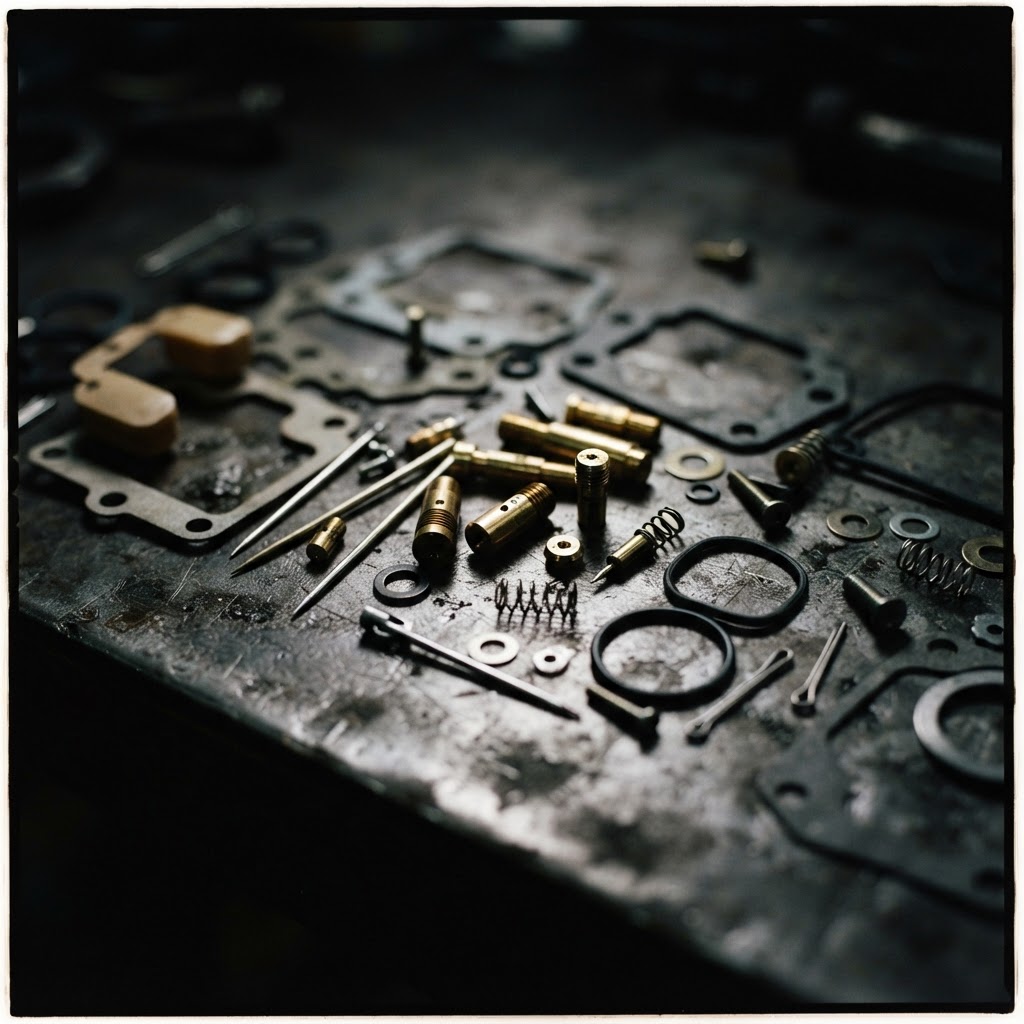
Carburetor Rebuild Kit
This kit provides the exact needle, seat, and gaskets required to stop a leaking float or a sticking needle valve, which is the primary cause of fuel flooding and black smoke.
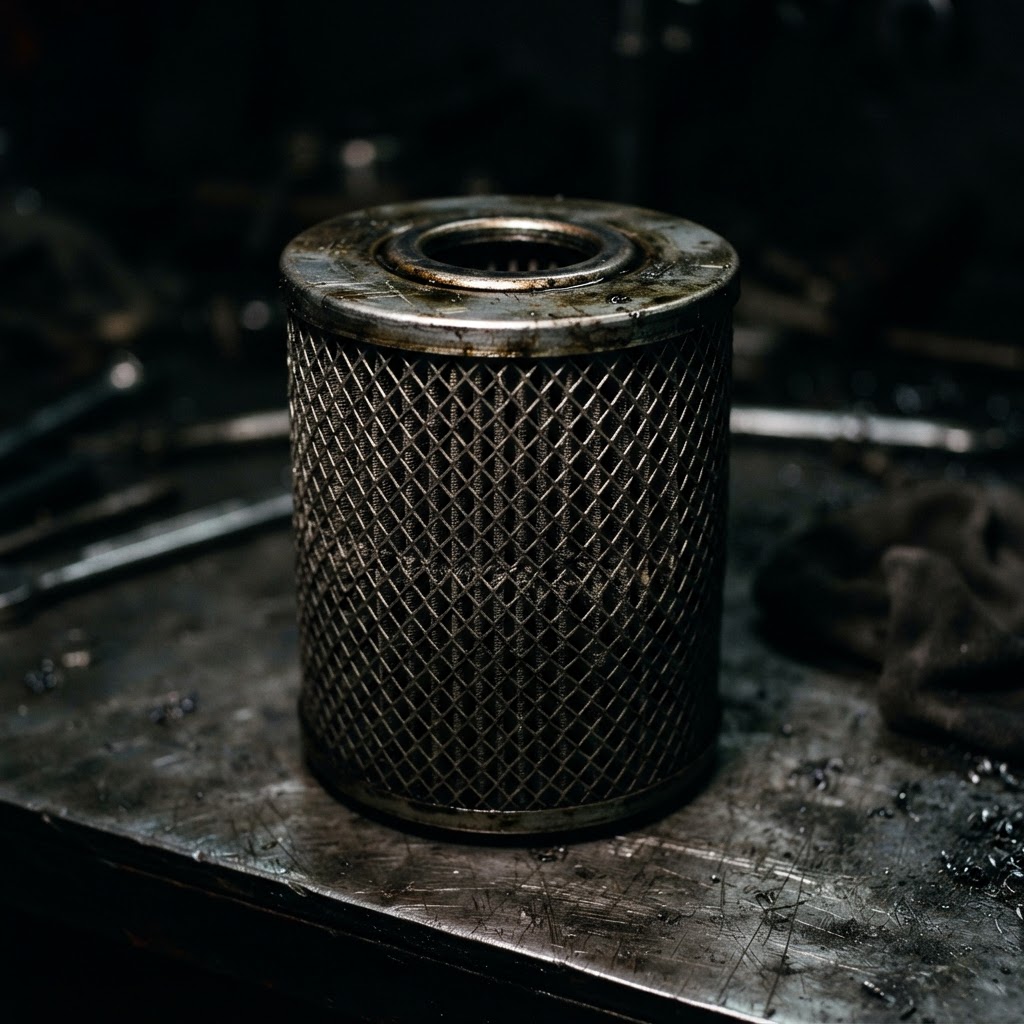
Air Filter Element
If the filter is saturated or excessively restricted, it restricts airflow and creates an overly rich fuel mixture; a fresh filter restores the proper air-to-fuel ratio.
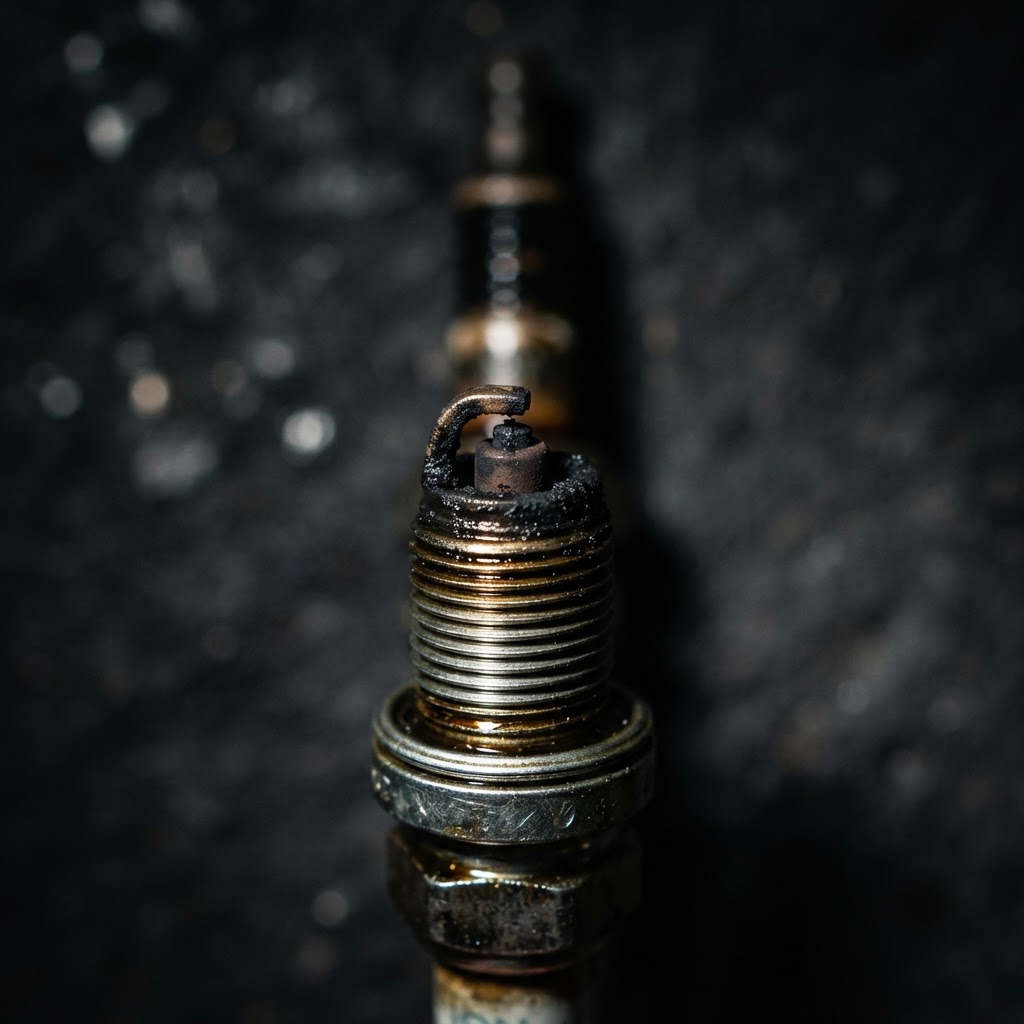
Spark Plug
Prolonged exposure to an overly rich fuel mixture causes heavy carbon fouling on the electrode, which will likely prevent the engine from running smoothly even after the carburetor is repaired.
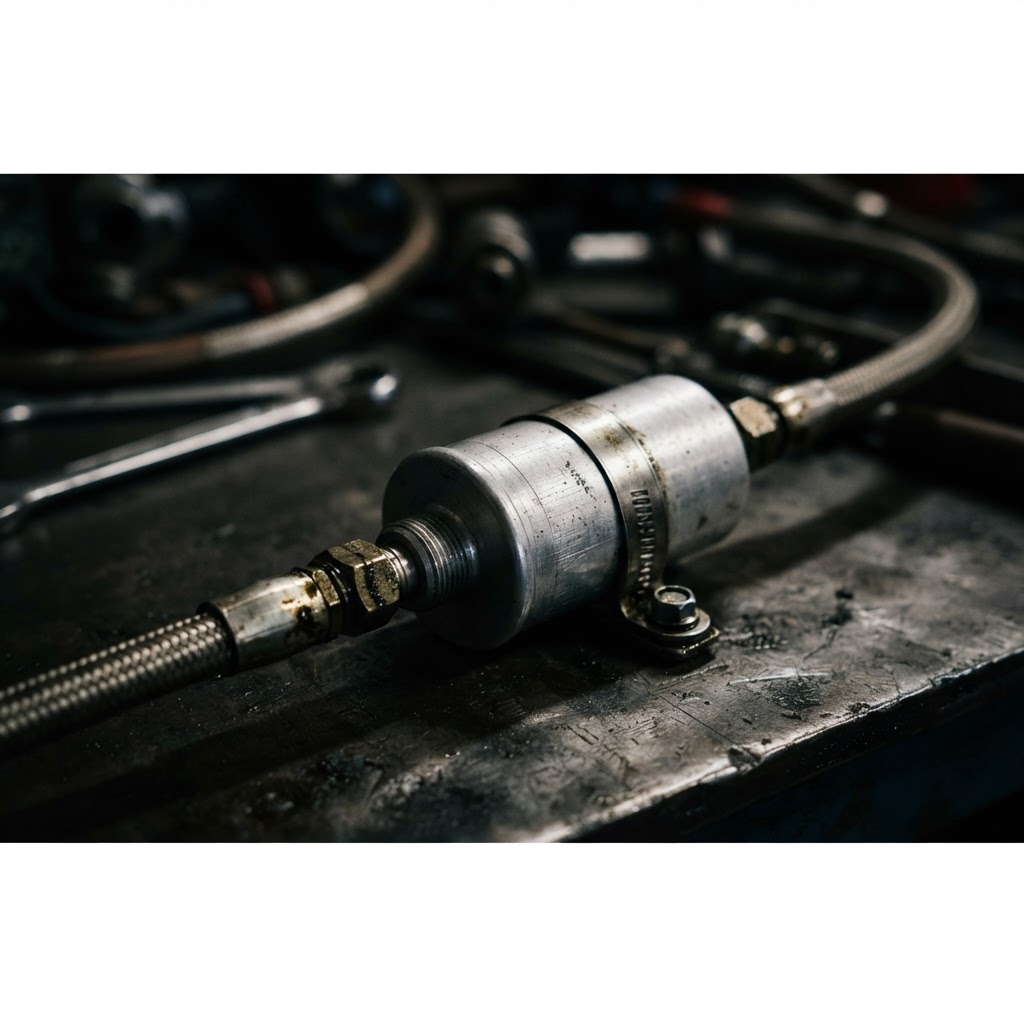
Fuel Line and Filter
Old or degraded lines can allow debris to enter the carburetor, potentially clogging the new needle valve and causing the smoking issue to recur immediately.
Affiliate Disclosure: Lil Engine may earn commissions from qualifying purchases.
Pro Tips from the Community
Real-world fixes from Reddit, YouTube & forums.
"Check your air filter immediately; a clogged, oil-soaked filter restricts oxygen and forces the engine to run excessively rich, creating that signature black smoke."
Reddit r/smallengines"Pull the needle and seat out of the carburetor, as a stuck or worn-out needle valve is the most common reason fuel floods the intake, causing unburned gas to exhaust as black smoke."
LawnSite.com Forum"If the oil level is too high or smells like gasoline, your float is stuck open and draining the tank directly into your crankcase; change the oil and clean the carb before starting it again."
DoItYourself.com"Verify your choke plate is actually snapping fully open once the engine warms up, because a linkage bind will leave the choke partially closed and choke the engine of air."
YouTube commentsPrevent This From Coming Back
Replace the air filter annually or every 50 hours, whichever comes first.
Use a fuel stabilizer in every gas can to prevent ethanol-related gum buildup.
Check for oil leaks in the crankcase breather tube that could contaminate the air box.
Store the mower with an empty carburetor bowl if leaving it unused for more than 30 days.
Prevent This From Happening Again
While you're fixing it, stock up on the maintenance essentials that keep your push mowers running right.
Spark Plug
A fresh spark plug ensures easy starting all season. Replace yearly.
Get on AmazonAir Filter
A clean air filter prevents rich running and hard starts.
Get on AmazonSmall Engine Oil
Fresh 30W oil keeps the engine running cool and clean.
Get on AmazonAffiliate Disclosure: Lil Engine may earn commissions from qualifying purchases.
Frequently Asked Questions
No, burning oil typically produces blue smoke. Black smoke is exclusively related to a fuel-to-air mixture that is too rich.
Video Help
Helpful videos showing these repairs in action.
Share Your Repair
Real-world fixes help everyone. Share what worked and your repair becomes part of Lil Engine's community database.
Related Problems
More Push Mowers GuidesRelated Maintenance Articles
Related Symptoms
Carburetor / Fuel Issues
Related Searches
Push Mowers Troubleshooting
Did this help?
Your feedback helps improve guides for everyone.