Toro Leaf Blower Loses Power — Bogging and Stalling Under Load
⚡ Quick Answer
When a Toro leaf blower loses power under load, the primary culprit is usually a clogged spark arrestor screen in the muffler or a fuel delivery restriction caused by hardened carburetor diaphragms. These 2-stroke engines require high-velocity exhaust flow; if the screen is carbon-fouled, the engine will bog as soon as you open the throttle. Check the spark arrestor screen first, followed by the fuel filter and internal carburetor jets for ethanol-related varnish.

What do you want to do?
Most Likely Cause
Degraded Fuel Lines
Toro blowers use specialized fuel lines that can become porous or brittle over time. A hairline crack in the suction line allows air to bypass the fuel, causing the engine to lean out under high RPM demand.
Start here — this is the most common reason for this symptom.
Why This Problem Happens
When a Toro leaf blower loses power under load, it typically signifies a disruption in the air-fuel ratio or an exhaust restriction that prevents the engine from reaching peak RPM. In two-stroke Toro engines, consistent power delivery relies on a precise vacuum pulse to move fuel from the tank through the carburetor. If the fuel lines harden or the carburetor's internal diaphragm loses elasticity, the engine cannot maintain the necessary fuel draw when the throttle opens, leading to a lean condition where the engine bogs down because it is starved of fuel. Alternatively, carbon buildup in the exhaust port or a partially clogged spark arrestor screen creates excessive backpressure. This backpressure prevents the engine from effectively scavenging spent exhaust gases, trapping residual heat and unburnt gases in the cylinder. As the load increases, the engine lacks the volumetric efficiency to maintain its power band, resulting in the characteristic 'stumble' or stalling behavior.
Common Symptoms
- Engine bogs down immediately when triggering full throttle
- Blower stalls after running for 5-10 minutes
- Noticeable lack of air velocity compared to previous use
- Engine surges or hunts at wide open throttle
- Difficulty restarting when the engine is hot
Before You Buy Parts
Quick, free inspections — check these first. Most repairs don't actually need replacement parts.
Complete Resource Guide
Complete Leaf Blower Troubleshooting & Repair Guide
Brand Resource Hub
Toro Troubleshooting & Repair Guide
Repair Overview
1–2 hours
$15–$50
First Checks — Start Here
- 1Remove and inspect the spark arrestor screen for carbon buildup
- 2Check fuel for age and ensure a fresh 50:1 mix ratio
- 3Inspect the fuel filter inside the tank for debris or discoloration
- 4Verify the air filter is not saturated with oil or dirt
- 5Loosen the fuel cap slightly to check for a clogged tank vent
- 6Inspect fuel lines for cracks or 'mushy' sections that collapse under vacuum
Safety Warnings
- !Ensure the muffler is completely cool before attempting removal to avoid thermal burns.
- !Perform this test in an open, well-ventilated area to prevent fuel vapor ignition.
- !Keep ignition sources away and wear nitrile gloves to avoid skin contact with gasoline.
- !Wear safety glasses to prevent aerosolized cleaner from spraying into your eyes.
- !Do not attempt to run the engine without a filter, as dust ingress will destroy the cylinder wall.
- !Turn in small 1/8 increments only; over-adjusting can cause engine overheating.
- !Using generic, low-quality fuel lines that collapse under vacuum
- !Attempting to clean internal carb ports with wires that damage precision brass needles
- !Ignoring the fuel filter inside the tank while servicing lines
Always disconnect the spark plug, work in a well-ventilated area, and consult a professional if unsure.
Most Likely Causes
Ranked by likelihood — tap each to see diagnosis details.
Toro blowers use specialized fuel lines that can become porous or brittle over time. A hairline crack in the suction line allows air to bypass the fuel, causing the engine to lean out under high RPM demand.
The spark arrestor screen inside the muffler exhaust port collects carbon deposits over time. Once this mesh is partially obstructed, exhaust cannot escape quickly enough, causing the engine to choke on its own exhaust gases.
🔧 Step-by-Step Fix Guide
Inspect and Clean the Spark Arrestor
Remove the muffler cover to access the spark arrestor screen. Use a propane torch to burn off accumulated carbon or scrub it with a brass wire brush.
Ensure the muffler is completely cool before attempting removal to avoid thermal burns.
Test the Fuel Tank Vent
Loosen the gas cap while the engine is bogging; if it regains power immediately, the vent is clogged. Replace the fuel cap assembly to restore proper tank pressure.
Perform this test in an open, well-ventilated area to prevent fuel vapor ignition.
Replace the Fuel Lines and Filter
Using high-quality Tygon fuel line, replace the lines from the tank to the carburetor. Ensure the fuel filter sits at the very bottom of the tank and is not kinked.
Keep ignition sources away and wear nitrile gloves to avoid skin contact with gasoline.
Clean or Rebuild the Carburetor
Remove the carburetor and disassemble it to clean the internal jets with spray carburetor cleaner. Inspect the internal gaskets and replace the diaphragm kit if they appear warped.
Wear safety glasses to prevent aerosolized cleaner from spraying into your eyes.
Replace the Air Filter Element
Inspect the paper or foam air filter. If the paper is discolored or the foam is crumbling, install an OEM Toro replacement filter.
Do not attempt to run the engine without a filter, as dust ingress will destroy the cylinder wall.
Adjust the Low and High Speed Needles
If your Toro carburetor has external adjustment screws, turn the 'H' screw slightly counter-clockwise to richen the mixture if the engine stalls under load.
Turn in small 1/8 increments only; over-adjusting can cause engine overheating.
What To Test Next
If the air filter and fuel are good, the next thing to inspect is the carburetor — a partially clogged main jet or a leaking intake gasket is the leading cause of steady surging.
Component Reference

Carburetor & Fuel Intake
The carburetor mixes air and fuel for combustion. A clogged jet or stuck float is the #1 cause of small engine starting and surging problems.

Spark Plug & Ignition System
The spark plug ignites the air-fuel mixture. A fouled plug, wrong gap, or failing ignition coil will prevent the engine from firing.

Oil & Lubrication System
Regular oil changes are critical. Low or dirty oil causes engine wear, overheating, and eventual seizure. Check the dipstick before every season.

Air Filter & Intake
A clogged air filter starves the engine of air, causing rich running, power loss, and hard starting. Inspect and clean or replace it each season.
Photos for educational reference. Actual parts may vary by make and model.
Common Mistakes to Avoid
Using generic, low-quality fuel lines that collapse under vacuum
Over-tightening carburetor mounting bolts and cracking the plastic insulator
Attempting to clean internal carb ports with wires that damage precision brass needles
Ignoring the fuel filter inside the tank while servicing lines
If This Didn't Fix It
Still having trouble? These are the next things to check:
Get the Exact Parts for Your Machine
Tell us your equipment's year, make, and model — we'll search for parts that actually fit, not generic ones.
Finding parts for
Toro leaf blower loses power
Required Gear
Matched to your Toro leaf blower loses power — click to find the exact fit on Amazon.
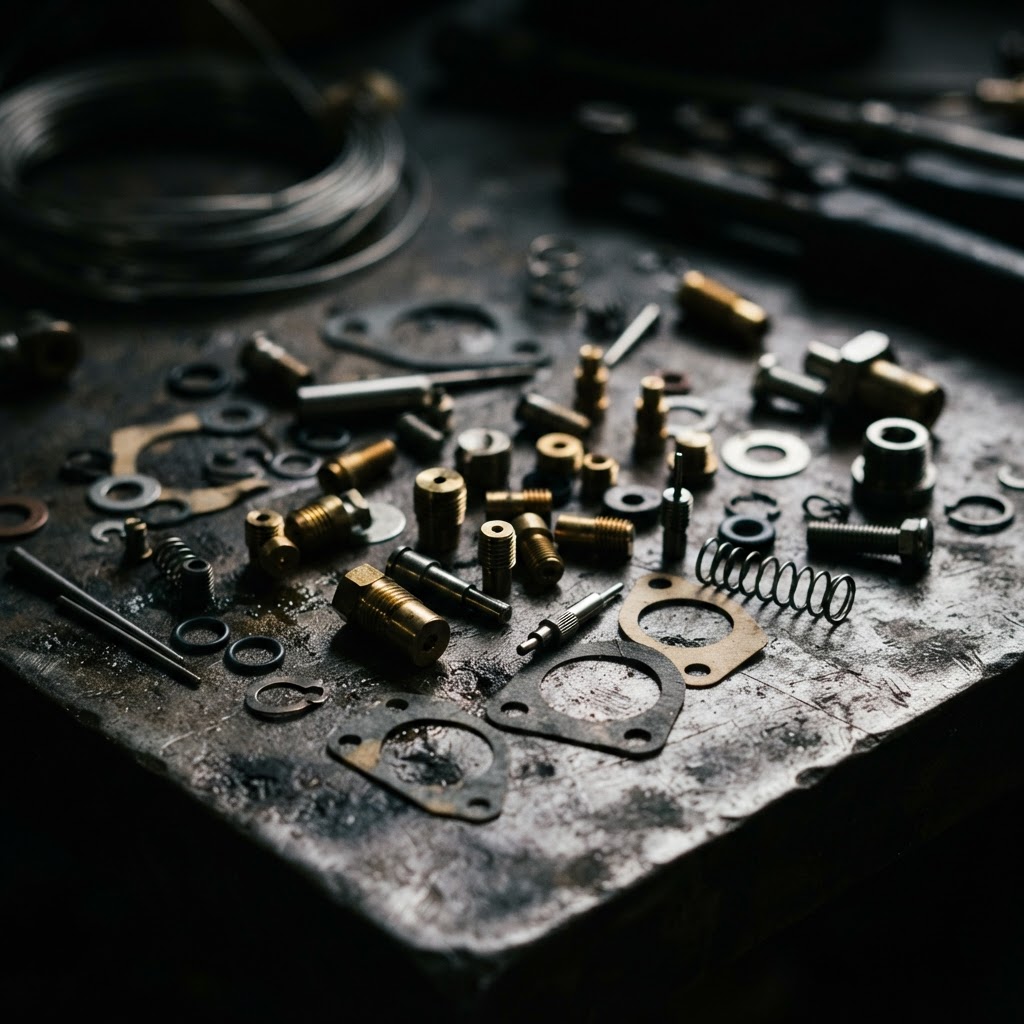
Carburetor Rebuild Kit
Contains the replacement diaphragm and gaskets required to restore fuel pump functionality lost to fatigue.
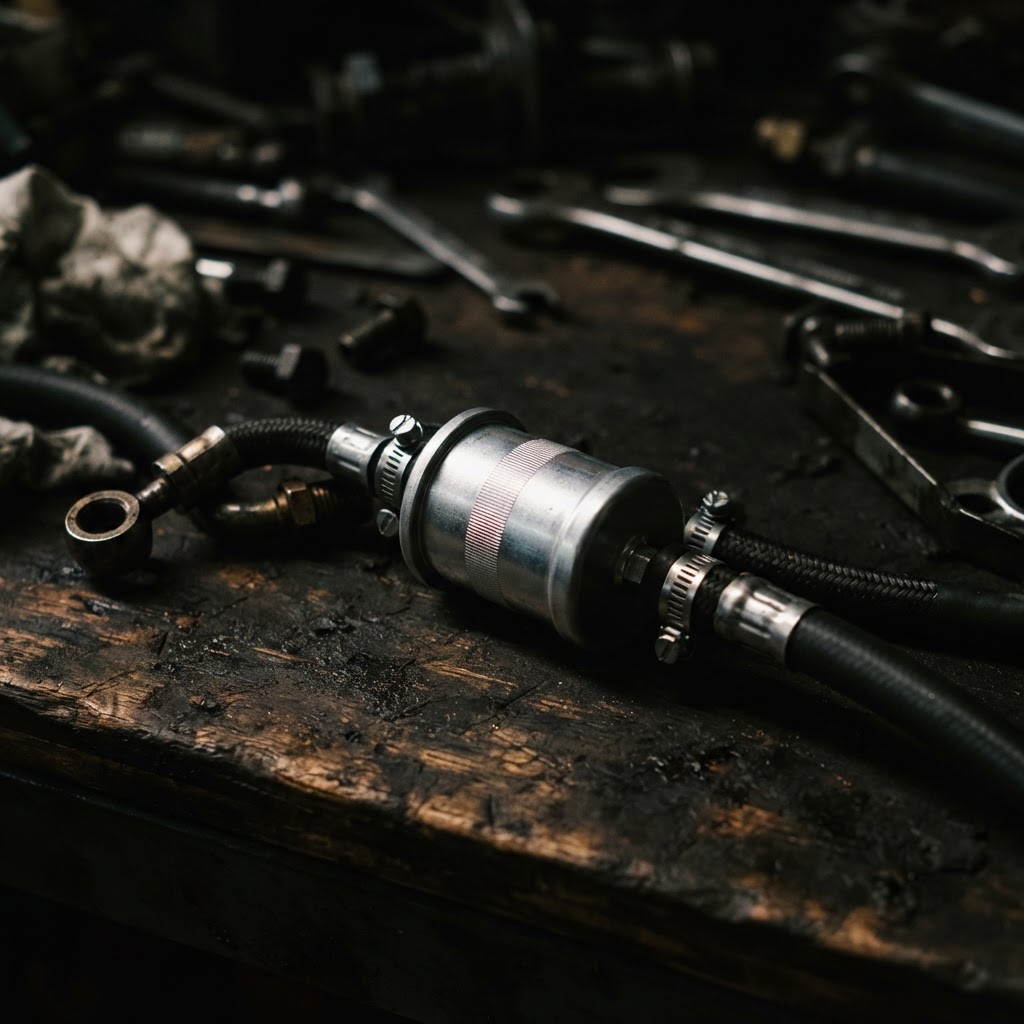
Fuel Line and Filter Replacement Kit
Prevents air leaks and fuel restriction caused by cracked lines or clogged filters, ensuring proper engine combustion.
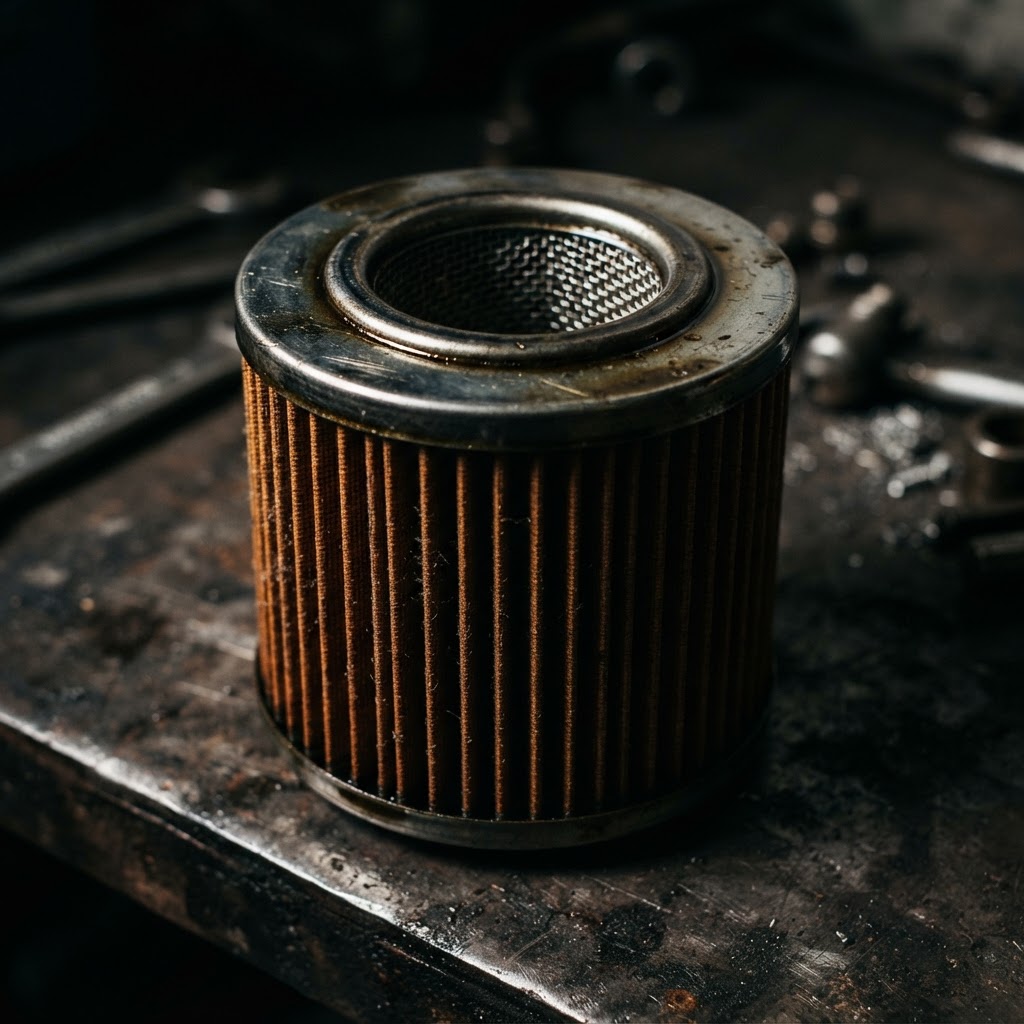
Air Filter Element
Provides unrestricted airflow to the engine, resolving power loss caused by oil saturation or debris buildup.
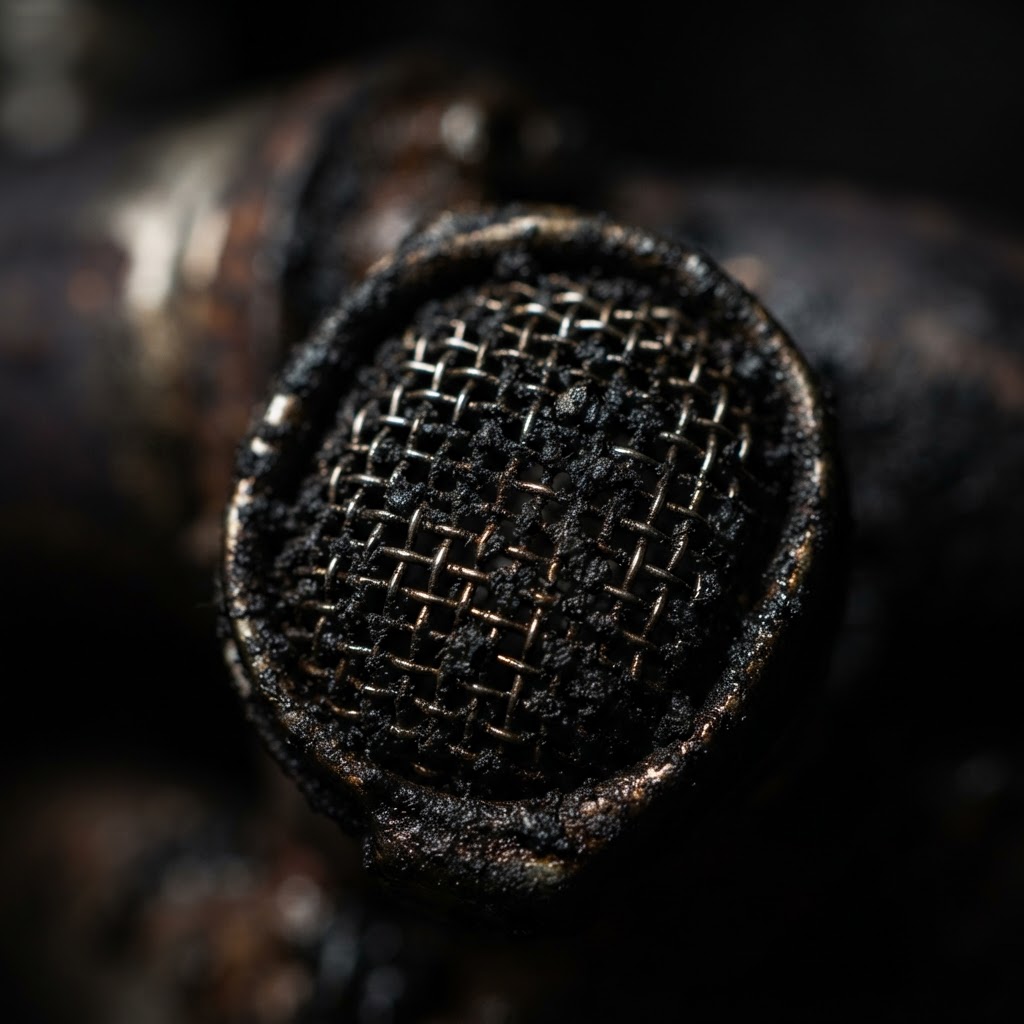
Spark Arrestor Screen
Replaces a carbon-fouled screen to eliminate exhaust backpressure that causes bogging under load.
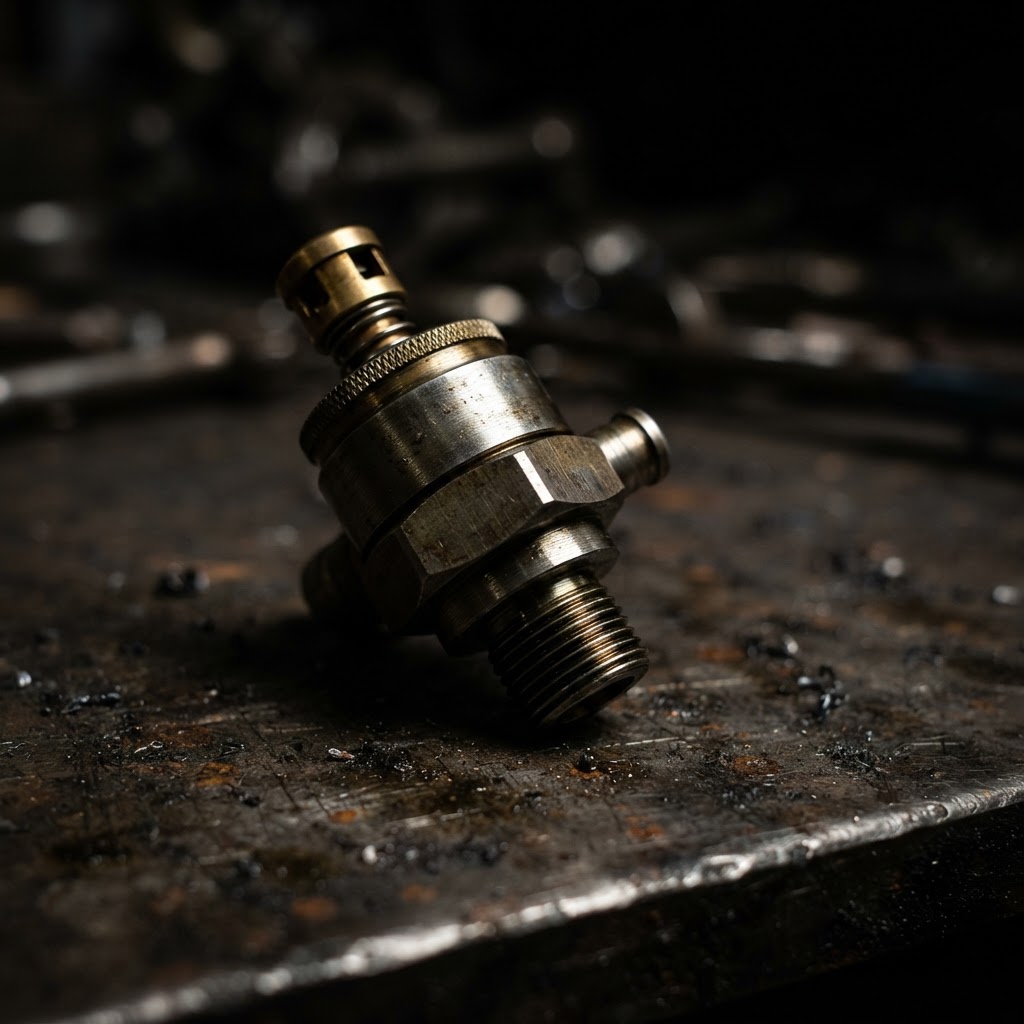
Fuel Tank Vent/Check Valve
Fixes vacuum lock in the fuel tank by ensuring the engine receives a consistent supply of fuel as the tank empties.
Affiliate Disclosure: Lil Engine may earn commissions from qualifying purchases.
Pro Tips from the Community
Real-world fixes from Reddit, YouTube & forums.
"Toro handheld blowers often have the fuel filter fall off inside the tank. If it runs fine full, but bogs when the fuel is half-empty or you tilt it, the filter is likely bouncing around loose."
Reddit r/lawncare"I've fixed dozens of these by just burning the screen. If the screen is clogged, the engine can't breathe out, so it can't breathe in. Ten minutes with a torch saves a $50 shop fee."
YouTube comments"Check the intake manifold bolts. On some Toro models, the vibration causes the bolts between the carb and the cylinder to vibrate loose, creating a massive air leak that makes the engine lose power."
LawnSite.com ForumPrevent This From Coming Back
Use only non-ethanol fuel to prevent diaphragm degradation
Add a high-quality fuel stabilizer to every gas can
Replace the fuel filter annually regardless of appearance
Clean the air filter housing every 10 hours of operation
Prevent This From Happening Again
While you're fixing it, stock up on the maintenance essentials that keep your leaf blowers running right.
2-Cycle Oil
Correct mix ratio prevents engine damage and starting problems.
Get on AmazonSpark Plug
A fouled plug is the #1 cause of hard starting in leaf blowers.
Get on AmazonFuel Stabilizer
Prevents fuel breakdown during off-season storage.
Get on AmazonAffiliate Disclosure: Lil Engine may earn commissions from qualifying purchases.
Frequently Asked Questions
No, ethanol is highly corrosive to the rubber components in small engine carburetors. It causes diaphragms to harden and leads to the exact bogging issues described here.
Video Help
Helpful videos showing these repairs in action.
Share Your Repair
Real-world fixes help everyone. Share what worked and your repair becomes part of Lil Engine's community database.
Related Problems
More Leaf Blowers GuidesRelated Maintenance Articles
Related Symptoms
No Power
Carburetor / Fuel Issues
Related Searches
Toro leaf blower Guides
Did this help?
Your feedback helps improve guides for everyone.