Echo PB 580T Leaf Blower Won't Start
⚡ Quick Answer
The most common reason an Echo PB 580T won't start is stale fuel or a fouled spark plug. Begin by refreshing your fuel mix and inspecting the plug, as these simple steps resolve the vast majority of starting issues.

What do you want to do?
Most Likely Cause
Clogged Carburetor Jets
Ethanol varnish restricts the high-speed and idle circuits inside the Zama carb. Check this by removing the air filter and spraying a small amount of pre-mix into the throat; if the engine fires momentarily, the fuel circuit is blocked.
Start here — this is the most common reason for this symptom.
Why This Problem Happens
The Echo PB-580T operates on a high-output 58.2cc 2-stroke engine that relies on precise fuel atomization and strong spark timing. Non-starting issues on this model most frequently stem from the degradation of ethanol-blended fuel, which causes the internal diaphragms within the Zama carburetor to harden, preventing proper pulse-driven fuel metering. Without the rhythmic pressure pulses from the crankcase reaching the fuel pump assembly, the cylinder remains starved of the stoichiometric mixture required for ignition. Furthermore, the PB-580T utilizes an electronic ignition module that is highly sensitive to heat-cycle fatigue. If the magnetic armature gap deviates from the factory specification, the ignition coil fails to trigger a high-voltage spark at the required low-speed cranking RPM. Carbon buildup on the exhaust port or a clogged spark arrestor screen can also induce backpressure, effectively choking the scavenging process and preventing the intake of fresh charge, which often masquerades as a no-start condition.
Common Symptoms
- Engine cranks over but will not fire
- Spark plug appears dry after repeated pulls
- Strong resistance or complete lack of compression
- Excessive smoke when it finally catches
- Fuel lines appearing yellowed or brittle
Before You Buy Parts
Quick, free inspections — check these first. Most repairs don't actually need replacement parts.
Complete Resource Guide
Complete Leaf Blower Troubleshooting & Repair Guide
Brand Resource Hub
Echo Equipment Repair & Maintenance Hub | Lil Engine
Repair Overview
45–90 minutes
$15–$50
First Checks — Start Here
- 1Check that the fuel tank has fresh 50:1 gas-oil mix
- 2Ensure the ignition switch is set to the 'I' or On position
- 3Verify the choke is fully closed for cold starts
- 4Pump the primer bulb 5-10 times until fuel is visible
- 5Remove and inspect the spark plug for debris or carbon buildup
Safety Warnings
- !Wear insulated gloves to prevent electrical shock during the spark test.
- !Perform this in a well-ventilated area to avoid inhalation of fuel vapors.
- !Do not use metal tools to scrape the piston wall, as scratching will cause permanent compression loss.
- !Use eye protection when using compressed air to blow out carburetor ports.
- !Ensure the magnets are clean and free of metallic debris before setting the gap.
- !The engine must be at room temperature to obtain an accurate reading.
- !Using old gas that has already phase-separated
- !Ignoring the fuel tank vent which creates a vacuum lock
- !Using an incorrect spark plug heat range
Always disconnect the spark plug, work in a well-ventilated area, and consult a professional if unsure.
Most Likely Causes
Ranked by likelihood — tap each to see diagnosis details.
Ethanol varnish restricts the high-speed and idle circuits inside the Zama carb. Check this by removing the air filter and spraying a small amount of pre-mix into the throat; if the engine fires momentarily, the fuel circuit is blocked.
The felt fuel filter in the tank can become saturated with debris or clogged with sediment. Use a hooked wire to pull the fuel line out of the tank; if the filter is dark brown or hard, it cannot pass fuel to the carb.
🔧 Step-by-Step Fix Guide
Verify Spark Quality
Remove the spark plug, attach it to the ignition wire, and ground the threads against the cylinder head while pulling the starter cord. A strong, blue spark is required; a yellow or non-existent spark indicates a faulty ignition coil.
Wear insulated gloves to prevent electrical shock during the spark test.
Inspect Fuel System Integrity
Ensure the fuel lines are pliable and free of cracks, especially where they enter the tank grommet. Replace any line that shows signs of cracking or 'weeping' to maintain proper crankcase pressure.
Perform this in a well-ventilated area to avoid inhalation of fuel vapors.
Clear the Exhaust Port
Remove the muffler assembly to inspect the exhaust port and the spark arrestor screen. If the port is choked with carbon, gently scrape it away with a plastic tool, ensuring no debris enters the cylinder.
Do not use metal tools to scrape the piston wall, as scratching will cause permanent compression loss.
Carburetor Pulse Check
Remove the air cleaner cover and ensure the pulse hole in the carburetor mounting flange is clear. This small port allows crankcase pressure to cycle the fuel pump diaphragm; if clogged, the carb cannot pump fuel.
Use eye protection when using compressed air to blow out carburetor ports.
Adjust Ignition Coil Air Gap
Loosen the coil mounting bolts and insert a .012-inch feeler gauge between the coil legs and the flywheel magnets. Tighten the bolts while holding the gap, then remove the gauge for a consistent magnetic trigger.
Ensure the magnets are clean and free of metallic debris before setting the gap.
Compression Test
Thread a compression tester into the plug hole and pull the starter cord aggressively 5-6 times. The PB-580T should show at least 110-120 PSI; anything below 90 PSI suggests worn piston rings or a scored cylinder wall.
The engine must be at room temperature to obtain an accurate reading.
What To Test Next
If fuel delivery checks out, the next thing to inspect is spark — remove the spark plug, ground its threads to the engine block, and crank the engine to look for a visible blue spark.
Component Reference

Carburetor & Fuel Intake
The carburetor mixes air and fuel for combustion. A clogged jet or stuck float is the #1 cause of small engine starting and surging problems.

Spark Plug & Ignition System
The spark plug ignites the air-fuel mixture. A fouled plug, wrong gap, or failing ignition coil will prevent the engine from firing.

Oil & Lubrication System
Regular oil changes are critical. Low or dirty oil causes engine wear, overheating, and eventual seizure. Check the dipstick before every season.

Air Filter & Intake
A clogged air filter starves the engine of air, causing rich running, power loss, and hard starting. Inspect and clean or replace it each season.
Photos for educational reference. Actual parts may vary by make and model.
Common Mistakes to Avoid
Using old gas that has already phase-separated
Over-tightening the carburetor mounting bolts which warps the flange
Ignoring the fuel tank vent which creates a vacuum lock
Using an incorrect spark plug heat range
If This Didn't Fix It
Still having trouble? These are the next things to check:
Get the Exact Parts for Your Machine
Tell us your equipment's year, make, and model — we'll search for parts that actually fit, not generic ones.
Finding parts for
Echo PB 580T leaf blower
Required Gear
Matched to your Echo PB 580T leaf blower — click to find the exact fit on Amazon.
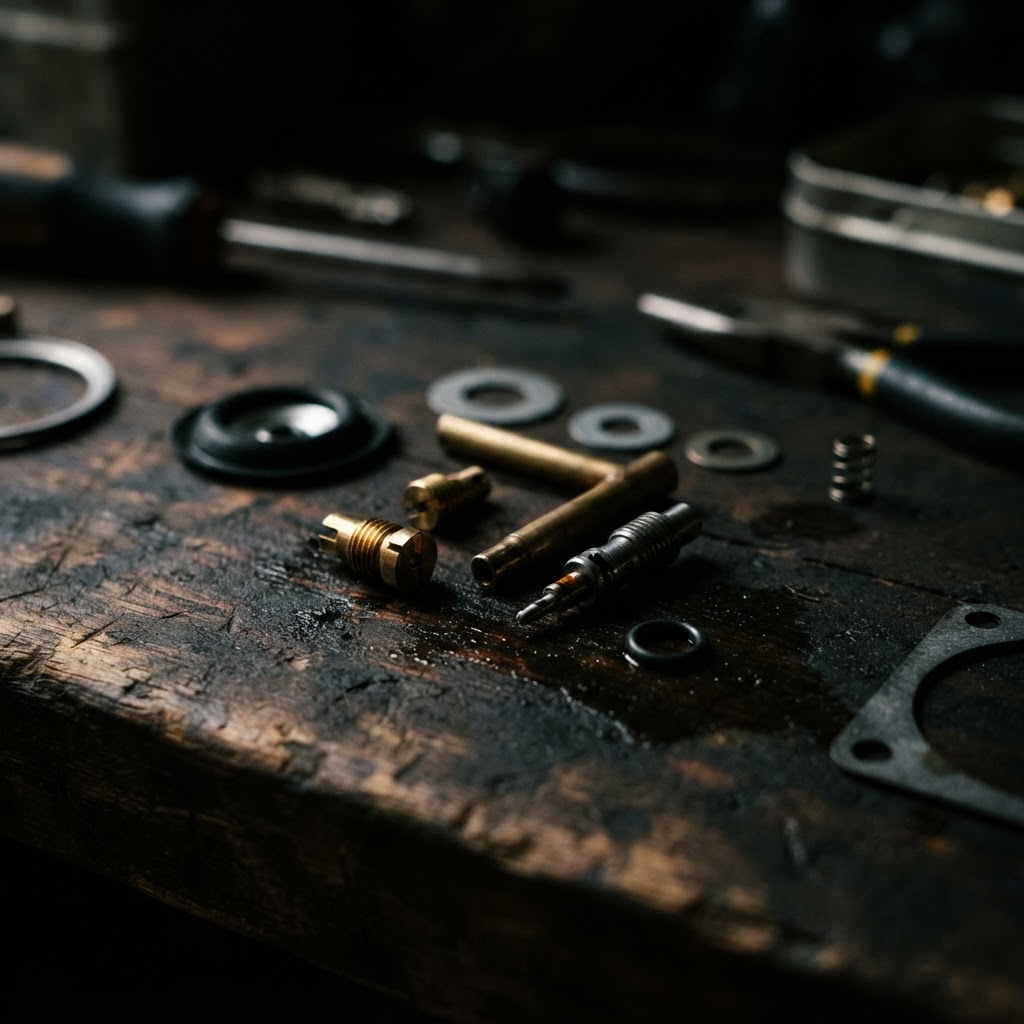
OEM Carburetor Repair Kit
Since clogged jets are a primary cause for this model not starting, replacing the internal gaskets, diaphragms, and metering needles is necessary to restore proper fuel flow.
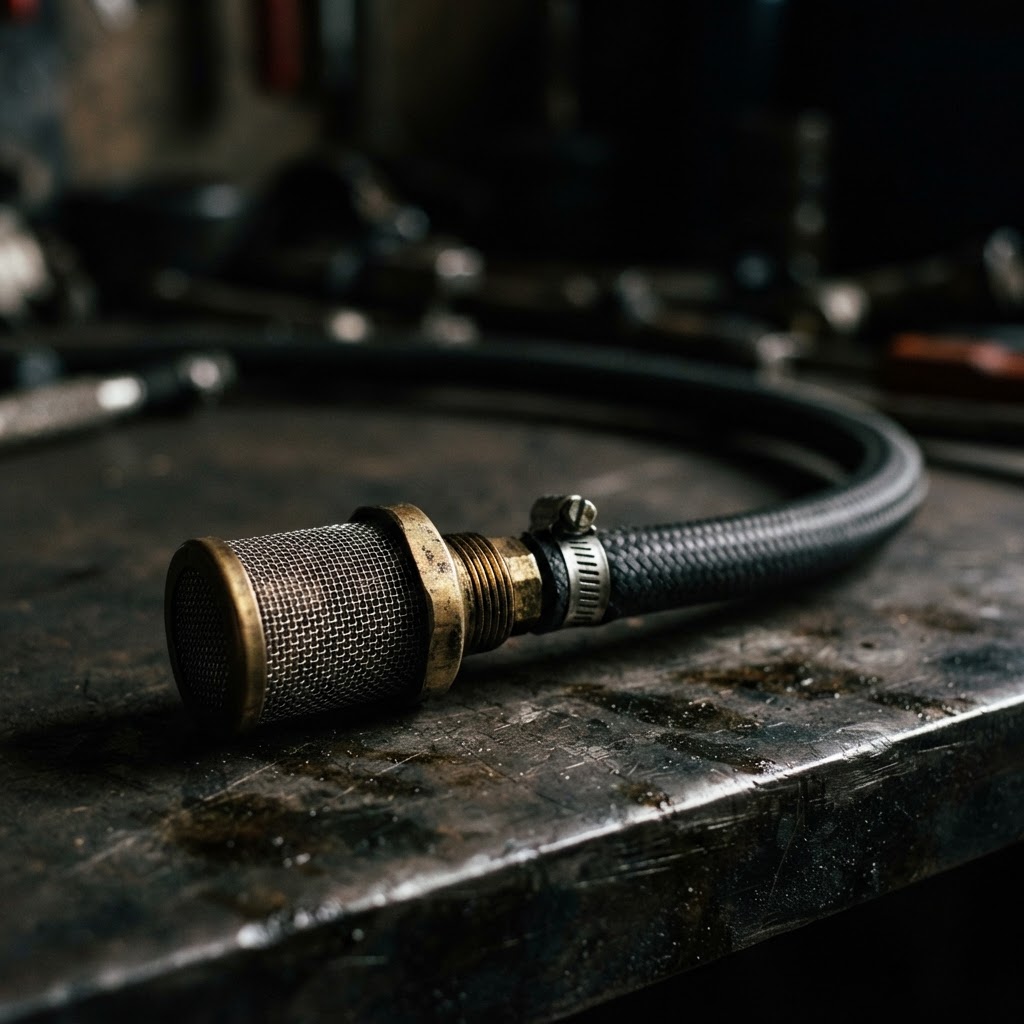
Fuel Line and Pick-up Filter Kit
Old fuel lines often crack and the pick-up filter gets clogged with debris, causing fuel starvation; this kit ensures the fuel system can deliver fresh gas to the carburetor.
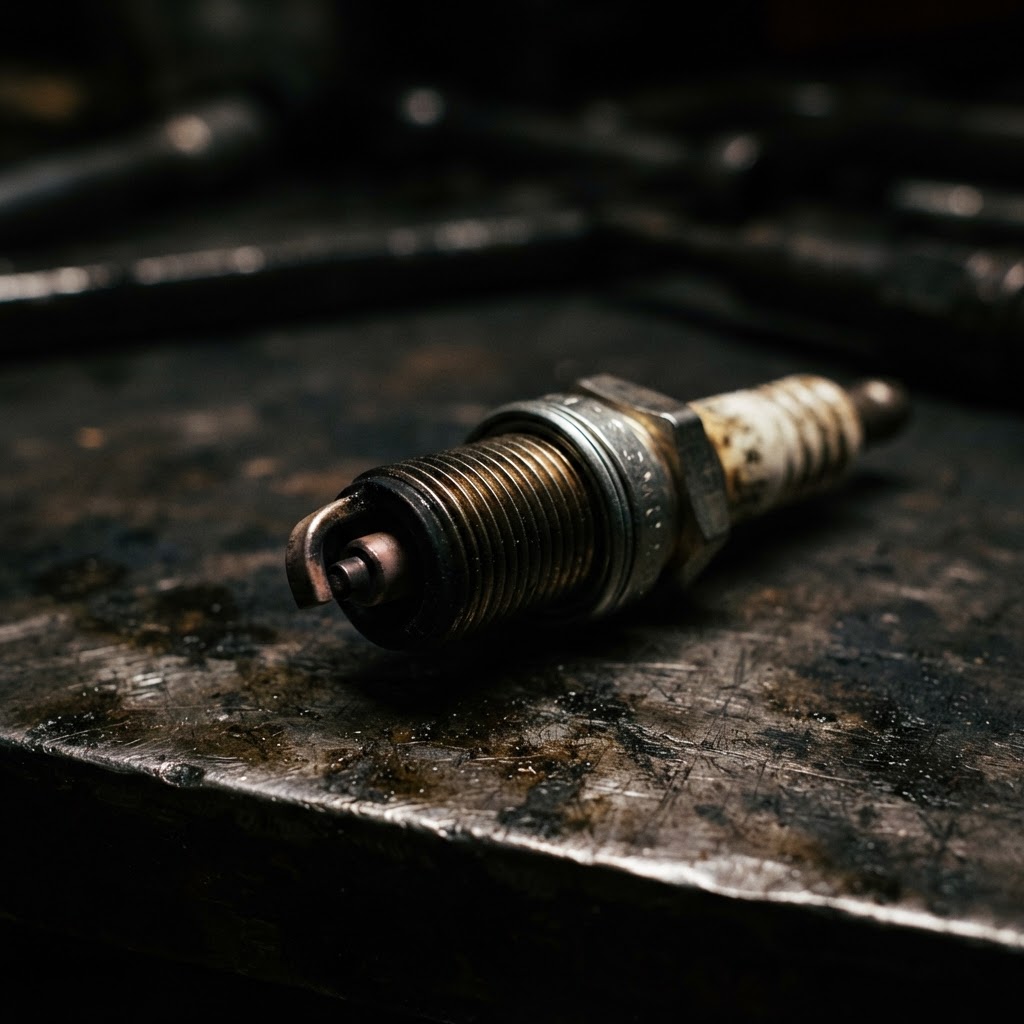
NGK BPM8Y Spark Plug
Carbon fouling is a common point of failure for the PB 580T; a fresh plug ensures a consistent, hot spark required to ignite the fuel-air mixture.
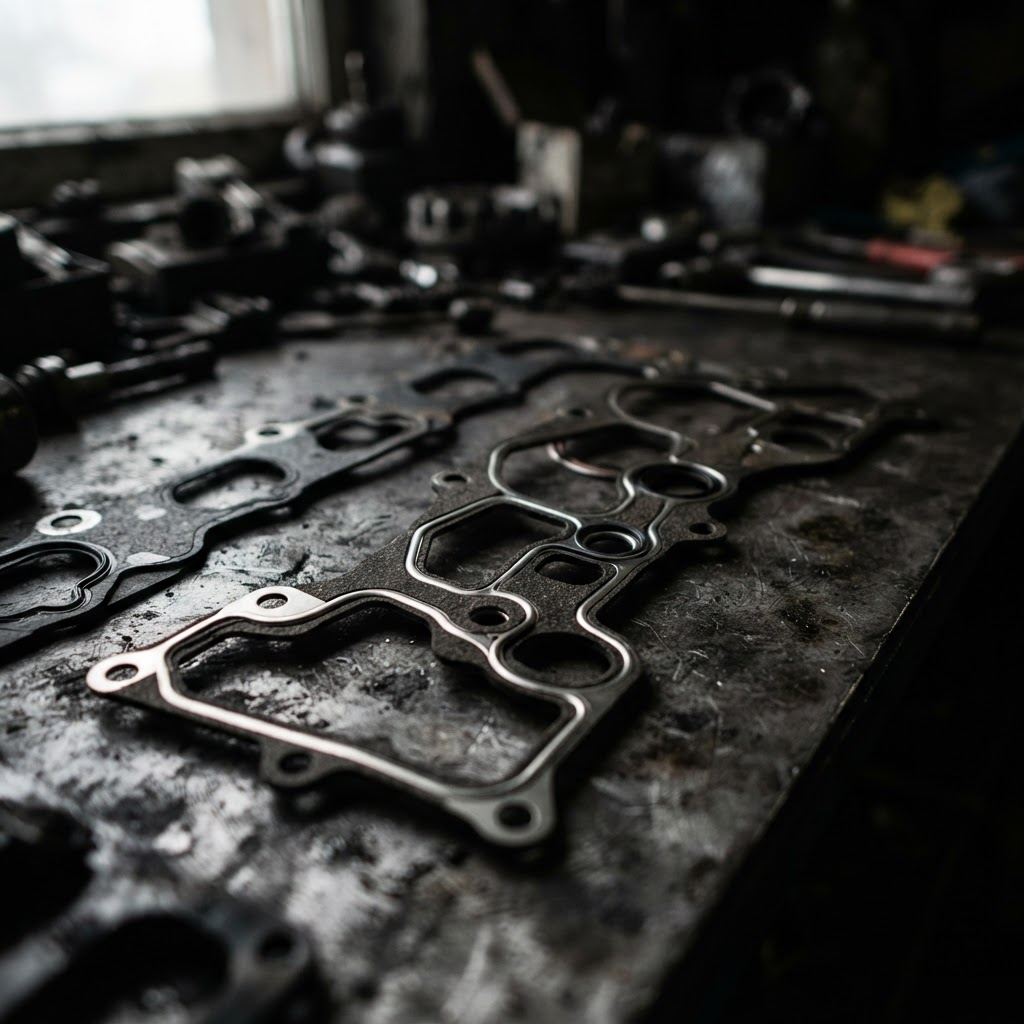
Intake Gasket Set
If the original gaskets have deteriorated, an air leak at the intake prevents the engine from drawing fuel correctly; new gaskets are required to maintain proper vacuum.
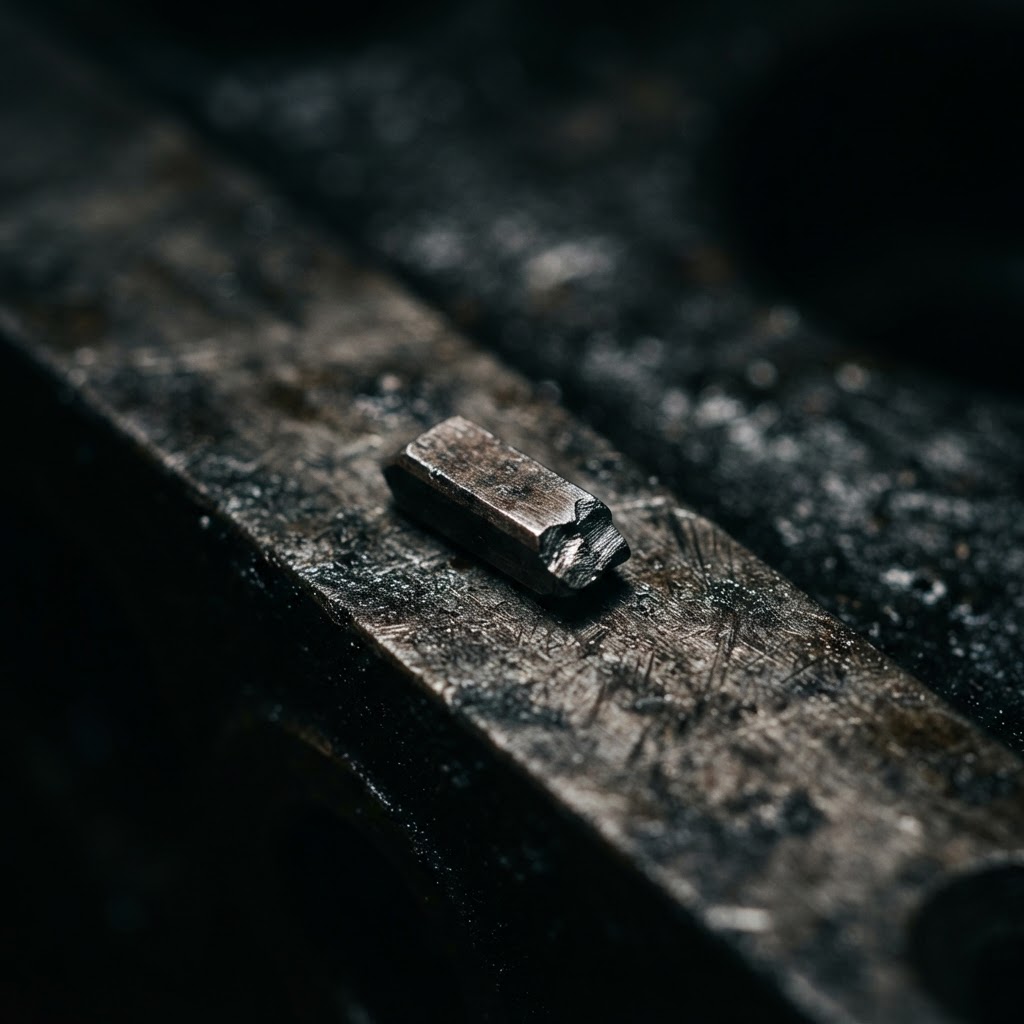
Flywheel Key
If the engine timing has shifted due to a sheared key, the spark will occur at the wrong time, necessitating a replacement to re-align the ignition sequence.
Affiliate Disclosure: Lil Engine may earn commissions from qualifying purchases.
Pro Tips from the Community
Real-world fixes from Reddit, YouTube & forums.
"Pull the spark plug and check for a dark, oily film; if it's wet, you've likely flooded it, so leave the plug out and pull the cord ten times to vent the cylinder before trying again."
Reddit r/smallengines"Check the fuel lines immediately because the ethanol in modern pump gas causes the intake and return lines inside the tank to crack, making the unit lose prime."
LawnSite.com Forum"Before replacing the carburetor, disconnect the spark plug wire and check for a strong blue spark; if you see yellow or no spark, it's an ignition coil issue, not a fuel issue."
YouTube comments"If it runs on choke but dies immediately when you flip it to run, your low-speed jet is clogged and a simple carburetor rebuild is usually cheaper than a new OEM unit."
DoItYourself.comBrand-Specific Notes
Echo
The PB-580T is a high-output 58.2cc 2-stroke leaf blower. It uses a Zama carburetor whose internal diaphragms harden from ethanol-blended fuel, disrupting pulse-driven fuel metering. Crankcase pressure pulses reach the fuel pump assembly through an impulse port on the cylinder block.
Zama
The PB-580T's Zama carb relies on crankcase pulse pressure; a blocked impulse port or hardened diaphragm starves the cylinder of fuel.
Model-Specific Variations
Echo PB-580T
58.2cc 2-stroke; Zama carburetor (pulse-driven); NGK BPM8Y spark plug; felt in-tank fuel filter; soft flywheel key; electronic ignition module.
Prevent This From Coming Back
Use only 89-octane or higher non-ethanol fuel
Drain the fuel tank and run the engine dry before seasonal storage
Clean the air filter every 10 hours of operation
Apply dielectric grease to the spark plug boot connection
Prevent This From Happening Again
While you're fixing it, stock up on the maintenance essentials that keep your leaf blowers running right.
2-Cycle Oil
Correct mix ratio prevents engine damage and starting problems.
Get on AmazonSpark Plug
A fouled plug is the #1 cause of hard starting in leaf blowers.
Get on AmazonFuel Stabilizer
Prevents fuel breakdown during off-season storage.
Get on AmazonAffiliate Disclosure: Lil Engine may earn commissions from qualifying purchases.
Frequently Asked Questions
Given the complexity of the Zama internal diaphragms, most DIYers are better off replacing the entire carburetor assembly to ensure internal check valves are functioning correctly.
Video Help
Helpful videos showing these repairs in action.
Share Your Repair
Real-world fixes help everyone. Share what worked and your repair becomes part of Lil Engine's community database.
Related Problems
More Leaf Blowers GuidesRelated Maintenance Articles
Related Symptoms
Won’t Start
Related Searches
Echo leaf blower Guides
Did this help?
Your feedback helps improve guides for everyone.