Leaf Blower Starts Then Dies
⚡ Quick Answer
Most leaf blowers that start and then die suffer from fuel delivery issues or air intake blockages. Start by checking for fresh fuel, a clean air filter, and a spark plug that isn't fouled with carbon.
What do you want to do?
Most Likely Cause
Clogged Fuel Pickup Filter
The sintered bronze or felt filter at the end of the fuel line inside the tank can become gummed up with varnish. This restricts flow, allowing just enough fuel to sit in the line to start the engine, but not enough to support continuous operation.
Start here — this is the most common reason for this symptom.
Why This Problem Happens
When a leaf blower starts and immediately dies, it is almost always a failure to sustain the air-fuel ratio or internal combustion cycle after the initial prime has been consumed. Most two-stroke engines rely on a precisely metered pulse of fuel from the carburetor's metering diaphragm. If the carburetor has internal restrictions or air leaks, it can supply enough fuel to fire the first initial charge but fails to maintain the vacuum required to pull more fuel from the tank once the throttle is engaged or the primer bulb pressure dissipates. Essentially, the engine is experiencing a 'lean-stall,' where the air-to-fuel ratio shifts beyond the point of ignitability as soon as the engine demands a steady state of operation. This is exacerbated by the high-speed requirements of small-displacement engines, which require consistent crankcase vacuum to keep the reed valves oscillating and the fuel moving. Once that vacuum is interrupted by an air leak, a restricted fuel filter, or a clogged tank vent, the engine effectively suffocates or starves, causing the immediate shutdown.
Common Symptoms
- Engine starts on full choke then dies instantly
- Running engine cuts out when throttle is increased
- Primer bulb remains partially collapsed while running
- Excessive popping or sneezing through the intake
- Stalling after 3-5 seconds of idle operation
Before You Buy Parts
Quick, free inspections — check these first. Most repairs don't actually need replacement parts.
Complete Resource Guide
Complete Leaf Blower Troubleshooting & Repair Guide
Repair Overview
45–90 minutes
$10–$50
First Checks — Start Here
- 1Check that the fuel tank has fresh gas
- 2Inspect the air filter for dirt or debris
- 3Ensure the fuel cap vent is not clogged
- 4Check the spark plug for heavy carbon buildup
- 5Ensure the fuel lines are not cracked or brittle
Safety Warnings
- !Ensure the engine is off and the area is free of open flames before opening the gas cap to check for pressure.
- !Use a catch pan to prevent fuel spills and wear nitrile gloves to avoid skin exposure to gasoline.
- !Allow the muffler to cool completely before touching it to prevent severe thermal burns.
- !Do not reuse old gaskets as they rarely seal correctly once compressed.
- !Wear safety glasses when using carburetor cleaner, as the high-pressure spray can easily splash back into your eyes.
- !Starting fluid is highly flammable; keep the spray away from the spark plug area and hot exhaust.
- !Using old, ethanol-blended fuel that has undergone phase separation
- !Ignoring the fuel line routing, leading to pinched or kinked hoses
Always disconnect the spark plug, work in a well-ventilated area, and consult a professional if unsure.
Most Likely Causes
Ranked by likelihood — tap each to see diagnosis details.
The sintered bronze or felt filter at the end of the fuel line inside the tank can become gummed up with varnish. This restricts flow, allowing just enough fuel to sit in the line to start the engine, but not enough to support continuous operation.
If the tank vent becomes plugged with debris, it creates a vacuum lock inside the tank as fuel is drawn out. Once the vacuum exceeds the capability of the fuel pump to pull against it, fuel flow stops and the engine dies.
🔧 Step-by-Step Fix Guide
Inspect Fuel Tank Vent
Loosen the gas cap while the engine is idling. If the blower stays running, the tank vent is restricted and needs to be replaced.
Ensure the engine is off and the area is free of open flames before opening the gas cap to check for pressure.
Test Fuel Flow to Carburetor
Disconnect the fuel line at the carburetor inlet and use a Mityvac or manual pump to ensure the line pulls fuel from the tank freely. If flow is sluggish, replace the fuel filter and the fuel lines.
Use a catch pan to prevent fuel spills and wear nitrile gloves to avoid skin exposure to gasoline.
Check Spark Arrestor Screen
Remove the muffler cover and inspect the mesh screen for heavy carbon deposits. Clean it with a wire brush or burn it off with a propane torch; replace it if the mesh is warped or damaged.
Allow the muffler to cool completely before touching it to prevent severe thermal burns.
Verify Carburetor Gasket Integrity
Remove the carburetor and inspect the paper gaskets between the manifold and the block. Replace them if they are torn or brittle to ensure an airtight seal.
Do not reuse old gaskets as they rarely seal correctly once compressed.
Clean or Rebuild the Carburetor
Disassemble the carburetor and soak the metal body in a professional-grade ultrasonic cleaner or carburetor dip. Use a high-quality rebuild kit to replace all internal diaphragms and gaskets.
Wear safety glasses when using carburetor cleaner, as the high-pressure spray can easily splash back into your eyes.
Check for Intake Air Leaks
While the engine is idling, spray a small amount of starting fluid around the intake manifold and cylinder base. If the engine RPM changes, you have identified a vacuum leak that needs to be sealed by replacing the boot or O-rings.
Starting fluid is highly flammable; keep the spray away from the spark plug area and hot exhaust.
What To Test Next
If fuel flow is steady, the next thing to inspect is the ignition coil when the engine is hot — a failing coil often fails warm and recovers when cool.
Component Reference

Carburetor & Fuel Intake
The carburetor mixes air and fuel for combustion. A clogged jet or stuck float is the #1 cause of small engine starting and surging problems.

Spark Plug & Ignition System
The spark plug ignites the air-fuel mixture. A fouled plug, wrong gap, or failing ignition coil will prevent the engine from firing.

Air Filter & Intake
A clogged air filter starves the engine of air, causing rich running, power loss, and hard starting. Inspect and clean or replace it each season.

Fuel System
Stale fuel is the most common cause of seasonal starting failures. Fuel breaks down in 30 days, leaving varnish that clogs carburetor jets and fuel filters.
Photos for educational reference. Actual parts may vary by make and model.
Common Mistakes to Avoid
Using old, ethanol-blended fuel that has undergone phase separation
Replacing the carburetor instead of just cleaning the internal screen or replacing the diaphragm
Tightening carburetor mounting screws unevenly, which warps the flange
Ignoring the fuel line routing, leading to pinched or kinked hoses
If This Didn't Fix It
Still having trouble? These are the next things to check:
Get the Exact Parts for Your Machine
Tell us your equipment's year, make, and model — we'll search for parts that actually fit, not generic ones.
Finding parts for
Leaf blower
Required Gear
Matched to your Leaf blower — click to find the exact fit on Amazon.
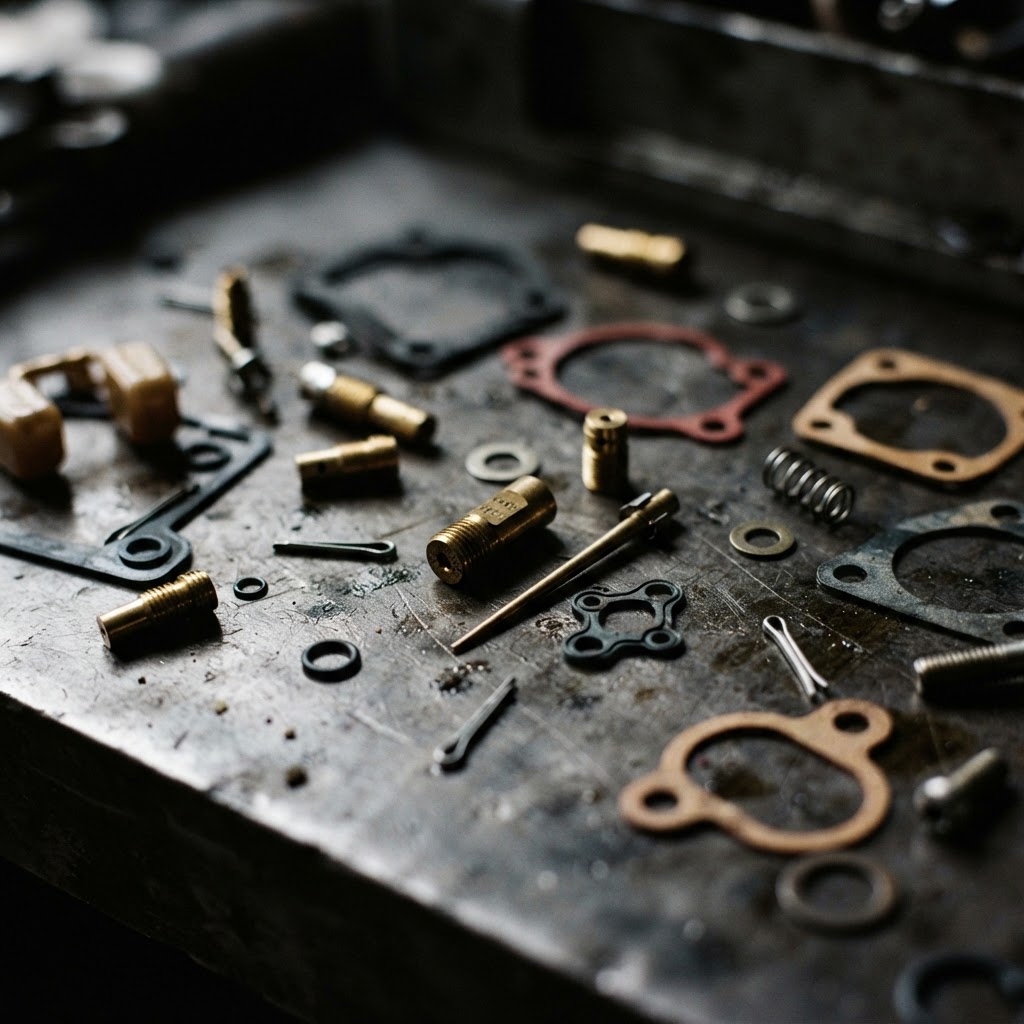
Carburetor Rebuild Kit
This kit contains the new metering diaphragm and internal gaskets necessary to restore fuel delivery and resolve engine stalling caused by a failing carburetor.
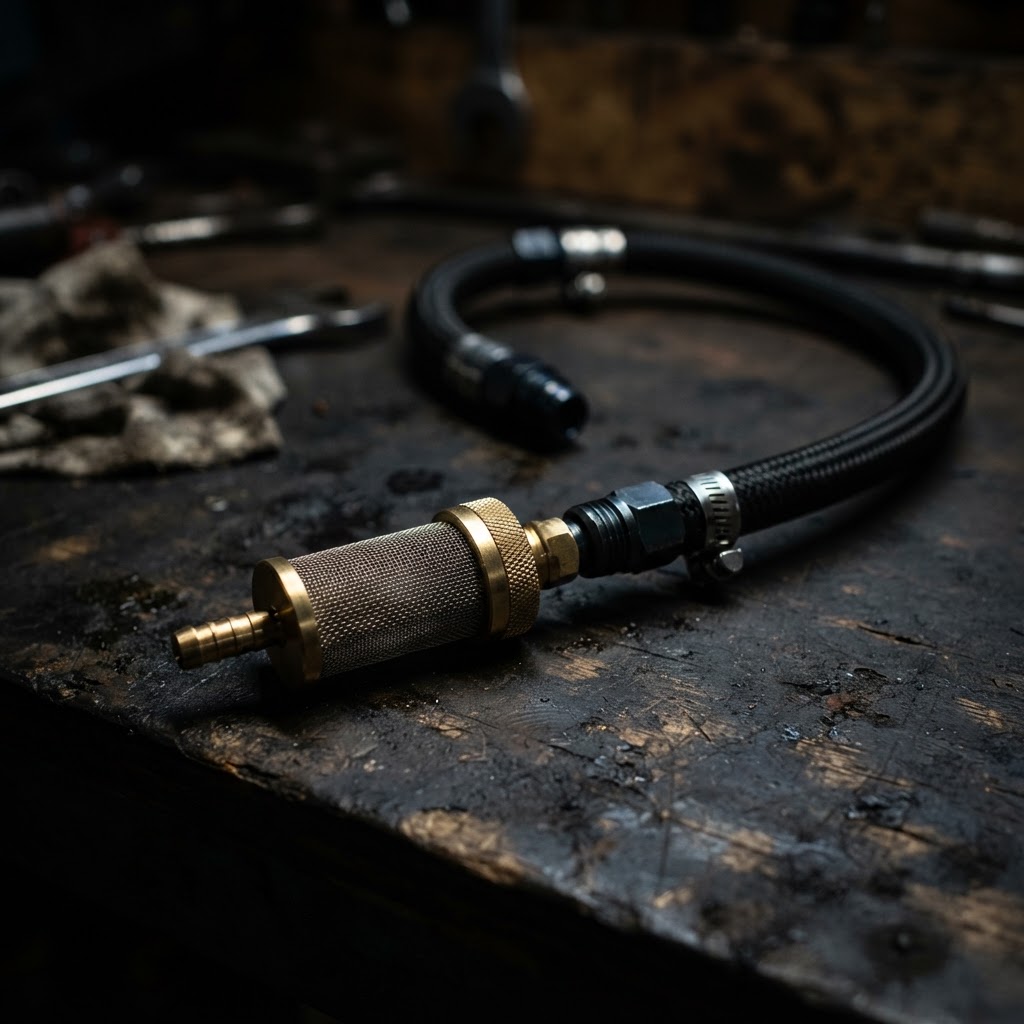
Fuel Line and Pickup Filter Kit
These components are essential to replace if the old filter has become clogged with debris or if fuel lines have cracked, ensuring a steady, unobstructed flow of fuel to the engine.
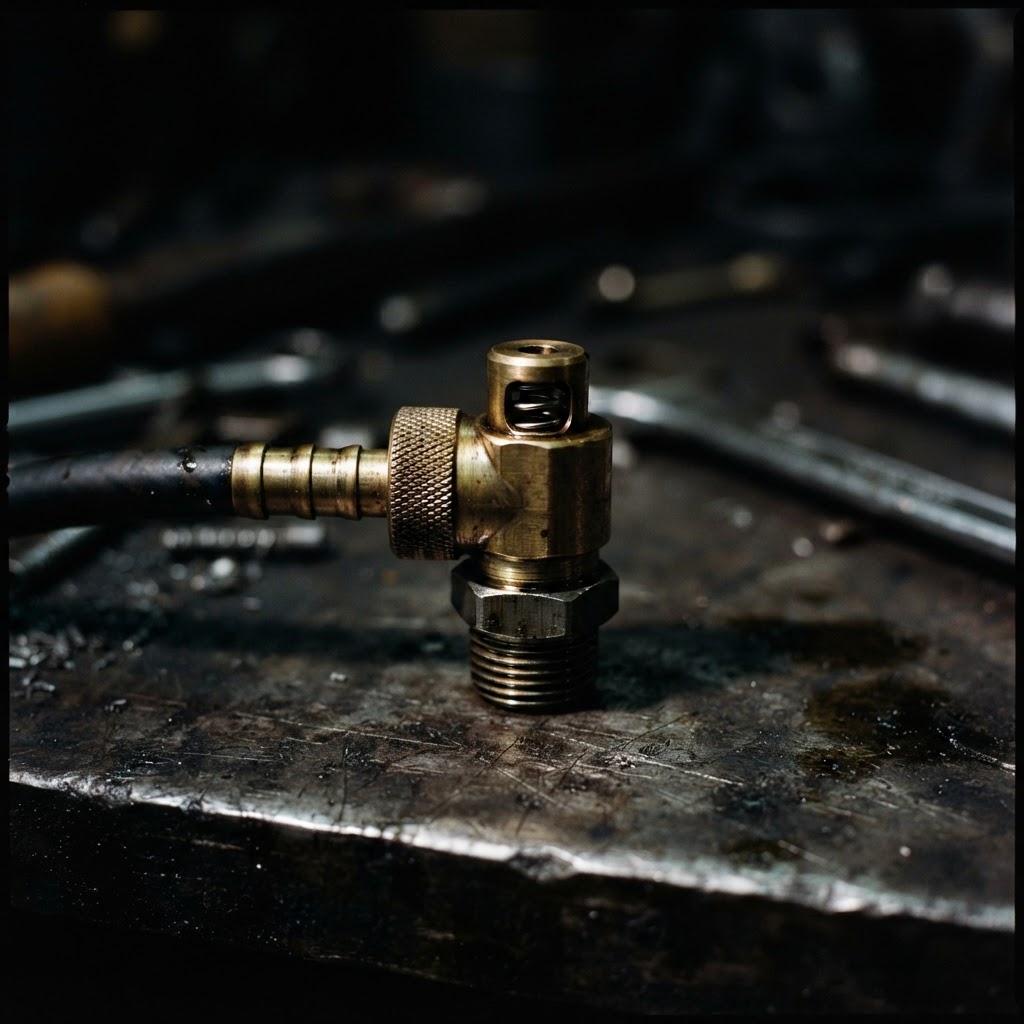
Fuel Tank Vent/Check Valve
If the tank is failing to breathe, this replacement part prevents a vacuum from forming inside the fuel reservoir, which is a common cause for engines to start and immediately die.
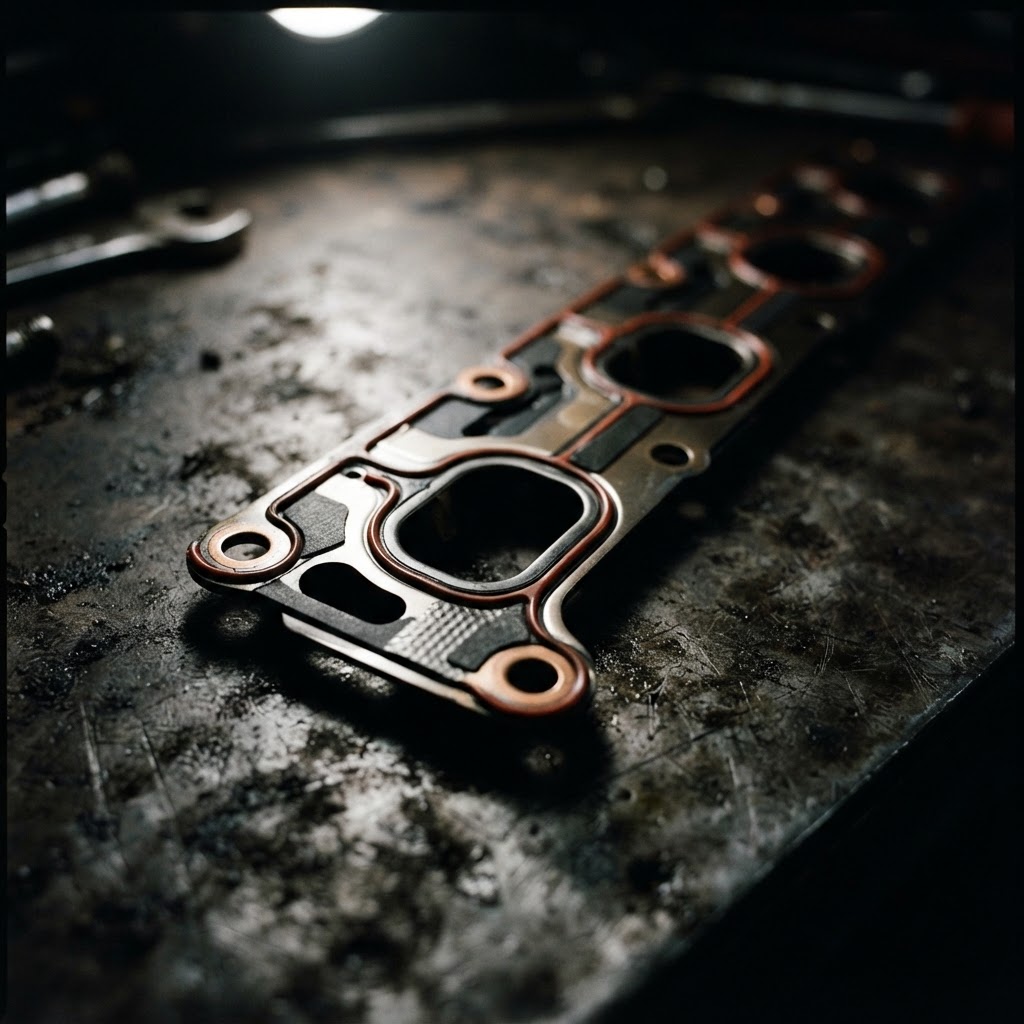
Intake Manifold Gasket
A damaged or dried-out gasket allows unmetered air to enter the engine, necessitating a replacement to restore the proper air-fuel mixture and seal the intake system.
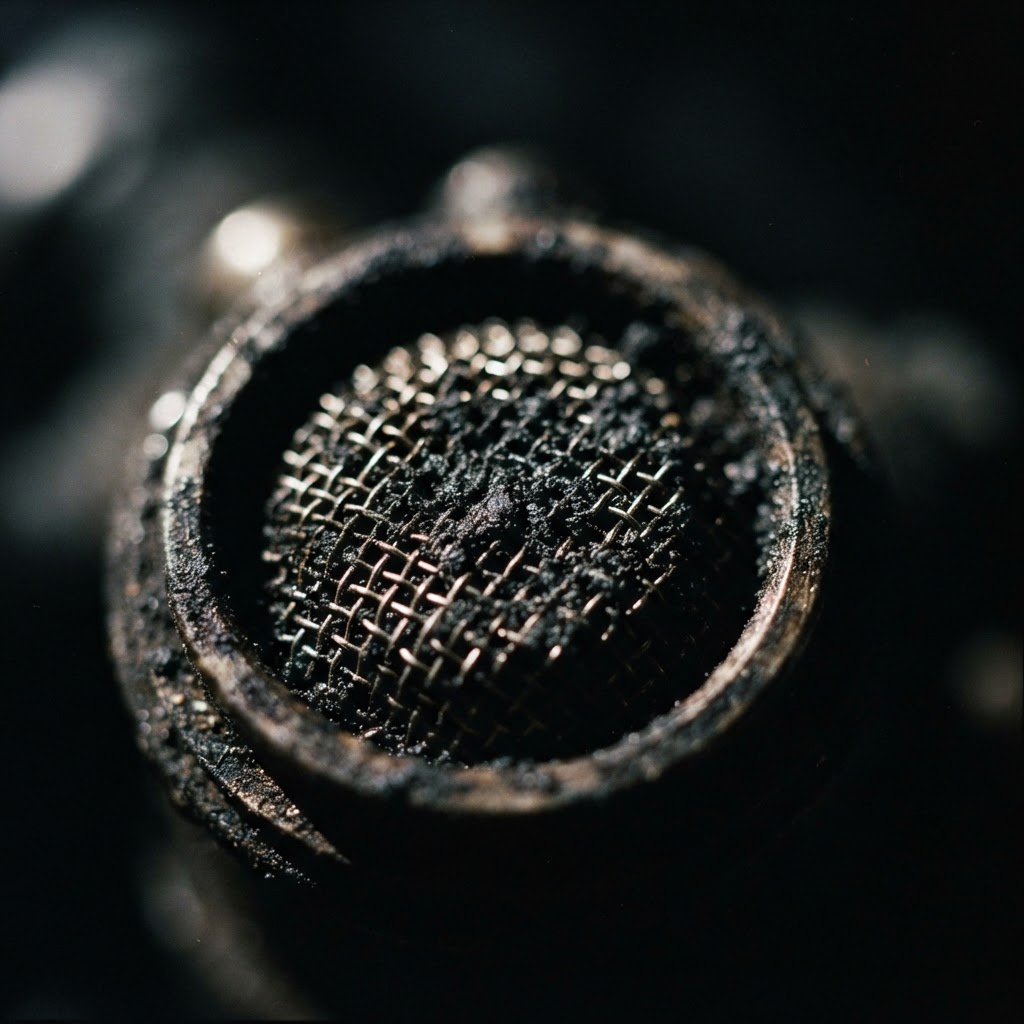
Spark Arrestor Screen
Replacing a carbon-fouled screen clears the exhaust path, allowing the engine to breathe properly and preventing the backpressure that causes an engine to cut out shortly after ignition.
Affiliate Disclosure: Lil Engine may earn commissions from qualifying purchases.
Pro Tips from the Community
Real-world fixes from Reddit, YouTube & forums.
"If it starts and dies, check the fuel cap vent by loosening it while running; if it stays running, you have a vacuum lock in the tank."
Reddit r/smallengines"Check the spark arrestor screen in the muffler; if it's carbon-clogged, the engine can't breathe and will kill itself under load."
LawnSite.com Forum"Always inspect the fuel lines for microscopic hairline cracks because they suck air instead of gas, causing a lean condition that stalls the motor."
DoItYourself.com"Try adjusting the low-speed mixture needle a quarter turn rich; if the engine stays running, your carburetor's internal passages are likely gummed up with ethanol residue."
YouTube commentsPrevent This From Coming Back
Always use non-ethanol fuel with a quality synthetic two-cycle oil mix
Drain the fuel tank completely and run the engine dry before seasonal storage
Replace the fuel filter at least once per season or every 50 hours of use
Keep the air filter clean to prevent the carburetor from pulling too much vacuum on a restricted path
Prevent This From Happening Again
While you're fixing it, stock up on the maintenance essentials that keep your leaf blowers running right.
2-Cycle Oil
Correct mix ratio prevents engine damage and starting problems.
Get on AmazonSpark Plug
A fouled plug is the #1 cause of hard starting in leaf blowers.
Get on AmazonFuel Stabilizer
Prevents fuel breakdown during off-season storage.
Get on AmazonAffiliate Disclosure: Lil Engine may earn commissions from qualifying purchases.
Frequently Asked Questions
Rarely. A bad plug usually results in a complete no-start or misfire; if it starts and dies, the issue is almost certainly fuel or air delivery.
Video Help
Helpful videos showing these repairs in action.
Share Your Repair
Real-world fixes help everyone. Share what worked and your repair becomes part of Lil Engine's community database.
Related Problems
More Leaf Blowers GuidesRelated Maintenance Articles
Related Symptoms
Stalling / Dies
Carburetor / Fuel Issues
Related Searches
Leaf Blowers Troubleshooting
Did this help?
Your feedback helps improve guides for everyone.