Generac Generator Surging
⚡ Quick Answer
A surging generator is almost always caused by a restricted fuel supply or an air leak that prevents the engine from maintaining a steady RPM. Start by checking your fuel quality and cleaning the carburetor, as old fuel is the most common culprit.
What do you want to do?
Most Likely Cause
Clogged Carburetor Pilot Jet
The pilot jet is a tiny orifice responsible for low-to-mid range fueling. If ethanol-blended fuel has sat for more than 30 days, varnish deposits form here, causing the lean condition that induces surging.
Start here — this is the most common reason for this symptom.
Why This Problem Happens
Generac generator surging is fundamentally a hunt for stoichiometric equilibrium within the internal combustion engine. When a generator fluctuates in RPM, it signifies that the governor system is constantly attempting to compensate for an inconsistent air-fuel mixture or a varying engine load. In most Generac OHV engines, the governor is a mechanical flyweight system tasked with maintaining a constant 3600 RPM to produce 60Hz current. When the fuel delivery is restricted—typically by varnish buildup in the pilot jet of the Nikki or Huayi carburetor—the engine begins to lean out. The resulting loss of power causes the RPM to drop, which triggers the governor to open the throttle. As the throttle opens, the engine momentarily pulls enough fuel to recover, the RPM spikes, and the governor closes the throttle again. This perpetual cycle of starving, over-compensating, and spiking manifests as a rhythmic oscillation, often exacerbated by the sensitive electronics of the Generac alternator sensing the voltage fluctuation and attempting to regulate field current, further straining the engine load.
Common Symptoms
- Rhythmic increase and decrease in engine RPM
- Erratic frequency output causing light flicker
- Engine hunts for idle without a load
- Black smoke intermittently from the exhaust
- Stalling when high-wattage appliances are connected
Before You Buy Parts
Quick, free inspections — check these first. Most repairs don't actually need replacement parts.
Complete Resource Guide
Complete Generator Troubleshooting & Repair Guide
Brand Resource Hub
Generac Troubleshooting & Repair Guide
Repair Overview
1–2 hours
$15–$50
First Checks — Start Here
- 1Check the fuel level and ensure the gas is fresh
- 2Ensure the choke lever is set to the 'Run' position
- 3Inspect the air filter for clogs or dirt
- 4Check for loose vacuum hoses near the carburetor
- 5Verify the generator is not overloaded
Safety Warnings
- !Work in a well-ventilated area away from sparks, and always wear chemical-resistant gloves.
- !Do not use steel needles or wire as they can widen the jet, causing permanent rich running conditions.
- !Keep flammable sprays away from the exhaust manifold to avoid fire.
- !Ensure the engine is completely cool before touching linkage components near the exhaust.
- !Use needle-nose pliers to avoid pinching fingers during spring installation.
- !Ensure the engine is off and the spark plug wire is disconnected.
- !Ignoring the fuel filter, which may be partially clogged
Always disconnect the spark plug, work in a well-ventilated area, and consult a professional if unsure.
Most Likely Causes
Ranked by likelihood — tap each to see diagnosis details.
The pilot jet is a tiny orifice responsible for low-to-mid range fueling. If ethanol-blended fuel has sat for more than 30 days, varnish deposits form here, causing the lean condition that induces surging.
Ethanol is hygroscopic and pulls moisture from the air, creating a phase-separated mixture that won't combust consistently. This inconsistent BTU output forces the governor to hunt as the engine struggles to maintain timing.
🔧 Step-by-Step Fix Guide
Drain and Flush Fuel System
Remove the fuel line from the petcock and drain all old fuel into a container. Refill with fresh, high-octane non-ethanol fuel and add a fuel system cleaner like Sea Foam to dissolve light varnish.
Work in a well-ventilated area away from sparks, and always wear chemical-resistant gloves.
Clean or Replace Pilot Jet
Remove the carburetor bowl and locate the pilot jet. Use a fine piece of copper wire or carburetor dip to clear the orifice, ensuring you can see light through the hole before reinstalling.
Do not use steel needles or wire as they can widen the jet, causing permanent rich running conditions.
Inspect Intake Gaskets
With the engine running, spray a small amount of carburetor cleaner near the intake manifold gaskets. If the engine RPM changes, you have found a vacuum leak that must be sealed by replacing the gasket.
Keep flammable sprays away from the exhaust manifold to avoid fire.
Adjust Governor Linkage
Check for binding in the throttle linkage. Ensure the governor arm moves freely without touching the plastic air cleaner housing or frame components.
Ensure the engine is completely cool before touching linkage components near the exhaust.
Verify Governor Spring Tension
Compare the current governor spring tension to factory specifications. If the spring appears stretched or fails the 'snap-back' test, replace it with an OEM Generac spring.
Use needle-nose pliers to avoid pinching fingers during spring installation.
Perform a 'Static' Governor Adjustment
Loosen the governor arm nut, push the arm to the wide-open throttle position, and rotate the governor shaft fully in the same direction. Tighten the nut securely to reset the relationship between the shaft and the arm.
Ensure the engine is off and the spark plug wire is disconnected.
What To Test Next
If the air filter and fuel are good, the next thing to inspect is the carburetor — a partially clogged main jet or a leaking intake gasket is the leading cause of steady surging.
Component Reference

Carburetor & Fuel Intake
The carburetor mixes air and fuel for combustion. A clogged jet or stuck float is the #1 cause of small engine starting and surging problems.

Spark Plug & Ignition System
The spark plug ignites the air-fuel mixture. A fouled plug, wrong gap, or failing ignition coil will prevent the engine from firing.

Air Filter & Intake
A clogged air filter starves the engine of air, causing rich running, power loss, and hard starting. Inspect and clean or replace it each season.

Fuel System
Stale fuel is the most common cause of seasonal starting failures. Fuel breaks down in 30 days, leaving varnish that clogs carburetor jets and fuel filters.
Photos for educational reference. Actual parts may vary by make and model.
Common Mistakes to Avoid
Using generic carburetor rebuild kits with incorrect jet sizes
Adjusting the governor set screw while the engine is running
Ignoring the fuel filter, which may be partially clogged
Over-tightening the carburetor mounting bolts and cracking the plastic intake spacer
If This Didn't Fix It
Still having trouble? These are the next things to check:
Get the Exact Parts for Your Machine
Tell us your equipment's year, make, and model — we'll search for parts that actually fit, not generic ones.
Finding parts for
Generac generator
Required Gear
Matched to your Generac generator — click to find the exact fit on Amazon.
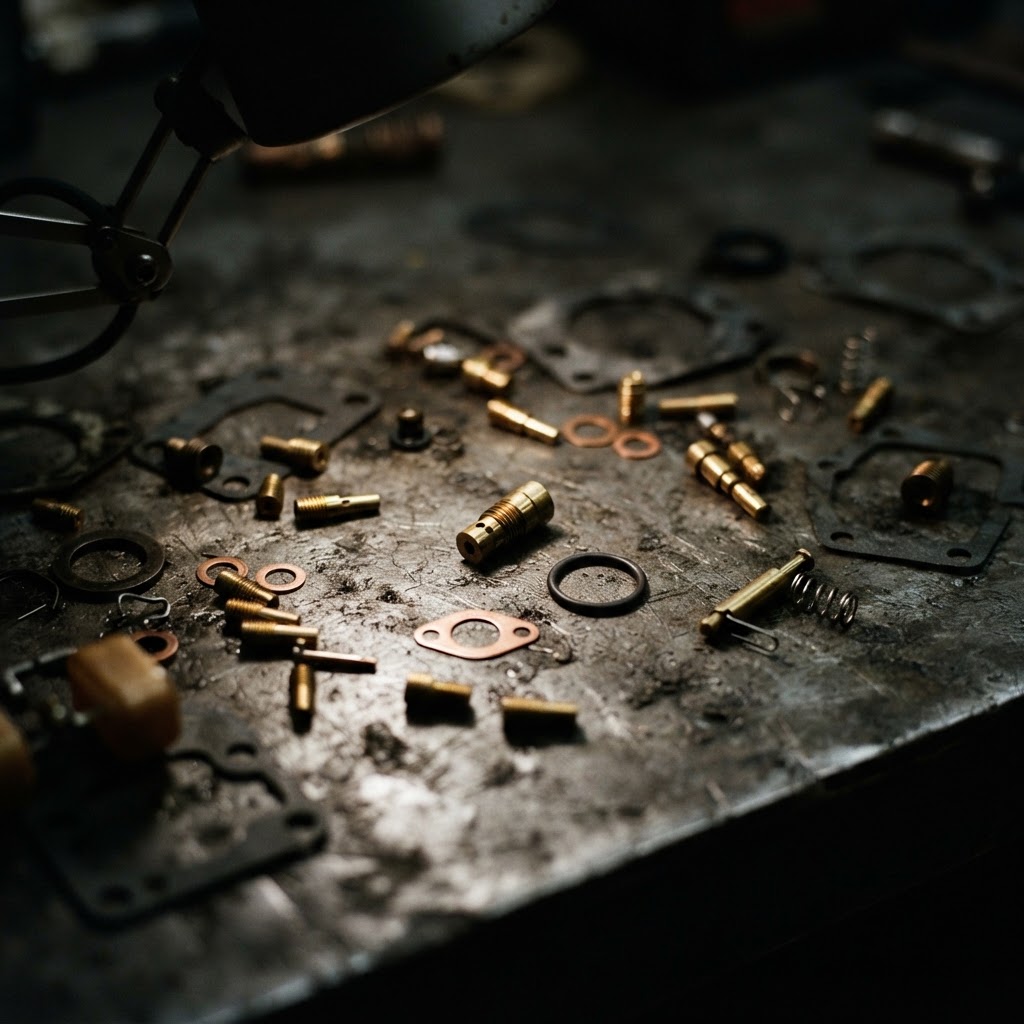
Carburetor Rebuild Kit
This kit contains the necessary gaskets, needles, and jets required to clear internal obstructions in the pilot circuit that cause engine surging.
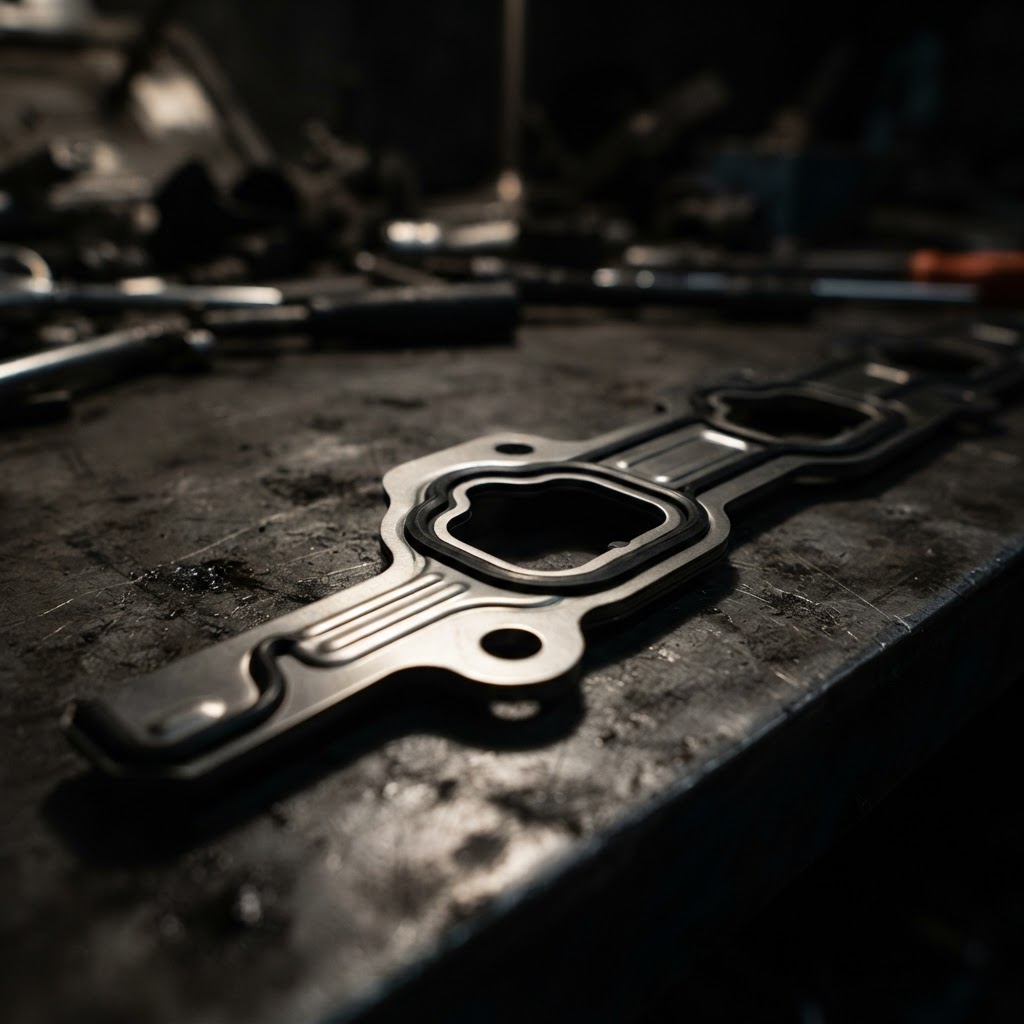
Intake Manifold Gasket
Replacing this gasket is essential to eliminate vacuum leaks between the carburetor and engine block, which is a primary cause of erratic idle and surging.
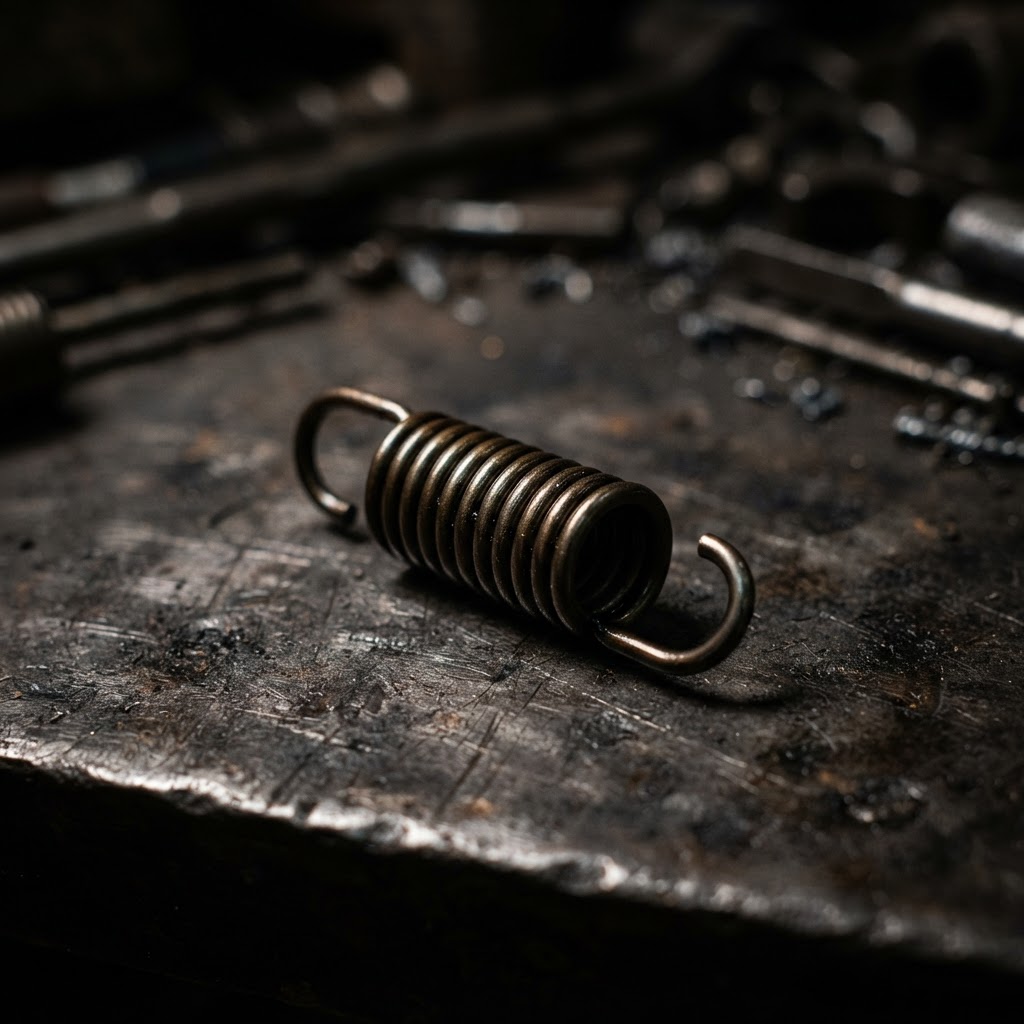
Governor Spring
Over time, these springs lose their tension, preventing the governor from properly compensating for load changes and resulting in unstable engine RPMs.

Fuel System Stabilizer/Cleaner
This additive helps dissolve residual varnish and gum deposits from the fuel system after the tank has been drained to ensure clean fuel flow to the carburetor.
Affiliate Disclosure: Lil Engine may earn commissions from qualifying purchases.
Pro Tips from the Community
Real-world fixes from Reddit, YouTube & forums.
"Check for a vacuum leak around the intake manifold gasket first, as a small air leak is the number one cause of hunting at idle."
DoItYourself.com"If the unit surges under load but not at idle, the high-speed jet is partially clogged with varnish and needs a cleaning with a thin strand of wire."
TractorByNet"Always check the governor linkage springs for excessive play or weak tension, as they can lose their spring rate over time and cause the engine to over-correct."
Reddit r/smallengines"Replace the fuel cap with a vented one or loosen the current one during a surge; if it stops, you have a restricted fuel tank vent creating a vacuum lock."
YouTube commentsPrevent This From Coming Back
Use non-ethanol fuel exclusively in portable generators
Add a high-quality fuel stabilizer during every fill-up
Run the generator until the fuel bowl is dry before long-term storage
Replace the spark plug and air filter annually to maintain optimal combustion pressure
Prevent This From Happening Again
While you're fixing it, stock up on the maintenance essentials that keep your generators running right.
Fuel Stabilizer
Generators sit unused for months — stabilizer prevents stale fuel issues.
Get on AmazonSpark Plug
Replace yearly so your generator starts instantly in an emergency.
Get on AmazonSmall Engine Oil
Check oil level before each use — low oil shuts down the engine.
Get on AmazonAffiliate Disclosure: Lil Engine may earn commissions from qualifying purchases.
Frequently Asked Questions
Yes, but usually only if the load is unstable or exceeds the generator's capacity. If the unit surges at no-load, the issue is internal to the engine or carburetor.
Video Help
Helpful videos showing these repairs in action.
Share Your Repair
Real-world fixes help everyone. Share what worked and your repair becomes part of Lil Engine's community database.
Related Problems
More Generators GuidesRelated Maintenance Articles
Related Symptoms
Oil or Fuel Leak
Surging / Hunting
Carburetor / Fuel Issues
Related Searches
Generac generator Guides
Did this help?
Your feedback helps improve guides for everyone.