Honda Foreman 520 Stuck In 4wd
⚡ Quick Answer
If your Honda Foreman 520 is stuck in 4WD, it may be due to a faulty actuator, a stuck lever, or an electrical issue. Begin by checking the actuator and ensuring the lever is not jammed or damaged.
What do you want to do?
Most Likely Cause
Corroded Actuator Wiring Harness
The connector located near the front differential is prone to water ingress. Inspect the pins for green crusty oxidation, which creates high resistance and prevents the ECU from receiving the feedback signal.
Start here — this is the most common reason for this symptom.
Why This Problem Happens
The Honda Foreman 520 utilizes an electronic 4WD engagement system, known as TraxLok, which relies on a sophisticated feedback loop between the ECU, the shift actuator motor, and various sensor inputs. When you toggle the 4WD switch, the ECU sends a signal to the gear-driven shift motor mounted on the front differential housing. This motor rotates a shift fork inside the differential, mechanically locking the front axles to the propeller shaft. The system relies on a gear position sensor to confirm the shift has occurred. If this sensor fails to provide a signal, or if the internal shift fork mechanism becomes bound by debris, corrosion, or mechanical wear, the ECU keeps the motor energized or halts the cycle entirely to prevent damage. Essentially, the Foreman enters a 'fail-safe' mode, locking the system in its current state, which, in the case of a failed sensor or motor, is usually 4WD. This creates a parasitic load on the drivetrain and results in poor handling.
Common Symptoms
- Steering feels heavy or resists turning on high-traction surfaces
- 4WD indicator light flashing on the dash display
- Audible 'clicking' or 'thumping' noise from the front diff when turning
- Vehicle remains in 4WD even after toggling the handlebar switch
- Premature tire wear on the front end
Before You Buy Parts
Quick, free inspections — check these first. Most repairs don't actually need replacement parts.
Complete Resource Guide
Complete Small Engines Troubleshooting Guide
Brand Resource Hub
The Ultimate Honda Small Engine Repair & Service Hub
Repair Overview
1–2 hours
$0–$150
First Checks — Start Here
- 1Check the 4WD lever for obstruction.
- 2Inspect the actuator for damage or corrosion.
- 3Ensure the battery is fully charged.
- 4Look for any loose or damaged wiring.
- 5Test the functionality of the 4WD switch.
Safety Warnings
- !Always ensure the ignition is in the OFF position before handling fuses or electrical connectors.
- !Do not use excessive force when disconnecting, as the plastic tabs become brittle in cold temperatures.
- !Wear safety glasses when working near the battery to avoid acid contact.
- !Keep hands and clothing away from moving suspension parts.
- !Ensure the vehicle is securely blocked up so it cannot roll during testing.
- !Do not apply excessive force to the internal shift tab to avoid snapping the fork pin.
- !Ignoring electrical connectivity in favor of mechanical teardowns
Always disconnect the spark plug, work in a well-ventilated area, and consult a professional if unsure.
Most Likely Causes
Ranked by likelihood — tap each to see diagnosis details.
The connector located near the front differential is prone to water ingress. Inspect the pins for green crusty oxidation, which creates high resistance and prevents the ECU from receiving the feedback signal.
This sensor tracks the rotation of the shift actuator. If the internal potentiometer wipers have worn out or broken, the ECU loses its reference point and defaults to a safe locked state.
🔧 Step-by-Step Fix Guide
Check the 4WD System Fuse
Locate the fuse block under the front access panel and identify the 10A fuse labeled '4WD' or 'TraxLok'. Use a multimeter to test for continuity, as a blown fuse will prevent the actuator from ever attempting to disengage.
Always ensure the ignition is in the OFF position before handling fuses or electrical connectors.
Inspect the Actuator Connector
Trace the harness from the differential motor to the primary connector. Disconnect it and spray the terminals with CRC QD Electronic Cleaner, then inspect for bent pins or damaged wire insulation.
Do not use excessive force when disconnecting, as the plastic tabs become brittle in cold temperatures.
Verify Battery Voltage
The TraxLok system is sensitive to low voltage; anything below 12.4V can cause ECU glitches. Use a digital multimeter to verify that the battery is holding a charge under load.
Wear safety glasses when working near the battery to avoid acid contact.
Perform an Actuator 'Click' Test
With the ignition key on and the transmission in neutral, toggle the 4WD switch while an assistant listens near the front differential. A crisp 'click' suggests the motor is receiving power, while total silence suggests an electrical supply issue.
Keep hands and clothing away from moving suspension parts.
Test Gear Position Sensor
Use a multimeter to check for resistance changes on the sensor wires while manually rotating the actuator shaft. If the resistance stays flat or open, the sensor is internally faulted.
Ensure the vehicle is securely blocked up so it cannot roll during testing.
Manually Override the Differential
Remove the actuator motor and use a flat-head screwdriver to gently rotate the shift mechanism on the differential. If the mechanism moves freely, the issue is likely within the motor assembly, not the differential internals.
Do not apply excessive force to the internal shift tab to avoid snapping the fork pin.
What To Test Next
If the basics check out, verify spark, fuel delivery, and compression in that order — the three essentials of any combustion engine.
Component Reference

Carburetor & Fuel Intake
The carburetor mixes air and fuel for combustion. A clogged jet or stuck float is the #1 cause of small engine starting and surging problems.

Spark Plug & Ignition System
The spark plug ignites the air-fuel mixture. A fouled plug, wrong gap, or failing ignition coil will prevent the engine from firing.

Oil & Lubrication System
Regular oil changes are critical. Low or dirty oil causes engine wear, overheating, and eventual seizure. Check the dipstick before every season.

Electrical & Starting System
The battery, solenoid, and starter motor work together to crank the engine. A weak battery or corroded connection is often mistaken for a fuel or spark problem.
Photos for educational reference. Actual parts may vary by make and model.
Common Mistakes to Avoid
Replacing the entire differential when the issue is just a $20 sensor
Ignoring electrical connectivity in favor of mechanical teardowns
Using aggressive degreasers that damage delicate rubber seals on the actuator
Over-torquing the actuator mounting bolts, which cracks the plastic housing
If This Didn't Fix It
Still having trouble? These are the next things to check:
Get the Exact Parts for Your Machine
Tell us your equipment's year, make, and model — we'll search for parts that actually fit, not generic ones.
Finding parts for
honda foreman 520 stuck in 4wd
Required Gear
Matched to your honda foreman 520 stuck in 4wd — click to find the exact fit on Amazon.
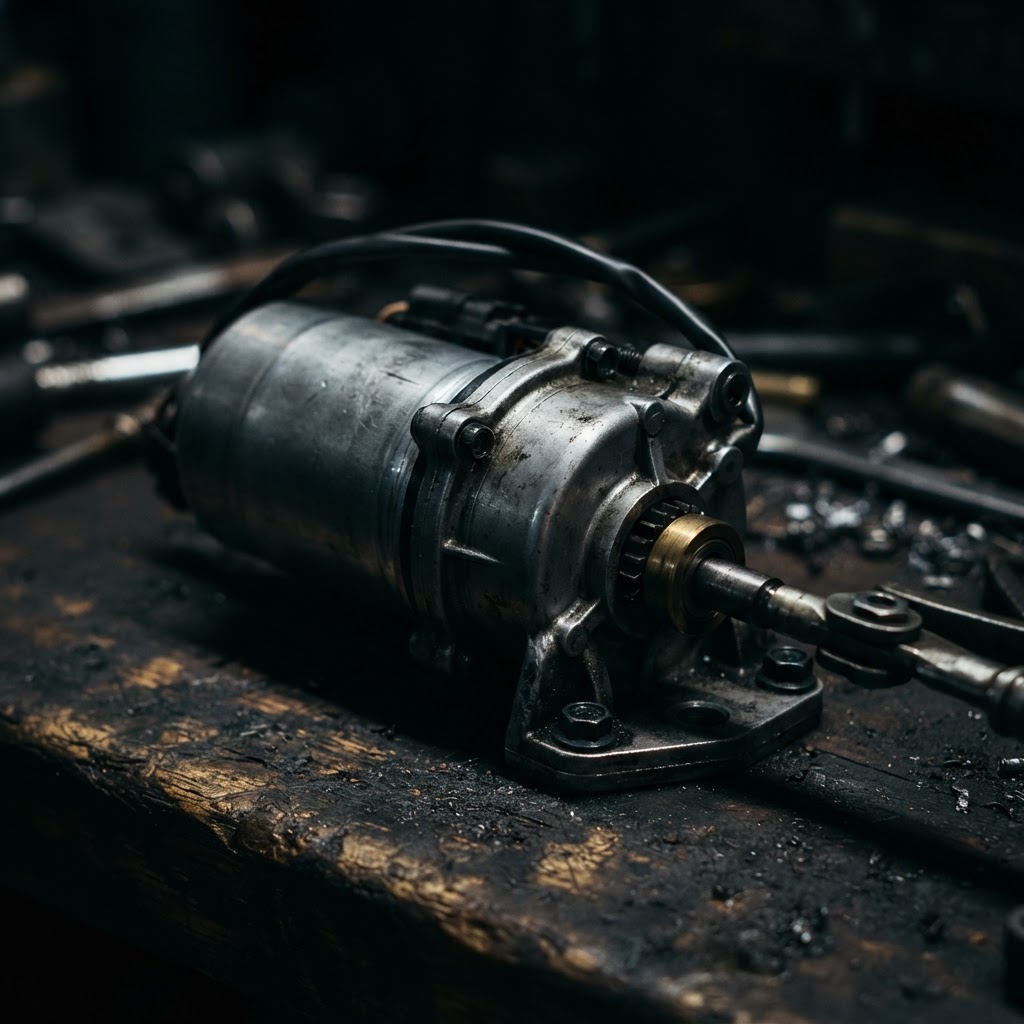
TraxLok 4WD Actuator Motor
If the actuator gears are stripped or the motor has failed internally, this unit is required to restore the physical engagement and disengagement of the front differential.
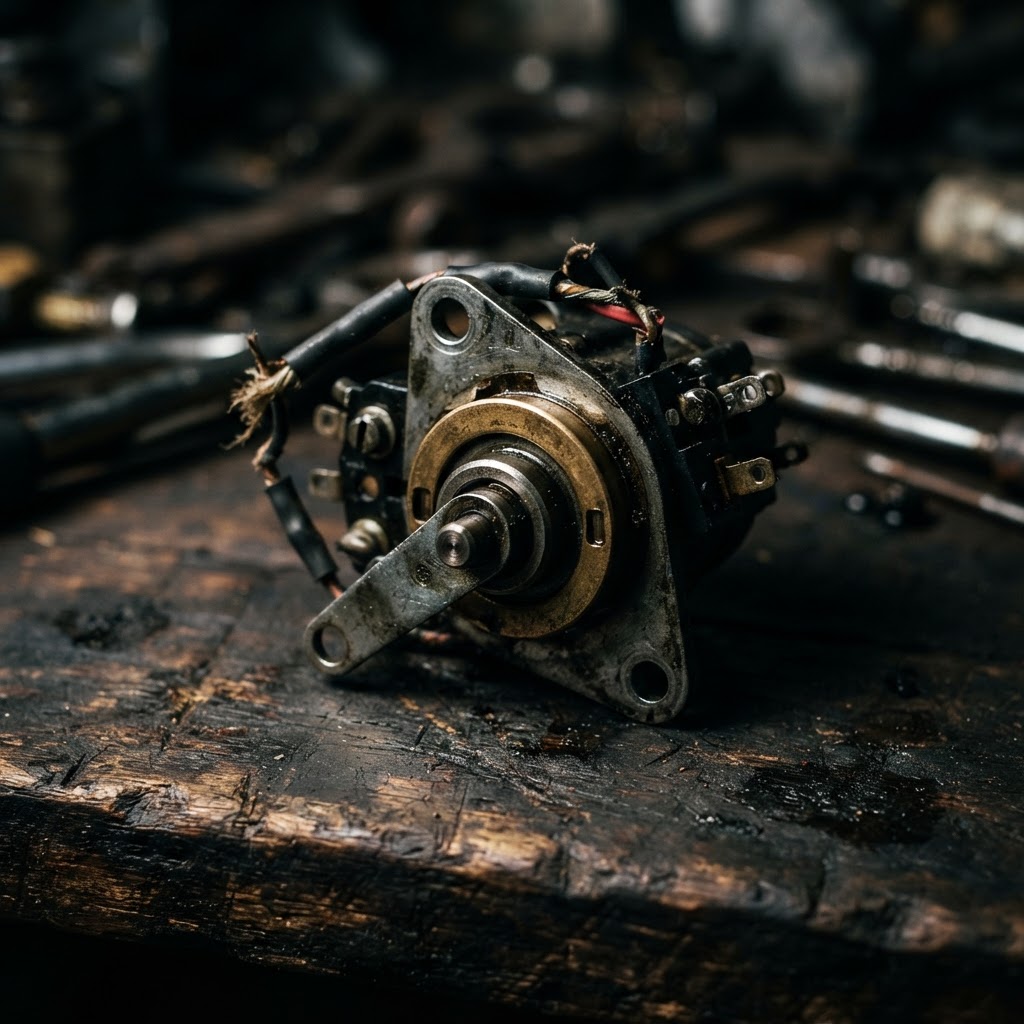
Gear Position Sensor
This sensor communicates the transmission status to the ECU; if it fails, the system cannot confirm the gear position, often causing the 4WD system to lock up or default to a safe state.

Dielectric Grease
This is essential when repairing or replacing the corroded actuator wiring harness connector to prevent future moisture intrusion and electrical resistance issues at the connection point.
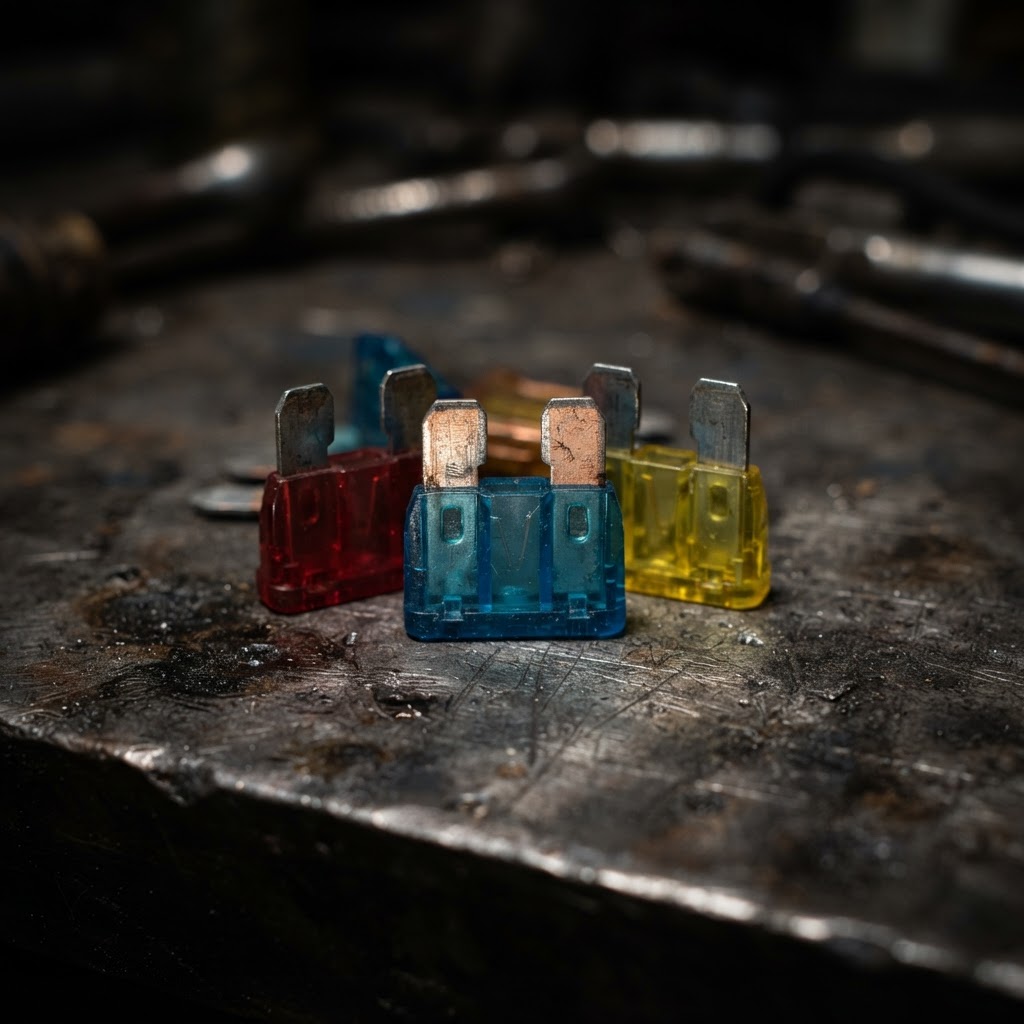
OEM ATC Blade Fuses
Replacing a blown fuse is the first step in diagnosing an electrical fault in the TraxLok system, and having a spare ensures the circuit remains protected after the fault is cleared.
Affiliate Disclosure: Lil Engine may earn commissions from qualifying purchases.
Pro Tips from the Community
Real-world fixes from Reddit, YouTube & forums.
"Check the linkage under the ATV; sometimes it just gets stuck from mud or debris."
Reddit r/ATV"Make sure the front differential is properly engaged; you can do this by pushing down on the lever while rocking the bike slightly."
YouTube comments"Inspect the speed sensor; if it's malfunctioning, it can prevent the 4WD system from disengaging."
LawnSite.com Forum"Try turning the handlebars left and right while attempting to shift out of 4WD — it can relieve tension on the system."
TractorByNet ForumPrevent This From Coming Back
Apply dielectric grease to all 4WD electrical connectors annually
Change the front differential gear oil every 100 hours to prevent sludge buildup
Avoid power-washing directly into the actuator housing seams
Cycle the 4WD switch periodically if you live in a dry climate to prevent corrosion
Prevent This From Happening Again
While you're fixing it, stock up on the maintenance essentials that keep your small engines running right.
Spark Plug
The cheapest, fastest fix for most small engine starting problems.
Get on AmazonCarburetor Cleaner
Cleaning the carb is the #1 fix for surging and stalling engines.
Get on AmazonFuel Stabilizer
Prevents the stale fuel problems that cause most seasonal no-starts.
Get on AmazonAffiliate Disclosure: Lil Engine may earn commissions from qualifying purchases.
Frequently Asked Questions
Yes, but avoid operating it on high-traction surfaces like dry pavement or concrete. The lack of a center differential will cause extreme stress on the axles and steering components.
Video Help
Helpful videos showing these repairs in action.
Share Your Repair
Real-world fixes help everyone. Share what worked and your repair becomes part of Lil Engine's community database.
Related Problems
More Small Engines GuidesRelated Maintenance Articles
Related Searches
Honda small engine Guides
Did this help?
Your feedback helps improve guides for everyone.