Echo Weed Eater Cranks But Won't Start — Fuel, Spark, and Exhaust Diagnosis
⚡ Quick Answer
When an Echo trimmer cranks but won't fire, the most frequent culprit is a clogged spark arrestor screen or hardened carburetor diaphragms caused by ethanol fuel. First, remove the muffler's small screen to see if it's blocked with carbon, then check for a strong blue spark at the plug (gap 0.024-0.026 inches). If you have spark and exhaust flow, your issue is likely a fuel delivery failure within the Zama or Walbro carburetor metering chamber.
What do you want to do?
Most Likely Cause
Clogged Carburetor Screen
The tiny internal filter screen in Zama or Walbro carburetors often traps debris from degraded fuel lines. If blocked, the carburetor cannot draw fuel, preventing any ignition regardless of how many times you prime the bulb.
Start here — this is the most common reason for this symptom.
Why This Problem Happens
An Echo weed eater failing to start despite cranking usually indicates a breakdown in the delicate combustion triad: compression, ignition, and fuel-air ratio. Echo’s two-stroke engines rely on a crankcase-compression design where fuel is drawn into the engine via vacuum; if the crankcase seals or gaskets have perished, the engine cannot create enough pressure to draw fuel into the combustion chamber. Furthermore, Echo units are notorious for sensitive Zama or Walbro carburetor metering diaphragms; if these stiffen due to ethanol-blended fuel, the needle valve will not open, leaving the spark plug dry despite consistent priming. Similarly, restricted spark arrestors create backpressure that prevents fresh charge from entering the cylinder, effectively choking the engine by trapping exhaust gases inside the combustion chamber.
Common Symptoms
- Dry spark plug after repeated attempts
- Wet or fouled spark plug indicating flooding
- Soft or absent compression sensation on pull cord
- Intermittent 'coughing' but no sustained idle
- Fuel lines turning brittle or yellowing
Before You Buy Parts
Quick, free inspections — check these first. Most repairs don't actually need replacement parts.
Complete Resource Guide
Complete Weed Eaters Troubleshooting & Repair Guide
Brand Resource Hub
Echo Equipment Repair & Maintenance Hub | Lil Engine
Repair Overview
45–90 minutes
$10–$45
First Checks — Start Here
- 1Check fuel age; drain and replace with fresh 50:1 premix if older than 30 days
- 2Inspect the spark arrestor screen in the muffler for black carbon blockage
- 3Verify spark using a tester; looking for a crisp blue arc across a 0.025" gap
- 4Press primer bulb 8-10 times; ensure it fills with fuel and returns quickly
- 5Remove air filter and check for heavy fuel saturation or 'spitting' back through the carb
- 6Ensure the kill switch isn't shorted to the frame in the 'Run' position
Safety Warnings
- !Ensure the spark plug is firmly grounded to avoid accidental shock and prevent ignition of stray fuel vapors.
- !Work in a well-ventilated area and keep a fire extinguisher nearby when dealing with exposed fuel.
- !The muffler may be extremely hot if the engine was recently turned; wear heavy gloves.
- !Tighten the tester by hand only to prevent stripping the aluminum cylinder threads.
- !Carburetor cleaner is highly volatile and harmful to eyes; wear safety goggles at all times.
- !Always disconnect the spark plug wire before manipulating the flywheel area.
- !Replacing the carburetor before checking the fuel lines for leaks.
- !Using standard automotive gasoline instead of ethanol-free fuel.
- !Neglecting to replace the fuel filter inside the gas tank during service.
Always disconnect the spark plug, work in a well-ventilated area, and consult a professional if unsure.
Most Likely Causes
Ranked by likelihood — tap each to see diagnosis details.
The tiny internal filter screen in Zama or Walbro carburetors often traps debris from degraded fuel lines. If blocked, the carburetor cannot draw fuel, preventing any ignition regardless of how many times you prime the bulb.
Echo fuel lines are prone to hardening and cracking at the tank grommet. Small pinhole leaks break the vacuum seal, preventing the primer bulb from pulling fuel properly from the tank.
🔧 Step-by-Step Fix Guide
Test for Spark
Remove the spark plug, connect it to the boot, and ground the threads against the cylinder head. Pull the cord and look for a strong blue arc; a yellow or weak spark indicates a failing ignition module.
Ensure the spark plug is firmly grounded to avoid accidental shock and prevent ignition of stray fuel vapors.
Inspect Fuel Delivery
Ensure the primer bulb fills with fuel when pressed. If it stays empty, check the intake line inside the tank and the grommet seal for cracks or suction leaks.
Work in a well-ventilated area and keep a fire extinguisher nearby when dealing with exposed fuel.
Clean Spark Arrestor
Remove the muffler cover and extract the metal mesh screen. If it is charred or clogged, clean it with a wire brush or replace it entirely to ensure proper exhaust scavenging.
The muffler may be extremely hot if the engine was recently turned; wear heavy gloves.
Check Cylinder Compression
Use a small-engine compression tester by threading it into the spark plug hole. You should see at least 90-100 PSI; anything lower suggests worn rings or a scored piston.
Tighten the tester by hand only to prevent stripping the aluminum cylinder threads.
Carburetor Rebuild
Disassemble the carburetor and inspect the internal diaphragms and gaskets for tears or stiffness. Use a dedicated carburetor cleaner to blast out all passages, specifically the high and low-speed circuits.
Carburetor cleaner is highly volatile and harmful to eyes; wear safety goggles at all times.
Verify Timing
Check that the flywheel key is not sheared. A sheared key alters ignition timing, causing the engine to fail to start even if fuel and spark are present.
Always disconnect the spark plug wire before manipulating the flywheel area.
What To Test Next
If fuel delivery checks out, the next thing to inspect is spark — remove the spark plug, ground its threads to the engine block, and crank the engine to look for a visible blue spark.
Component Reference

Carburetor & Fuel Intake
The carburetor mixes air and fuel for combustion. A clogged jet or stuck float is the #1 cause of small engine starting and surging problems.

Spark Plug & Ignition System
The spark plug ignites the air-fuel mixture. A fouled plug, wrong gap, or failing ignition coil will prevent the engine from firing.

Oil & Lubrication System
Regular oil changes are critical. Low or dirty oil causes engine wear, overheating, and eventual seizure. Check the dipstick before every season.

Air Filter & Intake
A clogged air filter starves the engine of air, causing rich running, power loss, and hard starting. Inspect and clean or replace it each season.
Photos for educational reference. Actual parts may vary by make and model.
Common Mistakes to Avoid
Replacing the carburetor before checking the fuel lines for leaks.
Using standard automotive gasoline instead of ethanol-free fuel.
Over-tightening the carburetor mounting bolts and cracking the intake block.
Neglecting to replace the fuel filter inside the gas tank during service.
If This Didn't Fix It
Still having trouble? These are the next things to check:
Get the Exact Parts for Your Machine
Tell us your equipment's year, make, and model — we'll search for parts that actually fit, not generic ones.
Finding parts for
Echo weed eater cranks but
Required Gear
Matched to your Echo weed eater cranks but — click to find the exact fit on Amazon.
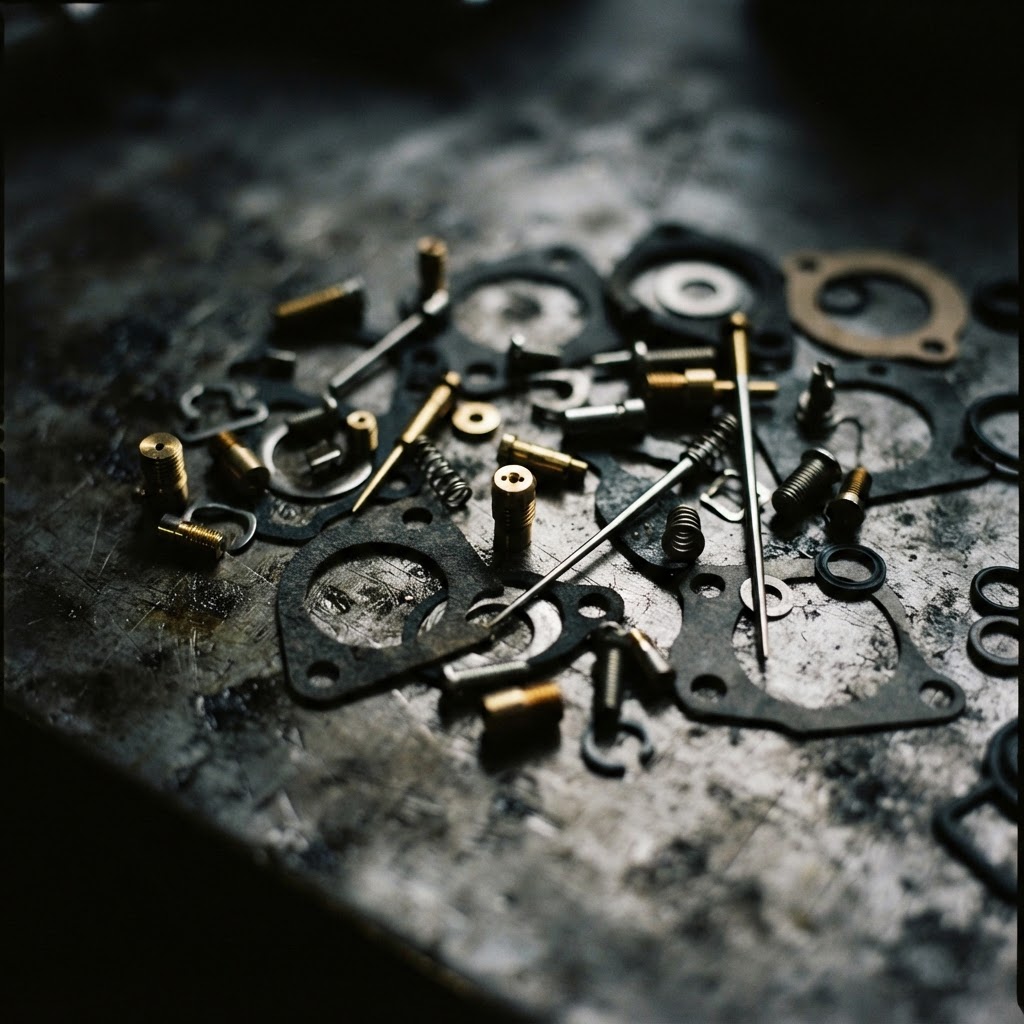
Carburetor Rebuild Kit
This kit provides the essential gaskets, metering diaphragm, and internal screens necessary to address fuel delivery issues caused by a clogged or deteriorated carburetor.
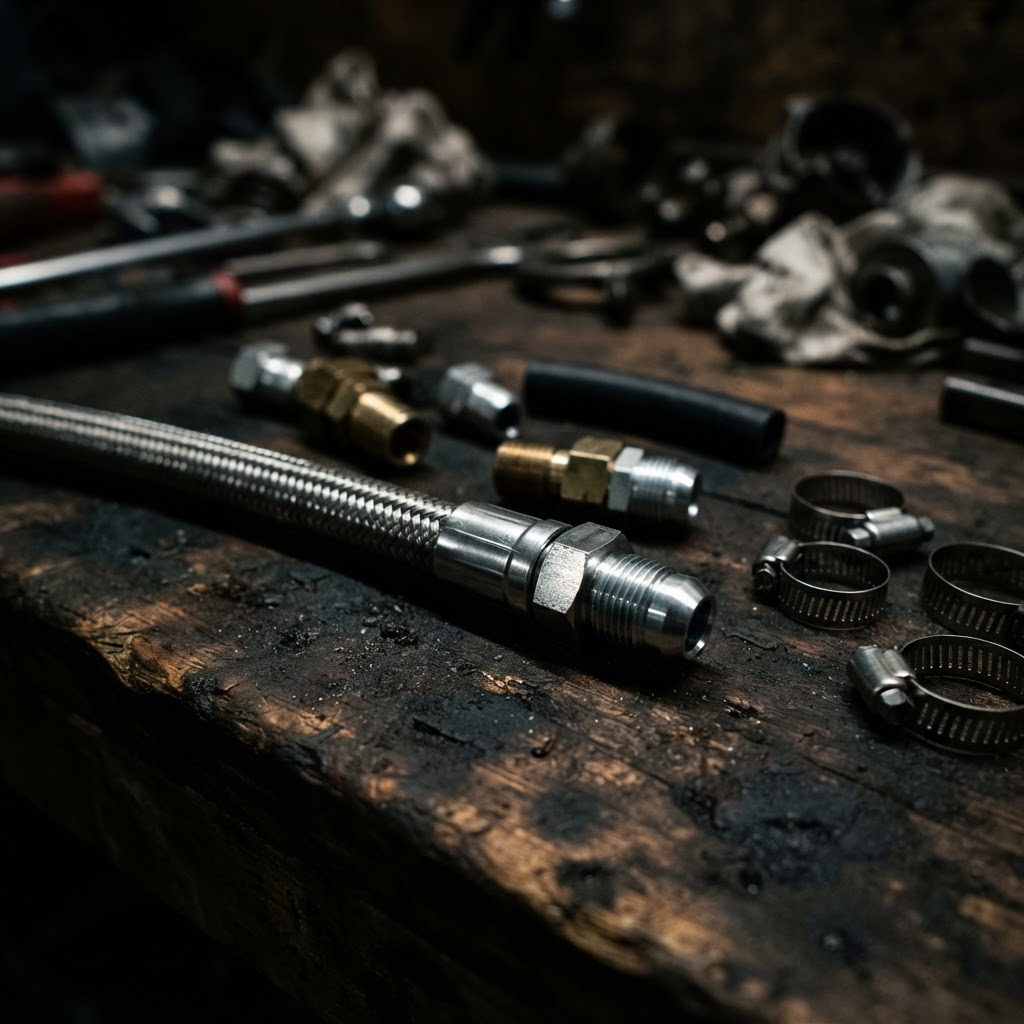
Fuel Line Replacement Kit
Old, brittle fuel lines often develop microscopic air leaks that prevent the carburetor from drawing fuel, making them a mandatory replacement during a fuel system overhaul.
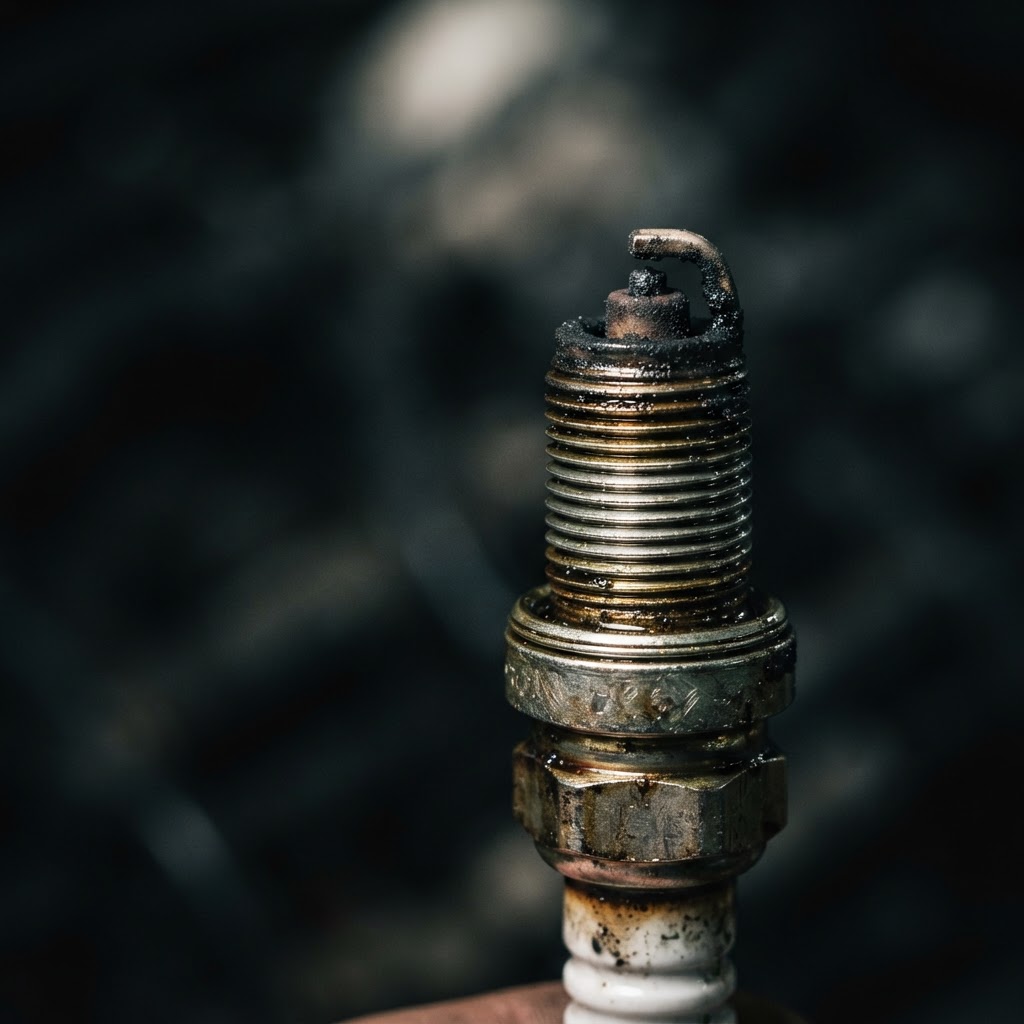
Spark Plug
A fouled or worn spark plug is a frequent cause of starting failure, and replacing it ensures a strong, reliable ignition spark after verifying the engine has compression.
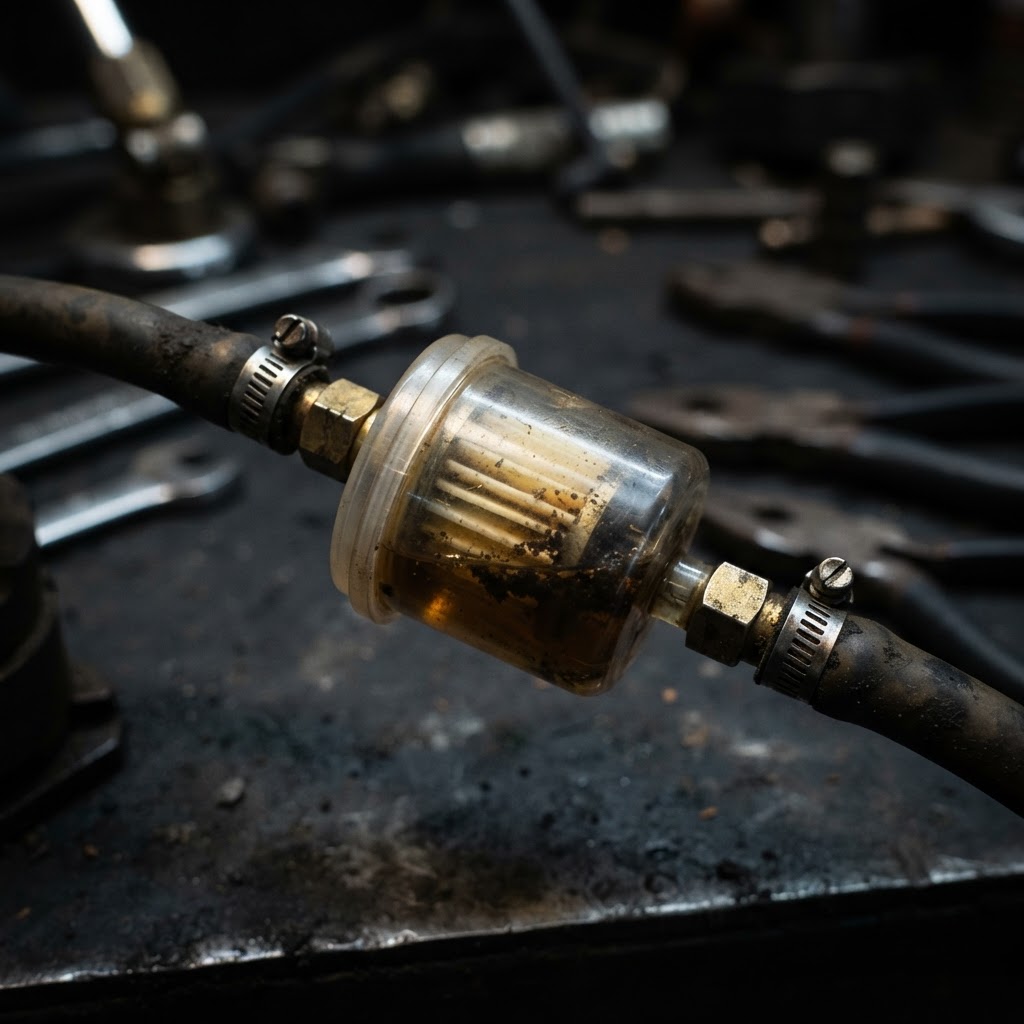
Fuel Filter
A restricted fuel filter prevents adequate flow to the carburetor, which is a common point of failure when troubleshooting an engine that cranks but fails to fire.
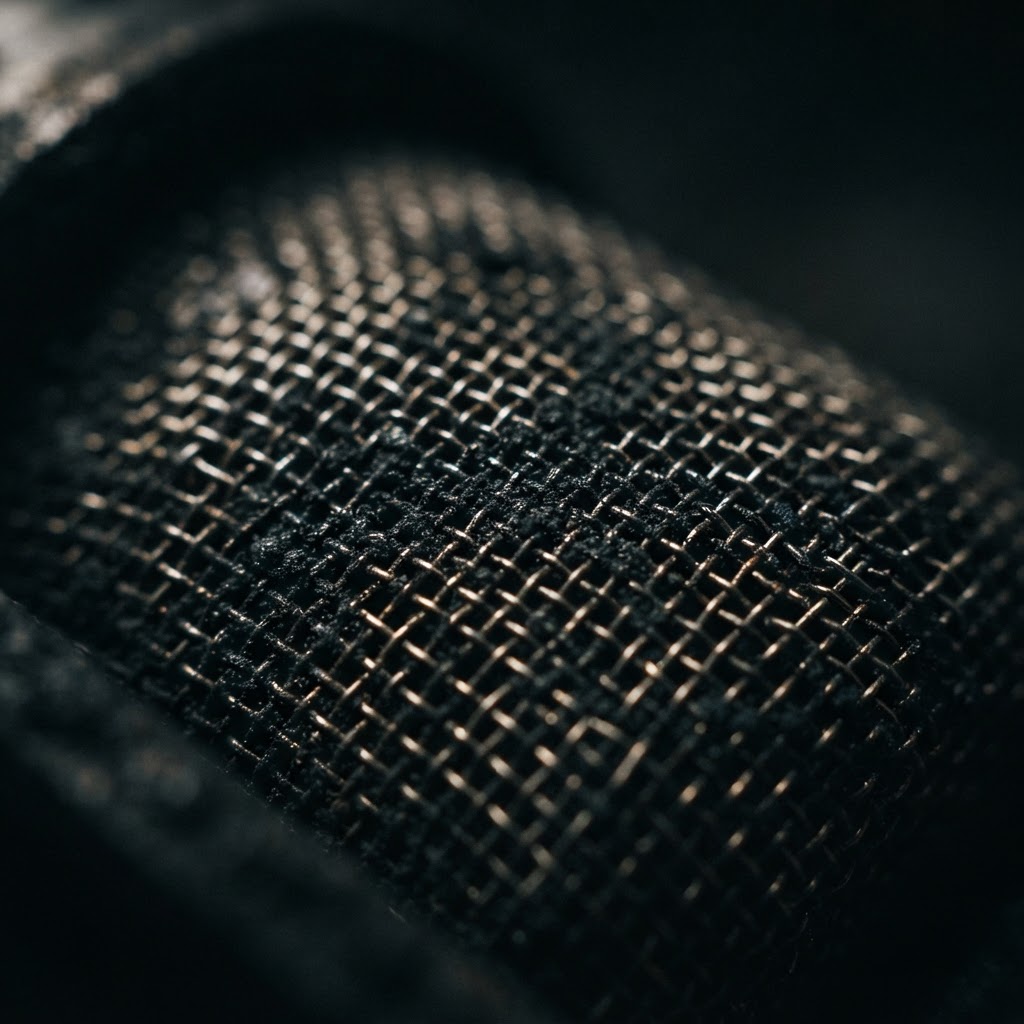
Spark Arrestor Screen
Cleaning or replacing this screen is vital when exhaust backpressure from carbon buildup restricts the engine from running even if fuel and spark are present.
Affiliate Disclosure: Lil Engine may earn commissions from qualifying purchases.
Pro Tips from the Community
Real-world fixes from Reddit, YouTube & forums.
"Check the spark arrestor first. If the screen is 100% plugged, the engine will act like it's flooded because the exhaust can't escape."
YouTube comments"If the primer bulb isn't filling, your fuel lines are likely swapped or the internal carb screen is plugged with 'white fuzz' from ethanol corrosion."
Reddit r/lawncare"Echo units are notorious for the 'hidden' carb screen. Under the single-screw fuel pump cover, there is a tiny mesh screen that gets gummed up; clean it with a toothpick and carb spray."
LawnSite.com ForumPrevent This From Coming Back
Always use ethanol-free fuel to prevent gumming in the carburetor.
Replace fuel lines and the tank grommet every two years.
Clean the spark arrestor screen every 25 hours of operation.
Add a high-quality fuel stabilizer to all stored gas cans.
Prevent This From Happening Again
While you're fixing it, stock up on the maintenance essentials that keep your weed eaters running right.
Trimmer Line/String
Quality trimmer line breaks less and cuts cleaner.
Get on Amazon2-Cycle Oil
Fresh fuel mix prevents carb diaphragm hardening and starting issues.
Get on AmazonSpark Arrestor Screen
A clogged spark arrestor causes power loss — clean or replace it.
Get on AmazonAffiliate Disclosure: Lil Engine may earn commissions from qualifying purchases.
Frequently Asked Questions
A quick burst of starting fluid can confirm if the issue is fuel-related by causing the engine to fire briefly. However, do not use it excessively as it lacks the oil necessary for lubricating the two-stroke engine.
Video Help
Helpful videos showing these repairs in action.
Share Your Repair
Real-world fixes help everyone. Share what worked and your repair becomes part of Lil Engine's community database.
Related Problems
More Weed Eaters GuidesRelated Maintenance Articles
Related Symptoms
Won’t Start
Carburetor / Fuel Issues
Related Searches
Echo weed eater Guides
Did this help?
Your feedback helps improve guides for everyone.