John Deere X570 Surges at Idle — Kawasaki FS730V Fuel & Governor Fix
⚡ Quick Answer
Surging (or hunting) on your John Deere X570's Kawasaki FS730V engine is typically caused by a lean fuel condition, most often a partially clogged pilot (slow speed) jet or an air leak in the intake tract. Start by spraying carburetor cleaner around the intake gaskets while the engine is running; if the RPM changes, you have a vacuum leak. If no leak is found, the carburetor's internal slow-circuit jets likely need a manual cleaning to restore proper fuel-to-air ratios at low speeds.
What do you want to do?
Most Likely Cause
Clogged Pilot Jet
The pilot jet is located behind a brass plug on the carburetor body. Any debris here limits fuel flow at idle, causing a lean condition that the governor tries to chase.
Start here — this is the most common reason for this symptom.
Why This Problem Happens
Surging in the Kawasaki FS730V engine on the John Deere X570 is almost exclusively caused by a lean air-fuel mixture or a malfunctioning mechanical governor. The Mikuni carburetor utilizes extremely small internal jetting passages, particularly the pilot jet, which are susceptible to varnish buildup from ethanol-blended fuels. When the pilot circuit is partially obstructed, the engine struggles to maintain a steady idle. The governor senses this drop in RPM and opens the throttle plate to compensate, causing the RPM to overshoot the target, leading to the characteristic 'hunting' or surging oscillation.
Mechanically, the governor system on the FS730V acts as a dynamic feedback loop. If the governor linkage is binding, or if the internal gear is worn, the system loses its ability to make micro-adjustments. When the fuel circuit cannot provide a smooth burn, the governor enters a continuous loop of over-correcting. This is not just a fuel issue; it is a communication failure between the engine's power output and the mechanical speed-sensing apparatus that regulates the throttle blade position.
Common Symptoms
- Cyclical hunting or oscillating RPM at idle
- Engine stumble when engaging the PTO
- Black smoke puffs during the surge cycle
- Erratic throttle response when cold
- High-speed operation remains stable while idle fails
Before You Buy Parts
Quick, free inspections — check these first. Most repairs don't actually need replacement parts.
Complete Resource Guide
Complete Riding Mowers Troubleshooting Guide
Brand Resource Hub
John Deere Small Engine Troubleshooting & Repair Hub
Repair Overview
1–2 hours
$20–$80
First Checks — Start Here
- 1Check fuel freshness; drain and replace if fuel is more than 30 days old or contains water.
- 2Inspect the plastic intake manifold for visible cracks or warping.
- 3Perform a vacuum leak test by spraying carb cleaner at the carburetor and manifold gaskets.
- 4Verify the governor spring is connected correctly and the linkage moves without binding.
- 5Check the fuel filter (Part AM116304) for debris or restriction.
- 6Confirm the air filter is clean and the pre-cleaner isn't soaked in oil.
Safety Warnings
- !Ensure the ignition switch is off and the spark plug wires are disconnected before touching the governor shaft.
- !Do not use steel needles or wire that could scratch the precision brass, as this will permanently ruin the jet's flow characteristics.
- !Wear eye protection and keep a fire extinguisher nearby when spraying flammable liquids near a running engine.
- !Avoid getting cleaner on plastic engine shrouds, as it may cause discoloration.
- !Work in a well-ventilated area to avoid inhalation of fuel vapors.
- !Do not over-tighten assembly bolts; use a torque wrench to prevent cracking the mounting flange.
- !Using wire that is too thick and damaging the jet orifice
- !Failing to replace the intake manifold gasket after removal
- !Assuming the fuel pump is the culprit for a surging idle
Always disconnect the spark plug, work in a well-ventilated area, and consult a professional if unsure.
Most Likely Causes
Ranked by likelihood — tap each to see diagnosis details.
The pilot jet is located behind a brass plug on the carburetor body. Any debris here limits fuel flow at idle, causing a lean condition that the governor tries to chase.
Dirt or corrosion on the external linkage springs and pivot points creates resistance. This friction prevents the governor from making smooth, incremental adjustments.
🔧 Step-by-Step Fix Guide
Governor Static Adjustment
Loosen the governor arm nut, rotate the governor shaft fully in the direction of the open throttle, and hold it. Tighten the nut while ensuring the shaft doesn't move.
Ensure the ignition switch is off and the spark plug wires are disconnected before touching the governor shaft.
Carburetor Pilot Jet Cleaning
Remove the carburetor, take out the jet located behind the brass plug, and use a specialized tip cleaner wire. Ensure light passes through the orifice clearly.
Do not use steel needles or wire that could scratch the precision brass, as this will permanently ruin the jet's flow characteristics.
Intake Manifold Vacuum Test
With the engine running at low idle, spray a small amount of starting fluid around the intake manifold gasket area. If the RPM changes, you have confirmed an intake leak.
Wear eye protection and keep a fire extinguisher nearby when spraying flammable liquids near a running engine.
Governor Linkage De-gunking
Clean the governor spring and linkage pivots using an aerosolized parts cleaner. Apply a tiny amount of dry PTFE lubricant to ensure zero friction movement.
Avoid getting cleaner on plastic engine shrouds, as it may cause discoloration.
Fuel Supply Verification
Check the fuel filter for flow restriction and ensure the fuel cap is venting properly. A vacuum in the tank will mimic a lean surge condition.
Work in a well-ventilated area to avoid inhalation of fuel vapors.
Throttle Shaft Wear Inspection
Grab the throttle shaft and wiggle it laterally. If there is significant play, the carburetor body is worn and may require replacement to stop the vacuum leak.
Do not over-tighten assembly bolts; use a torque wrench to prevent cracking the mounting flange.
What To Test Next
If the air filter and fuel are good, the next thing to inspect is the carburetor — a partially clogged main jet or a leaking intake gasket is the leading cause of steady surging.
Component Reference

Carburetor & Fuel Intake
The carburetor mixes air and fuel for combustion. A clogged jet or stuck float is the #1 cause of small engine starting and surging problems.

Spark Plug & Ignition System
The spark plug ignites the air-fuel mixture. A fouled plug, wrong gap, or failing ignition coil will prevent the engine from firing.

Oil & Lubrication System
Regular oil changes are critical. Low or dirty oil causes engine wear, overheating, and eventual seizure. Check the dipstick before every season.

Air Filter & Intake
A clogged air filter starves the engine of air, causing rich running, power loss, and hard starting. Inspect and clean or replace it each season.
Photos for educational reference. Actual parts may vary by make and model.
Common Mistakes to Avoid
Using wire that is too thick and damaging the jet orifice
Adjusting the governor while the engine is running
Failing to replace the intake manifold gasket after removal
Assuming the fuel pump is the culprit for a surging idle
If This Didn't Fix It
Still having trouble? These are the next things to check:
Get the Exact Parts for Your Machine
Tell us your equipment's year, make, and model — we'll search for parts that actually fit, not generic ones.
Finding parts for
John Deere X570
Required Gear
Matched to your John Deere X570 — click to find the exact fit on Amazon.
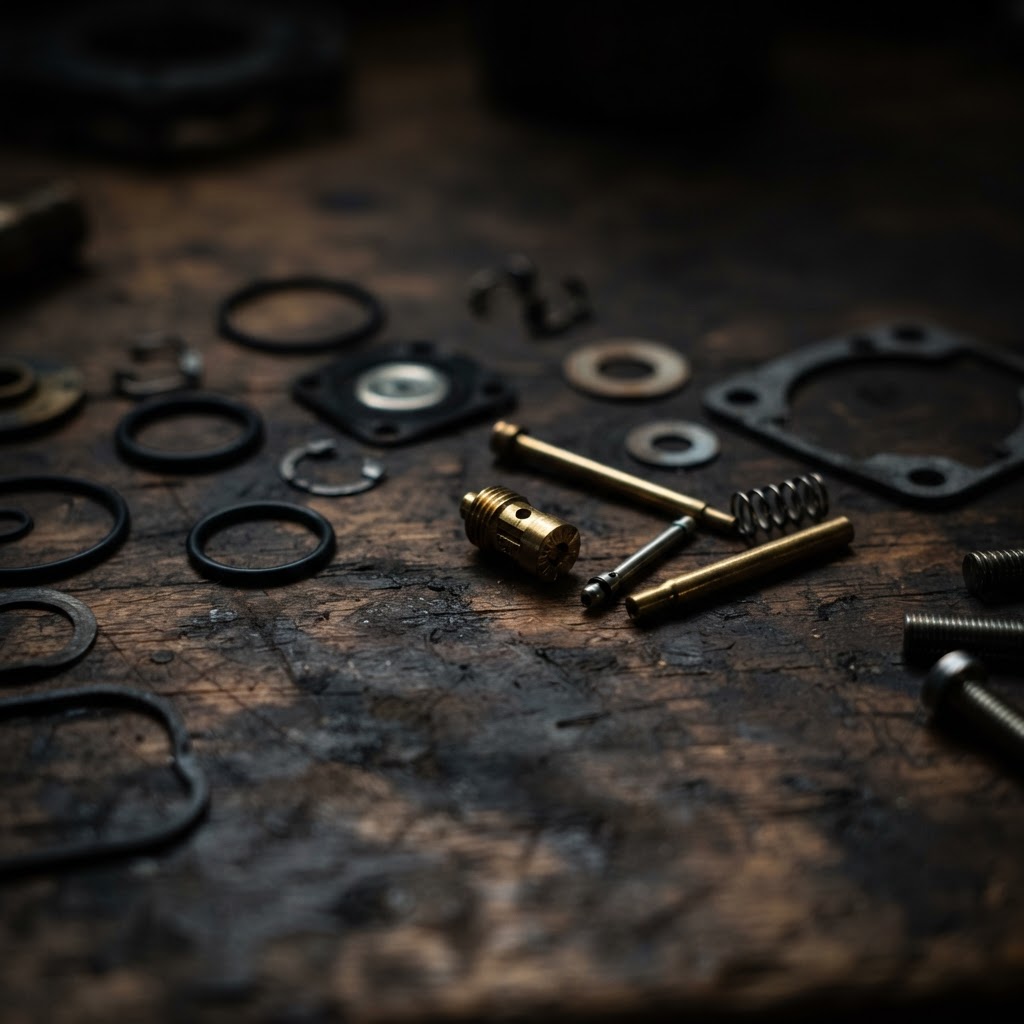
Kawasaki FS730V Carburetor Rebuild Kit
This kit provides the exact replacement pilot jet, gaskets, and seals required to resolve internal varnish buildup causing the surging idle.
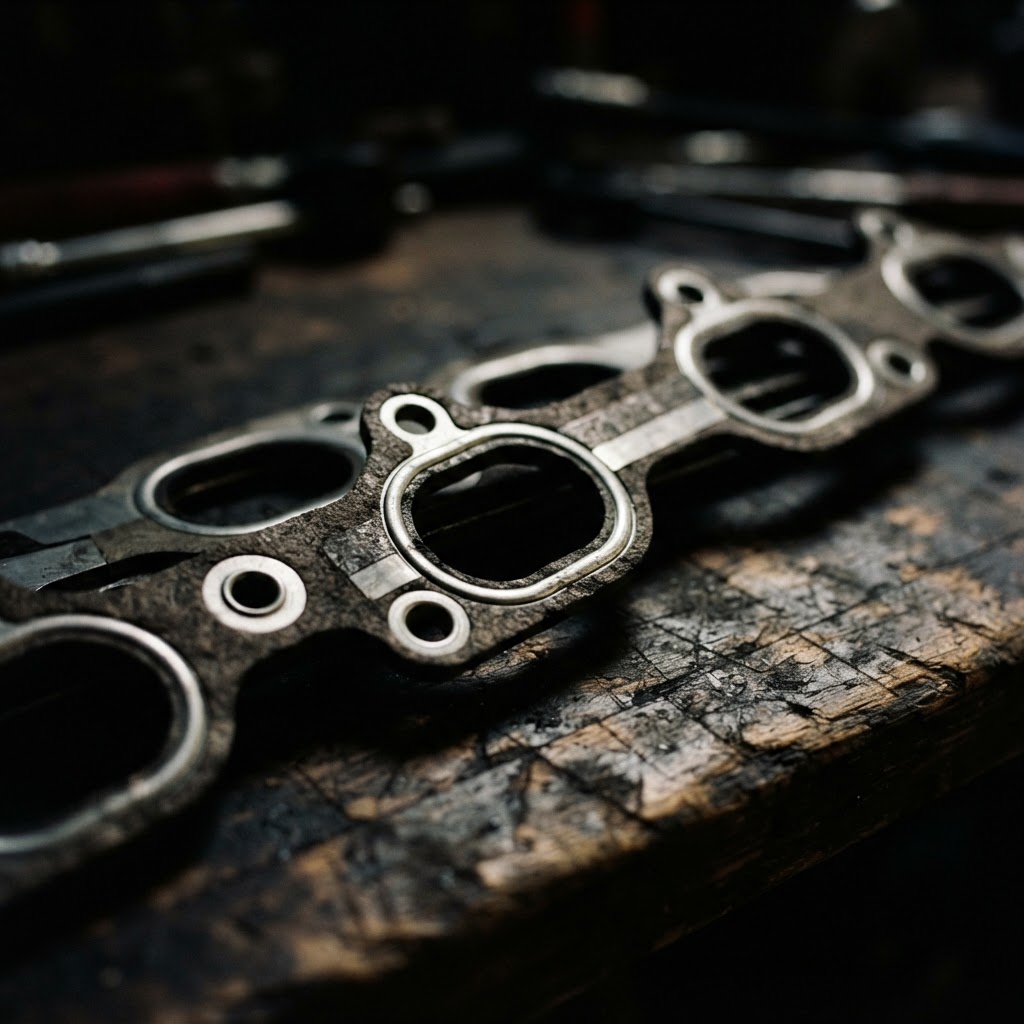
Intake Manifold Gasket Set
If the engine idle surged due to an intake leak, these precision gaskets are necessary to restore the vacuum seal between the cylinder heads and the intake manifold.
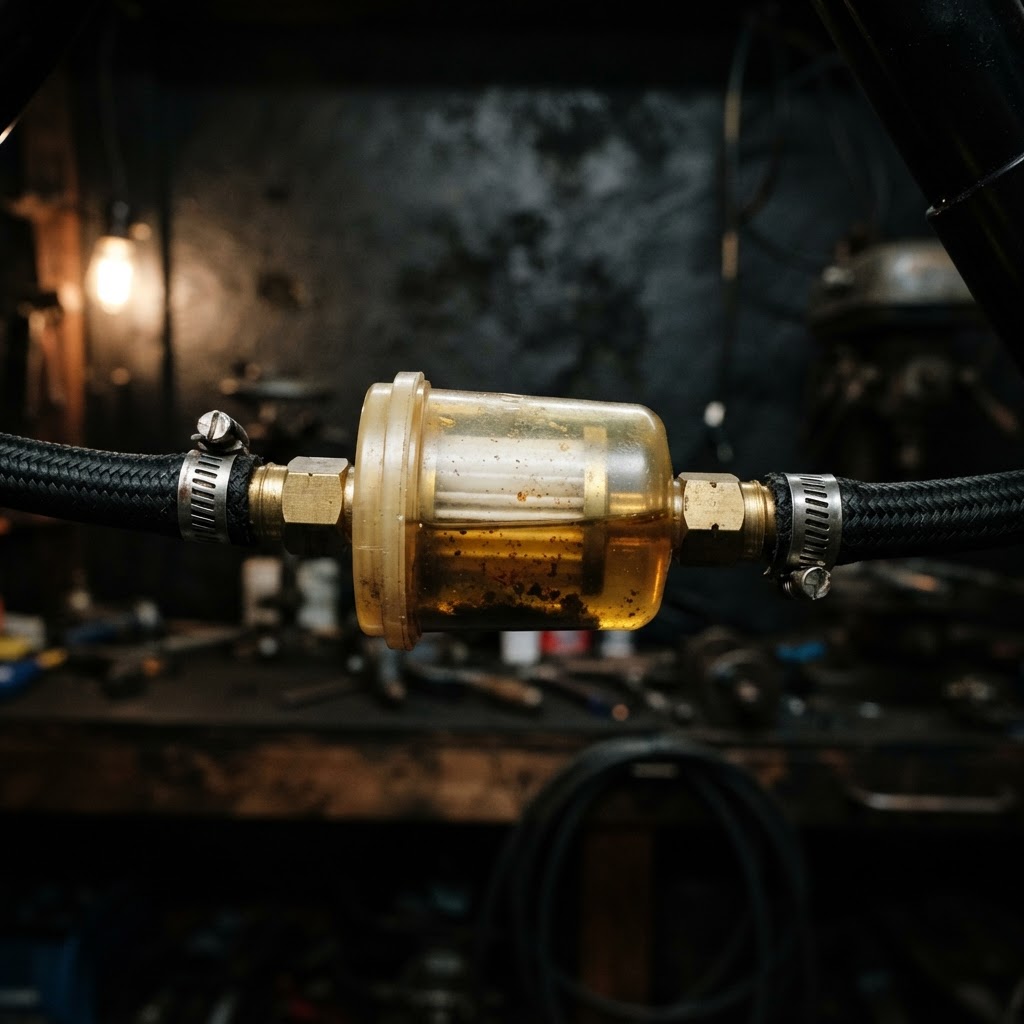
Fuel Filter
Installing a fresh fuel filter is critical after a carburetor cleaning to ensure that sediment from the fuel line does not immediately reclog the newly cleaned pilot jet.
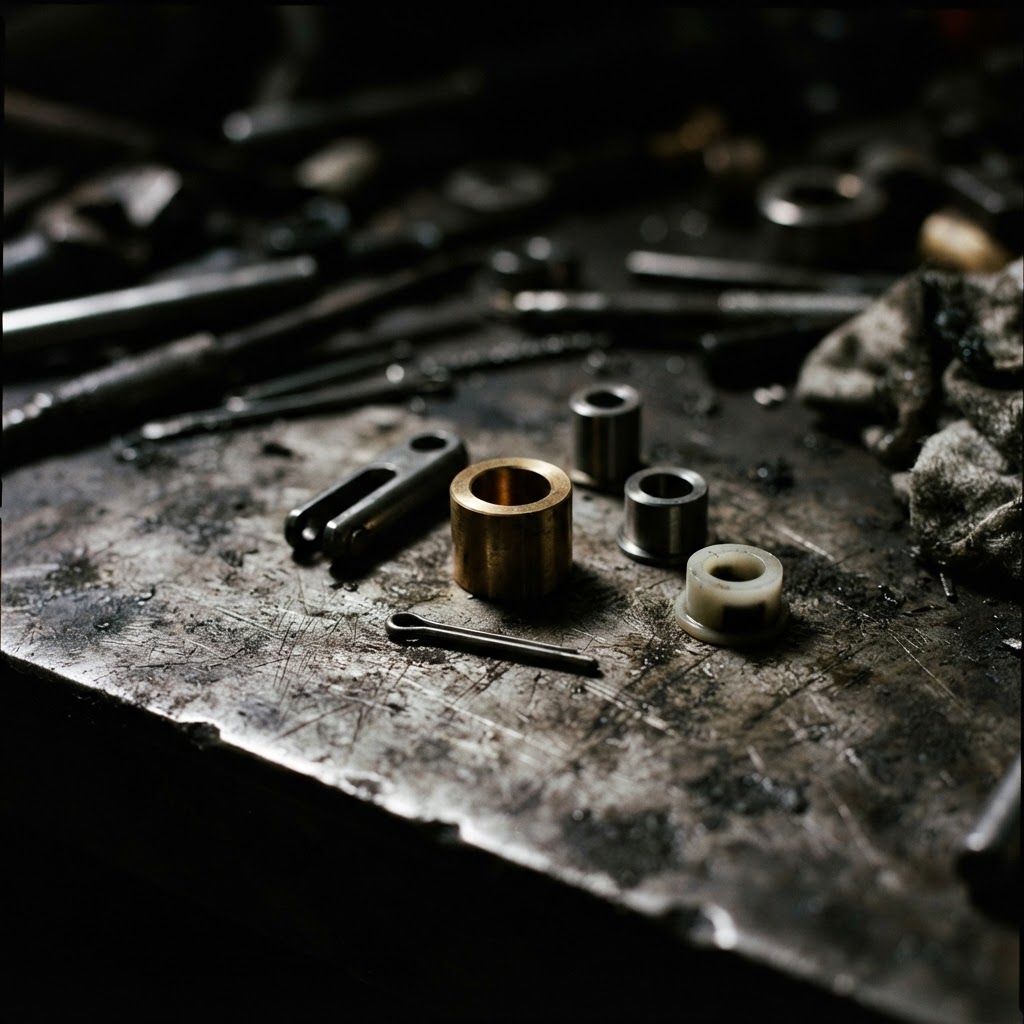
Throttle Linkage Bushing Kit
Replacing worn-out throttle shaft bushings eliminates the mechanical slop that prevents the governor from maintaining a stable, consistent idle speed.

Fuel System Cleaner/Additive
Adding a high-quality fuel system cleaner helps break down any remaining microscopic varnish deposits in the fuel passages and protects the fuel system from future degradation.
Affiliate Disclosure: Lil Engine may earn commissions from qualifying purchases.
Pro Tips from the Community
Real-world fixes from Reddit, YouTube & forums.
"The Kawasaki pilot jet is hidden under a black plastic cap on top of the carb. Pop that cap off and the jet is right there—9 times out of 10, a tiny piece of dirt in there causes the hunt."
TractorByNet Forum"If it surges at idle but runs fine with the blades on (high RPM), it's definitely the low-speed circuit. Don't waste time on the fuel pump if it runs great at full throttle."
Reddit r/lawncare"Check the plastic intake manifold nuts. They tend to vibrate loose on the X570 models, causing a vacuum leak that mimics a dirty carb."
LawnSite.com ForumPrevent This From Coming Back
Use high-quality fuel stabilizer with every fill-up
Replace the fuel filter every 50 hours of operation
Run the engine until dry if storing for more than 30 days
Clean the cooling fins to prevent heat-soak that affects fuel vaporizing
Prevent This From Happening Again
While you're fixing it, stock up on the maintenance essentials that keep your riding mowers running right.
Small Engine Oil
Change oil every 50 hours or once per season to prevent engine wear.
Get on AmazonAir Filter
A clogged air filter reduces power and fuel efficiency — replace annually.
Get on AmazonFuel Stabilizer
Keeps fuel fresh during storage, preventing carburetor gumming.
Get on AmazonAffiliate Disclosure: Lil Engine may earn commissions from qualifying purchases.
Frequently Asked Questions
No, adjusting the idle speed screw only masks the underlying lean condition. You must clean the internal fuel circuit to restore proper operation.
Video Help
Helpful videos showing these repairs in action.
Share Your Repair
Real-world fixes help everyone. Share what worked and your repair becomes part of Lil Engine's community database.
Related Problems
More Riding Mowers GuidesRelated Maintenance Articles
Related Symptoms
Oil or Fuel Leak
Surging / Hunting
Carburetor / Fuel Issues
Related Searches
John Deere riding mower Guides
Did this help?
Your feedback helps improve guides for everyone.