John Deere X350 Cranks But Won't Start — Fuel & Spark Diagnosis
⚡ Quick Answer
On the John Deere X350 equipped with the Kawasaki FS600V engine, the most common culprit is a failed fuel shut-off solenoid or a clogged pilot jet in the carburetor. First, turn the key to the 'on' position and listen for a distinct 'click' from the bottom of the carburetor; if you don't hear it, the solenoid is stuck or not receiving power, preventing fuel from reaching the cylinders. If it clicks, verify spark with an inline tester and check that the vacuum-pulse fuel pump is delivering fuel to the carburetor bowl.
What do you want to do?
Most Likely Cause
Failed Carburetor Fuel Solenoid
The electric solenoid at the bottom of the carburetor bowl must retract to allow fuel entry. If it is seized or lacks 12V power, the main jet remains blocked regardless of fuel pressure.
Start here — this is the most common reason for this symptom.
Why This Problem Happens
The John Deere X350 utilizes a Kawasaki FS600V engine equipped with a mechanical fuel pump and a pulse-actuated vacuum line, alongside a TCI (Transistor Controlled Ignition) system. When the engine cranks but refuses to fire, it usually indicates a disruption in the stoichiometric ratio or an ignition timing mismatch. Fuel starvation often occurs when the internal impulse line fails to deliver sufficient pressure to the pump or when the vent in the fuel cap creates a vacuum lock in the tank. If fuel reaches the carburetor bowl, the next failure point is typically the fuel solenoid mounted on the base of the carburetor. If the ignition circuit fails to send a signal to the coil to ground the secondary circuit, spark will not jump the gap at the plug, resulting in a no-start condition even if the engine turns over at the required 300+ RPM.
Common Symptoms
- Engine cranks at normal speed but never catches
- Dry spark plug electrode after repeated cranking
- No audible click from the carburetor fuel solenoid
- Lack of fuel flow through the inline transparent filter
- Backfiring through exhaust during starter engagement
Before You Buy Parts
Quick, free inspections — check these first. Most repairs don't actually need replacement parts.
Complete Resource Guide
Complete Riding Mowers Troubleshooting Guide
Brand Resource Hub
John Deere Small Engine Troubleshooting & Repair Hub
Repair Overview
1–2 hours
$20–$80
First Checks — Start Here
- 1Verify battery voltage is at least 12.4V; low voltage can crank the engine but fail to trigger the ignition module.
- 2Listen for the fuel shut-off solenoid 'click' when the ignition key is moved to the 'run' position.
- 3Check the fuel level and ensure the fuel shut-off valve (if equipped) is fully open.
- 4Inspect the air filter for oil saturation, which suggests a clogged breather or overfilled crankcase.
- 5Perform a 'static' spark test: remove the plug, ground it to the engine block, and look for a bright blue spark while cranking.
- 6Check the fuel filter (Part #AM116304) for debris or water contamination.
Safety Warnings
- !Keep hands clear of the cooling fan and flywheel area while cranking.
- !Ensure the mower is in neutral with the parking brake set.
- !Have a fire extinguisher nearby and clean up any spilled fuel immediately.
- !Wear safety glasses to prevent debris from spraying back during air cleaning.
- !Do not attempt to run the engine with a leaking fuel line as it presents a fire hazard.
- !Disconnect the battery negative terminal before probing electrical connectors.
- !Replacing the fuel pump when the actual problem is a clogged tank pickup tube.
- !Using a spark plug tester set to too large of a gap, which provides a false negative.
- !Over-tightening the carburetor mounting nuts, causing an air leak at the intake gasket.
Always disconnect the spark plug, work in a well-ventilated area, and consult a professional if unsure.
Most Likely Causes
Ranked by likelihood — tap each to see diagnosis details.
The electric solenoid at the bottom of the carburetor bowl must retract to allow fuel entry. If it is seized or lacks 12V power, the main jet remains blocked regardless of fuel pressure.
The X350 uses a small micron fuel filter that clogs easily with debris or phase-separated ethanol. Check for restricted flow by observing the filter during cranking; it should be full.
🔧 Step-by-Step Fix Guide
Verify Spark Quality
Attach an adjustable gap spark tester to the plug wire and ground it to the engine block. Set the gap to .025 inches and verify a sharp, blue spark during cranking; orange or yellow spark indicates a failing coil.
Keep hands clear of the cooling fan and flywheel area while cranking.
Test Fuel Solenoid Continuity
Disconnect the single wire leading to the solenoid at the carburetor base and check for 12V DC with the ignition key in the 'On' position. If power is present, use a jumper wire to hear a distinct 'click' from the solenoid itself.
Ensure the mower is in neutral with the parking brake set.
Check Fuel Delivery at Carburetor
Disconnect the fuel line at the carburetor inlet and place it into a container, then crank the engine briefly. If no fuel pumps out, work backward toward the fuel filter and tank pickup.
Have a fire extinguisher nearby and clean up any spilled fuel immediately.
Clean Pilot Jet Passage
Remove the carburetor float bowl and use compressed air and a thin strand of wire to clear the pilot jet. These orifices are extremely small and susceptible to microscopic debris.
Wear safety glasses to prevent debris from spraying back during air cleaning.
Inspect Vacuum Impulse Line
Locate the rubber hose running from the engine crankcase to the fuel pump. Ensure it is not cracked, collapsed, or disconnected, as this is the engine's only way to operate the pump.
Do not attempt to run the engine with a leaking fuel line as it presents a fire hazard.
Check Safety Interlock Grounding
Ensure the reverse implement switch or seat switch is not grounding out the ignition circuit prematurely. Use a multimeter to verify that the kill-wire circuit at the coil is open when the key is on.
Disconnect the battery negative terminal before probing electrical connectors.
What To Test Next
If fuel delivery checks out, the next thing to inspect is spark — remove the spark plug, ground its threads to the engine block, and crank the engine to look for a visible blue spark.
Component Reference

Carburetor & Fuel Intake
The carburetor mixes air and fuel for combustion. A clogged jet or stuck float is the #1 cause of small engine starting and surging problems.

Spark Plug & Ignition System
The spark plug ignites the air-fuel mixture. A fouled plug, wrong gap, or failing ignition coil will prevent the engine from firing.

Oil & Lubrication System
Regular oil changes are critical. Low or dirty oil causes engine wear, overheating, and eventual seizure. Check the dipstick before every season.

Air Filter & Intake
A clogged air filter starves the engine of air, causing rich running, power loss, and hard starting. Inspect and clean or replace it each season.
Photos for educational reference. Actual parts may vary by make and model.
Common Mistakes to Avoid
Replacing the fuel pump when the actual problem is a clogged tank pickup tube.
Using a spark plug tester set to too large of a gap, which provides a false negative.
Spraying starter fluid directly into the air filter box instead of the intake throat.
Over-tightening the carburetor mounting nuts, causing an air leak at the intake gasket.
If This Didn't Fix It
Still having trouble? These are the next things to check:
Get the Exact Parts for Your Machine
Tell us your equipment's year, make, and model — we'll search for parts that actually fit, not generic ones.
Finding parts for
John Deere X350
Required Gear
Matched to your John Deere X350 — click to find the exact fit on Amazon.
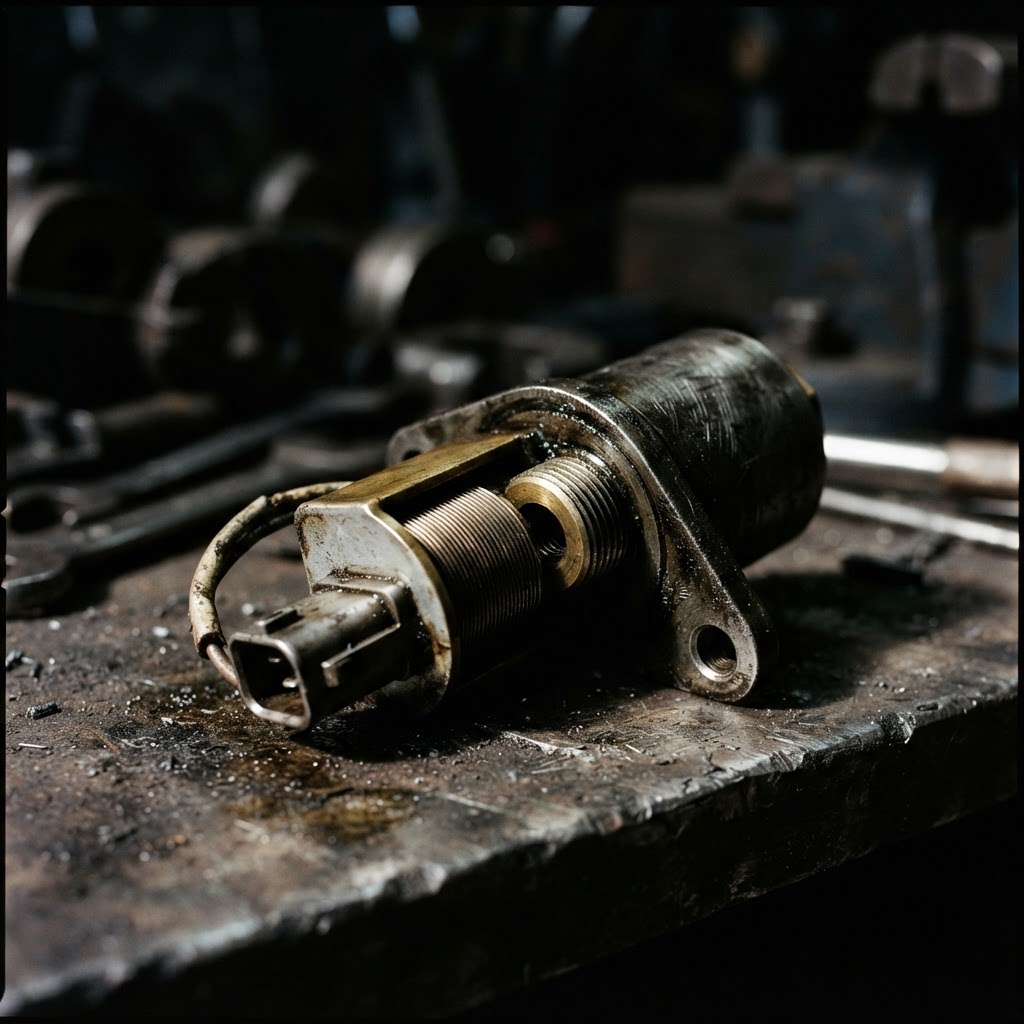
Fuel Solenoid
If the solenoid fails to click open during the continuity test, this replacement part is required to allow fuel to flow into the carburetor main jet.
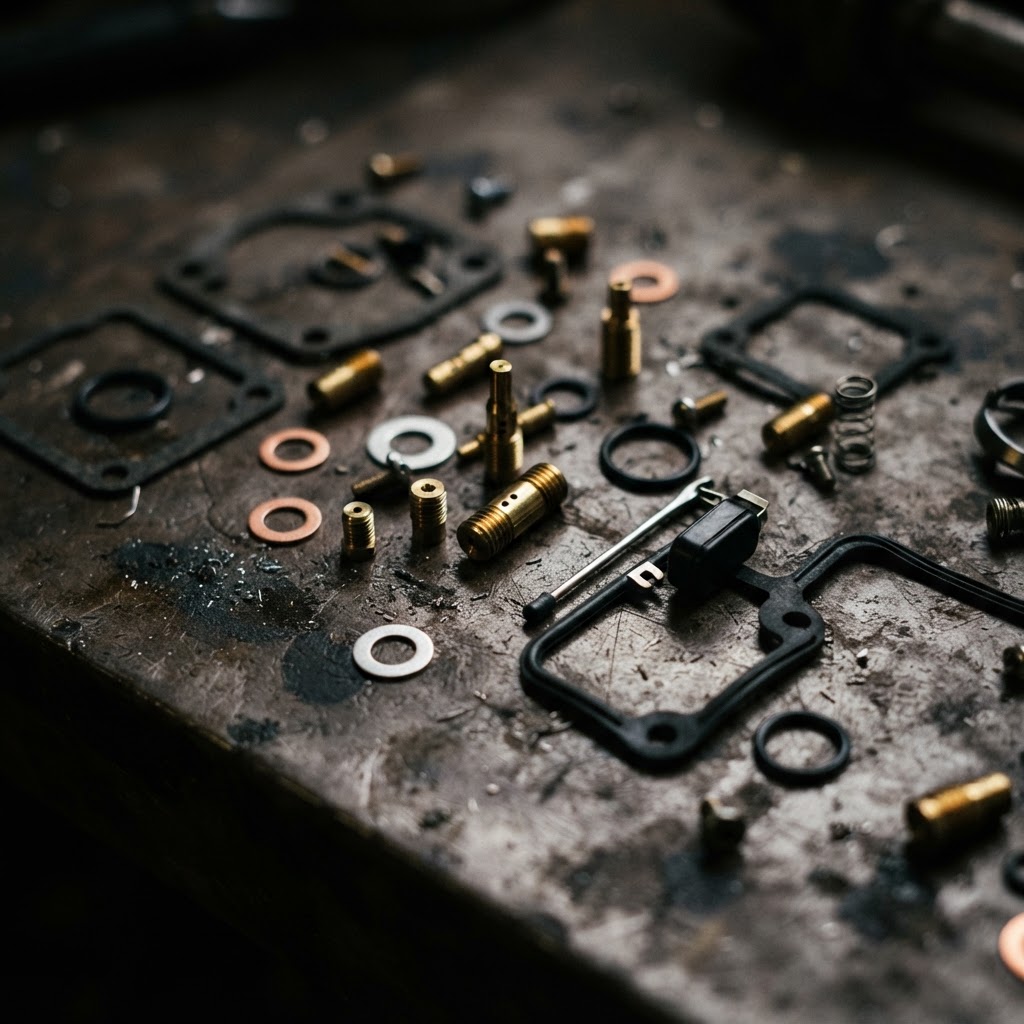
Carburetor Rebuild Kit
When fuel jets are gummed from stale gas, this kit provides the necessary gaskets and precision components to restore internal fuel flow and proper engine operation.
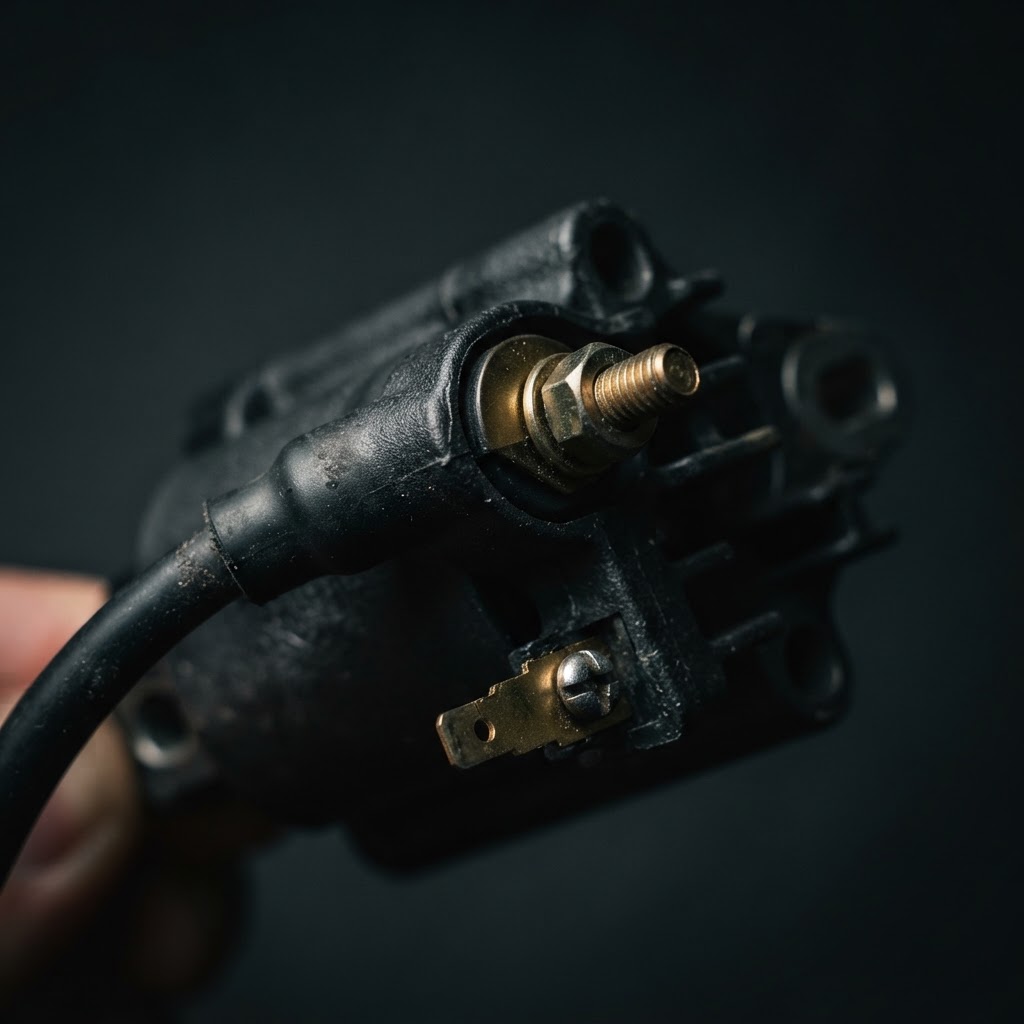
Ignition Coil
If your spark quality test proves the original coil is failing or grounded internally, this component is essential to produce the high-voltage electricity required to fire the plug.
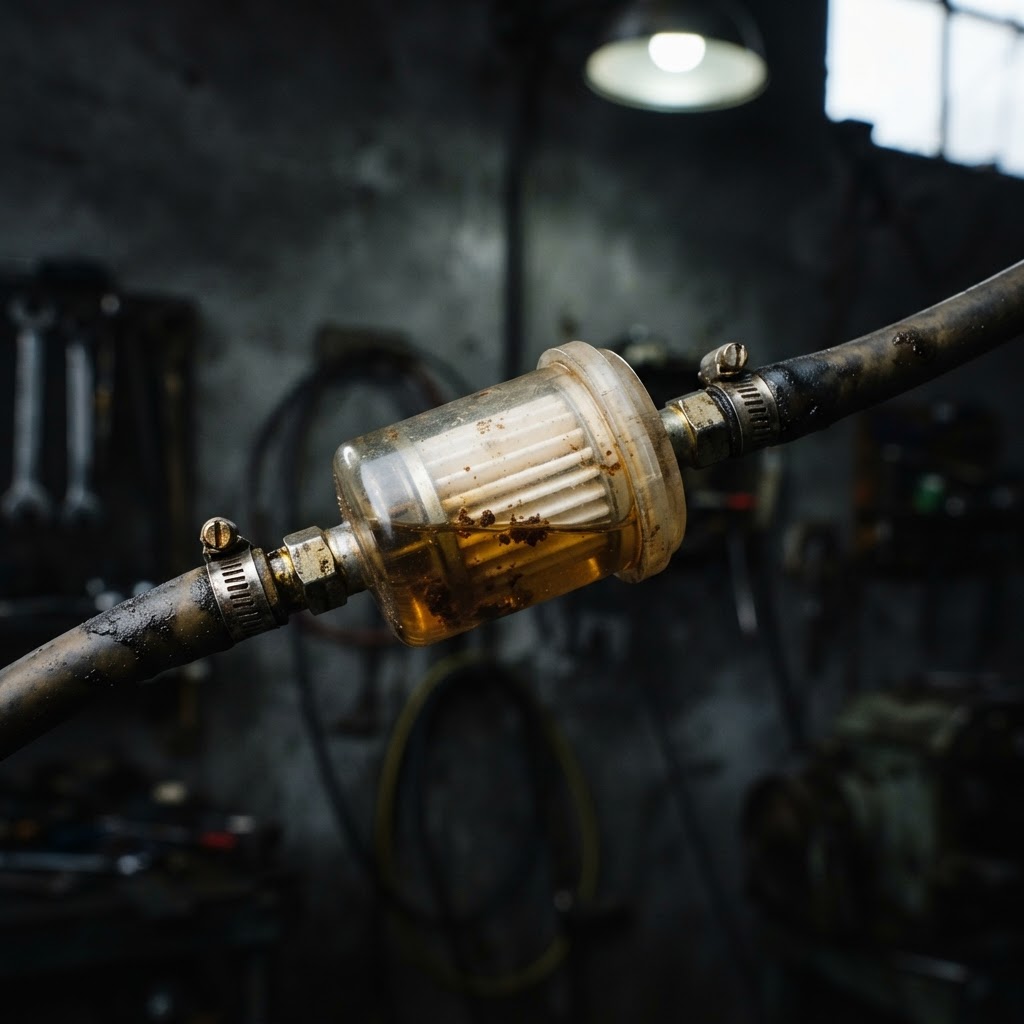
Fuel Filter
If testing reveals a lack of fuel delivery at the carburetor, this filter is often the primary restriction point that must be replaced to restore steady fuel flow.
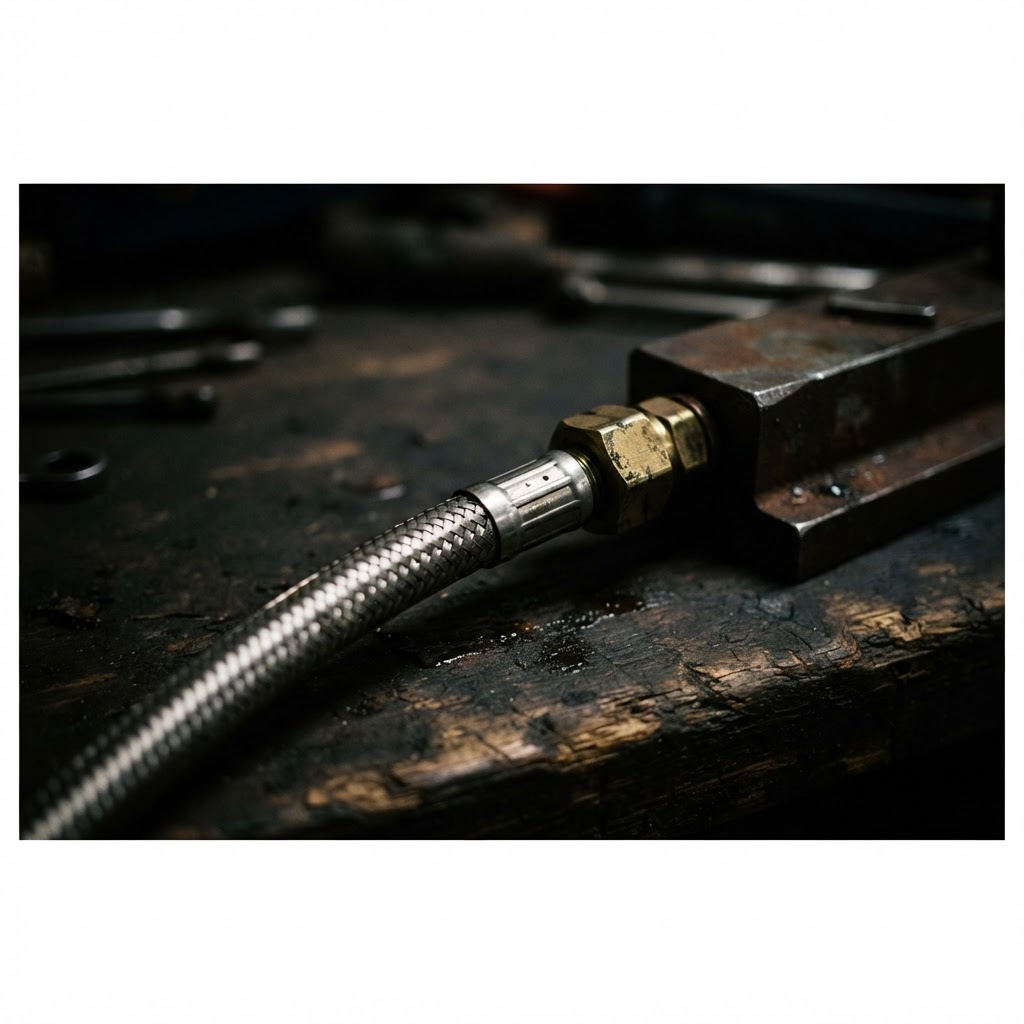
Impulse Line
This specific vacuum hose is necessary to replace if an air leak is detected, as it is required to provide the pressure pulses needed to operate the fuel pump.
Affiliate Disclosure: Lil Engine may earn commissions from qualifying purchases.
Pro Tips from the Community
Real-world fixes from Reddit, YouTube & forums.
"The Kawasaki FS600V is notorious for the intake valves tightening up over time. If it won't start even with fuel and spark, check your valve lash; if there is zero clearance, the compression will be too low to fire."
TractorByNet Forum"I've seen the X350 fuel solenoid wire get pinched by the hood or air cleaner housing. Check the wire for a ground short before you go out and buy a new $80 solenoid."
YouTube comments"Don't ignore the vent in the gas cap. If the X350 starts then dies after 5 minutes, loosen the cap. If it keeps running, the cap vent is clogged and creating a vacuum in the tank."
Reddit r/lawncarePrevent This From Coming Back
Always use non-ethanol fuel with a high-quality fuel stabilizer like STA-BIL.
Replace the fuel filter every 50 hours of operation regardless of appearance.
Drain the carburetor bowl using the drain screw if the machine will sit for more than 30 days.
Check the crankcase oil level; overfilling can cause oil to travel up the vacuum line and foul the fuel pump.
Prevent This From Happening Again
While you're fixing it, stock up on the maintenance essentials that keep your riding mowers running right.
Small Engine Oil
Change oil every 50 hours or once per season to prevent engine wear.
Get on AmazonAir Filter
A clogged air filter reduces power and fuel efficiency — replace annually.
Get on AmazonFuel Stabilizer
Keeps fuel fresh during storage, preventing carburetor gumming.
Get on AmazonAffiliate Disclosure: Lil Engine may earn commissions from qualifying purchases.
Frequently Asked Questions
If the battery voltage drops below 10.5V during cranking, the TCI ignition coil may not trigger, even if the engine sounds like it is spinning fast enough to start.
Video Help
Helpful videos showing these repairs in action.
Share Your Repair
Real-world fixes help everyone. Share what worked and your repair becomes part of Lil Engine's community database.
Related Problems
More Riding Mowers GuidesRelated Maintenance Articles
Related Symptoms
Won’t Start
Carburetor / Fuel Issues
Related Searches
John Deere riding mower Guides
Did this help?
Your feedback helps improve guides for everyone.