MTD Riding Mower Won't Start
⚡ Quick Answer
An MTD riding mower that won't start is typically suffering from a failure in the electrical starting circuit, a compromised fuel delivery system, or a mechanical safety interlock trip. Most issues stem from a depleted battery, corroded cable connections, or stagnant fuel clogging the carburetor's main jet. Following a logical diagnostic path from the battery to the ignition system will resolve the vast majority of these no-start conditions.
What do you want to do?
Most Likely Cause
Depleted or damaged battery
The most frequent cause for a no-start condition on an MTD riding mower is insufficient voltage to turn the starter solenoid and engage the starter motor. Before assuming internal engine failure, verify the battery state, as a weak charge often results in a faint clicking sound when the key is turned, indicating the starter is struggling to draw enough current.
Start here — this is the most common reason for this symptom.
Why This Problem Happens
An MTD riding mower failing to start usually involves a breakdown in the starting sequence, which requires a triad of functional systems: the electrical circuit, the fuel delivery path, and the compression stroke. Electrically, the MTD safety interlock system—comprising the seat switch, deck engagement lever, and neutral position switch—must complete the path to the solenoid; if one microswitch fails or experiences terminal oxidation, the starter motor will not engage. This prevents high-current flow from reaching the starter pinion.
Mechanically, if the starter engages but the engine remains static or fires sporadically, the fuel delivery system has likely succumbed to fuel-related degradation. The modern Ethanol-blend gasoline leaves gummy deposits in the narrow brass passages of the Nikki or Walbro carburetor, restricting the transition port and main jet. Furthermore, if the fuel pump (vacuum-operated) has a ruptured diaphragm, the combustion chamber will be starved of fuel, preventing the ignition of the fuel-air mixture regardless of spark quality. Finally, stale fuel creates a failure in the combustion physics where the mixture is too lean or non-flammable to initiate a power stroke.
Common Symptoms
- No sound when turning the key
- Rapid clicking noise from the starter solenoid
- Engine cranks slowly but fails to fire
- Starter engages but engine spins without catching
- Backfiring during starting attempts
Before You Buy Parts
Quick, free inspections — check these first. Most repairs don't actually need replacement parts.
Diagnostic Flowchart
Follow this decision tree step-by-step to isolate the problem.
Does the engine crank when the key is turned?
Check fuel delivery and spark.
Go to step 3
Check battery charge and safety interlock switches.
Go to step 2
Does the solenoid click when turning the key?
Inspect starter motor or battery cable connections.
Check fuse and safety switches (brake/PTO/seat).
Is there fuel in the carburetor bowl?
Check ignition spark quality.
Go to step 4
Check fuel filter and fuel pump operation.
Go to step 5
Is there a strong blue spark at the plug?
Check compression and valve clearance.
Replace spark plug or test ignition coil.
Are fuel lines free of debris and clogs?
Clean carburetor main jet.
Replace fuel lines or clean fuel tank pickup.
Complete Resource Guide
Complete Riding Mowers Troubleshooting Guide
Brand Resource Hub
MTD Equipment Troubleshooting & Repair Guide
Repair Overview
60-120 minutes
$10-$80
First Checks — Start Here
- 1Verify the parking brake is fully engaged
- 2Ensure the blade engagement lever (PTO) is in the OFF position
- 3Check the fuel shut-off valve is in the open position
- 4Confirm the battery terminal connections are tight and free of oxidation
- 5Toggle the ignition key to the ON position to check for dash light activity
- 6Ensure the operator presence sensor is engaged by sitting firmly in the seat
Safety Warnings
- !Disconnect the negative cable first to prevent shorting against the frame with your wrench.
- !Ensure the mower is in neutral and the parking brake is set, or the machine may lunge forward.
- !Do not replace a fuse with a higher amperage rating or a wire bridge, as this poses a fire risk.
- !Wear safety glasses, as aerosolized carburetor cleaner is highly caustic to eyes.
- !Hold the plug wire using insulated pliers to avoid a painful electrical shock.
- !Check the wiring harness leading to the solenoid for rodent damage.
- !Replacing the starter motor when the problem is actually a weak battery.
- !Assuming the battery is good because the dash lights turn on.
Always disconnect the spark plug, work in a well-ventilated area, and consult a professional if unsure.
Most Likely Causes
Ranked by likelihood — tap each to see diagnosis details.
The starter solenoid internal copper plates often arc and pit over time. Use a screwdriver to jump the two large terminals; if the starter spins, the solenoid has failed internally.
MTD carburetors have very fine jets prone to clogging after 30 days of inactivity. Remove the bowl and inspect for gel-like buildup that blocks fuel atomization.
🔧 Step-by-Step Fix Guide
Test the Battery Voltage
Set your multimeter to DC Volts and check the battery terminals; it should read at least 12.6V. Anything below 12V indicates an inability to crank the Bendix gear properly.
Disconnect the negative cable first to prevent shorting against the frame with your wrench.
Bypass the Starter Solenoid
Take a heavily insulated screwdriver and briefly touch the two large threaded posts on the solenoid. If the engine cranks, the starter motor is fine, but the solenoid needs replacement.
Ensure the mower is in neutral and the parking brake is set, or the machine may lunge forward.
Check the 20A Fuse
Locate the plastic fuse holder near the positive battery terminal and pull the blade fuse. If the internal metal bridge is broken, replace it with a matching 20-amp automotive fuse.
Do not replace a fuse with a higher amperage rating or a wire bridge, as this poses a fire risk.
Clean the Carburetor Jet
Remove the carburetor bowl, carefully clear the main jet hole with a strand of wire, and spray with B-12 Chemtool. Ensure the needle valve is not stuck in the closed position.
Wear safety glasses, as aerosolized carburetor cleaner is highly caustic to eyes.
Verify Spark at the Plug
Pull the spark plug wire, remove the plug with a 5/8 socket, and hold the threaded base against the cylinder head while cranking. You should see a bright blue, consistent spark.
Hold the plug wire using insulated pliers to avoid a painful electrical shock.
Check the Fuel Solenoid
Many MTD engines feature an electronic fuel shut-off solenoid on the bottom of the carb bowl. Ensure you hear a 'click' when you turn the ignition to the 'On' position; if not, it is blocking fuel flow.
Check the wiring harness leading to the solenoid for rodent damage.
What To Test Next
If the battery voltage is confirmed at 12.6 volts or higher, the next logical step is to test the starter solenoid for proper operation by checking for voltage at the starter terminal when the key is turned.
Component Reference

Carburetor & Fuel Intake
The carburetor mixes air and fuel for combustion. A clogged jet or stuck float is the #1 cause of small engine starting and surging problems.

Spark Plug & Ignition System
The spark plug ignites the air-fuel mixture. A fouled plug, wrong gap, or failing ignition coil will prevent the engine from firing.

Fuel System
Stale fuel is the most common cause of seasonal starting failures. Fuel breaks down in 30 days, leaving varnish that clogs carburetor jets and fuel filters.

Electrical & Starting System
The battery, solenoid, and starter motor work together to crank the engine. A weak battery or corroded connection is often mistaken for a fuel or spark problem.
Photos for educational reference. Actual parts may vary by make and model.
Common Mistakes to Avoid
Replacing the starter motor when the problem is actually a weak battery.
Using starter fluid indefinitely, which washes oil off cylinder walls and ruins rings.
Assuming the battery is good because the dash lights turn on.
Neglecting to check the deck engagement lever position, which is the #1 cause of 'no-crank' on MTD units.
If This Didn't Fix It
Still having trouble? These are the next things to check:
Riding Mower Starting Problems
Not sure if this is the right guide? Here's how to find the exact fix for your symptom:
Get the Exact Parts for Your Machine
Tell us your equipment's year, make, and model — we'll search for parts that actually fit, not generic ones.
Finding parts for
MTD riding mower
Required Gear
Matched to your MTD riding mower — click to find the exact fit on Amazon.
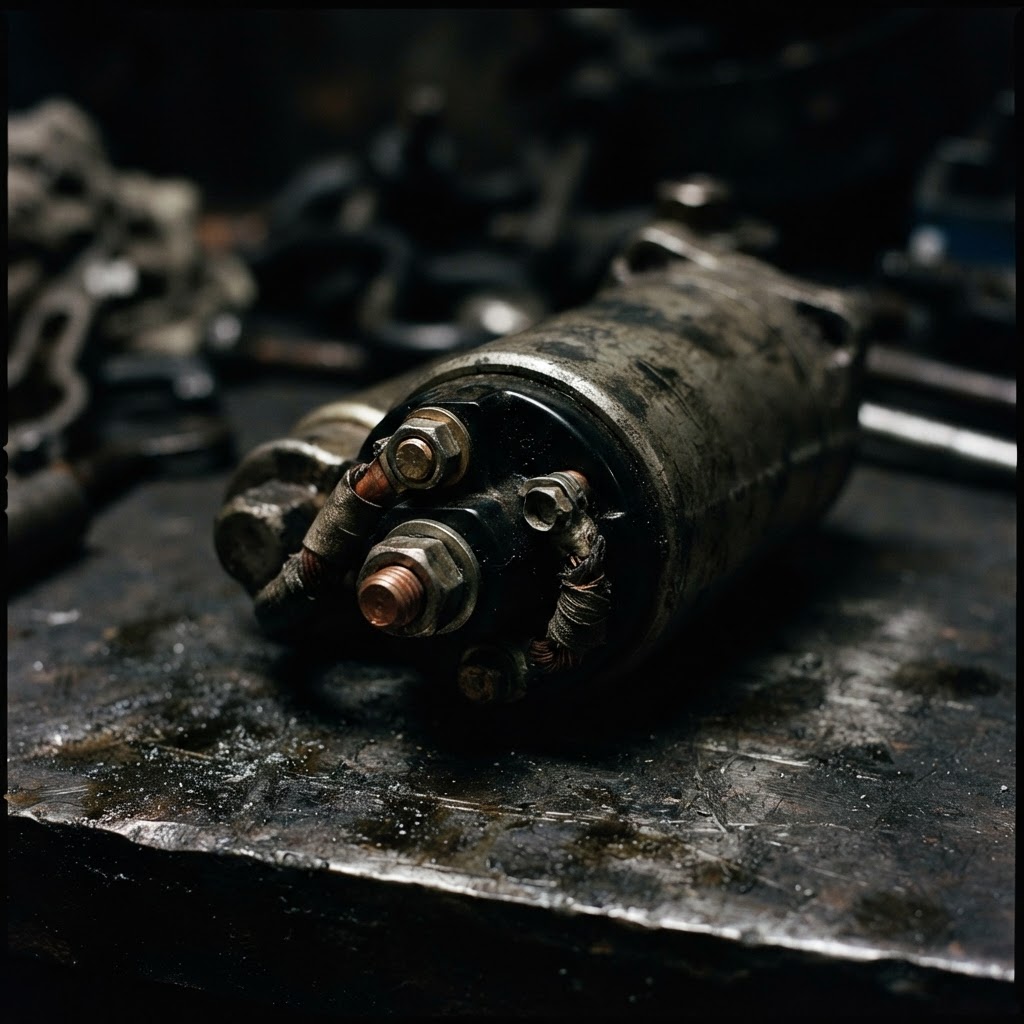
Starter Solenoid
If bypassing the solenoid reveals a faulty internal contact during the troubleshooting steps, this part is necessary to restore the electrical connection to the starter.

Carburetor Rebuild Kit
Once stale fuel and gummed jets have been identified as the starting issue, this kit provides the precise gaskets and components needed to restore proper fuel flow.

Replacement 20A Fuse
If the safety interlock circuit is open due to a blown fuse, this specific component is required to restore power to the ignition and starting system.
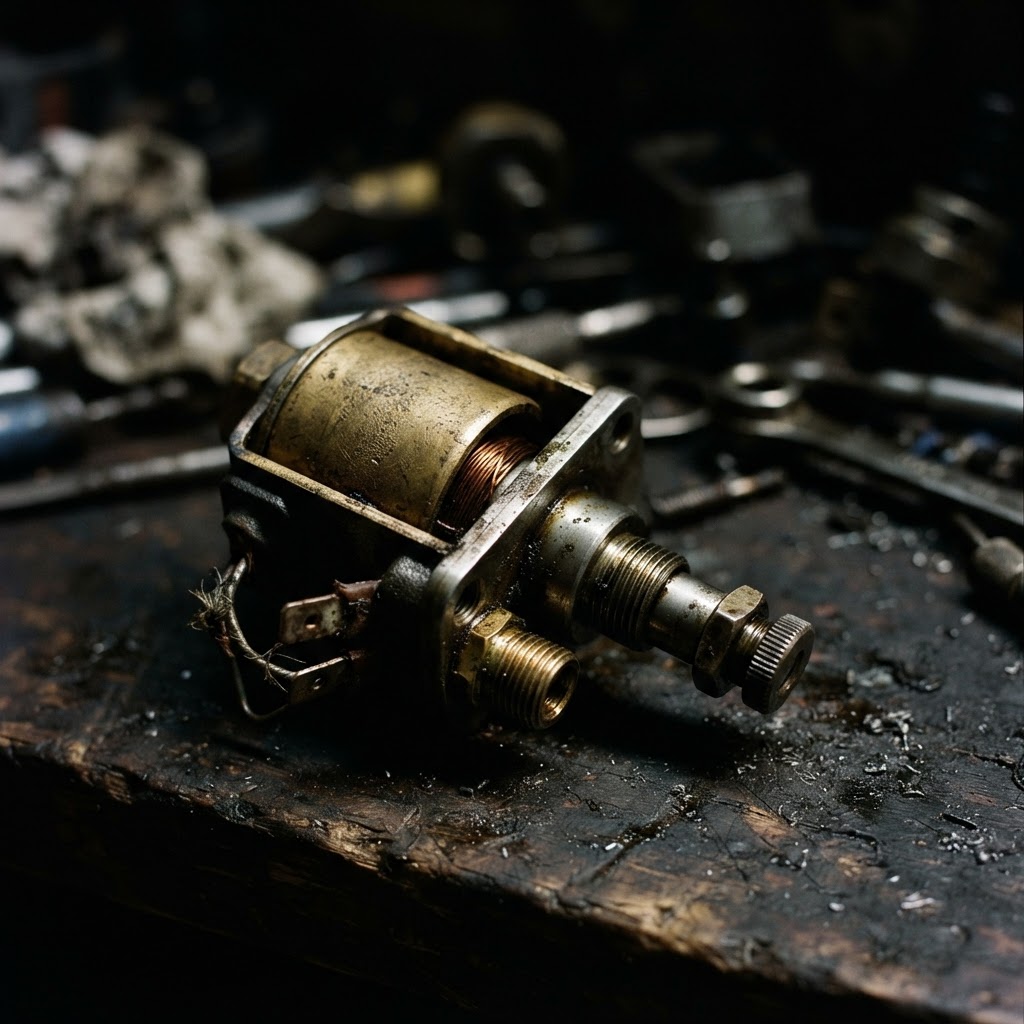
Fuel Solenoid
If this component fails to retract, it blocks fuel from reaching the engine, making it a critical replacement part for a mower that cranks but fails to start.
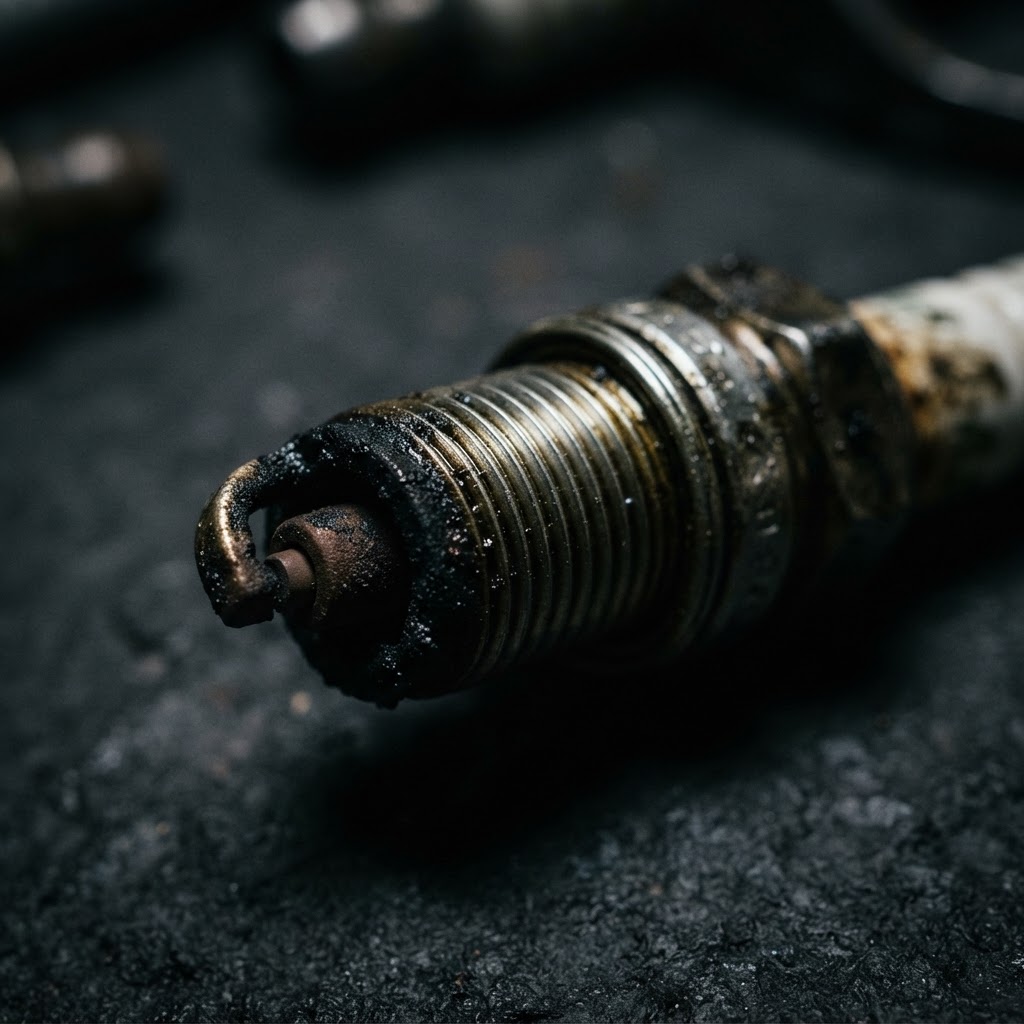
Spark Plug
If troubleshooting confirms a lack of spark, installing a fresh, properly gapped plug is the direct remedy to ensure reliable ignition.
Affiliate Disclosure: Lil Engine may earn commissions from qualifying purchases.
Pro Tips from the Community
Real-world fixes from Reddit, YouTube & forums.
"If you hear a single click but nothing happens, bypass the solenoid with a screwdriver to see if the starter spins, as the solenoid is the most common point of failure on MTD models."
Reddit r/smallengines"Check the seat safety switch by unplugging it and jumping the connector; most 'no crank' issues on these machines are actually just a faulty connection under the seat."
LawnSite.com Forum"Spray a small shot of starter fluid directly into the carb throat—if it briefly fires and dies, you have a fuel delivery issue, not an electrical one."
YouTube comments"Always check your fuel shut-off solenoid at the bottom of the carb; if it doesn't click when you turn the key to the 'on' position, it’s stuck closed and blocking all gas."
TractorByNetBrand-Specific Notes
Briggs & Stratton
Many MTD units use Briggs engines with a plastic fuel pump that often loses prime. Check the pulse line for cracks which prevent the pump from cycling fuel to the carb.
Kohler
Kohler Courage engines frequently suffer from ignition module failure after overheating. If the engine won't start when hot but restarts cold, test the coil resistance.
MTD Proprietary (Thor)
Lower-end MTD models often use Thor or Chinese-manufactured engines with restrictive fuel caps. A clogged vent in the cap will cause a vacuum lock, starving the engine of fuel.
Model-Specific Variations
Briggs Intek V-Twin
Features an automatic compression release mechanism on the camshaft. If this fails, the starter will struggle to turn the engine over, appearing as a dead battery issue.
Kohler Command Pro
Includes a dedicated fuel solenoid at the base of the carburetor bowl. If the solenoid fails to click, the main jet remains closed, preventing fuel flow entirely.
MTD Single-Cylinder 420cc
Uses a vacuum-style fuel system that is highly sensitive to ethanol-blended gas. Gummed-up needle valves are the most common cause of no-starts in these specific models.
Starting Failure Diagnosis
| Symptom | Likely Cause | Diagnostic Action | Complexity |
|---|---|---|---|
| No Cranking | Battery/Safety | Test voltage/Bypass switch | Low |
| Cranks/No Fire | Spark Issue | Test plug/Test coil | Medium |
| Cranks/No Fuel | Carburetor Clog | Clean jet/Flush lines | High |
Real-World Repair Examples
Situation
MTD Yard Machine cranks slowly but will not turn over. Owner suspected a bad starter motor.
Solution
Tested the battery ground cable and found significant corrosion at the chassis attachment point. Cleaned the terminal and reapplied dielectric grease.
Engine started immediately on the first turn.
Situation
Riding mower runs for 5 minutes then dies and won't restart. Fuel level appeared sufficient.
Solution
Identified a clogged fuel cap vent causing a vacuum. Drilled a tiny hole in the cap to verify the issue.
Mower continued to run without further stalls.
Situation
Engine cranks perfectly but shows no sign of firing. Plug was dry.
Solution
Disassembled the carburetor and found a stuck needle valve due to old, ethanol-rotted fuel. Rebuilt the carburetor with a new kit.
Engine started and idled smoothly.
Prevent This From Coming Back
Add a fuel stabilizer like Sta-Bil to every gasoline can to prevent gumming.
Use a trickle charger during off-season storage to keep lead-acid plates from sulfating.
Perform a seasonal clean-out of the engine cooling fins to prevent overheating-related ignition failure.
Replace the spark plug and air filter annually to ensure the engine isn't working too hard to ignite the mixture.
Prevent This From Happening Again
While you're fixing it, stock up on the maintenance essentials that keep your riding mowers running right.
Small Engine Oil
Change oil every 50 hours or once per season to prevent engine wear.
Get on AmazonAir Filter
A clogged air filter reduces power and fuel efficiency — replace annually.
Get on AmazonFuel Stabilizer
Keeps fuel fresh during storage, preventing carburetor gumming.
Get on AmazonAffiliate Disclosure: Lil Engine may earn commissions from qualifying purchases.
Frequently Asked Questions
This is almost always a sign of low battery voltage or a bad starter solenoid. The clicking is the solenoid trying to engage but lacking the current to hold the heavy internal contacts shut.
Related Questions
Common variations and related questions about this repair.
Why does my MTD mower click but not turn over?
This is almost always a sign of a discharged battery or a faulty starter solenoid. Ensure your battery reads above 12.4 volts and verify the solenoid terminals are tight.
Can bad gas prevent a mower from starting?
Yes, gasoline older than 30 days can degrade and leave gummy deposits. These deposits clog the carburetor jets and prevent fuel from entering the combustion chamber.
What is a safety interlock switch on an MTD mower?
These are small electrical switches on the brake pedal, seat, and PTO lever. The engine will not crank unless these switches signal that the machine is in a safe start condition.
How do I check if my spark plug is good?
Remove the plug, ground its metal body against the engine block, and turn the key. You should see a bright, consistent blue spark across the electrode gap.
Is it the battery or the starter?
If the lights dim significantly when you turn the key, it is likely the battery. If you hear a single click and nothing else, it is likely the solenoid or starter.
How often should I change the fuel filter on an MTD mower?
It is recommended to change the fuel filter at least once per season or every 50 hours of operation. A dirty filter significantly reduces fuel flow, especially at high RPMs.
Video Help
Helpful videos showing these repairs in action.
Share Your Repair
Real-world fixes help everyone. Share what worked and your repair becomes part of Lil Engine's community database.
Related Problems
More Riding Mowers GuidesRelated Maintenance Articles
Related Symptoms
Won’t Start
Related Searches
MTD riding mower Guides
Did this help?
Your feedback helps improve guides for everyone.