Riding Mower Loses Power Under Load
⚡ Quick Answer
A riding mower losing power under load is most often caused by restricted airflow, a clogged fuel system, or an aging spark plug. Start by checking your air filter for debris and ensuring you are using fresh, clean fuel.
What do you want to do?
Most Likely Cause
Restricted Fuel Delivery
Clogged fuel filters or degraded fuel lines can restrict flow, causing the engine to starve when the float bowl demand increases under load. Check for fuel flow at the carburetor inlet using a clear catch container to ensure a consistent, full stream.
Start here — this is the most common reason for this symptom.
Why This Problem Happens
A riding mower losing power under load occurs when the engine's power-to-torque demand ratio is compromised by a restrictive fuel-air mixture or mechanical drag. Under load, the engine governor detects a drop in RPM and attempts to open the throttle plate, demanding a richer air-fuel charge. If the fuel system cannot deliver enough volume or the intake tract is starved, the lean condition creates a thermal imbalance, causing the engine to hunt or stall rather than recover. In mechanical terms, the engine is failing to complete the combustion cycle with the necessary energy output to overcome the physical resistance of tall grass or steep inclines. This is often exacerbated by vacuum leaks, worn piston rings resulting in low compression, or a failing ignition coil that breaks down as thermal expansion reaches a critical threshold during high-load operations. When the governor fails to match the fuel intake with the mechanical load, the machine experiences 'power sag,' effectively neutering its ability to maintain blade tip speed and engine RPM.
Common Symptoms
- Engine hunts or surges before stalling
- Visible black or gray smoke under heavy load
- Backfiring through the carburetor intake
- Noticeable drop in blade tip speed
- Engine dies immediately when the PTO is engaged
Before You Buy Parts
Quick, free inspections — check these first. Most repairs don't actually need replacement parts.
Complete Resource Guide
Complete Riding Mowers Troubleshooting Guide
Repair Overview
1–3 hours
$20–$150
First Checks — Start Here
- 1Check and replace the air filter if dirty
- 2Ensure the fuel tank is full of fresh gasoline
- 3Inspect the underside of the deck for packed grass
- 4Check for any loose or damaged spark plug wires
- 5Ensure your mower blades are sharp
Safety Warnings
- !Ensure the area is well-ventilated and avoid sparks when handling fuel.
- !Wear safety glasses as carburetor cleaner is highly pressurized and caustic.
- !Disconnect the spark plug wire to prevent accidental starting during the test.
- !Starting fluid is highly flammable; keep a fire extinguisher nearby.
- !Avoid touching the metal spark plug boot while the engine is turning over to prevent electric shock.
- !Always work with the engine completely cooled down to prevent burns.
- !Replacing the carburetor without first cleaning the fuel tank and lines of debris
- !Ignoring an old spark plug because it 'looks' okay
- !Running the engine on E15 or E85 fuel which attracts moisture
Always disconnect the spark plug, work in a well-ventilated area, and consult a professional if unsure.
Most Likely Causes
Ranked by likelihood — tap each to see diagnosis details.
Clogged fuel filters or degraded fuel lines can restrict flow, causing the engine to starve when the float bowl demand increases under load. Check for fuel flow at the carburetor inlet using a clear catch container to ensure a consistent, full stream.
Varnish buildup in the high-speed jet prevents the engine from drawing sufficient fuel as the throttle opens. Even if the engine idles perfectly, a restricted main jet will cause immediate power loss when the governor kicks in.
🔧 Step-by-Step Fix Guide
Verify Fuel Flow and Quality
Disconnect the fuel line at the carburetor and verify a strong gravity-fed flow, then check for water or debris in the fuel filter. Replace the fuel filter and install fresh, ethanol-free gasoline to rule out fuel-related power drops.
Ensure the area is well-ventilated and avoid sparks when handling fuel.
Clean or Rebuild the Carburetor
Remove the carburetor, disassemble the bowl, and use aerosol carburetor cleaner to clear the main jet and emulsion tube. If the passages are heavily varnished, use an ultrasonic cleaner or a rebuild kit with a new needle and seat.
Wear safety glasses as carburetor cleaner is highly pressurized and caustic.
Perform a Compression Test
Use a threaded compression gauge in the spark plug hole to measure the cylinder pressure while cranking the engine. Compare the result to the engine manual's specifications; values significantly lower indicate internal engine wear.
Disconnect the spark plug wire to prevent accidental starting during the test.
Inspect the Intake Manifold Gaskets
Check for air leaks at the junction between the carburetor and the engine block by spraying a small amount of starting fluid around the seal while the engine is running. If the engine RPM changes, you have a vacuum leak that must be corrected with new gaskets.
Starting fluid is highly flammable; keep a fire extinguisher nearby.
Test Ignition System Performance
Use an inline spark tester between the coil wire and the spark plug to observe the spark intensity under load. If the spark color is yellow or orange rather than a crisp blue, the coil is likely failing and needs replacement.
Avoid touching the metal spark plug boot while the engine is turning over to prevent electric shock.
Verify Governor Linkage Tension
Ensure the governor spring is properly attached and has sufficient tension to pull the throttle plate open during load. If the linkage is bent or the spring is stretched, the throttle will remain too closed to allow for peak power output.
Always work with the engine completely cooled down to prevent burns.
What To Test Next
If the basics check out, verify spark, fuel delivery, and compression in that order — the three essentials of any combustion engine.
Component Reference

Carburetor & Fuel Intake
The carburetor mixes air and fuel for combustion. A clogged jet or stuck float is the #1 cause of small engine starting and surging problems.

Spark Plug & Ignition System
The spark plug ignites the air-fuel mixture. A fouled plug, wrong gap, or failing ignition coil will prevent the engine from firing.

Oil & Lubrication System
Regular oil changes are critical. Low or dirty oil causes engine wear, overheating, and eventual seizure. Check the dipstick before every season.

Air Filter & Intake
A clogged air filter starves the engine of air, causing rich running, power loss, and hard starting. Inspect and clean or replace it each season.
Photos for educational reference. Actual parts may vary by make and model.
Common Mistakes to Avoid
Replacing the carburetor without first cleaning the fuel tank and lines of debris
Ignoring an old spark plug because it 'looks' okay
Running the engine on E15 or E85 fuel which attracts moisture
Adjusting the carburetor idle screw to compensate for a high-speed jet issue
Over-tightening carburetor bolts which can warp the mounting flange and cause vacuum leaks
If This Didn't Fix It
Still having trouble? These are the next things to check:
Get the Exact Parts for Your Machine
Tell us your equipment's year, make, and model — we'll search for parts that actually fit, not generic ones.
Finding parts for
Riding mower loses power under load
Required Gear
Matched to your Riding mower loses power under load — click to find the exact fit on Amazon.
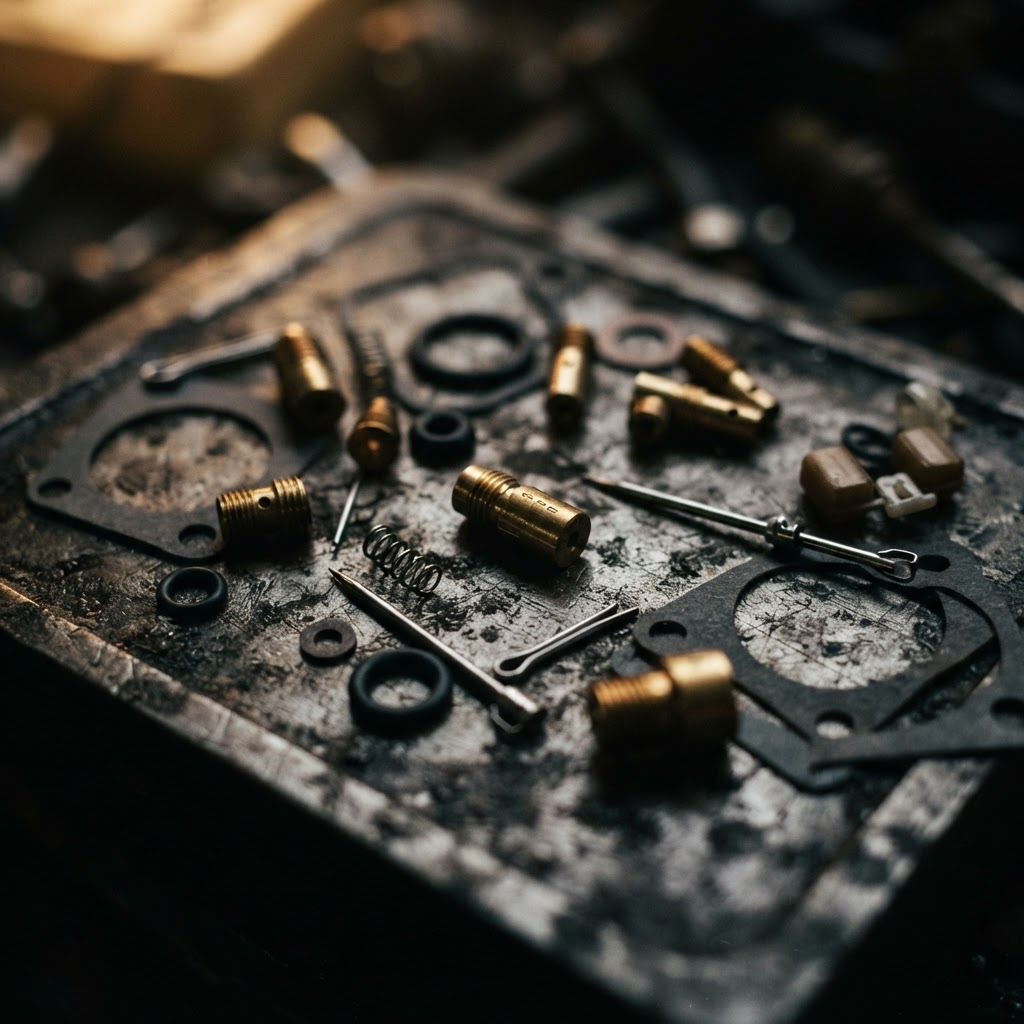
Carburetor Rebuild Kit
This kit contains the essential gaskets, needle, and seat needed to resolve internal clogging and restore proper fuel-air mixture delivery under load.
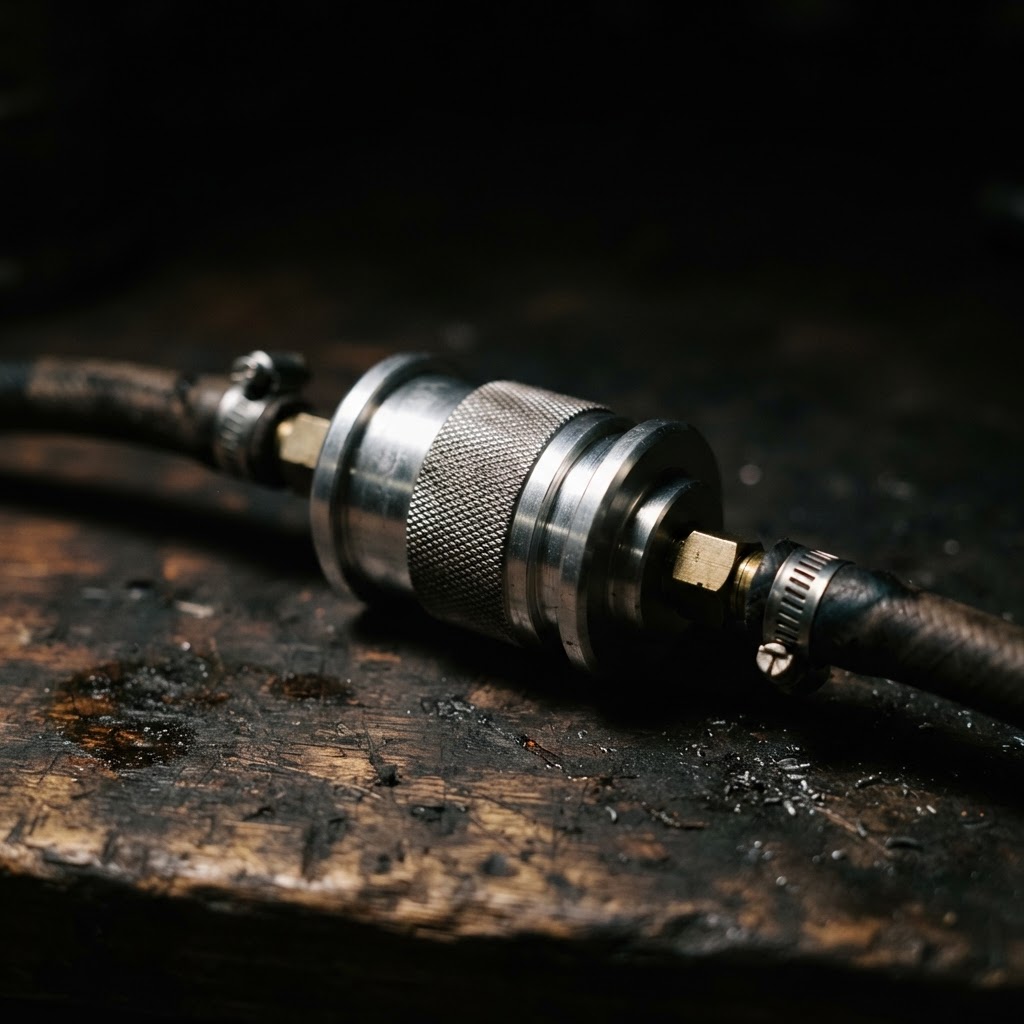
In-Line Fuel Filter
If fuel flow is restricted, replacing a saturated or debris-filled filter is the first step to ensuring the engine receives sufficient fuel pressure during demanding cutting conditions.
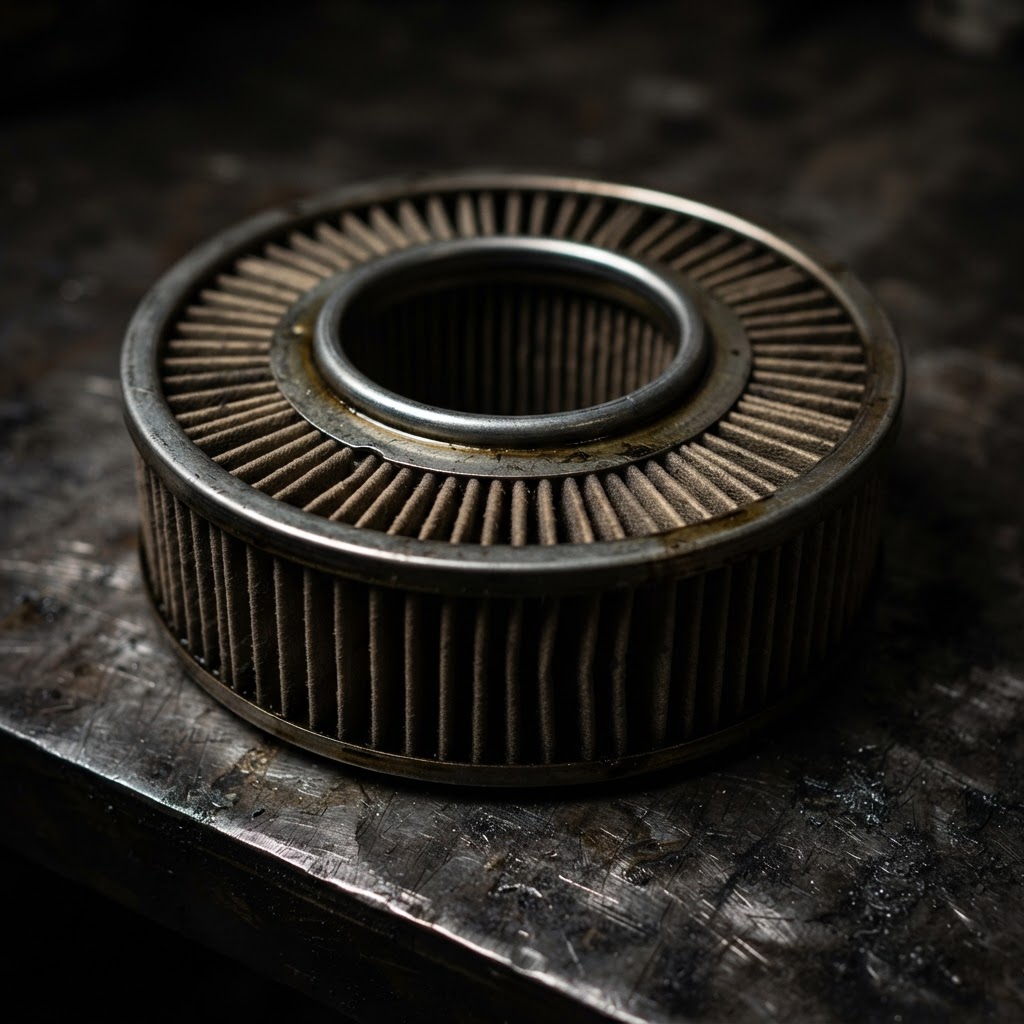
Air Filter Element
A clogged air filter restricts oxygen intake; replacing it allows the engine to breathe properly, preventing power loss when the engine is working under a heavy load.
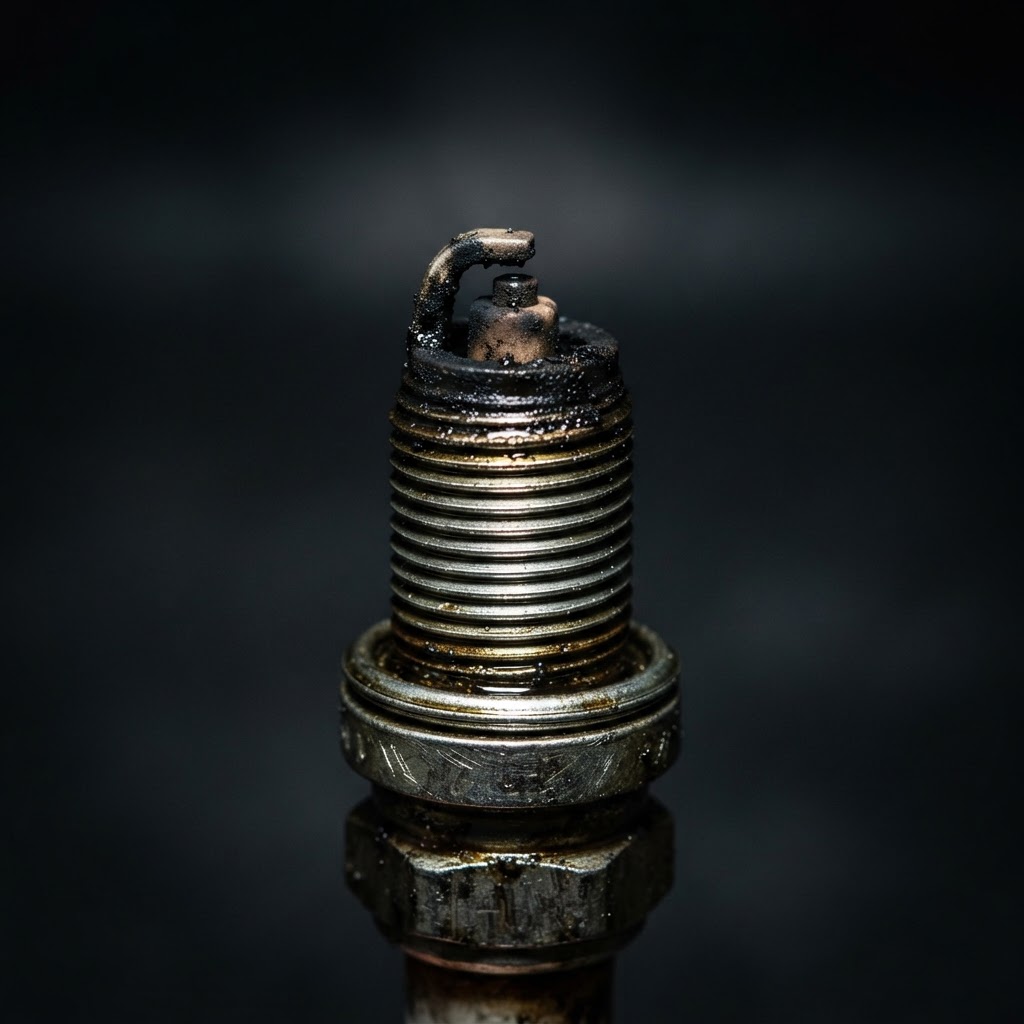
Spark Plug
A worn or fouled spark plug can cause weak combustion that fails to support engine power under stress, requiring replacement to ensure a consistent ignition spark.
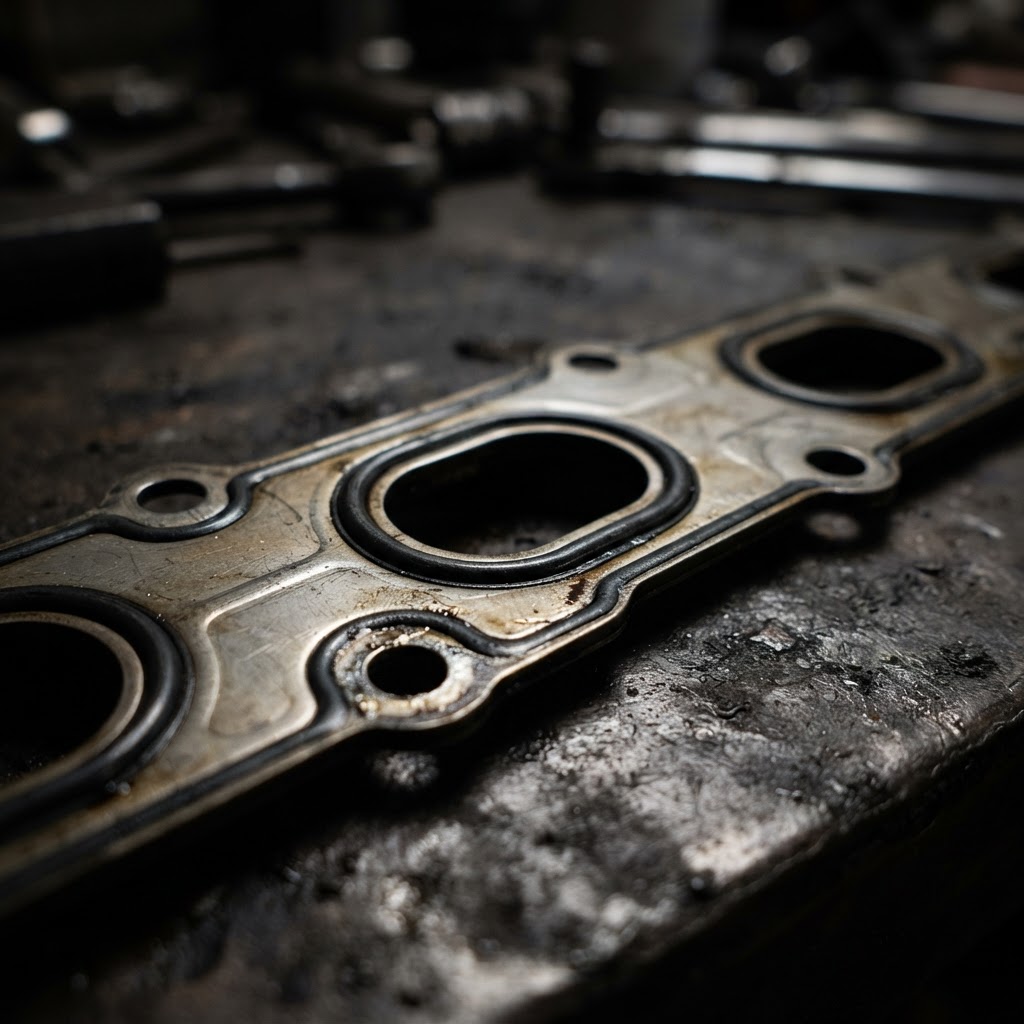
Intake Manifold Gasket
Damaged intake gaskets create air leaks that disrupt the fuel-air ratio; replacing them restores the necessary seal to maintain engine performance and power output.
Affiliate Disclosure: Lil Engine may earn commissions from qualifying purchases.
Pro Tips from the Community
Real-world fixes from Reddit, YouTube & forums.
"Check the fuel cap vent first, because if it's clogged, the vacuum will stop fuel flow as soon as the engine works hard."
LawnSite.com Forum"Inspect the fuel line for internal delamination where the rubber lining collapses under suction while mowing in tall grass."
TractorByNet"Verify the cooling fins are clear of debris, as an overheating engine will drastically lose power long before it actually seizes."
Reddit r/smallengines"Check the drive belt tension and pulleys, as a binding deck spindle will create a massive load that kills the engine's RPMs."
DoItYourself.comPrevent This From Coming Back
Use a fuel stabilizer in every can of gasoline stored for more than 30 days
Replace the fuel filter every 50 hours of operation
Clean the cooling fins on the cylinder head to prevent thermal degradation
Change the engine oil and filter at the start of every season to reduce internal friction
Check air filter element cleanliness before every mowing session
Prevent This From Happening Again
While you're fixing it, stock up on the maintenance essentials that keep your riding mowers running right.
Small Engine Oil
Change oil every 50 hours or once per season to prevent engine wear.
Get on AmazonAir Filter
A clogged air filter reduces power and fuel efficiency — replace annually.
Get on AmazonFuel Stabilizer
Keeps fuel fresh during storage, preventing carburetor gumming.
Get on AmazonAffiliate Disclosure: Lil Engine may earn commissions from qualifying purchases.
Frequently Asked Questions
Engaging the PTO deck adds a significant mechanical load that tests the engine's ability to maintain a fuel-rich mixture. If the fuel system is restricted, the engine will lack the power to turn the deck and will stall.
Video Help
Helpful videos showing these repairs in action.
Share Your Repair
Real-world fixes help everyone. Share what worked and your repair becomes part of Lil Engine's community database.
Related Problems
More Riding Mowers GuidesRelated Maintenance Articles
Related Symptoms
Related Searches
Riding Mowers Troubleshooting
Did this help?
Your feedback helps improve guides for everyone.