Mower Cranks But Won't Start — Fuel & Spark Diagnosis
⚡ Quick Answer
First, perform a 'shot test' by spraying carburetor cleaner directly into the air intake; if the engine fires for a second, your problem is 100% fuel delivery (clogged carb or failed fuel solenoid). If it doesn't fire, use an inline spark tester to verify a strong blue spark across a 0.030 inch gap. Finally, check for a sheared flywheel key if the mower recently hit an object, as this disrupts ignition timing even if spark is present.
What do you want to do?
Most Likely Cause
Stale or Degraded Fuel
Ethanol-blended fuel absorbs moisture and undergoes oxidation within 30 days, leaving behind gummy deposits in the carburetor. If the fuel smells sour or appears dark, the volatile components have evaporated, preventing combustion.
Start here — this is the most common reason for this symptom.
Why This Problem Happens
When a riding mower cranks but refuses to fire, the internal combustion engine is missing one of the three critical requirements: a stoichiometric fuel-air mixture, timed high-voltage ignition, or sufficient cylinder compression. Since the starter motor is turning the crankshaft, we know the battery and starter solenoid are functional, narrowing the scope to the combustion cycle. In many modern engines, the carburetor's fuel solenoid or a clogged main jet prevents fuel from entering the intake manifold, or a failing ignition coil fails to trigger a spark at the precise moment the piston reaches top-dead-center.
Mechanically, if fuel is reaching the combustion chamber but ignition is absent, the engine suffers from 'flooding,' where raw fuel washes the oil film off the cylinder walls, further degrading compression. Alternatively, a sheared flywheel key—often caused by an accidental strike of a stationary object—alters the timing of the spark relative to the valve opening. This decoupling of the mechanical timing and electrical ignition means that even if a spark is present, it occurs when the intake or exhaust valves are open, resulting in zero pressure buildup and no power stroke.
Common Symptoms
- Engine turns over with a healthy, rhythmic cadence
- Spark plug tip is dry despite multiple cranking attempts
- Strong odor of raw gasoline after repeated cranking
- Intermittent 'popping' or backfiring through the exhaust
- Complete lack of spark when tested with an inline gap tester
Before You Buy Parts
Quick, free inspections — check these first. Most repairs don't actually need replacement parts.
Complete Resource Guide
Complete Riding Mowers Troubleshooting Guide
Repair Overview
45–90 minutes
$5–$40
First Checks — Start Here
- 1Verify fuel is fresh and free of water or 'sour' varnish odor
- 2Test for spark using an inline tester (do not just ground the plug against the head)
- 3Listen for the fuel shut-off solenoid 'click' when the key is turned to the 'ON' position
- 4Check air filter for oil saturation, which indicates a breather issue or tipped mower
- 5Inspect the spark plug for carbon fouling or a 'wet' appearance (flooding)
- 6Verify valve clearance (lash) if the engine has compression but refuses to pull in fuel
Safety Warnings
- !Keep hands and loose clothing clear of the cooling fan and belt pulleys while cranking.
- !Do not perform this test near hot exhaust components or open flames.
- !Ensure the parking brake is engaged to prevent unintended movement.
- !Allow the engine to cool for at least 30 minutes before touching the spark plug.
- !Never use excessive starting fluid as it lacks lubrication and can cause engine knock.
- !Disconnect the negative battery terminal before removing the engine shroud to prevent accidental engagement.
- !Using old gas that has been sitting for over three months
- !Ignoring the ground wire on the ignition coil when checking for spark
- !Over-tightening the spark plug and stripping the aluminum cylinder head threads
- !Assuming the spark plug is good just because it 'looks clean' without testing it
- !Failing to check for an engaged parking brake or seat safety switch
Always disconnect the spark plug, work in a well-ventilated area, and consult a professional if unsure.
Most Likely Causes
Ranked by likelihood — tap each to see diagnosis details.
Ethanol-blended fuel absorbs moisture and undergoes oxidation within 30 days, leaving behind gummy deposits in the carburetor. If the fuel smells sour or appears dark, the volatile components have evaporated, preventing combustion.
Microscopic debris often lodges in the main jet, obstructing the flow of fuel from the bowl to the venturi. This results in an engine that cranks indefinitely but cannot draw fuel into the intake stream.
🔧 Step-by-Step Fix Guide
Perform an Inline Spark Test
Attach an adjustable inline spark tester to the spark plug wire and ground the other end to the engine block. Crank the engine; a bright blue, audible snap indicates a healthy coil, while a weak yellow spark or no spark confirms an ignition fault.
Keep hands and loose clothing clear of the cooling fan and belt pulleys while cranking.
Verify Fuel Delivery at the Carburetor
Disconnect the fuel line from the carburetor inlet and place it into a catch container. Briefly turn the ignition key to ensure the pump is pushing a strong, steady stream of fuel.
Do not perform this test near hot exhaust components or open flames.
Test the Fuel Shut-off Solenoid
With the ignition switch in the 'ON' position, listen for a distinct 'click' sound coming from the base of the carburetor. If you do not hear a click, use a multimeter to check for 12V power at the solenoid wire plug.
Ensure the parking brake is engaged to prevent unintended movement.
Check Spark Plug Condition
Remove the plug using a 5/8-inch or 13/16-inch plug socket. Inspect for carbon fouling, excessive gap, or a wet/oily residue which indicates improper combustion or internal leaking.
Allow the engine to cool for at least 30 minutes before touching the spark plug.
Administer a 'Shot' of Starter Fluid
Spray a small amount of starting fluid into the air intake (filter removed). If the engine fires briefly and dies, you have confirmed that spark and compression are present, proving the issue is entirely fuel-related.
Never use excessive starting fluid as it lacks lubrication and can cause engine knock.
Inspect the Flywheel Key
Remove the top engine shroud and inspect the alignment of the flywheel slot relative to the crankshaft keyway. If the slots are not perfectly aligned, the key must be replaced to restore ignition timing.
Disconnect the negative battery terminal before removing the engine shroud to prevent accidental engagement.
What To Test Next
If fuel delivery checks out, the next thing to inspect is spark — remove the spark plug, ground its threads to the engine block, and crank the engine to look for a visible blue spark.
Component Reference

Carburetor & Fuel Intake
The carburetor mixes air and fuel for combustion. A clogged jet or stuck float is the #1 cause of small engine starting and surging problems.

Spark Plug & Ignition System
The spark plug ignites the air-fuel mixture. A fouled plug, wrong gap, or failing ignition coil will prevent the engine from firing.

Oil & Lubrication System
Regular oil changes are critical. Low or dirty oil causes engine wear, overheating, and eventual seizure. Check the dipstick before every season.

Air Filter & Intake
A clogged air filter starves the engine of air, causing rich running, power loss, and hard starting. Inspect and clean or replace it each season.
Photos for educational reference. Actual parts may vary by make and model.
Common Mistakes to Avoid
Using old gas that has been sitting for over three months
Ignoring the ground wire on the ignition coil when checking for spark
Over-tightening the spark plug and stripping the aluminum cylinder head threads
Assuming the spark plug is good just because it 'looks clean' without testing it
Failing to check for an engaged parking brake or seat safety switch
If This Didn't Fix It
Still having trouble? These are the next things to check:
Get the Exact Parts for Your Machine
Tell us your equipment's year, make, and model — we'll search for parts that actually fit, not generic ones.
Finding parts for
Mower doesn’t atart
Required Gear
Matched to your Mower doesn’t atart — click to find the exact fit on Amazon.
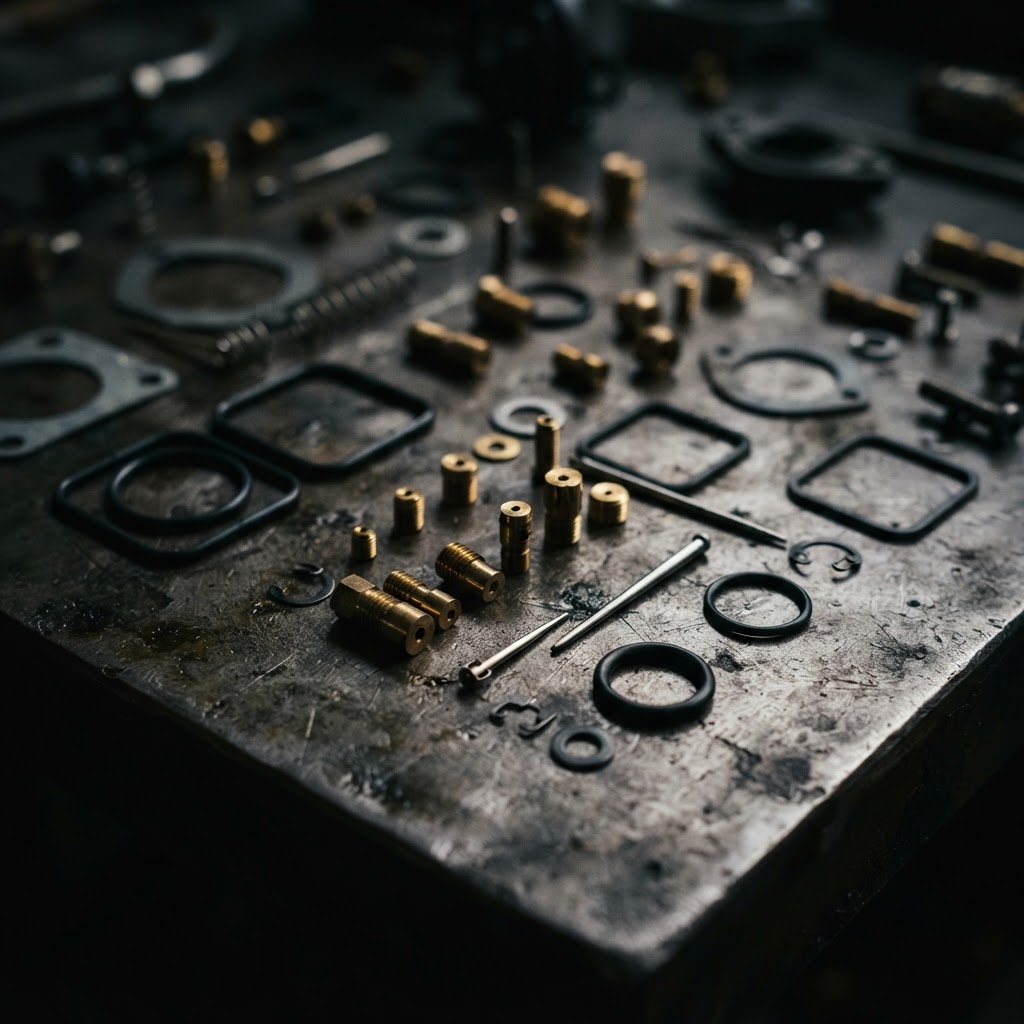
Carburetor Rebuild Kit
This contains the specific gaskets, needle valve, and precision jets required to clear internal clogs within the carburetor that prevent fuel delivery.
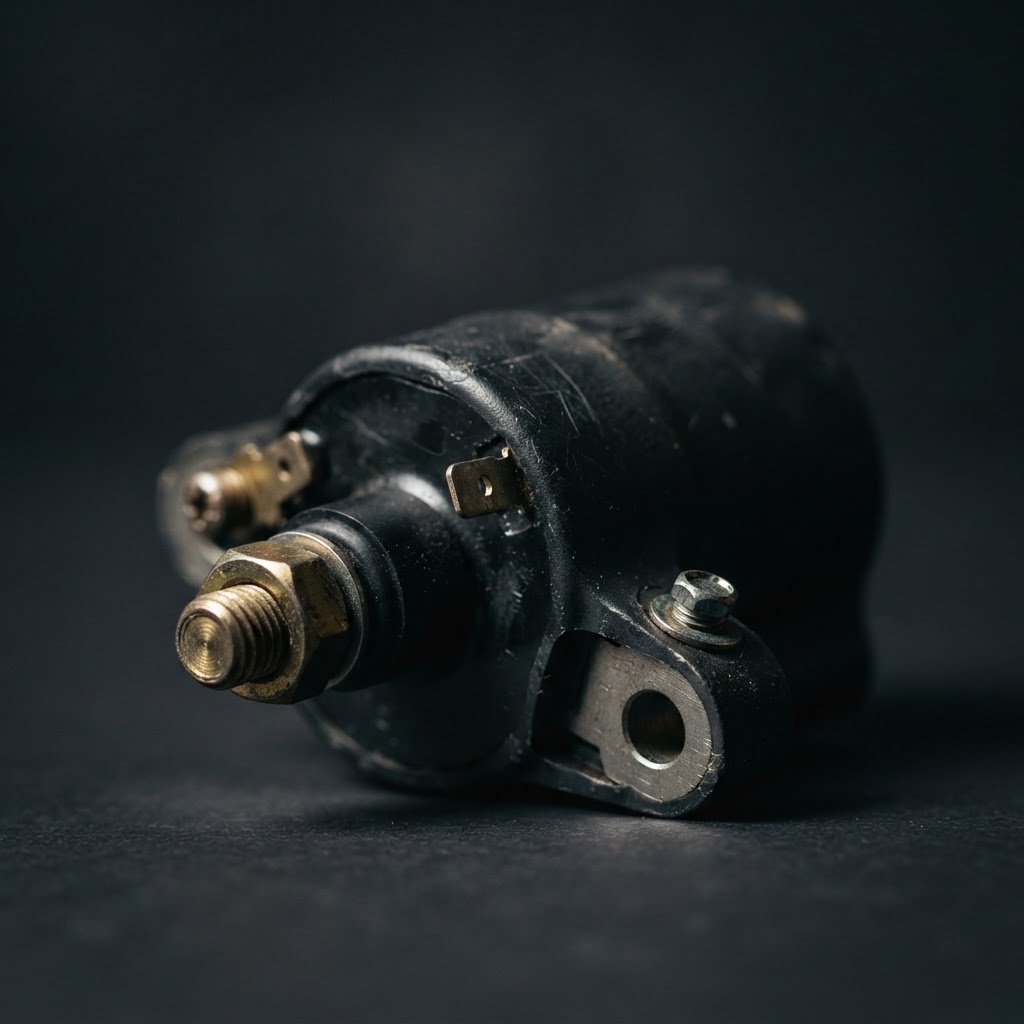
Ignition Coil
If an inline spark test confirms the absence of a reliable spark, replacing the magneto is the only way to restore the ignition timing and firing capability.
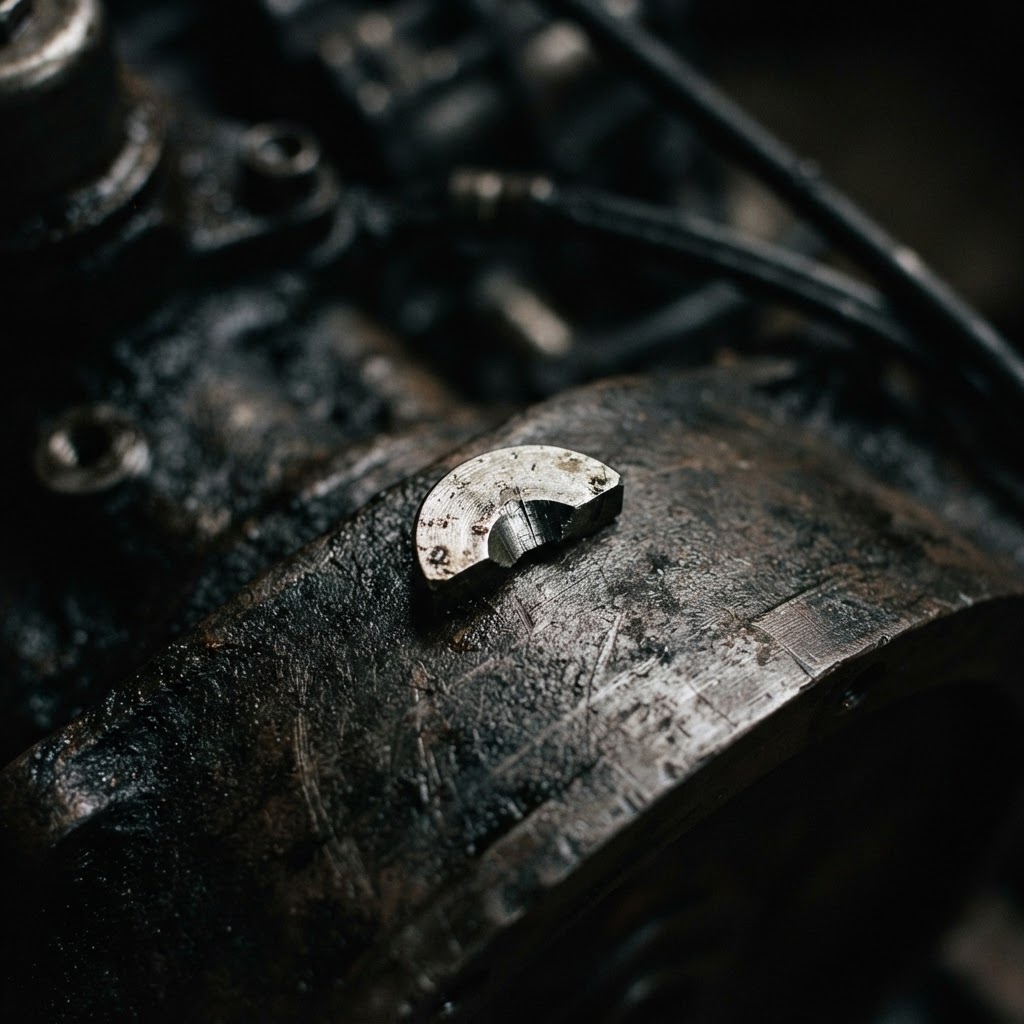
Flywheel Key
This sacrificial part often shears during a sudden engine stop, causing incorrect ignition timing that makes the engine crank without firing.
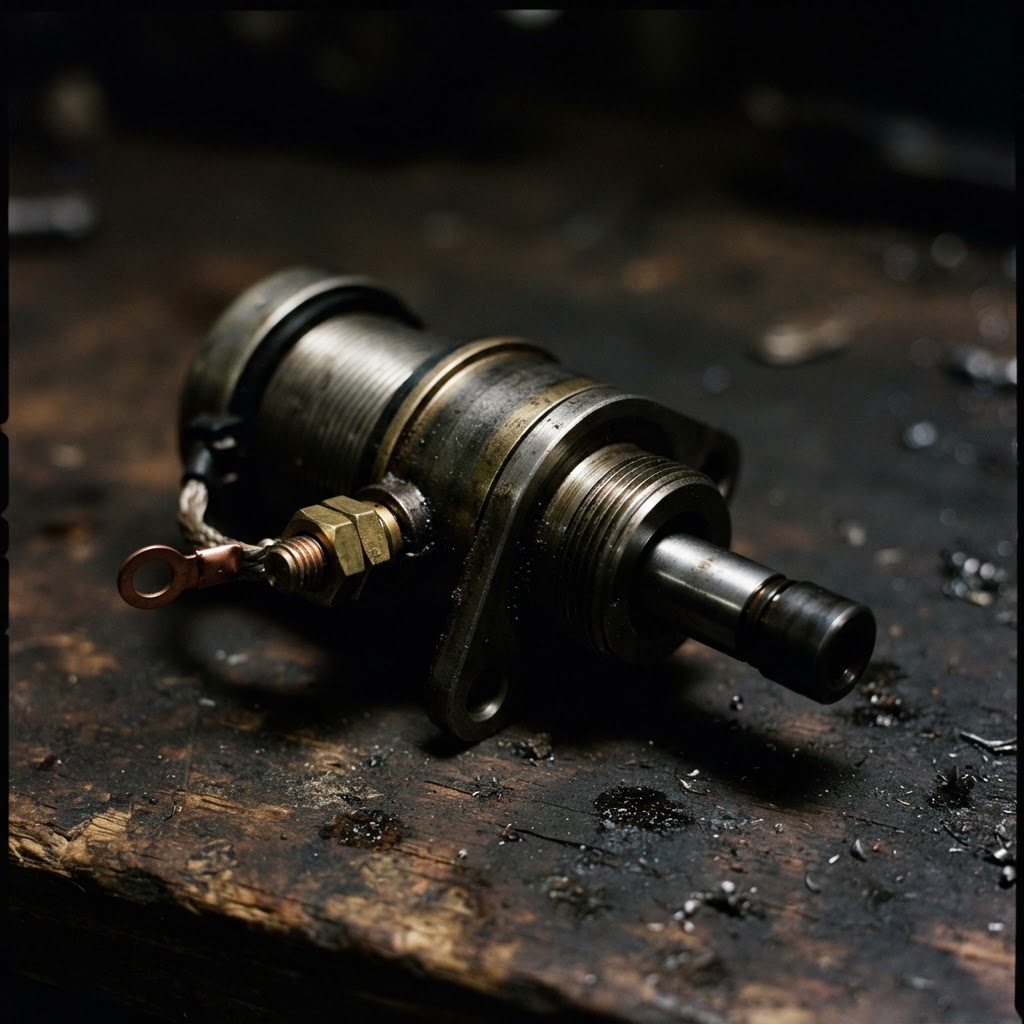
Fuel Shut-off Solenoid
If testing reveals the solenoid is stuck in the closed position, this component must be replaced to allow fuel to enter the main carburetor bowl.
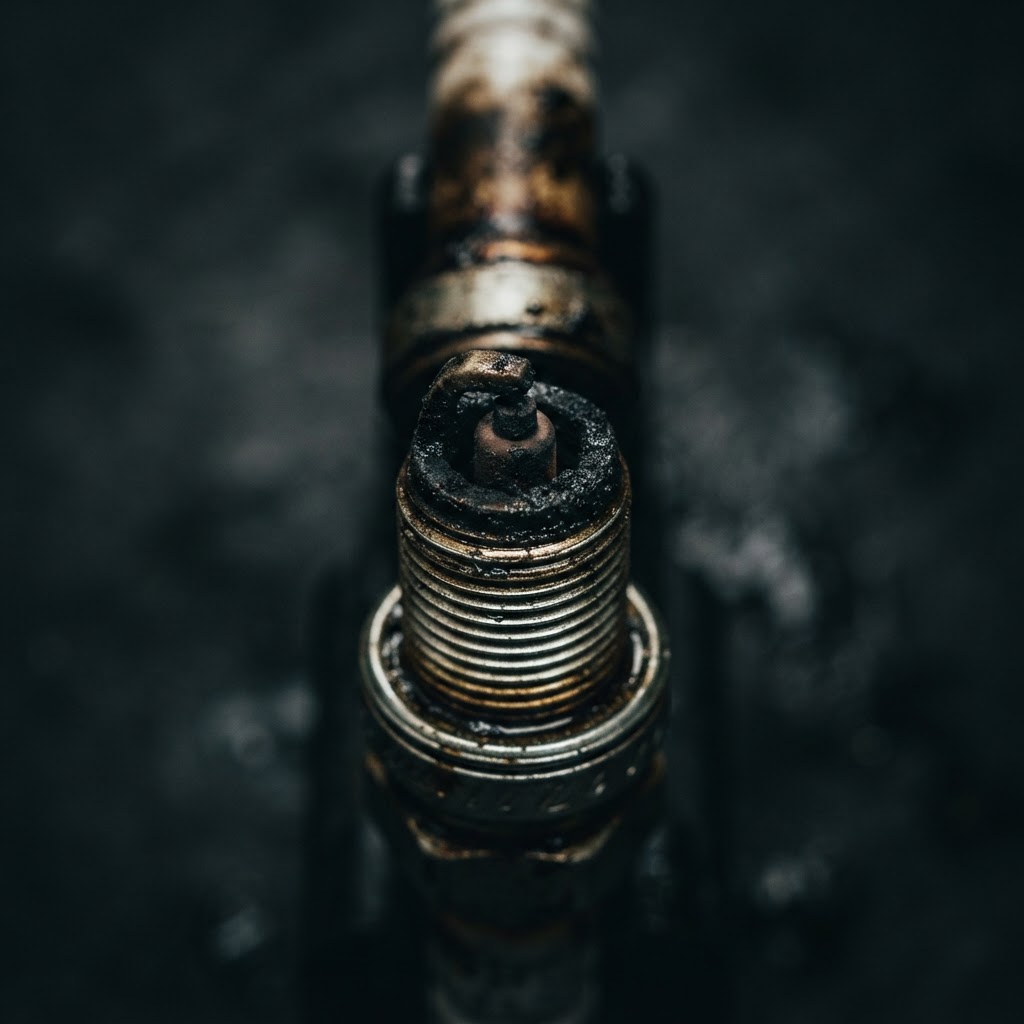
Spark Plug
If the current plug is fouled or shows no spark during testing, a fresh plug is necessary to ensure consistent ignition of the fuel-air mixture.
Affiliate Disclosure: Lil Engine may earn commissions from qualifying purchases.
Pro Tips from the Community
Real-world fixes from Reddit, YouTube & forums.
"On Kawasaki engines, if it cranks but won't fire, check the intake valve through the carb throat—they are notorious for sticking open due to old fuel varnish."
LawnSite.com Forum"Always check the 'kill wire' on the ignition coil; sometimes it rubs against the engine shroud and shorts to ground, killing spark even if the coil is good."
Reddit r/lawncare"If you suspect the fuel solenoid is bad but need to finish the job, you can often cut the tip off the plunger as a temporary 'get home' fix, though the engine may backfire on shutdown."
TractorByNet ForumPrevent This From Coming Back
Use non-ethanol fuel with a high-quality fuel stabilizer added at every fill-up
Replace the fuel filter annually to prevent debris from reaching the needle valve
Replace the spark plug once per season to ensure optimal firing strength
Clean the cooling fins around the engine block to prevent thermal degradation of the ignition coil
Prevent This From Happening Again
While you're fixing it, stock up on the maintenance essentials that keep your riding mowers running right.
Small Engine Oil
Change oil every 50 hours or once per season to prevent engine wear.
Get on AmazonAir Filter
A clogged air filter reduces power and fuel efficiency — replace annually.
Get on AmazonFuel Stabilizer
Keeps fuel fresh during storage, preventing carburetor gumming.
Get on AmazonAffiliate Disclosure: Lil Engine may earn commissions from qualifying purchases.
Frequently Asked Questions
If the battery has enough voltage to engage the starter solenoid and turn the engine, it is likely sufficient for ignition. However, if the voltage drops below 9V during cranking, the ignition system may not have enough power to create a robust spark.
Video Help
Helpful videos showing these repairs in action.
Share Your Repair
Real-world fixes help everyone. Share what worked and your repair becomes part of Lil Engine's community database.
Related Problems
More Riding Mowers GuidesRelated Maintenance Articles
Related Symptoms
Won’t Start
Related Searches
Riding Mowers Troubleshooting
Did this help?
Your feedback helps improve guides for everyone.