Riding Mower Dies When Blades Are Engaged
⚡ Quick Answer
When a riding mower dies upon engaging the blades, it is usually triggered by a safety feature acting incorrectly or an engine that cannot handle the sudden load. Check your seat safety switch and ensure your engine is properly tuned to handle the extra demand.
What do you want to do?
Most Likely Cause
Bad Seat Safety Switch
If your weight isn't detected by the seat sensor, the mower's logic board cuts the PTO circuit. Test for continuity while sitting in the seat to ensure the switch isn't vibrating open during operation.
Start here — this is the most common reason for this symptom.
Why This Problem Happens
When you engage the electric PTO clutch on a riding mower, you impose an immediate, high-torque mechanical load on the crankshaft. If the engine is already struggling with a lean fuel condition, weak ignition output, or restricted airflow, it lacks the reserve power to handle the sudden parasitic drag. The system effectively stalls because the combustion cycle cannot maintain the necessary RPM against the engagement of the mower deck's rotating mass. Furthermore, the electrical circuit that energizes the PTO clutch coil is often tied into the same ground circuit as the ignition coil and safety interlock module. If there is a high-resistance fault or a pinched wire in the harness, engaging the PTO creates a voltage drop that starves the spark plug of sufficient current, causing the engine to kill instantly. The engine essentially loses its ability to convert chemical energy into kinetic force the moment the electromagnetic clutch demands both mechanical load and electrical stability.
Common Symptoms
- Engine cuts out immediately upon flipping the PTO switch
- Audible snap or heavy bogging sound during blade engagement
- Intermittent stalling specifically when hitting tall or thick grass
- Visible arcing or burning smell near the PTO clutch connector
- Engine backfires through the intake before shutting off
Before You Buy Parts
Quick, free inspections — check these first. Most repairs don't actually need replacement parts.
Complete Resource Guide
Complete Riding Mowers Troubleshooting Guide
Repair Overview
1–2 hours
$20–$150
First Checks — Start Here
- 1Ensure you are sitting firmly in the center of the seat.
- 2Check for debris under the mower deck.
- 3Verify the blade engagement switch is not loose.
- 4Make sure the fuel tank is full of fresh gasoline.
- 5Inspect the spark plug wire connection.
Safety Warnings
- !Always remove the spark plug wire before performing electrical tests to prevent accidental engine starts.
- !Ensure the mower ignition is in the 'Off' position before touching any wiring.
- !Work in a well-ventilated area to avoid gasoline vapor buildup.
- !Wear heavy leather gloves as spindle blades may still be sharp.
- !Do not touch the spark tester during cranking to avoid a severe shock.
- !Use fuel line clamps to prevent spilling gas when removing the old filter.
- !Replacing the battery when the real issue is the PTO clutch coil pulling excessive current
Always disconnect the spark plug, work in a well-ventilated area, and consult a professional if unsure.
Most Likely Causes
Ranked by likelihood — tap each to see diagnosis details.
If your weight isn't detected by the seat sensor, the mower's logic board cuts the PTO circuit. Test for continuity while sitting in the seat to ensure the switch isn't vibrating open during operation.
An internal short within the electromagnetic clutch coil can pull excessive amperage. Use a digital multimeter to measure the resistance of the clutch; anything below 2.0 ohms usually indicates a shorted winding.
🔧 Step-by-Step Fix Guide
Test Seat Safety Switch Continuity
Disconnect the harness under the seat and use a multimeter set to ohms to check for a closed circuit when compressed. If the circuit opens when you wiggle the seat, replace the switch immediately.
Always remove the spark plug wire before performing electrical tests to prevent accidental engine starts.
Check PTO Clutch Resistance
Unplug the PTO clutch connector and measure across the two terminals on the clutch side using a multimeter. Values significantly lower than 2.0 ohms indicate a failed coil that is pulling too much power.
Ensure the mower ignition is in the 'Off' position before touching any wiring.
Clean the Carburetor Main Jet
Remove the fuel bowl nut on the bottom of the carburetor. Use a small wire to clear the holes in the side of the brass jet nut to ensure proper fuel delivery during high-demand operation.
Work in a well-ventilated area to avoid gasoline vapor buildup.
Inspect the Deck Belt and Spindles
Remove the mower deck belt and manually spin each spindle pulley. If a spindle feels gritty or stiff, the mechanical drag is preventing the engine from maintaining RPM during engagement.
Wear heavy leather gloves as spindle blades may still be sharp.
Test Ignition Coil Output
Use an inline spark tester between the plug and the boot. If the spark turns weak or intermittent when you engage the PTO, the coil may be failing under heat/load stress.
Do not touch the spark tester during cranking to avoid a severe shock.
Replace the Fuel Filter
A partially clogged fuel filter allows enough fuel for idling but restricts flow when the engine demands more power. Replace the inline filter if it shows any signs of darkening or sediment.
Use fuel line clamps to prevent spilling gas when removing the old filter.
What To Test Next
If fuel flow is steady, the next thing to inspect is the ignition coil when the engine is hot — a failing coil often fails warm and recovers when cool.
Component Reference

Carburetor & Fuel Intake
The carburetor mixes air and fuel for combustion. A clogged jet or stuck float is the #1 cause of small engine starting and surging problems.

Spark Plug & Ignition System
The spark plug ignites the air-fuel mixture. A fouled plug, wrong gap, or failing ignition coil will prevent the engine from firing.

Oil & Lubrication System
Regular oil changes are critical. Low or dirty oil causes engine wear, overheating, and eventual seizure. Check the dipstick before every season.

Air Filter & Intake
A clogged air filter starves the engine of air, causing rich running, power loss, and hard starting. Inspect and clean or replace it each season.
Photos for educational reference. Actual parts may vary by make and model.
Common Mistakes to Avoid
Replacing the battery when the real issue is the PTO clutch coil pulling excessive current
Ignoring the seat switch because it works fine when the mower is parked
Trying to adjust the carburetor before ensuring the air filter is clean
Replacing the entire engine harness when only a single pin connector was corroded
If This Didn't Fix It
Still having trouble? These are the next things to check:
Get the Exact Parts for Your Machine
Tell us your equipment's year, make, and model — we'll search for parts that actually fit, not generic ones.
Finding parts for
Riding mower
Required Gear
Matched to your Riding mower — click to find the exact fit on Amazon.
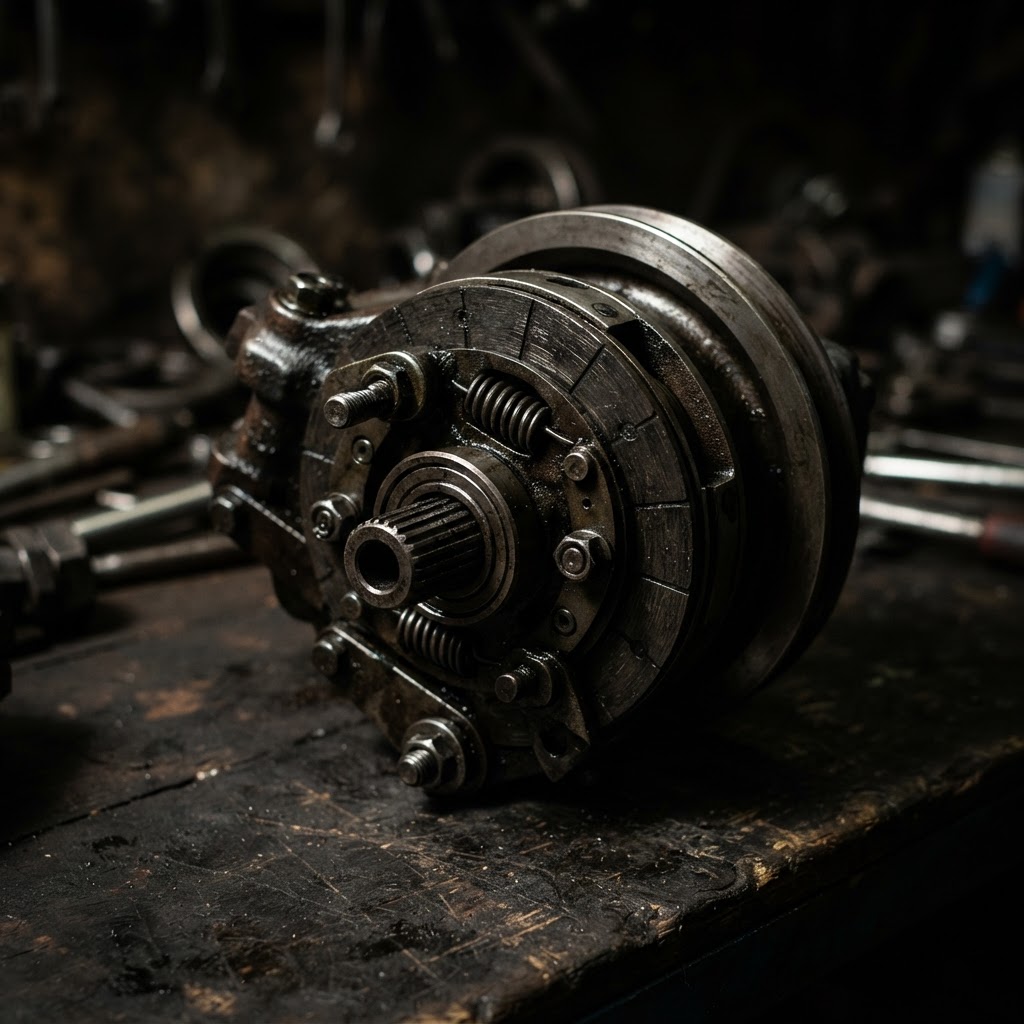
PTO Clutch Assembly
If the existing coil fails an electrical resistance test or is physically seized, this unit is required to engage the mower blades without stalling the engine.
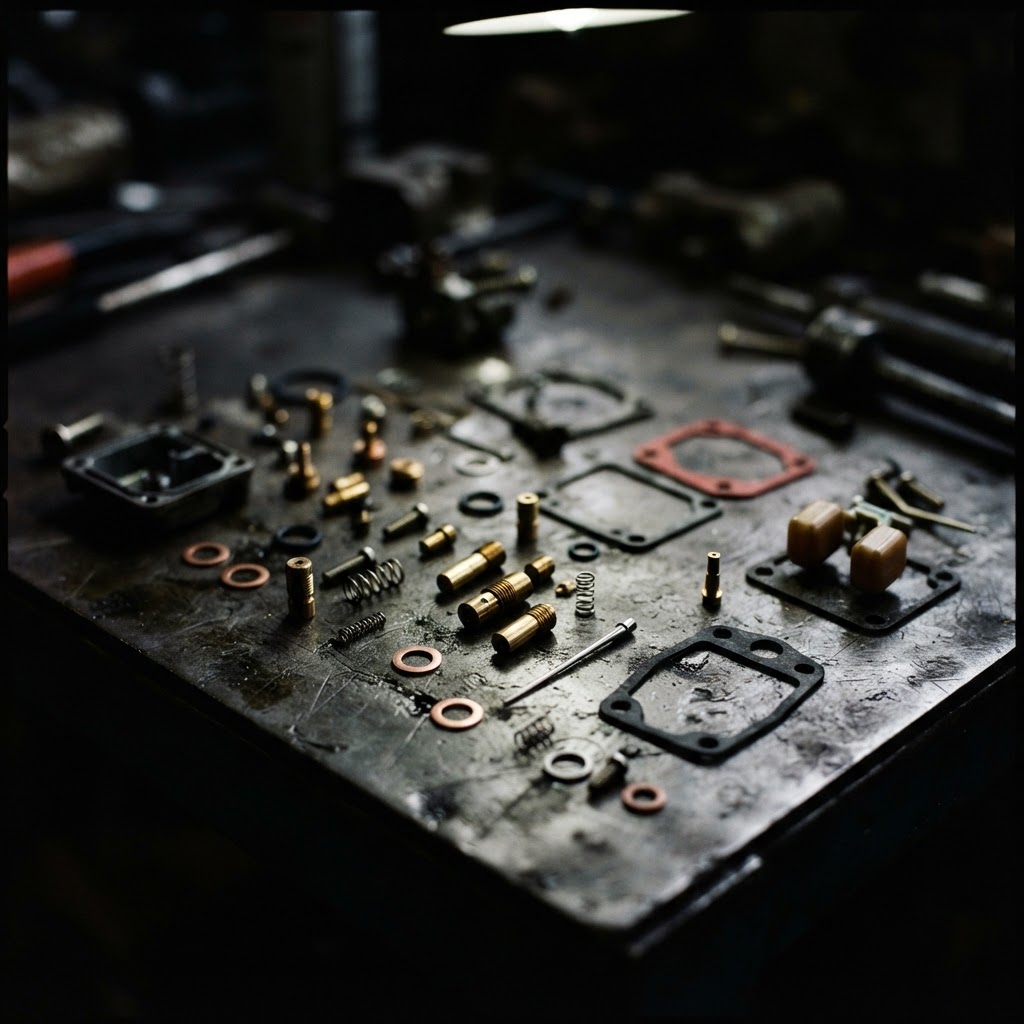
Carburetor Rebuild Kit
When the main jet is clogged due to stale fuel, this kit provides the necessary needles, seats, and gaskets to restore proper fuel flow under high-load conditions.
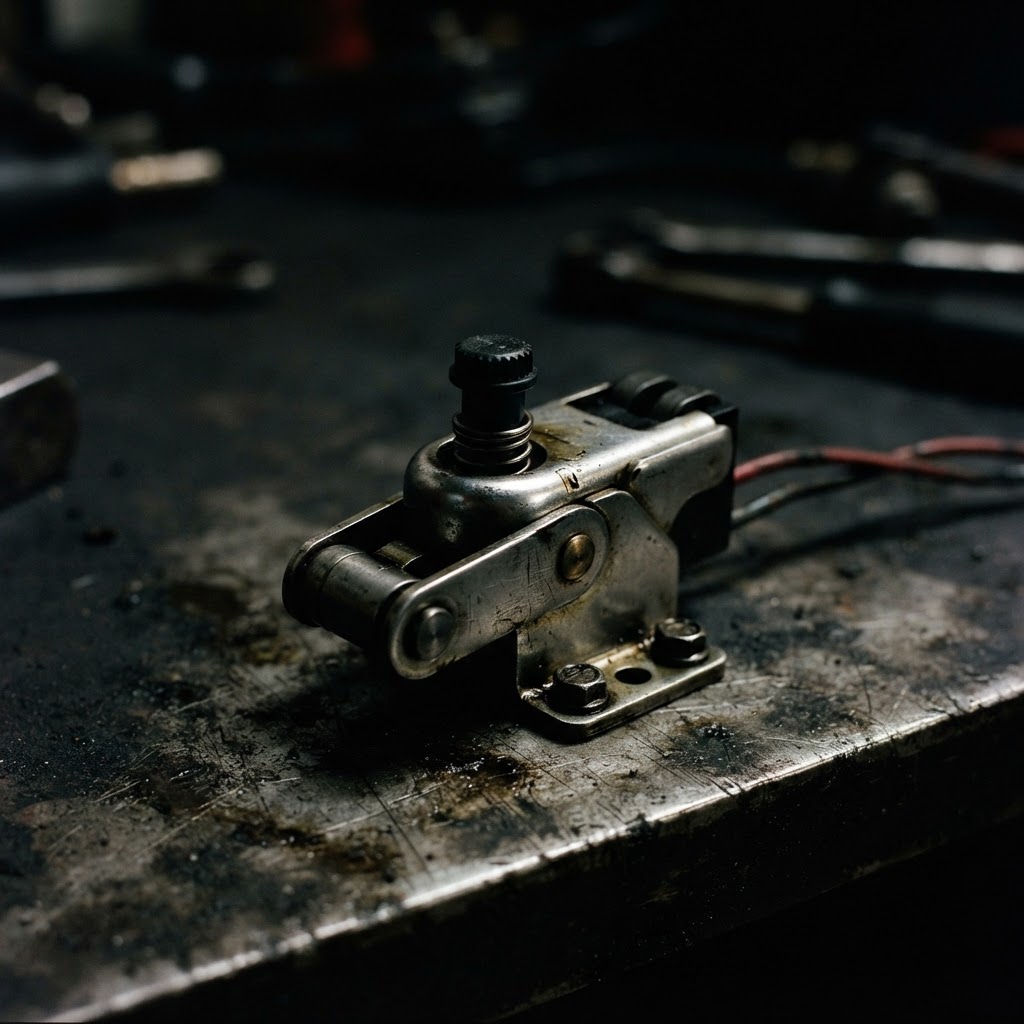
Seat Safety Switch
A faulty switch can signal the mower to kill the engine the moment the blades are engaged; replacing it ensures the mower recognizes the operator is present.
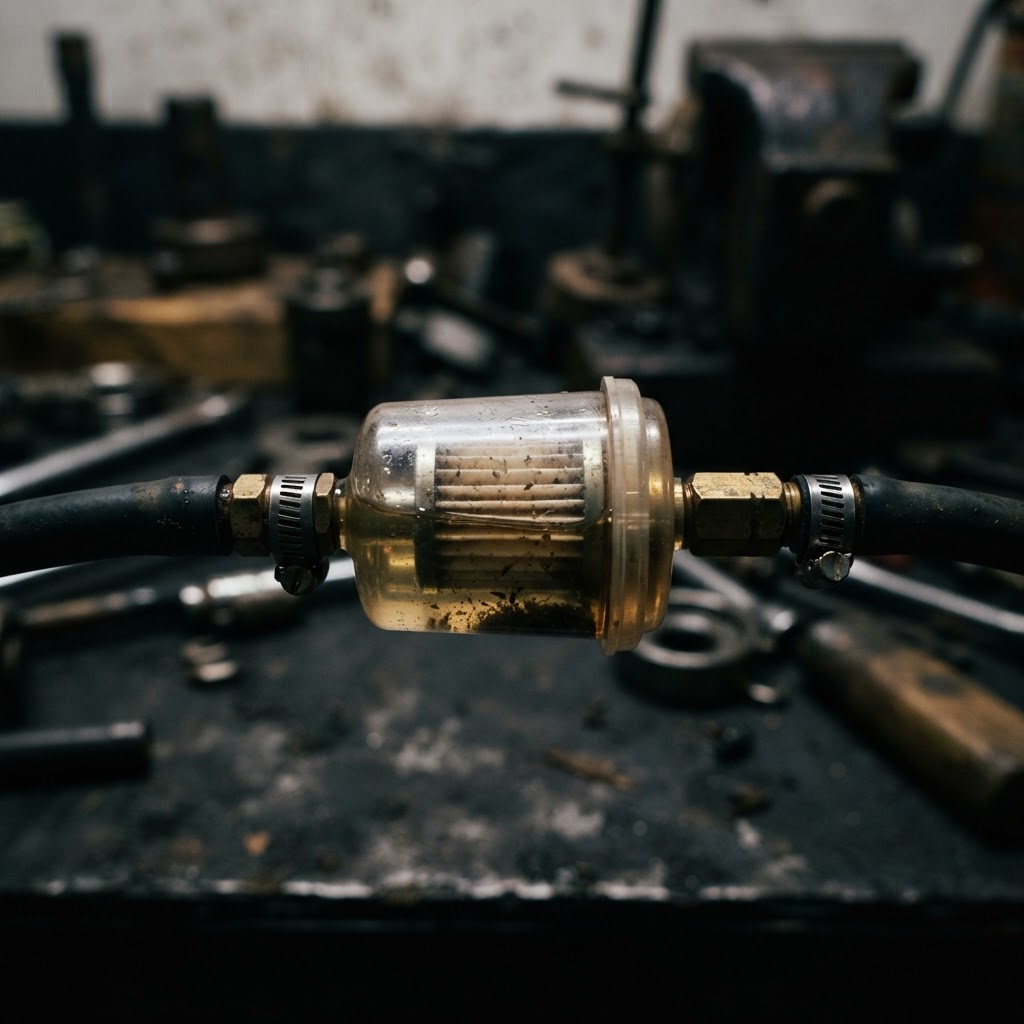
Fuel Filter
This is essential for ensuring that contaminants released from the tank during the repair do not immediately re-clog the carburetor main jet.
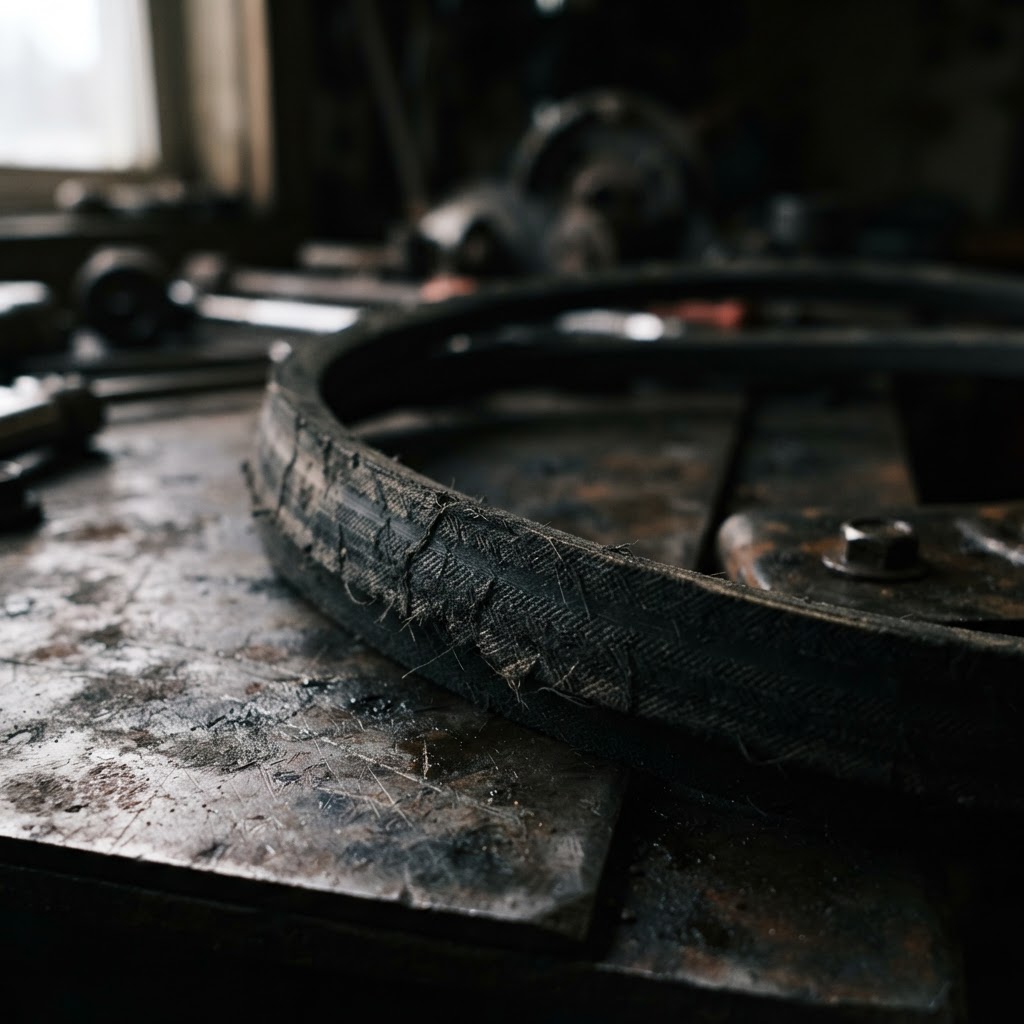
Mower Deck Drive Belt
If the belt is worn or damaged, it can create excessive friction or drag on the engine when the blades are engaged, causing a stall.
Affiliate Disclosure: Lil Engine may earn commissions from qualifying purchases.
Pro Tips from the Community
Real-world fixes from Reddit, YouTube & forums.
"Check your seat safety switch first by sitting firmly and bridging the connection, as a loose sensor is the most common reason the mower kills power the second the PTO engages."
Reddit r/smallengines"If the engine stalls under load, check your deck pulleys for seized bearings because a dragging deck creates enough resistance to trigger the safety kill or stall the engine entirely."
LawnSite.com Forum"Check the gap on your electric PTO clutch; if it is set too wide, the massive current draw from a dying clutch can drop the system voltage enough to kill the spark."
TractorByNet"Clean the cooling fins under the engine shroud; if the engine is overheating, the thermal overload will cause it to die as soon as you put it under the stress of mowing."
YouTube commentsPrevent This From Coming Back
Use a fuel stabilizer in every can of gasoline to prevent carburetor varnishing
Grease the deck spindle bearings every 25 hours to prevent mechanical drag
Inspect the PTO clutch wires for chafing or heat damage annually
Clean grass buildup from the top of the mower deck to reduce engine load
Prevent This From Happening Again
While you're fixing it, stock up on the maintenance essentials that keep your riding mowers running right.
Small Engine Oil
Change oil every 50 hours or once per season to prevent engine wear.
Get on AmazonAir Filter
A clogged air filter reduces power and fuel efficiency — replace annually.
Get on AmazonFuel Stabilizer
Keeps fuel fresh during storage, preventing carburetor gumming.
Get on AmazonAffiliate Disclosure: Lil Engine may earn commissions from qualifying purchases.
Frequently Asked Questions
Yes, if the battery is failing, the electromagnetic clutch may pull enough voltage away from the ignition system to cause the engine to stall. Ensure the battery is load-tested and holding at least 12.6 volts.
Video Help
Helpful videos showing these repairs in action.
Share Your Repair
Real-world fixes help everyone. Share what worked and your repair becomes part of Lil Engine's community database.
Related Problems
More Riding Mowers GuidesRelated Maintenance Articles
Related Symptoms
Related Searches
Riding Mowers Troubleshooting
Did this help?
Your feedback helps improve guides for everyone.