Riding Mower Surges at Idle
⚡ Quick Answer
A surging riding mower at idle often points to fuel delivery or air intake problems. Start by checking your fuel quality and ensuring a clean air filter. These are the most common culprits and easiest fixes for this issue.
What do you want to do?
Most Likely Cause
Clogged Pilot Jet
The pilot jet is a precision-machined orifice responsible for fuel delivery at low throttle. Any microscopic debris or varnish prevents consistent fuel flow, causing the engine to starve and the governor to constantly search for power.
Start here — this is the most common reason for this symptom.
Why This Problem Happens
Surging at idle in a riding mower is almost exclusively a symptom of an unstable air-fuel ratio, colloquially known as a 'lean hunt.' In a naturally aspirated small engine, the idle circuit is designed to deliver a precise, fuel-rich mixture when the throttle plate is nearly closed. If the idle fuel jet or the tiny transition ports within the carburetor body become partially occluded by ethanol-blended fuel varnish, the engine experiences a momentary lean condition. As the RPM drops, the governor senses the loss of power and forces the throttle plate open to compensate. This introduction of air further dilutes the already lean mixture, causing a momentary spike in RPM, which the governor then over-corrects by slamming the throttle back toward the idle position. This oscillatory feedback loop manifests as the classic 'hunting' or surging cycle. Effectively, the engine is starving for fuel at low airflow, and the governor is fighting a losing battle against the mechanical inconsistency of the delivery system.
Common Symptoms
- Engine RPM oscillates rapidly while at low idle
- Engine smooths out when the throttle is advanced to full speed
- Black smoke appearing momentarily from the exhaust during surges
- The mower stalls if the choke is not partially engaged
- Backfiring through the carburetor when trying to throttle down
Before You Buy Parts
Quick, free inspections — check these first. Most repairs don't actually need replacement parts.
Complete Resource Guide
Complete Riding Mowers Troubleshooting Guide
Repair Overview
1–2 hours
$10–$50
First Checks — Start Here
- 1Check fuel level and ensure it's fresh.
- 2Inspect and clean or replace the air filter.
- 3Verify the spark plug is clean and properly gapped.
- 4Look for any obvious air leaks around the carburetor or intake.
Safety Warnings
- !Keep ignition sources away and perform in a well-ventilated area to avoid fire hazards.
- !Wear chemical-resistant gloves and eye protection when working with high-potency solvents.
- !Ensure the spark plug wire is disconnected before reaching into the linkage area.
- !The engine will be hot; avoid touching exhaust components while adjusting the screw.
- !Replace any damaged gaskets or seals; do not attempt to patch intake cracks with RTV silicone.
- !Ensure all rubber O-rings and plastic parts are removed before ultrasonic submersion.
- !Assuming the surge is electrical and replacing the ignition coil prematurely
- !Using steel wire to clean jets which can ruin the factory-calibrated hole size
- !Replacing the carburetor without replacing the mounting gasket, failing to stop the air leak
Always disconnect the spark plug, work in a well-ventilated area, and consult a professional if unsure.
Most Likely Causes
Ranked by likelihood — tap each to see diagnosis details.
The pilot jet is a precision-machined orifice responsible for fuel delivery at low throttle. Any microscopic debris or varnish prevents consistent fuel flow, causing the engine to starve and the governor to constantly search for power.
An air leak between the carburetor and the intake manifold introduces unmetered air into the combustion chamber. This leans out the idle mixture beyond what the fuel circuit can compensate for, triggering the hunt.
🔧 Step-by-Step Fix Guide
Perform a Propane Enrichment Test
With the engine surging at idle, briefly spray a small amount of propane or starting fluid around the carburetor mounting gasket. If the surging stops or the idle smooths out, you have confirmed an air leak at the gasket interface.
Keep ignition sources away and perform in a well-ventilated area to avoid fire hazards.
Clean the Pilot Jet Passage
Remove the carburetor bowl and use a dedicated carburetor wire cleaning tool to clear the pilot jet. Use spray-type carburetor cleaner to flush the passage while verifying that fluid exits through the transition ports on the throttle bore.
Wear chemical-resistant gloves and eye protection when working with high-potency solvents.
Inspect and Adjust Governor Linkage
Check the linkage for excessive slop or binding between the governor arm and the carburetor throttle shaft. Lubricate the pivot points with dry graphite or silicon spray to ensure the governor can react smoothly without mechanical friction.
Ensure the spark plug wire is disconnected before reaching into the linkage area.
Check Idle Mixture Screw Setting
Gently seat the idle mixture screw until it bottoms out, then back it out to the factory-recommended position, typically 1.5 to 2 turns. Fine-tune the screw while the engine is running to find the highest, smoothest idle RPM.
The engine will be hot; avoid touching exhaust components while adjusting the screw.
Verify Intake Manifold Integrity
Inspect the intake manifold or the carburetor insulator block for hairline cracks. Even a small crack in the plastic spacer can allow enough unmetered air to cause a chronic surge.
Replace any damaged gaskets or seals; do not attempt to patch intake cracks with RTV silicone.
Ultrasonic Cleaning of Carburetor Body
If standard cleaning fails, remove the carburetor and place it in an ultrasonic cleaner with a specialized acidic solution. This vibrates away hardened varnish from deep internal passages that standard spray cleaners cannot reach.
Ensure all rubber O-rings and plastic parts are removed before ultrasonic submersion.
What To Test Next
If the air filter and fuel are good, the next thing to inspect is the carburetor — a partially clogged main jet or a leaking intake gasket is the leading cause of steady surging.
Component Reference

Carburetor & Fuel Intake
The carburetor mixes air and fuel for combustion. A clogged jet or stuck float is the #1 cause of small engine starting and surging problems.

Spark Plug & Ignition System
The spark plug ignites the air-fuel mixture. A fouled plug, wrong gap, or failing ignition coil will prevent the engine from firing.

Oil & Lubrication System
Regular oil changes are critical. Low or dirty oil causes engine wear, overheating, and eventual seizure. Check the dipstick before every season.

Air Filter & Intake
A clogged air filter starves the engine of air, causing rich running, power loss, and hard starting. Inspect and clean or replace it each season.
Photos for educational reference. Actual parts may vary by make and model.
Common Mistakes to Avoid
Over-tightening the idle mixture screw and damaging the needle tip
Assuming the surge is electrical and replacing the ignition coil prematurely
Using steel wire to clean jets which can ruin the factory-calibrated hole size
Replacing the carburetor without replacing the mounting gasket, failing to stop the air leak
If This Didn't Fix It
Still having trouble? These are the next things to check:
Get the Exact Parts for Your Machine
Tell us your equipment's year, make, and model — we'll search for parts that actually fit, not generic ones.
Finding parts for
Riding mower
Required Gear
Matched to your Riding mower — click to find the exact fit on Amazon.

Carburetor Rebuild Kit
This kit provides the essential gaskets, O-rings, and needle components required to resolve air leaks and ensure internal fuel passages are properly sealed after cleaning.
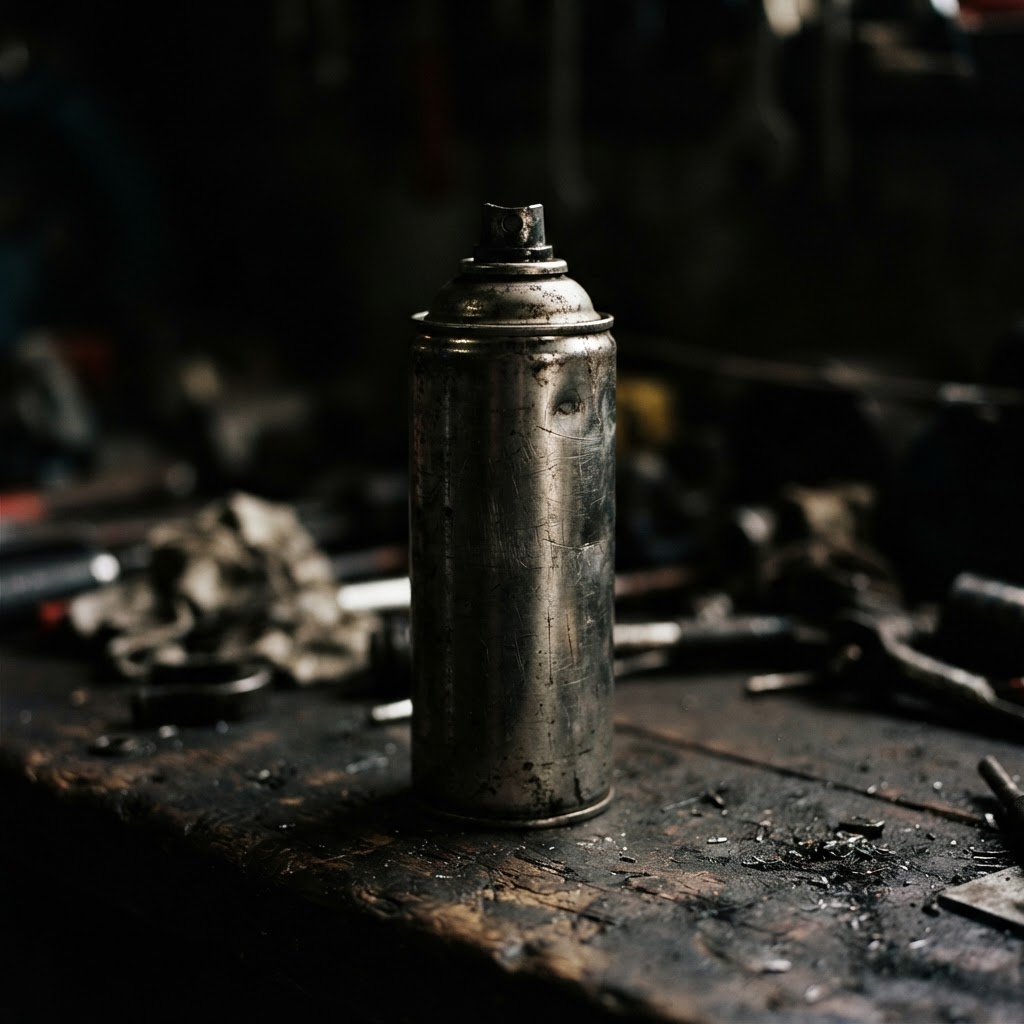
Carburetor Cleaner Spray
This chemical solvent is necessary to dissolve stubborn fuel varnish and clear microscopic obstructions from the pilot jet that cannot be reached mechanically.
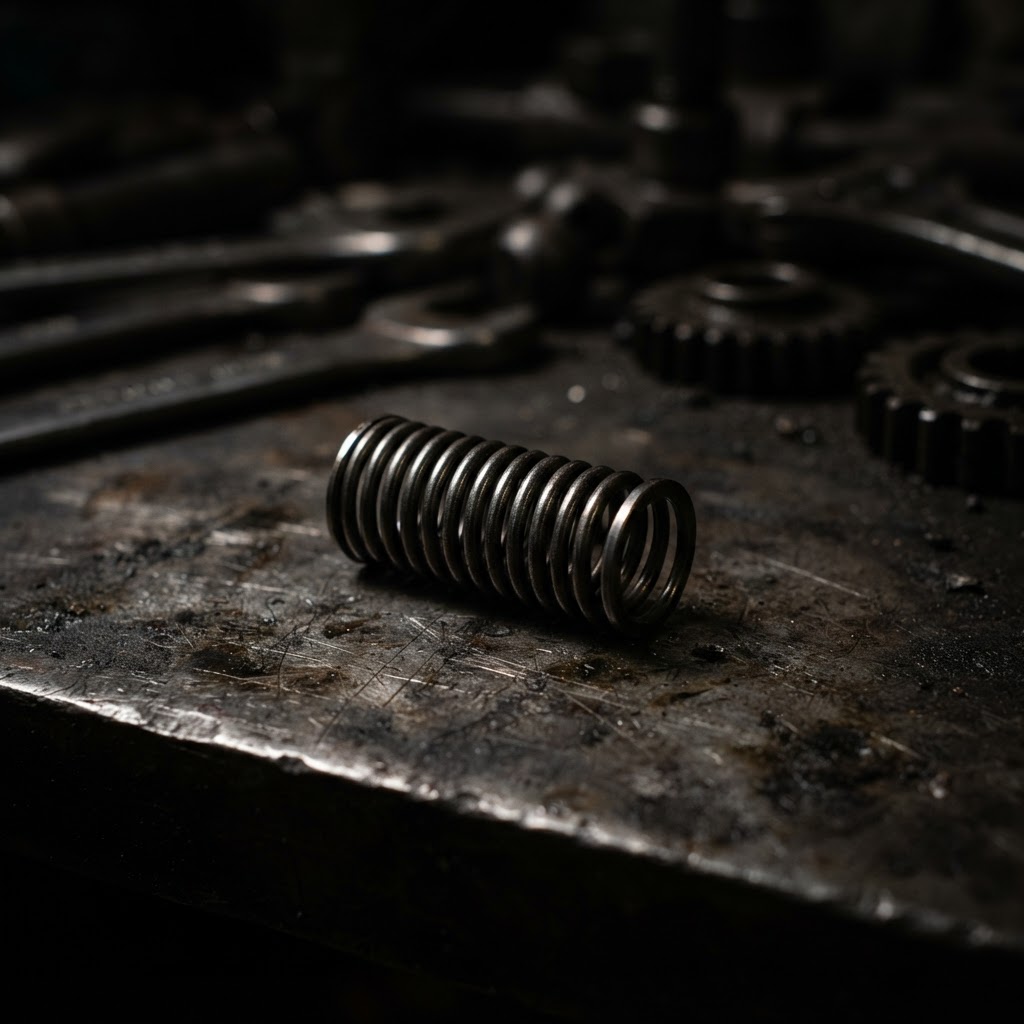
Governor Spring
A stretched or fatigued spring is a primary cause of erratic engine hunting at idle, and replacing it is necessary to restore proper tension for the governor linkage.
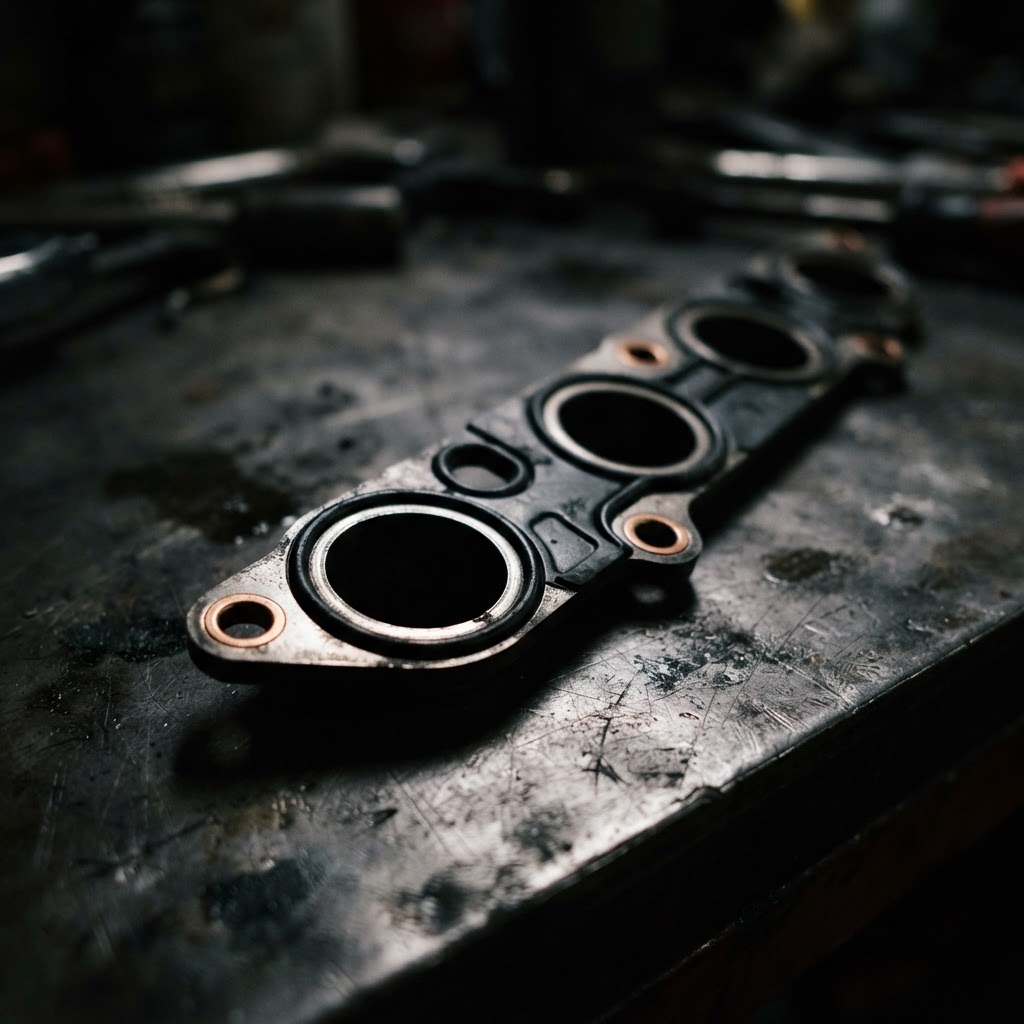
Intake Manifold Gasket
Replacing this seal is critical during a carburetor service to eliminate vacuum leaks that cause inconsistent air-fuel mixtures at idle.
Affiliate Disclosure: Lil Engine may earn commissions from qualifying purchases.
Pro Tips from the Community
Real-world fixes from Reddit, YouTube & forums.
"Check that the governor arm and linkage aren't bent or binding; a sticky throttle plate is also a common culprit for surging."
LawnSite.com Forum"Always start with the easiest fix: a clogged fuel filter or a dirty air filter can easily cause a lean condition and surging."
YouTube comments"If it's an older mower, try draining the gas tank completely and refilling with fresh fuel; stale gas is a surge-causer."
Reddit r/TractorByNet"Don't rule out a vacuum leak! Check all intake manifold gaskets and hoses for cracks or loose connections."
DoItYourself.com ForumPrevent This From Coming Back
Use non-ethanol fuel whenever possible to prevent varnish buildup
Add a high-quality fuel stabilizer to every gas can used for mower fuel
Replace the fuel filter annually to prevent debris from reaching the jet
Run the engine until the fuel tank is empty if storing for more than 30 days
Prevent This From Happening Again
While you're fixing it, stock up on the maintenance essentials that keep your riding mowers running right.
Small Engine Oil
Change oil every 50 hours or once per season to prevent engine wear.
Get on AmazonAir Filter
A clogged air filter reduces power and fuel efficiency — replace annually.
Get on AmazonFuel Stabilizer
Keeps fuel fresh during storage, preventing carburetor gumming.
Get on AmazonAffiliate Disclosure: Lil Engine may earn commissions from qualifying purchases.
Frequently Asked Questions
Generally, no. A bad spark plug usually results in a consistent misfire or a complete lack of spark, not a rhythmic surging, which is a fuel or governor-related phenomenon.
Video Help
Helpful videos showing these repairs in action.
Share Your Repair
Real-world fixes help everyone. Share what worked and your repair becomes part of Lil Engine's community database.
Related Problems
More Riding Mowers GuidesRelated Maintenance Articles
Related Symptoms
Surging / Hunting
Carburetor / Fuel Issues
Related Searches
Riding Mowers Troubleshooting
Did this help?
Your feedback helps improve guides for everyone.