Spark Arrestor Screen Maintenance — Performance & Safety Diagnosis
⚡ Quick Answer
A clogged spark arrestor screen restricts exhaust flow, causing significant power loss, engine bogging under load, and overheating. To diagnose, remove the screen from the muffler outlet and inspect for carbon buildup or physical damage. If the screen is intact, clean it with a non-synthetic wire brush; if it is torn or heavily clogged, replace it immediately to restore engine performance.
What do you want to do?
Most Likely Cause
Excessive Carbon Buildup
Over time, combustion byproducts accumulate on the fine mesh screen, creating a physical barrier to exhaust gases. This 'chokes' the engine, leading to poor throttle response and inability to reach full RPM. Confirm by removing the screen and checking for a visible layer of soot blocking the mesh.
Start here — this is the most common reason for this symptom.
Before You Buy Parts
Quick, free inspections — check these first. Most repairs don't actually need replacement parts.
Complete Resource Guide
Complete Small Engines Troubleshooting Guide
Repair Overview
15–30 minutes
$0–$15
First Checks — Start Here
- 1Allow the muffler to cool completely before touching it to prevent burns.
- 2Locate the spark arrestor at the muffler outlet, usually secured by 1-3 screws or a bolt.
- 3Remove the screen and inspect for holes, tears, or loose welds.
- 4Scrub the screen with a non-synthetic wire brush to remove carbon deposits.
- 5Use compressed air to blow out remaining debris from the screen mesh.
- 6Reinstall the screen and torque fasteners to manufacturer specifications.
Safety Warnings
- !Exhaust components reach temperatures exceeding 500°F; always wear heat-resistant work gloves.
- !Wear safety glasses to protect eyes from falling carbon soot and debris.
- !Do not use a torch to burn off carbon, as this can weaken the metal screen and alter its spark-arresting properties.
- !Ensure all fasteners are secure; a loose spark arrestor can vibrate and cause exhaust leaks.
- !Attempting to remove the screen while the muffler is still hot.
Always disconnect the spark plug, work in a well-ventilated area, and consult a professional if unsure.
Most Likely Causes
Ranked by likelihood — tap each to see diagnosis details.
Over time, combustion byproducts accumulate on the fine mesh screen, creating a physical barrier to exhaust gases. This 'chokes' the engine, leading to poor throttle response and inability to reach full RPM. Confirm by removing the screen and checking for a visible layer of soot blocking the mesh.
If the screen has holes, tears, or broken wires, it can no longer effectively trap hot carbon particles, posing a fire risk. Inspect the screen under a bright light; any visible gaps in the mesh require immediate replacement of the assembly. Never operate the machine with a damaged or missing screen in dry, grassy areas.
🔧 Step-by-Step Fix Guide
Cool Down and Access
Ensure the engine has been off for at least 30 minutes. Locate the spark arrestor on the muffler; it is typically held by a single bolt or a small cover plate. Use a socket set or screwdriver to remove the fasteners, being careful not to strip them as they are often seized by heat cycles.
Exhaust components reach temperatures exceeding 500°F; always wear heat-resistant work gloves.
Removal and Inspection
Carefully extract the screen. If it is stuck, use a penetrating oil and let it sit for 10 minutes before gently prying. Inspect the mesh for integrity; if you see any light passing through holes or tears, the part must be replaced.
Wear safety glasses to protect eyes from falling carbon soot and debris.
Cleaning the Screen
Use a non-synthetic wire brush to scrub the carbon off the screen. Avoid synthetic brushes, as they can melt if the muffler is still warm or if the carbon is hot. If the buildup is stubborn, use a parts cleaner or compressed air to clear the mesh openings.
Do not use a torch to burn off carbon, as this can weaken the metal screen and alter its spark-arresting properties.
Reinstallation and Torque
Place the screen back into the muffler housing, ensuring the gasket (if present) is seated correctly. Reinstall the fasteners and tighten them to the manufacturer's torque specification (typically 35 in-lbs to 10 ft-lbs depending on the model). Over-tightening can strip the threads in the muffler body.
Ensure all fasteners are secure; a loose spark arrestor can vibrate and cause exhaust leaks.
What To Test Next
If the air filter and fuel are good, the next thing to inspect is the carburetor — a partially clogged main jet or a leaking intake gasket is the leading cause of steady surging.
Component Reference

Carburetor & Fuel Intake
The carburetor mixes air and fuel for combustion. A clogged jet or stuck float is the #1 cause of small engine starting and surging problems.

Spark Plug & Ignition System
The spark plug ignites the air-fuel mixture. A fouled plug, wrong gap, or failing ignition coil will prevent the engine from firing.

Oil & Lubrication System
Regular oil changes are critical. Low or dirty oil causes engine wear, overheating, and eventual seizure. Check the dipstick before every season.

Air Filter & Intake
A clogged air filter starves the engine of air, causing rich running, power loss, and hard starting. Inspect and clean or replace it each season.
Photos for educational reference. Actual parts may vary by make and model.
Common Mistakes to Avoid
Attempting to remove the screen while the muffler is still hot.
Using a synthetic brush that melts onto the screen mesh.
Over-tightening the retaining screws and stripping the muffler threads.
Operating the machine without a screen after finding it damaged.
If This Didn't Fix It
Still having trouble? These are the next things to check:
Get the Exact Parts for Your Machine
Tell us your equipment's year, make, and model — we'll search for parts that actually fit, not generic ones.
Finding parts for
spark arrestro screen
Required Gear
Matched to your spark arrestro screen — click to find the exact fit on Amazon.

Spark Arrestor Screen
Essential if the existing screen is damaged or too clogged to clean. Always verify the part number against your specific engine manual.

Wire Brush
Used to scrub carbon deposits from the screen mesh. A non-synthetic brush is required to prevent melting.
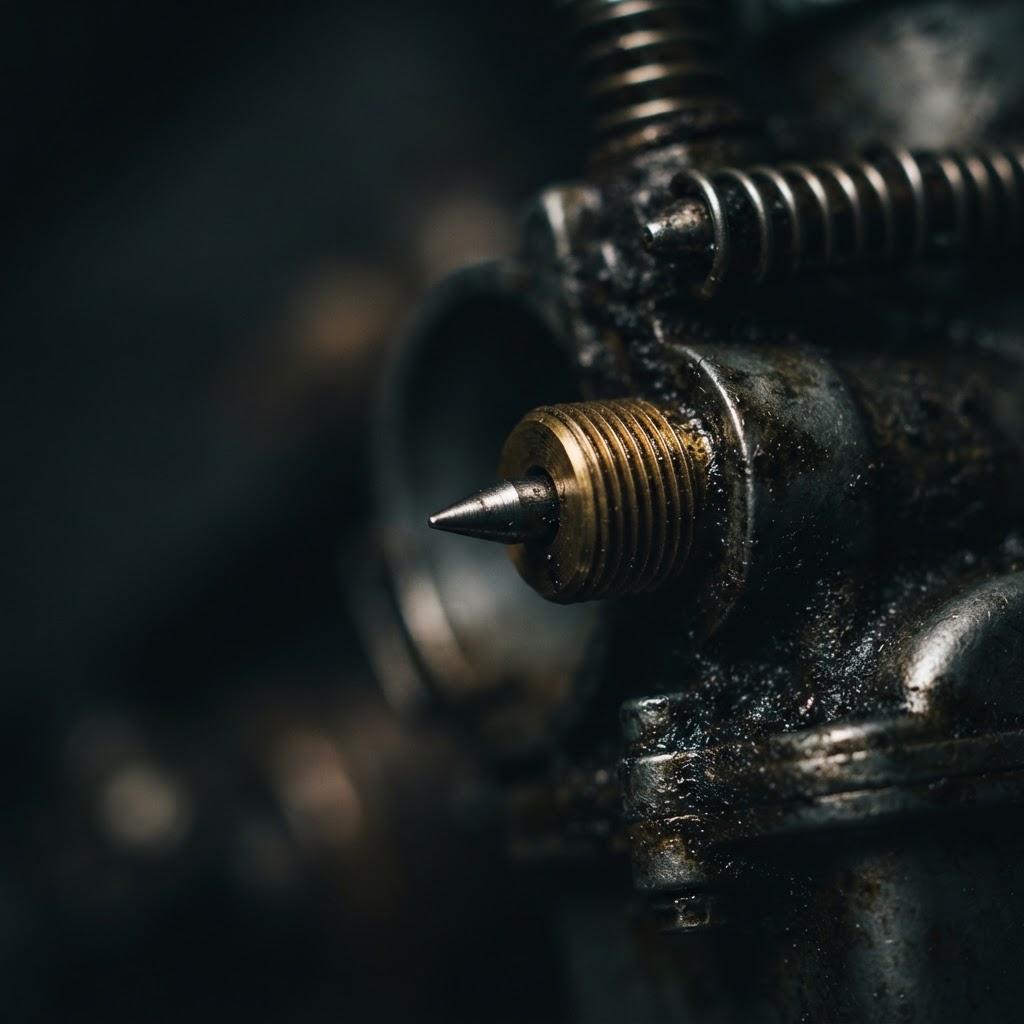
Carburetor Cleaner
Helps dissolve stubborn, oil-soaked carbon deposits on the screen. Also useful for general engine maintenance.

Safety Glasses
Protects eyes from loose carbon soot and debris when removing the screen. Essential for all small engine work.

Work Gloves
Protects hands from sharp metal edges and residual heat. Choose a pair with good dexterity for handling small screws.
Affiliate Disclosure: Lil Engine may earn commissions from qualifying purchases.
Pro Tips from the Community
Real-world fixes from Reddit, YouTube & forums.
"If you live in a dry area, never remove the screen permanently; it is a legal requirement and a major fire prevention tool."
USDA Forest Service"If the screen is heavily clogged, check your air-fuel mixture; a rich-running engine produces significantly more carbon."
LawnSite.com Forum"Use a small amount of anti-seize on the spark arrestor screws to make future maintenance much easier."
TractorByNet ForumPrevent This From Coming Back
Inspect the spark arrestor screen every 50–100 hours of operation.
Use high-quality fuel and the correct oil-to-fuel ratio to minimize carbon buildup.
Avoid idling for extended periods, which promotes carbon accumulation in the exhaust system.
Prevent This From Happening Again
While you're fixing it, stock up on the maintenance essentials that keep your small engines running right.
Spark Plug
The cheapest, fastest fix for most small engine starting problems.
Get on AmazonCarburetor Cleaner
Cleaning the carb is the #1 fix for surging and stalling engines.
Get on AmazonFuel Stabilizer
Prevents the stale fuel problems that cause most seasonal no-starts.
Get on AmazonAffiliate Disclosure: Lil Engine may earn commissions from qualifying purchases.
Frequently Asked Questions
No, it is a fire safety device and often a legal requirement for operating equipment on public or forest lands.
Video Help
Helpful videos showing these repairs in action.
Share Your Repair
Real-world fixes help everyone. Share what worked and your repair becomes part of Lil Engine's community database.
Related Problems
More Small Engines GuidesRelated Maintenance Articles
Related Symptoms
No Power
Related Searches
Small Engines Troubleshooting
Did this help?
Your feedback helps improve guides for everyone.